“Attention-deficit/hyperactivity disorder (ADHD) is a brain disorder marked by an ongoing pattern of inattention and/or hyperactivity-impulsivity that interferes with functioning or development.”
NIH National Institute of Mental Health
“Attention-deficit/hyperactivity disorder (ADHD) is a brain disorder marked by an ongoing pattern of inattention and/or hyperactivity-impulsivity that interferes with functioning or development.”
NIH National Institute of Mental Health
“A dilated eye exam is the only way to detect many common eye diseases such as glaucoma, diabetic eye disease and age-related macular degeneration in their early stages. Know your family’s eye health history.”
The National Eye Institute
“Compared with people of normal weight, those who are overweight or obese are at greater risk for many diseases, including diabetes, high blood pressure, cardiovascular disease, stroke, and many cancers.”
NIH National Cancer Institute
“Steadily on the rise in America, obesity recently overtook tobacco use as the number one preventable cause of cancer deaths in the United States. The operative word here is “preventable.”
Moffitt Cancer Center
“Ordinarily, this very painful stage of bursitis begins to recede in four or five days, although it may take longer. When the pain is no longer acute, therapy must be radically changed. At this point, it becomes essential to return full, normal movement to the joint. Naturally, this should be done slowly and cautiously.”
NATURAL PEDIA Nature of the world. Naturally. (naturalpedia.com)

 1. 1.
1. 1. 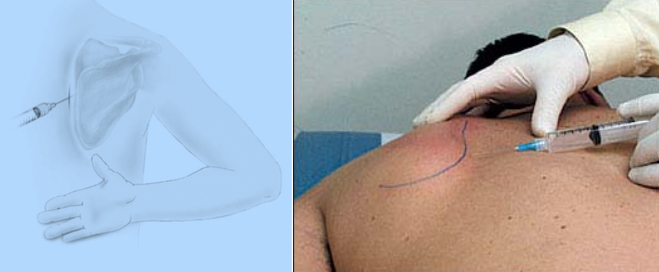
3.
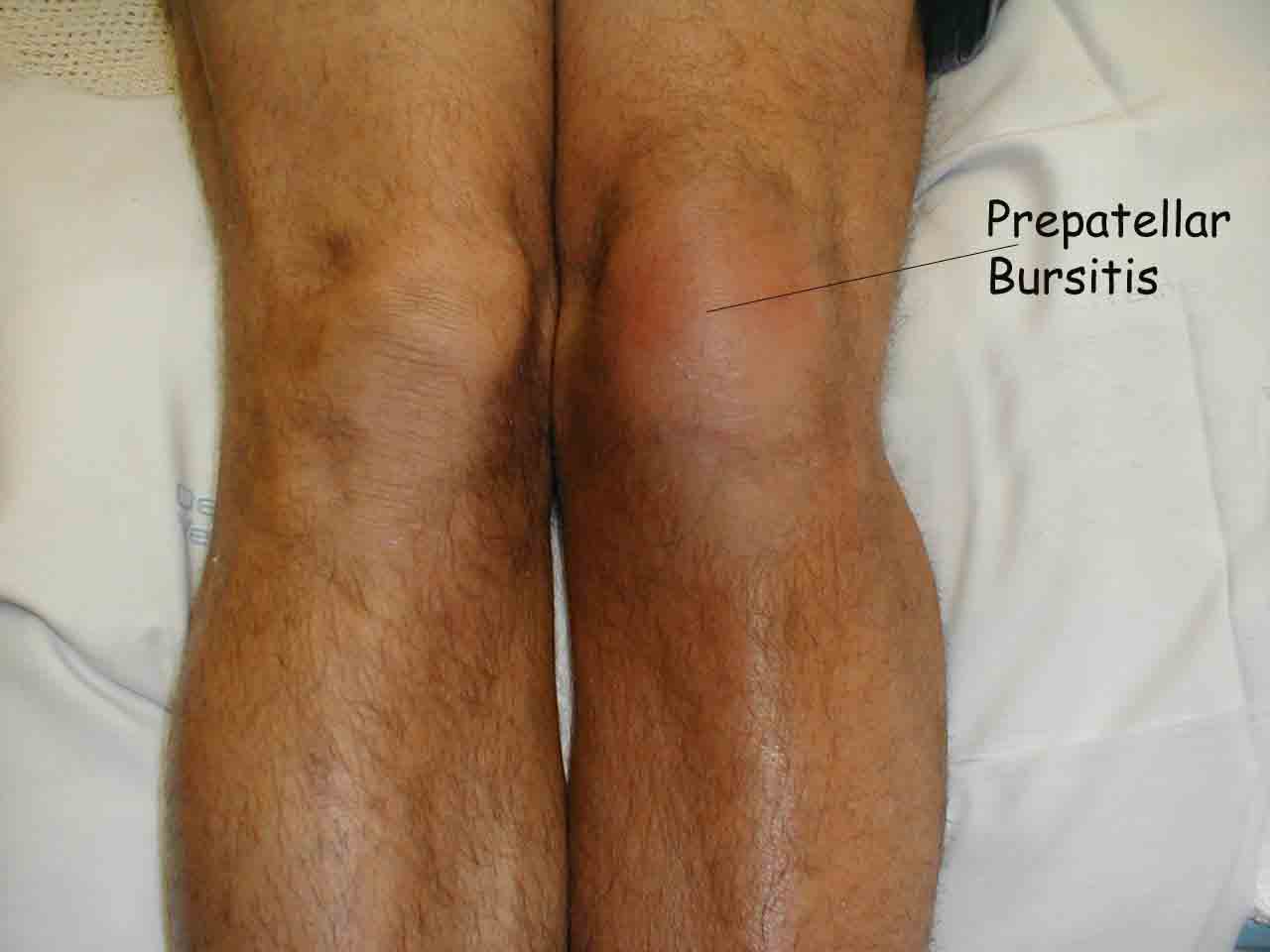
4.
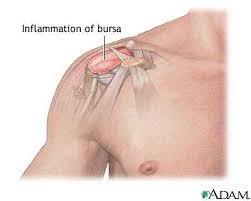
What Bursitis is?
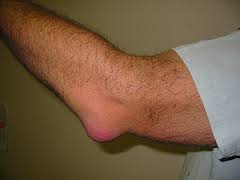
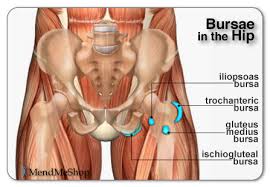
Bursitis (bur-SY-tis) is a painful condition that affects the small, fluid-filled sacs — called bursae (bur-SEE) — that cushion the bones, tendons and muscles near your joints. Bursitis occurs when bursae become inflamed.
The most common locations for bursitis are in the shoulder, elbow and hip. But you can also have bursitis by your knee, heel and the base of your big toe. Bursitis often occurs near joints that perform frequent repetitive motion.
Treatment typically involves resting the affected joint and protecting it from further trauma. In most cases, bursitis pain goes away within a few weeks with proper treatment, but recurrent flare-ups of bursitis are common.
If you have bursitis, the affected joint may experience the following symptoms:
Consult your doctor if you have:
Other causes include injury or trauma to the affected area, inflammatory arthritis such as rheumatoid arthritis, gout, and infection.
Age. The occurrence of bursitis becomes more common with aging.
Occupations or hobbies. If your work or hobby requires repetitive motion or pressure on particular bursae, your risk of developing bursitis increases. Examples include carpet laying, tile setting, gardening, painting and playing a musical instrument.
Other medical conditions. Certain systemic diseases and conditions — such as rheumatoid arthritis, gout and diabetes — increase your risk of developing bursitis.
Doctors can often diagnose bursitis based on a medical history and physical exam but if further testing needed the M.D. will do the following:
Imaging tests. X-ray images can’t positively establish the diagnosis of bursitis, but they can help to exclude other causes of your discomfort. Ultrasound or MRI may be used if your bursitis can’t easily be diagnosed by a physical exam alone.
Lab tests. Your doctor may perform blood tests or an analysis of fluid from the inflamed bursa to pinpoint the cause of your joint inflammation and pain.
Bursitis treatment usually involves conservative measures, such as rest, ice and taking a pain reliever. If conservative measures don’t work, treatment may include:
While not all types of bursitis can be prevented, you can reduce your risk and the severity of flare-ups by changing cushioning your areas of where bursitis can take place:
1-Rest the affected area 2-Use ice to control swelling 3-Dull pain naturally 4-Stretch and move the area when M.D. says it is allowed. 5-Revent relapses with proper posture. 6-Eat healthy diet and exercise.
“The two most common types of lung cancer that exist are 1 non-small cell lung cancer (NSCLC), which is the most common, and 2 small cell lung cancer (SCLC).”
Lung Cancer Society
“Bee and wasp stings can cause painful swelling that usually goes away within a couple of days. However, in some people, stings can trigger anaphylactic shock, which is a life-threatening reaction.”
Medical News Today
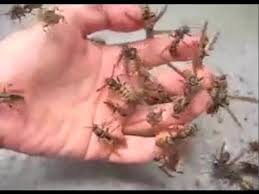
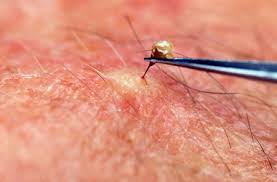
If you are not allergic (the majority of us are not) but you DO get stung by a bee, look for some plantain – chew it up a bit at the front of your mouth – and then spit the chewed up leaf and saliva on the sting.
What do you do if you or your child or family is stung?
One get into a safe area and away from a hive or outside where more stinging insects can come and attack you.
Two look at the area and if you see the stinger DO NOT SQUEEZE IT OUT since you will squeeze out more venom from the stinger but what you can do is get a tweezer and pull it our or if not available you can attempt to scratch it out with a nail (like if you are out camping and have no tweezers for example).
Three than wash the area out with soap and apply ice if the area is in pain to give the numbing affect to the area and decrease the pain with decreasing the venom from spreading.
If the area is itching apply oatmeal or a antihistamine cream to the area to decrease the itching or maybe even a cool bath.
Most stings will cause a small red bump to the area that got stung. For most part they can be treated at home depending on the area that was stung (Foot vs EYE for example). It would also include the reaction the individual has (LOCAL vs SYSTEMIC or even ANAPHYLACTIC=An allergic reaction that needs to be treated immediately or fatal, usually with epinephrine injection.).
Stung in the eye it will get swollen and shut and immediate evaluation from a MD is needed to make sure there is no other injury to the eye or that they didn’t even actually get stung in the eye itself.
If you show hives with DIFFICULTY BREATHING or DIFFICULTY SWALLOWING you NEED TO CALL 911 IMMEDIATELY since this is indicating a ANAPHYLACTIC REACTION most likely that needs treatment ASAP!! Since this can lead to shock or unconsciousness.
If you have reason to think you may be seriously allergic to bee venom, you should carry an Epipen (further discussed below).
How to determine if your even allergic to stings:
The diagnosis is made by a specialist, an allergist, by interviewing the patient and doing special allergy tests. If someone has had what is described as a systemic reaction, they should have venom skin tests done by an allergist to identify which venoms they are allergic to. The allergist can then recommend, based on the kind of reaction that the patient had, what kind of prevention would be the best idea for that person. For some people, it might be enough to be careful and carry an EpiPen, but for most people with insect skin allergy the best recommendation is to be immunized with venom treatment, because the allergy shots are highly effective to prevent dangerous reactions. This would all be done after any serious reactions were first taken care of in the ER if you had to call 911.
If you have reason to think you may be seriously allergic to bee venom, you should carry an Epipen (further discussed below). What it this exactly? An EpiPen is one kind of injector to deliver epinephrine, also known as adrenaline. It is a spring-loaded injector that makes it easy for somebody to give themselves an emergency injection that can be life-saving when there’s a severe allergic reaction. An EpiPen is useful for someone to carry if they have had a severe allergic reaction in the past. This is true for insect sting allergy and for some food allergies or other causes of anaphylaxis.
Let me point out that there is no other medicine that can counteract a severe allergic reaction, but sometimes even the EpiPen isn’t enough; so when someone needs to use an EpiPen they should call 911, because they may need intravenous fluids or oxygen or other medicines. BE SAFE RATHER THAN SORRY!
So let us remember it is now spring and around the corner is summer so don’t forget their BACK AGAIN!
References
1-Read more: http://www.ehow.com/how 2-NEWS4JAX.com Published On: May 30 2014 09:38:22 AM EDT
3-http//beestrawbridge.blogspot.com/2013/03/which- bees-sting and which-don’t.html with Phil Chandler of Biobees.
4-Wikipedia-2013 published Bees
5-MedicineNet.com Bee and Wasp Sting 12/11/2013
“Sadly, it is one of many types of bees, the bumble bee, whose numbers are declining for numerous reasons. Habitat loss, pesticide use, pollution and mites are reducing the number of bee colonies in the U.S.. Without them, most plants would need to be pollinated by hand. Birds and wind pollination are usually specific to certain plants and cannot be relied on to do the work of a population of bees.”
Insect Identification (www.insectidentification.org)