Archives

Deal with weather ailments and in the NE this winter!


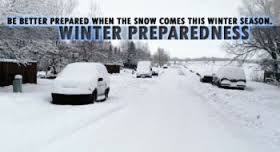
So remember till Spring actually sets in be Preparred!
Deal with weather ailments.

Learn from this week if you haven’t yet in the North East that this season is not over and to many feeling like their in the North Pole finally ends in about a month or less but this winter has worsened or increased illnesses due to the freezing cold temperatures we have had than into lovely weather back to freezing cold and still do.  Some health problems have been enhanced by the freezing temperatures like the common cold with even adding a sore throat trickling on to an attack of asthma   Well here’s how to help your body deal with the cold weather ailments.

“It’s your own immune response that makes you feel ill,” says Professor Ron Eccles of the Common Cold Centre in Cardiff, where experts have researched the common cold for more than 20 years.

When you get a cold, the virus attacks the nose and the back of the throat, and it doesn’t take long for the body’s natural defences to start to work.

“The immune system detects the virus and floods the area with white blood cells and chemical messengers, and these trigger various symptoms such as headaches and a blocked nose.”

“Women have more colds than men, and this is probably due to increased interaction with children,” says Professor Eccles of the Common Cold Centre in Cardiff .  Children get around seven to ten colds a year, compared with two to three for adults. So people who spend a lot of time with children, such as childminders, nursery teachers or school teachers, are more likely to pick up the viruses.

“During a cold, the lining of your nose is the battlefront,” says Professor Eccles. When your nose feels blocked, it isn’t because it’s full of mucus, but because the blood vessels in your nose are inflamed.

The nasal lining is made from erectile tissue (similar to the tissue in the sexual organs). When you have a cold, the blood vessels swell up as infection-fighting white blood cells flood to the area. This narrows the air passage in your nose and restricts the airflow as you breathe.

A decongestant spray can reduce the swelling and allow you to breathe more easily.

The cold is not unusual if a sore throat comes along with it also.  They are common in winter and are almost always caused by viral infections. There’s some evidence that changes in temperature, such as going from a warm, centrally heated room to the icy outdoors, can also affect the throat.

Cold air is a major trigger of asthma symptoms such as wheezing and shortness of breath. People with asthma should be especially careful in winter.  Key steps in helping prevent the asthma attack to occur:

  1. Keep taking your regular preventer medicines as prescribed by your doctor.
  2. If you know that cold air triggers your asthma, take one or two puffs of your reliever inhaler before going outside.
  3. Keep your blue reliever inhaler with you at all times.
  4. Wrap up well and wear a scarf over your nose and mouth – this will help to warm up the air before you breathe it in.
  5. Take extra care when exercising in cold weather. Warm up for 10-15 minutes and take one or two puffs of your reliever inhaler before you start.

Continue to be careful in this winter weather and stay healthy at your optimal level. in dealing with this freezing cold.

 

QUOTE FOR THE WEEKEND:

“Getting sick is a part of everyday life, and being on the road doesn’t exempt you from that fact, especially when travel itself it exposes you to a whole new range of bugs, parasites, and environments. The fact of the matter is the longer you are traveling, the more likely you are to pick up a bug or two.The key to minimizing the chances of this, however, is to actively combat the risk factors of becoming sick in the first place. HANDWASHING is the first key.  I know this sounds basic, but it is surprising how many people forget it.”.

Columbia Presbyterian

QUOTE FOR FRIDAY:

“”Although seasonal weight gain varies from person to person, there have been surveys that show an average of a five to seven pound gain in weight in winter,” says Lawrence J. Cheskin, MD, founder and director of the Johns Hopkins.  Setting a regular fitness schedule is the key to keeping weight off in winter,” says Lisa Giannetto, MD, an assistant clinical professor in the Diet and Fitness Center at the Duke University Medical Center in Durham, N.C.”

Web M.D.


Here are four simple ways to avoid WINTER WEIGHT GAIN.

So what’s the solution?   Here are four simple ways to avoid winter weight gain.1. Stock up your kitchen cupboards
  
Keep your store cupboard stocked with staples such as cans of tomatoes, spices, beans and pulses, dried wholewheat pasta, wholewheat cereals, noodles, couscous and dried fruit. Keep some extra bread in the freezer if there’s space. That way, you’ll be able to create a quick and nutritious evening meal, such as a lentil or vegetable soup or stew, at short notice. You’ll save money and avoid the temptation to order a high-calorie takeaway.

2. Exercise more

When the outside temperature drops, it’s easy to give up on outdoor exercise. In winter, we stop doing calorie-burning outdoor activities like short walks and gardening. But reducing the amount of physical activity you do is one of the biggest contributors to winter weight gain.

Cold weather and shorter days don’t mean you have to abandon exercise completely. Instead, rearrange your schedule to fit in what you can. You don’t need formal exercise to burn calories.kjsd xcvbnm  mhg4321`

A brisk walk can be revitalising after being indoors with the central heating on, and it’ll also help boost your circulation. Put on some warm clothes and jog around the neighbourhood or start a snowball fight with the kids. Most leisure centres have heated swimming pools and indoor tennis and badminton courts. If you’d rather stay at home, buy some dance or workout DVDs, and always walk up the stairs at work rather than using the lift.  These little things can make all the difference when it comes to avoiding weight gain in the winter.

3. Drink smart

It’s important to consume hot drinks throughout winter as it will help you keep warm. However, some hot beverages are high in calories. Milky, syrupy coffee shop drinks and hot chocolate with whipped cream can add a lot of calories to your diet. A Starbucks medium caffe mocha, for instance, contains more than 360 calories. Stick to regular coffee or tea, or ask for your drink to be “skinny” (made with skimmed milk). Also, LIMIT your alcohol intake as much as possible.

4. Get your winter greens

Eating a wide variety of foods ensures you get a range of nutrients, including vitamins and minerals. Don’t get stuck eating the same food every day.

Look out for root vegetables, such as swedes, parsnips and turnips, and winter veggies such as cauliflower, Brussels sprouts, kale and artichokes. They’re filling as well as nutritious so will help you to resist a second helping of trifle.

Ways you can create a winter wellness plan that works for you:

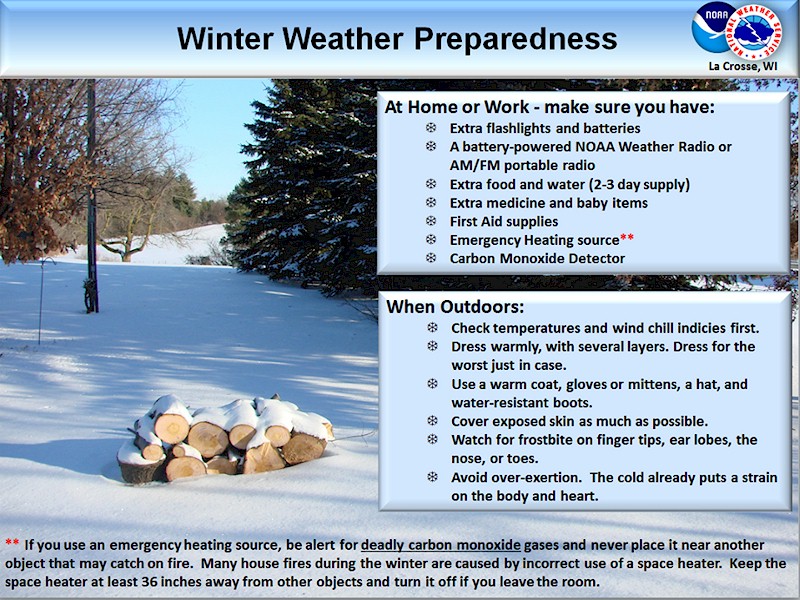
Follow these tips to keep you, your family and those around you warm and well in extremely cold weather.

Is ice and snow on the way?

Check the Met Office’s severe weather warnings

To keep warm and well during spells of cold weather:

  • Draw your curtains at dusk and keep your doors closed to block out draughts.
  • Have regular hot drinks and eat at least one hot meal a day if possible. Eating regularly helps keep energy levels up during winter.
  • Wear several light layers of warm clothes (rather than one chunky layer).
  • Keep as active in your home as possible.
  • Wrap up warm and wear shoes with a good grip if you need to go outside on cold days.

Keep your bedroom and main living room at 18 and 21°C (65 and 70°F) respectively. If you can’t heat all the rooms you use, heat the living room during the day and the bedroom just before you go to sleep.  Another great way I find keeping the house warm is using a duraflame heater in a room which works in making the room warmer and keeps the gas bill down since its an electric heater that costs about 25 cents an hour to run as QVC stated in their presentation for this component and its true for me.

QUOTE FOR THURSDAY:

“People in the United States are more likely to feel their stress increases rather than decreases during the holidays. The holidays can be a hectic time for many, and a lack of money, a lack of time, and the hype and commercialism of the season causes increased stress for people in this country.”
Greenberg Quinlan Rosner Research

QUOTE FOR WEDNESDAY:

“New research says pregnant women should include the annual flu shot in their care plan.  On July 20th, 2018, the American College of Obstetricians and Gynecologists (ACOG) said immunization is an essential part of care for adults, including pregnant women.  According to the ACOG’s immunization committee’s opinion, there is no evidence of adverse fetal effects from vaccinating pregnant women with inactivated virus, bacterial vaccines, or toxoids, and a growing body of data demonstrate the safety of such use.”

American College of Obstetricians and Gynecologists

QUOTE FOR TUESDAY:

Influenza Pandemics: “The 1889–1890 flu pandemic, also known as Russian Flu, had a very high attack and mortality rate, causing around a million fatalitiesTotal mortality attributable to the 1918 Spanish Flu was probably around 40 million.  The “Asian Flu”, 1957–58. An H2N2 virus caused about 70,000 deaths in the United States.  First seen in China late Feb 1957 caused about 2 million deaths globally.  The “Hong Kong Flu”, 1968–69. An H3N2 caused about 34,000 deaths in the United States & killed approximately one million people worldwide .  In the spring of 2009, a novel influenza A (H1N1) virus emerged. It was detected first in the United States and spread quickly across the United States and the world. This new H1N1 virus contained a unique combination of influenza genes not previously identified in animals or people. This virus was designated as influenza A (H1N1)pdm09 virus. The (H1N1)pdm09 virus was very different from H1N1 viruses that were circulating at that time; vaccination with seasonal flu vaccines thus offered little cross-protection against (H1N1)pdm09 virus infection. While a monovalent (H1N1)pdm09 vaccine was produced, it was not available in large quantities until late November, which was after the peak of illness during the second wave had come and gone in the United States. From April 12, 2009 to April 10, 2010, CDC estimated that there were 60.8 million cases (range: 43.3-89.3 million), 274,304 hospitalizations (195,086-402,719), and 12,469 deaths (8868-18,306) in the United States due to the (H1N1)pdm09 virus.* CDC estimated that between 151,700 and 575,400 people worldwide died from 2009 H1N1 virus infection during the first year the virus circulated.”

Centers for Disease Control and Prevention

QUOTE FOR MONDAY:

“1. Choose age appropriate toys by reading the age label on the toy. For children younger than 3, avoid toys with small parts, which can cause choking. In particular avoid deflated or broken balloons, small parts or small balls.  2. Scooters and other riding toys – Riding toys, skateboards and in-line skates go fast, and falls could be deadly. Helmets & safety gear always WEAR.  3.)Whether marketed for children or adults, building and play sets with small magnets should also be kept away from small children (prevents magnets from being swallowed). ”

On Safety (onsafety.cpsc.gov)

Safe Toys and Gift National Month

Bebé mordiendo juguete

Toys and games are tons of fun for kids and adults. Whether your kids are working on a puzzle, playing with building blocks or even inventing their own games, here are a few things to think about to help them stay safer and have a blast.

The Hard Facts

In 2011, 188,400 children under the age of 15 years were seen in emergency departments for toy-related injuries. That’s 516 kids every day. More than a third of those injured were children 5 and under.

Toys are the treasures of childhood. But if you’re not careful, toys can be hazardous, too.

According to the U.S. Consumer Product Safety Commission (CPSC), more than 250,000 toy-related injuries were treated in U.S. hospital emergency rooms in 2015. Of those, about one-third involved kids under 5.

To keep your child safe, follow these guidelines when choosing toys.

  • Pick age-appropriate toys. Most toys show a “recommended age” sticker, which can be used as a starting point in the selection process. Be realistic about your child’s abilities and maturity level when choosing an age-appropriate toy. Toys that have projectiles, for example, are never suitable for a child under age 4 – and even some 6-year-olds aren’t mature enough to handle them. Likewise, if your 3-year-old still puts everything into her mouth, wait a little longer to give her toys and games with small parts and pieces.
  • Consider your child’s age when purchasing a toy or game. It’s worth a second to read the instructions and warning labels to make sure it’s just right for your child.
  • Choose toys that are well-made. Used toys passed down from older relatives or siblings or bought at yard sales can be worn or frayed, which can sometimes be dangerous. Check all toys – new or used – for buttons, batteries, yarn, ribbons, eyes, beads, and plastic parts that could easily be chewed or snapped off. Make sure a stuffed animal’s tail is securely sewn on and the seams of the body are reinforced. Parts on other toys should be securely attached. Make sure there are no sharp edges and the paint is not peeling.   Before you’ve settled on the perfect toy, check to make sure there aren’t any small parts or other potential choking hazard.
  • Think big. Until your child turns 3, toy parts should be bigger than his mouth to prevent the possibility of choking. To determine whether a toy poses a choking risk, try fitting it through a toilet paper roll. If a toy or part of a toy can fit inside the cylinder, it’s not safe.  Keep a special eye on small game pieces that may be a choking hazard for young children. While these kinds of games are great for older kids, they can pose a potential danger for younger, curious siblings.
  • Make sure your child is physically ready for the toy. For example, parents of older kids may buy a bike one size too big so as not to have to buy a new bike the next year. This tactic can lead to serious injury if a child doesn’t have the physical skills to control the bigger bike.
  • Skip the balloons. They may be cheerful party decorations and fun to bounce around, but latex balloons are the main cause of toy-related choking fatalities in children. When ingested, uninflated balloons (or pieces of burst balloons) can form a tight seal in a child’s airway and make it impossible to breathe.
  • Don’t pick heavy toys. Could your child be harmed if it fell on her? If so, pass.

Top Tip:

  1. After play time is over, use a bin or container to store toys for next time. Make sure there are no holes or hinges that could catch little fingers.

QUOTE FOR THE WEEKEND:


“Most people recover fully from even the most severe cases of Guillain-Barré syndrome.  Severe cases of Guillain-Barré syndrome are rare, but can result in near-total paralysis.”

World Health Organization