Archives

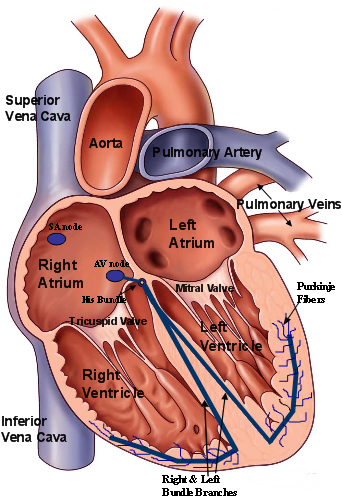
What happens when someone has a heart attack or myocardial infarction:


A heart attack is a frightening experience. If you have experienced a heart attack, or are close with someone who has, you should know this: You are not alone. In fact, tens of thousands of people survive heart attacks and go on to lead productive, enjoyable lives.

What happens when a heart attach occurs:

First like striveforgoodhealth.com has stated this past week and before in previous articles remember ANY organ without 02-oxygen will die.  When this happens high risk a infarction will occur.  If this occurs in the brain its a brain infarction; if this occurs in the heart it is called a heart attack medically known as a myocardial infarction.

When you have a heart attack part of the heart tissue dies.  Your heart muscle needs oxygen to survive. A heart attack occurs when the blood flow that brings oxygen to the heart muscle is severely reduced or cut off completely.

A heart attack occurs when the flow of blood to an area of the heart is blocked. The blockage is most often a buildup of fat, cholesterol and other substances, which form a plaque in the arteries that feed that area of the heart (coronary arteries).

Sometimes, a plaque can rupture and form a clot that blocks blood flow. The interrupted blood flow can damage or destroy part of the heart muscle.

Also a condition called Atrial Fibrillation (AF), a type of a cardiac rhythm,  a very common type.  This AF can cause pooling of the blood in the chanmbers of the heart due to the irregular heart beat overtime not diagnosed or treated yet.  Overtime this pooling of blood can create a clot putting the heart at risk for complications.  The bulk of evidence in research demonstrates that AF patients hospitalized for AMI have serious adverse prognostic implications regarding in-hospital, but also long-term mortality.

A heart attack, also called a myocardial infarction, can be fatal, but treatment has improved dramatically over the years. It’s crucial to call 911 or emergency medical help if you think you might be saving a heart attack.

The sooner you get to an emergency room, the sooner you can get treatment to reduce the amount of damage to the heart muscle. At the hospital, health care professionals can run tests to find out if a heart attack is happening and decide the best treatment.

In some cases, a heart attack requires cardiopulmonary resuscitation (CPR) or an electrical shock (defibrillation) to the heart to get the heart pumping again. Bystanders trained to use CPR or a defibrillator may be able to help until emergency medical personnel arrive.

Remember, the chances of surviving a heart attack are better the sooner emergency treatment begins.

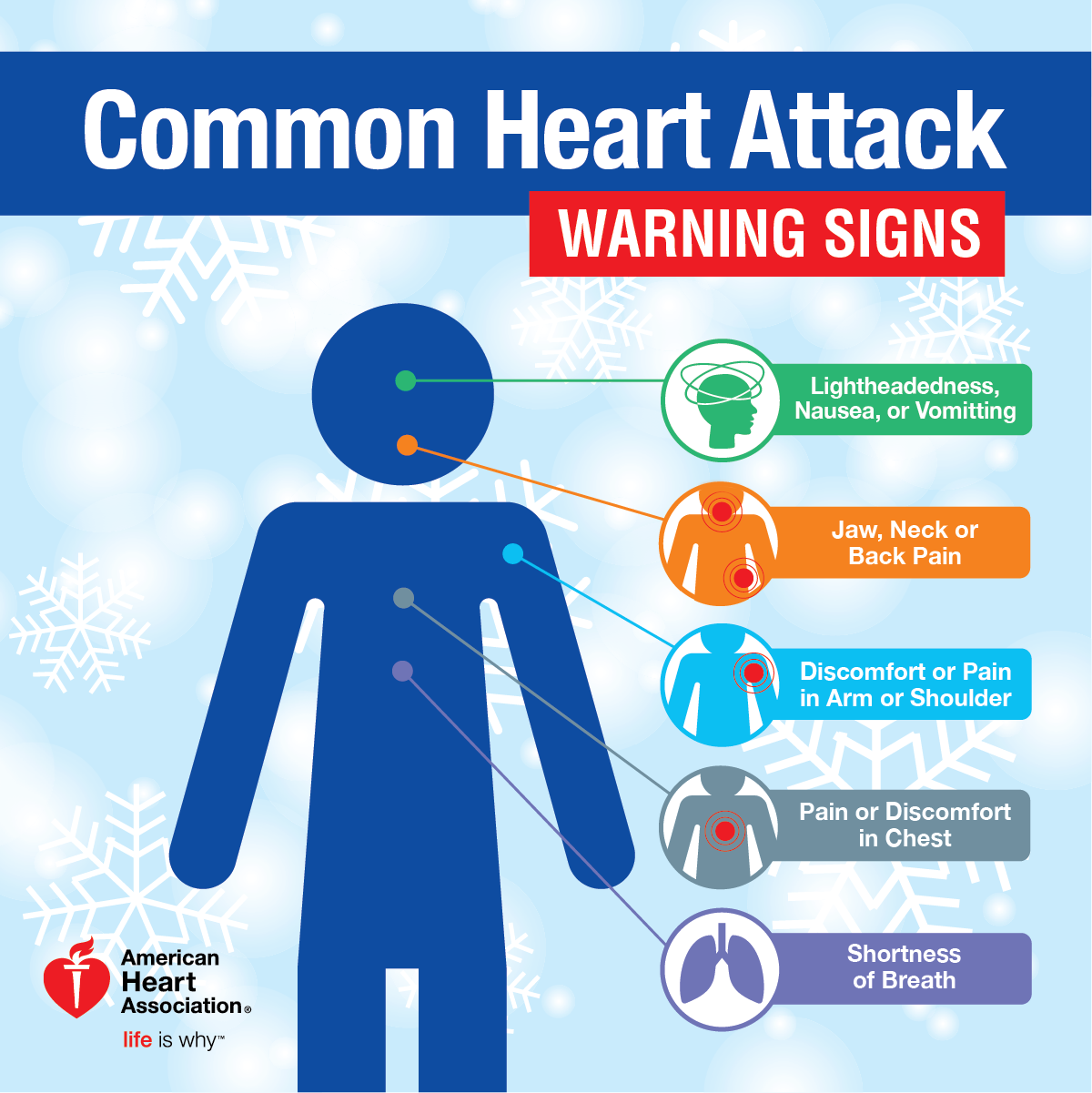
Common Symptoms of a Heart Attack:

  • Chest pain or discomfort. Most heart attacks involve discomfort in the center or left side of the chest that lasts for more than a few minutes or that goes away and comes back. The discomfort can feel like uncomfortable pressure, squeezing, fullness, or pain.
  • Feeling weak, light-headed, or faint. You may also break out into a cold sweat.
  • Pain or discomfort in the jaw, neck, or back.
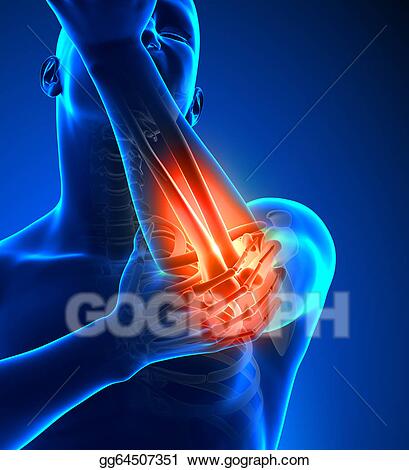
  • Pain or discomfort in one or both arms or shoulders.
  • Shortness of breath. This often comes along with chest discomfort, but shortness of breath also can happen before chest discomfort.

*Other symptoms of a heart attack could include unusual or unexplained tiredness and nausea or vomiting. Women are more likely to have these other symptoms.*
CAUSES OF HEART ATTACKS:

A heart attack occurs when one or more of your coronary arteries becomes blocked. Over time, a buildup of fatty deposits, including cholesterol, form substances called plaques, which can narrow the arteries (atherosclerosis). This condition, called coronary artery disease, causes most heart attacks.

During a heart attack, a plaque can rupture and spill cholesterol and other substances into the bloodstream. A blood clot forms at the site of the rupture. If the clot is large, it can block blood flow through the coronary artery, starving the heart of oxygen and nutrients (ischemia).

You might have a complete or partial blockage of the coronary artery.

  • A complete blockage means you’ve had an ST elevation myocardial infarction (STEMI).
  • A partial blockage means you’ve had a non-ST elevation myocardial infarction (NSTEMI).
QUOTE FOR THE WEEKEND::

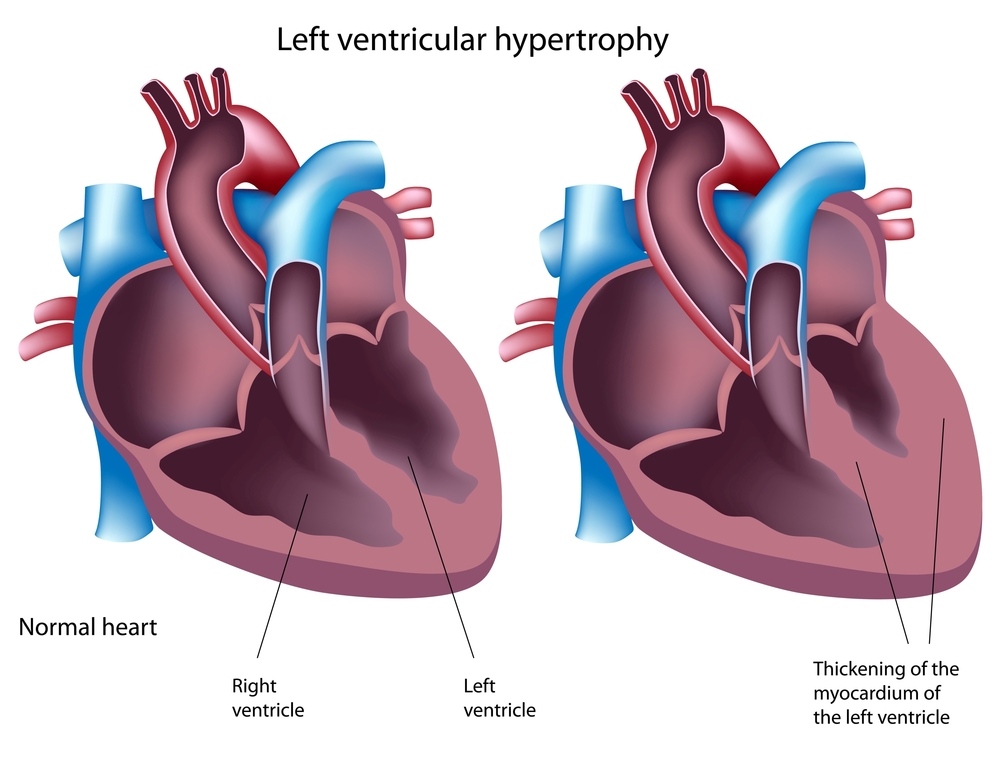
“Cardiomyopathy refers to diseases of the heart muscle. These diseases have many causes, signs and symptoms as well as treatments. In most cases, cardiomyopathy causes the heart muscle to become enlarged, thick or rigid. In rare instances, diseased heart muscle tissue is replaced with scar tissue.  Scar Tissue cannot be replaced anywhere in the body”

American Heart Association

Cardiomyopathy


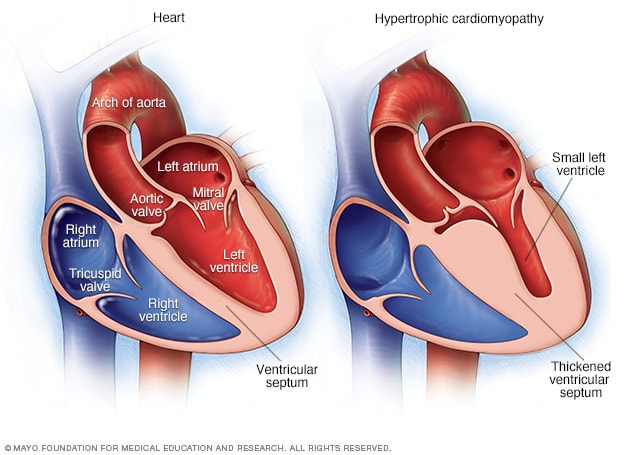
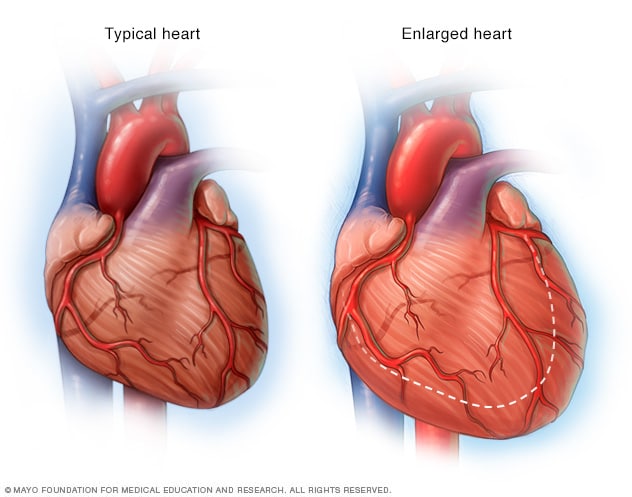
NORNAL SIZE HEART


CARDIOMYOPATHY HEART Look at the second picture of the heart at the bottom right

CARDIOMYOPATHY:

Cardiomyopathy (kahr-dee-o-my-OP-uh-thee) is a disease of the heart muscle that makes it harder for your heart to pump blood to the rest of your body. Cardiomyopathy can lead to heart failure.

The main types of cardiomyopathy include dilated, hypertrophic and restrictive cardiomyopathy. Treatment — which might include medications, surgically implanted devices or, in severe cases, a heart transplant —this would all depend on which type of cardiomyopathy you have and how serious it is.

Symptoms

There might be no signs or symptoms in the early stages of cardiomyopathy. But as the condition advances, signs and symptoms usually appear, including:

  • Breathlessness with exertion or even at rest
  • Swelling of the legs, ankles and feet
  • Bloating of the abdomen due to fluid buildup
  • Cough while lying down
  • Fatigue
  • Heartbeats that feel rapid, pounding or fluttering
  • Chest discomfort or pressure
  • Dizziness, lightheadedness and fainting

Signs and symptoms tend to get worse unless treated. In some people, the condition worsens quickly; in others, it might not worsen for a long time.

When to see a doctor

See your doctor if you have one or more signs or symptoms associated with cardiomyopathy. Call 911 or your local emergency number if you have severe difficulty breathing, fainting or chest pain that lasts for more than a few minutes.

Because some types of cardiomyopathy can be hereditary, if you have it your doctor might advise that your family members be checked.

Causes

Often the cause of the cardiomyopathy is unknown. In some people, however, it’s the result of another condition (acquired) or passed on from a parent (inherited).

Contributing factors for acquired cardiomyopathy include:

  • Long-term high blood pressure
  • Heart tissue damage from a heart attack
  • Chronic rapid heart rate
  • Heart valve problems
  • Metabolic disorders, such as obesity, thyroid disease or diabetes
  • Nutritional deficiencies of essential vitamins or minerals, such as thiamin (vitamin B-1)
  • Pregnancy complications
  • Drinking too much alcohol over many years
  • Use of cocaine, amphetamines or anabolic steroids
  • Use of some chemotherapy drugs and radiation to treat cancer
  • Certain infections, especially those that inflame the heart
  • Iron buildup in your heart muscle (hemochromatosis)
  • A condition that causes inflammation and can cause lumps of cells to grow in the heart and other organs (sarcoidosis)
  • A disorder that causes the buildup of abnormal proteins (amyloidosis)
  • Connective tissue disorders

Types of cardiomyopathy include:

  • Dilated cardiomyopathy. In this type of cardiomyopathy, the pumping ability of your heart’s main pumping chamber — the left ventricle — becomes enlarged (dilated) and can’t effectively pump blood out of the heart.Although this type can affect people of all ages, it occurs most often in middle-aged people and is more likely to affect men. The most common cause is coronary artery disease or heart attack.
  • Hypertrophic cardiomyopathy. This type involves abnormal thickening of your heart muscle, particularly affecting the muscle of your heart’s main pumping chamber (left ventricle). The thickened heart muscle can make it harder for the heart to work properly.Hypertrophic cardiomyopathy can develop at any age, but the condition tends to be more severe if it becomes apparent during childhood. Most affected people have a family history of the disease, and some genetic mutations have been linked to hypertrophic cardiomyopathy.
  • Restrictive cardiomyopathy. In this type, the heart muscle becomes rigid and less elastic, so it can’t expand and fill with blood between heartbeats. This least common type of cardiomyopathy can occur at any age, but it most often affects older people.Restrictive cardiomyopathy can occur for no known reason (idiopathic), or it can by caused by a disease elsewhere in the body that affects the heart, such as when iron builds up in the heart muscle (hemochromatosis).
  • Arrhythmogenic right ventricular dysplasia. In this rare type of cardiomyopathy, the muscle in the lower right heart chamber (right ventricle) is replaced by scar tissue, which can lead to heart rhythm problems. It’s often caused by genetic mutations.
  • Unclassified cardiomyopathy. Other types of cardiomyopathy fall into this category.

Risk factors

There are a number of factors that can increase your risk of cardiomyopathy, including:

  • Family history of cardiomyopathy, heart failure and sudden cardiac arrest
  • Long-term high blood pressure
  • Conditions that affect the heart, including a past heart attack, coronary artery disease or an infection in the heart (ischemic cardiomyopathy)
  • Obesity, which makes the heart work harder
  • Long-term alcohol abuse
  • Illicit drug use, such as cocaine, amphetamines and anabolic steroids
  • Certain chemotherapy drugs and radiation therapy for cancer
  • Certain diseases, such as diabetes, an under- or overactive thyroid gland, or a disorder that causes the body to store excess iron (hemochromatosis)
  • Other conditions that affect the heart, such as a disorder that causes the buildup of abnormal proteins (amyloidosis), a disease that causes inflammation and can cause lumps of cells to grow in the heart and other organs (sarcoidosis), or connective tissue disorders

Complications

Cardiomyopathy can lead to other heart conditions, including:

  • Heart failure. Your heart can’t pump enough blood to meet your body’s needs. Untreated, heart failure can be life-threatening.
  • Blood clots. Because your heart can’t pump effectively, blood clots might form in your heart. If clots enter your bloodstream, they can block the blood flow to other organs, including your heart and brain.
  • Valve problems. Because cardiomyopathy causes the heart to enlarge, the heart valves might not close properly. This can lead to a backward flow of blood.
  • Cardiac arrest and sudden death. Cardiomyopathy can lead to abnormal heart rhythms. These abnormal heart rhythms can result in fainting or, in some cases, sudden death if your heart stops beating effectively.

Prevention

In many cases, you can’t prevent cardiomyopathy. Let your doctor know if you have a family history of the condition.

You can help reduce your chance of cardiomyopathy and other types of heart disease by living a heart-healthy lifestyle and making lifestyle choices such as:

  • Avoiding the use of alcohol or cocaine
  • Controlling high blood pressure, high cholesterol and diabetes
  • Eating a healthy diet
  • Getting regular exercise
  • Getting enough sleep
  • Reducing your stress

QUOTE FOR FRIDAY:

“Heart and blood vessel disease (also called heart disease) includes numerous problems, many of which are related to a process called atherosclerosis.

Atherosclerosis is a condition that develops when a substance called plaque builds up in the walls of the arteries. This buildup narrows the arteries, making it harder for blood to flow through. If a blood clot forms, it can block the blood flow. This can cause a heart attack or stroke.”

American Heart Association (AHA)

QUOTE FOR THURSDAY:

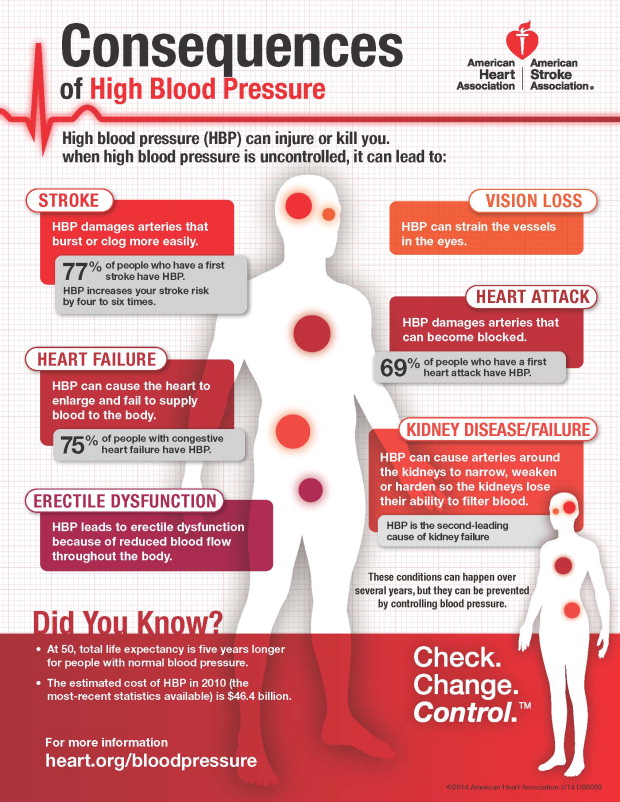
“High blood pressure (hypertension) can quietly damage your body for years before symptoms develop. Uncontrolled high blood pressure can lead to disability, a poor quality of life, or even a fatal heart attack or stroke.

Treatment and lifestyle changes can help control your high blood pressure to reduce your risk of life-threatening complications.”

MAYO CLINIC


QUOTE FOR WEDNESDAY:

“What are the risk factors for hypertension? Modifiable risk factors include unhealthy diets (excessive salt consumption, a diet high in saturated fat and trans fats, low intake of fruits and vegetables), physical inactivity, consumption of tobacco and alcohol, and being overweight or obese.”.

World Health Organization (WHO)

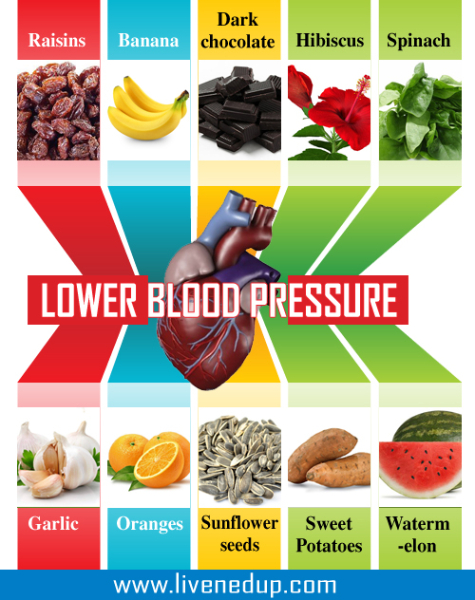
Part II Hypertension – Factors in helping to reduce or decrease high blood pressure, also noted as hypertension.

blood pressure3Part II blood pressure Reduction 2

-STRESS REDUCTION

Stress is defined as feeling tense on the inside due to pressures from the outside. Most of us have many of these pressures, and some handle them better than others. Since stress makes the heart work harder, try to find ways to relieve the pressure you felt when stressed.

One way of coping with stress is to deal with your feelings. You may feel depressed, angry or anxious because you have high blood pressure. These feelings are normal. It may help to talk about how you feel with your family and friends. When you accept that you have high B/P, you can put your efforts into living a more productive, good life with dealing with the hypertension.

Many people find yoga, meditation and prescribed exercise helpful. Always check with your doctor before starting an exercise program to make sure you get clearance of what is safe for you by your primary doctor or cardiologist.

-Eat less SODIUM

Sodium is an important substance. It helps your body balance the level of fluid inside and outside of the cells. To keep up this balance, the body needs about 2000mg of sodium a day or less. Yet most of us eat 3000 to 6000mg of sodium each day.

Most people with high b/p are asked to eat less sodium. Sodium attracts water and makes the body hold fluid. To pump the added fluid the heart works harder. Also sodium in the body causes the arteries to vasocontrict increasing pressure in the vessels causing the pressure to rise.

Most people with high b/p are asked to eat less sodium at 2000mg or less a day and this is to prevent water retention and vasoconstriction in which both actions increase the blood pressure. Follow your doctor’s advice about your sodium intake.

Many prepared foods and spices are high in sodium. But, the most common source of sodium is table salt. Table salt is 40% sodium and 60% chloride. One teaspoon of table salt contains 2000mg of sodium.

HINTS TO LOWER YOUR SODIUM IN YOUR DIET:

-Season foods with fresh or dried herbs, vegetables, fruits or no-salt seasonings.

-Do not cook with salt or add salt to foods after they are on the table.

-Make your own breads, rolls, sauces, salad dressings, vegetable dishes and desserts when you can.

-Stay away from fast foods. They are almost all high in salt.

-Eat fresh, frozen or canned, unsalted vegetables. These have less sodium than most processed foods. Read the labels and if they don’t have a label DON’T EAT IT. Read the labels and eat the portioned size it says to for 1 portion with keeping a diary of what you ate with adding the sodium and when it reached 2000mg no more food that day with salt in it unless the doctor prescribes less.

-Buy water packed tuna and salmon. Break it up into a bowl of cold water, and let stand for 3 minutes. Rinse, drain and squeeze out water.

-Don’t buy convenience foods such as prepared or skillet dinners, deli foods, cold cuts, hot dogs, frozen entrees or canned soups. These have lots of salt. Be picky on what you eat.

-Again, read all labels for salt, sodium or sodium products (such as sodium benzoate, MSG). Ingredients are listed in the order of amount used. A low sodium label means 140mg of less per serving. Try to buy products labeled low sodium/serving. Do not eat products that have more sodium than this per serving.

-AHA states, “If you drink, limit your alcohol consumption to no more than two drinks per day for men and no more than one drink per day for women. A drink is one 12 oz. beer, 4 oz. of wine, 1.5 oz. of 80-proof spirits or 1 oz. of 100-proof spirits.

I’ve read that red wine is heart healthy — can I drink as much as I’d like?
Unfortunately, red wine as a miracle drink for heart health is a myth. The linkage reported in many of these studies may be due to other lifestyle factors rather than alcohol. Like any other dietary or lifestyle choice, it’s a matter of moderation and disciplining yourself to have mostly anything in life in moderation; especially when in comes to controlling your blood pressure.

If you need help–
If cutting back on alcohol is hard for you to do on your own, ask your healthcare provider about getting help.”

The AHA also states,  “Lifestyle plays an important role in treating your high blood pressure. If you successfully control your blood pressure with a healthy lifestyle, you might avoid, delay or reduce the need for medication.

High blood pressure is a “silent killer”
You may not feel that anything is wrong, but high blood pressure could be quietly causing damage that can threaten your health. The best prevention is knowing your numbers and making changes that matter in order to prevent and manage high blood pressure. “.

MAYO CLINIC provides information as well about HTN and how to prevent it by:

-“When you eat out, order baked, broiled, steamed or pouched foods without breading or butter or sauces. Also ask that no salt be added. Go easy on the salad dressing. Most are high in salt.

What not to buy:

-Canned Vegetables, sauerkraut. Self rising flour and corn meal. Prepared mixes (waffle, pancake, muffin, cornbread, etc…)

-Dairy Products- like buttermilk (store-bought), canned milks unless diluted and used as regular milk).   Egg substitute limit to ½ cup/day. Eggnog (store bought) and salted butter or margarine do not buy.

-Soups: Boullon (all kinds), canned broth, dry soup mixes, canned soups.

-Meats and meat substitutes not to buy= Canned meats, canned fish, cured meats, all types of sausages, sandwich meats, peanut butter, salted nuts.

-Prepared mixes (pie, pudding, cake) or store bought pies, cakes, muffins.

-Cooking ingredients to use low sodium type or limit to 2 tbsp/day=

Catsup, chili sauce, barbeque sauce, mustard, salad dressing.

-Drinks to stay away from Athletic Drinks (such as Gatorade), canned tomato or vegetable juice (unless unsalted).”


QUOTE FOR TUESDAY:

“The goal of cardiac rehab is to help you learn to reduce the risk factors — such as smoking, high blood pressurehigh cholesterol, physical inactivity, diabetes and being overweight — that increase your chances of future health problems.”

heart.org

QUOTE FOR MONDAY:

February is American Heart Month, a time when all people can focus on their cardiovascular health. The Division for Heart Disease and Stroke Prevention is shining a light on hypertension (high blood pressure), a leading risk factor for heart disease and stroke.”

Centers for Disease Control and Prevention (CDC)

QUOTE FOR THE WEEKEND:

“According to the latest data available from the National SAFE KIDS Campaign, consider the following statistics:

  • Unintentional injury is a leading cause of death among children under age 14.
  • Leading causes of accidental injury at home are burns, drowning, suffocation, choking, poisonings, falls, and fire arms.
  • Burns and fires are a common cause of accidental death in children and adults, and account for an estimated 3,500 adult and child deaths per year.
  • Nearly 75 percent of all scalding burns in children are preventable.
  • Toddlers and children are more often burned by a scalding or flames.”

Stanford Children’s Health (www.stanfordchildrens.org)