“There are four types of influenza viruses: A, B, C and D. Human influenza A and B viruses cause seasonal epidemics of disease (known as flu season) almost every winter in the United States. Influenza A viruses are the only influenza viruses known to cause flu pandemics, i.e., global epidemics of flu disease. A pandemic can occur when a new and different influenza A virus emerges that both infects people and has the ability to spread efficiently among people. Influenza C virus infections generally cause mild illness and are not thought to cause human epidemics. Influenza D viruses primarily affect cattle and are not known to infect or cause illness in people.
Influenza A viruses are divided into subtypes based on two proteins on the surface of the virus: hemagglutinin (H) and neuraminidase (N). There are 18 different hemagglutinin subtypes and 11 different neuraminidase subtypes (H1 through H18 and N1 through N11, respectively). While more than 130 influenza A subtype combinations have been identified in nature, primarily from wild birds, there are potentially many more influenza A subtype combinations given the propensity for virus “reassortment.” Reassortment is a process by which influenza viruses swap gene segments. Reassortment can occur when two influenza viruses infect a host at the same time and swap genetic information. Current subtypes of influenza A viruses that routinely circulate in people include: A(H1N1) and A(H3N2). Influenza A subtypes can be further broken down into different genetic “clades” and “sub-clades.” See the “Influenza Viruses” graphic below for a visual depiction of these classifications.
Currently circulating influenza A(H1N1) viruses are related to the pandemic 2009 H1N1 virus that emerged in the spring of 2009 and caused a flu pandemic (CDC 2009 H1N1 Flu website). These viruses, scientifically called the “A(H1N1)pdm09 virus,” and more generally called “2009 H1N1,” have continued to circulate seasonally since then and have undergone genetic changes and changes to their antigenic properties (i.e., the properties of the virus that affect immunity).
Influenza A(H3N2) viruses also change both genetically and antigenically. Influenza A(H3N2) viruses have formed many separate, genetically different clades in recent years that continue to co-circulate.
Influenza B viruses are not divided into subtypes, but instead are further classified into two lineages: B/Yamagata and B/Victoria. Similar to influenza A viruses, influenza B viruses can then be further classified into specific clades and sub-clades. Influenza B viruses generally change more slowly in terms of their genetic and antigenic properties than influenza A viruses, especially influenza A(H3N2) viruses. Influenza surveillance data from recent years shows co-circulation of influenza B viruses from both lineages in the United States and around the world. However, the proportion of influenza B viruses from each lineage that circulate can vary by geographic location and by season. In recent years, flu B/Yamagata viruses have circulated much less frequently in comparison to flu B/Victoria viruses globally.”.
“Holiday Safety Toolbox Talks are brief safety discussions held on the job, usually at the start of a shift or before a task. They focus specifically on hazards that become more common or more severe during the holiday period, such as:
Winter weather and slippery surfaces
Increased traffic and travel risks
Fatigue from overtime, parties, or long trips
Electrical and fire hazards from decorations and heaters
Stress, distraction, and rushing to “get it all done”
Slips and falls from wet, icy, or cluttered walkways
Falls from ladders while hanging decorations
Vehicle incidents during holiday travel
Burn injuries from hot surfaces and cooking equipment
Electrical fires from overloaded outlets”
Occupational Health and Safety (Holiday Safety Toolbox Talks: Keep Workers Safe This Season)
Turn off and unplug decorations when leaving the house or going to bed.
Use decorations that have safety certification labels.
Use battery-operated candles to avoid shock or fire
Inspect electrical connections before use and don’t leave any lithium battery operated things in your house.
Here a few tips to stay healthy in December:
Light Your Tree, but Not on Fire: Christmas trees are reported to cause 200+ structure fires annually. Pick a flame retardant tree or a live, healthy tree with fresh green needles that don’t fall off easily. Make sure to keep all trees at least 3 feet away from all heat sources.
Deck the Halls Safely: Fires caused by decorative lights account for $7.9 million in property damages annually. Use safe lighting that’s tested, rated and stamped with the (UL)) label. Make sure your lighting isn’t frayed and that you use only 3 sets of lights per extension cord.
Cook with Care: 2/3 of all holiday fires start in the kitchen. Don’t leave your pots and pans unattended!
More tips regarding your diet:
Exercise regularly
Stay away from tempting foods and eat slower
Wear clothes that can keep you warm
Avoid sugary drinks and foods
Drink more water
Visit your doctor regularly to diagnose health problems before they become worse
St. John’s Hopkins Hospital recommends for gifts this holiday season:
1. Follow Recommendations
Choose toys that are age appropriate. Be sure to follow the toy’s age recommendations, often found on the toy’s box.
2. Beware of Small Parts
Do not buy toys with small parts for young children. Also, check toys for any loose parts that may fall off. A small-parts tester, which is a tube about the diameter of a child’s windpipe, can be purchased at online retailers, or a toilet paper roll can be used to determine if a toy is too small.
3. Avoid Sharp Edges
Toys should not have sharp edges or points, including hard, thin plastic or metal that may be attached to an item.
4. Avoid Long Cords or Strings
Cords or strings longer than 7 inches could be potential choking hazards.
5. Watch for Old Paint
Avoid buying older painted toys, which could contain lead.
6. Include Protective Gear
When purchasing bikes, scooters, skateboards and other riding toys that require balance, always buy safety gear.
Remember to watch children, particularly young kids, when they are playing with toys. If there is an emergency, call 911 or go to the nearest emergency department. Following these suggestions will help make the holiday happy and safe.”
Dr. Leticia Manning Ryan is an Associate Professor of Pediatrics & Dr. Perno is the vice president of medical affairs at Johns Hopkins All Children’s Hospital. He joined the hospital staff in 2003.
When it comes to toys and gifts, it is critical to remember to consider the safety and age range of the toys.
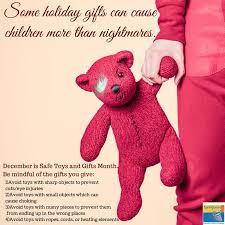
Prevent Blindness America has declared December as Safe Toys and Gifts Awareness Month. The group encourages everyone to consider if the toys they wish to give suits the age and individual skills and abilities of the individual child who will receive it, especially for infants and children under age three.
This holiday season (and beyond), please consider the following guidelines for choosing safe toys for all ages:
Inspect all toys before purchasing. Avoid those that shoot or include parts that fly off. The toy should have no sharp edges or points and should be sturdy enough to withstand impact without breaking, being crushed, or being pulled apart easily.
When purchasing toys for children with special needs try to: Choose toys that may appeal to different senses such as sound, movement, and texture; consider interactive toys to allow the child to play with others; and think about the size of the toy and the position a child would need to be in to play with it.
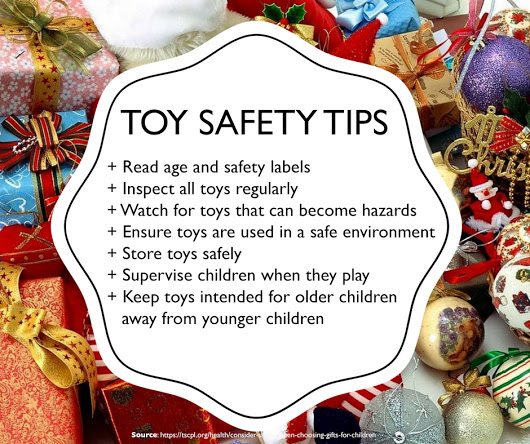
Be diligent about inspecting toys your child has received. Check them for age, skill level, and developmental appropriateness before allowing them to be played with.
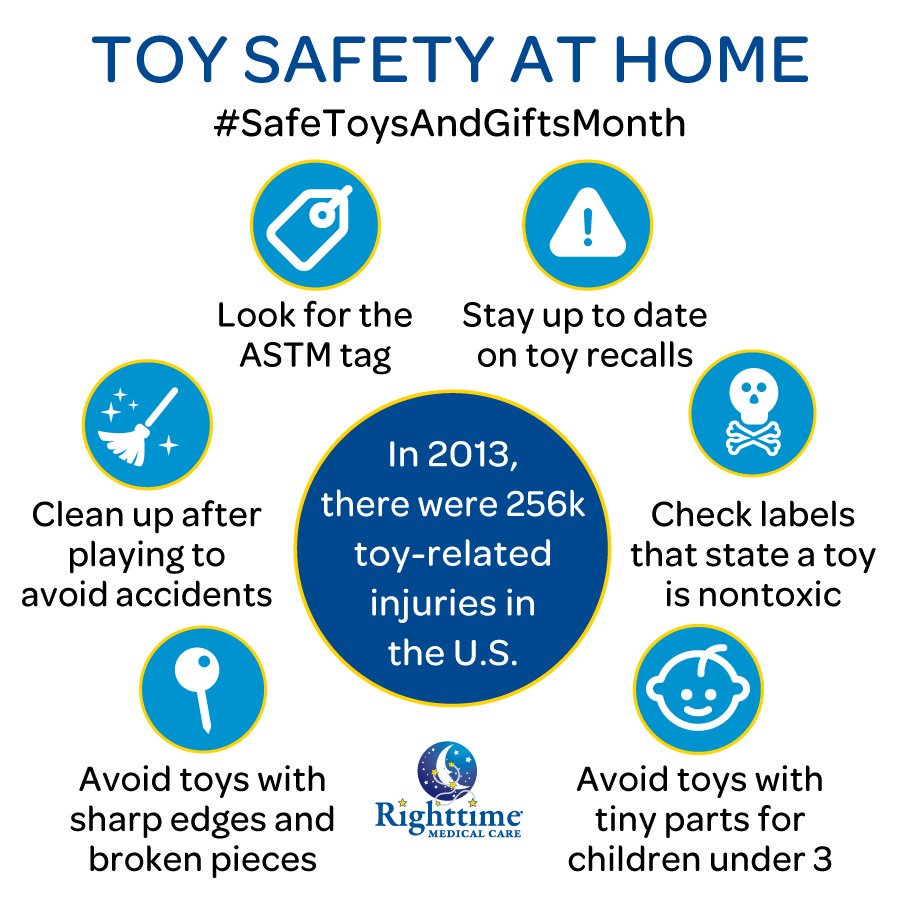
Look for labels that assure you the toys have passed a safety inspection – “ATSM” means the toy has met the American Society for Testing and Materials standards.
Gifts of sports equipment should always be accompanied by protective gear (give a helmet with the skateboard)
Toy Guidelines
Here are some general guidelines to keep in mind when shopping for toys:
Toys made of fabric should be labeled as flame resistant or flame retardant.
Stuffed toys should be washable.
Painted toys must use lead-free paint.
Art materials should say nontoxic.
Crayons and paint should say ASTM D-4236 on the package – which means that they they’ve been evaluated by the American Society for Testing and Materials.
Try to steer clear of older toys, even some hand-me-downs from friends and family as these might not meet the current safety standards.
Make sure the toy isn’t too loud – the noise of some rattles, squeak toys, and musical or electronic toys can be as loud as a car horn or even louder if the child holds it directly to their ear, which can damage hearing.
The Right Toys for the Right Age
When buying a gift or toy for a child, always read the label to make sure the toy is appropriate and safe for their age. Also, consider your child’s temper, habits, and behavior before buying a new toy. Children who can seem advanced compared to other children of their age, shouldn’t use toys meant for older kids. Age level toys are determined by safety factors, not intelligence or maturity.
Babies – babies about 4 months old begin to reach for and grasp objects. By 6 or 7 months, they can switch between hands. At 9 months, they can pick up smaller objects, like blocks. Some smart toys for babies could include a nursery mobile, a ring stack toy, and push-pull toys.
Toddlers – Toddlers start to become aware of the function of objects. They like to stack blocks, babble into toy phones, drink from “big kid” cups, and the pretend play starts now. Smart toys for toddlers could be balls, shape-sorting toys, mechanical toys, or role-play toys like play kitchens, toy doctor’s kits, and child golf sets.
Pre-school – preschoolers are at the age and development level of using objects for their intended purpose. Often, they may have imaginary friends or fantasy worlds that they play in. This is also the period where they will be learning new little tricks and connecting with other children. Safe toys and gifts for children of this age could consist of arts and crafts, blocks and construction sets, puzzles and other games.
Elementary School – Children of this age group have begun to grasp an understanding of the world around them and start to show talents and interests. Physical abilities and motor skills are being refined during this age and peer relationships take on a larger importance. Some smart toy and gifts options could include a jump rope, or other physical activity toys, card and board games, musical instruments, and science toys.
Safety tips to keep in mind this holiday season
When picking out toys and gifts for your children, you should not only consider what is appropriate for their age and ability, but you should also keep in mind safety tips for that age range and toy. A toy could be the perfect fit for their age and development, but there are still safety factors that need to be evaluated.
Giving your children a safe holiday season can be achievable by taking the proper precautions. You’ll be able to better protect your child from toy-related injuries by providing safe toys, environments, and adult supervision for when they open and play and with their toys.
Too often, accidents involving children and toys occur and may result in eye injuries. Each year, thousands of children age 14 and younger suffered serious eye injuries, even blindness, from toys.
There are three important ways you can protect your child’s eyes from injuries while playing with toys:
Again, only buy toys meant for their age.
Show them how to use their toys safely.
Keep an eye on them when they play, especially if a baby.
“It’s that time of year again and the list of presents to buy for family and friends may only seem longer.
Before stuffing your shopping bags – or online cart, more likely – doctors say parents should be aware of unassuming toys and accessories (for others in the family) that land babies and small children in the emergency room each year.
“We do see a spike during the holiday season,” said Dr. Robert Kramer, a pediatric gastroenterologist at Children’s Hospital Colorado. “But it’s something we have to be vigilant for at all times.”
In recent years, the U.S. Consumer Product Safety Commission (CPSC) has created a robust toy safety system, by requiring testing by independent, third party testing laboratories around the world; enforcing stringent lead and phthalatesPhthalates, or phthalate esters, are esters of phthalic anhydride. They are mainly used as plasticizers, i.e., substances added to plastics to increase their flexibility, transparency, durability, and longevity. They are used primarily to soften polyvinyl chloride. ( limits for toys; imposing some of the most stringent toy standards in the world; and stopping violative and dangerous toys at the ports and in the marketplace before they reach children’s hands). These combined efforts continue to foster the confidence of American families as they prepare to shop for toys this holiday season.
Safety tips to keep in mind this holiday season:
Balloons Children can choke or suffocate on deflated or broken balloons. Keep deflated balloons away from children younger than eight years old. Discard broken balloons immediately.
Small balls and other toys with small parts For children younger than age three, avoid toys with small parts, which can cause choking.
Scooters and other riding toys
Riding toys, skateboards and in-line skates go fast, and falls could be deadly. Helmets and safety gear should be worn properly at all times and they should be sized to fit.
Magnets
High-powered magnet sets are dangerous and should be kept away from children. Whether marketed for children or adults, building and play sets with small magnets should also be kept away from small children.
Button Batteries
Button batteries are typically about 20 millimeters in diameter, or between the size of a penny and a nickel, according to the National Capital Poison Center. They’re used in a wide variety of household items and products, including hearing aids, key fobs and children’s toys.
“The majority of the injuries from button batteries are going to be from swallowing them,” Martin explained, adding that the screws typically used to secure the batteries inside products can easily loosen.
“A lot of times, it doesn’t go all the way to the stomach [after swallowing],” Martin said of button batteries. “It gets stuck in the esophagus or occasionally the airway, and then in that position, it starts to create burns in those tissues and a lot of tissue damage in that area.”
That tissue damage in the esophagus and chest, Martin said, puts children particularly at risk of developing “blood vessel injuries [and] airway issues.”
“These can be very dangerous and this can absolutely be fatal,” Martin added.
“You can administer small sips of honey every couple of minutes on the way to the emergency department,” Martin explained. “It can decrease the risk of burns and tissue damage, and it can actually be lifesaving.” Martin stated.
Once gifts are open:
Immediately discard plastic wrapping or other toy packaging before the wrapping and packaging become dangerous play things.
Keep toys appropriate for older children away from younger siblings.
Battery charging should be supervised by adults. Chargers and adapters can pose thermal burn hazards to young children. Pay attention to instructions and warnings on battery chargers. Some chargers lack any mechanism to prevent overcharging.
Toy Safety Guides
The CPSC provides free safety alerts, guides, posters, brochures, handbooks and other materials which you can use to help spread consumer product safety information in your community.
During December, participate in Safe Toys and Gifts Month. Since December is the biggest gift-giving month in the world, it’s important to keep safety in mind as you’re shopping for the little ones in your life.
According to the U.S. Consumer Product Safety Commission, 251,700 toy-related injuries were treated by hospital emergency rooms around the U.S. in 2010. Of those, 72% of them were people younger than 15 years old. A few years earlier, toy makers recalled over 19 million toys across the globe due to safety concerns like lead paint and small magnets. Since then, toy safety has improved, but shoppers can take precautions to keep children in their lives safe.
Buying toys and other gifts are one of the most exciting parts about the holiday season. Who doesn’t love watching a friend or family member open a gift and seeing their eyes light up with excitement?! In all the eagerness, it’s easy to forget about simple safety. So before making any purchases this year, keep safety in mind, so the holidays don’t turn from the happiest time of the year to the scariest!
When it comes to toys and gifts, it is critical to remember to consider the safety and age range of the toys.
“Here’s what Martin Bucknavage, a food safety specialist at the Penn State Department of Food Science, had to say on the subject-Post holiday turkey:
“The post turkey stays good in the fridge for three to four days as a safe window if covered and refrigerated at a proper temperature. “If one is going to want to keep it longer, then it is worth considering freezing,” he says.
“Freezing is a great way to hold turkey for longer periods of time.” It’s important that if you do freeze turkey leftovers, they’re stored in a container that’s as airtight as possible.
When it comes to defrosting, it’s best to defrost in the refrigerator. However, Bucknavage explains, leftover turkey can be defrosted “under cool running water if in a hurry or thawed in the microwave, provided that it is served immediately.”
The NY post 2018 states, “The fascinating new statistic emerged in a new survey of 2,000 Americans around all things concerning Thanksgiving, which also crowned ham (60 percent), chicken (41 percent) and roast beef (37 percent) as the most popular alternatives to turkey.
The new study, conducted by Omaha Steaks, also revealed nearly half (44 percent) of Thanksgiving hosts will be serving a new main dish this year.
Thanksgiving is a delicate occasion that expects near perfection all across the board or else you risk ending up with hungry and unhappy guests.
Unfortunately, according to the study, the average Thanksgiving dinner only goes 64 percent as planned.
So what usually goes wrong? The biggest “Thanksgiving fail” is not having all the food cooked on time — with 41 percent of Americans saying they’ve been left hungry and waiting at dinner.”
Well check out about White Meat vs. Red Meat
White Meat
White meat is best known as meat that is lean, especially in comparison with red meat. The big point about white meat is that its fat content is less in comparison with red meat. Meats traditionally thought of as white (such as veal and even lamb) have been reclassified as red meats. Another advantage to eating white meat over red meat, which is also why health experts recommend it over red meat, is the lower number of calories that it contains. However, the difference in calories between white meat and red meat is not so great that it will absolutely ruin your waistline if you choose to eat some red meat once in a while.
Red Meat
Red meat is the victim of stereotypes that have been exaggerated to the point where it is today somewhat stigmatized as a food that is linked to cancer and higher fat and caloric content. While the cancer issue depends on what studies you look at and the higher caloric content is not that much over white meat, red meat does have benefits that white meat simply lacks. For example, the nutrients zinc, iron, thiamine and riboflavin (in addition to vitamins B12 and B6) appear in much greater abundance in red meat. Moreover, red meat is a great source of muscle-building protein as well as being the best source of the antioxidant called alpha lipoic acid. Still, red meat has been the subject of a lot of studies that connect it to health problems beyond cancer, like cardiovascular disease and even arthritis and hypertension.
Which One to Choose
The bottom line is that no matter which meat you eat, you can guard yourself against health problems if you eat in moderation. While white meat is not tied to as many health problems as red meat is, it does not feature many of the benefits that you get in red meat, such as the vitamins and minerals. So if you want to get a dose of said nutrients, you should eat more red meat, but do so in a way that is only moderate
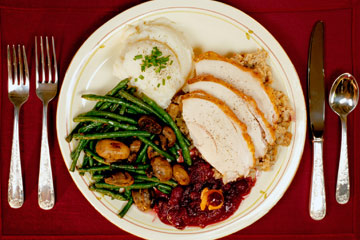
HERE IS SOME FACTS ABOUT TURKEY
Because most cuts of turkey provide valuable amounts of protein, turkey is often regarded as a high-protein food. Skinned turkey breast will provide the most protein per serving, at 34 grams in 4 ounces. But you will still get 31 grams from 4 ounces of turkey leg and 21 grams from 4 ounces of turkey thigh.
In addition to protein, however, turkey is also rich in other nutrients. All B vitamins are present in turkey meat, including B1, B2, B3, B5, B6, B12, folate, biotin, and choline. (Because the biotin content of turkey meat is sensitive to the turkey’s dietary intake, the amount of this vitamin can vary greatly, with an approximate average of 0.8 micrograms in 4 ounces of turkey breast.) Turkey is a very good source for vitamin B3 and provides about 8.5 milligram in 4 ounces, or over 40% of the Daily Value (DV). It’s also a very good source of vitamin B6, at 0.64 milligrams in 4 ounces (32% DV). By providing 22%DV for choline in 4 ounces, turkey also ranks as a good source of this B vitamin.
In terms of minerals, turkey is richest in selenium and provides over 50% of the DV in a single 4-ounce serving. Zinc, copper, phosphorus, magnesium, potassium, and iron are also provided by this food in amounts varying from 5-15% DV.
All cuts of turkey contain omega-3 fats. However, the content of omega-3s in turkey can vary widely, depending on the turkey’s diet. One of the reasons we recommend pasture-raised turkey is the ability of turkeys to enjoy omega-3 containing plants and insects in natural pasture settings. As a general rule, the most favorable ratio of omega-6 to omega-3 fats is found in skinned turkey breast, where the ratio in non-pasture-raised turkey is approximately 10:1. This same ratio is about 13:1 in non-pasture-raised turkey leg or turkey thigh with skin. While there are only a few studies documenting the omega-6 to omega-3 ratio in pasture-raised turkey, those studies suggest that pasture feeding can lower the ratio to approximately 7:1. (There are some studies on pasture-raised chickens that show similar results.) Within the omega-3 family of fats, it is possible to get 10-60 milligrams of DHA (docosahexaenoic acid) from a 4-ounce serving of turkey, depending on the cut and diet consumed by the turkey. DHA is a unique omega-3 fat in terms of its ability to support healthy nerve function.
Protein Richness
When we rank all of our 100+ WHFoods based on their protein richness (how much protein they provide in comparison with their calorie content), turkey ranks first among all of our foods. A 4-ounce serving of skinned baked turkey breast provides about 34 grams of protein and over two-thirds of the Daily Value (DV). With 4 ounces of turkey leg, this number drops just slightly to 31-32 grams of protein. With 4 ounces of turkey thigh, it drops to about 21 grams. In these examples, the protein values are changing from cut-to-cut partly because of the way the turkey moves and uses its muscles, and partly because of the fat content of the various cuts. If the health benefit you are seeking from turkey is focused on protein richness, you’ll probably want to stick with skinned turkey breast as your preferred cut.
Other Health Benefits
Unfortunately, there is not as much research on turkey as there is on chicken, its fellow bird in the poultry category. Several preliminary studies show the protein richness of turkey to be of potential benefit in regulating blood sugar levels as well as insulin metabolism. These findings make sense since adequate protein intake in a balanced way throughout the day can be very helpful in managing blood sugar. In the area of cancer prevention, turkey shows that intake of it is not associated with increased cancer risk in the same way as red meats. However,they simply show that turkey intake does not raise this risk which is still a plus compared to some other foods.
Description
Like chicken, turkey belongs to the bird (Aves) class of animals, and to the family of birds called Phasianidae. While there are many different breeds of turkeys, most of them belong to the same genus and species of bird, namely Meleagris gallopavo. Turkeys are truly native to North and South America – they were not brought to the “New World” by European settlers but were instead discovered to be already present and intimately involved with Native American cultures. Turkeys are relatively large birds that can reach about 30-35 pounds in weight. They can fly short distances at speeds of about 50-55 miles per hour and run at approximately 20-25 miles per hour.
History
At 2.5 million tons of turkey meat per year, the U.S. is by far the world’s largest producer of turkey. (All countries in the European Union combined produce 1.75 million tons.) Smaller amounts of turkey are produced in Africa, Asia, and the Mediterranean. At about 450,000 tons, Brazil is the largest turkey producer in South America.
In the U.S., we consume an average of 16.5 pounds of turkey per person per year. That about is about one-quarter of our chicken consumption.
According to the National Turkey Federation, about 20% of all turkey (just over three pounds per person) is consumed on Thanksgiving Day, Gobble Gobble Day.
How to Select and Store
It’s worth taking special care in the selection of turkey! Several aspects of turkey selection will help you maximize your health benefits from this World’s Healthiest Food. First, we recommend the purchase of fresh turkey. Technically, the U.S. Department of Agriculture (USDA) guidelines allow use of the word “fresh” only when turkey has never been stored a temperature below 26°F (-3°C). (Otherwise, the term “frozen” or “previously frozen” would be required.) Additives like sodium erythorbate, MSG, and salt are not allowed on fresh turkey, and that’s a major health advantage for you.
“After a period of indulgence, your body may feel sluggish and bloated. This is often due to the consumption of high-calorie, high-sugar, and high-fat foods. Detoxing can help eliminate toxins, improve digestion, and boost energy levels. The need for detoxification arises from the accumulation of substances that can hinder your body’s natural processes. These substances can include not only the foods we eat but also environmental toxins, stress, and lack of sleep. By understanding the importance of detoxing, you can take proactive steps to support your body in its natural healing processes.
1-Staying hydrated is crucial for detoxification. Water helps flush out toxins and supports kidney function. Aim to drink at least eight glasses of water a day, and consider adding a slice of lemon for an extra detox boost.
2-Focus on consuming whole, nutrient-dense foods that support detoxification. Leafy greens, cruciferous vegetables, and fruits high in antioxidants are excellent choices. Foods such as kale, spinach, broccoli, and Brussels sprouts are packed with vitamins, minerals, and fiber, making them ideal for a detox diet. These foods help to support liver function and promote the elimination of toxins from the body. Foods rich in fiber, such as chia seeds and flaxseeds, can aid digestion and help eliminate toxins from the body. These foods act as natural cleansers, supporting your body’s detox processes. Fiber not only helps to regulate bowel movements but also promotes a healthy gut microbiome, which is essential for overall health. Consider adding fiber-rich foods to your smoothies, salads, and snacks to enhance your detox efforts. Also, healthy fats from sources like avocados, nuts, and olive oil can also support detoxification by aiding in the absorption of fat-soluble vitamins and providing essential fatty acids that promote cellular health.
Plan your meals to include a variety of nutrient-dense foods. Focus on balance and moderation, ensuring you get a mix of proteins, healthy fats, and carbohydrates. A well-rounded meal plan can help you avoid the temptation of unhealthy options and ensure that you are providing your body with the nutrients it needs to thrive.”

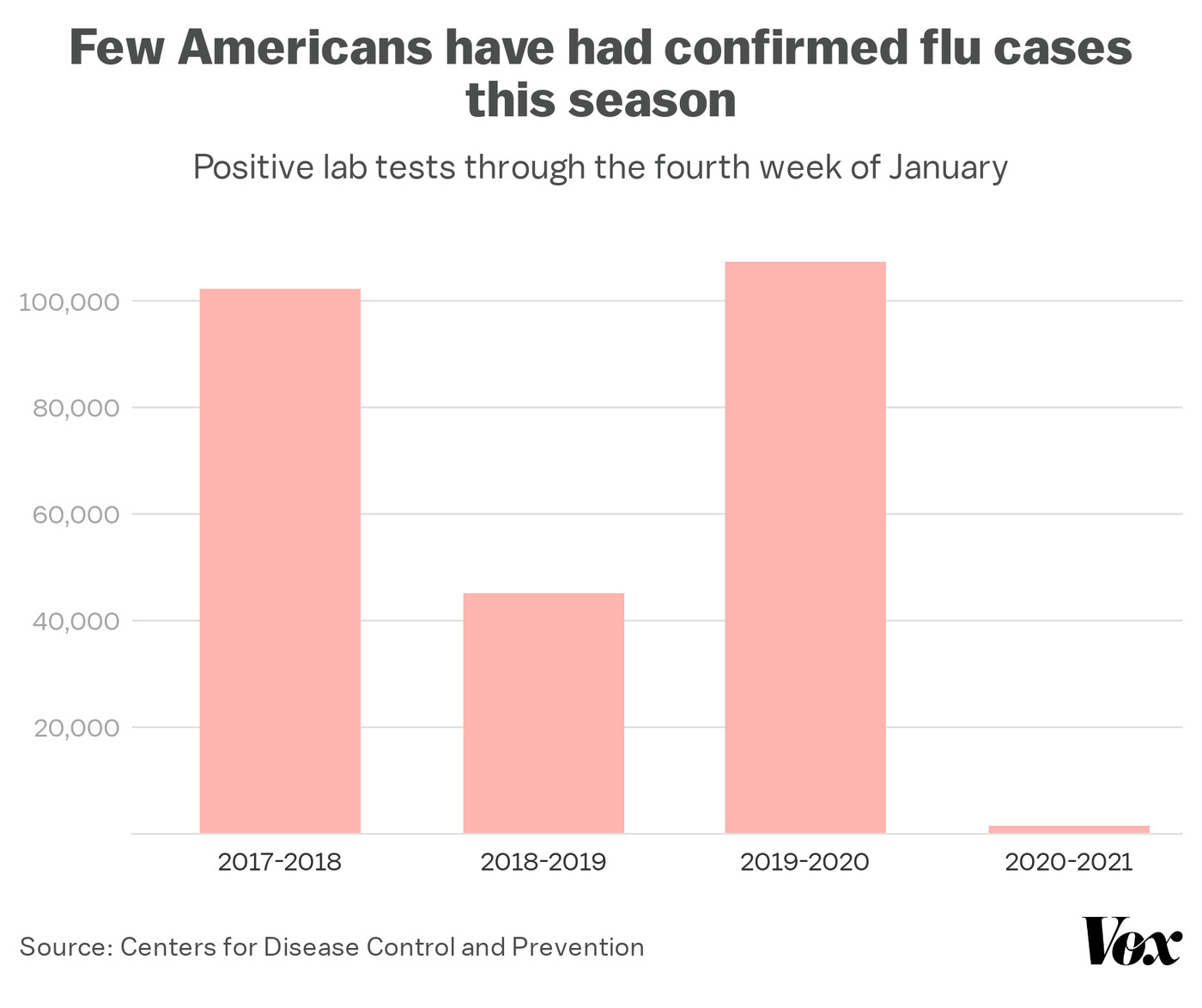
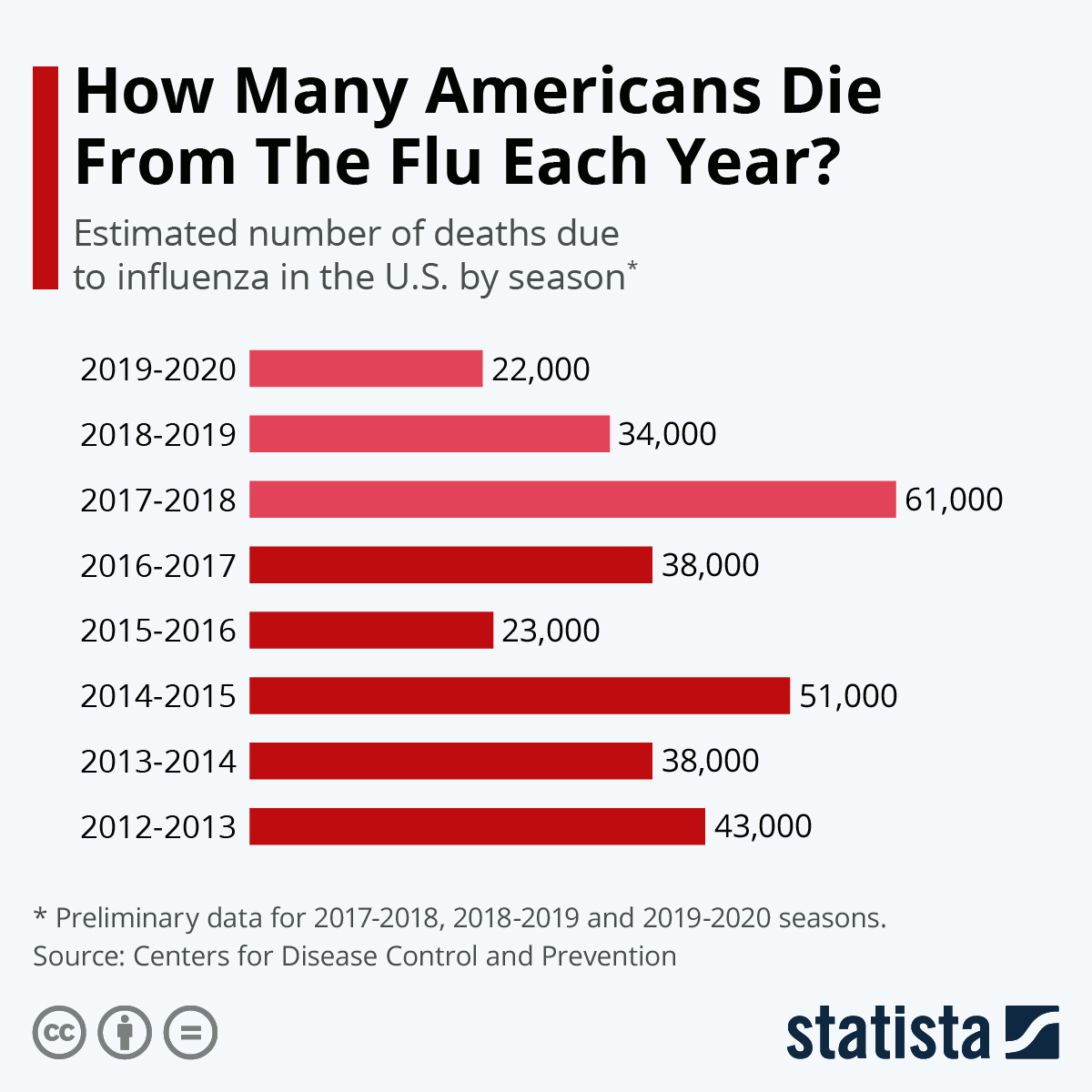 Consider the FLU VACCINE!