


“There are many types of liver disease, which can be caused by infections, inherited conditions, obesity and misuse of alcohol. Over time, liver disease may lead to scarring and more serious complications. Early treatment can help heal the damage and prevent liver failure.”
Cleveland Clinic
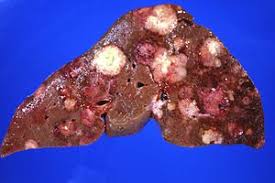
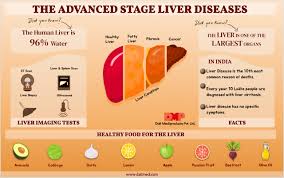
The liver is an organ about the size of a football. It sits just under your rib cage on the right side of your abdomen. The liver is essential for digesting food and ridding your body of toxic substances.
In America, liver disease affects millions and is on the rise. Did you know there are more than 100 different types of liver disease? Living with long-term, chronic liver disease can cause damage to your liver.
Most liver diseases damage your liver in similar ways and for many, the progression of liver disease looks the same regardless of the underlying disease.
Early diagnosis may prevent damage from occurring in your liver. Your liver is an incredible organ. If you’re diagnosed when some scar tissue has already formed, your liver can repair and even regenerate itself. Because of this, damage from liver disease can often be reversed with a well-managed treatment plan.
Many people with liver disease do not look or feel sick even though damage is happening to their liver. At a certain point in the progression of liver disease damage can become irreversible and lead to liver failure, liver cancer, or death.
Inflammation is the body’s natural response to injury and an important part of healing or immune response. Think about when you get a cut or injury to your skin. The area around the wound becomes swollen or inflamed. Seeing the swelling is not the only way you experience the inflammatory phase. You may also experience pain, redness, or the wound may feel warm to the touch. Under the skin, your body is hard at work to stop the bleeding and prevent infection. Blood vessels near the wound widen, or dilate, making more room for special healing and repair cells, or cells in the wounded area. These cells remove damaged cells and harmful substances (like bacteria or viruses) and allow the rest of the healing process to continue. Inflammation is essential to fight infection.
When Inflammation Becomes Disease
While this controlled inflammation is essential to maintain proper function and balance in the liver, if it becomes dysregulated it drives the progression of liver disease. This diseased inflammation is called hepatitis. We most often hear the word hepatitis when we talk about viral hepatitis, like hepatitis A, B, or C, but viruses are not the only cause of hepatitis. Infection with a virus, overindulging in alcohol or fatty foods, or even our own immune system can trigger a continual inflammatory response in the liver, disrupting the closely regulated cycle of inflammation and healing. When someone has liver disease, their liver enters into a very dangerous cycle. Persistent inflammation sends nonstop signals to the repair cells to continue depositing collagen. The extra collagen stiffens around the tissue like it is supposed to in the healthy liver but, instead of a signal being released to stop the inflammation and discard the extra collagen, the inflammation continues and even more collagen is deposited leading to more stiffening. This is how scars or fibroids, develop in the liver. If left untreated, the scars will continue to replace healthy liver cells, leading to severe scarring known as cirrhosis.
It’s important to speak to your doctor about any possible risk factors for hepatitis or if you’ve experienced symptoms. There are many different causes for hepatitis with varying risks and symptoms.
Check out Tuesday on Hepatitis!
“The liver is the largest organ in your body. It weighs about 3 pounds and is about the size of a football. It performs many functions essential for good health and a long life. Your liver works around the clock to keep you healthy. Among its most important jobs are: 1.) continually producing important substances Your liver continually produces bile. This is a chemical that helps turn fats into energy that your body uses. Bile is necessary for the digestive process.2.) Your liver also creates albumin. This is a blood protein that helps carry hormones, drugs, and fatty acids throughout your body. 3.) Your liver also creates most of the substances that help your blood clot after injury. 4.) The liver helps your body get rid of bilirubin. This happens from the breakdown of your red blood cells. When you take in a potentially toxic substance, like alcohol or medicine, your liver helps alter it and remove it from your body. 5.) When bacteria, viruses, and other harmful organisms enter your body, your liver can find and destroy them. This is done by specialized cells in your liver. 6.) The liver helps your body maintain a healthy level of blood sugar. Your liver supplies glucose to your blood when it’s needed. It also removes glucose from your blood when there’s too much.”.
John Hopkins Medicine
“Legionnaires’ disease usually develops two to 10 days after exposure to legionella bacteria. It frequently begins with the following signs and symptoms: Headache, Muscle Aches, Fever that may be 104 F (40 C) or higher.”.
MAYO CLINIC
“Legionnaires’ disease and Pontiac Fever are collectively known as Legionellosis, a disease caused by Legionella bacteria. Managing Legionella and preventing worker exposures and Legionellosis cases depend on implementing an effective water management program. These programs focus on describing water systems and their components, identifying areas where Legionella could grow, deciding where control measures are needed and how to monitor them, planning response actions when control measures fail, and monitoring and documenting water management activities.”.
United States Department of Labor (OSHA Occupational Health and Administration).
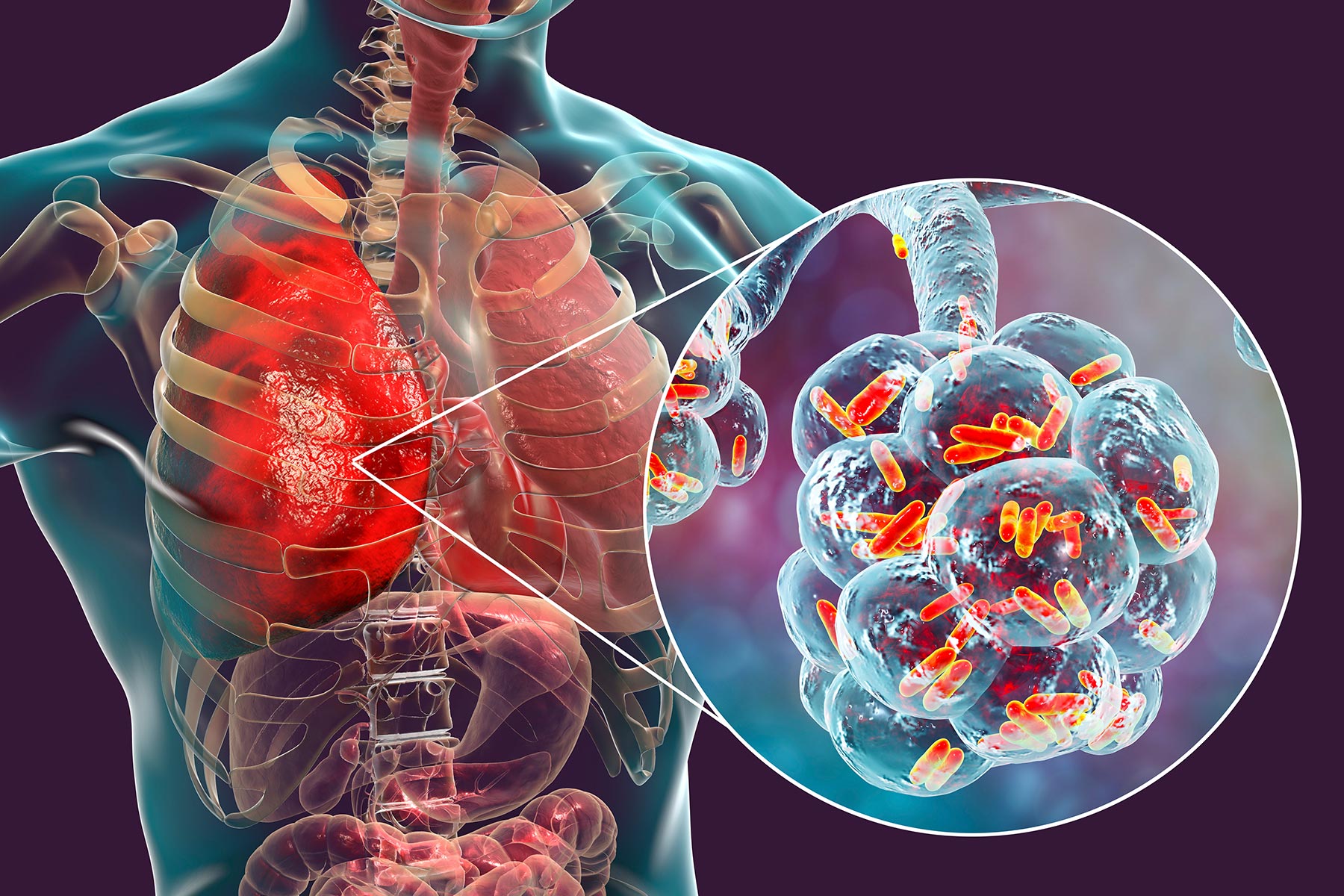
“Legionella bacteria can cause a serious type of pneumonia (lung infection) called Legionnaires’ disease. Legionella bacteria can also cause a less serious illness called Pontiac fever. Legionella bacteria are found naturally in freshwater environments, like lakes and streams. The bacteria can become a health concern when they grow and spread in human-made building water systems.”.
Centers for Disease Control and Prevention (CDC)
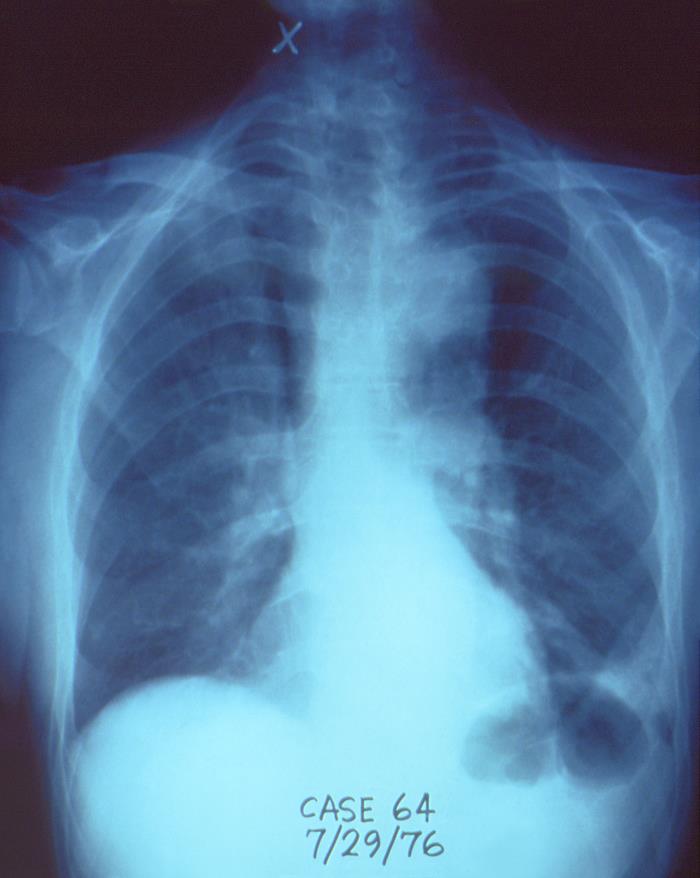

Legionella was discovered after an outbreak in 1976 among people who went to a Philadelphia convention of the American Legion. Those who were affected suffered from a type of pneumonia that eventually became known as Legionnaires’ disease.
The first identified cases of Pontiac fever occurred in 1968 in Pontiac, Michigan, among people who worked at and visited the city’s health department. It wasn’t until Legionella was discovered after the 1976 Legionnaires’ disease outbreak in Philadelphia that public health officials were able to show that Legionella causes both diseases.
Legionella bacteria are found naturally in freshwater environments, like lakes and streams. The bacteria can become a health concern when they grow and spread in human-made building water systems like
Home and car air-conditioning units do not use water to cool the air, so they are not a risk for Legionella growth.
However, Legionella can grow in the windshield wiper fluid tank of a vehicle (such as a car, truck, van, school bus, or taxi), particularly if the tank is filled with water and not genuine windshield cleaner fluid.
After Legionella grows and multiplies in a building water system, water containing Legionella can spread in droplets small enough for people to breathe in. People can get Legionnaires’ disease or Pontiac fever when they breathe in small droplets of water in the air that contain the bacteria.
Less commonly, people can get sick by aspiration of drinking water containing Legionella. This happens when water accidently goes into the lungs while drinking. People at increased risk of aspiration include those with swallowing difficulties.
In general, people do not spread Legionnaires’ disease and Pontiac fever to other people. However, this may be possible under rare circumstances.
“Cholera is an acute diarrhoeal infection caused by ingestion of food or water contaminated with the bacterium Vibrio cholerae. Cholera remains a global threat to public health and an indicator of inequity and lack of social development.”
World Health Organization (WHO)