Archives

Steps to stay healthy and safe this Christmas and New Years season!


Allstate’s latest Holiday Home Hazards poll found that a vast majority—91% of Americans—agree they can reduce risks associated with fires, accidents and theft during the holiday season through their own attention and action. More than half of those surveyed also guessed correctly that fire and theft risks are higher during the holiday season, indicating that they are aware of the increased risks and the need for vigilance this time of year.

And yet, 62% say that they are not paying any more attention to these risks.

Whether hosting or attending a holiday party, Americans should be vigilant in protecting themselves—or their friends—against some ugly holiday accidents.

Hard to believe but during the holiday season, 17% of Americans say they’ve experienced a stolen or missing valuable when attending a holiday party.

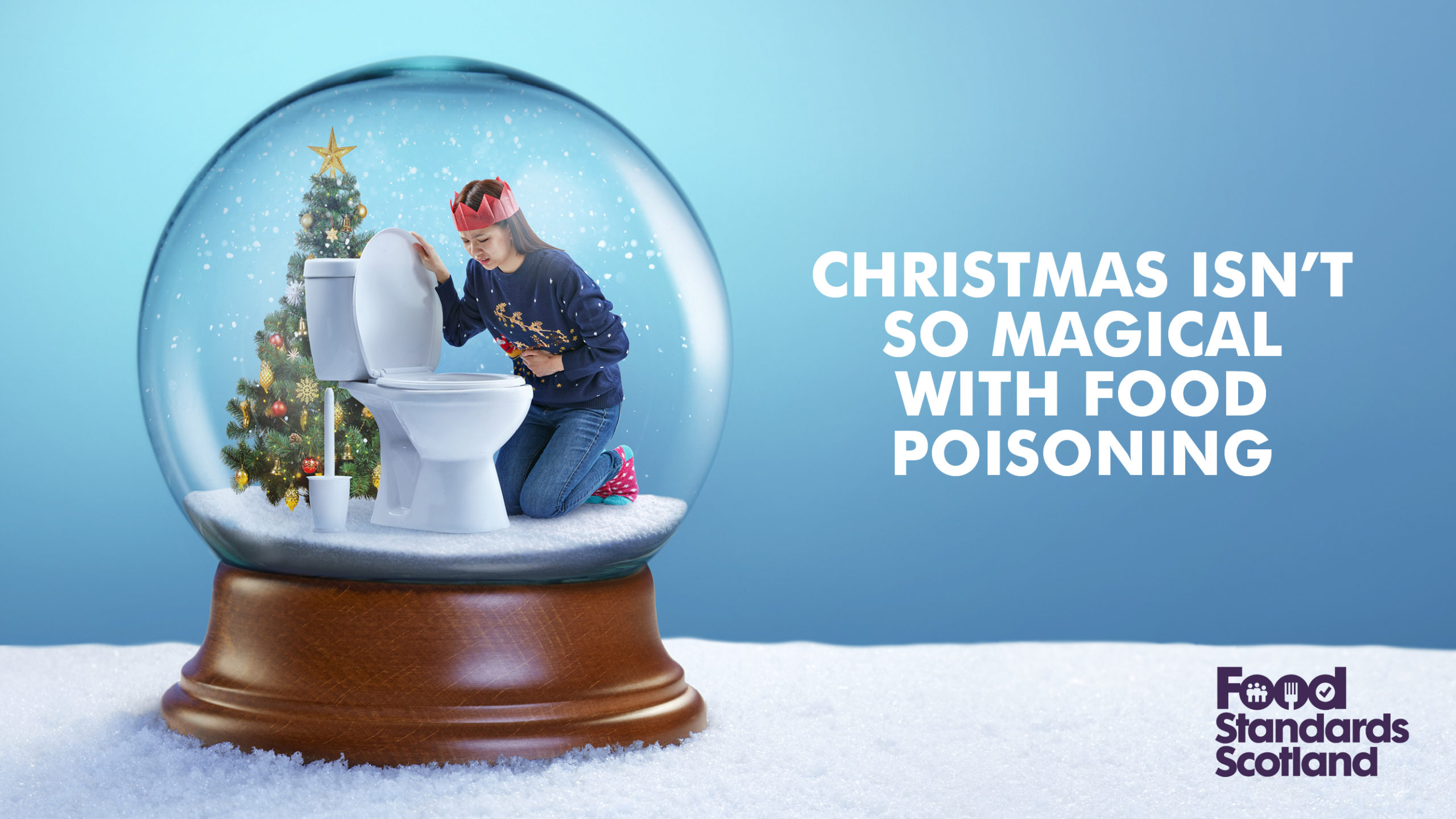
Hosts should also be diligent about cross-contamination and food poisoning risks when serving food to their guests. While hosts may spend hours preparing a delicious holiday meal, it can quickly be ruined if the food becomes spoiled. Staying aware of the temperatures of the foods and dips at a holiday buffet spread, washing foods properly, and making sure that cross-contamination does not occur during food preparations can help make the holiday party happy and healthy this year.

Deck the halls with boughs of holly—safely! While hosting a holiday party comes with making the home festive, taking the proper precautions while doing so can help hosts avoid costly and dangerous outcomes.  Unchecked smoke detectors can cause people to miss important alarms when a fire breaks out in a home, quickly turning a holiday party into a holiday disaster.  Before the holiday coming up, Allstate recommends installing new batteries in smoke alarms and carbon monoxide detectors (with fire extinguishers and not expired).

Allstate recommends that shoppers don’t advertise their shopping trips or gift purchases on social media.  Whether it is checking into a store or using a geo-location services, travel plan updates, or even uploading photos while at a holiday party, people who publicize their whereabouts and activities on social media can unknowingly give today’s “digital thieves” insights into the contents of your trunk, the times you’re away from home and the gifts hidden in your closet.

No matter how good the deals are that consumers find this holiday season, avoid publicizing purchases on social media.

Brighten the holidays by making your health and safety a priority. Take steps to keep you and your loved ones safe and healthy—and ready to enjoy the holidays.

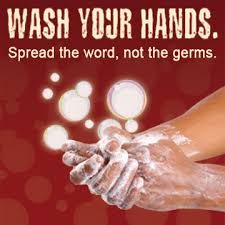
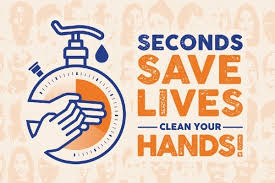
  1. Wash hands often to help prevent the spread of germs. It’s flu season. Wash your hands with soap and clean running water for at least 20 seconds.
  2. Bundle up to stay dry and warm. Wear appropriate outdoor clothing: light, warm layers, gloves, hats, scarves, and waterproof boots.
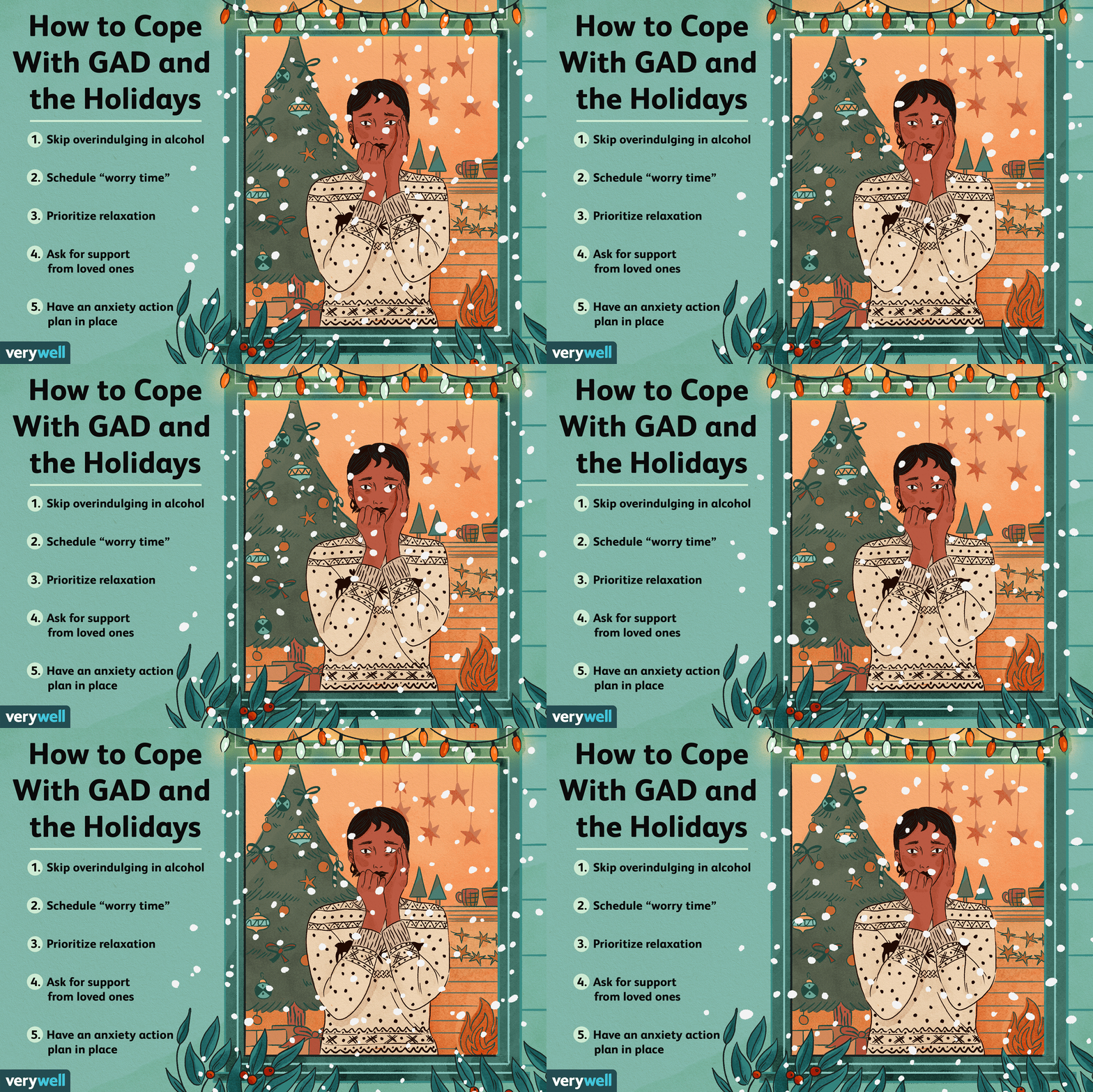
  3. Manage stress. Give yourself a break if you feel stressed out, overwhelmed, and out of control. Some of the best ways to manage stress are to find support, connect socially, and get plenty of sleep.
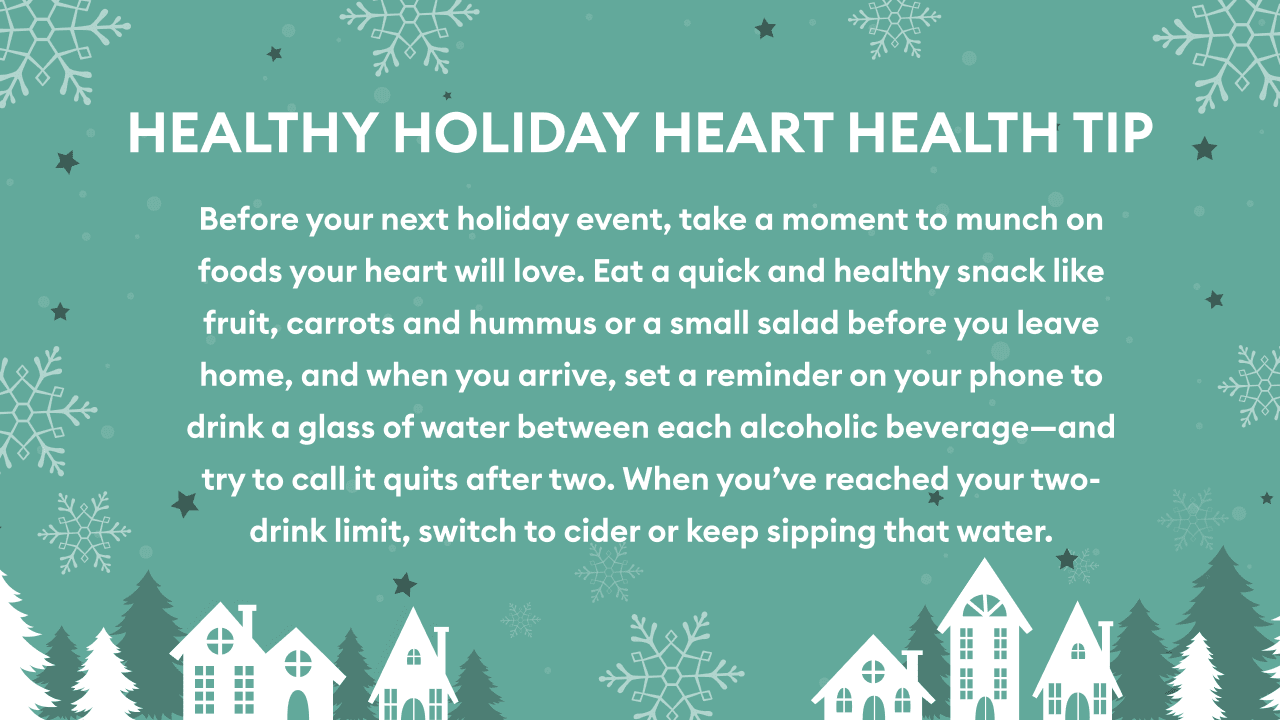
  4. Don’t drink and drive or let others drink and drive. Whenever anyone drives drunk, they put everyone on the road in danger. Choose not to drink and drive and help others do the same.
  5. Be smoke-free. Avoid smoking and secondhand smoke. Smokers have greater health risks because of their tobacco use, but nonsmokers also are at risk when exposed to tobacco smoke.
  6. Fasten seat belts while driving or riding in a motor vehicle. Always buckle your children in the car using a child safety seat, booster seat, or seat belt according to their height, weight, and age. Buckle up every time, no matter how short the trip and encourage passengers to do the same.
  7. Get exams and screenings. Ask your health care provider what exams you need and when to get them. Update your personal and family history.
  8. Get your vaccinations. Vaccinations help prevent diseases and save lives. Everyone 6 months and older should get a flu vaccine each year.
  9. Monitor children. Keep potentially dangerous toys, food, drinks, household items, and other objects out of children’s reach. Protect them from drowning, burns, falls, and other potential accidents.
  10. Practice fire safety. Most residential fires occur during the winter months, so don’t leave fireplaces, space heaters, food cooking on stoves, or candles unattended. Have an emergency plan and practice it regularly.
  11. Prepare food safely. Remember these simple steps: Wash hands and surfaces often, avoid cross-contamination, cook foods to proper temperatures and refrigerate foods promptly.
  12. Eat healthy, stay active. Eat fruits and vegetables which pack nutrients and help lower the risk for certain diseases. Limit your portion sizes and foods high in fat, salt, and sugar. Also, be active for at least 2½ hours a week and help kids and teens be active for at least 1 hour a day.
QUOTE FOR MONDAY:

“What do trees, shrubs, grasses, green plants, parks, beaches, open fields, and flowering gardens have to do with your mental health? Just about everything, according to an extensive review of the scientific literature supporting the benefits of exposure to natural settings.

The review data, collected and analyzed by researchers Charles Hall and Melinda Knuth at Texas A&M University and published in the Journal of Environmental Horticulture, supports the notion that living in or near green spaces, and spending as much time as possible in both natural settings and cultivated gardens, can improve mood, reduce the negative effects of stress, encourage physical activity and other positive behaviors, improve cognition, reduce aggression, and enhance overall well-being in people of all ages under many different circumstances.

Specifically, the researchers found that people who surround themselves with plant life and other forms of natural beauty, indoors and out, experience emotional and mental health benefits that have a positive impact on their social, psychological, physical, cognitive, environmental, and spiritual well-being,”

Psychology Today (11 Ways Plants Enhance Your Mental and Emotional Health | Psychology Today)

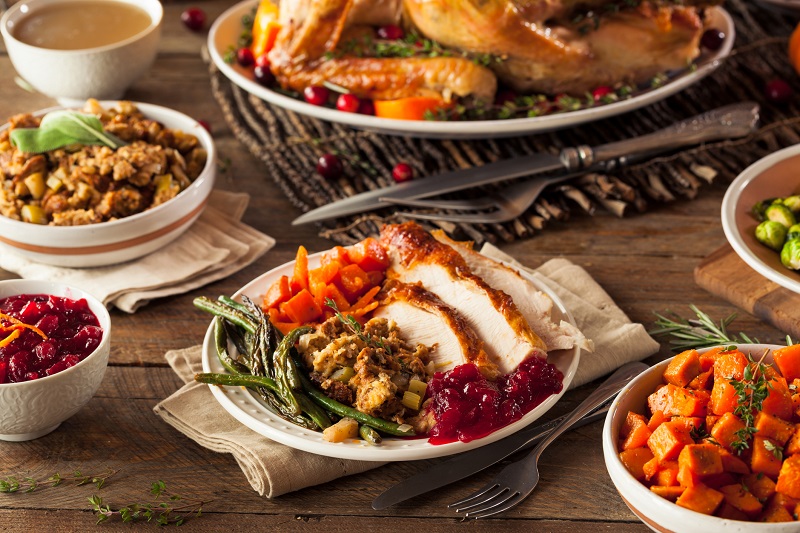
Ideas for a healthy & smooth Christmas regarding preplanning your day! Learn steps to a safe meal vegan or meat.


Food is as much a part of holiday gatherings as football, decorations and caroling. This holiday season, keep food safety in mind every step of the way, including proper planning, safe shopping, working in the kitchen and wrapping up leftovers.

Regarding the people being the host and hostess cooking the meal for the holiday remember this:

Christmas grocery shopping

For fresh turkey, you need to cook it no later than two days after buying. If you are buying it in person, bring the turkey home as quickly as possible in a separate cool bag. Store your turkey in the bottom of the fridge away from other cooked foods and fresh produce to avoid cross contamination.

What size turkey?

In buying, storing and defrosting your turkey, here is helpful advice for dealing with birds of all sizes in the run up to Christmas. If defrosting, it is important to allow at least 24 hours for every 4/5 lbs (2/2½ kg) of weight. If in doubt, check out turkey defrosting time and tbe calculations listed on the directions of the turkey.

No Matter Vegan food or Meat food, to keep everyone safe follow these steps:

  1. When you have cooked food and you are not going to eat it straight away or if there are leftovers after serving, place on a clean plate, cover and refrigerate within 2 hours.
  2. Throw away any high-risk food that has been standing at room temperature for more than 2 hours and throw away all food scraps.
  3. Remember to use clean dishes and utensils for cooked food to prevent cross-contamination.
  4. Dividing food into smaller portions and putting it in a shallow dish can help to make it cool more quickly.
  5. When you are cooling a turkey or other large bird, removing the legs will help it cool more quickly. It is important that leftover cooked rice is quickly cooled and then refrigerated.
  6. Remember not put food in the fridge when it is still hot, because it could raise the temperature of the fridge and allow other foods to get too warm.
  7. Never reheat leftovers more than once.
  8. Leftovers stored in the fridge should be eaten within three days.

Proper Planning

Make sure your kitchen is equipped with what you need for safe food handling, including two cutting boards (one for raw meats and seafood and the other for produce and ready-to-eat foods), a food thermometer, shallow containers for storage, paper towels and soap. Store foods in the refrigerator at 40°F or below or in the freezer at 0°F or below. Check the temperature of both the refrigerator and freezer with an appliance thermometer.

Safe Shopping

It’s important to keep food safety in mind as you shop. Keep raw meat, poultry and seafood separate from ready-to-eat foods like fruit, vegetables and bread. Embrace fruits and vegetables that are oddly shaped but don’t purchase bruised or damaged produce, or canned goods that are dented, leaking, bulging or rusted, as these may become a breeding ground for harmful bacteria.

Choose cold foods last and bring foods directly home from the grocery store. Always refrigerate perishable foods, such as raw meat or poultry, right away.

Working in the Kitchen

In a holiday kitchen filled with family and friends, all hands may be on deck, but are those hands clean? Make sure everyone washes their hands thoroughly with clean, running water and soap for 20 seconds before and after handling food.

And when baking delicious holiday treats, remember that no one should eat raw cookie dough or brownie batter.


QUOTE FOR THE WEEKEND:

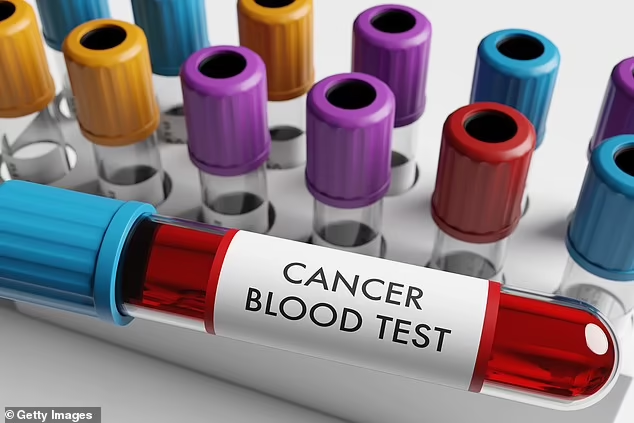
Early cancer screening blood tests like the Galleri and TruCheck tests represent significant advancement in cancer detection, allowing for earlier intervention and potentially better outcomes.

The TruCheck test is another innovative blood test that can detect over 70 types of cancer by identifying Circulating Tumor Cells (CTCs) in the bloodstream. This test is designed to catch cancer at its earliest stages, often before symptoms arise, making it potentially more treatable. The TruCheck test requires only a single blood draw and can provide insights into the presence and location of cancer if detected.

This trucheck test does early Cancer Screening via a blood test that is a thorough check for the existence of cancer in your body, identifying which type of cancer(s) you have, and from which organ they have originated. TruCheck’s tests have been validated across cohorts of over 40,000 patients.”

Thyme (TruCheck™ | Early Cancer Screening | Blood Test)  and Coyne Medical (Trucheck™: Empowering Early Cancer Detection through Advanced Blood Screening – Coyne Medical)

Part II Cancer Screening in taking a blood tests, what a pathologist does in lab and other diagnostic tooling tests identifying cancer early!

An accurate diagnosis is very important to choosing the best care plan for you. It can confirm if you have cancer, or another disease with similar symptoms.

Doctors use the results of many tests to diagnose the type of cancer. They also find out the stage of the cancer, and whether it has spread to other parts of the body.

Memorial Sloan Kettering Cancer Center (MSK) diagnoses cancer using many new technologies that were developed or improved here. We’re always researching ways to diagnose cancer with greater accuracy so we can improve cancer treatment results.

A pathologist is a doctor who uses a microscope to make a diagnosis. Pathologists are sent a sample of cells or tissue, which they examine under a microscope. The record of their exam is called a pathology report. Your care team uses this pathology report to make a correct diagnosis. Working together, your care team and you will choose the best treatment plan for you.

MSK has19 teams of experts that interpret lab tests for cancer. Our pathology department processes about 2,000 tissue samples every workday. MSK’s pathology teams write more than 170,000 reports a year.

MSK’s pathology department uses the latest technology and most advanced diagnostic methods. It has developed new technology and tests that describe a cancer with far better accuracy. MSK’s methods give more exact descriptions of a cancer’s stage (how far it has spread) and tumor type.

The pathology report has information that helps your care team recommend your best treatment options. The report has a diagnosis based on your sample, with details about any cancer cells.

The report includes information about:

  • If there is cancer cells present or not.  If there is cancer they are able to tell the attending oncolog The type of cancer.
  • Whether the cancer has metastasized (spread).
  • Whether the cancer is invasive. This is cancer that spread past the layer of tissue where it started and is growing into nearby healthy tissue.
  • How deep the cancer has spread into nearby healthy tissue.
  • The cancer’s staging, which describes traits such as the tumor’s size, location, and whether it has spread.
  • Whether the cancer has hormone receptors or other tumor markers.

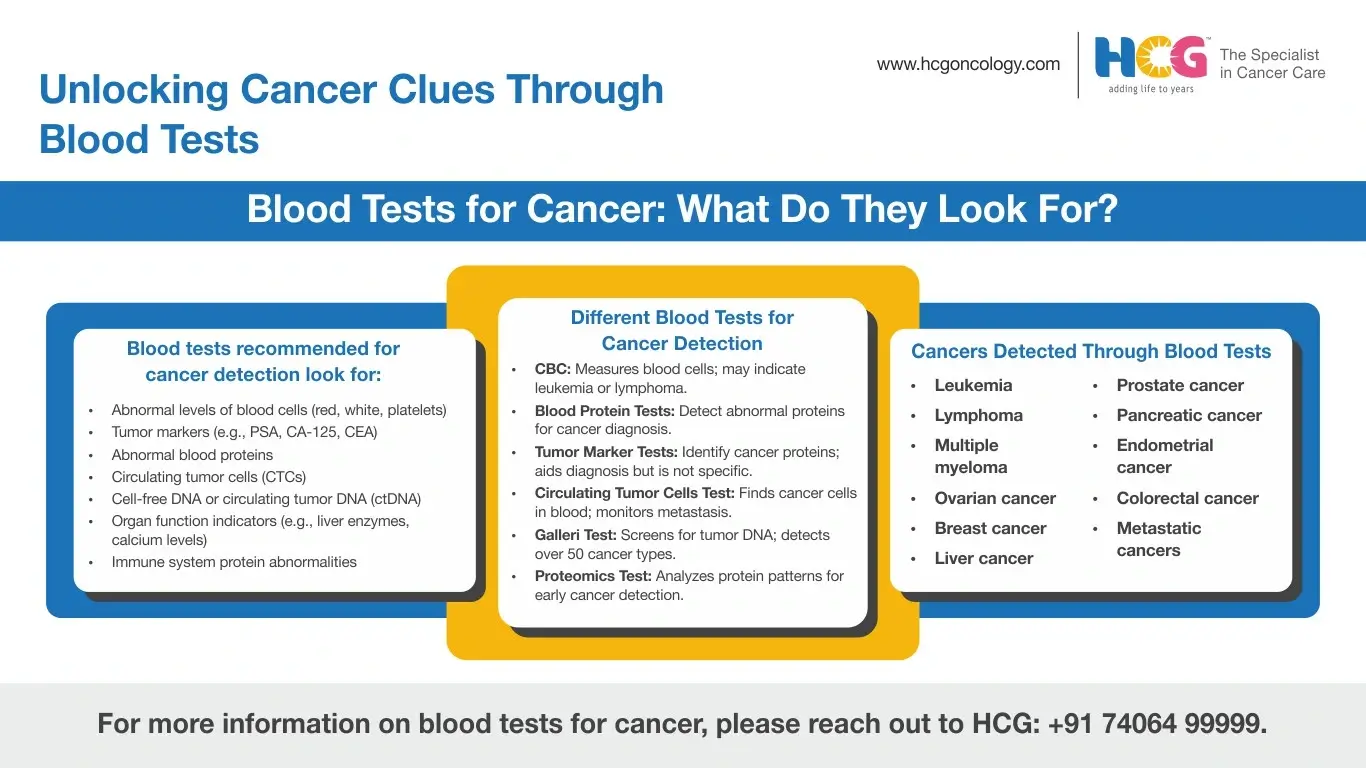
Types of Blood Tests for Cancer Detection

  1. Complete Blood Count (CBC)This test measures various components of blood, including red and white blood cells and platelets. Abnormal levels can indicate blood cancers like leukemia or lymphoma, but it is not specific to solid tumors. 

  2. Tumor Marker TestsThese tests look for specific substances produced by cancer cells or by the body in response to cancer. Common tumor markers include:
  • Prostate-specific antigen (PSA) for prostate cancer.
  • CA-125 for ovarian cancer.
  • Carcinoembryonic antigen (CEA) for colorectal cancer.
  • Alpha-fetoprotein (AFP) for liver and testicular cancers. 

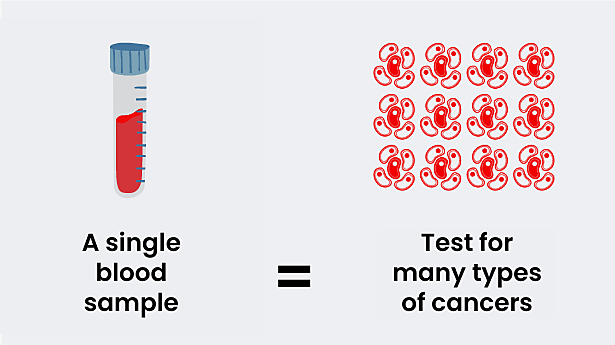
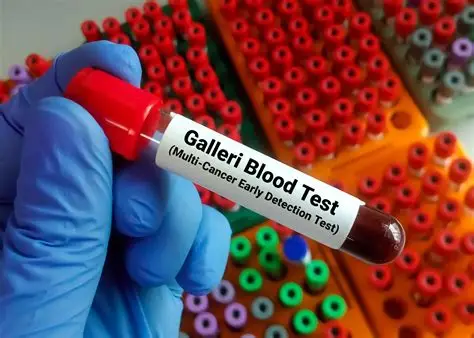
  1. Multi Cancer Detection (MCD) Tests: These innovative tests, such as the Galleri test, can detect multiple types of cancer from single blood sample by analyzing DNA fragments released by tumors. They are designed to identify cancers early, even before symptoms arise. 

  2. Proteomics-based Tests: Recent studies have shown promise for blood tests that analyze proteins in the blood to detect various cancers. These tests have demonstrated high sensitivity in identifying early-stage cancers.  Proteomics-based plasma test:  One 2024 research study found that a new blood test may show promise for the early detection of 18 different types of cancer. (Proteomics is the study of cell proteins and how they work.) In this study of 440 individuals, the test detected 93% of Stage I cancers in males and 84% of Stage I cancers in females. Researchers need to run more studies, but this blood test could become a standard for cancer diagnosis.While deaths from cancer are diminishing in the United States, cancer incidence is on the rise. Routine cancer screenings are a critical way to detect cancer at its earliest, most treatable stages. Simply put, early detection saves lives. Our comprehensive cancer screening programs at Columbia and Weill Cornell Medicine make it easy for you to start your own cancer screening routine, to gather valuable insights about your health risks and lead to the best possible outcomes. With the latest technology and a multidisciplinary team of NewYork-Presbyterian specialists, we offer a diverse array of cancer screenings that help you to proactively manage your health.


QUOTE FOR FRIDAY

“By the end of 2022, according to the American Cancer Society, there will be an estimated 609,360 deaths caused by cancer in the United States. As the second leading cause of death in the U.S., it’s important that we catch, diagnose and treat cancer as early as possible.

The Galleri test may present a far more efficient way of detecting cancer. Instead of searching for any one type of cancer, it screens an individual for multiple cancers. Its potential is to change the current screening process from screening for individual cancers to one where individuals are screened for multiple cancers with a single blood test.”

The Cleveland Clinic (The Galleri Test for Cancer Screening)

Part I Cancer Screening just in taking a blood tests can help identify cancer early!

  Pretty Simple


Cancer often hides, with symptoms not appearing until later stages. The earlier that cancer is diagnosed, the greater the chance of successful treatment and survival.

For many when symptoms arise is can be late in the cancer!

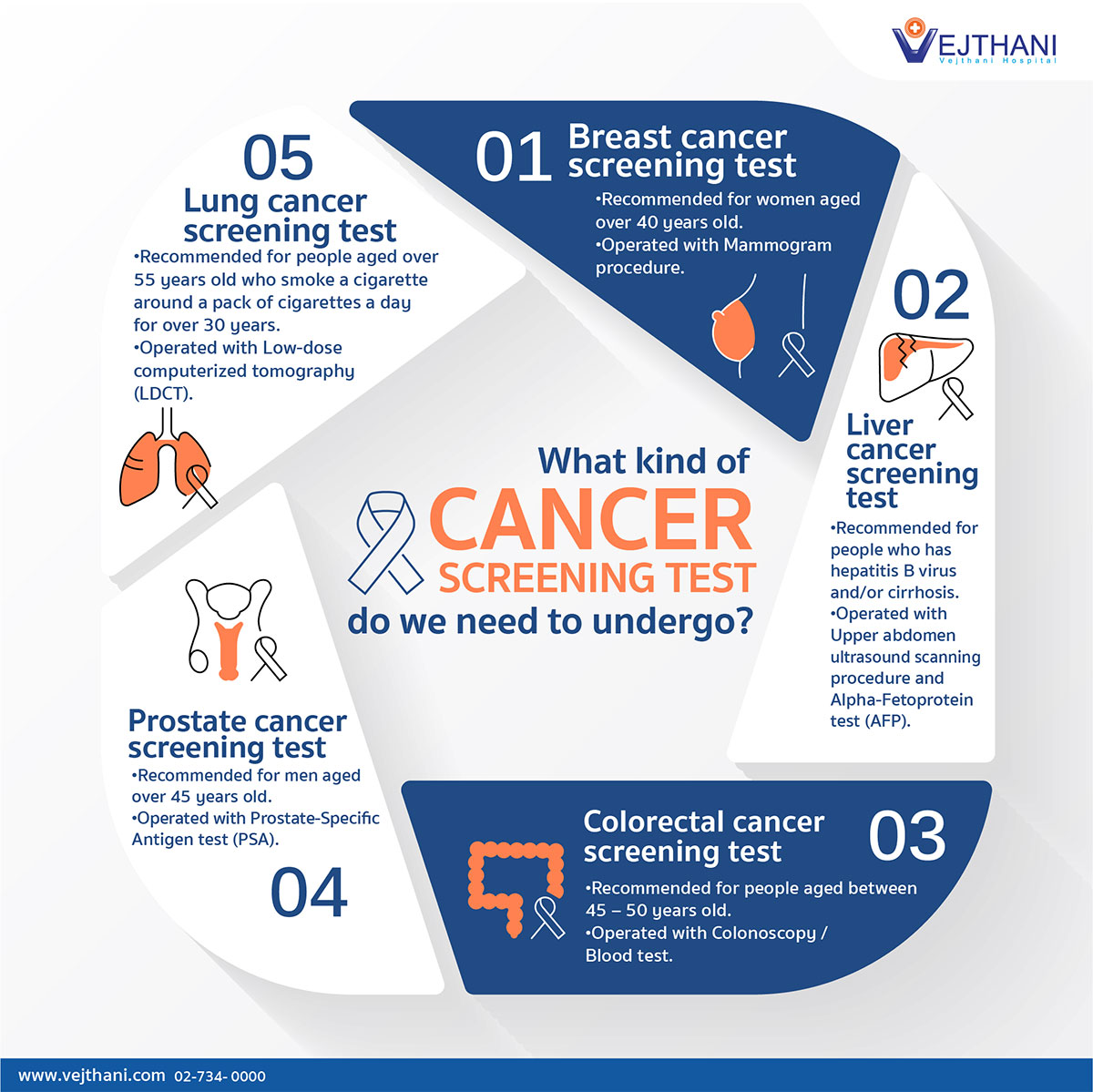
Currently, there are five cancers that are recommended for screening regularly in the U.S.:

  • Mammographies test for breast cancer, typically in women ages 45 to 54.
  • HPV tests and Pap tests screen for cervical cancer, typically in women ages 25 and up.
  • Colonoscopies test for colorectal cancer in adults over age 45.
  • Low-dose CT scans can be conducted on those who are at high risk for lung cancer if they’re former smokers or have had occupational hazard exposure.
  • Prostate-specific antigen (PSA) tests screen for prostate cancer in men ages 55 and older.

Each of these screenings test for a specific kind of cancer and is done on a semi-regular basis. However, there isn’t currently a way to screen for more lethal cancers like pancreatic or ovarian cancer. These cancers aren’t usually caught until you start showing symptoms, and by then, the cancer has usually developed into stage III or stage IV and may have spread to other parts of your body.

There is the Galleri test which is a multi -cancer early detection blood test that can identify over 50 types of cancer in asymptomatic adults aged 50 and older.  It works by detecting tumor DNA in the blood stream, which can indicate the presence of cancer signals and help determine their likely origin in the body.  The test is particularly effective for fast growing and aggressive cancers, which often require early detection.  However, it is not a diagnostic tool and should be used in conjunction with other recommended screening methods.  False positive and negatives can occur like other tests.  The test is not recommended for individuals who are pregnant, younger than 22, or undergoing active cancer treatment.

The Galleri test invented by GRAIL, Inc. is an American biotechnology company based in Menlo Park, California founded in 2015 seeking to develop an early cancer screening test for people who do not have symptoms. As a startup it was a subsidiary of Illumina, which bought it outright in 2021.

In June 2021 Galleri launched their liquid biopsy, or multi-cancer early detection test, which they called Galleri test. In 2023 EU regulators ordered Grail to be spun-out from Illumina which was completed on June 24, 2024.

“Currently, we don’t detect the majority of cancers, including highly lethal ones, such as pancreatic or ovarian cancer, until symptoms are present,” says Dr. Klein, under Cleveland Clinic. “But Galleri can find those cancers at a time when they’re in an earlier stage and before symptoms appear.”  Allan Klein, MD, is the Director of Cardiovascular Imaging Research, Director of the Center for the Diagnosis and Treatment of Pericardial Diseases, and a staff cardiologist in the Section of Cardiovascular Imaging, the Robert and Suzanne Tomsich Department of Cardiovascular Medicine, at the Sydell and Arnold Miller Family Heart, Vascular & Thoracic Institute.  He is also the Course Director for Diastology and Contrast Echo & New Technologies Courses—currently his 15th annual course.  He is board-certified in internal medicine and cardiovascular medicine.

The Galleri test may present a far more efficient way of detecting cancer. Instead of searching for any one type of cancer, it screens an individual for multiple cancers. Its potential is to change the current screening process from screening for individual cancers to one where individuals are screened for multiple cancers with a single blood test.

Many cancers shed DNA into your bloodstream, known as cell-free DNA or circulating tumor DNA. This DNA is usually shed as cancer cells die. Using what’s called Next-Generation DNA Sequencing and machine learning, doctors are able to use a single blood draw (test) to look at various patterns in that DNA code and figure out two things: if a cancer signal is present, and from where the cancer likely started.

These patterns in your DNA are possible because of a biological process known as methylation. During this process, your body expresses certain genes but not others. You can picture it like a wall of light switches: for every switch you turn on, others might turn off, and different configurations produce different results. So, a skin cell will have one configuration, while a liver cell will have another. In the same way, healthy cells will have one configuration, while cancer cells will have a different one. And specific cancer types will have specific configurations different from other cancer types.

“It’s like fingerprints and how fingerprints tell the difference between two people,” explains Dr. Klein. “The methylation patterns are fingerprints that are characteristic of each kind of cancer. They look one way for lung cancer and different for colon cancer.”

If you take the Galleri test, you can have two possible results:

  • No cancer signal detected means there’s no cancer DNA detected in your bloodstream.
  • A cancer signal detected suggests you may have cancer.

If a cancer signal is detected, the Galleri test is able to identify which organ system the cancer is likely coming from with about 90% accuracy. If this happens, you would then have another test (like a blood test, CT scan or ultrasound of your kidneys, lungs, pancreas or other affected system) to verify the presence of cancer. Then, you can determine what treatment is right for you. The key here is that you’re catching cancer much earlier than you normally would have before you start showing physical symptoms.

Galleri can detect more than 50 types of cancer, including: Anal Cancer, Breast Cancer, Cervical Cancer, Esophageal Cancer, Kidney cancer, Leukemia, Liver Cancer, Mesothelioma Cancer, Oral Cancer, Pancreatic Cancer, Stomach and Uterine Cancer.

This is especially effective when you consider that some of these cancers are extremely rare and highly lethal. In the case of pancreatic cancer, which isn’t normally detected until stage III or stage IV and has a one-year survival rate of 5%, it means you can catch at least some cases much earlier than normal.

The Accuracy in the Galleri Test:

Depending on the test, traditional screening tests have a false-positive rate of 10% to 40%. Galleri has a 0.5% false-positive rate, which means it’s highly accurate.

“It finds 51.5% of cancers,” points out Dr. Klein. “If you look at the 12 cancers that account for two-thirds of all deaths in the U.S., it actually finds 67% of those.”

And it’s 89% effective in predicting where the cancer started.

Currently, the Galleri test is meant to be in addition to traditional screenings — so you should get screened for cancers as you normally would once you’ve reached the applicable age. But, Dr. Klein points out that as we develop more research and collect more data, it may be possible to test for most cancers in the future using a simple blood test without having to use screening tests of the past.

Part II This weekend!


QUOTE FOR THURSDAY:

“Handwashing with soap removes germs from hands. This helps prevent infections because:

  • People frequently touch their eyes, nose, and mouth without even realizing it. Germs can get into the body through the eyes, nose and mouth and make us sick.
  • Germs from unwashed hands can get into foods and drinks while people prepare or consume them. Germs can multiply in some types of foods or drinks, under certain conditions, and make people sick.
  • Germs from unwashed hands can be transferred to other objects, like handrails, tabletops, or toys, and then transferred to another person’s hands.

Teaching people about handwashing helps them and their communities stay healthy. Handwashing education in the community:

  • Reduces the number of people who get sick with diarrhea by 23-40%
  • Reduces diarrheal illness in people with weakened immune systems by 58%
  • Reduces respiratory illnesses, like colds, in the general population by 16-21%
  • Reduces absenteeism due to gastrointestinal illness in schoolchildren by 29-57%”

Center for Disease Control and Prevention – CDC (https://www.cdc.gov/clean-hands/data-research/facts-stats/index.html)

Part II National Handwashing Week! What the CDC states about handwashing!

Through the CDC the tell us how germs got on to our hands and make people sick:

THE CDC states:

“Feces (poop) from people or animals is an important source of germs like Salmonella, E. coli O157, and norovirus that cause diarrhea, and it can spread some respiratory infections like adenovirus and hand-foot-mouth disease. These kinds of germs can get onto hands after people use the toilet or change a diaper, but also in less obvious ways, like after handling raw meats that have invisible amounts of animal poop on them. A single gram of human feces—which is about the weight of a paper clip—can contain one trillion germs 1. Germs can also get onto hands if people touch any object that has germs on it because someone coughed or sneezed on it or was touched by some other contaminated object. When these germs get onto hands and are not washed off, they can be passed from person to person and make people sick.

Washing hands prevents illnesses and spread of infections to others

Handwashing with soap removes germs from hands. This helps prevent infections because:

  • People frequently touch their eyes, nose, and mouth without even realizing it. Germs can get into the body through the eyes, nose and mouth and make us sick.
  • Germs from unwashed hands can get into foods and drinks while people prepare or consume them. Germs can multiply in some types of foods or drinks, under certain conditions, and make people sick.
  • Germs from unwashed hands can be transferred to other objects, like handrails, table tops, or toys, and then transferred to another person’s hands.
  • Removing germs through handwashing therefore helps prevent diarrhea and respiratory infections and may even help prevent skin and eye infections.

Teaching people about handwashing helps them and their communities stay healthy. Handwashing education in the community:

  • Reduces the number of people who get sick with diarrhea by 23-40% 2, 3, 6
  • Reduces diarrheal illness in people with weakened immune systems by 58%  4
  • Reduces respiratory illnesses, like colds, in the general population by 16-21% 3, 5
  • Reduces absenteeism due to gastrointestinal illness in schoolchildren by 29-57% 7
Not washing hands harms children around the world

About 1.8 million children under the age of 5 die each year from diarrheal diseases and pneumonia, the top two killers of young children around the
world 8.

  • Handwashing with soap could protect about 1 out of every 3 young children who get sick with diarrhea 2, 3 and almost 1 out of 5 young children with respiratory infections like pneumonia 3, 5.
  • Although people around the world clean their hands with water, very few use soap to wash their hands. Washing hands with soap removes germs much more effectively 9.
  • Handwashing education and access to soap in schools can help improve attendance 10, 11, 12.
  • Good handwashing early in life may help improve child development in some settings 13.
  • Estimated global rates of handwashing after using the toilet are only 19% 6.
Handwashing helps battle the rise in antibiotic resistance

Preventing sickness reduces the amount of antibiotics people use and the likelihood that antibiotic resistance will develop. Handwashing can prevent about 30% of diarrhea-related sicknesses and about 20% of respiratory infections (e.g., colds) 2, 5. Antibiotics often are prescribed unnecessarily for these health issues 14. Reducing the number of these infections by washing hands frequently helps prevent the overuse of antibiotics—the single most important factor leading to antibiotic resistance around the world. Handwashing can also prevent people from getting sick with germs that are already resistant to antibiotics and that can be difficult to treat.”

So what did we learn today WASH OUR HANDS REGULARLY!

QUOTE FOR WEDNESDAY:

“The scientific evidence overwhelmingly demonstrates that appropriate hand hygiene is the single most effective action to stop the spread of infection, while integrated with other critical measures.

    • Appropriate hand hygiene prevents up to 50% of avoidable infections acquired during health care delivery, including those affecting the health work force.
    • The WHO multimodal hand hygiene improvement strategy has proved to be highly effective, leading to a significant improvement in key hand hygiene indicators, a reduction in health care-associated infections (HAIs) and antimicrobial resistance, and substantially helping to stop outbreaks.
    • Appropriate hand hygiene reduces the risk on SARS-CoV-2 – the virus that causes COVID-19 – infection among health workers.
    • Investing in hand hygiene yields huge returns. Implementation of hand hygiene policies can generate economic savings averaging 16 times the cost of their implementation.

Hand hygiene compliance is recommended as one of the key performance indicators for infection prevention and control programmes, patient safety and quality of health services worldwide.”

World Health Organization-WHO (https://www.who.int/campaigns/world-hand-hygiene-day/2021/key-facts-and-figures)