Archives

QUOTE FOR MONDAY:

“Antimicrobial resistance (AMR) is a threat to humans, animals, plants and the environment. It affects us all. This is why this year’s theme calls for collaboration across sectors to preserve the efficacy of these critical medicines. Fighting AMR is a truly global endeavour and must be addressed through a One Health approach.

To curb it effectively, all sectors must join forces and encourage the prudent use of antimicrobials, as well as preventive measures. Strengthening infection prevention and control in health care facilities, farms and food industry premises, ensuring access to vaccines, clean water, sanitation and hygiene, implementing best practices in food and agriculture production, and guaranteeing the sound management of waste and wastewater from key sectors are critical to reducing the need for antimicrobials and minimizing the emergence and transmission of AMR.”

UN environment programme (https://www.unep.org/events/unep-event/world-antimicrobial-awareness-week-2022)

Global Antibiotic Awareness Month


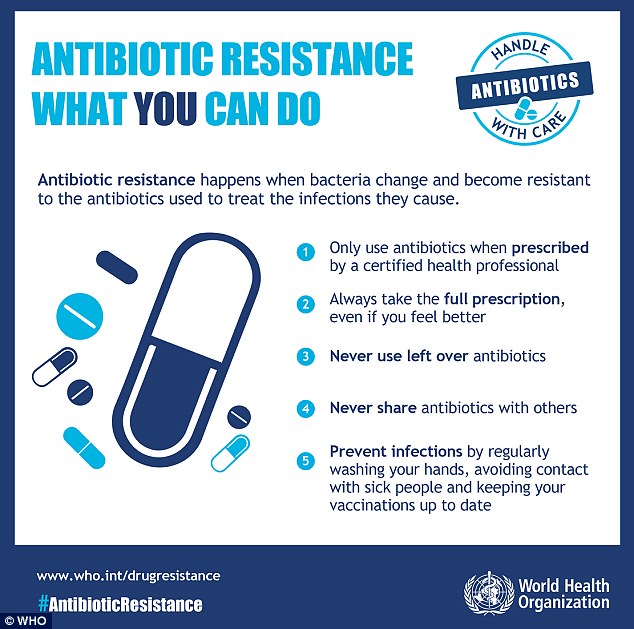
In the lead-up to World Antibiotic Awareness Week, the Food and Agriculture Organization of the United Nations (FAO), the World Health Organization (WHO) and the World Organisation for Animal Health (OIE) are together calling for responsible use of antibiotics in humans and animals to reduce the emergence of antibiotic resistance.

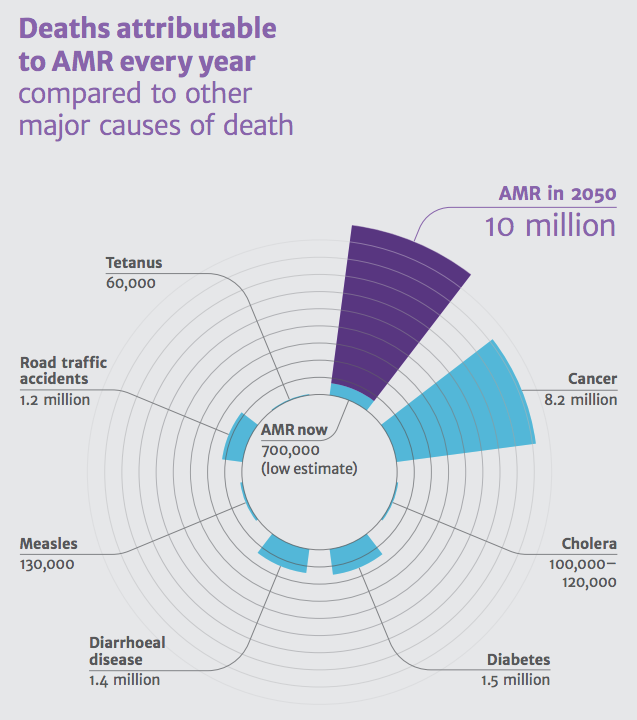
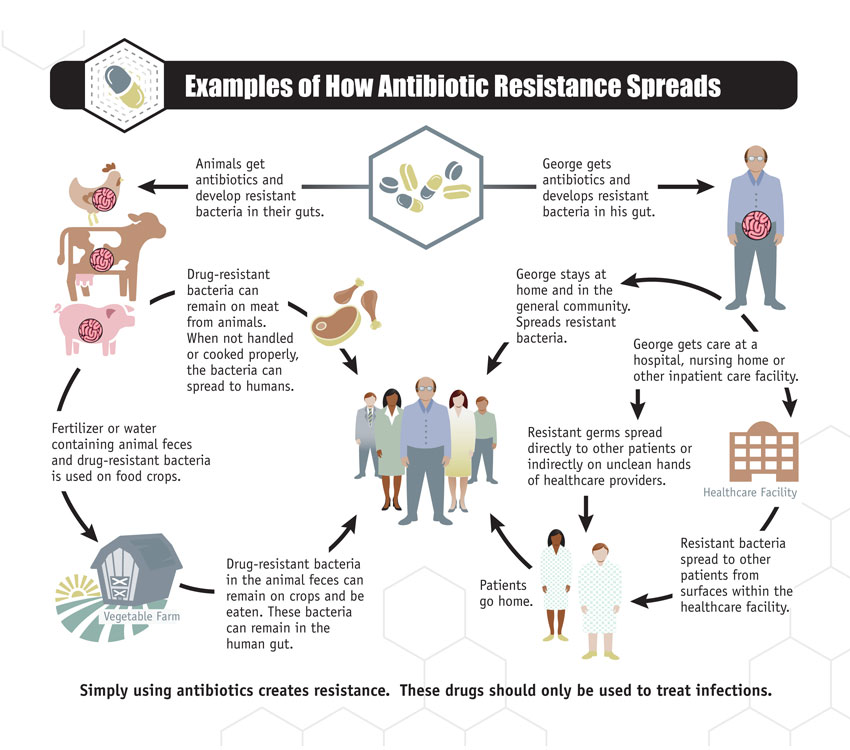
Antibiotic resistance is rising to dangerously high levels in all parts of the world and threatening our ability to treat common infectious diseases. Infections affecting people – including pneumonia, tuberculosis, blood poisoning and gonorrhoea – and animals alike are becoming harder, and sometimes impossible, to treat as antibiotics become less effective.

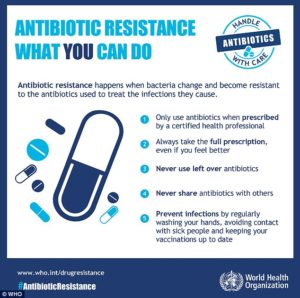
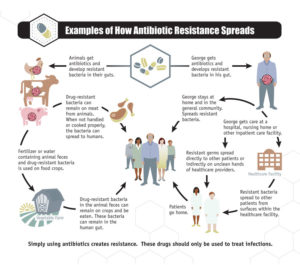
Antibiotics are often overprescribed by physicians and veterinarians and overused by the public. Where they can be bought for human or animal use without a prescription, the emergence and spread of resistance is made worse. Examples of misuse include taking antibiotics for viral infections like colds and flu, and using them as animal growth promoters on farms or in aquaculture.

To tackle these problems, WHO, FAO and OIE are leveraging their expertise and working together in a ‘One Health’ approach to promote best practices to reduce the emergence and spread of antibiotic-resistant microbes in both humans and animals.

“Antibiotic resistance is a global crisis that we cannot ignore,” says Dr Tedros Adhanom Ghebreyesus, Director-General of WHO. “If we don’t tackle this threat with strong, coordinated action, antimicrobial resistance will take us back to a time when people feared common infections and risked their lives from minor surgery.”

“The overuse of antimicrobials blunts their effectiveness, and we must reduce their misuse in food systems,” says José Graziano da Silva, Director-General of FAO. “Antimicrobial veterinary medicines are a crucial tool for animal health and welfare and safe food production, but they are by no means the only tool.”

“Like in human health, veterinary medicine has tremendously progressed thanks to antibiotics. Preserving their efficacy and availability through their responsible use associated with good husbandry and prevention practices, is therefore essential to preserve animal health and welfare,” highlights Dr Monique Eloit, Director-General of OIE.
QUOTE FOR THE WEEKEND:

“Your heart may leap with delight at the electronic gizmo or emerald bracelet that you’ve just unwrapped from under the Christmas tree. But you can’t say the same for that nasty holiday surprise known as the “Merry Christmas coronary” or “Happy Hanukkah heart attack”.

For many years, researchers have been intrigued by a disturbing pattern: Deadly heart attacks increase during the winter holiday season. One study even found distinct spikes around Christmas and New Year’s Day.

We certainly know that there are certain risk factors for coronary artery disease. There’s obviously smoking, hypertension, dyslipidemia [high cholesterol], diabetes, lack of exercise, and age.

But we’re also learning that there are certain triggers for cardiovascular events,  including time of the year and seasons. If we can get a true handle on the seasonal variation, we could knock down death from coronary disease.

QUOTE FOR FRIDAY:

“Do not weigh yourself the day after Thanksgiving. The extra sodium and carbs may cause your weight to temporarily jump up 3 pounds. Wait at least 3 days.  If you end up eating a lot more than you planned, don’t beat yourself up. Tell yourself it was one day and get back on track the next day.  If you are in someone’s home for the weekend and are surrounded by leftovers, focus on the healthier ones like turkey and veggies.  If you are really tempted, allow yourself one “treat” a day for the rest of the weekend. Maybe a dessert one day or a portion of stuffing and gravy.  If you are home for the holiday, make sure you plan activities for the day after Thanksgiving as well as the weekend. This will get you out of the house and away from the leftovers.”

Martha  McKittrick – a RN, registered dietitian and a certified diabetes educator.  (http://marthamckittricknutrition.com)

QUOTE FOR WEDNESDAY:

“While the holiday season is certainly merry and sentimental, these festive months carry the added risk of holiday weight gain. If you’re looking for ways to cut down on the calories this Thanksgiving, take note of these 10 ways to watch your waistline.
1. Choose Healthy Thanksgiving Dishes
2. Watch Your Alcohol Intake
3. Don’t Forget About Exercising
4. Make Only One Thanksgiving Dessert
5. Eat Before the Main Event-
If you can’t trust yourself and your appetite around a table full of delicious Thanksgiving delicacies, aim to eat an hour or so before the main meal. Eating before Thanksgiving will help you to not pile your plate with too much food as you’ll already been pretty full.
6. Be Social-Aside from being a prerequisite on special family occasions, socializing will help you stay away from the chips, dip and celebratory snacks. Mix and mingle around the room or the table and you’ll find you’ve forgotten all about the temptation to eat the unhealthy snacks on offer.
7. Get Out of the House-Why not troop the whole family out of the house after the big meal? This can be a great adventure if there’s kids involved.
8. Less is More
9. Use a Smaller Plate
10. Avoid the Leftovers”

FITDAY (https://www.fitday.com/fitness-articles/nutrition/10-tips-to-have-a-healthier-thanksgiving.html)


QUOTE FOR TUESDAY:

“Boiled shrimp with lemon or cocktail sauce is a healthier pick than fried hors d’oeuvres. Try having a pot of a roasted vegetable soup, such as carrot or butternut squash, on offer for guests to enjoy. Other healthful starters include stuffed mushrooms, raw veggies with hummus, and seasonal fruit.

Thanksgiving is a great time to serve family recipes like Grandma’s pumpkin pie or your dad’s dinner rolls. Our advice: Don’t mess with your favorite holiday dishes. But do try swapping or adding ingredients to less sacred one.

• Skip the cream. Use Greek yogurt or whole milk instead in mashed potatoes, creamy soups, and creamed onion or spinach recipes.

• Reduce the sugar. Cut it back by 10 to 25 percent in baking recipes. You’ll barely taste the difference.

• Add some fiber. Replace 25 to 50 percent of the all-purpose flour called for in recipes with whole-wheat flour. Or try half all-purpose, half white whole-wheat flour, a lighter, milder version of the whole grain. If your recipe calls for breadcrumbs or panko, opt for whole wheat.

• Upgrade the stuffing. Replace half the white bread with whole wheat, use low-sodium chicken broth, and add extra vegetables, such as carrots, mushrooms, and peppers.

• Be sodium savvy. Using the flavors of the season—thyme, sage, rosemary, cinnamon, nutmeg, cloves—will cut the need for salt.”

CR  Consumer Reports  (https://www.consumerreports.org/healthy-eating/ways-to-eat-smarter-at-thanksgiving-dinner-a2912481484/)

QUOTE FOR MONDAY:

“3 days before thanksgiving

  • Defrost your turkey. Thawing a frozen turkey takes time and patience. The best way is to thaw the bird in the coldest area of the fridge with a pan underneath to catch any drips (not on the counter).
  • Buy perishable ingredients. Buy your salad greens and perishable vegetables. Wash lettuce leaves now, dry well, and store by packing them in paper towels in a plastic bag in the refrigerator.
  • Clean the house and set up the table and chairs. Smart tip: put non-cooking household members in charge of cleaning. If you’re having a lot of guests, you may want to set up the table(s) and make sure you have enough space and chairs.”

Food Network (foodnetwork.com)

QUOTE FOR WEEKEND:

“The single best way to reduce the risk of seasonal flu and its potentially serious complications is to get vaccinated each year, but good health habits like avoiding people who are sick, covering your cough and washing your hands often can help stop the spread of germs and prevent respiratory illnesses like flu.”

Centers for Disease Control and Prevention – CDC  (https://www.cdc.gov)

QUOTE FOR FRIDAY:

“Symptoms of a cold tend to be mild. You may have a runny nose, cough, congestion, and sore throat. But you won’t usually have the aches and fever that are common with COVID-19 and flu. Often, you’ll feel better in a couple of days.

There’s no cure for the common cold. Typical treatments include rest, fluids, and over-the-counter medicines. Winter is the prime cold and flu season. You’re more likely to be indoors and closer to others when it’s colder outside. Weather also plays a role in the spread of viruses.”

NIH News in Health