Archives

Month for LIver Cancer!

liver awareness

liver awareness2

The liver is a large, meaty organ that sits on the right side of the belly. Weighing about 3 pounds, the liver is reddish-brown in color and feels rubbery to the touch. Normally you can’t feel the liver, because it’s protected by the rib cage.

The liver has two large sections, called the right and the left lobes. The gallbladder sits under the liver, along with parts of the pancreas and intestines. The liver and these organs work together to digest, absorb, and process food.

The liver’s main job is to filter the blood coming from the digestive tract, before passing it to the rest of the body. The liver also detoxifies chemicals and metabolizes drugs. As it does so, the liver secretes bile that ends up back in the intestines. The liver also makes proteins important for blood clotting and other functions.

The liver is a vital organ of vertebrates and some other animals. In the human it is located in the upper right quadrant of the abdomen, below the diaphragm. The liver has a wide range of functions, including detoxification of various metabolites, protein synthesis, and the production of biochemicals necessary for digestion.

The liver is a gland and plays a major role in metabolism with numerous functions in the human body, including regulation of glycogen storage, decomposition of red blood cells, plasma protein synthesis, hormone production, and detoxification.[3] It is an accessory digestive gland and produces bile, an alkaline compound which aids in digestion via the emulsification of lipids. The gallbladder, a small pouch that sits just under the liver, stores bile produced by the liver. The liver’s highly specialized tissue consisting of mostly hepatocytes regulates a wide variety of high-volume biochemical reactions, including the synthesis and breakdown of small and complex molecules, many of which are necessary for normal vital functions Estimates regarding the organ’s total number of functions vary, but textbooks generally cite it being around 500.

Several types of cancer can form in the liver. The most common type of liver cancer is hepatocellular carcinoma, which begins in the main type of liver cell (hepatocyte). Other types of liver cancer, such as intrahepatic cholangiocarcinoma and hepatoblastoma, are much less common.

Not all cancers that affect the liver are considered liver cancer. Cancer that begins in another area of the body — such as the colon, lung or breast — and then spreads to the liver is called metastatic cancer rather than liver cancer.

Most people don’t have signs and symptoms in the early stages of primary liver cancer. When signs and symptoms do appear, they may include:

  • Losing weight without trying
  • Loss of appetite
  • Upper abdominal pain
  • Nausea and vomiting
  • General weakness and fatigue
  • Abdominal swelling
  • Yellow discoloration of your skin and the whites of your eyes (jaundice)
  • White, chalky stools

It’s not clear what causes most cases of liver cancer. But in some cases, the cause is known. For instance, chronic infection with certain hepatitis viruses can cause liver cancer.

Liver cancer occurs when liver cells develop changes (mutations) in their DNA — the material that provides instructions for every chemical process in your body. DNA mutations cause changes in these instructions. One result is that cells may begin to grow out of control and eventually form a tumor — a mass of cancerous cells.

Factors that increase the risk of primary liver cancer include:

  • Chronic infection with HBV or HCV. Chronic infection with the hepatitis B virus (HBV) or hepatitis C virus (HCV) increases your risk of liver cancer.
  • Cirrhosis. This progressive and irreversible condition causes scar tissue to form in your liver and increases your chances of developing liver cancer.
  • Certain inherited liver diseases. Liver diseases that can increase the risk of liver cancer include hemochromatosis and Wilson’s disease.
  • Diabetes. People with this blood sugar disorder have a greater risk of liver cancer than those who don’t have diabetes.
  • Nonalcoholic fatty liver disease. An accumulation of fat in the liver increases the risk of liver cancer.
  • Exposure to aflatoxins. Aflatoxins are poisons produced by molds that grow on crops that are stored poorly. Crops such as corn and peanuts can become contaminated with aflatoxins, which can end up in foods made of these products. In the United States, safety regulations limit aflatoxin contamination. Aflatoxin contamination is more common in certain parts of Africa and Asia.
  • Excessive alcohol consumption. Consuming more than a moderate amount of alcohol daily over many years can lead to irreversible liver damage and increase your risk of liver cancer.

MOST IMPORTANT is PREVENTION:

Reduce your risk of cirrhosis

Cirrhosis is scarring of the liver, and it increases the risk of liver cancer. You can reduce your risk of cirrhosis if you:

  • Drink alcohol in moderation, if at all. If you choose to drink alcohol, limit the amount you drink. For women, this means no more than one drink a day. For men, this means no more than two drinks a day.
  • Maintain a healthy weight. If your current weight is healthy, work to maintain it by choosing a healthy diet and exercising most days of the week. If you need to lose weight, reduce the number of calories you eat each day and increase the amount of exercise you do. Aim to lose weight slowly — 1 or 2 pounds (0.5 to 1 kilograms) each week.
  • Use caution with chemicals. Follow instructions on chemicals you use at home or at work.

Get vaccinated against hepatitis B

You can reduce your risk of hepatitis B by receiving the hepatitis B vaccine, which provides more than 90 percent protection for both adults and children. The vaccine can be given to almost anyone, including infants, older adults and those with compromised immune systems.

Take measures to prevent hepatitis C

No vaccine for hepatitis C exists, but you can reduce your risk of infection.

  • Know the health status of any sexual partner. Don’t engage in unprotected sex unless you’re certain your partner isn’t infected with HBV, HCV or any other sexually transmitted infection. If you don’t know the health status of your partner, use a condom every time you have sexual intercourse.
  • Don’t use intravenous (IV) drugs, but if you do, use a clean needle. Reduce your risk of HCV by not injecting illegal drugs. But if that isn’t an option for you, make sure any needle you use is sterile, and don’t share it. Contaminated drug paraphernalia is a common cause of hepatitis C infection. Take advantage of needle-exchange programs in your community and consider seeking help for your drug use.
  • Seek safe, clean shops when getting a piercing or tattoo. Needles that may not be properly sterilized can spread the hepatitis C virus. Before getting a piercing or tattoo, check out the shops in your area and ask staff members about their safety practices. If employees at a shop refuse to answer your questions or don’t take your questions seriously, take that as a sign that the facility isn’t right for you.

Ask your doctor about liver cancer screening

For the general population, screening for liver cancer hasn’t been proved to reduce the risk of dying of liver cancer, so it isn’t generally recommended. The American Association for the Study of Liver Diseases recommends liver cancer screening for those thought to have a high risk, including people who have:

  • Hepatitis B and one or more of the following apply: are Asian or African, have liver cirrhosis, or have a family history of liver cancer
  • Hepatitis C infection and liver cirrhosis
  • Liver cirrhosis from other causes, such as an autoimmune disease, excessive alcohol use, nonalcoholic fatty liver disease and inherited hemochromatosis
  • Primary biliary cirrhosis

Discuss the pros and cons of screening with your doctor. Together you can decide whether screening is right for you based on your risk. Screening typically involves an ultrasound exam every six months.

Diagnosing liver cancer

Tests and procedures used to diagnose liver cancer include:

  • Blood tests. Blood tests may reveal liver function abnormalities.
  • Imaging tests. Your doctor may recommend imaging tests, such as an ultrasound, computerized tomography (CT) scan and magnetic resonance imaging (MRI).
  • Removing a sample of liver tissue for testing. Your doctor may recommend removing a piece of liver tissue for laboratory testing in order to make a definitive diagnosis of liver cancer.

    During a liver biopsy, your doctor inserts a thin needle through your skin and into your liver to obtain a tissue sample. In the lab, doctors examine the tissue under a microscope to look for cancer cells. Liver biopsy carries a risk of bleeding, bruising and infection.

Determining the extent of the liver cancer

Once liver cancer is diagnosed, your doctor will work to determine the extent (stage) of the cancer. Staging tests help determine the size and location of cancer and whether it has spread. Imaging tests used to stage liver cancer include CTs, MRIs and bone scans.

There are different methods of staging liver cancer. One method uses Roman numerals I through IV, and another uses letters A through D. Your doctor uses your cancer’s stage to determine your treatment options and your prognosis. Stage IV and stage D indicate the most advanced liver cancer with the worst prognosis.

Treatment

Treatments for primary liver cancer depend on the extent (stage) of the disease as well as your age, overall health and personal preferences.

Surgery

Operations used to treat liver cancer include:

  • Surgery to remove the tumor. In certain situations, your doctor may recommend an operation to remove the liver cancer and a small portion of healthy liver tissue that surrounds it if your tumor is small and your liver function is good.Whether this is an option for you also depends on the location of your cancer within the liver, how well your liver functions and your overall health.
  • Liver transplant surgery. During liver transplant surgery, your diseased liver is removed and replaced with a healthy liver from a donor. Liver transplant surgery is only an option for a small percentage of people with early-stage liver cancer.

Localized treatments

Localized treatments for liver cancer are those that are administered directly to the cancer cells or the area surrounding the cancer cells. Localized treatment options for liver cancer include:

  • Heating cancer cells. In a procedure called radiofrequency ablation, electric current is used to heat and destroy cancer cells. Using an ultrasound or CT scan as a guide, your surgeon inserts one or more thin needles into small incisions in your abdomen. When the needles reach the tumor, they’re heated with an electric current, destroying the cancer cells.
  • Freezing cancer cells. Cryoablation uses extreme cold to destroy cancer cells. During the procedure, your doctor places an instrument (cryoprobe) containing liquid nitrogen directly onto liver tumors. Ultrasound images are used to guide the cryoprobe and monitor the freezing of the cells.
  • Injecting alcohol into the tumor. During alcohol injection, pure alcohol is injected directly into tumors, either through the skin or during an operation. Alcohol causes the tumor cells to die.
  • Injecting chemotherapy drugs into the liver. Chemoembolization is a type of chemotherapy treatment that supplies strong anti-cancer drugs directly to the liver.
  • Placing beads filled with radiation in the liver. Tiny spheres that contain radiation may be placed directly in the liver where they can deliver radiation directly to the tumor.

Radiation therapy

This treatment uses high-powered energy from sources such as X-rays and protons to destroy cancer cells and shrink tumors. Doctors carefully direct the energy to the liver, while sparing the surrounding healthy tissue.

During external beam radiation therapy treatment, you lie on a table and a machine directs the energy beams at a precise point on your body.

A specialized type of radiation therapy, called stereotactic radiosurgery, involves focusing many beams of radiation simultaneously at one point in your body.

Targeted drug therapy

Targeted drugs work by interfering with specific abnormalities within a tumor. They have been shown to slow or stop advanced hepatocellular carcinoma from progressing for a few months longer than with no treatment.

More studies are needed to understand how targeted therapies, such as the drug sorafenib (Nexavar), may be used to control advanced liver cancer.

Supportive (palliative) care

Palliative care is specialized medical care that focuses on providing relief from pain and other symptoms of a serious illness. Palliative care specialists work with you, your family and your other doctors to provide an extra layer of support that complements your ongoing care. Palliative care can be used while undergoing other aggressive treatments, such as surgery, chemotherapy or radiation therapy.

When palliative care is used along with all of the other appropriate treatments, people with cancer may feel better and live longer.

Palliative care is provided by a team of doctors, nurses and other specially trained professionals. Palliative care teams aim to improve the quality of life for people with cancer and their families. This form of care is offered alongside curative or other treatments you may be receiving.

What you can do in being preparred to see your doctor:

  • Be aware of any pre-appointment restrictions. At the time you make the appointment, be sure to ask if there’s anything you need to do in advance, such as restrict your diet.
  • Write down any symptoms you’re experiencing, including any that may seem unrelated to the reason for which you scheduled the appointment.
  • Write down key personal information, including any major stresses or recent life changes.
  • Make a list of all medications, as well as any vitamins or supplements, that you’re taking.
  • Consider taking a family member or friend along. Sometimes it can be difficult to remember all the information provided during an appointment. Someone who accompanies you may remember something that you missed or forgot.
  • Write down questions to ask your doctor.


HAPPY COLUMBUS DAY!

“October, Americans mark Columbus Day, a federal holiday commemorating the explorer who “sailed the ocean blue” in 1492. Columbus Day is a federal U.S. holiday commemorating the voyage and landing of Italian explorer Christopher Columbus in the “New World” on October 12, 1492. The anniversary of his landing in what would eventually be known as the Americas was first formally celebrated 300 years later, in 1792, by the Columbian Order (Society of St. Tammany) in New York City.

During Christopher Columbus’s time, scholars already understood that the world was round, a fact established by the ancient Greeks. People assumed a ship traveling west from Europe would sail through to Asia. However, many believed that such a westward journey was impossible. Columbus, an Italian, was convinced otherwise and persuaded King Ferdinand and Queen Isabella of Spain to sponsor his exploration and search for riches.

During Christopher Columbus’s time, scholars already understood that the world was round, a fact established by the ancient Greeks. People assumed a ship traveling west from Europe would sail through to Asia. However, many believed that such a westward journey was impossible. Columbus, an Italian, was convinced otherwise and persuaded King Ferdinand and Queen Isabella of Spain to sponsor his exploration and search for riches.

On October 12, 1492, Columbus landed on a small island in the Bahamas (now known as San Salvador, previously Watling’s Island), convinced that he had reached his destination of Asia. Although he was not the first European to come across the Americas (Vikings, among others, had visited before), his journey sparked enthusiasm for European exploration of the hemisphere. It kicked off a significant connection between the Old World and the New World.

In 1937, President Franklin D. Roosevelt declared the occasion a national holiday. Columbus Day has been observed on the second Monday of October since 1971.”

ALMANAC (Columbus Day 2025: History and Controversy | The Old Farmer’s Almanac)


QUOTE FOR THE WEEKEND:

“October is Sudden Infant Death Syndrome (SIDS) Awareness Month. A safe sleep environment can help reduce the risk of SIDS and other sleep-related causes of infant death, like suffocation. To help raise awareness about safe infant sleep, the Safe to Sleep® campaign developed the SIDS Awareness Month Toolkit, which offers guidance and resources for organizations to plan their SIDS Awareness Month activities, including:

  • Sample social media posts, emails, and language to handle unsafe sleep images
  • A before-you-post checklist, including guidance to caregivers for taking their #SafeSleepSnap photos
  • Weekly themes
  • Graphics and photos
  • Flyers with and without placeholders for logos

The Safe to Sleep® campaign provides a number of other resources (many of which can be ordered for free) to help with education and outreach efforts, including:

  • An Interactive Safe Sleep Environment Tool caregivers can explore to help them learn how to create a safe sleep environment for baby in the home.
  • Videos, such as Safe Sleep for Your Baby, grandparent videos, and Breastfeed Your Baby to Reduce the Risk of SIDS (with an accompanying handout that helps explain the information in the video).
  • Fact sheets, such as What Does a Safe Sleep Environment Look Like? and other downloadable materials for caregivers, including handouts, brochures, and door hangers.
  • The Healthy Native Babies Project toolkit and guides, which includes videos, handouts, and training for the American Indian/Alaska Native communities.

The American Academy of Pediatrics also provides information on infant sleep and recommendations for caregivers, including How to Keep Your Sleeping Baby Safe, a checklist of items for making a baby’s room safe, why “back is best” for an infant’s sleep position, and more.”

USDA WIC Work Resource System / US department of agriculture (Sudden Infant Death Syndrome (SIDS) Awareness Month | WIC Works Resource System)

SIDS AWARENESS MONTH


Sudden infant death syndrome (SIDS)

This condition is the unexplained death, usually during sleep, of a seemingly healthy baby less than a year old. SIDS is sometimes known as crib death because the infants often die in their cribs.

Although the cause is unknown, it appears that SIDS might be associated with defects in the portion of an infant’s brain that controls breathing and arousal from sleep.

Researchers have discovered some factors that might put babies at extra risk. They’ve also identified measures you can take to help protect your child from SIDS. Perhaps the most important is placing your baby on his or her back to sleep.

Causes

A combination of physical and sleep environmental factors can make an infant more vulnerable to SIDS. These factors vary from child to child.

Physical factors

Physical factors associated with SIDS include:

  • Brain defects. Some infants are born with problems that make them more likely to die of SIDS. In many of these babies, the portion of the brain that controls breathing and arousal from sleep hasn’t matured enough to work properly.
  • Low birth weight. Premature birth or being part of a multiple birth increases the likelihood that a baby’s brain hasn’t matured completely, so he or she has less control over such automatic processes as breathing and heart rate.
  • Respiratory infection. Many infants who died of SIDS had recently had a cold, which might contribute to breathing problems.

Sleep environmental factors

The items in a baby’s crib and his or her sleeping position can combine with a baby’s physical problems to increase the risk of SIDS. Examples include:

  • Sleeping on the stomach or side. Babies placed in these positions to sleep might have more difficulty breathing than those placed on their backs.
  • Sleeping on a soft surface. Lying face down on a fluffy comforter, a soft mattress or a waterbed can block an infant’s airway.
  • Sharing a bed. While the risk of SIDS is lowered if an infant sleeps in the same room as his or her parents, the risk increases if the baby sleeps in the same bed with parents, siblings or pets.
  • Overheating. Being too warm while sleeping can increase a baby’s risk of SIDS.

Risk factors

Although sudden infant death syndrome can strike any infant, researchers have identified several factors that might increase a baby’s risk. They include:

  • Sex. Boys are slightly more likely to die of SIDS.
  • Age. Infants are most vulnerable between the second and fourth months of life.
  • Race. For reasons that aren’t well-understood, nonwhite infants are more likely to develop SIDS.
  • Family history. Babies who’ve had siblings or cousins die of SIDS are at higher risk of SIDS.
  • Secondhand smoke. Babies who live with smokers have a higher risk of SIDS.
  • Being premature. Both being born early and having a low birth weight increase your baby’s chances of SIDS.

Maternal risk factors

During pregnancy, the mother also affects her baby’s risk of SIDS, especially if she:

  • Is younger than 20
  • Smokes cigarettes
  • Uses drugs or alcohol
  • Has inadequate prenatal care

QUOTE FOR FRIDAY:

“Healthy people differ significantly in their overall personality, mood, and behavior. Each person also varies from day to day, depending on the circumstances. However, a sudden, major change in personality and/or behavior, particularly one that is not related to an obvious event (such as taking a medication or losing a loved one), raises concern for a mental health issue.

Sudden changes in personality and behavior can be roughly categorized as involving one of the following types of symptoms:

  • Confusion or delirium

  • Delusions

  • Disorganized speech or behavior

  • Hallucinations

  • Mood extremes (such as depression or mania)

These categories are not specific mental illnesses. They are just one way doctors organize different types of abnormal thought, speech, and behavior. These changes in personality and behavior can be caused by general medical conditions or mental health issues.”

MERCK MANUAL (Personality and Behavior Changes – Mental Health Disorders – Merck Manual Consumer Version)

World Mental Health Day! When sudden changes occur in mood &/or personality of a person there might be a health problem!

sudden, major change in personality and/or behavior can indicate serious underlying issue, often related to mental health or some medical conditions. 

Healthy people differ significantly in their overall personality, mood, and behavior. Each person also varies from day to day, depending on the circumstances. However, a sudden, major change in personality and/or behavior, particularly one that is not related to an obvious event (such as taking a drug or losing a loved one), often indicates a problem.

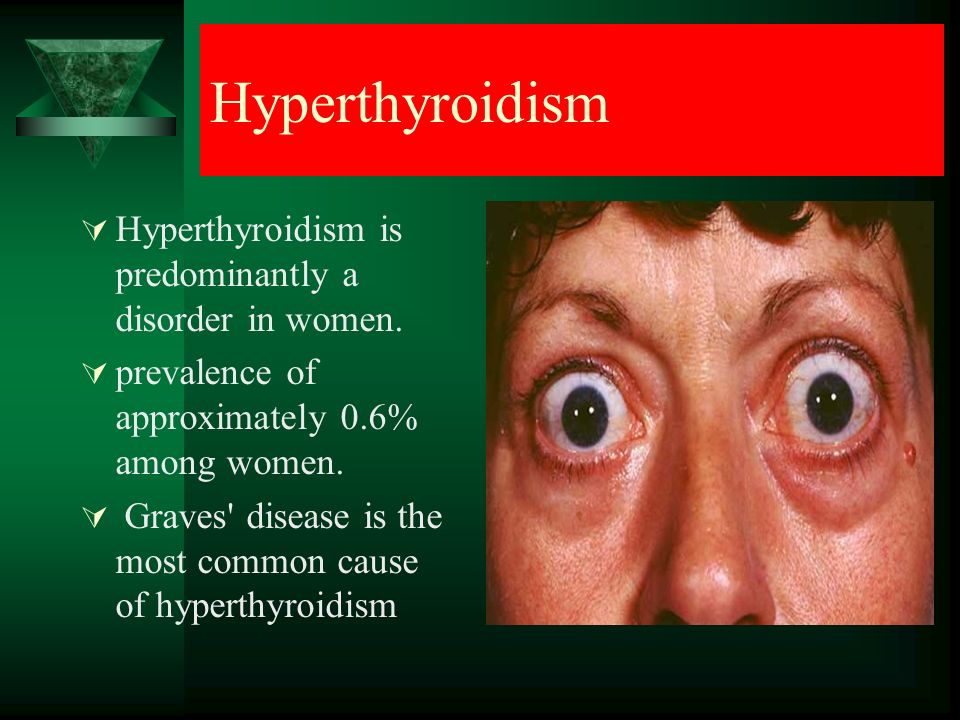
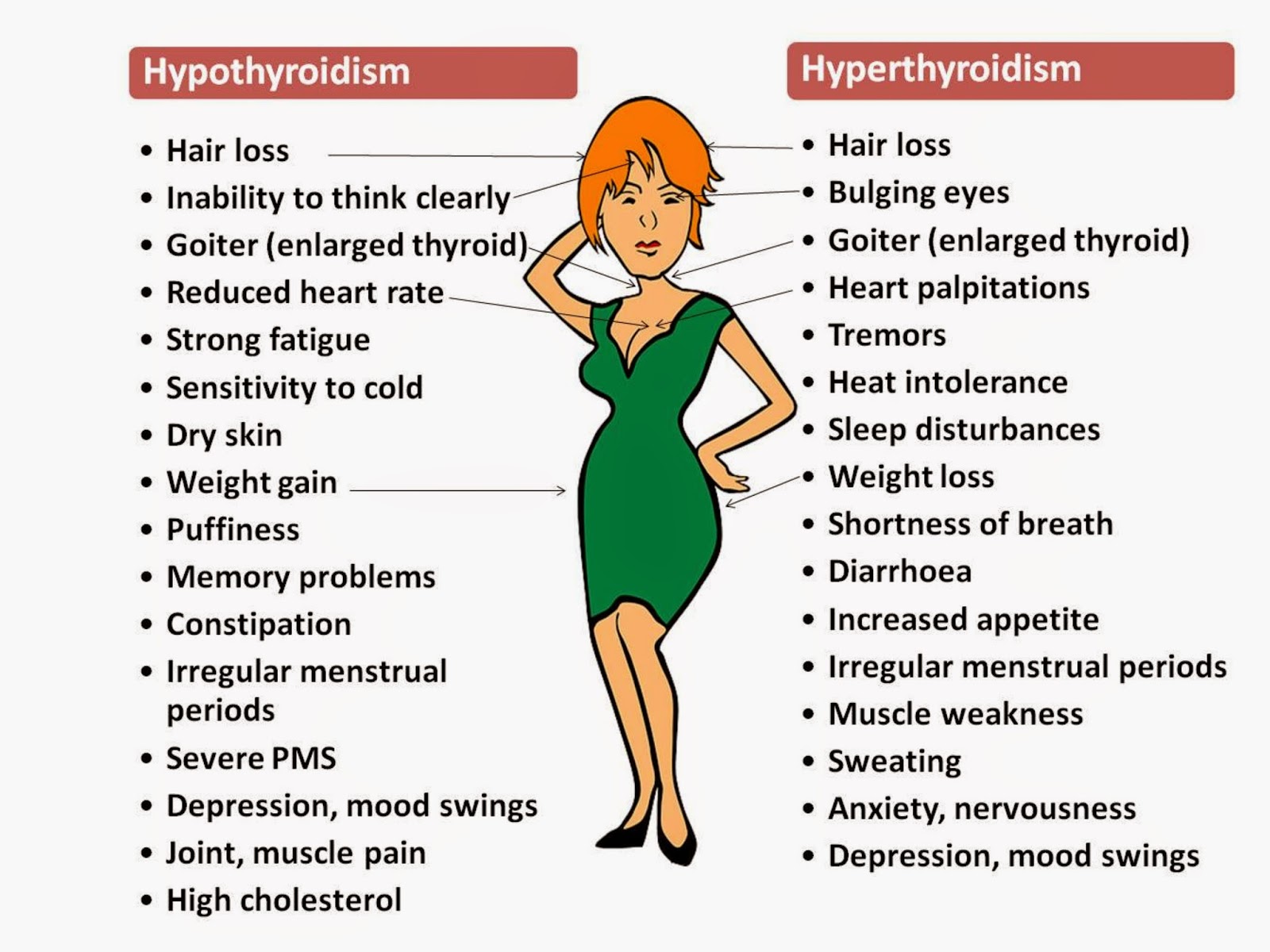
If someone changes in mental status from awake, alert, oriented to who they are, where they are and the time of day with overall mood in that person’s behavior it doesn’t always mean it is a mental condition like dementia.  It could be as simple as low blood sugar or hypothyroidism or a more serious condition.

Other things it could be is:

-Confusion and delirium refer to a disturbance of consciousness. That is, people are less aware of their environment and, depending on the cause, may be excessively agitated and belligerent or drowsy and sluggish. Some people alternate between being less alert and being overly alert. Their thinking appears cloudy and slow or inappropriate. They have trouble focusing on simple questions and are slow to respond. Speech may be slurred. Often, people do not know what day it is, and they may not be able to say where they are. Some cannot give their name.

-Delusions are fixed false beliefs that people hold despite evidence to the contrary. Some delusions are based on a misinterpretation of actual perceptions and experiences. For example, people may feel persecuted, thinking that a person behind them on the street is following them or that an ordinary accident is purposeful sabotage. Other people think that song lyrics or newspaper articles contain messages that refer specifically to them.

Some beliefs seem more plausible and can be difficult to identify as delusions because they could occur or have occurred in real life. For example, people occasionally are followed by government investigators or have their work sabotaged by coworkers. In such cases, a belief can be identified as a delusion by how strongly people hold the belief despite evidence to the contrary.

Other delusions are easier to identify. For example, in religious or grandiose delusions, people may believe they are Jesus or the president of the country. Some delusions are quite bizarre. For example, people may think that their organs have all been replaced by machine parts or that their head contains a radio that receives messages from the government.

-Disorganized speech refers to speech that does not contain the expected logical connections between thoughts or between questions and answers. For example, people may jump from one topic to another without ever finishing a thought. The topics may be slightly related or entirely unrelated. In other cases, people respond to simple questions with long, rambling answers, full of irrelevant detail. Answers may be illogical or completely incoherent. This type of speech differs from the difficulty expressing or understanding language (aphasia) or forming words (dysarthria) that is caused by a brain disorder such as stroke.

Occasionally misspeaking or intentionally being evasive, rude, or humorous is not considered disorganized speech.

-Disorganized behavior refers to doing quite unusual things (such as undressing or masturbating in public or shouting and swearing for no apparent reason) or to being unable to behave normally. People with disorganized behavior typically have trouble doing normal daily activities (such as maintaining good personal hygiene or obtaining food).

-Drugs may affect personality or behavior when they cause Intoxication: Particularly alcohol (when consumed in large amounts), amphetamines, cocaine, hallucinogens (such as LSD), phencyclidine (PCP), any narcotic. Side effects: From drugs intended to affect brain function.

These disorders can affect personality, mood, and behavior. They include

1. Alzheimer’s disease, is the most common form of dementia characterized by progressive memory loss, cognitive decline, and behavioral changes that primarily are affecting older adults.

2. Brain infections, such as meningitis, encephalitis, and human immunodeficiency virus (HIV) infection that involves the brain (called HIV-associated encephalopathy)

3.Brain Tumors, they are a growth of cells in the brain or near it. Brain tumors can happen in the brain tissue. Brain tumors also can happen near the brain tissue. Nearby locations include nerves, the pituitary gland, the pineal gland, and the membranes that cover the surface of the brain.

Brain tumors can begin in the brain. These are called primary brain tumors. Sometimes, cancer spreads to the brain from other parts of the body. These tumors are secondary brain tumors, also called metastatic brain tumors.  They can be cancerous or benign.

Many different types of primary brain tumors exist.

4.Head Injuries, such as a concussion and post-concussion syndrome

5-Multiple Sclerosis, which is a disease that causes breakdown of the protective covering of nerves. Multiple sclerosis can cause numbness, weakness, trouble walking, vision changes and other symptoms. It’s also known as MS.

6-Parkinson disease, which is a movement disorder of the nervous system that worsens over time. The nervous system is a network of nerve cells that controls many parts of the body, including movement.

7-Seizure disorders, this disease covers a range of conditions characterized by abnormal electrical activity in the brain causing seizures to occur.

8-Stroke, which is a medical emergency that happens when something prevents your brain from getting enough blood flow. A blocked blood vessel or bleeding in your brain can cause stroke to occur.  Strokes are the second leading cause of death worldwide and the fifth most common in the U.S.

If could be other than these diagnoses but the only way to find out is go to the ER stat with a mental change disorder!

QUOTE FOR THURSDAY:

“Your liver performs more than 500 important functions, from filtering blood and processing nutrients to fighting infections. It creates bile and important proteins your body needs. You can’t live without a liver: If your liver fails, you’ll need an organ transplant to survive.

Your liver is the largest internal organ in your body and one of the only organs that can regenerate itself. The liver plays a crucial role in filtering blood, storing energy and producing bile for digestion.

Unfortunately, hundreds of diseases and conditions can damage your liver so it can’t work. Some of these can be life-threatening. Hepatologists, medical specialists who diagnose and treat liver disease, can treat and sometimes cure these diseases. And there are many things that you can do to keep your liver well and working as it should.

Your liver’s biggest job is filtering harmful substances and waste from your blood. Every day, your liver filters more than 250 gallons of blood. If that wasn’t enough, and among many other duties, your liver also:

  • Makes cholesterol that your body uses in different ways
  • Helps produce certain hormones, protects your cells and is a key ingredient in bile production
  • Makes proteins — like clotting factors that manage bleeding and albumin, which manages fluid pressure in your bloodstream
  • Helps keep your blood glucose levels steady by storing glycogen (glucose) and releasing it into your bloodstream to keep your blood sugar levels on an even keel
  • Breaks down toxins and germs so they safely leave your body in your pee and poop
  • Works by breaking down fats in your blood to produce energy, and if there are too many, they may get stored as extra fat.”

Cleveland Clinic (Liver: Where It’s Located, Function & Anatomy)

Understanding the Liver’s Function with the impact of liver diseases to this organ!

Liver Disease 2healthy liver 2  healthy liver

Liver disease is also referred to Hepatic Disease. Liver Disease is a term that is used when there is any disturbance of the liver function that causes illness. It is a broad term to describe when more than 75% or three quarters of liver tissue needed is affected and decreased function in the liver occurs. The number one cause of liver disease is alcohol abuse in North America. They can cause liver inflammation, referred to as alcoholic hepatitis. Other causes include Cirrhosis, Cholestasis, Steatosis, Hepatitis, Viruses, Non-Alcoholic Fatty Liver, Hemachromatosis, Wilson’s Disease and Gilbert’s Disease.

Causes: Cirrhosis

Cirrhosis is when the liver cells are replaced by permanent scar tissue as a result of chronic liver disease. It is considered the late-stage of liver disease. Cirrhosis is common among chronic alcohol abuse users where the fat accumulation occurs in the liver cells and causes scar tissue. Cholestasis is when the bile flow is obstructed from the gallbladder or duodenum. Steatosis is the term used when cholesterol and triglycerides accumulate in the liver.

Causes: Hepatitis

Hepatitis is a term used to describe the inflammation on liver cells. They can become inflamed due to infection.

There are many forms of Hepatitis:

Hepatitis A (Hep A) is a viral infection primarily spread through the fecal-oral route when small amounts of infected fecal matter are ingested. An acute inflammation of the liver occurs but there is a way to prevent this type of infection. There is a vaccine available and the best way to help prevent it is by a good hand washing.

Hepatitis B (Hep B) is spread by exposure to body fluids and can cause an acute infection. If left untreated, it can progress into a chronic inflammation and on into cirrhosis. There is also a vaccine for this form of hepatitis. Typically, the vaccine contains both Hep A and B in a combination series of doses.

Hepatitis C (Hep C) is caused by a virus different from Hep A or Hep B. It can either be “acute” or “chronic” and is primarily spread through contact with the blood of an infected person. The most common way is by sharing needles or other equipment to inject drugs. Before 1992, Hepatitis C was also commonly spread through blood transfusions and organ transplants which led to the start of a widespread screening of blood supplies. Another way it can be transmitted is through being born to a mother who has it. There are less common ways to contract Hepatitis C, and that’s through sharing personal care items that may have come into contact with another person’s blood (razors, toothbrushes), or having unprotected sex with a infected person. Some people are at an increased risk for Hepatitis C. Those individuals include: Children born to mothers infected with this Hep C; current injection drug users (most common way Hepatitis C is spread in the US), past injection drug users, recipients of donated blood (blood products and organs), hemodialysis patients who spent many years on dialysis for kidney failure, people who received body piercings or tattoos done with non-sterile instruments, & people with known exposure to Hepatitis C like Health care workers or recipients of blood or organs from a donor who tested positive.

Hepatitis D (Hep D) is known as “delta hepatitis” can also be “acute” or “chronic” but is uncommon in the United States. It requires the Hepatitis B virus to survive. It is transmitted through sexual contact with infected blood or blood products. There is also no vaccine available for this virus. Hepatitis E (Hep E) is caused by Ribonucleic Acid (RNA) virus. It is transmitted mainly through the fecal-oral route due to fecal contaminated drinking water.

Causes: NAFLD

Non-alcoholic fatty liver disease (NAFLD) is the build up of extra fat in liver cells that is not caused by alcohol. It is normal for the liver to contain some fat. liver’s weight is fat, then it NAFLD tends to develop in people who are overweight or obese or have diabetes, high cholesterol or high triglycerides. Rapid weight loss and poor eating habits also may lead to NAFLD. However, some people develop NAFLD even if they do not have any risk factors. NAFLD affects up to 25% of people in the United States. However, if more than 5% up to 10% of the liver’s weight is fat then the liver is called a fatty liver called steatosis.  Non-Alcoholic Fatty Liver (NAFL) describes the accumulation of fat within the liver that can cause an inflammation and a gradual decrease in function.

 Those at risk for NAFLD? NAFLD tends to develop in people who are overweight or obese or have diabetes, high cholesterol or high triglycerides. Rapid weight loss and poor eating habits also may lead to NAFLD. However, some people develop NAFLD even if they do not have any risk factors. NAFLD affects up to 25% of people in the United States.

RISKS NAFLD may cause the liver to swell (steatohepatitis). A swollen liver may cause scarring (cirrhosis) over time and may even lead to liver cancer or liver failure.

SYMPTOMS NAFLD often has no symptoms. When symptoms occur, they may include fatigue, weakness, weight loss, loss of appetite, nausea, abdominal pain, spider-like blood vessels, yellowing of the skin and eyes (jaundice), itching, fluid build up and swelling of the legs (edema) and abdomen (ascites), and mental confusion.

DIAGNOSIS NAFLD is initially suspected if blood tests show high levels of liver enzymes. However, other liver diseases are first ruled out through additional tests. Often, an ultrasound is used to confirm the NAFLD diagnosis.

QUOTE FOR WEDNESDAY:

“The liver is an organ that sits just under the rib cage on the right side of the abdomen. It can weigh up to 4 pounds (1.8 kilograms). The liver is needed to help digest food, rid the body of waste products and make substances, called clotting factors, that keep the blood flowing well, among other tasks.

Liver disease can be passed through families, called inherited. Anything that damages the liver also can cause liver problems, including viruses, alcohol use and obesity.

Over time, conditions that damage the liver can lead to scarring, called cirrhosis. Cirrhosis can lead to liver failure, a life-threatening condition. But early treatment may give the liver time to heal.”

MAYO CLINIC (Liver problems – Symptoms and causes – Mayo Clinic)

Why the liver is so vital to our human body!

healthy liver

The liver is like our transmission to the human body—it cleans out end products of what enters our body keeping the essentials we need inside. This is what this organ does for us:

Your liver is your very own chemical processing plant. It receives 30% of the blood circulating in your system every minute – performing chemical reactions to remove harmful toxins and distribute and store essential nutrients. This vital process is called ‘metabolism’ and cells in the liver, known as hepatocytes, are put to work to keep your body working at its best. Essentially, your liver loves and cares for you.

Once carbs have been broken down into glucose in your gastrointestinal tract, the glucose enters the blood stream and is taken straight to your liver to regulate and maintain healthy levels. Your liver also stores excess glucose in the form of glycogen (inactive glucose) and the liver will fill up with this glycogenl (like a gas tank). When the tank of the liver gets full the excess of the sugar floating in your bloodstream is used by our tissues that need it right than.  The sugar that couldn’t go in the liver is extra glucose that now needs a place to store (if the liver is full) than it gets dumped in our fat tissue next. This is how we get obese. This is the logic of eating small meals not 3 large meals a day. The small meals are utilized mostly where there is no extra floating glucose that needs to be stored anywhere like in our case the fatty tissue. The average American doesn’t realize this with knowing that glycogen (inactive glucose) when needed by our body is ready for converting back into glucose when levels drop between meals which usually occurs during exercise or when you’re fasting; which most of us in America don’t do by overall population. For our liver to do these processes of breakdown of our foods (including medications), to convert active glucose to inactive glucose (glycogen), store glycogen in the liver and to do much more the liver has to be working meaning healthy.

And here’s the really clever thing. Your liver can also convert non-sugars, such as amino acids, into glucose to keep levels healthy. It does some pretty impressive things with fats too.

Every time you eat either through food or protein fluid drinks in place of your food, your liver feeds you. Once food is digested, nutrients enters the blood from the stomach after digestion in that organ takes place including the small intestines, which are taken straight to your liver for processing. Depending on how low or plentiful these nutrients are in your body, the liver cells will either release the goodness of these processed broken down nutrient end products to where it’s needed (regarding our tissues of the body) or store they will be stored away for when your body tissues needs a boost later.

And here’s the really clever thing. Your liver can also convert non-sugars, such as amino acids, into glucose to keep levels healthy. It does some pretty impressive things with fats too.

Your liver is your fat processing factory – it breaks down fat and compounds such as lipoproteins, cholesterol and phospholipids. If fat is in excess, the liver combines fatty acids and glycerol to form a storage molecule and transports it to your body’s storage depots, such as the subcutaneous tissue (tissue just under the skin). Then, at times when energy levels are low, between meals and during exercise, this stored fat is converted back into glycerol and the liver turns the remaining fatty acids into an alternative energy supply. To aid absorption of fat and fat-soluble vitamins and flush out unwanted substances from your body, your liver produces bile. It stores the bile in your gall bladder, where it can be emptied into your intestines when needed.

Proteins are also vital for a healthy body, and your liver takes charge of these too. Once proteins are broken down into amino acids in your intestines, they enter the blood stream and flow direct to the liver. Here, the liver cells (hepatocytes) go to work on removing nitrogen from the proteins which rapidly changes into ammonia – a highly toxic substance. Your liver then acts fast to convert this into urea to be excreted into the urine and eliminated from your body. With excess amino acids, your liver converts them into fat for storage or, if your body needs an energy boost, it will use them to create glucose.

Ending line the liver breaks down our Calories & CHOs, Fats, and Proteins that enter our body.

Our liver watches out for us. When harmful toxins and substances enter your blood stream, your liver acts fast to detoxify and destroy them. Some may simply be a by-product of a normal metabolism, others may be ingested or inhaled substances such as drugs and alcohol. Filtering the blood, your liver removes dead cells and invading bacteria, processes nitrogen and cholesterol and neutralises harmful hormones.

The problem comes when the body liver can’t do this function anymore, meaning it can’t break down or do the processing of out nutrients we eat causing toxins to build up in our body. Soon this break down of the liver with no reversal or without treatment will go into liver failure. Liver failure can put a big hold up in your life but if you can reverse it your smart since you addressed the problem in getting cared for by a doctor. You can even be better than this in being healthy to your body which is you taking PREVENTION in allowing yourself never to deal with this headache.

Liver failure or hepatic insufficiency is the inability of the liver to perform its normal synthetic and metabolic function as part of normal physiology. Two forms are recognized, acute and chronic.

Acute liver failure defined as “the rapid development of hepatocellular dysfunction, specifically coagulopathy and mental status changes (encephalopathy) in a patient without known prior liver disease.”.

Chronic liver failure usually occurs in the context of cirrhosis, itself potentially the result of many possible causes, such as excessive alcohol intake, hepatitis B or C, autoimmune, hereditary and metabolic causes (such as iron or copper overload, Steatohepatitis or non-alcoholic fatty liver disease).

CHRONIC can be prevented. How important is your health?