
QUOTE FOR MONDAY:

“Your pancreas is a large, tadpole-shaped gland situated deep in your belly. It plays an important role in digestion and blood sugar regulation. Pancreatic disease can be hard to diagnose due to the location of the organ. But there are things you can do to reduce your risk for these conditions.

The pancreas is a large gland in the back of your abdomen (belly). It’s part of your digestive system and your endocrine system. Your pancreas is a dual organ — like a factory with two production lines. It makes:

  • Enzymes to help with digestion (exocrine system).
  • Hormones to control the amount of sugar in your bloodstream (endocrine system).”

Cleveland Clinic (Pancreas: Function, Location, Anatomy & Living Without One)

Part I Pancreatic Cancer Awareness Month – 6 Things to know regarding Pancreatic Cancer!


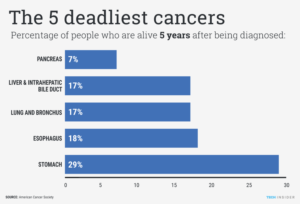
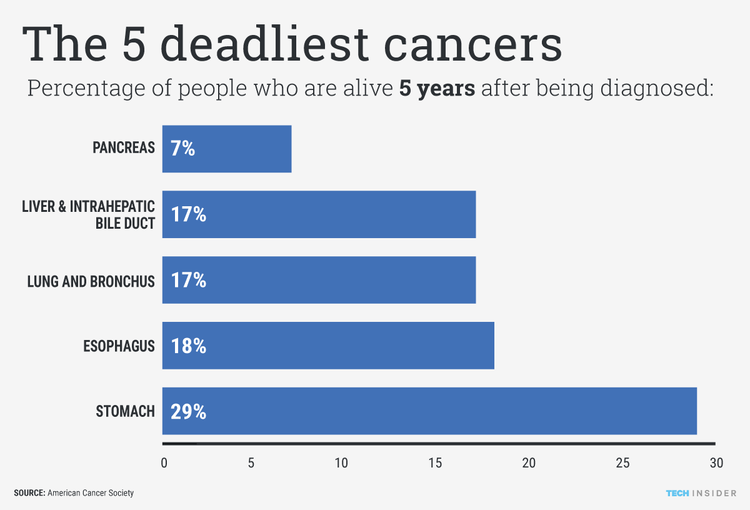
Pancreatic cancer is one of the few types of cancer that haven’t improved in terms of survival rates over the years, according to the Hirshberg Foundation for Pancreatic Cancer Research. In fact, the foundation said the mortality rate is 93-percent within 5-years of diagnosis. And 71-percent will die in first year.  Usually people diagnosed with this disease are told they have 6 months to 1 year survival rate.  There are the few for the many that live longer but know this the major depending factor is also the stage level of cancer your in (I, II, III & IV).  The higher the worse the metastasis.

These stats point to why it’s important to raise awareness about this killer cancer, and to outline some facts and figures. In honor of Pancreatic Cancer Awareness Month in November, here are six things to know, thanks to Jeff Hayward on November 1 informed the world of this information on his blog with facts…

1. Their are Risk Factors

The American Cancer Society says that the average lifetime risk of developing cancer of the pancreas in both men and women is 1 in 65. However, there are certain factors that might make you more likely to face the disease.

Cancer Treatment Centers of America notes that these risk factors include age (most pancreatic cancers form at age-55 or older), gender (males are slightly more likely to develop it), obesity, diabetes, smoking, and more.

2. Heredity

Cancer Treatment Centers of America also notes that about 10-percent of pancreatic cancer cases are thought to be genetic, or passed down from a parent.

These genetic mutations include hereditary breast and ovarian cancer syndrome (BRCA2), familial melanoma (p16), familial pancreatitis (PRSS1), and neurofibromatosis type-1 (NF1), adds the source. Other “inherited syndromes” can raise risks including Lynch syndrome (hereditary nonpolyposis colorectal cancer), Peutz-Jeghers Syndrome, and Von Hippel-Lindau Syndrome.

3. For 2021 the statistics of pancreatic cancer are:

The American Cancer Society estimates death rates are proportionate for both, according to additional statistics from the cancer society.

The American Cancer Society’s estimates for pancreatic cancer in the United States for 2021 are:

  • About 60,430 people (31,950 men and 28,480 women) will be diagnosed with pancreatic cancer.
  • About 48,220 people (25,270 men and 22,950 women) will die of pancreatic cancer.

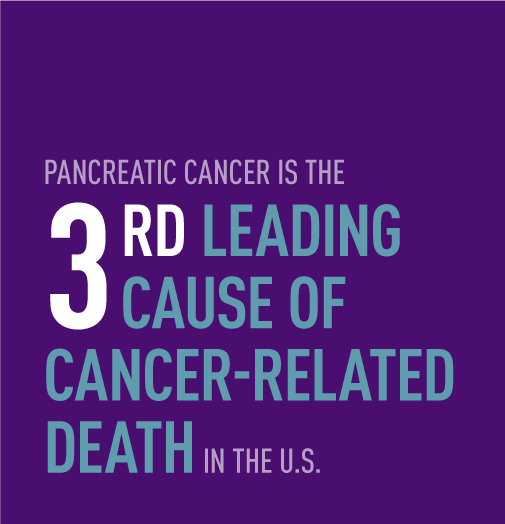
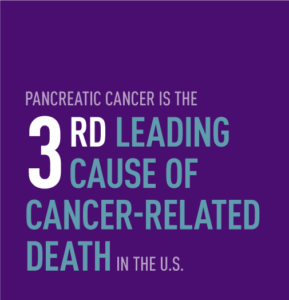
Pancreatic cancer accounts for about 3% of all cancers in the US and about 7% of all cancer deaths.

It is slightly more common in men than in women.

4. One of Most Prevalent Cancers in the World

The World Cancer Research Fund International notes that pancreatic cancer shares 10th-place in global prevalence with kidney cancer. Worldwide, there were 338,000 cases of pancreatic cancers diagnosed in 2012 alone, notes the source.

Looking at a breakdown of the disease’s age-standardized rates by country, the U.S. comes in 20th at 7.5-cases per 100,000. The top two countries in the world for cancer of the pancreas are Czech Republic (9.7-per 100,000) and Slovakia (9.4-per 100,000).

5. It Often Causes Symptoms When it’s Too Late

Scientific American talks about why this type of cancer is so deadly in a 2011 article making reference to Apple founder Steve Jobs, who died from the cancer.

It notes that patients sometimes don’t seek treatment right away, because symptoms including weight loss, jaundice and abdominal pain don’t begin until the later stages. “They usually start after the tumor is a significant size. By then, chances are, it has metastasized (that is, spread to other parts of the body),” explains the article.

6. There’s More than One Type

The American Cancer Society explains the overwhelmingly common form of this cancer is pancreatic adenocarcinoma, which makes up 95-percent of all cases. These begin in the ducts of the pancreas and sometimes develop from the cells that form pancreatic enzymes, according to the source.

The “other” type of cancer of the pancreas is pancreatic endocrine tumors, otherwise known as neuroendocrine tumors, explains the cancer society. These tumors can be cancerous or benign, and are subdivided into other categories including “functioning NETs” (including gastrinomas, insulinomas and glucagonomas), and “non-functioning NETs” which are actually more likely to cause cancer because they can grow larger before they’re discovered.

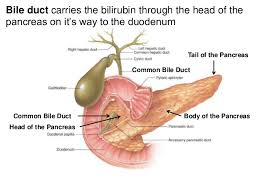
Know how it works you have a pancreas medically noted in Anatomy and Physiology as having a head, neck, body and tail.  The location of the cancer can play a major role especially if diagnosed earlier, depending on the location for some.

The head is the widest part of the pancreas. The head of the pancreas is found in the right side of abdomen, nestled in the curve of the duodenum body and tail.  Worse place for pancreas since this allows metastasis faster than other areas of the pancreas. Know this in some cases caught early can make a major change in a longer life for some.

The neck is the thin section of the gland between the head and the body of the pancreas.

The body is the middle part of the pancreas between the neck and the tail. The superior mesenteric artery and vein run behind this part of the pancreas.  This is not connected like the head and if caught early results can be better.

The tail is the thin tip of the pancreas in the left side of the abdomen, in close proximity with the spleen. This is the end of the pancreas connected to nothing, no ducts or other tissues nearby or connected to it compared to other parts of the pancreas and best place for area of the cancer especially if it is only in the tail, in most cases.



QUOTE FOR WEEKEND:

“Difference between plantar fasciitis and heel spurs lies in the source of the pain. Pain from plantar fasciitis is typically felt in the arch of the foot and the heel due to damage or overuse of the plantar fascia. Heel spurs, or tiny jagged calcium deposits on the heel bone, develop in response to the trauma to the plantar fascia and are localized to the heel.   Plantar fasciitis is most commonly caused by repetitive strain injury to the ligament of the sole of the foot.  Heel Spurs are caused by long- term straining of the muscles and ligaments around the heel”

Heel that pain (heelthatpain.com)


What’s the difference between Plantar Fasciitis versus Heel Spurs?

   Plantar Fasciiitis                                                         

These two diagnoses are related, they are not the same.

Plantar Fasciitis:

Plantar fasciitis refers to the inflammation of the plantar fascia–the tissue that forms the arch of the foot.

Causes: 

The condition is a result of excessive stretching of plantar fascia ligament. It may be caused due to:

  • Over-use: too much physical activity; running, walking or standing for a long time particularly if there is a rapid increase in activity over a short period of time
  • Obesity
  • Aging
  • Shoes without cushions
  • Walking barefoot on hard surfaces
  • Occupations like teaching or working in a factory that requires walking or standing for longer periods

Plantar fasciitis can also be caused by certain diseases, including reactive arthritis and ankylosing spondylitis.

One of the most common causes of heel and arch pain is overuse/ repetitive exertion with inadequately supportive shoes.

Symptoms:

Heel pain is the primary symptom of plantar fasciitis, especially evident in the following conditions:
  • Pain in your foot usually near the heel
  • Pain can span the entire bottom
  • Pain and stiffness in the morning that gets worse as the day progresses
  • Pain also is at its worse when first waking up in the morning or after a long period of rest of the feel since the ligament is overstretched to torn and it will tighten during rest.
  • Pain which would get worse when climbing stairs or standing on toes
  • Pain after standing for long time on flat surfaces

Treatment:

Most people who have plantar fasciitis recover in several months with conservative treatment, including resting, icing the painful area and stretching.  Always upon getting up where a cushioned footwear for support; flat surfaces walking on barefoot is not good at all.

Heel Spurs:

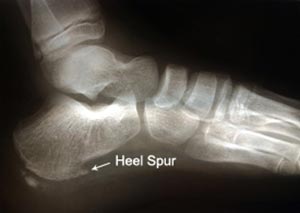
A heel spur is a foot condition that’s created by a bony-like growth, called a calcium deposit, that extends between your heel bone and arch.

Heel spurs often start in the front of and underneath your heel. They eventually affect other parts of your foot. They can get up to half an inch in length. They may not necessarily be visible to the naked eye.

Detecting heel spurs can be challenging. Heel spurs don’t always cause pain, and not all heel pain is related to spurs. Keep reading to learn more about these bony growths and what causes them.

Causes:

One of the most common causes of heel and arch pain is overuse/ repetitive exertion with inadequately supportive shoes. Once again, most heel pain is caused by a condition known as plantar fasciitis.

Plantar fasciitis (fashee-EYE-tiss) is one of the most common causes of pain on the bottom of the heel. Approximately 2 million patients are treated for this condition every year.

Plantar fasciitis occurs when the plantar fascia, a strong band of tissue that supports the arch of your foot, becomes irritated and inflamed.

Joint damage from osteoarthritis is the most common cause of bone spurs. As osteoarthritis breaks down the cartilage cushioning the ends of your bones, your body attempts to repair the loss by creating bone spurs near the damaged area.

Symptoms:

  • Pain and stiffness in the morning that gets worse as the day progresses
  • Pain which would get worse when climbing stairs or standing on toes
  • Pain after standing for long time
  • Pain can be unbearable
  • The pain is worse with obesity when standing up on the feet doing whatever activity, more weight is on the feet.
  • The affected area may also feel warm to the touch.
  • These symptoms may spread to the arch of your foot.
  • Eventually, a small bony protrusion may be visible.

The pain is most intense when resuming activity after rest and tends to decrease with continued motion. This is due to the fact that the plantar fascia (the ligament that is strained in heel pain) tightens as we sleep. When we first step down again, a shocking tight pain can be felt!

Some heel spurs may cause no symptoms at all. You may also not see any changes in soft tissues or bones surrounding the heel. Heel spurs are often discovered only through X-rays and other tests done for another foot issue.

Treatment:

Because heel spurs are usually not the direct cause of heel pain, there is usually not many good reasons to surgically remove heel spurs. You can achieve relief from heel pain (plantar fasciitis) without ever removing the spurs! If you can figure out what the underlying cause is, you may be able to get rid of your pain.

Heel spurs are treated by measures that decrease the associated inflammation and avoid reinjury. Local ice applications both reduce pain and inflammation. Anti-inflammatory medications, such as naproxen (Aleve) and ibuprofen (Advil), or injections of cortisone, are often helpful.  Do not walk  barefoot or with just socks on anywhere.  Again always upon getting up where a cushioned footwear for support.  Walking on flat surfaces barefoot are not good at all.

Of course if you can’t easily figure out what the cause is and resolve it go to the expert the Podiatrist!


QUOTE FOR HALLOWEEN:

Walk Safety:

  1. Cross the street at corners, using traffic signals and crosswalks. Look left, right and left again when crossing and keep looking as you cross.
  2. Put electronic devices down, keep heads up and walk, don’t run, across the street.
  3. Teach children to make eye contact with drivers before crossing in front of them.
  4. Always walk on sidewalks or paths. If there are no sidewalks, walk facing traffic as far to
  5. the left as possible.  Children should walk on direct routes with the fewest street crossings.
  6. Watch for cars that are turning or backing up. Teach children to never dart out into the street or cross between parked cars.
  7. Join kids under age 12 for trick-or-treating. If kids are mature enough to be out without supervision, tell them to stick to familiar areas that are well lit and trick-or-treat in groups.

Drive extra safely:

1.Enter and exit driveways and alleys slowly including carefully.

2. Get rid of any distractions – like your cell phone – in your car so you can concentrate on the road and your surroundings.

3. Turn your headlights on earlier in the day to spot children from greater distances.

4. Popular trick-or-treating hours are 5:30 p.m. to 9:30 p.m. Be especially alert for kids during those hours.

NHTSA (Halloween Safety Tips for Drivers, Pedestrians, More | NHTSA)


QUOTE FOR THURSDAY:

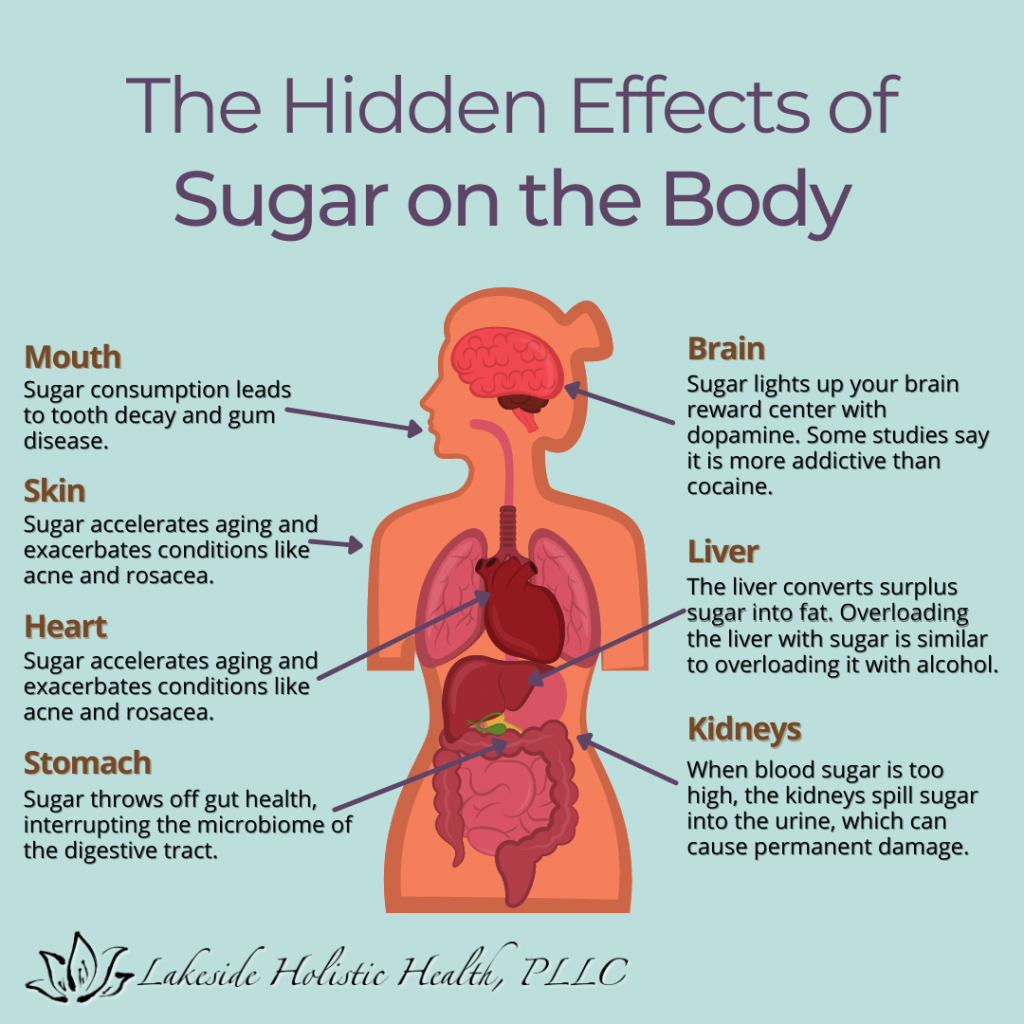
“Try to keep an eye on how much added sugar your kids are exposed to, but the reality is that it’s challenging to avoid, if not impossible, for many families.  Instead of restricting the loads of candy that make it home, we spread it out in a variety of ways to make it not so overwhelming.

Initially, we the children have as much of the holiday candy that they want when they bring it home or on the day of the holiday.  Always make sure to take out anything that your child may be allergic to or is considered a choking hazard.  I recommend taking the Thrive Training Institute online CPR course, as well as their Choking Prevention and Response course so you know what to do when it matters most.  Use code ALEX10 for $10 off.

After the kids have enjoyed what they wanted, put it in one bag, tuck it away so it’s out of sight and to be honest; eventually forget about it.  What happens next is typically distributed throughout the six suggestions below once we remember it’s still there.

  • Offer candy with meals and snacks casually
  • Toss the candy out
  • Donate leftover candy
  • Use candy for an art project
  • Use leftover candy in a recipe
  • Save candy for the next holiday”

The family nutritionist (6 Dietitian Approved Ways to Use Up Leftover Candy – The Family Nutritionist)

What to do with excess Halloween candy, how to store it & for how long, including donation ideas!

Afraid you’ll be dealing with an excess of Halloween treats until long after Valentine’s Day? Here are some ideas for enjoying the evening’s haul responsibly and getting rid of leftover candy:

  • Let each child keep enough candy to have one or two pieces a day for one or two weeks ‒ long enough for the excitement to wane. Throw away, donate or repurpose the rest.
  • When your child asks for a piece of candy, pair it with a healthy snack: an apple, a banana, some nuts or celery with peanut butter.
  • “Buy back” candy from your child with money or tokens they can trade in for a fun activity: a day at the zoo, an afternoon playing at the park, ice skating or a day at the pool.
  • Some dentists’ offices have buy-back or trade-in programs, too.
  • Save it for holiday baking.
  • Save it to fill the piñata at the next birthday celebration or give out with Valentine cards.
  • Use it in an arts and crafts project or to decorate a holiday gingerbread house.

Have no fear – you got this! Let’s make Halloween fun, spooky and a little healthier, too.

Ideas f0r places to donate candy:

Donate excess candy to a homeless shelter, children’s hospital or care package program for troops overseas. A familiar sweet treat from home can be comforting at the holidays.

There’s an organization called Soldiers’ Angeles Treats for Troops that will take what you don’t want and send it to military members, VA hospitals and military units worldwide. To find a site where you can donate your candy, click here. It is too late to become a collection site, but next year you can register and choose where the candy will go on the Treats for Troops website.

You can also make up candy bags that can be sent to the Treats for Troops organization which will then be sent to deployed military, VA hospitals or other military facilities. For more information on that program, click here.

If donations aren’t your thing, and you would rather get creative, then head to the kitchen and start stashing the candy away for later dates!

How to store the different types of candy & sweets your little ones get on Halloween:

Virginia Tech looked into it and found that most commercial candies are safe for months after Halloween.

Virginia Technew.vt/…23halloween candy expert states the shelf life depends on the type of candy:

  • Dark chocolate – one to two years if wrapped in foil and stored in a cool, dark, dry place, such as a pantry or basement.
  • Milk and white chocolate – 8 to 10 months.
  • Hard candy – up to a year when stored at room temperature or a cool, dry location.
  • Jellied candy – 6 to 8 months if opened, but away from light and heat, keeping it at 70 degrees or so; 12 months if not opened.
  • Candy corn – 3 to 6 months if opened; 9 months if unopened.
  • Gum – 6-9 months if sealed. To maximize freshness, keep chewing gum packages in a cool, dry place and out of any direct sunlight.
  • Caramel – 6 to 9 months if stored covered and away from heat and light, keeping it at room temperature. Could last up to 12 months in some cases.
  • Homemade Halloween sweets, though, are best enjoyed shortly after concocted in the kitchen, such as caramel- or candy-coated apples, crispy rice treats, fudge, and more.

“For items that are fully cooked to their crunchy and sticky best, these usually last at room temperature for anywhere from four to seven days,” food science assistant professor Alexis Hamilton said. “Coated apples are a risk if partially eaten and not kept in the fridge. These can be safely enjoyed for up to four days after partially eating them and storing in a refrigerator. If you want to enjoy a candy apple on a stick, consider waiting to insert the stick until right before you intend to eat them or (if making in advance), store them in the refrigerator. Of course, these storage recommendations are only a factor if these aren’t gobbled up before they even make it to a container.”


QUOTE FOR WEDNESDAY:

“Children are more than twice as likely to be hit by a car and killed on Halloween than on any other day of the year!

Halloween is not just for kids anymore. The holiday has become one of the most popular in the U.S. with people of all ages taking part in things like trick-or-treating, decorating homes and attending parties.

The American Red Cross wants everyone to enjoy the festivities safely, so we offer tips for all ages on how to have a great Halloween and stay safe while doing so.

COSTUME SAFETY Trick-or-treaters need to see and be seen.

  • Use face makeup instead of masks.
  • Add reflective tape to costumes and trick-or-treat bags. If possible, have everyone wear light-colored clothing.
  • Use flame-resistant costumes and wigs.
  • When choosing costumes, stay away from long trailing fabric so no one trips and falls.
  • Avoid using decorative contact lenses to avoid problems with your eyes.
  • If carving pumpkins, don’t use candles to light them. Instead, try battery-operated lights or glow sticks.

TRICK OR TREAT SAFETY A sad statistic – children are more than twice as likely to be hit by a car and killed on Halloween than on any other day of the year

  • Have your trick or treaters walk only on sidewalks, not in the street. If there are no sidewalks, walk at the edge of the roadway, facing traffic. Look both ways before crossing the street, and cross only at the corner. Don’t cross between parked cars, and don’t cut across yards or use alleys.
  • Drivers — use extra caution as youngsters may forget to look both ways before crossing. As the sun goes down, watch for children in dark clothing.
  • Give trick-or-treaters a flashlight to light their way.
  • A parent or responsible adult should accompany young children door-to-door.
  • If older children are going alone, plan their route. Set a specific time they should return home. Teach them to only visit homes that have a porch light on, to accept treats at the door and never go inside.
  • Be cautious around animals, especially dogs.
  • Walk, don’t run.
  • Check all goodies before the kids dig in. Make sure to remove loose candy, open packages and remove any choking hazards. Discard any items with brand names that you are not familiar with.”

American Red Cross (https://www.redcross.org/about-us/news-and-events/news/2025/halloween-safety-tips-for-trick-or-treaters-)

“Some safety tips when celebrating Halloween:

  • If you decide to go trick-or-treating, wear light-colored clothing that’s short enough to prevent tripping and add reflective tape to the sides, front, and back of your costume.
  • Ensure children can see well while wearing their masks and securely fasten the mask so it does not fall off.
  • Go out in daylight and carry a flashlight for when it gets dark. Everyone will be celebrating differently according to their comfort level, so expect some doors may not be open to trick-or-treaters.
  • Stay within the neighborhood and only visit homes you know.
  • Watch for traffic.
  • Only give and accept wrapped or packaged candy.
  • Examine all candy before allowing children to eat it.
  • Keep costumed children away from pets, as pets might not recognize the child and become frightened.
  • Avoid hard plastic or wood props such as daggers or swords. Substitute with foam rubber, which is soft and flexible.”

Always a Treat (Halloween Safety Tips – Always A Treat)

More safety tips on candy including pumpkin carving & costumes!


Did you know the night before Halloween has names like:

Mischief Night is an informal holiday on which people engage in jokes, pranks, vandalism, or parties.[1] It is known by a variety of names including Devil’s Night (particularly in Detroit), Gate Night, Goosey Night, Moving Night, Cabbage Night, Mystery Night and Mat Night.

Halloween Candy Safety Tips

Parents should take precautions about Halloween candy safety, but its also important to have a realistic sense of harm. Its easy for the media to give us the sense that the world is a more menacing place than it really is. In the 1980s, a myth spread about the serious risk of troubled people using poison and razor blades to tamper with Halloween candy. Almost all reports were discredited.

But no amount of debunking can completely alleviate parent anxiety. After all, however rare, it could happen.  Some Halloween candy safety precautions include:

  • For young children, remove any choking hazards such as gum, peanuts, hard candies, or small toys.
  • Instruct your children to show you all their candy before eating it so that you can carefully inspect it for tampering.
  • Tell your children not to accept or eat anything that isnt commercially wrapped.
  • Throw out candy or treats that are homemade, unwrapped, or have torn wrapping.

And managing the Halloween candy craze? First, to reduce trick-or-treat munching, give your children a snack or light meal before you leave the house. Decide ahead of time how many pieces of candy they can eat on Halloween night.

Pumpkin Carving Safety Tips

  • Carve pumpkins on stable, flat surfaces with good lighting.
  • Have children draw a face on the outside of the pumpkin and then do the cutting yourself.
  • Place lighted pumpkins away from curtains and other flammable objects, and do not leave lighted pumpkins unattended.
  • If you set jack-o-lanterns on your porch with candles in them, make sure that they are far enough out of the way so that childrens costumes wont accidentally set on fire.
  • Artificial lights and candles are a safer alternative to real candles.

Halloween Costume Safety Tips

  • If possible, have your children wear clothing that is bright, reflective, and flame retardant.
  • If your child is carrying a prop, such as sword or pitchfork, make sure that the tips are smooth and flexible enough to not cause injury if your child falls on them.
  • Avoid long, baggy, or loose costumes to prevent tripping.
  • Insist that your children wear well-fitting, sturdy shoes. Mom’s high heels are better for costume parties, not trick-or-treating.
  • Securely fit hats and scarves to prevent them from slipping over your childrens eyes.
  • Apply a natural mask of cosmetics rather than have your child wear a mask that might restrict breathing or obscure vision. If you use a mask, make sure it fits securely and has eyeholes large enough to allow full vision.

Have a happy and safe Halloween!

BE SAFE WITH YOUR ANIMALS!

QUOTE FOR TUESDAY:

“The kids look adorable in their costumes and are counting down the days until Oct. 31! Are you ready for the sugar rush. Whether you’re having a party with friends or trick-or-treating in the neighborhood, with a little creativity, you can find fun ways to include some healthy options in the mix.

For the trick-or-treater

  • Fill up first. What kid doesn’t want to eat their favorite candy right when it goes into their trick-or-treat bag? Having a healthy meal BEFORE your kids go trick-or-treating can reduce their temptation to snack while walking or to overindulge because their tummies will be full.
  • Bag the monster bag. Choose or make a smaller collection container for your child and steer clear of the pillowcase method. If you encourage kids to only take one piece of candy from each house, they’ll be able to visit more houses in the neighborhood.
  • Get moving. Get some exercise by making Halloween a fun family activity. Walk instead of driving kids from house to house. Set a goal of how many houses or streets you’ll visit or compete in teams to do as many as you can. Bring a bottle of water, a flashlight, and wear comfortable shoes for walking.
  • Look before you eat. Check expiration dates and inspect all edibles before allowing children to eat them. Don’t let children eat anything with questionable or unknown ingredients, especially if they have food allergies.
  • Have a plan. Halloween, and Eat Smart Month in November, can be a great time to talk with kids about moderation and making smart eating choices. Plan in advance how much candy they’ll be allowed to take at each house, keep and eat. If they’re old enough, let them help decide what to do with excess candy.”

American Heart Association (How To Have a Healthy Halloween | American Heart Association)