Pain in men versus women. Is it perceived the same in both genders?

miceimages

The nervous system’s dials for communicating chronic pain to the body work differently in male and female mice, according to a study published today in Nature Neuroscience. If this difference is also found in humans, it could lead to chronic pain treatments that are better tailored to the patient. But the most immediate impact might be in basic research — the earliest stages of work — since right now, the mice being used are almost exclusively male.

Chronic pain affects more than 100 million people in the US, which is more than heart disease, cancer, and diabetes combined. And many pain conditions occur more often in women than in men, according to the FDA. That’s why figuring out how male and female mice deal with pain — and whether they do so differently than humans — is so important. After all, most medical research — including pain research — starts with mice.

In the study, researchers focused on microglia, a type of immune cell that can be found in the brain and the spinal cord. These cells are known to play a role in the “volume knob” for pain, explains Jeffrey Mogil, a pain researcher at McGill University and a co-author of the study. The knob turns way up after an injury. A genetic study done in Mogil’s lab a few years ago had indicated that microglia weren’t as important in the pain circuit of female mice. So, the scientists decided to find out if interfering with the microglia would have the same effect in male and female mice.

Male mice had no pain, whereas female mice did

The researchers used mice that were suffering from a hypersensitivity to pain. The scientists gave them drugs that target the microglial cells in the spinal cord, in the hopes that this would prevent the animals from feeling pain. But only male mice responded to the drugs — the female mice still had an increased sensitivity to pain.

When the researchers repeated these experiments in mice under varying conditions, they saw the same results: male mice had no pain, whereas female mice did. “Whatever the manipulation is, in every case, blocking microglia or some part of the microglial system brings the pain sensitivity back to normal in male mice, and doesn’t do anything in female mice,” Mogil says.

Now looking at the human we see this: There is a growing body of literature that indicates women are more likely than men to be undertreated for their pain.

It appears that gender affects not only pain perception, pain coping, and pain reporting, but also pain-related behaviors, including use of healthcare and the social welfare system. It is also probable that men and women differ systematically in their responses to pain treatments, although further research is needed in this area.

For many common pain conditions, including migraine and tension-type headache, facial pain, and abdominal pain, population-based studies indicate higher prevalence rates in adult women than in adult men.

Despite the difficulties with human laboratory experiments on pain sensitivity, many investigators are willing to draw the inference from these studies that women are, in general, more sensitive to painful stimuli than men, and that this difference is biologically based.

Whatever the pain prevalence differences for men and women, most studies show that women seek healthcare for pain at a higher rate than men:

    • One study indicated that women are more likely to be given sedatives for their pain, while men are more likely to be given pain medication.

    • Faherty and Grier studied the administration of pain medication after abdominal surgery and found (after controlling for weight) that physicians prescribed less pain medication for women than for men ages 55 or older, and that nurses administered less pain medication to women than to men ages 25-54 years.

    • Beyer et al examined pain medication given to children and found that, after surgery, boys received significantly more codeine than girls, and girls were more likely than boys to be given acetaminophen.

    • In a 1994 study of 1,308 outpatients, Cleeland and colleagues found that women with metastatic cancer were significantly more likely than men with the same diagnosis to receive inadequate pain medications.

    • In a study of several hundred AIDS patients, Breitbart and colleagues found that, based on the WHO analgesic ladder guideline, women were significantly more likely than men to receive inadequate analgesic therapy.

    • A study by Weir and colleagues found that women are less likely than men to be referred to a specialty pain clinic, at least upon initial encounters with their physicians.

    • A study reviewing cancer care at seven outpatient clinics in California found that female cancer patients were prescribed half the pain medication as male patients with the same pain intensity scores.

    • Males outnumber females two to one in the burn population. This is related to male household and job roles, which increase the risk for burn injury. Furthermore, males more commonly engage in risk-taking behaviors involving chemicals, flammable materials, or electricity.So what do we see so for at this point:

  • We feel pain more intensely than men, according to a new study of 11,000 men and women who were patients at the Stanford Hospital and Clinics.

  • Researchers analyzed electronic medical records of patients’ reports of pain across a range of different diseases, and found a distinct gender-driven difference in how much discomfort patients say they felt. The study included 47 disorders — from cancer to back conditions and infectious diseases — and more than 161,000 patient-reported pain scores. The patients were all asked by nurses or other health personnel to rate their pain on an 11-point scale, with 0 representing “no pain” and 11 signifying the “worst pain imaginable”.
  • Not surprisingly, most responses clustered around either the two extremes of very little pain or extreme pain or the middle score of 5. But overall, women were more likely to indicate higher pain levels than men, says lead author Dr. Atul Butte, chief of systems medicine in the department of pediatrics at Stanford University School of Medicine. And that was true across almost all of the different diseases. “That was the most surprising finding,” says Butte. “We completely wouldn’t have expected such a difference across almost all disorders, where women were reporting a whole pain point higher on the 0-to-10 scale than men.”
  • Of course, self-reports can’t account for the fact that people may define tolerable and intolerable pain in vastly different ways, says Butte, but the fact that a gender difference emerged from such a large number of patients suggests that the effect is real.
  • What accounts for the gender gap? Hormones may explain some of the difference — studies have shown that estrogen in women can help dampen the activity of pain receptors, helping them to tolerate higher levels of pain. That means, however, that they may become more sensitive to pain during low-estrogen parts of the menstrual cycle.
  • There may also be explanations that have nothing to do with biology. Men, for example, may feel compelled by cultural stereotypes to be tough, and therefore report feeling less pain than they really do —especially when asked by the mostly female nursing staff.

Still, even if non-biological factors are influencing how much pain men and women report, Butte says the difference is worth noting. “The reasons may be biological or they may not be, but we should still be aware of the bias that patients have in reporting pain,” he says. He is hoping to continue the research by following up these results with surveys of patients’ ratings after they were treated for pain. That may help doctors to better address the real pain patients may be feeling.

Through the National Library of Medicine in 2022 (https://pubmed.ncbi.nlm.nih.gov/36038207/) They state; “Chronic pain affects 20% of adults and is one of the leading causes of disability worldwide. Women and girls are disproportionally affected by chronic pain. About half of chronic pain conditions are more common in women, with only 20% having a higher prevalence in men. There are also sex and gender differences in acute pain sensitivity. Pain is a subjective experience made up of sensory, cognitive, and emotional components. Consequently, there are multiple dimensions through which sex and gender can influence the pain experience. Historically, most preclinical pain research was conducted exclusively in male animals. However, recent studies that included females have revealed significant sex differences in the physiological mechanisms underlying pain, including sex specific involvement of different genes and proteins as well as distinct interactions between hormones and the immune system that influence the transmission of pain signals. Human neuroimaging has revealed sex and gender differences in the neural circuitry associated with pain, including sex specific brain alterations in chronic pain conditions. Clinical pain research suggests that gender can affect how an individual contextualizes and copes with pain. Gender may also influence the susceptibility to develop chronic pain. Sex and gender biases can impact how pain is perceived and treated clinically. Furthermore, the efficacy and side effects associated with different pain treatments can vary according to sex and gender. Therefore, preclinical and clinical research must include sex and gender analyses to understand basic mechanisms of pain and its relief, and to develop personalized pain treatment.”.

QUOTE FOR MONDAY:

“CDC states the following:

  • Sickle cell disease (SCD) is a group of inherited blood disorders. Abnormal hemoglobin is produced.
  • Red blood cells become hard and sticky and get stuck in small blood vessels, resulting in pain and other serious complications.
  • There are several types of SCD, some more severe than others.
  • In the United States, SCD is often found at birth through routine newborn screening.

Sickle cell disease (SCD) affects about 100,000 people in the United States; more than 90% are non-Hispanic Black or African American, and an estimated 3%–9% are Hispanic or Latino.

The estimated life expectancy of those with SCD in the United States is more than 20 years shorter than the average expected.

Many people with SCD unfortunately do not receive the recommended healthcare screenings and treatments.”

Center for Disease Control and Prevention – CDC (https://www.cdc.gov/sickle-cell/data/index.html)

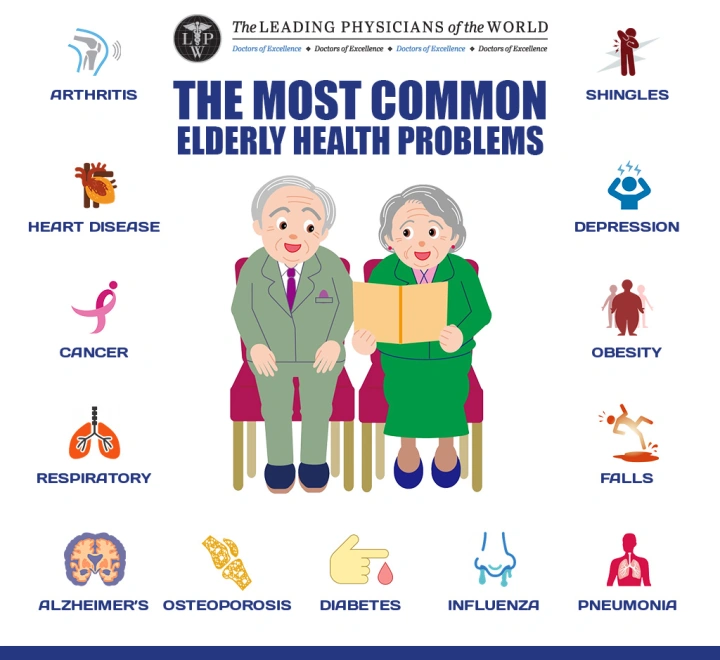
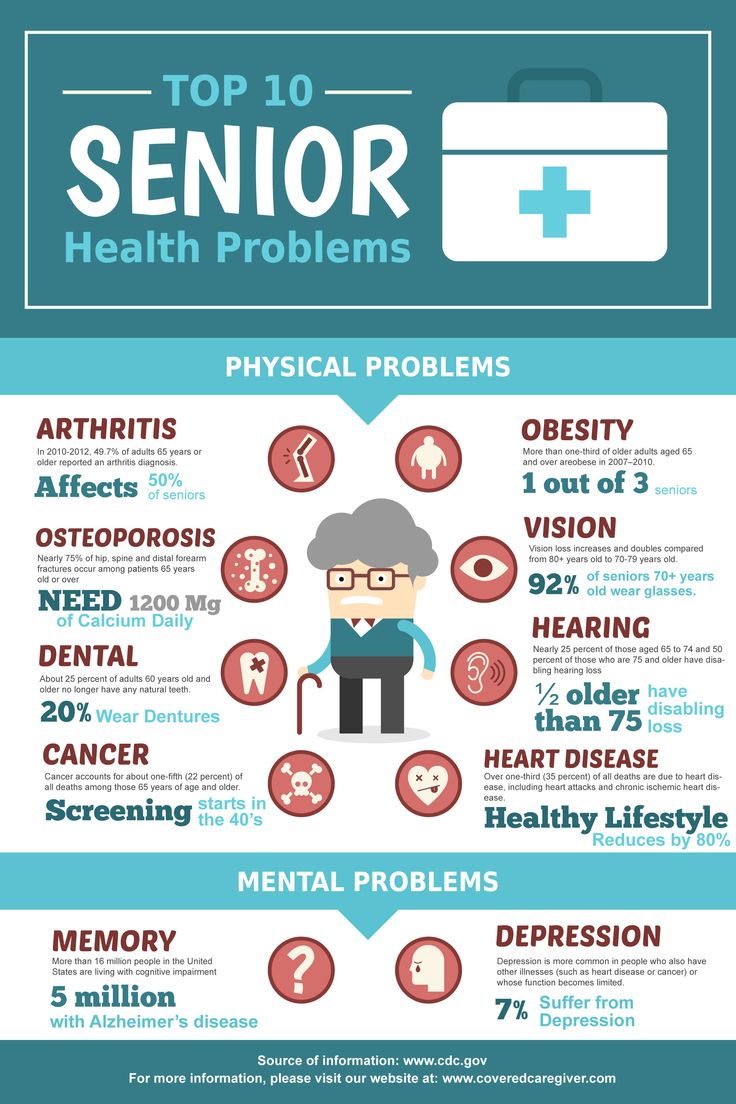
Elders well being is so vital to be address!


Having several health topics and one of those topics covers awareness on elder’s well being. Why some may even not realizing how significantly important this is to address in thinking should this even be addressed?

Obviously, YES is the answer to anyone in this world who thinks that question and here is the reason why. This was developed in 1963 for the purpose of professional development opportunities for community, hospital and residential services. Its focus is on those resources that are specifically concerned with older people’s mental health and wellbeing and those resources that are generally accessible on a statewide basis. The government even is involved that developed a program called a “Wellbeing in Later Life” with one major aspect on covering 1.)the understanding of anxiety and depression 2.) strategies to help manage core symptoms 3.)practical skills to practice each week to help recovery 4.) stories about how others have applied the skills to help them recover; which is one small area of what this covers with much more.

Regarding the global trend in particular on elders with health promoting their age it is predicted the amount of elders is considerably increasing from decades back.

With facts check this out:

The global population is ageing at a rapid rate. In 1950, just over five percent of the world’s population was 65 years or older. By 2006, that number had jumped to eight percent. By 2030, experts anticipate that older adults will comprise 13 percent of the total population—one in eight people will be 65 or older. While developing countries will experience the most rapid growth in ageing, with increases of up to 140 percent, developed countries will experience increases averaging 51 percent. (Women, who tend to outlive men, will comprise the bulk of the older adult population.) Simultaneously, overall population is declining in many countries due to low fertility rates, HIV/AIDS, and international migration. The United Nations estimates that the number of adults 60 years and older will outnumber children under the age of 15—an historical first—by 2045.

Not only is the world ageing, but it is also ageing differently. Life expectancy is increasing, with people 85 years and older—especially women—comprising the fa stest growing segment of the population in many countries. Notable exceptions include South Africa, where life expectancy dropped from 60 to 43 years in the last decade, primarily due to HIV/AIDS. Globally, more people are dying from non-communicable diseases and chronic, degenerative conditions than from infectious and parasitic diseases, a trend expected to grow in the next couple of decades. (Whether increased life expectancy will be associated with increases or decreases in disability status remains an open question.) At the same time, communicable diseases—especially HIV/AIDS—remain prevalent, particularly in low- and middle-income countries. In considering the benefits and consequences of population ageing, therefore, it is essential to consider not only longevity but also healthy life expectancy, or expected years of life free of illness, disease, and disability.

Looking at older adults (elders 65 and older)-Although older adults serve as essential resources to their communities, they face a great risk of marginalization. Older adults often experience both social de-evaluation and poverty upon leaving the labor market; financial market fluctuations contribute to income and social insecurity regardless of employment history, especially in countries with developing and transitioning economies. Groups particularly vulnerable to poverty and social devaluation in old age, due to cultural and institutional biases which affect people throughout the lifespan, include women, people with disabilities, people with a migration background, and people who do not belong to the majority racial or ethnic group of any given society. Moreover, older adults seeking support to maintain independence and quality of life frequently encounter either a lack of social services, especially in rural and remote areas, or services that are poor in quality or unresponsive to linguistic and cultural diversity.

Participation of older adults in societal development enhances the well-being both of older adults and of communities as a whole and depends on multiple factors.

Accordingly, the rising proportion of older people is placing upward concerns & pressure on overall health care spending in the developed world, although other factors such as income growth and advances in the technological capabilities of medicine generally play a much larger role.

Relatively little is known about aging and health care costs in the developing world. Many developing nations are just now establishing baseline estimates of the prevalence and incidence of various diseases and conditions. Initial findings from the WHO SAGE project, which provides data on blood pressure among women in six developing countries, show an upward trend by age in the percentage of women with moderate or severe hypertension, although the patterns and age-specific levels of hypertension vary among the countries. If rising hypertension rates in those populations are not adequately addressed, the resulting high rates of cerebrovascular (CVA-stroke) and cardiovascular disease are likely to require costly medical treatments that might have been avoided with antihypertensive therapies costing just a few cents per day per patient. Early detection and effective management of risk factors such as hypertension—and other important conditions such as diabetes, which can greatly complicate the treatment of cardiovascular disease—in developing countries can be inexpensive and effective ways of controlling future health care costs.

In high-income countries, heart disease, stroke, and cancer have long been the leading contributors to the overall disease burden. The burden from these and other chronic and non-communicable diseases is increasing in middle- and low-income countries as well.

To gauge the economic impact of shifting disease profiles in developing countries, the World Health Organization (WHO) estimated the loss of economic output associated with chronic disease in 23 low- and middle-income nations, which together account for about 80 percent of the total chronic disease mortality in the developing world.

Largely because of global aging, the incidence of cancer is expected to accelerate in coming decades. The annual number of new cancer cases is projected to rise to 17 million by 2020, and reach 27 million by 2030. A growing proportion of the global total will be found in the less developed world, and by 2020, almost half of the world’s new cases will occur in Asia.

So regarding anyone who may have questioned today or at another time why is elder health important I think after reading this you would see why. The more unhealthy an elder person is in large populations the higher the population of unhealthy elders will be in society besides putting the cost of health living in communities higher. So if people stay healthy from childhood to geriatric age the less health problems we will have. National elder well being is a prime concern to be addressed and dealt with just like neonate, pediatric and adult to mid adult.  Every age in important and every age bracket has rights with vitally importance to address in there health!

QUOTE FOR FRIDAY:

“Much has changed in the United States over the past 100 years. Medicine has evolved as much as any field, with dramatic advances in diagnosis and treatment. Changing, too, is the American lifestyle, with its new emphasis on healthier diets and regular exercise and its declining dependence on tobacco. As a result of these developments, life expectancy is also changing, rising slowly but steadily year after year (see Table 1). One thing, though, has not changed — the gender gap. People of both sexes are living longer, but decade after decade, women continue to outpace men. In fact, the gap is wider now than it was a century ago.

The longevity gap is responsible for the striking demographic characteristics of older Americans. More than half of all women older than 65 are widows, and widows outnumber widowers by at least three to one. At age 65, for every 100 American women, there are only 77 men. At age 85, the disparity is even greater, with women outnumbering men by 2.6 to 1. And the longevity gap persists even into very old age, long after hormones have passed their peak; among centenarians, there are four females for every male.

The gender gap is not unique to America. In fact, every country with reliable health statistics reports that women live longer than men. The longevity gap is present both in industrialized societies and in developing countries. It’s a universal observation that suggests a basic difference between the health of men and women.”

Harvard Health Publishing – Harvard Medical School (https://www.health.harvard.edu/newsletter_article/mars-vs-venus-the-gender-gap-in-health)

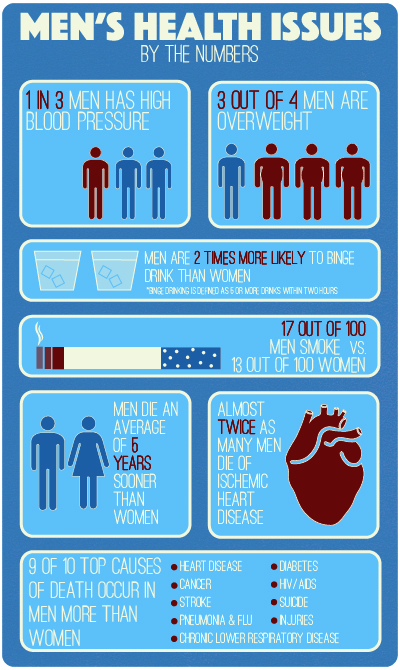
MEN VS WOMEN IN HEALTH & 6 TOP MEN DISEASES IN AMERICA


More males than females are born in America each year. Still regarding health to both genders through research and just living the experience of being an RN over a quarter of a century in numerous fields (primarily of adults to geriatrics) it shows women are more healthier than men (even starting from infancy).

Out of the 15 leading causes of death, men lead women in all of them except Alzheimer’s disease, which many men don’t live long enough to develop in many cases.  Although the gender gap is closing, men still die five years earlier than their wives, on average.

Through WebMD experts have told them the reason for this is that they are partly biological, and men’s approach to their health plays a role too, of course. “Men put their health last,” says Demetrius Porche, DNS, RN, editor in chief of the American Journal of Men’s Health. “Most men’s thinking is, if they can live up to their roles in society, then they’re health.” Not always the case especially when age keeps creeping up on a male with his priorities of life changing with new love or even peeps that come on board in a man’s lifetime. In most cases living healthy normally happens when are age is younger but then due to work to families to expectations leaves little room for healthier habits in the week but even 30 minutes a day could make a tremendous change to all systems of the human body preventing certain diseases/illnesses, especially those due to poor diet, eating habits and overall health habits (Ex. as simple as getting 8 hours for sleep a day).

Men go to the doctor less than women and are more likely to have a serious condition when they do go, research shows. “As long as they’re working and feeling productive, most men aren’t considering the risks to their health,” says Porche. Like a lot of men say “I don’t have to time to think about it.”.   But even if you’re feeling healthy, a little planning can help you stay that way. One is through preventions measures before secondary have to start, meaning ending line your now with a disease or illness, that may have been prevented completely if you lived a healthier life. One way of preventing disease and illness is good eating or diet, with balancing out the 4 food groups (to get all nutrients from minerals to vitamins to enzymes to proteins and more). The top threats to men’s health aren’t secrets: they are commonly known and often preventable.

WebMD consulted the experts that came up with for you this list of the top health threats to men, and how to avoid them.

— “Heart disease and stroke are the first and second leading causes of death worldwide, in both men and women,” says Darwin Labarthe, MD, MPH, PhD, director of the Division for Heart Disease and Stroke Prevention at the CDC. “It’s a huge global public health problem, and in the U.S. we have some of the highest rates.” In cardiovascular disease, cholesterol plaques gradually block the arteries in the heart and brain. If a plaque becomes unstable, a blood clot forms, blocking the artery and causing a heart attack or stroke.

One in five men and women will die from cardiovascular disease, according to Labarthe.  For unclear reasons, though, men’s arteries develop atherosclerosis earlier than women’s. “Men’s average age for death from cardiovascular disease is under 65,” he says; women catch up about six years later.

Even in adolescence, girls’ arteries look healthier than boys’. Experts believe women’s naturally higher levels of good cholesterol (HDL) are partly responsible. Men have to work harder to reduce their risk for heart disease and stroke. How do you go about this? Take a guess. Yes, again through your diet, eating, the 4 food groups in your diet, activity or exercise (at least 30 minutes a day or 1 hour every other day) and practicing daily good health habits.

Lung cancer is a terrible disease: ugly, aggressive, and almost always metastatic (spreads somewhere in the body). Lung cancer spreads early, usually before it grows large enough to cause symptoms or even show up on an X-ray. By the time it’s found, lung cancer is often advanced and difficult to cure. Less than half of men are alive a year later. So … are you still SMOKING?

Tobacco smoke causes 90% of all lung cancers. Thanks to falling smoking rates in the U.S., fewer men than ever are dying of lung cancer. But lung cancer is still the leading cancer killer in men: Again due to many still practicing poor habits which could have prevented many of the lung cancer cases. Anyone who QUITS smoking at any age reduces the risk for lung cancer. Few preventive measures are as effective as stopping smoking and nothing is as challenging, like any addiction (whether mental or physical)

–Prostate Cancer: A Leading Cancer for Men

This is one health problem men can lay full claim to — after all, women don’t have prostates. A walnut-sized gland behind the penis that secretes fluids important for ejaculation, the prostate is prone to problems as men age.

Prostate cancer is the most common cancer in men other than skin cancer. Close to 200,000 men will develop prostate cancer this year in the U.S.

But while one in six men will be diagnosed with prostate cancer in his lifetime, only one in 35 will die from it. “Many prostate cancers are slow-growing and unlikely to spread, while others are aggressive,” says Djenaba Joseph, MD, medical officer for cancer prevention at the CDC. “The problem is, we don’t have effective tests for identifying which cancers are more dangerous.”

Screening for prostate cancer requires a digital rectal exam (the infamous gloved finger) and a blood test for prostate specific antigen (PSA).

But in fact, “Screening has never definitively been shown to reduce the chances of dying from prostate cancer,” according to Joseph. That’s because screening finds many cancers that would never be fatal, even if undetected. Testing then leads to aggressive treatment of relatively harmless cancers, which causes problems like impotence and incontinence.

Should you get screened for prostate cancer? Some experts say yes, but “the best solution is to see your doctor regularly and talk about your overall risk,” says Joseph. “All men should understand the risks and benefits of each approach, whichever you choose.”

–Depression and Suicide: Men Are at Risk 

Depression isn’t just a bad mood, a rough patch, or the blues. It’s an emotional disturbance that affects your whole body and overall health. In effect, depression proves the mind-body connection. Brain chemicals and stress hormones are out of balance. Sleep, appetite, and energy level are disturbed. Research even suggests men with depression are more likely to develop heart disease.

The results can be tragic. Women attempt suicide more often, but men are more successful at completing it. Suicide is the eighth leading cause of death among all men; for young men it’s higher.

–Diabetes: The Silent Health Threat for Men

Diabetes usually begins silently, without symptoms. Over years, blood sugar levels creep higher, eventually spilling into the urine. The resulting frequent urination and thirst are what finally bring many men to the doctor.

The high sugar of diabetes is anything but sweet. Excess glucose acts like a slow poison on blood vessels and nerves everywhere in the body. Heart attacks, strokes, blindness, kidney failure, and amputations are the fallout for thousands of men.

Boys born in 2000 have an alarming one-in-three chance of developing diabetes in their lifetimes. Overweight and obesity are likely feeding the diabetes epidemic. “The combination of diabetes and obesity may be erasing some of the reductions in heart disease risk we’ve had over the last few decades,” warns Labarthe.

Exercise, combined with a healthy diet, can prevent type 2 diabetes. Moderate weight loss — for those who are overweight — and 30 minutes a day of physical activity reduced the chance of diabetes by more than 50% in men at high risk in one major study.

Erectile Dysfunction: A Common Health Problem in Men                          

Erectile dysfunction may not be life threatening, but it’s still signals an important health problem. Two-thirds of men older than 70 and up to 39% of 40-year-old men have problems with erectile dysfunction. Men with ED report less enjoyment in life and are more likely to be depressed.

Erectile dysfunction is most often caused by atherosclerosis — the same process that causes heart attacks and strokes. In fact, having ED frequently means that blood vessels throughout the body are in less-than-perfect health. Doctors consider erectile dysfunction an early warning sign for cardiovascular disease.

You’ve probably heard more about the numerous effective treatments for ED than you ever cared to just by watching the evening news. Treatments make a fulfilling sex life possible despite ED, but they don’t cure the condition. If you have erectile dysfunction, see your doctor, and ask if more than your sex life is at risk.

So what’s the key to decreasing these diseases or illnesses in men live a healthier life so men in America can decrease the chances of developing these diseases or if with one of these diagnoses already it will surely help decrease the impact of the disease or illness compared to living an unhealthy life.   

Various lifestyle factors have been associated with increasing the risk of stroke. These include lack of exercise, alcohol, diet, obesity, smoking, drug use, and stress. Guidelines endorsed by the Centers for Disease Control and Prevention and the National Institutes of Health recommend that Americans should exercise for at least 30 minutes of moderately intense physical activity on most, and preferably all, days of the week. Recent epidemiologic studies have shown a U-shaped curve for alcohol consumption and coronary heart disease mortality, with low-to-moderate alcohol consumption associated with lower overall mortality. High daily dietary intake of fat is associated with obesity and may act as an independent risk factor or may affect other stroke risk factors such as hypertension, diabetes, hyperlipidemia, and cardiac disease. Homocysteine is another important dietary component associated with stroke risk, while other dietary stroke risk factors are thought to be mediated through the daily intake of several vitamins and antioxidants. Smoking, especially current smoking, is a crucial and extremely modifiable independent determinant of stroke. Despite the obstacles to the modification of lifestyle factors, health professionals should be encouraged to continue to identify such factors and help improve our ability to prevent stroke, decrease cancers caused by smoking, decrease coronary artery disease which decreases your chance with Obesity, ED, stroke, & hypertension and more.  

Learn healthy habits or healthier habits, broaden your knowledge on the 4 food groups in what is lean or leaner or leanest with each group, increase your activity 30 minutes a day and learn what a healthy diet actually is.  There are many books out in the world for giving guidance like through Dr. Wayne Scott Anderson’s book “Dr. A’s habits of health” for example and even if you need to lose weight the book can show you the way to do it healthy. It’s not a diet for 3 months or even 6 months to a year but it is learning how to get to your body mass index in the ideal weight range for your height and you decide how low you want to go.  There are many books out in the world that do this or even access through the internet.  Just research if you need it and want it.

Join many others trying to get America healthier and in time decrease our population in diseases or illnesses primarily impacted by health habits, diet, and weight. Wouldn’t you and the future want to get better in mind and body to impact our health care system that includes our insurance and most importantly lives of citizens in the USA in how they live (which would be more active).  It just takes discipline and the drive to want to stay healthy or get in a better state of heath.   We can do this without changing your environment upside down and killing cattle, or living on insects but you could eat healthier foods like not fast food and lean meats with definitely vegetables, fruit and low fat foods.  You can treat yourself now and than.  Hope I have helped someone out there in broadening your knowledge regarding how to keep or reach a healthier life.


QUOTE FOR THURSDAY:

“Aphasia is a disorder that affects how you communicate. It can impact your speech, as well as the way you write and understand both spoken and written language.

Aphasia usually happens suddenly after a stroke or a head injury. But it can also come on gradually from a slow-growing brain tumor or a disease that causes progressive, permanent damage (degenerative). The severity of aphasia depends on a number of things, including the cause and the extent of the brain damage.”

MAYO CLINIC (https://www.mayoclinic.org/diseases-conditions/aphasia/symptoms-causes/syc-20369518)

QUOTE FOR WEDNESDAY:

“The human brain has 86 billion neurons, give or take — on the same order as the number of stars in the Milky Way. If you look at the synapses, the connections between neurons, the numbers start to get beyond comprehension pretty quickly. The number of synapses in the human brain is estimated to be nearly a quadrillion, or 1,000,000,000,000,000. And each individual synapse contains different molecular switches. If you want to think about the brain in terms of an electrical system, a single synapse is not equivalent to a transistor — it would be more like a thousand transistors.

To make things more complicated, not all neurons are created equal. Scientists still don’t know how many different kinds of neurons we have, but it’s likely in the hundreds. Synapses themselves aren’t all the same either. And that’s not even taking into account all the other cells in our brain. Besides neurons, our brains contain lots of blood vessels and a third class of brain cells known collectively as glia — many of which are even more poorly understood than neurons.

Scientists are making progress breaking those numbers down into something more comprehensible. At the level of individual brain cells, research teams at the Allen Institute and elsewhere are making headway into sorting the cells into different categories, defined as “cell types,” as well as being able to record electrical activity from living human neurons using creative new techniques.

Many neuroscientists study the brain of the lab mouse, in part with the hopes of understanding basic principles of the mammalian brain that could apply to our brains too.

The mammal the octopus (cephalopods related to squid and cuttlefish-The octopus is classified as one branch of mollusks. — and its brain — are fascinating. For an animal with a brain, they’re about as different from humans as it gets. Octopuses have about half a billion neurons, more than five times as many as the lab mouse. But unlike in our nervous systems, more than half of those neurons are in the octopus’ arms. The animals have incredible autonomous control over their limbs — similar in some ways to our own spinal cords that send messages to out body to move.  Understanding the octopus brain isn’t just interesting in its own right, it could also help us understand broad general principles of large brains and animals who can learn and remember complicated behaviors — like us.”

The human brain is probably one of the most, if not the most, complicated brains in any living species.”

Allen Institute (https://alleninstitute.org/news/why-is-the-human-brain-so-difficult-to-understand-we-asked-4-neuroscientists/)

QUOTE 2 – “The human brain can be subdivided according to various criteria. It can be explained in terms of evolution, as, like all vertebrates, it consists of an end brain, interbrain, midbrain, hindbrain and medullary brain. Anatomically, the areas known as the cerebrum, interbrain and cerebellum, as well as the brain stem, are particularly noticeable. Particularly striking is the cerebral cortex, which forms part of the end brain. During evolution, it has grown so strongly that it surrounds almost the entire brain. With its ridges and coils, the cortex gives the brain its walnut-like look.”

MAX-PLANCK-GESELLSCHAFT (https://www.mpg.de/brain)

QUOTE FOR TUESDAY:

“While people are accustomed to dealing with runny noses and scratchy throats in the fall and winter, many are experiencing the same symptoms this summer.

This could be due to a number of reasons, according to Dr. Judy Tung, section chief of Adult Internal Medicine at NewYork-Presbyterian/Weill Cornell Medical Center. Cold and flu viruses are continuing to circulate — in fact, in late April and early May, New York state saw an unusual spike in influenza — coinciding with summer allergies, not to mention an uptick in COVID-19 cases due to the rise of Omicron subvariants.

Summer cold symptoms are common and confusing this year not only because of COVID but also because of the late flu peak.  Remember Influenza activity is usually is from October to May but can be all year.

So remember colds are not unusual to have in the summer.”

Dr.  Tung from New York Presbyterian/Weill Cornell Medical Center  (https://healthmatters.nyp.org/what-to-know-about-the-surge-in-summer-colds/)