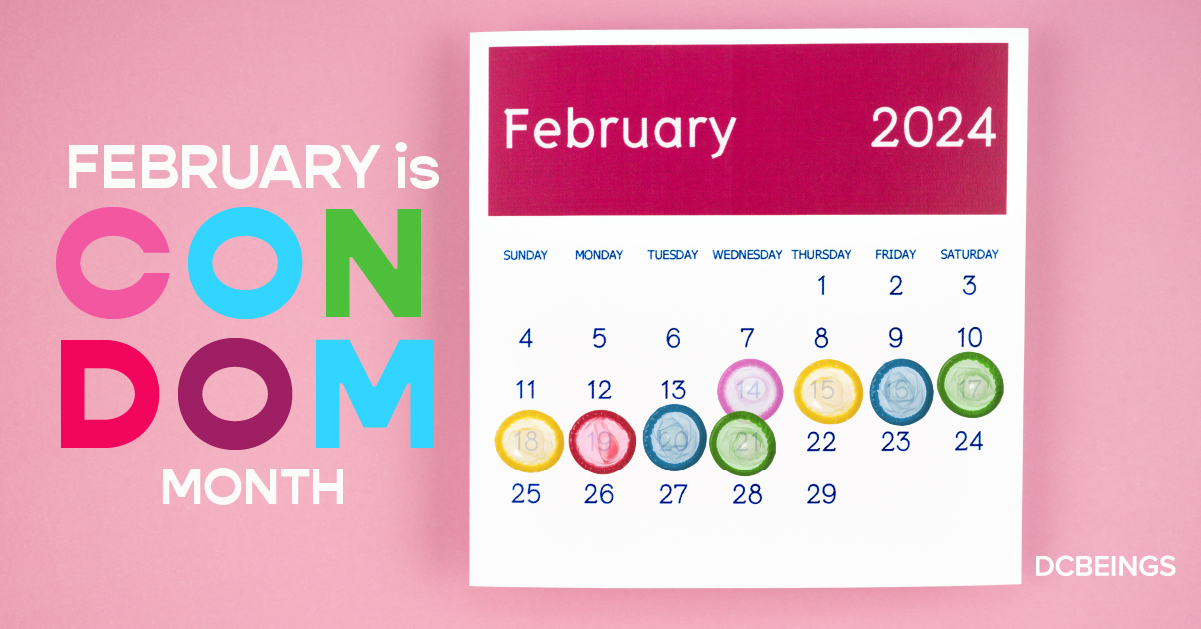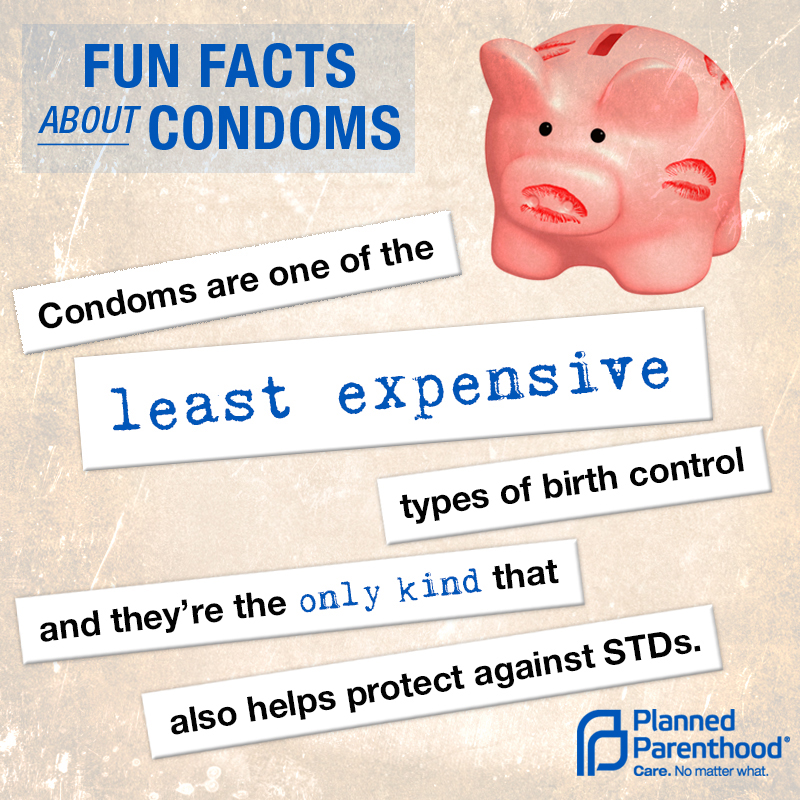
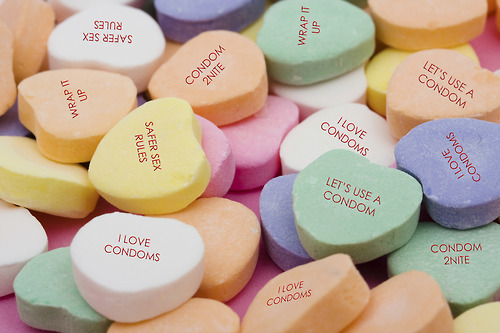

National Condom Week! Here is the top sexual transmitted diseases in the USA and know how to prevent them!

On Valentine’s day every year it started National Condom Week.
In the US, February National Condom Month originally started on the campus of the University of California – Berkeley, it has grown into a educational even for high schools, colleges, family planning organizations, AIDS groups, sexually transmitted disease awareness groups, pharmacies and condom manufacturers.  In hopes to help young ones and all in preventing STDs.  Using condoms helps prevent you getting sexual transmitted diseases through intercourse.  Also having one sex partner only with both checked for STDs first.  STDs you don’t want to get especially those that can shorten your life.

Sexually transmitted diseases (STDs) have been known to mankind for centuries. Before the advent of modern medicine, people’s lack of awareness and understanding of STDs contributed to the widespread transmission of the infections while few or no treatments were available to treat the conditions.

In medieval times, syphilis and gonorrhoea were two of the most prevalent STDs in Europe.

Some STDs can have severe, life-changing consequences; syphilis, for example, can eventually cause progressive destruction of the brain and spinal cord, leading to mental dysfunction and hallucinations, speech problems and general paresis.

It’s kind of puzzling that sexually transmitted diseases are so prevalent—particularly when you consider that you have to get pretty up close and personal to contract one. An STD is characterized by any disease that is spread by one partner to another via sexual contact, and that can be orally, vaginally, anally, or via hand to genital contact. Regardless, they are spread when one partner passes the disease-causing organism on to the other. Obviously, preventing STD transmission is first and foremost by practicing safe sex (PREVENTION) and not enough do it in America for some crazy reason hurting themselves and other people. However, if you think you might have contracted one of the most common STDs, recognizing the disease is imperative for swift treatment and preventing further spreading.

Top venereal diseases in the USA:

1-Gonorrhea

The Centers for Disease Control estimate that 700,000 new cases of Gonorrhea, or the “clap”, crop up every year. This long-term STD that is spread bacterially, affecting a female’s cervix, a male’s urethra, or the throat in both sexes, which means that it’s transmitted by vaginal, oral, and anal sex. The symptoms of gonorrhea are pretty subtle; the most noticeable being burning when urinating or a yellowish penile discharge in men.

2-Hepatitis

Sexually transmitted hepatitis is hepatitis B (or HBV), which afflicts more than 1.25 million individuals in the U.S. even though there is a vaccine. If left untreated, a Hep B infection will scar and damage the liver, causing cirrhosis and liver cancer. Unfortunately, over half of those affected show no symptoms, but those who do suffer muscle pain and fatigue, yellowing of the eyes (or jaundice), nausea, and a distended stomach.

3-Syphilis

Syphilis is a particularly sneaky STD that caused by a type bacterial infection of the genital tract, known as Treponema Pallidum. Syphilis is transmitted when direct contact is made between the small, painless sores on the mouth, rectum, vagina, or around the genitals in areas not protected by latex condoms. It can also be transmitted via infected mother to her baby during pregnancy. When there are no sores, the disease is still present. Syphilis symptoms are rare , however, the most telling are sores or lesions on and around the genitals, as well as hair loss, sore throat, fever; headache; and a white patchy skin rash.

4- Chlamydia

Like Gonorrhea, Chlamydia affects a man’s penile urethra and a woman’s cervix. However, oftentimes those who’ve contracted Chlamydia don’t show symptoms for months or even years, which explains why it’s the most common and rampant STD. If you do show symptoms, you’ll feel pain during intercourse and have a discolored, thick discharge from the vagina or penis. Transmitted via sexual penetration with an affected partner, using latex condoms can prevent transmission of this curable STD.

 5. Crabs

If you feel a creepy-crawly, itchy sensation in your genitals, you may have crabs (or public lice). They show themselves as visible eggs or lice in the coarse hair of the genital region (even if you shave it off), and they can spread to the armpits and eyebrows if left untreated. Typically transmitted via sexual contact, crabs can also be passed via contact with infested linens or clothing .

6. Human Papilloma Virus

Human Papilloma Virus (or HPV) is currently the most wide spread STD. It affects roughly three-quarters of the sexually active population and a staggering one-quarter of sexually active women, which is why there is a North American vaccine to protect young women from certain types of HPV that are linked to genital warts and cervical cancer. HPV is transmitted through genital contact—via vaginal and anal sex, and also oral sex and genital-to-genital contact. Most times HPV doesn’t show any symptoms until it’s far advanced, but genital warts as well as RRP, a condition where warts grow in the throat and eventually cause breathing difficulties are common.

7. Bacterial Vaginosis

Bacterial Vaginosis, or BV, is not always considered an STD even though it typically afflicts those of child-bearing age with multiple or new sex partners. BV occurs when healthy bacteria in the vagina overgrow and become imbalanced, causing burning and itching around the vagina and a thick, grey discharge with a strong fishy odor. Antibiotics will quickly clear up bouts of BV, but it can reoccur, leaving the victim prone to pelvic inflammatory disease, other STDs, and premature births (if pregnant).

 8. Herpes

Painful sores or lesions on your mouth or genitals may indicate herpes, a viral STD that comes in two forms HSV1 (herpes of the mouth) and HSV2 (herpes of the genitals). Herpes is transmitted skin-to-skin—for instance, from genital to genital, mouth to genital, or mouth to mouth contact with an infected individual, even when they don’t have visible sores. Even though herpes symptoms be treated with antibiotics, the virus never goes away and reoccurs typically 2 to 4 times per year.

9. Trichomoniasis

Trichomoniasis, or “trich”, often masks itself as a yeast infection or bacterial vaginosis (BV) in women with similar symptoms—including a thick, grey discharge, offensive vaginal odor, pain or burning intercourse, and itchiness. A parasitic trichomonas vaginalis infection affects the urethra and the vagina in women. It can be transmitted back and forth between sex partners (man to woman and woman to woman) via vaginal intercourse and contact. However, most men typically don’t have any symptoms.

10. HIV

HIV is transmitted via the exchange of body fluids—such as semen, vaginal secretions, blood, or breast milk. Within a month or 2 of contracting HIV, about 40 to 90-percent of those afflicted suffer from flu-like symptoms including fever, fatigue, achy muscles, swollen lymph glands, sore throat, headache, skin rash, dry cough, nausea, rapid weight loss, night sweats, frequent yeast infections (for women), cold sores, and eventually, pneumonia. Luckily, many individuals who are diagnosed early can live a long, productive life with HIV thanks to a combination of highly active anti-retroviral drug therapy, which prevents to progression to AIDS causing death.

Vaccination is another way that you can prevent yourself from becoming infected. So far the only effective vaccines we have available are for hepatitis B and HPV. We’re recommending that teenage girls be vaccinated against HPV, because certain strains are associated with cervical cancer.

So Don’t be silly, protect your willy
When in doubt, shroud your spout
It will be sweeter if you wrap your peter
No glove, no love!

Don’t lac but get your vac to prevent a poor sex act!

Remember PREVENTION!

While humor is used to help provide education, National Condom Week has become a tool to help educate young adults about serious risks involved with unprotected sex. This includes the risk of catching and spreading sexually transmitted diseases including AIDS as well as helping to prevent unwanted pregnancies.
QUOTE FOR FRIDAY:

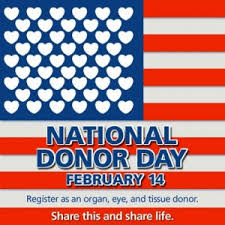
“Organ Donor Day is celebrated on February 14 annually as a nod to one of the greatest gestures of love. Valentine’s Day celebrates love and what better way to celebrate ultimate love than receiving an organ donation? It is a day to celebrate people who have saved lives in countless ways by donating blood marrow, blood, and organs. Families also remember people who have donated their organs or blood to save their loved ones in their times of need. If you can, donate your blood or tissue today.

Legally, an organ can be taken and transplanted from a donor, either while the donor is still alive or after their death, with the approval of the donor’s family members. Donations can be made to further scientific knowledge or, more typically, healthy organs and tissues might be donated to be transplanted into another person.

It is not uncommon for people to be given organ transplants for a wide range of reasons. A kidney or part of the liver, part of the pancreas, part of the lungs, or intestines can be donated by a living donor, but most organ and tissue donations are made after the donor has died.”

National Today (ORGAN DONOR DAY – February 14, 2025 – National Today)

National Donor Day!

HISTORY

National Donor Day was started in 1998 by the Saturn Corporation and its United Auto Workers partners, with the support of the U.S. Department of Health and Human Services and many nonprofit health organizations.

There are over 1,500 national days. Don’t miss a single one. Celebrate Every Day with National Day Calendar!

February 14th is National Donor Day, which aims to raise awareness of the lifesaving benefits of organ, eye and tissue donation while reminding of the importance of discussing the topic with your loved ones. We encourage you to use National Donor Day to discuss organ, eye and tissue donation with those closest to you.

  • What does it mean to sign-up as a donor?

Signing up as an organ, eye and tissue donor means you have made the decision to donate your organs, eyes and tissues at the time of your death. .

  • Start the Conversation

Sometimes starting the conversation can be difficult. Learn a few easy ways to “start the conversation here” on the internet.   It is important to discuss your decision with your family as that will take priority over your family’s preferences. Making the decision for yourself in advance makes it easier for your family during a very difficult time. Discussing donation with loved ones will help them feel confident and prepared when they are presented with information about the donation process.

So #StartTheConversation today and celebrate your heroic choice to save and heal lives with your family!  You can share the love this National Donor Day by starting the conversation with those closest to you.

Let your loved ones know that just one donor can save up to eight lives through organ donation and save and heal more than 75 lives through eye and tissue donation. Learn more about the need for donation and about how individuals can take action by signing up anytime online at DonateLifeColorado.org or DonateLifeWyoming.org.

Want to join in on social media? Share with your loved ones that you signed up to be an organ, eye and tissue donor and why it’s important to you. Be sure to use the hashtag

#StartTheConversation. Help us spread awareness for organ, eye and tissue donation. Signing up gives hope to the 2,000 people right here in our local region who are waiting for a lifesaving organ transplant.

Just one donor can save up to eight lives through organ donation and save and heal up to 75 lives through tissue donation. There are nearly 2,000 awaiting a lifesaving organ transplant in our local region. Learn the facts of donation and share with your loved ones.

Many of those waiting may never get a second chance at life as it is estimated that every day in the U.S. 22 patients die because of the lack of donor organs. Many people who have never considered organ donation or have delayed registering to become a donor do so because of inaccurate information or assumptions about organ donation and transplantation.

One of the post common myths about organ donation is that there is an additional cost the organ and tissue donor’s family or their estate. However, there is in fact no cost to the donor’s family for organ, eye and tissue donation. The local, federally-designated organ procurement organization assumes all costs associated with recovering and processing organs and tissues for transplants once death has been declared and authorization is confirmed through either the donor registry, or from the family in lieu of registration. These costs are never passed on to the donor family. Donor Alliance’s culture and values are built on respecting and appreciating the gift of donation, which we have found is a comfort to both donor families and transplant recipients.

Eventually, the costs are reimbursed by transplant centers. Once a transplant is completed, the transplant center will bill private and public insurance plans. Hospital expenses incurred before the donation of organs or tissue and funeral expenses remain the responsibility of the donor’s family.


QUOTE FOR THURSDAY:

Treat your sweetheart tomorrow including a friend, family member, or yourself if you want to a present that cultivates cardiovascular health; it still is heart month.

“5 heartfelt gift ideas for Valentine’s Day – Harvard Health

1-Making home-cooked meals is one of the best things you can do for your cardiovascular health. Research suggests that people who eat more meals made at home tend to weigh less and have healthier cholesterol and blood sugar values compared with people who eat out frequently. “You can control the amount of saturated fat, salt, and sugar in food you make yourself. You’ll also avoid the preservatives, additives, and dyes found in convenience foods like frozen dinners and other processed foods,” says Dr. Frates.

2-Both strawberries and dark chocolate contain beneficial plant compounds called flavonoids, which are thought to improve cardiovascular health by relaxing blood vessels, improving blood sugar and cholesterol levels, and discouraging blood clots. Studies have linked diets rich in flavonoids to a lower risk of heart attacks and related problems.

3-Custom fit sneakers-If people walk, jog, or hike in shoes that don’t fit properly, they can run into problems, says Dr. Frates. For example, ill-fitting shoes can cause blisters, put pressure on bunions, or leave you vulnerable to plantar fasciitis (inflammation of the fibrous band of tissue on the bottom of the foot) and Achilles tendinitis (inflammation of the tendon connecting the calf muscle to the heel). Some experts recommend replacing your walking shoes at least every 300 to 500 miles, which translates to a new pair every six to 12 months if you regularly walk about three miles per day.

4-Luxury Sleep Products-Getting at least seven hours of sleep each night is vital for cardiovascular health, says Dr. Frates. Insufficient sleep can raise your risk for weight gain, diabetes, high blood pressure, and heart disease. Creating a sleep sanctuary that’s quiet, dark, and comfortable can make it easier to fall and stay asleep.

5-A subscription to a meditation app.-Meditation and mindfulness have been shown to lower blood pressure, decrease levels of the stress hormone cortisol, and increase heart rate variability (microsecond time differences from one heartbeat to the next), all of which are linked to better heart health. “A regular meditation practice can help you to better manage stress, which is an unavoidable part of life,” says Dr. Frates.

By , Executive Editor, Harvard Heart Letter

Have a healthy and happy Valentine’s day tomorrow!

Healthy and Happy Heart Valentine’s Day ideas for you and a loved one tomorrow!

The American Heart Association tips on healthy valentine ideas:

“Valentine’s Day is all about showing your sweetheart how much you care about them. With it being National Heart Month, it’s also important that you show your heart how much you care about it, too! If you and your loved one are looking to indulge in some heart-healthy Valentine’s Day activities, here are some of our favorite ideas taken from the American Heart Association.

  1. Rather than tempting your loved one with chocolates, send a fruit basket that has natural sugar and healthy nutrients instead of sweets with added sugars.
  2. Quality time is one of the most meaningful gifts. Bundle up and plan a heart-healthy activity like ice skating, a wintery walk, or if you’re feeling adventurous, visit an indoor rock-climbing wall!
  3. If your children are having Valentine’s Day party at their school or daycare, consider sending pretzels, pencils, or stickers as tokens of their friendly affection, instead of candy.
  4. Cooking at home is an excellent way to control the quality and amounts of what you eat. Spend time with your loved one learning a new heart-healthy recipe and preparing a romantic, candlelit dinner.
  5. If you do go out for a romantic dinner date, consider ordering one entrée to share. Many restaurant servings are enough for two and splitting one can help keep you from overdoing it.
  6. Know before you go – make it a point to look up the menu and nutrition information for the restaurant you’re going to ahead of time (most restaurants should have this available online) and take note of what might be good to order.
  7. Take it slow! If you were gifted a luxurious box of chocolates from your sweetie, stick it in the fridge or freezer and enjoy in moderation over several weeks.
  8. Don’t forget to share your love with your pets! Give your pet a Valentine and take them for a long walk today. Not only do you get to bond with your pet, but it’s also a great healthy activity.
  9. Use this day as an opportunity to tell your loved one how you feel about him or her, and share ways that you can support each other’s health and wellness goals.
  10. One of the best things you can do for your heart is to give up smoking or help a loved one quit. Make a commitment for your loved ones that will have a lasting impact.”

Reference:

10 Heart-Healthy Valentine’s Day Ideas from the American Heart Association | Heart and Vascular Institute of Wisconsin

QUOTE FOR WEDNESDAY:

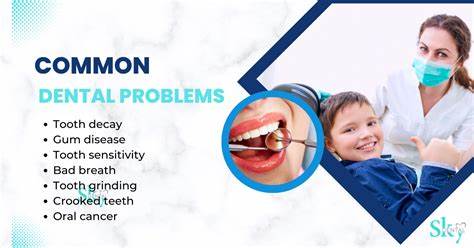
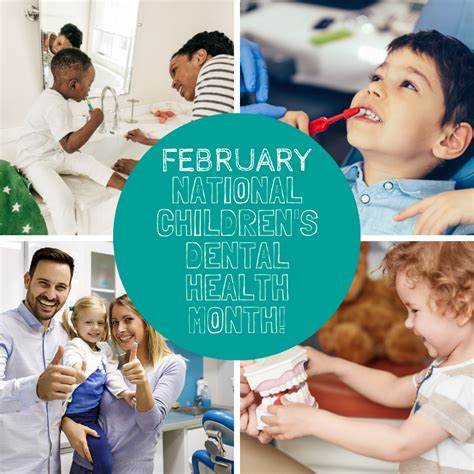
“February is National Children’s Dental Health Month (NCDHM)
A national health observance to promote the benefits of good oral health, brought to you by the ADA.

National Children’s Dental Health Month observances began with a one-day event in Cleveland and a one-week celebration in Akron, Ohio, in February 1941.

Since then, the concept has snowballed into a nationwide program, bringing together thousands of dedicated professionals, health care providers and educators to promote the benefits of good oral health to children, their caregivers, teachers and many others.

The theme this year is “Healthy Habits for Healthy Smiles!”

The ADA held the first national observance of Children’s Dental Health Day on Feb. 8, 1949. The one-day event became a weeklong event in 1955, and in 1981 the program was extended to a monthlong celebration known today as National Children’s Dental Health Month.

“I am passionate about increasing access and advocating for improving the oral health of all Americans, and I believe there’s no better or easier place to start than with improving the oral health for our nation’s children,” said Elizabeth Simpson, D.M.D., chair of the ADA Council on Advocacy for Access and Prevention. “When we can get all children to the dentist, create positive experiences at the dental office for them and start then early with prevention and oral health education, it’s fair to hope that those patterns started in childhood can last a lifetime. I hope that people will find a way in whatever practice modality they practice to celebrate National Children’s Dental Health Month.”

The NCDHM Program Planning Guide provides program coordinators, dental societies, teachers and parents with resources to promote the benefits of good oral health to children. The guide includes easy-to-do activities, program planning timetable tips, a sample NCDHM proclamation and more.

The planning guide is an accompaniment to the annual postcard and poster program run by the ADA. This year, the Association received orders for 151,010 posters and postcards, which exceeds last year’s total amount of 115,000.

“Whether you hold a Give Kids A Smile event or volunteer in an elementary school and teach children about the dental profession and oral health, no action is too small, and all actions are needed as pieces of the puzzle to improve oral health outcomes for our children,” Dr. Simpson said.

Give Kids A Smile, which traditionally kick offs each February, is the signature access-to-care program of the ADA Foundation. Each year, about 65,500 dentists and 20,000 dental team members volunteer at local Give Kids A Smile events across the country to provide free oral health education, screenings, preventive, and restorative treatment to about 300,000 children. More than 7 million underserved children have received free oral health services since its inception more than two decades ago.”

ADA News (National Children’s Dental Health Month kicks off across country in February | American Dental Association)

National Children’s Dental Health Month

During the month of February, the American Dental Association celebrates National Children’s Dental Health Month.

National Children’s Dental Health Month, with the 2022 theme being “Sealants Make Sense.”

The month is a national health observance that brings together thousands of dedicated professionals, health care providers and educators to promote the benefits of good oral health to children, their caregivers, teachers and many others.

Irene Hilton, D.D.S., chair of the ADA Council on Advocacy for Access and Prevention’s advisory committee on dental sealants, said sealants are an equitable way to prevent caries.

“Sealants on permanent molars reduce the risk of caries by 80%,” Dr. Hilton said. “If your dentist recommends dental sealants, it is part of a comprehensive caries management approach. I am excited that this year” National Children” Dental Health Month theme is about dental sealants, so more families are aware of this cavity-preventing treatment.”

New parents often ask, “When should my child first see a dentist?” It’s never too early to start focusing on your child’s oral health! The American Association of Pediatric Dentists recommends that parents establish a dental home for their child by their first tooth or first birthday. During this time, parents/guardians will have the opportunity to ask questions and address any dental concerns at the primary visit and the dentist will gently swab the child’s mouth to check their gums and any erupted teeth. As the child starts teething, the dentist will be able to monitor their progress and implement preventative measures for any concerns with your baby’s teeth.

Protect Tiny Teeth

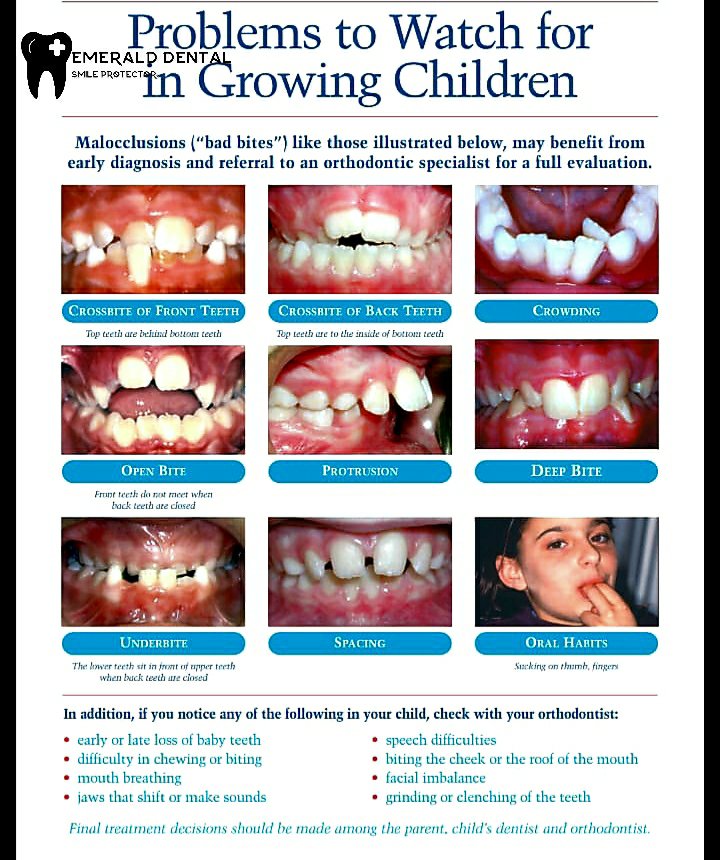
Baby teeth are so important because of their key role of saving space for a child’s permanent teeth. They stay in a child’s mouth for 8-10 years and also affect their speaking, chewing, and, of course, smiling. Baby teeth can also indicate a child’s overall quality of health. Untreated tooth decay can cause oral infections that enter the bloodstream and lead to other serious health problems, while also allowing bacteria to spread to new adult teeth.

While daily brushing is an important part of a child’s oral hygiene routine, bacteria that causes tooth decay can still linger between teeth where the toothbrush can’t reach. That’s why it’s so important to help your kids incorporate flossing in their daily routine.

One significant oral health risk for infants and young children under the age of 1 is from baby bottle tooth decay. This occurs when your child consumes sugary liquid and bacteria in their mouth consume the sugar and produce acid. This acid attacks the enamel on baby teeth can trigger tooth decay after continued exposure. Liquids that contribute to this condition include milk, formula, fruit juice, soda, and any other sweetened drinks. If your child needs to sleep with a bottle, water is the safest option without any risk.

Parents, Did You Know?

Early childhood tooth decay has become the most common chronic childhood disease, impacting more children than asthma. According to the ADA, more than 40% of children have tooth decay by the time they reach Kindergarten. Additionally, kids who suffer from poor oral health are three times more likely to miss school as a result of dental pain.

The State of Pennsylvania has tried to tackle this oral health epidemic by requiring each child to receive a dental examination before enrolling in school, as well as in the 3rd and 7th grades. However, without regular six-month check-ups and establishing healthy oral health habits at an early age, small cavities can lead to much larger problems in little mouths.

Tips for Maintaining Your Child’s Oral Health 

Our doctors take pride in serving patients in such vital years of early childhood. As pediatric dentists, they’ve had additional training beyond dental school to work specifically with babies and children in monitoring early oral development. We recommend the following oral health tips to start your little ones on their journey to a lifetime of healthy smiles.

  • Schedule routine check-ups. If it’s been more than six months since your child has seen a dentist, schedule an appointment as soon as possible.
  • Clean your baby’s gums daily. Until those teeth come in gently wipe a damp washcloth over the gums to clear away harmful bacteria after each feeding.
  • Start brushing with the first tooth. Begin brushing your baby’s teeth when you see one coming in with an infant toothbrush. Use water and a tiny bit of fluoride toothpaste (about the size of a grain of rice).
  • Brush twice each day for two minutes. Children ages 2-6 should use a pea-sized amount of fluoride toothpaste. Always supervise kids younger than six years old while brushing, as they are more likely to swallow toothpaste.
  • Begin flossing. Once your child’s teeth touch, you can start flossing in between them.
  • Snack healthy! Fruit juice, sports drinks, fruit snacks, and sticky candies all pose serious threats to your child’s teeth. Give kids calcium-rich snacks like cheese or low-sugar yogurt. If you have to resort to candy – a chocolate bar is preferable to gummy or sticky sweets that can get lodged in between the teeth, even after brushing.
  • Keep them hydrated! Avoid sugary drinks and stick to good old-fashioned water. Water helps to rinse away any sugar or particles that can lead to cavities. Many municipal water sources also contain fluoride, which is recommended by the American Dental Association and U.S. Surgeons General, among others, as an efficient way to prevent tooth decay. In fact, the theme of this year’s National Children’s Dental Health Month is celebrating 75 years of water fluoridation.
  • Replace your child’s toothbrush every three to four months.


QUOTE FOR TUESDAY:

“February is Teen Dating Violence Awareness Month (TDVAM), and the 2025 theme, “Respect That,” focuses on the importance of respect in all relationships.

Dating violence is more common than many realize—about 1 in 3 teens in the U.S. experiences some form of abuse from a dating partner. It can happen to anyone, regardless of gender, and may take place in person or online.

Teen dating violence includes physical, emotional, verbal, or digital abuse. As a parent or caregiver, you play a key role in educating your teen about what a healthy relationship looks like and how to recognize unhealthy behaviors.

Teen dating violence is any action by a partner meant to harm, manipulate, or control the other person. It can include:

  • Physical violence: Actions like hitting, pushing, or restraining.
  • Emotional abuse: Manipulation, humiliation, or constant criticism.
  • Sexual violence: Coercion or forcing unwanted physical acts.
  • Verbal abuse: Name-calling, yelling, or making threats.
  • Digital abuse: Monitoring social media accounts, excessive texting, or sharing private images without consent.”

Pillars Community Health (Talking to Your Teen About Safe Relationships | Pillars Community Health)

Teen Dating Violence Awareness Month

 Teen dating violence

Unhealthy relationships can start early and last a lifetime.  Teens often think some behaviors, like teasing and name calling, are a “normal” part of a relationship. However, these behaviors can become abusive and develop into more serious forms of violence.

Teen Dating Violence is defined as the physical, sexual, psychological, or emotional violence within a dating relationship, including stalking. It can occur in person or electronically and might occur between a current or former dating partner. Several different words are used to describe teen dating violence. Look below.

  • Relationship abuse
  • Intimate partner violence
  • Relationship violence
  • Dating abuse
  • Domestic abuse
  • Domestic violenceA 2013 Survey found approximately 10% of high school students reported physical victimization and 10% reported sexual victimization from a dating partner in the 12 months before they were surveyed.Read on to know the negative effects of teenage dating: Most teenagers lack the proper understanding of balancing friendship and dating causing even best friends to grow apart. This also implies increasing isolation with their new found boyfriends or girlfriends making them further unavailable and unexposed to potential friends in their immediate circle.The most visible negative impact of teenage dating is the school grades. Teenagers lose interest in studies and this is emblematic of their shifting priorities in life. This involves a double failure when teenagers lose their marks in class followed by problems in a relationship on the personal front.
  • Teenage dating deals more with exploring their new-found youthfulness than exploring the extent of love. This makes them reduce a relationship to the concept of possessing a boyfriend or a girlfriend making them lose sight of what is important. This is why we have more cases of teenage dating than cases of everlasting friendship.
  • The biggest threat about teenage dating is their inability to maintain a relationship. Teenagers mostly, do not understand the necessity of sustaining a relationship over a period of time. Therefore, frequent break ups and fights lead to attempts of suicide, teenage pregnancy or mental instability in extreme cases. This happens due to lack of experience and a broader understanding of what relationships are.
  • Teenage dating has been possible in the modern times due to modernisation and free flowing communication. As a result, it also comes with a set of negative implications.
  • Dating violence is widespread with serious long-term and short-term effects. Many teens do not report it because they are afraid to tell friends and family. A 2011 CDC nationwide survey found that 23% of females and 14% of males who ever experienced rape, physical violence, or stalking by an intimate partner, first experienced some form of partner violence between 11 and 17 years of age.

Consequences of Dating Violence

These harmful behaviors can have long-lasting effects on teens, including:

  • Depression or anxiety
  • Loss of interest in activities they once enjoyed
  • Experimentation with drugs or alcohol
  • Suicidal thoughts

Teens who experience violence in relationships during adolescence are also more likely to encounter violence as adults.

Dating violence can have serious consequences. While the immediate impact might be humiliation and/or physical pain, young people who experience abuse are more likely to be in physical fights or bring weapons to school. They might exhibit higher rates of drug and alcohol abuse as well as high-risk sexual behaviors. Targets of abuse are also more likely to contemplate or attempt suicide.

Here are some consequences the target may experience:

Lose confidence in oneself

Become afraid to express feelings of anger

Suffer serious injury, even death

Begin to doubt their own abilities, feelings, and decision-making ability

Feel isolation from family and friends

Feel shame and guilt

Feel lonely

Face inability to maintain long-lasting or fulfilling relationships

Get a sexually transmitted infection

Experience an unwanted pregnancy

Build up large doctor or lawyer expenses

Abandon dreams and goals

Become depressed, anxious, fearful, or suicidal

Begin having problems at work, school, and other activities

Experience damage to personal property

Here are some consequences the perpetrator may experience:

Get arrested

Unable to attend college due to criminal record

Spend time in jail

Experience feelings of shame and guilt

Feel isolation from family and friends

Face inability to maintain long-lasting or fulfilling relationships

Contract a sexually transmitted infection

Experience an unwanted pregnancy

Build up large doctor or lawyer expenses

Abandon dreams and goals

Become depressed, anxious, fearful, or suicidal

Begin having problems at work, school, and other activities

Lose dating partner’s love and respect

Have conflict with parents or other caregivers

Dating partner could end relationship

Dating has many positive benefits for teens, even if they easily get carried away with romantic feelings. Appropriate teen relationships lead to maturity in teenagers and a better understanding of adult relationships. Getting this practice in early allows teens to discover what they want and need out of romantic relationships. Through dating, teens gain essential tools in navigating the world and are better able to develop meaningful intimate relationships as adults.

The way to stop teen dating violence is through prevention.   For a good recommendation of suggestions go to the Compiled by the Wisconsin Coalition Against Domestic Violence www.wcadv.org Adapted from Hope House of South Central Wisconsin. Remember you don’t want to have to treat it but instead take the action in preventing it.

QUOTE FOR MONDAY:

“According to the infographic—which sources information from the American Veterinary Medical Association (AVMA) and the American Society for the Prevention of Cruelty to Animals, among others—there are a number of items that responsible pet parents need to be aware of, including:

  • Finances: It is important that pet parents understand the financial cost of properly caring for a cat or dog—which when considering routine veterinary care, food, toys, training, grooming, and other expenses—can costs hundreds of dollars a year.
  • Vaccines: In addition to regular care, pet parents should consult with their veterinarian about vaccinations, heartworm prevention, and other preventive measures that can protect cats and dogs from a range of potentially deadly diseases.
  • Protection: According to the AVMA, more than 10 million cats and dogs are lost or stolen every year, and one-third of pets will become lost at some point in their life. Microchipping your pet greatly increases the chances that they will be recovered if lost or stolen.

“Now more than ever, we consider our pets to be members of the family, so it is essential that people understand all that goes into being a responsible pet parent,” said Fran Dirksmeier, President, Henry Schein Animal Health, North America. “We encourage veterinarians to download this infographic and share it with their clients so they can be the best pet parents possible. Through regular veterinary visits, a healthy diet, and lots of exercise, we can ensure our pets live long, healthy, and happy lives.”

Henry Schein/solutions for health care professionals (Henry Schein Recognizes Responsible Pet Owners Month By Reminding Pet Parents To Take Their Pets To The Vet – Henry Schein)