QUOTE FOR WEDNESDAY:

“Autism Acceptance Month celebrates and honors the experiences and identities of Autistic individuals. It emphasizes understanding, inclusion, and support, moving beyond awareness towards meaningful acceptance.

The Autism Society of America is proud to celebrate Autism Acceptance Month, continuing our commitment to #CelebrateDifferences throughout April and beyond. Autism Acceptance Month recognizes that Autism is more than a diagnosis—it is identity, community, and a lived experience that encompasses both challenges and triumphs.”

Autism Society (Autism Acceptance Month | Autism Society)

One of April’s Awareness Health Topics – Autism!

Autism1Autism2


What is autism spectrum disorder?

Autism spectrum disorder (ASD) refers to a group of complex neurodevelopment disorders characterized by repetitive and characteristic patterns of behavior and difficulties with social communication and interaction. The symptoms are present from early childhood and affect daily functioning.

The term “spectrum” refers to the wide range of symptoms, skills, and levels of disability in functioning that can occur in people with ASD. Some children and adults with ASD are fully able to perform all activities of daily living while others require substantial support to perform basic activities. The Diagnostic and Statistical Manual of Mental Disorders (DSM-5, published in 2013) includes Asperger syndrome, childhood disintegrative disorder, and pervasive developmental disorders not otherwise specified (PDD-NOS) as part of ASD rather than as separate disorders. A diagnosis of ASD includes an assessment of intellectual disability and language impairment.

ASD occurs in every racial and ethnic group, and across all socioeconomic levels. However, boys are significantly more likely to develop ASD than girls. The latest analysis from the Centers for Disease Control and Prevention estimates that 1 in 68 children has ASD.

What are some common signs of ASD?

Even as infants, children with ASD may seem different, especially when compared to other children their own age. They may become overly focused on certain objects, rarely make eye contact, and fail to engage in typical babbling with their parents. In other cases, children may develop normally until the second or even third year of life, but then start to withdraw and become indifferent to social engagement.

The severity of ASD can vary greatly and is based on the degree to which social communication, insistence of sameness of activities and surroundings, and repetitive patterns of behavior affect the daily functioning of the individual.

Social impairment and communication difficulties Many people with ASD find social interactions difficult. The mutual give-and-take nature of typical communication and interaction is often particularly challenging. Children with ASD may fail to respond to their names, avoid eye contact with other people, and only interact with others to achieve specific goals. Often children with ASD do not understand how to play or engage with other children and may prefer to be alone. People with ASD may find it difficult to understand other people’s feelings or talk about their own feelings.

People with ASD may have very different verbal abilities ranging from no speech at all to speech that is fluent, but awkward and inappropriate. Some children with ASD may have delayed speech and language skills, may repeat phrases, and give unrelated answers to questions. In addition, people with ASD can have a hard time using and understanding non-verbal cues such as gestures, body language, or tone of voice. For example, young children with ASD might not understand what it means to wave goodbye. People with ASD may also speak in flat, robot-like or a sing-song voice about a narrow range of favorite topics, with little regard for the interests of the person to whom they are speaking.

Repetitive and characteristic behaviors Many children with ASD engage in repetitive movements or unusual behaviors such as flapping their arms, rocking from side to side, or twirling. They may become preoccupied with parts of objects like the wheels on a toy truck. Children may also become obsessively interested in a particular topic such as airplanes or memorizing train schedules. Many people with ASD seem to thrive so much on routine that changes to the daily patterns of life — like an unexpected stop on the way home from school — can be very challenging. Some children may even get angry or have emotional outbursts, especially when placed in a new or overly stimulating environment.

What disorders are related to ASD?

Certain known genetic disorders are associated with an increased risk for autism, including Fragile X syndrome (which causes intellectual disability) and tuberous sclerosis (which causes benign tumors to grow in the brain and other vital organs) — each of which results from a mutation in a single, but different, gene. Recently, researchers have discovered other genetic mutations in children diagnosed with autism, including some that have not yet been designated as named syndromes. While each of these disorders is rare, in aggregate, they may account for 20 percent or more of all autism cases.

People with ASD also have a higher than average risk of having epilepsy. Children whose language skills regress early in life — before age 3 — appear to have a risk of developing epilepsy or seizure-like brain activity. About 20 to 30 percent of children with ASD develop epilepsy by the time they reach adulthood. Additionally, people with both ASD and intellectual disability have the greatest risk of developing seizure disorder.

How is ASD diagnosed?

ASD symptoms can vary greatly from person to person depending on the severity of the disorder. Symptoms may even go unrecognized for young children who have mild ASD or less debilitating handicaps. Very early indicators that require evaluation by an expert include:

  • no babbling or pointing by age 1
  • no single words by age 16 months or two-word phrases by age 2
  • no response to name
  • loss of language or social skills previously acquired
  • poor eye contact
  • excessive lining up of toys or objects
  • no smiling or social responsiveness

Later indicators include:

  • impaired ability to make friends with peers
  • impaired ability to initiate or sustain a conversation with others
  • absence or impairment of imaginative and social play
  • repetitive or unusual use of language
  • abnormally intense or focused interest
  • preoccupation with certain objects or subjects
  • inflexible adherence to specific routines or rituals

Health care providers will often use a questionnaire or other screening instrument to gather information about a child’s development and behavior. Some screening instruments rely solely on parent observations, while others rely on a combination of parent and doctor observations. If screening instruments indicate the possibility of ASD, a more comprehensive evaluation is usually indicated.

A comprehensive evaluation requires a multidisciplinary team, including a psychologist, neurologist, psychiatrist, speech therapist, and other professionals who diagnose and treat children with ASD. The team members will conduct a thorough neurological assessment and in-depth cognitive and language testing. Because hearing problems can cause behaviors that could be mistaken for ASD, children with delayed speech development should also have their hearing tested.

What causes ASD?

Scientists believe that both genetics and environment likely play a role in ASD. There is great concern that rates of autism have been increasing in recent decades without full explanation as to why. Researchers have identified a number of genes associated with the disorder. Imaging studies of people with ASD have found differences in the development of several regions of the brain. Studies suggest that ASD could be a result of disruptions in normal brain growth very early in development. These disruptions may be the result of defects in genes that control brain development and regulate how brain cells communicate with each other. Autism is more common in children born prematurely. Environmental factors may also play a role in gene function and development, but no specific environmental causes have yet been identified. The theory that parental practices are responsible for ASD has long been disproved. Multiple studies have shown that vaccination to prevent childhood infectious diseases does not increase the risk of autism in the population.

What role do genes play?

Twin and family studies strongly suggest that some people have a genetic predisposition to autism. Identical twin studies show that if one twin is affected, then the other will be affected between 36 to 95 percent of the time. There are a number of studies in progress to determine the specific genetic factors associated with the development of ASD. In families with one child with ASD, the risk of having a second child with the disorder also increases. Many of the genes found to be associated with autism are involved in the function of the chemical connections between brain neurons (synapses). Researchers are looking for clues about which genes contribute to increased susceptibility. In some cases, parents and other relatives of a child with ASD show mild impairments in social communication skills or engage in repetitive behaviors. Evidence also suggests that emotional disorders such as bipolar disorder and schizophrenia occur more frequently than average in the families of people with ASD.

In addition to genetic variations that are inherited and are present in nearly all of a person’s cells, recent research has also shown that de novo, or spontaneous, gene mutations can influence the risk of developing autism spectrum disorder.  De novo mutations are changes in sequences of deoxyribonucleic acid or DNA, the hereditary material in humans, which can occur spontaneously in a parent’s sperm or egg cell or during fertilization. The mutation then occurs in each cell as the fertilized egg divides. These mutations may affect single genes or they may be changes called copy number variations, in which stretches of DNA containing multiple genes are deleted or duplicated.  Recent studies have shown that people with ASD tend to have more copy number de novo gene mutations than those without the disorder, suggesting that for some the risk of developing ASD is not the result of mutations in individual genes but rather spontaneous coding mutations across many genes.  De novo mutations may explain genetic disorders in which an affected child has the mutation in each cell but the parents do not and there is no family pattern to the disorder. Autism risk also increases in children born to older parents. There is still much research to be done to determine the potential role of environmental factors on spontaneous mutations and how that influences ASD risk.

Do symptoms of autism change over time?

For many children, symptoms improve with age and behavioral treatment. During adolescence, some children with ASD may become depressed or experience behavioral problems, and their treatment may need some modification as they transition to adulthood. People with ASD usually continue to need services and supports as they get older, but depending on severity of the disorder, people with ASD may be able to work successfully and live independently or within a supportive environment.

How is autism treated?

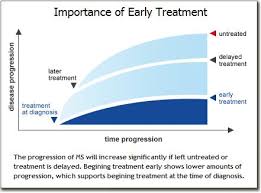
There is no cure for ASD. Therapies and behavioral interventions are designed to remedy specific symptoms and can substantially improve those symptoms. The ideal treatment plan coordinates therapies and interventions that meet the specific needs of the individual. Most health care professionals agree that the earlier the intervention, the better.

Educational/behavioral interventions: Early behavioral/educational interventions have been very successful in many children with ASD. In these interventions therapists use highly structured and intensive skill-oriented training sessions to help children develop social and language skills, such as applied behavioral analysis, which encourages positive behaviors and discourages negative ones. In addition, family counseling for the parents and siblings of children with ASD often helps families cope with the particular challenges of living with a child with ASD.

Medications: While medication can’t cure ASD or even treat its main symptoms, there are some that can help with related symptoms such as anxiety, depression, and obsessive-compulsive disorder. Antipsychotic medications are used to treat severe behavioral problems. Seizures can be treated with one or more anticonvulsant drugs. Medication used to treat people with attention deficit disorder can be used effectively to help decrease impulsivity and hyperactivity in people with ASD. Parents, caregivers, and people with autism should use caution before adopting any unproven treatments


QUOTE FOR TUESDAY:

Healthline tips for the feet:

  1. Don’t wear too-tight shoes.
  2. Don’t share shoes.
  3. Don’t share pedicure utensils with your pals.
  4. Don’t hide discolored nails with polish. Let them breathe and treat the underlying issue.
  5. Don’t shave calluses.
  6. Don’t perform “DIY surgery” on an ingrown nail.
  7. Do try the Legs-Up-the-Wall yoga pose after a long day or a hard workout.
  8. Do give yourself a foot massage or book a reflexology session.
  9. Do roll a tennis ball under your feet.
  10. Do soothe irritation with a vinegar foot soak.

Healthline (How to Keep Your Feet Healthy: Tips, Exercises, and More)


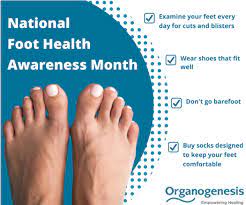
Foot Health Awareness Month – Tips for happy healthy feet!


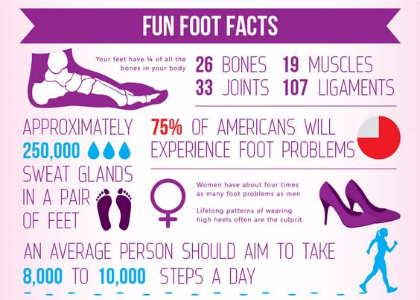
10000 steps=5 miles

April is National Foot Health Awareness Month and research shows that approximately 20 percent of Americans experience at least one foot problem each year. These issues can be the result of an underlying health problem such as obesity, diabetes, or peripheral neuropathy.

Today Dr. Amanda Bartell and Dr. Andrew Bartell of North Florida Foot & Ankle Center in Jacksonville, FL, Southside, and Duval County are sharing their tips for happy, healthy feet!

  • Examine your feet each day, using a mirror – if needed – to inspect the bottom of your feet for cracks, peeling, injuries or dry skin. This is particularly important if you have diabetes to avoid a non-healing wound.
  • Wear shoes in public areas where your feet can be scratched or cut, leading to infection, athlete’s foot or plantar warts.
  • Replace the shoes you wear to exercise every six months or 500 miles to avoid heal and foot pain when the inside of the shoe begins to lose support.
  • Stretch your ankles, lower legs and feet daily and before any activity to avoid injury.
  • Thoroughly dry your feet and between your toes after bathing to reduce the risk of fungal infections. Follow up by applying a good moisturizer.
  • Don’t leave polish on nails all the time as it can lead to fungal toenails.
  • Apply sunscreen on ankles and between toes to avoid sunburn and guard against skin cancer.
  • There is a good chance you will not wear the same size in shoes your entire life, so have them measured on a regular basis.
  • Maintain a healthy weight because extra weight puts pressure on the feet, often causing heel or foot pain, circulatory problems, arthritis, and stress fractures.
  • Try to wear shoes with good support and a low heel and use custom orthotics to provide proper arch support.

QUOTE FOR MONDAY:

“CDC states:

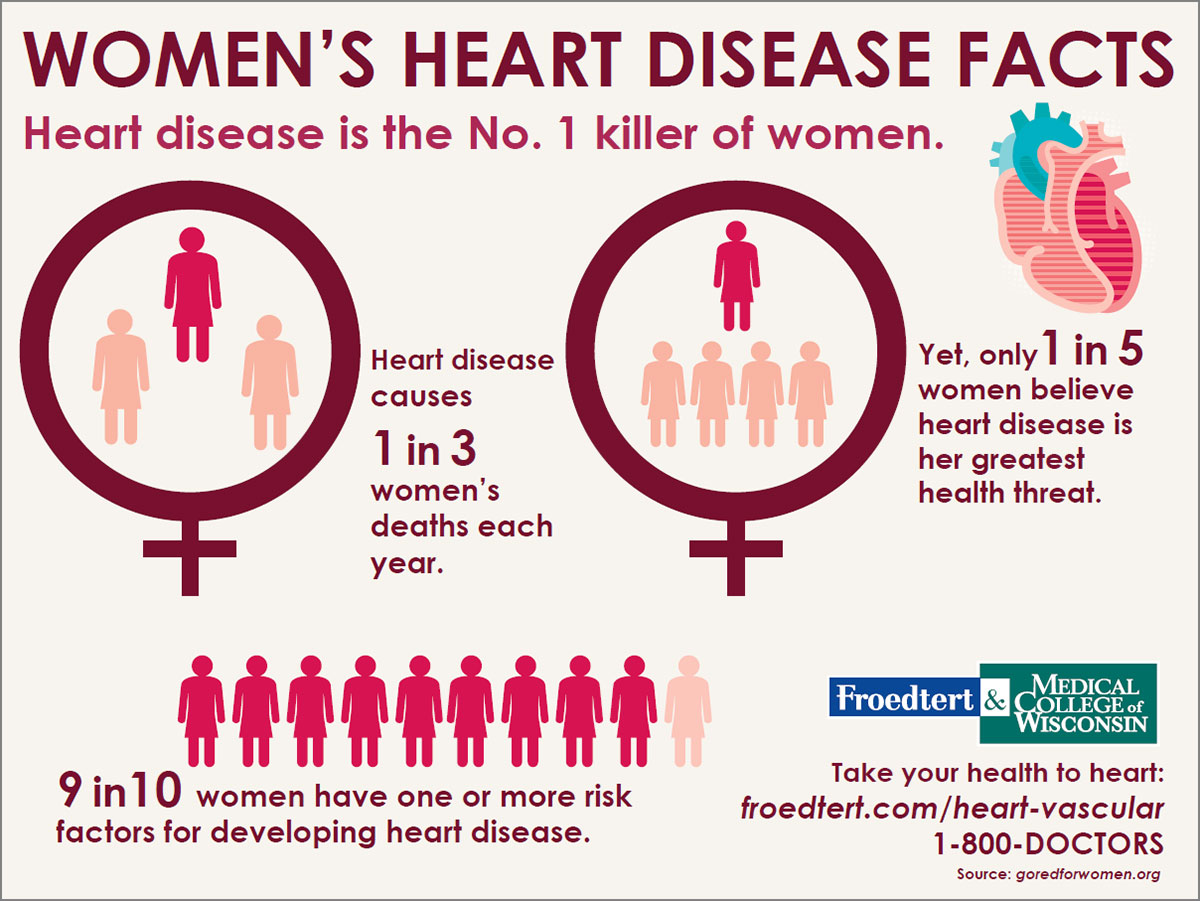
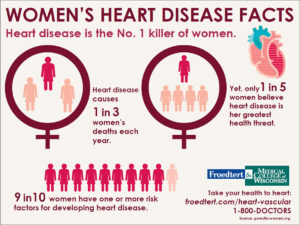
  • Over 60 million women (44%) in the United States are living with some form of heart disease.1 Heart disease is the leading cause of death for women in the United States and can affect women at any age.
  • Heart disease is the leading cause of death for women in the United States and can affect women at any age.
  • High blood pressure is a major risk factor for heart disease.
  • In 2021, it was responsible for the deaths of 310,661 women—or about 1 in every 5 female deaths.2 Only about half (56%) of US women recognize that heart disease is their number 1 killer.
  • Knowing the facts about heart disease—as well as the signs, symptoms and risk factors—can help you take steps to protect your health and seek proper treatment if you need it.”

Center for Disease Control and Prevention – CDC

(About Women and Heart Disease | Heart Disease | CDC)

Women with Heart Disease and how it differs compared to men diagnosed with it.

                             Women and Heart DIsease

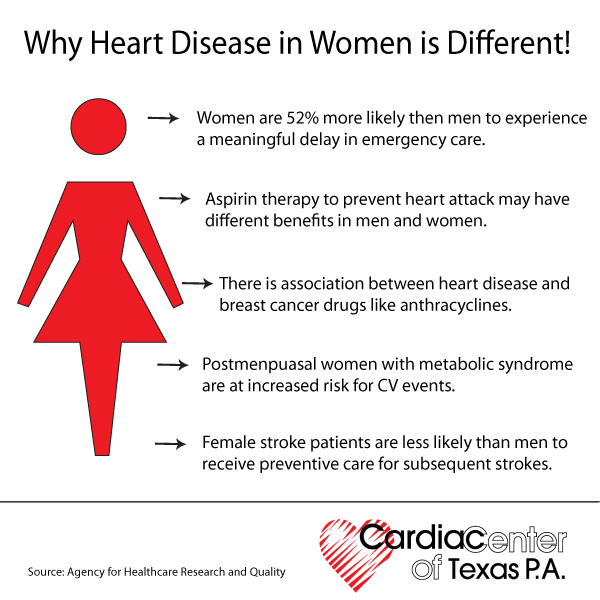
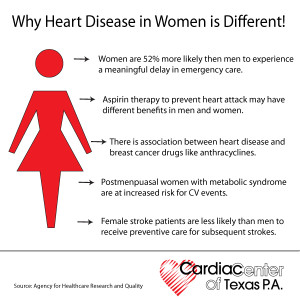
Many many women and their doctors don’t know that heart disease is the number one killer of women. Furthermore, the heart disease that is seen in women is often not quite the same as heart disease in men.

Let’s remember that Heart disease is an umbrella term that includes heart failure, coronary artery disease (CAD), arrhythmias, angina, and other heart-related infections, irregularities, and birth defects

These facts lead to two common (and sometimes tragic) misapprehensions held by many women and their doctors: That women don’t really get much heart disease, and when they do, it behaves pretty much like the heart disease that men get.

The truth is that not only is heart disease very common in women, but also, when women get heart disease it often acts quite differently than it does in men. Failing to understand these two fundamental truths leads to a lot of preventable deaths and disability in women with heart disease.

If you are a woman, you need to know the basics about heart disease – especially heart disease as it behaves in women.

When women have angina, they are more likely than men to experience “atypical” symptoms. Instead of chest pain, they are more likely to experience a hot or burning sensation, or even tenderness to touch, which may be located in the back, shoulders, arms or jaw – and often women have no chest discomfort at all. An alert doctor will think of angina whenever a patient describes any sort of fleeting, exertion-related discomfort located anywhere above the waist, and they really shouldn’t be thrown off by such “atypical” descriptions of symptoms. However, unless doctors are thinking specifically of the possibility of CAD, they are all too likely to write such symptoms off to mere musculoskeletal pain or gastrointestinal disturbances.

Women are more likely than men to have heart attack symptoms unrelated to chest pain, such as:

      • Neck, jaw, shoulder, upper back or abdominal discomfort.
      • Shortness of breath.
      • Right arm pain.
      • Nausea or vomiting.
      • Sweating.
      • Lightheadedness or dizziness.
      • Unusual fatigue.

Heart attacks (or myocardial infarctions)  also tend to behave differently in women.

Frequently, instead of the crushing chest pain that is considered typical for a heart attack, women may experience nausea, vomiting, indigestion, shortness of breath or extreme fatigue – but no chest pain. Unfortunately, these symptoms are also easy to attribute to something other than the heart. Furthermore, women (especially women with diabetes) are more likely than men to have “silent” heart attacks – that is, heart attacks without any acute symptoms at all, and which are diagnosed only at a later time, when subsequent cardiac symptoms occur.

The Diagnosis of CAD in Women Can Be More Difficult.

Diagnostic tests that work quite well in men can be misleading in women. The most common problem is seen with stress testing – in women, the electrocardiogram (ECG) during exercise can often show changes suggesting CAD, whether CAD is present or not, making the study difficult to interpret. Many cardiologists routinely add an echocardiogram or a thallium study when doing a stress test in a woman, which greatly improves diagnostic accuracy.

In women with typical CAD, coronary angiography is every bit as useful as in men; it identifies the exact location of any plaques (i.e., blockages) within the coronary arteries, and guides therapeutic decisions. However, in women with atypical coronary artery disorders (to be discussed in the next section), coronary angiograms often appear misleadingly normal. Thus, in women angiography is often not the gold standard for diagnosis, as it is for most men.

CAD In Women Can Take Atypical Forms.

At least four atypical coronary artery disorders can occur in women, usually in younger (i.e., pre-menopausal) women. Each of these conditions can produce symptoms of angina with apparently “normal” coronary arteries (that is, coronary arteries that often appear normal on angiogram). The problem, obviously, is that if the physician trusts the results of the angiogram, he/she is likely to miss the real diagnosis.

DALLAS, February 19, 2013 — A new study show women’s heart disease awareness is increasing.  A study with the number of women aware that heart disease is the leading cause of death nearly is doubling in the last 15 years, but that this knowledge still lags in minorities and younger women, according to the American Heart Association (AHA).

Among the study’s major findings, researchers comparing women’s views about heart disease in 1997 and today found:

  • In 2012, 56 percent of women identified heart disease as the leading cause of death compared with 30 percent in 1997.
  • In 1997, women were more likely to cite cancer than heart disease as the leading killer (35 percent versus 30 percent); but in 2012, only 24 percent cited cancer.
  • In 2012, 36 percent of black women and 34 percent of Hispanic women identified heart disease as the top killer — awareness levels that white women had in 1997 (33 percent).
  • Women 25-34 years old had the lowest awareness rate of any age group at 44 percent.

Among the women surveyed in 2012, researchers found:

  • Racial and ethnic minorities reported higher levels of trust in their healthcare providers compared with whites, and were also more likely to act on the information provided—dispelling the myth that mistrust of providers contributes to disparities.
  • Compared with older women, younger women were more likely to report not discussing heart disease risk with their doctors (6 percent among those 25-34 versus 33 percent for those 65 and older).

Risk Factors for Heart Disease in Women – Those we can’t change = Nonmodifiable Factors:

Age and Family History, Gender, Ethnicity.

The risk of having heart disease increases with age and this is due to stiffening of heart muscles which makes the heart less efficient in pumping blood around the body. You can determine your heart age by using this tool, developed by the British Heart Foundation: https://www.bhf.org.uk/heart-health/risk-factors/check-your-heart-age.

Another risk factor you cannot change is if you have a history of heart disease among family members. This can double your risk, so if your mother, father, sister or brother has suffered from heart disease before the age of 60 you are at a greater risk of developing heart disease.

Modifiable Risk Factors – Those we can change are:

1-Smoking is the single largest preventable cause of death in Australia, and approximately 40% of women who smoke die due to heart disease, stroke or blood vessel disease. Smokers are 2-4 times more at risk of developing heart disease compared to non-smokers. In 2011/2012, over 1.3 million women in Australia smoked, and 89% of them did this on a daily basis. While these numbers are for women aged 15 and over, the largest group were in the 25-34 age group.

Passive smoking (exposure to the cigarette smoke of others) also causes an increase in the risk of developing heart disease, which increases further in people having high blood pressure or high cholesterol. Women who smoke and also take the contraceptive pill have a 10 times higher risk of having a heart attack.

2-Alcohol. Do you know that drinking too much alcohol increases the risk of heart disease? Excessive drinking causes more weight gain (due to increased calories!), increase in blood pressure and blood lipids. Over a long period of time it can weaken the heart muscle and cause abnormal heart rhythms. Try and not drink alcohol every day, limit it to two standard drinks at a time and aim for at least two alcohol free days a week and make sure you don’t increase the amount you drink on the other days. Periodically take a break from any alcohol for a week or more and you will notice many benefits including a better nights sleep.

3.High Blood Pressure or Hypertension. Your blood pressure is a measurement of how ‘hard’ your heart is working to push blood around your body, through the blood vessels. It can be a ‘silent’ killer and if you do not know your blood pressure then it is worth having it checked by your GP. Changing your lifestyle will reduce your blood pressure. A recent study suggests that keeping your blood pressure under 140/90 can increase your life expectancy by 5 years at the age of 50 years. You can assess your high blood pressure through your MD monthly or less expensive buy a b/p machine and check your b/p everyday especially if your on antihypertensive meds to make sure your b/p isn’t under 100/60 to prevent hypotension.

4.Diabetes. Do you have diabetes and if so, is it under control?

Diabetes doubles your risk of having heart disease. People who have uncontrolled diabetes are at risk of having heart disease at an earlier age. For pre-menopausal women, having diabetes cancels the protective effects of hormone present in women and significantly increases the risk of heart disease. Taking steps to find out what your blood sugar is and keeping it well-controlled is essential.

5.Obesity- Do you know your body fat content?  If you think that you are overweight then you put yourself at risk of having heart disease. Being overweight will increase your blood pressure and contribute to developing diabetes. In addition to that, women who carry weight around their middle (belly fat) as opposed to their hips are twice as likely to develop heart disease.

By taking the steps to reduce your weight, you can reduce your risk of heart disease. A great tool developed by National Heart Foundation of Australia calculates if you might be at risk: http://www.heartfoundation.org.au/healthy-eating/Pages/bmi-calculator.aspx

6- INACTIVE-Are you physically active every day? Recent research indicates that “sitting is the new smoking” and being physically inactive can double your risk of having heart disease. It is important to get some exercise every day, such as a 30 minute walk where you raise your heart rate. It also raises your serotonin levels (feel-good hormone) and can reduce depression

7- STRESS-We could almost ask – do you know anyone who is not stressed?! However, while everyday life is stressful, those people who are almost constantly stressed are at risk of adopting unhealthy behaviours in order to reduce their stress levels. Examples include increasing their alcohol intake or smoking in order to relax; or tending to eat more junk food because they are often short of time. All of these factors increase their risk of heart disease.

Women, stress and the risk of heart disease

Along with poor diet, lack of exercise and smoking, unmanaged stress may increase the risk for heart disease. Now medical experts are discovering that mental stress affects women in different, and in some cases, more devastating ways, especially if they already have coronary conditions. One study that

Heart disease is the leading cause of death for men and women in the United States. Every year, 1 in 4 deaths are caused by heart disease. The good news? Heart disease can often be prevented when people make healthy choices and manage their health conditions. Communities, health professionals, and families can work together to create opportunities for people to make healthier choices. Make a difference in your community: Spread the word about strategies for preventing heart disease and encourage people to live heart healthy lives

 

QUOTE FOR THE WEEKEND:

“MS itself is not usually fatal. However, the disorder may increase the risk of life-threatening complications, such as severe infections or swallowing difficulties, that can set the stage for pneumonia.

On average, the lifespan for people with MS is about five to 10 years shorter than for the general population, but this gap is getting shorter as treatments and care continue to improve.\

Most people with MS experience two stages of disease. The first stage is relapsing-remitting MS (RRMS), which is characterized by episodes of new or worsening symptoms (relapses), interspersed with periods of partial or complete recovery from symptoms (remission).

Most RRMS patients will gradually enter a progressive phase of disease, called secondary progressive MS (SPMS), in which symptoms continually worsen over time, even when no relapses occur.

The time it takes to progress from RRMS to SPMS often varies substantially from person to person and potentially can be influenced by the use of disease-modifying therapies (DMTs). If left untreated, about half of RRMS patients would progress to SPMS within 10 years of disease onset. But when most patients received treatment, only about 10% converted to SPMS, and over a median of 32 years.”

MULTIPLE SCLEROSIS news today (MS prognosis and life expectancy)

Part III Education and Month of Multiple Sclerosis-Treatments for MS & The Types of MS!


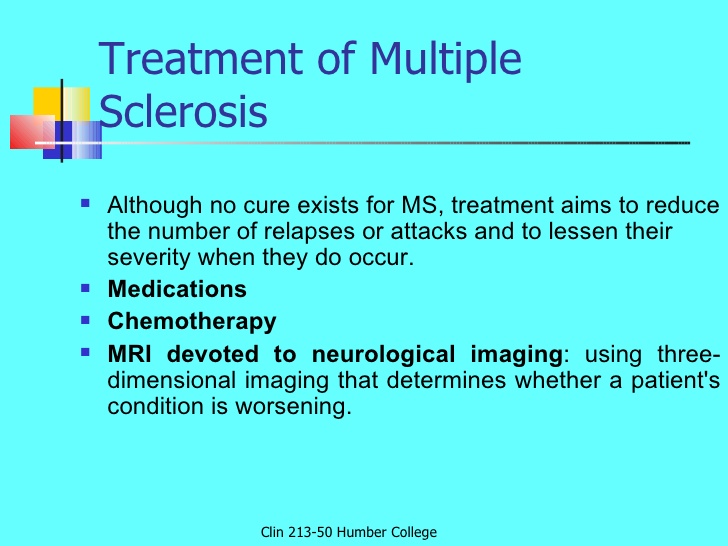
Treatment for Multiple Sclerosis:

Today multiple sclerosis (MS) is not a curable disease. Effective strategies can help modify or slow the disease course, treat relapses (also called attacks or exacerbations), manage symptoms, improve function and safety, and address emotional health.

The model of comprehensive MS care involves the expertise of many different healthcare professionals — each contributing in a unique way to the management of the disease and the symptoms it can cause. Sometimes this team works within a single center, offering “one-stop shopping” for people with MS. More often, people are referred by their MS physician to other specialists in the community.

In either case, the goal is comprehensive=coordinated care to manage the disease and promote comfort, function, independence, health and wellness to its OPTIMAL LEVEL.

There are several types of MS:

For an acute exacerbation of multiple sclerosis that can result in neurologic symptoms and increased disability or impairments in vision, strength or coordination, the preferred initial treatment is usually a type of steroid called a glucocorticoid. Patients who do not have a good response to steroidal therapy are often treated with plasma exchange. Plasma exchange is an extreme therapy that removes antibodies to myelin from the blood.

Some patients have disease that will have an acute exacerbation followed by a prolonged quiet period, which can last years or decades. This form of disease is referred to as relapsed remitting MS, or RRMS. Patients with relapsing MS=RRMS are often treated with immune-modulating drugs such as interferon or glatiramer acetate. Glatiramer is an exciting drug. It is a series of small proteins that are similar to myelin protein. It is thought to prompt the immune system to avoid attacking myelin.

Others have a disease that gets progressively worse over time.

There are two types of progressive disease:

1 In primary progressive MS, or PPMS, symptoms steadily worsen over time from the very beginning.

Progressive MS also referred to as disease-modifying therapies (DMTs).

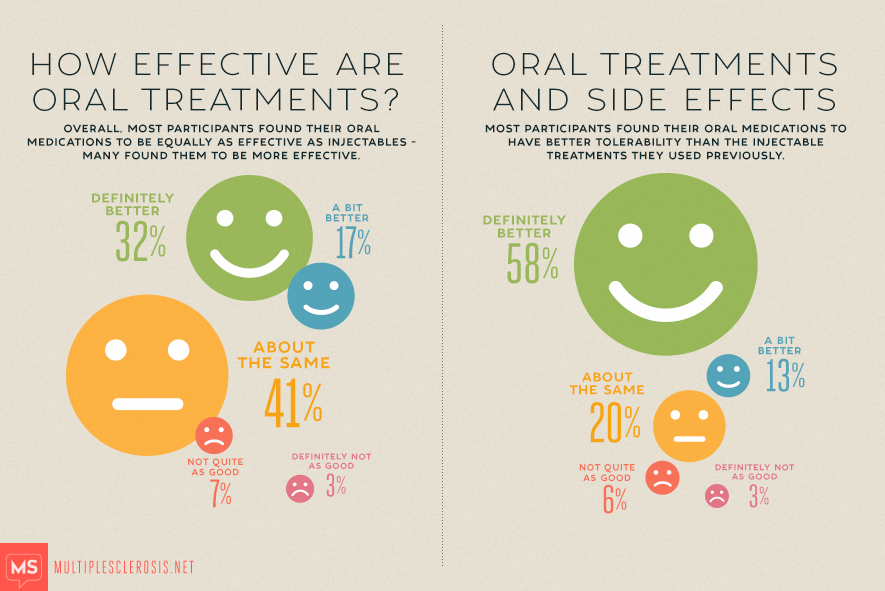
Presently, these include 15 drug therapies to slow MS activity and progression, each of which is approved by the United States Food and Drug Administration (FDA) for relapsing forms of MS (and some are also approved for clinically isolated syndrome, prior to the diagnosis of MS). One of the medications, Ocrevus™ (ocrelizumab) is also approved for primary-progressive MS. In nearly all instances, these drugs are prescribed individually, so a patient only takes one DMT during any time period. Of these 15 approved drugs, eight are given at home via injection; four are given by a medical professional via intravenous (IV) infusion; and three are taken orally.

In brief, no clinical trial has shown convincing evidence of benefit in the treatment of primary progressive MS. All suggested treatments for PPMS are empiric. Several drugs that are more commonly used in the treatment of malignancy, cladribine and mitozantrone, appear to have some activity.

2 Secondary progressive MS, known as SPMS, begins as relapsed remitting disease and becomes progressive over time.

Available treatments of primary and secondary progressive MS are of limited efficacy and have significant side effects. An additional fact to consider is that most trials have not lasted longer than two or three years and give only hints about long-term results of treatment.

In brief, no clinical trial has shown convincing evidence of benefit in the treatment of primary progressive MS. All suggested treatments for PPMS are empiric. Several drugs that are more commonly used in the treatment of malignancy, cladribine and mitozantrone, appear to have some activity.

In contrast, there is definite modest benefit in some treatments for secondary progressive MS. These treatments include various regimens of steroid therapy (the anti-inflammatory effect) and the use of some drugs that modulate the immune system. Many of these drugs are more commonly used in treatment of cancer and rheumatoid arthritis such as cyclophosphamide, methotrexate and interferon.

MS should be treated by a neurologist who majors in MS with experience in managing it for years.  The doctor with knowledge is so important regarding the specific disease.  Do your research on experts treating this from NY to CA.

Remember the MS treatment is in parts to make up a whole plan:

1 Modifying the disease:

More than a dozen disease-modifying medications have been approved by the U.S. Food and Drug Administration (FDA) to treat relapsing forms of MS. These medications reduce the frequency and severity of relapses (also called attacks or exacerbations),  reduce the accumulation of lesions in the brain and spinal cord as seen on magnetic resonance imaging (MRI) and may slow the accumulation of disability for many people with MS. No medications have yet been approved to treat primary-progressive MS.

2 Treating the Exacerbations:

An exacerbation of MS is caused by inflammation in the central nervous system (CNS) that causes damage to the myelin and slows or blocks the transmission of nerve impulses. To be a true exacerbation, the attack must last at least 24 hours and be separated from a previous exacerbation by at least 30 days. However, most exacerbations last from a few days to several weeks or even months. Exacerbations can be mild or severe enough to interfere with a person’s ability to function at home and at work. Severe exacerbations are most commonly treated with high-dose corticosteroids to reduce the inflammation.

 3 Managing symptoms

In MS, damage to the myelin in the CNS and to the nerve fibers themselves interferes with the transmission of nerve signals between the brain and spinal cord and other parts of the body. This disruption of nerve signals produces the symptoms of MS, which vary depending on where the damage has occurred. MS symptoms can be effectively managed with a comprehensive treatment approach that includes medication(s) and rehabilitation strategies.

4 Promoting function through rehabilitation

Rehabilitation programs focus on function — they are designed to help you improve or maintain your ability to perform effectively and safely at home and at work. Rehabilitation professionals focus on overall fitness and energy management, while addressing problems with accessibility and mobility, speech and swallowing, and memory and other cognitive functions. Rehabilitation is an important component of comprehensive, quality healthcare for people with MS at all stages of the disease. Rehabilitation programs include cognitive and vocational rehabilitation, physical and occupational therapy, therapy for speech and swallowing problems, and more. 

5 Providing emotional support

Comprehensive care includes attention to emotional health as well as physical health. Mental health professionals provide support and education, as well as diagnose and treat the depression, anxiety and other mood changes that are so common in MS. Neuropsychologists assess and treat cognitive problems.

MS is only part of overall health for a pt diagnosed with this disease!  Comprehensive MS care is only a part — but not all — of a person’s overall health management strategies.

Like the general population, people with MS are subject to medical problems that have nothing to do with their MS — which means that regular visits with a primary care physician and age-appropriate screening tests are just as important for them as they are for everyone else. And the same goes for family members — your health and well-being are important too.

Updated 3/16/2023


QUOTE FOR FRIDAY:

“Multiple sclerosis (MS) is one of the most widespread disabling neurological conditions of young adults around the world. It affects almost 1 million people in the United States, and about 2.9 million people worldwide.

There are relapsing-remitting and progressive types of MS, but the course is rarely predictable. Researchers still don’t fully understand the cause of MS or why the rate of progression is so difficult to determine.”

Healthline (Multiple Sclerosis: Facts, Statistics, and You)

Part II What is Multiple Sclerosis – Disease Course, causes, risk factors, & complications!

Disease course

Most people with MS have a relapsing-remitting disease course. They experience periods of new symptoms or relapses that develop over days or weeks and usually improve partially or completely. These relapses are followed by quiet periods of disease remission that can last months or even years.

Small increases in body temperature can temporarily worsen signs and symptoms of MS, but these aren’t considered disease relapses.

About 60 to 70 percent of people with relapsing-remitting MS eventually develop a steady progression of symptoms, with or without periods of remission, known as secondary-progressive MS.

The worsening of symptoms usually includes problems with mobility and gait. The rate of disease progression varies greatly among people with secondary-progressive MS.

Some people with MS experience a gradual onset and steady progression of signs and symptoms without any relapses. This is known as primary-progressive MS.

Causes

The cause of multiple sclerosis is unknown. It’s considered an autoimmune disease in which the body’s immune system attacks its own tissues. In the case of MS, this immune system malfunction destroys myelin (the fatty substance that coats and protects nerve fibers in the brain and spinal cord).

Myelin can be compared to the insulation coating on electrical wires. When the protective myelin is damaged and nerve fiber is exposed, the messages that travel along that nerve may be slowed or blocked. The nerve may also become damaged itself.

It isn’t clear why MS develops in some people and not others. A combination of genetics and environmental factors appears to be responsible.

Risk factors

These factors may increase your risk of developing multiple sclerosis:

  • Age. MS can occur at any age, but most commonly affects people between the ages of 15 and 60.
  • Sex. Women are about twice as likely as men are to develop MS.
  • Family history. If one of your parents or siblings has had MS, you are at higher risk of developing the disease.
  • Certain infections. A variety of viruses have been linked to MS, including Epstein-Barr, the virus that causes infectious mononucleosis.
  • Race. White people, particularly those of Northern European descent, are at highest risk of developing MS. People of Asian, African or Native American descent have the lowest risk.
  • Climate. MS is far more common in countries with temperate climates, including Canada, the northern United States, New Zealand, southeastern Australia and Europe.
  • Certain autoimmune diseases. You have a slightly higher risk of developing MS if you have thyroid disease, type 1 diabetes or inflammatory bowel disease.
  • Smoking. Smokers who experience an initial event of symptoms that may signal MS are more likely than nonsmokers to develop a second event that confirms relapsing-remitting MS.

Complications

People with multiple sclerosis also may develop:

  • Muscle stiffness or spasms
  • Paralysis, typically in the legs
  • Problems with bladder, bowel or sexual function
  • Mental changes, such as forgetfulness or mood swings
  • Depression
  • Epilepsy