Knowing your own heart rate or pulse can be an important heart-health gauge.
American Heart Association
Knowing your own heart rate or pulse can be an important heart-health gauge.
American Heart Association
Ike Skelton (born December 20, 1931) is an American politician who was the U.S. Representative for Missouri’s 4th congressional district from 1977 to 2011)
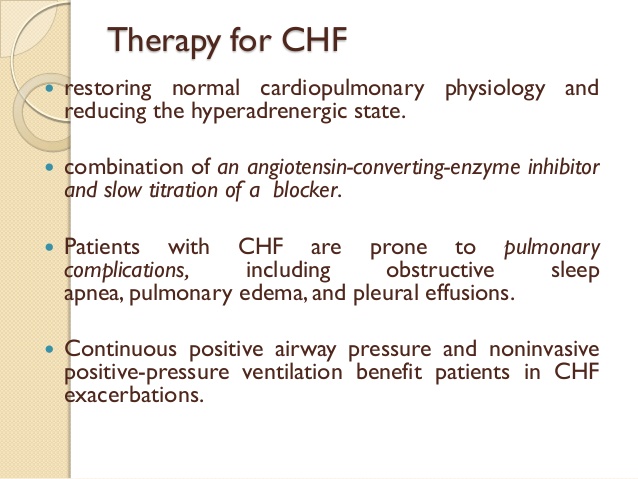
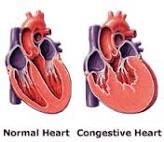
Treatments for CHF:
Heart failure caused by an excessive workload is curable by treating the primary disease, such as anemia or thyrotoxicosis or hypertension or diabetes. Also, curable are forms caused by anatomical problems such as a heart valve defect. These defects can be surgically corrected.
However, for the common forms of heart failure due to damaged heart muscle no known cure (like a heart attack that damages the heart muscle where the attack took place on the organ) but prevention of it happening again can take place in many cases through treatment of the disease or illness with being compliant in following up with your doctor for the disease or illness and being compliant in following doctor’s orders. The worst thing you can do is ignore them. The treatment seeks to improve patients quality of life and length of survival through lifestyle change and drug therapy.
Patients can minimize the effect of heart failure by controlling the risk factors for heart disease they may have. Obvious steps include: Don’t smoke or quit smoking, lose weight if necessary, abstaining from alcohol, making those dietary changes to reduce the amount of salt and fat consumed. Also, regular with modest exercise is also helpful for many patients; though the amount and intensity should be carefully monitored by a physician.
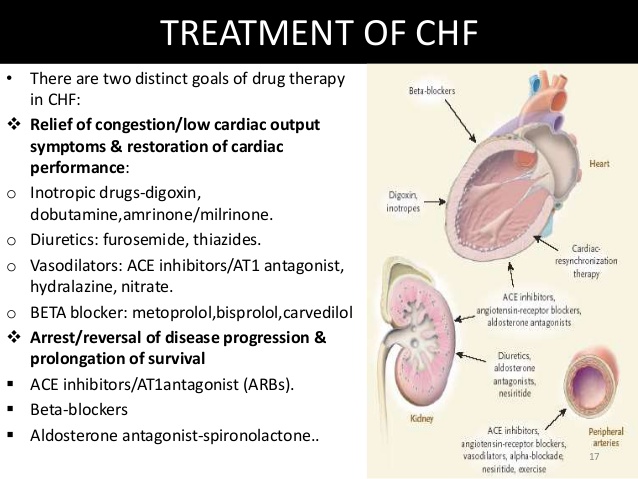
Even with lifestyle changes, most heart failure patients must take medication. Many patients receive 2 or more meds. Types of common medications given are: ACE inhibitors, Digitalis, Diuretics, Hydralazine, and Nitrates.
These are some of the meds given for heart failure. Not all medications are suitable for patients, and more than one drug may be needed. Always review the list your pharmacist provides in the action, side effects, with instructions of how to take the drug to make it most effective in your body with what to look for while on this medication to keep you the patient most informed on what you should be aware of since your on the medication. You should know what your taking.
Results of studies over the years have placed more emphasis on the use of drugs known as angiotensin converting enzymes (ACE) inhibitors. Several studies have indicated that ACE inhibitors improve survival among heart failure patients and may slow perhaps even prevent the loss of the heart pumping activity. This drug prevents the transfer of your enzyme Angiotensin 1 to convert into Angiotensin 2 which prevents the vessels in your body to do vasoconstriction which prevents the pressure in the bloodstream to raise = high B/P (hypertension) but this medication prevents this from happening. By the medication doing this it prevents stress to the heart; with vasoconstriction in causing the B/P to go high this now causes the blood to get to the heart slowly and more difficult causing the heart to pump harder but the ACE inhibitor with allowing vasodilation (opening of vessels) keeps the pressure down to make the job easier= less stress on the heart. Originally these medications where for patients in the treatment of hypertension but they help patients with heart failure, among other things, decreasing the pressure inside the blood vessels causing the heart to do its job easier.
Digitalis increases the force of the heart’s contractions, helping to improve circulation in the body.
Diuretics are for reducing the amount of fluid in the bloodstream and body by releasing them via the kidneys and having us void the excess of water out in our urine, these are useful for patients with fluid retention.
Those who aren’t prescribed or cannot take these meds already mentioned may be given a hydralazine medication and/or a drug in the Nitrate classification, each of which help relax tension in the blood vessels to improve blood flow. Also, both Hydralazine and Nitrates function is they cause vasodilation in the vessels improving blood flow to the heart.
Sometimes heart failure is life threatening. Usually, this happens when drug therapy and lifestyle changes fail to control its symptoms. In such cases, a heart transplant may be the only treatment option. However, candidates for transplantation often have to wait months or even years before a suitable donor heart is found.
Studies over the years indicate that some transplant candidates improve during this waiting period through drug treatment and other therapy, and can be removed from the transplant list.
Transplant candidates who do not improve sometimes need mechanical pumps, which are attached to the heart. Called left ventricular assist device (LVADs), the machine takes over part or virtually all of the heart’s blood-pumping activity. However, current LVADs are not permanent solutions for heart failure but are considered bridges to transplantation. Worldwide, about 3,500 heart transplants were performed annually. The vast majority of these are performed in the United States (2,000-2,300 annually). Cedars Sinai Medical Center in Los Angeles, California has performed the most heart transplants in the last three consecutive years performing 95 transplants in 2012 alone. About 800,000 people have a Class IV heart defect indicating a new organ. The degrees of CHF are I, II, III and IV. In learning more about CHF with heart transplants (including becoming a candidate for one) go to wwwtransplantexperience.com or even hearttransplant.com.
Another surgical procedure for heart failure that is available in America is cardiomyoplasty. This is a surgical procedure in which healthy muscle from another part of the body is wrapped around the heart to provide support for the failing heart. A special pacemaker is implanted to make the skeletal muscle contract.
Complications of CHF:
Through the Mayo clinic as a reference regarding complications their website stated: “If you have heart failure, your outlook depends on the cause and the severity, your overall health, and other factors such as your age. Complications can include:
If you are needing any guidance in how to lose weight through using all 4 food groups, with assistance in what to eat now to lose weight till you are in therapeutic range for your height rather than eating food from the market or if you need to understand how the body works with food and metabolism with where activity comes into play go to healthyusa.tsfl.com. See what we can provide you in answering all these questions for you through Dr. Anderson and myself as your coach free. SO LIVE AS HEALTHY AS POSSIBLE IN YOUR ROUTINE HABITS, YOUR DIETING OF THE 4 FOOD GROUPS, MAINTAINING YOUR WEIGHT IN A THEREPEUTIC RANGE (look as calculating BMI online for free to find out what your weight range for your height is), and BALANCING REST WITH EXERCISE TO HELP DECREASE THE CHANCE OF GETTING HEART FAILURE. Join me like many who are trying to live life healthier with making America a healthier home and we all should take part to help the health care system to be more effective for our society. Recommended to anyone with disease before changing your diet, activity/exercise program review your changes with your doctor to get clearance first to maintain your safety.
We can fulfill this goal, the one step America is by getting healthier (through diet, exercise, and living healthier habits) which would impact cardiac disease by decreasing it in time which would decrease congestive heart failure. Learn more about CHF on striveforgoodhealth.com with learning how to reach this goal. Let us the people of America take part on decreasing disease and not just leave it the health care or government’s hands. Look at the results already and we the society need to take be responsible in being better for ourselves, our children and our future generations.
“God often uses desperate moments to wake us up. Only when things start to fall apart do we finally open our eyes.”
― Kyle Idleman, AHA: The God Moment That Changes Everything
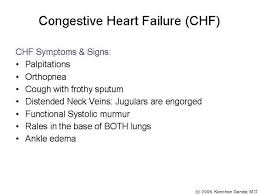
Part 2 Congestive Heart Failure:Signs & Symptoms and diagnosing.
Heart failure can be ongoing (chronic), or your condition may start suddenly (acute).
Heart failure signs and symptoms may include:
I saw many people who had advanced heart disease and I was so frustrated because I knew if they just knew how to do the right thing, simple lifestyle and diet steps, that the entire trajectory of their life and health would have been different.
“The law of the heart is thus the same as the law of muscular tissue generally, that the energy of contraction, however measured, is a function of the length of the muscle fibre. ”
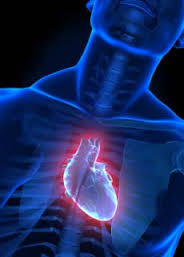
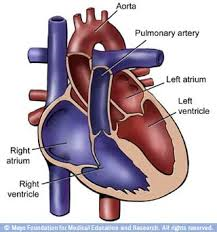
Let us first understand how the heart functions. For starters think of a car, without the engine the car won’t move unless pushed in neutral but the engine is still not working at all. Well, the body can’t work at all if the heart isn’t working=dead. Right? We can’t live without the heart but more importantly you can’t function actively and productively with a one that is diseased not cared for or just severely diseased. We need to take good care of our bodies especially if diseased already, that includes your heart.
Looking at the anatomy and physiology of the heart it will help us understand in how it functions. For starters the heart is like the engine of the human body based on its characteristics in that without it we would not be able to function or live; just like a car would not function without an engine. The heart’s anatomy let us start with. In the heart you have chambers (2 on the top called atriums and 2 on the bottom called ventricles), 4 chambers to be exact (sort of like a 4 cylinder car). It also has valves which allows our blood to go in and out of the chambers and vessels of the heart. That is what makes blood move throughout the circulatory system starting from the heart down the abdomen to the arms, than the legs/feet back up to the brain to the heart again. These valves are located before the entrance of the blood entering the heart on right upper chamber, between the upper and lower chambers (atriums & ventricles), at the beginning of arteries and veins involved in moving blood throughout the heart and to or from the lungs to exchange oxygen and carbon dioxide from and into the blood. Lastly, in our veins the legs have valves to push blood back up to the heart because this blood that had high oxygen cells are not filled with more carbon dioxide. When this blood is pushed up in the legs through the veins by valves allowing the blood to return to the heart with more carbon dioxide in the blood this is done to allow that blood to get to the lungs for oxygen and carbon dioxide to transfer (like oil/gas entering the car first in the tank and used throughout the engine and leaves the muffler out the tail pipe (the car’s lungs). Oxygen is our gas to the body without it we couldn’t survive but to get it we have to breath to allow oxygen and carbon dioxide to go in and out of our cells at the bases of the lungs where the blood cells pass by in the circulatory system for the transfer of 02 and CO2 to take place. For this to take place it is when we breath; which is allowing 02 in the body and carbon dioxide (used up oxygen in that cell) to be released from the cell and removed through the lungs on expiration.
Now getting down in how the heart works. First take our blood, in particular our red blood cells are the cells that carry oxygen and carbon dioxide throughout our body; the body without enough oxygen in the body tissues=cellular starvation. We can’t survive without oxygen sent to our tissues=food to our tissues (Ex. poor circulation to any tissue of the body = pain and if not resolved it will go into necrosis = death of the tissue, like in a diabetic that has poor circulation to the toes/foot that has pain/numbness and unresolved = necrosis to amputation). So your blood, in particular the red blood cells, need to transport oxygen (O2) to and take carbon dioxide (CO2) from our tissues in the body and refill up with more 02 and release C02 (O2 used up by our tissues) which takes place at the lungs. This process is done constantly in the body to feed our tissues O2 (by the red blood cells-RBC’s picking up 02 upon inhalation) with tissues releasing CO2 which is picked up by the RBC’s and they take the CO2 to the lungs in releasing it from our body completely via exhaling. This whole process is only done due to the heart beating allowing the blood to circulate and recirculate throughout the body and get more 02 from our lungs (just like the engine of a car in how the engine works to allow fuels, oils to circulate throughout the engine and other areas of the car to allow the car overall to function but when the gas gets low we refill it up at the gas station with more car gas).
In review, our bodies oxygen is the food to our tissues in keeping them alive through our red blood cells (RBC’s) that carry the O2 to the tissues through a working heart and lungs only (one organ cannot live without the other). There has to be a systemic way we allow this to work and this is through the heart, lungs, and RBC’s (3 systems that connect with each other). The heart = right side deals with more C02 blood which is blood returning to the heart to get more 02 going first via the Rt. side of the heart to the Rt. and Lt. pulmonary artery, each of which carries blood to the lungs for 02 and C02 exchange to occur. This is for getting more 02 in our RBC’s with allowing them to release C02 at the lungs and then return them to the left side of the heart to be sent through both Lt. chambers of the heart to our blood stream to utilize the new 02 in our RBC’s to our body tissues. This is a 24hr/7days a week job for our red blood cells, lungs and heart in functioning to keep the human body alive.
In simpler terms this is how it works: The blood that needs to be refreshed with more 02 always enters the right (Rt.) atrium coming from a vessel that brings back mainly carbon dioxide in the blood from the toes and the brain that was mainly used up by the tissues and those RBC’s need to be reoxygenated with higher levels of oxygen for the RBC’s to deliver 02 again to tissues. It first goes to the Rt. atrium & fills up to its max level simultaneously while the left (Lt.) atrium is filling up to its max level. When the Rt. atrium is ready to drop its blood max level into the Rt. ventricle below it the valves open between the chambers simultaneously (the tricuspid valve and mitral valve) dropping the blood to the Rt. Ventricle (Lt side does the same thing) but only the Rt. side ends up going to the lungs through a Rt. and Lt. pulmonary artery to get more oxygen to send the highly oxygenated blood to the L (left) side of the heart. The job the Rt. side of the heart does is this, it just goes from the Rt. side of the heart to our lungs and back to the heart on the Lt. side through the 4 pulmonary veins to the L atrium; so the path or distance for the Rt. side of the heart to do its function is a short distance = it gets your used up oxygen in the red blood cells (that are high in carbon dioxide) to get more oxygen by going through the Rt. side of the heart sending them to the lungs where they get more O2 and then they are sent back to the Lt. side of the heart. This is the Rt. side of the heart’s function and explains why the heart muscle on that side of the heart is smaller than the Lt. side. Now let us look at what the Lt. side of the heart in what it does in its function. The RBC’s reoxygenated that leave the lungs and are sent via the pulmonary vein to the Lt. side of the heart, reaching the Lt. atrium, thus carries a high 02 level in the RBC’s (this blood just came directly from the lungs where O2 and CO2 exchange for the RBC’s took place).
Next the RBC’s go to the Lt. ventricle to our Aorta that sends this high oxygen level of RBC’s out to all our tissues as food to prevent starvation of the tissues. Again, when the valves open between the chambers and allowing this blood to fill up in the lower chambers called the Rt. and Lt. ventricles it is simultaneously done also including the valves that open and close in the heart the pulmonary artery and the aorta that is in the Rt and Lt. The ventricle sending RBC’s out to our circulatory system high in O2 to be utilized by our body tissues is the Lt. Ventrilcle. To do this job takes more effort as opposed to the Rt. Side of the heart and that is why the Lt side of the heart has a bigger muscle mass (more of a work out for the heart).
So the way it works with both sides of the heart is the Rt. side sends blood of highly carbon dioxide blood (RBC’s) to the lungs to get re-oxygenated through 2 vessels from the Rt. side of the heart to the lungs that sends this re-oxygenated blood in the RBC’s through 4 vessels to the Lt. side of the heart and it reaches the Lt. side of the heart which sends this highly oxygenated blood throughout the top and bottom of the Lt. side of the heart to the aorta that sends this blood throughout our body tissues. When this oxygen is used all up from the RBC’s dispensing it out to tissues the C02 is taken back from the tissues by RBC’s that replace it with O2 through breathing, this process starts all over again with these RBC’s that returned to the heart. Ending line the right side of the heart is for higher levels of carbon dioxide in the blood (used up blood) to get more oxygen whereas the left side of the heart sends higher levels of O2 throughout the body all the way to the toes (a harder job=muscle mass of the left side of the heart works out more than the right making the left side of the heart a bigger muscle vs the right side).
Now knowing the anatomy and physiology of the heart let’s now understand more about a cardiac disease RVR=Rapid Ventricular Rate and Atrial Fibrillation and more regarding how they develop and in how it effects the engine of the body, being the heart, and the lungs, the transmission of the body. Like a car if the engine is affected in time the transmission gets affected and if not repaired by the mechanic the car engine will die with the transmission. Same effect with the human engine=the heart. If the heart is affected in time it will effect the lungs and if not repaired the heart will die and so will the lungs.
“Our mothers, daughters, sisters and friends are at risk. Heart disease and stroke cause 1 in 3 deaths among women each year – more than all cancers combined. Fortunately, we can change that because 80 percent of cardiac events can be prevented with education and lifestyle changes. Get informed about the risks of heart disease and stroke.”
American Heart Association
“They said I was a valued customer, now they send me hate mail.”
― Sophie Kinsella, Confessions of a Shopaholic (a British author and The first two novels in her best-selling Shopaholic series, The Secret Dreamworld of a Shopaholic and Shopaholic Abroad were adapted into the film Confessions of a Shopaholic starring Isla Fisher.)