“Scientists have identified 5 unique hepatitis viruses, identified by the letters A, B, C, D, and E. While all cause liver disease, they vary in important ways.”
World Health Organization
“Scientists have identified 5 unique hepatitis viruses, identified by the letters A, B, C, D, and E. While all cause liver disease, they vary in important ways.”
World Health Organization
“Twenty million more have Chronic Kidney Disease, where patients experience a gradual deterioration of kidney function, the end result of which is kidney failure.”
Xavier Becarra (Born January 26, 1958 is an American politician and a member of the United States House of for California’s 34th congressional district).
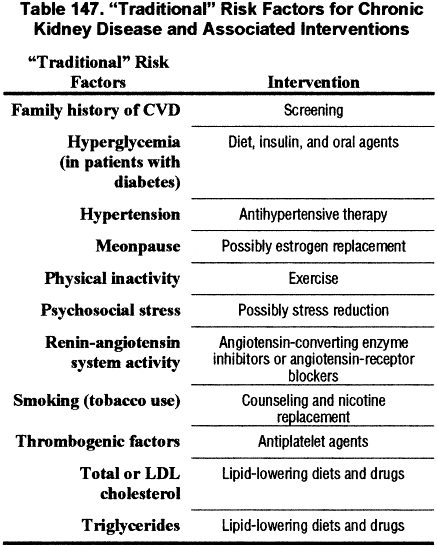

There are things you can do to slow or stop the damage to your kidneys. Taking medicines and making some lifestyle changes can help you manage your disease, prevent further damage to the kidneys, if their functioning at all and make you possibly feel better.
Kidney disease is a complex problem. You will probably need to take a number of medicines and have many tests. To stay as healthy as possible, take your medicines just the way your doctor says to and work closely with your doctor.
Go to all your appointments for the MD to see a increase in function or decrease in function of your kidney or kidneys you have still functioning to a level. To do that you can’t just go every 6 months especially when first diagnosed with it or with a collapse of an exacerbation of kidney failure in a worse level that brought on new symptoms that brought you to the ER.
Lifestyle changes are an important part of your treatment. Taking these steps can help slow down kidney disease and reduce your symptoms. These steps may also help with high blood pressure, diabetes, and other problems that make kidney disease worse or made the kidney disease happen with the secondary diagnosis you had originally for years (ex. Hypertension or Diabetes if not both especially is uncontrolled)
Very hard, never a complete 100 % resolution. It is like emphysema done by smokers the damage is done or like a heart attack the area of the infarction=damage is already done to the heart muscle.
Scared now, understandable but unfortunately the damage is done, so its get the organ to its optimal level of functioning or replace the damaged kidney (s) through a transplant of one. You need to know this, do it if you want to live LONGER. Remember fear is fear itself, the fear run it over and deal with what you have and make your life longer & better! It’s all up to you. HANDSOME I know you can do it , I am there for you as a good friend and professional RN and I would love you to last longer John!! XO
You may have a test done that lets your doctor look at a picture of your kidneys, such as an ultrasound or CT (Cat Scan of the kidneys). These tests can help your doctor measure the size of your kidneys, estimate blood flow to the kidneys, and see if urine flow is blocked. In some cases, your doctor may take a tiny sample of kidney tissue (biopsy) to help find out what caused your kidney disease.
Chronic kidney disease is caused by damage of the kidneys whether the cause of it be primary a Renal or Kidney problem or a secondary, another disease or disorder that affects the kidneys in doing their job, like hyperglycemia related to a individual with uncontrolled diabetes, for instance.
Chronic kidney disease may seem to have come on suddenly. But it has been happening bit by bit for many years as a result of damage to your kidneys.
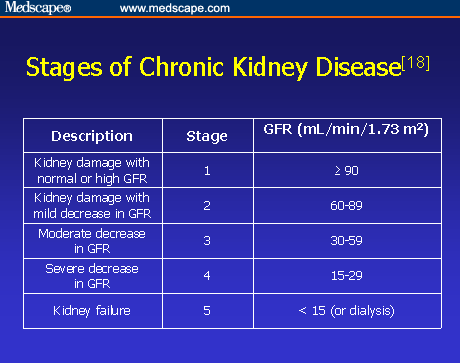
One way to measure how well your kidneys are working is to figure out your glomelular filtration rate (GFR). The GFR is usually calculated using results from your blood creatinine test. Then the stage of kidney disease is figured out using the GFR (glomelular filtration rate). There are five stages of kidney disease, from kidney damage with normal GFR to kidney failure.
Your doctor will do tests that measure the amount of urea (BUN) and creatinine in your blood. These tests can help measure how well your kidneys are filtering your blood. As your kidney function gets worse, the amount of nitrogen (shown by the BUN test) and creatinine in your blood increases. The level of creatinine in your blood is used to find out the glomerular filtration rate (GFR). The GFR is used to show how much kidney function you still have. The GFR is also used to find out the stage of your kidney disease your in if you have it and its to guide decisions about treatment. *
To treat CRF:
Follow a diet that is easy on your kidneys. A dietitian can help you make an eating plan with the right amounts of salt (sodium) and protein. You may also need to watch how much fluid you drink each day.
Make exercise a routine part of your life. Work with your doctor to design an exercise program that is right for you.
Do not smoke or use tobacco.
Do not drink alcohol.
When kidney function falls below a certain point, it is called Kidney failure. Kidney failure affects your whole body. It can cause serious heart, bone, and brain problems and make you feel very ill. Untreated kidney failure will be life-threatening at some point.
When you have kidney failure, you will probably have two choices: start dialysis or get a new kidney (transplant). Both of these treatments have risks and benefits. Talk with your doctor to decide which would be best for you.
Always talk to your doctor before you take any new medicine, including over-the-counter remedies, prescription drugs, vitamins,or herbs. These can hurt the kidneys further.
In COMPLETE RENAL FAILURE you have 2 choices for Rx.:
1**-Dialysis is a process that filters your blood when your kidneys no longer can. It is not a cure, but it can help you feel better and live longer. There is hemodialysis or peritoneal dialysis.
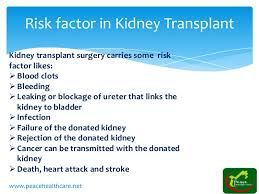
2-**Kidney transplant may be the best choice if you are otherwise healthy. With a new kidney, you will feel much better and will be able to live a more normal life. But you may have to wait for a kidney that is a good match for your blood and tissue type. And you will have to take medicine for the rest of your life to keep your body from rejecting the new kidney.
Making treatment decisions when you are very ill is hard. It is normal to be worried and afraid. Discuss your concerns with your loved ones and your doctor. It may help to visit a dialysis center or transplant center and talk to others who have made these choices.
Stayed tune for this weekend on Hemodialysis!
MAYO CLINIC
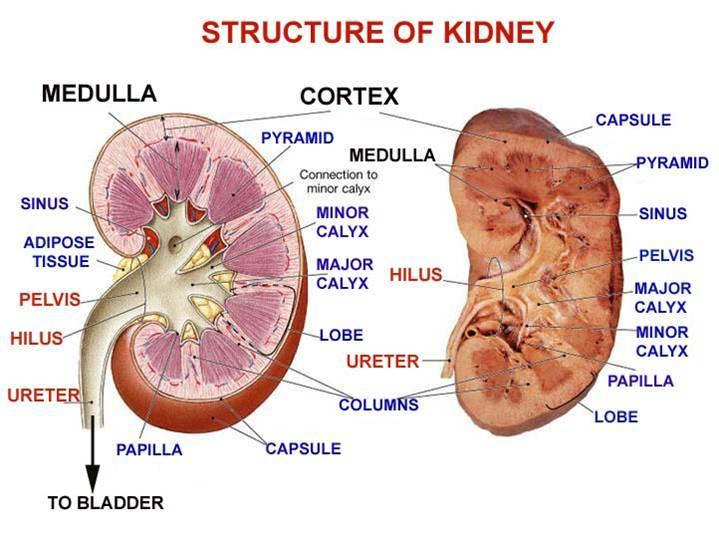
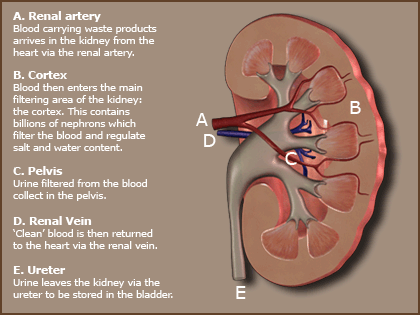
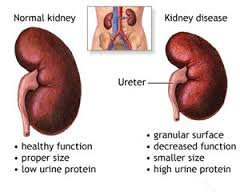
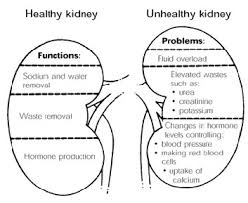
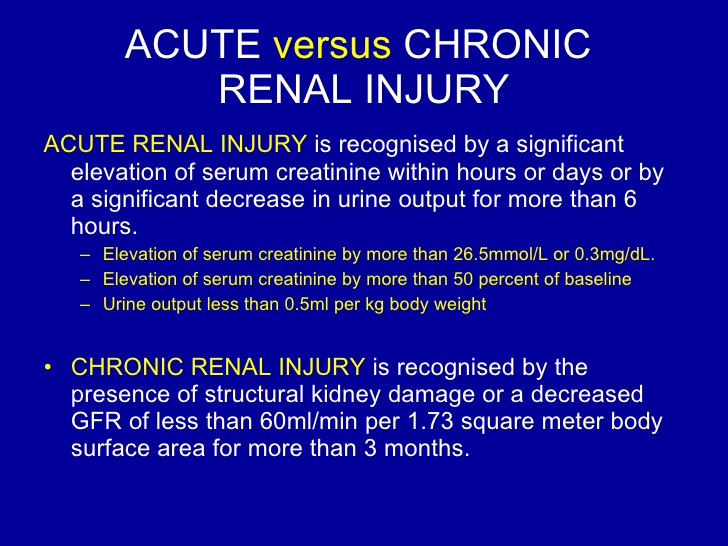
Kidney failure occurs when the kidneys lose their ability to function. To treat kidney failure effectively, it is important to know whether kidney disease has developed suddenly (acute) or over the long term (chronic). Many conditions, diseases, and medicines can create situations that lead to acute and chronic kidney disease. Acute kidney injury, also called acute renal failure, is more commonly reversible than chronic kidney failure since the chronic condition has lasted longer in the body affecting systems for several months to years (some decades). Acute Renal Failure is new to the body as opposed to chronic; making it higher odds this can be treated and cured.
When acute kidney injury (ARF) occurs, the kidneys are unable to remove waste products and excess fluids, which then build up in the body and upset the body’s normal chemical balance.*
-dehydration
-blood loss from major surgery or injury
-medicines such as nonsteroidal anti-inflammatory drugs (NSAIDs), antibiotics, or the dyes (contrast agents) used in X-ray tests.
If your signs and symptoms suggest that you have acute kidney failure, your doctor may recommend certain tests and procedures to verify your diagnosis. These may include:
TREATMENT FOR ARF (reversible in most cases)
Treatment for acute kidney failure typically requires a hospital stay. Most people with acute kidney failure are already hospitalized. How long you’ll stay in the hospital depends on the reason for your acute kidney failure and how quickly your kidneys recover.
In some cases, you may be able to recover at home.
Treatment for acute kidney failure involves identifying the illness or injury that originally damaged your kidneys. Your treatment options depend on what’s causing your kidney failure.
CHRONIC KIDNEY DISEASE (CRF):
In giving a short and easily understandable definition Chronic kidney disease happens when your kidneys no longer filter your blood the way they should, so wastes (toxins, usually end products of an acid) build up in your blood. This has probably been going on for years, and it may keep getting worse over time. Just like a car engine damaged but still using the car without getting the engine repaired sooner or later in time the engine no longer functions the same with any organ of the body getting damaged by some long term condition. If your disease gets worse and worse over time, you could have kidney failure or some multi organ failure, depending on the condition causing this.
Regarding Chronic Kidney Failure the causes can be:
** Diabetes (uncontrolled diabetes (Type 1 or 2) for many years.
** High blood pressure for many years.
-Remove excess water, wastes (like urea, ammonia, etc.) & other substances from your blood.
-Return substances like sodium, potassium or phosphorus to the body whenever any of these substances run llow in your body or do the opposite if they run high to evacuate them through voiding dumping the sodium or phosphorus or potassium in the urinary bladder through the tube from the kidneys to the urinary bladder called ureters.
**If nephrons are damaged by the high sugar content or high blood pressure in the kidneys, they stop working. For a while, healthy nephrons can take on the extra work or overload. But if the damage continues, more and more nephrons shut down. After a certain point, the nephrons that are left cannot filter your blood well enough to keep you’re blood filtered properly to keep you healthy. Just like running from a bear in the street chancing you. We can run only so long but sooner or later we will run out of energy and not be able to run anymore, same concept for the kidney nephrons when they run out of enough energy due to the kidneys not properly working.**
The symptoms can be:
Urinate less than normal.
Have swelling and weight gain from fluid buildup in your tissues. This is called edema.
Feel very tired or sleepy.
Not feel hungry, or you may lose weight without trying.
Often feel sick to your stomach (nauseated) or vomit.
Have trouble sleeping.
Have headaches or trouble thinking clearly.
So what will you do GO TO A DOCTOR OR CALL 911 AND GO TO THE ER:
Your doctor will do blood and urine tests to help find out how well your kidneys are working. These tests can show signs of kidney disease and anemia. (You can get anemia from having damaged kidneys.) You may have other tests to help rule out other problems that could cause your symptoms.
To diagnose chronic renal failure is pretty much the same tests that are listed above on acute renal failure plus:
Chronic kidney disease is also called chronic renal failure or chronic renal insufficiency.There are five stages of kidney disease, from kidney damage with normal GFR to kidney failure. So GFR will help the MD rule out acute versus chronic to give the MD direction on Rx.Your doctor will ask questions about any past kidney problems. He or she will also ask whether you have a family history of kidney disease and what medicines you take, both prescription and over-the-counter drugs.
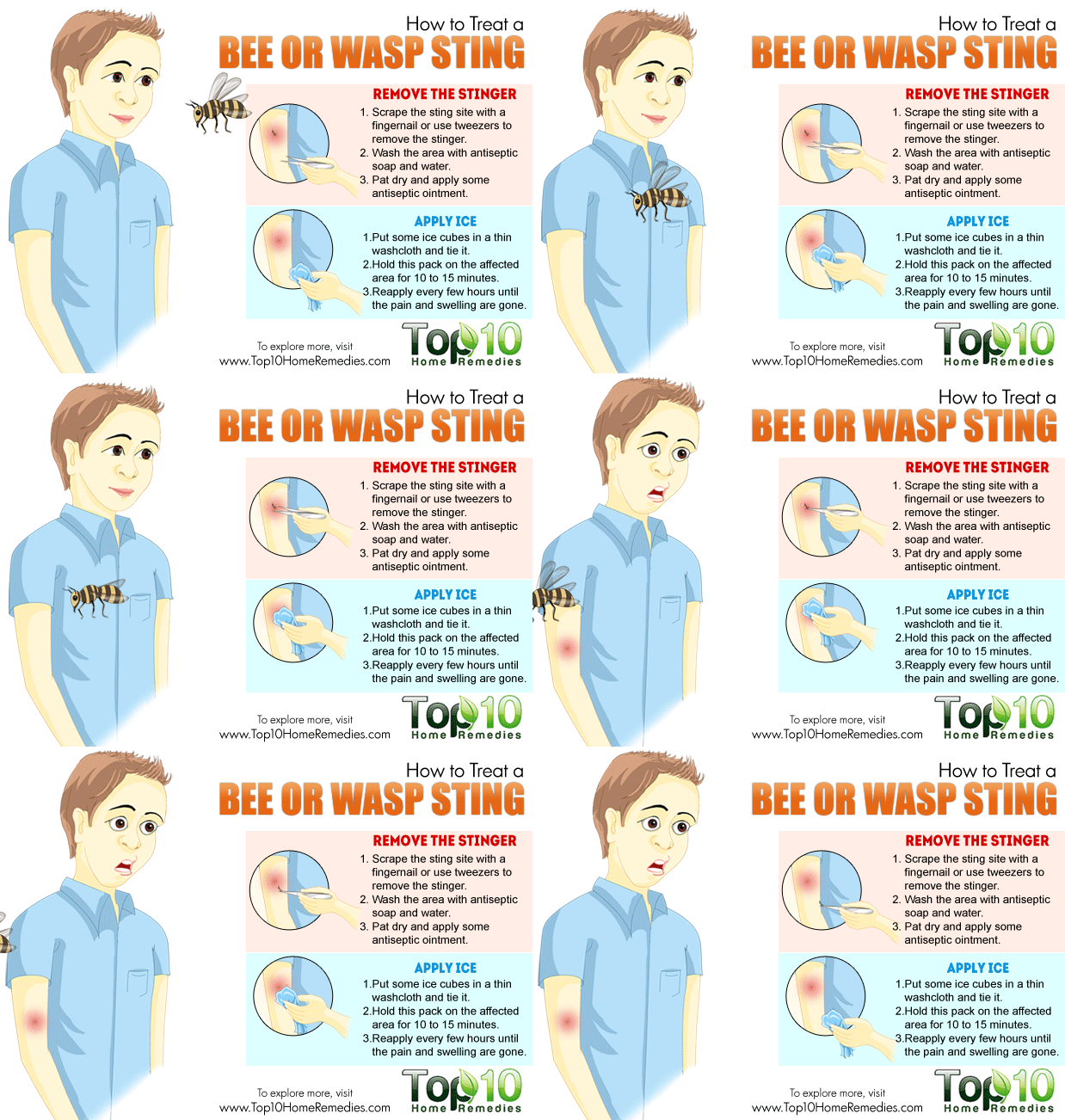
“You can treat mild and moderate reactions to wasp stings at home. Wash the sting area with soap and water to remove as much of the venom as possible. Apply a cold pack to the wound site to reduce swelling and pain. Keep the wound clean and dry to prevent infection.”
Epipen.com (What is Anaphylaxis?)
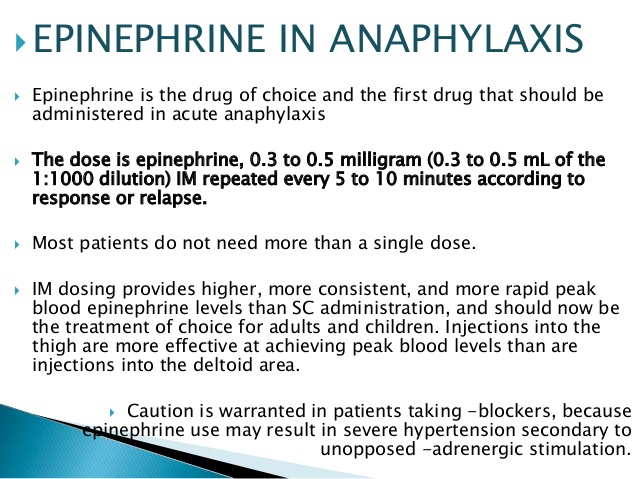



Anaphylactic Reactions are above in the human and dog. For both, Rx to the nearest ER or Vet to get epinephrine unless you already have had this problem and are prepared at home already with epinephrine as prescribed by your M.D. and or Vet. Still let the M.D. and Vet know this occurred in case they want to do a follow up appointment.
If you do get stung do the following:
One get into a safe area and away from a hive or outside where more stinging insects can come and attack you.
Two look at the area and if you see the stinger DO NOT SQUEEZE IT OUT since you will squeeze out more venom from the stinger but what you can do is get a tweezer and pull it our or if not available you can attempt to scratch it out with a nail (like if you are out camping and have no tweezers for example).
Three than wash the area out with soap and apply ice if the area is in pain to give the numbing affect to the area and decrease the pain with decreasing the venom from spreading.
If the area is itching apply oatmeal or a antihistamine cream to the area to decrease the itching or maybe even a cool bath.
Most stings will cause a small red bump to the area that got stung. For most part they can be treated at home depending on the area that was stung (Foot vs EYE for example). It would also include the reaction the individual has (LOCAL vs SYSTEMIC or even ANAPHYLACTIC=An allergic reaction that needs to be treated immediately or fatal, usually with epinephrine injection.).
Stung in the eye it will get swollen and shut and immediate evaluation from a MD is needed to make sure there is no other injury to the eye or that they didn’t even actually get stung in the eye itself.
If you show hives with DIFFICULTY BREATHING or DIFFICULTY SWALLOWING you NEED TO CALL 911 IMMEDIATELY since this is indicating a ANAPHYLACTIC REACTION most likely that needs treatment ASAP!! Since this can lead to shock or unconsciousness.
If you have reason to think you may be seriously allergic to bee venom, you should carry an Epipen (further discussed below).
How to determine if your even allergic to stings:
The diagnosis is made by a specialist, an allergist, by interviewing the patient and doing special allergy tests. If someone has had what is described as a systemic reaction, they should have venom skin tests done by an allergist to identify which venoms they are allergic to. The allergist can then recommend, based on the kind of reaction that the patient had, what kind of prevention would be the best idea for that person. For some people, it might be enough to be careful and carry an EpiPen, but for most people with insect skin allergy the best recommendation is to be immunized with venom treatment, because the allergy shots are highly effective to prevent dangerous reactions. This would all be done after any serious reactions were first taken care of in the ER if you had to call 911.
If you have reason to think you may be seriously allergic to bee venom, you should carry an Epipen (further discussed below). What it this exactly? An EpiPen is one kind of injector to deliver epinephrine, also known as adrenaline. It is a spring-loaded injector that makes it easy for somebody to give themselves an emergency injection that can be life-saving when there’s a severe allergic reaction. An EpiPen is useful for someone to carry if they have had a severe allergic reaction in the past. This is true for insect sting allergy and for some food allergies or other causes of anaphylaxis.
Let me point out that there is no other medicine that can counteract a severe allergic reaction, but sometimes even the EpiPen isn’t enough; so when someone needs to use an EpiPen they should call 911, because they may need intravenous fluids or oxygen or other medicines. BE SAFE RATHER THAN SORRY!
So let us remember they are here and it is summer; so remember their BACK AGAIN!
References
1-Read more: http://www.ehow.com/how 2-NEWS4JAX.com Published On: May 30 2014 09:38:22 AM EDT
3-http//beestrawbridge.blogspot.com/2013/03/which- bees-sting and which-don’t.html with Phil Chandler of Biobees.
4-Wikipedia-2013 published Bees
5-MedicineNet.com Bee and Wasp Sting 12/11/2013
“Bumble bees, hornets, yellow jackets, and wasps are able to sting multiple times, since their stingers are smooth and can be easily withdrawn from the victim’s skin.”
MedicineNet.com 12/11/2013 Bee and Wasp Sting If you are not allergic (the majority of us are not) but you DO get stung by a bee, look for some plantain – chew it up a bit at the front of your mouth – and then spit the chewed up leaf and saliva on the sting.
“Most stings arise because an insect perceives a threat to their colony. Bees and wasps commonly sting because an intruder has neared the hive or nest.”
MEDICINENET.COM 12/11/2013 Bee and Wasp Stin
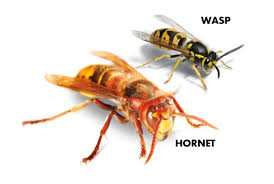
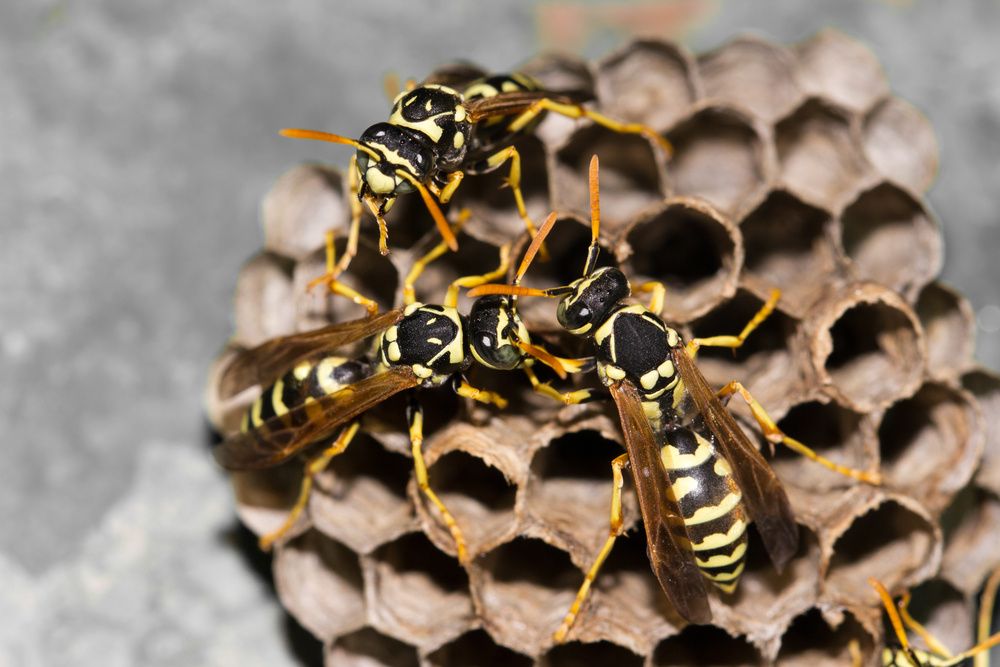
Spring with summer around the corner have certain insects coming out of hibernation which are little insects with STINGERS and know how to deal with them.
Yes it’s that time of the year again better weather and getting warmer with certain individual insects waking up and popping into our site again that go BUZZZZZZZZZZZZZZ Enjoy the weather but know these insect stingers and what to do.
At least 40 deaths occur each year in the U.S. as a result of serious anaphylactic sting reactions.
A bee sting is strictly a sting from a bee (honey bee, bumblebee, sweat bee, etc.). In the vernacular it can mean a sting of a bee, wasp, hornet, or yellow jacket. Some people may even call the bite of a horse-fly a bee sting. The stings of most of these species can be quite painful, and are therefore keenly avoided by many people.
Bee stings differ from insect bites, and the venom or toxin of stinging insects is quite different. Therefore, the body’s reaction to a bee sting may differ significantly from one species to another.
The most aggressive stinging insects are vespid wasps (including bald-faced hornets and other yellow jackets) but not hornets in general (e.g., the European hornet is less harmful). All of these insects aggressively defend their nests.
In people with insect sting allergy, a bee sting may trigger a dangerous anaphylactic reaction that is potentially deadly. Honey bee stings release pheromones that prompt other nearby bees to attack.
There are over 25,000 species of wasps found throughout the world. Some of the most common wasps include:
A-Hornets
Hornets are a type of wasp closely related to and resembling yellow jackets, according to National Geographic. While the majority of the approximately 20 species of hornets are found in tropical parts of Asia, these stinging insects can also be found throughout Europe, Africa and North America. Hornets are social insects that live in community hives dominated by queens.They are considered pests and potentially dangerous by many because they aggressively defend their hives by using their stingers. Reacting quickly after disturbing a hornets’ nest will help you prevent excessive stings and potential allergic reactions.
Hornets are a large species of wasp, growing up to 2 1/2-inches in length. Hornets become aggressive when they feel threatened or must defend their nest. Unlike a bee, hornets can sting multiple times, as their stingers are not barbed. A hornet sting delivers venom beneath the skin that causes a painful reaction for up to three days following. You can treat a hornet sting to relieve some of the pain and swelling, making the healing process tolerable. Hornets are very, very painful. As soon as you are stung by a Hornet a red welt will develop and the throbbing pain will begin. Before trying to treat a Hornet sting be sure you are safely away from the Hornet and nest. A Hornet will sting many times and if you kill a Hornet their Hornet friends back at the nest will come after you too. When a Hornet is killed it releases a scent and other Hornets will come to investigate. If you are allergic to Hornet stings seek emergency medical attention.
B.) Yellow Jack.ets–Stinging Wasps
Overall, stinging wasps have warning colors, either yellow, brown, to even blue or red. Wasps have pointed abdomens attached to the thorax by a thin waist called a petiole. They build papery nests from wood fibers, very common in the northeast. The colonies that live in these nests are led by one egg-laying queen. The female nest-building workers are the only ones with stingers, which are modified egg laying apparatuses. If threatened, they will gather into a stinging swarm to protect the nest. REMEMBER wasps have the ability to sting repeatedly.
Tune into to Part 2 for learning about BEES.