“Schizophrenia is a chronic condition, requiring lifelong treatment.”
MAYO CLINIC
“Schizophrenia is a chronic condition, requiring lifelong treatment.”
MAYO CLINIC
“The number of whole blood and red blood cell units collected in the U.S. in a year: 13.6 million. The number of blood donors in the U.S. in a year: 6.8 million.”
American Heart Association
“More than 285 million people are visually impaired worldwide — and of these cases, about 80 percent of them could have been avoided or cured.”
World Health Organization (WHO)

Eyes in how our health is vital in keeping them work effectively!
Like all organs if your diet is not healthy you’ll effect their functioning, including your eyes. Take for example the ingredients you include in the foods & fluids you eat. Just like how some drink from one up to three thousand cc’s of water a day to help prevent dehydration in their tissues if they work out daily from a gym to running miles outside OR take someone who simply includes calcium in their diet for their bones. Well what is good for the eyes and what can you do to help both your eyes?
Get an annual comprehensive dilated eye exam, know your families eye history since many eye diseases are through heredity, eat an eye healthy & well-balanced diet rich in salmon, tuna, dark leafy greens, colored vegetables and fruits, wear sunglasses with UV protection and avoid smoking (which effects the body everywhere, including the eyes).
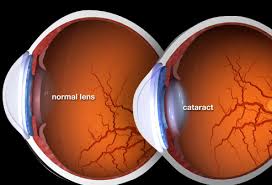
Cataracts
A cataract is a clouding of the lens in the eye that affects vision. Most cataracts are related to aging. Cataracts are very common in older people. By age 80, more than half of all Americans either have a cataract or have had cataract surgery.
A cataract can occur in either or both eyes. It cannot spread from one eye to the other.
Yes. Although most cataracts are related to aging, there are other types of cataract:
-Secondary cataract. Cataracts can form after surgery for other eye problems, such as glaucoma. Cataracts also can develop in people who have other health problems, such as diabetes. Cataracts are sometimes linked to steroid use.
-Traumatic cataract. Cataracts can develop after an eye injury, sometimes years later.
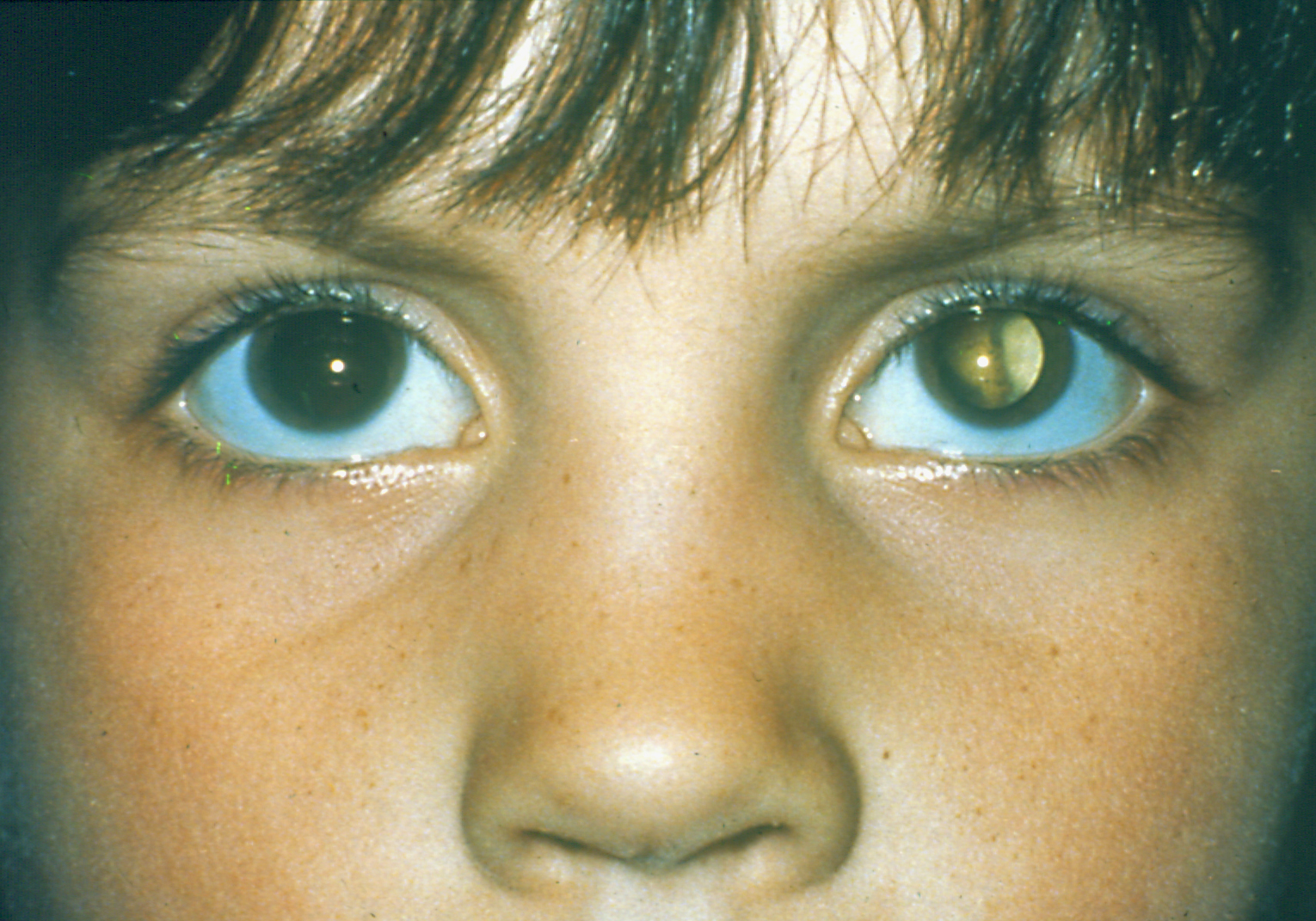
-Congenital cataract. Some babies are born with cataracts or develop them in childhood, often in both eyes. These cataracts may be so small that they do not affect vision. If they do, the lenses may need to be removed.
-Radiation cataract. Cataracts can develop after exposure to some types of radiation
The most common symptoms of a cataract are:
TREATMENT
Know the risks of cataract eye surgery:
As with any surgery, cataract surgery poses risks, such as infection and bleeding. Before cataract surgery, your doctor may ask you to temporarily stop taking certain medications that increase the risk of bleeding during surgery. After surgery, you must keep your eye clean, wash your hands before touching your eye, and use the prescribed medications to help minimize the risk of infection. Serious infection can result in loss of vision.
Cataract surgery slightly increases your risk of retinal detachment. Other eye disorders, such as high myopia (nearsightedness), can further increase your risk of retinal detachment after cataract surgery. One sign of a retinal detachment is a sudden increase in flashes or floaters. Floaters are little “cobwebs” or specks that seem to float about in your field of vision. If you notice a sudden increase in floaters or flashes, see an eye care professional immediately. A retinal detachment is a medical emergency. If necessary, go to an emergency service or hospital. Your eye must be examined by an eye surgeon as soon as possible. A retinal detachment causes no pain. Early treatment for retinal detachment often can prevent permanent loss of vision. The sooner you get treatment, the more likely you will regain good vision. Even if you are treated promptly, some vision may be lost.
Talk to your eye care professional about these risks. Make sure cataract surgery is right for you.
“Heart failure occurs when the heart muscle is weakened and cannot pump enough blood to meet the body’s needs for blood and oxygen”
American Heart Association

“While sexually transmitted diseases (STDs) affect individuals of all ages, STDs take a particularly heavy toll on young people. CDC estimates that youth ages 15-24 make up just over one quarter of the sexually active population, but account for half of the 20 million new sexually transmitted infections that occur in the United States each year.”
CDC Centers for disease control and prevention
“Hunger and malnutrition have devastating consequences for children and have been linked to low birth weight and birth defects, obesity, mental and physical health problems, and poorer educational outcomes.”
Marian Wright Edelman (born June 6, 1939) is an American activist for the rights of children
“People who promote an anti-grain or anti-gluten agenda sometimes cite our work in celiac disease, drawing far-ranging conclusions that extend well beyond evidence-based medicine.” One popular claim, is that wheat-based foods trigger inflammation throughout the body, which could contribute to “brain fog” like Alzheimer’s. But while diets heavy in carbohydrates and sugars may, over time, lead to neural damage, whole wheat is still better than other energy sources, such as potatoes, since it releases its sugars more slowly.”