Part II Sarcoidosis – Risk Factor, Complication and Treatment!

Lung lesions – 95% Thoracic lymph nodes – 50% Skin lesions – 30%  Eyes – 30%


Inflammatory Disease- Sarcoidosis or Sarcoid is a inflammatory disease that consists of granuloma.

Wide Spread Disease- Disease is wide spread in multiple organs.

Relapse-

  • The Sarcoidosis disease tends to come and go all of a sudden.
  • Disease may progressively develop as a serious illness.
  • Patient may experience several relapse throughout the life.

Granulomas-

  • Sarcoidosis or Sarcoid is a gradual progressive disease.
  • Microscopic lumps called granulomas start to appear in the affected organs.1
  • In most of the cases, these granulomas tend to clear with or without treatments.
  • There are few instances where granuloma grows in size and continues to be a part of the organ.
  • Granuloma eventually ends up as fibrotic lump but may cause several complications.

Causes

Doctors don’t know the exact cause of sarcoidosis. Some people appear to have a genetic predisposition to develop the disease, which may be triggered by bacteria, viruses, dust or chemicals.

This triggers an overreaction of your immune system and immune cells begin to collect in a pattern of inflammation called granulomas. As granulomas build up in an organ, the function of that organ can be affected.

Risk factors

While anyone can develop sarcoidosis, factors that may increase your risk include:

  • Age and sex. Sarcoidosis often occurs between the ages of 20 and 40. Women are slightly more likely to develop the disease.
  • Race. African-Americans have a higher incidence of sarcoidosis than do white Americans. Also, sarcoidosis may be more severe and may be more likely to recur and cause lung problems in African-Americans.
  • Family history. If someone in your family has had sarcoidosis, you’re more likely to develop the disease.

Complications

For most people, sarcoidosis resolves on its own with no lasting consequences. But sometimes it causes long-term problems.

  • Lungs. Untreated pulmonary sarcoidosis can lead to permanent scarring in your lungs, making it difficult to breathe.
  • Eyes. Inflammation can affect almost any part of your eye and can eventually cause blindness. Rarely, sarcoidosis also can cause cataracts and glaucoma.
  • Kidneys. Sarcoidosis can affect how your body handles calcium, which can lead to kidney failure.
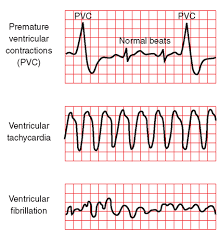
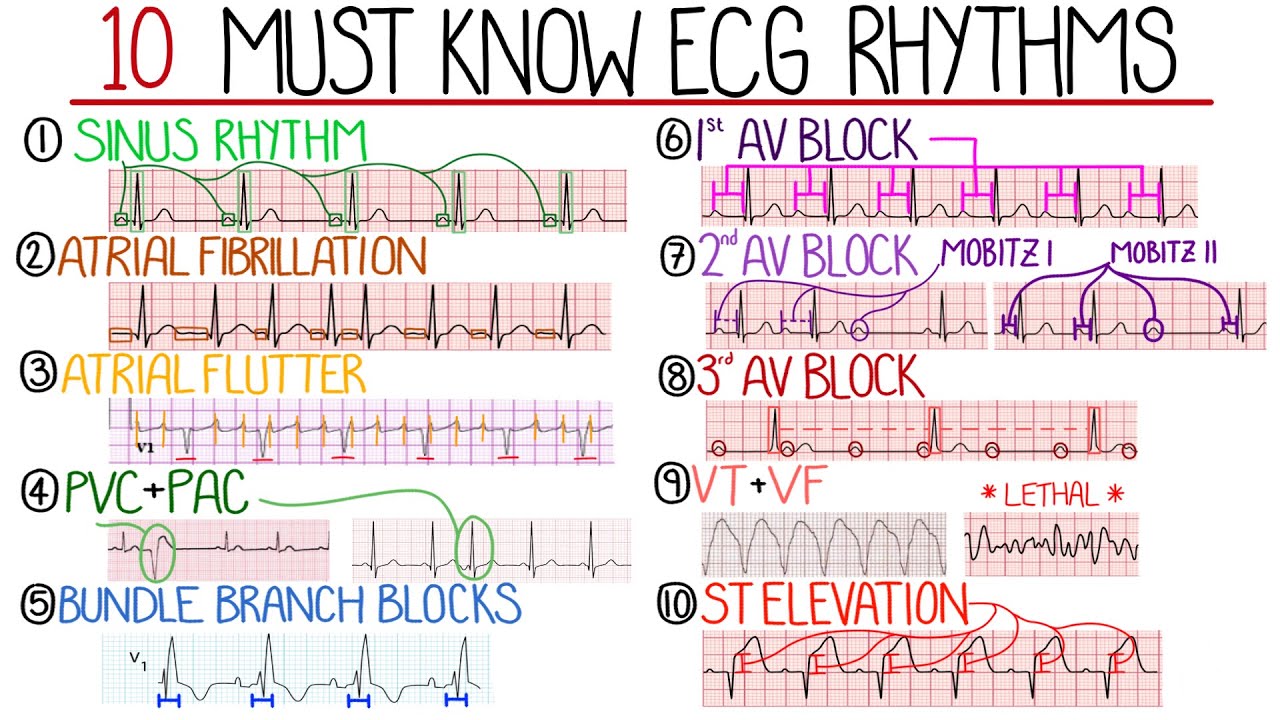
  • Heart. Granulomas in your heart can cause abnormal heart rhythms and other heart problems. In rare instances, this may lead to death.
  • Nervous system. A small number of people with sarcoidosis develop problems related to the central nervous system when granulomas form in the brain and spinal cord. Inflammation in the facial nerves, for example, can cause facial paralysis.

QUOTE FOR WEDNESDAY:

“Sarcoidosis is a condition that causes tiny collections of immune system cells in any part of the body. These tiny collections form red, swollen lumps called granulomas. Granulomas most commonly occur in the lungs and the lymph nodes of the chest. They also can occur in the eyes, skin, heart and other organs.

Experts don’t know the exact cause of sarcoidosis, but it’s likely a mix of genetic and environmental factors. Some people appear to have gene changes that make them more likely to develop sarcoidosis. The condition may then be triggered by bacteria, viruses, dust or chemicals.”

MAYO CLINIC (Sarcoidosis – Symptoms and causes – Mayo Clinic)

Part I Sarcoidosis – what it is, the areas of the body it can affect & symptoms!


Sarcoidosis (pronounced SAR-COY-DOE-SIS) is an inflammatory disease characterized by the formation of granulomas, tiny clumps of inflammatory cells, in one or more organs of the body. When the immune system goes into overdrive and too many of these clumps form, they can interfere with an organ’s structure and function. When left unchecked, chronic inflammation can lead to fibrosis, which is permanent thickening or scarring of organ tissue.

This disorder can affect almost any organ in the body, including the heart, skin, liver, kidneys, brain, sinuses, eyes, muscles, bones, and other areas. Sarcoidosis most commonly targets the lungs and the lymph nodes, which are an important part of the immune system. When it affects the lungs, it is called pulmonary sarcoidosis. Ninety percent or more of people diagnosed with the disease have lung involvement.

Doctors believe sarcoidosis results from the body’s immune system responding to an unknown substance, most likely something inhaled from the air.

There is no cure for sarcoidosis, but most people do very well with little or only modest treatment. In half of cases, sarcoidosis goes away on its own. In a few cases, however, sarcoidosis may last for years and may cause organ damage.

Symptoms in general to people affected by this disease sarcoidosis:

For many people, sarcoidosis begins with these symptoms in general:

  • Fatigue
  • Fever
  • Swollen lymph nodes

Symptoms caused by sarcoidosis at affected organ sites:

Lung symptoms

Many patients with sarcoidosis experience lung problems, which may include:

  • Persistent dry cough
  • Shortness of breath
  • Wheezing
  • Chest pain

Skin symptoms

Some people who have sarcoidosis develop skin problems, which may include:

  • A rash of red or reddish-purple bumps, usually located on the shins or ankles, which may be warm and tender to the touch
  • Disfiguring sores (lesions) on the nose, cheeks and ears
  • Areas of skin that are darker or lighter in color
  • Growths under the skin (nodules), particularly around scars or tattoos

Eye symptoms

Sarcoidosis can affect the eyes without causing any symptoms, so it’s important to have your eyes checked. When eye symptoms do occur, they may include:

  • Blurred vision
  • Eye pain
  • Severe redness
  • Sensitivity to light

Heart symptoms

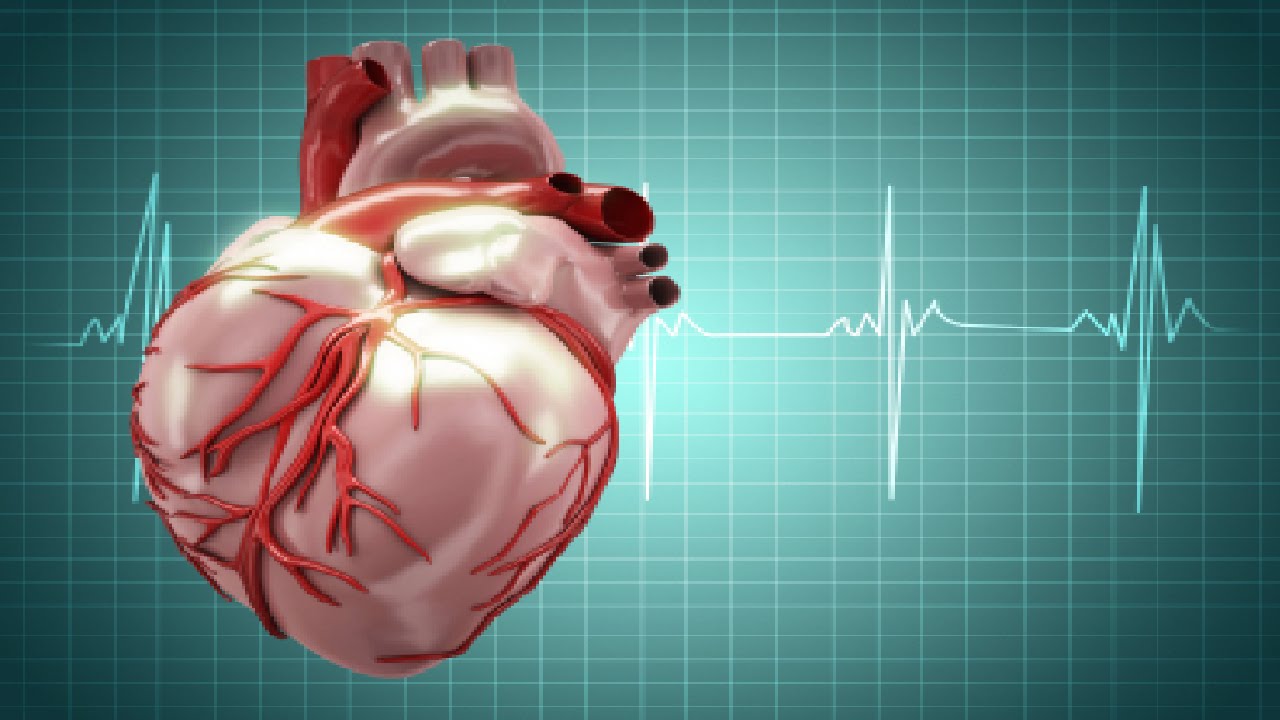
Cardiac sarcoidosis: A heart under attack

Signs and symptoms related to cardiac sarcoidosis may include:

  • Chest pain
  • Shortness of breath (dyspnea)
  • Fainting (syncope)
  • Fatigue
  • Irregular heartbeats (arrhythmias)
  • Rapid or fluttering heart beat (palpitations)
  • Swelling caused by excess fluid (edema)


Stay tune and learn more about this illness in Part II tomorrow with Part III  on Sarcoidosis Wednesday!

QUOTE FOR TUESDAY:

“More than half of all Americans age 80 or older either have cataracts or have had surgery to remove cataracts, according to the National Eye Institute (NEI).

The Centers for Disease Control and Prevention (CDC) states that cataract is the leading cause of vision loss in the United States, and the leading cause of blindness worldwide. Prevent Blindness has declared June as Cataract Awareness Month to educate the public on risk factors, symptoms, types of cataract, and cataract surgery.

A cataract is a clouding of the eye’s lens which blocks or changes the passage of light into the eye. The lens of the eye is located behind the pupil and the colored iris and is normally transparent. The lens helps to focus images onto the retina – which transmits the images to the brain.”

Prevent Blindness (https://preventblindness.org/cataract-awareness-june-2022/)

Part II Cataract Awareness Month – meds that can cause them, s/s, how to prevent them, and treatments.

Medications that can cause Cataracts:

Certain medications are well-known causes of cataracts, and some drugs can also accelerate their development. Steroid medications – whether pills, injections, or eye drops – are most frequently associated with cataract formation. If you are taking steroid medications to manage a long-term condition, it is important to note any visual changes and to have your ocular health managed by a qualified ophthalmologist. The medications that can cause cataracts include:  Corticosteroids, Eye drops containing steroids, Glaucoma medications, Certain antipsychotics and antidepressants, Certain medications for autoimmune conditions, and Medication to control heart arrhythmia

Signs and Symptoms of Cataracts:

You may not have any symptoms at first, when cataracts are mild. But as cataracts grow, they can cause changes in your vision. For example, you may notice that:

  • Your vision is cloudy or blurry
  • Colors look faded
  • You can’t see well at night
  • Lamps, sunlight, or headlights seem too bright
  • You see a halo around lights
  • You see double (this sometimes goes away as the cataract gets bigger)
  • You have to change the prescription for your glasses often

These symptoms can be a sign of other eye problems, too. Be sure to talk to your eye doctor if you have any of these problems.

HOW YOU CAN PREVENT CATARACTS:

Maintaining healthy eating habits can help to prevent cataracts in two ways. First, a good diet will control your weight, thus eliminating one of the significant risk factors. Second, increasing your antioxidant intake can also inhibit the oxidation process. In a 2013 Swedish, researchers observed 30,000 women over age 49, and found that those who consumed the highest amounts of antioxidants had a 13 percent lower chance of developing cataracts than those who consumed the least amounts.

To reduce your risk for cataracts, be sure to eat plenty of foods high in antioxidants.

TREATMENTS FOR CATARACTS:

Surgery is the only way to get rid of a cataract, but you may not need to get surgery right away. 

Home treatment. Early on, you may be able to make small changes to manage your cataracts. You can do things like:

  • Use brighter lights at home or work
  • Wear anti-glare sunglasses
  • Use magnifying lenses for reading and other activities

New glasses or contacts. A new prescription for eyeglasses or contact lenses can help you see better with cataracts early on.

Surgery. Your doctor might suggest surgery if your cataracts start getting in the way of everyday activities like reading, driving, or watching TV. During cataract surgery, the doctor removes the clouded lens and replaces it with a new, artificial lens (also called an intraocular lens, or IOL). This surgery is very safe, and 9 out of 10 people who get it can see better afterwards.

Talk about your options with your doctor. Most people don’t need to rush into surgery. Waiting to have surgery usually won’t harm your eyes or make surgery more difficult later. Remember these tips:

  • Tell your doctor if cataracts are getting in the way of your everyday activities
  • See your doctor for regular check-ups
  • Ask your doctor about the benefits and risks of cataract surgery
  • Encourage family members to get checked for cataracts, since they can run in families

Latest research on cataracts:

Scientists are studying what causes cataracts and how we can find them earlier and treat them better.


QUOTE FOR MONDAY:

“Cataract or Cataracts generally do not cause pain, redness or tears. However, there is changes in your vision, that can vary from blurred vision, double vision, ghost images, the sense of a film over the eyes or Lights seem too dim for reading or close-up work, or you are dazzled by strong light or changing eyeglass prescriptions often. The change may not seem to help your vision. You may sometimes notice the cataract in your eye. It may look like a milky or yellowish spot in the pupil (the center of your eye is normally black).

Prevent Blindness America wants to educate the public on cataracts who has declared June as Cataract Awareness Month. The national non-profit group provides free information through its dedicated web page at preventblindness.org/cataract, or via phone at (800) 331-2020.”

Prevent Blindness (https://preventblindness.org/cataract-awareness-month/)

Part I Cataract Awareness Month – Learn the 3 types and risk factors!


A cataract is a cloudy area in the lens of your eye. Cataracts are very common as you get older. In fact, more than half of all Americans age 80 or older either have cataracts or have had surgery to get rid of cataracts.

At first, you may not notice that you have a cataract. But over time, cataracts can make your vision blurry, hazy, or less colorful. You may have trouble reading or doing other everyday activities.

There are 3 types of Cataracts:

1-Nuclear cataracts, which form in the lens’ nucleus, are the most common type of cataracts. Because opacity develops in the center of the lens, known as the central nucleus, nuclear cataracts interfere with a person’s ability to see objects in the distance. Usually the result of advancing age, nuclear cataracts can take years to develop and often give the nucleus a yellow tint.

2=Cortical cataracts begin at the outer rim of the lens and gradually work toward the central core. Thus, this type of cataract resembles spokes of a wheel. Patients with cortical cataracts often notice problems with glare, or a “halo” effect around lights. They may also experience a disruption of both near and distance vision.

3-Subcapsular cataracts progress the most rapidly. While nuclear cataracts take years to develop, subcapsular cataracts reach an advanced stage within a matter of months. Posterior subcapsular cataracts affect the back of the lens, causing glare and blurriness. This type of cataract is usually seen in patients who suffer from diabetes, extreme nearsightedness or retinitus pigmentosa, as well as among those who take steroid medication.

Obesity is most commonly linked to the development of posterior subcapsular cataracts. According to researchers at Harvard University, individuals with a BMI of 33 had at least a 30 percent greater likelihood of developing cataracts, compared to subjects with a BMI of 23 or below.

**Congenital cataracts exist and refer to cataracts that are present from birth, as well as to those that develop in early childhood. These cataracts can be nuclear, cortical, or subcapsular. Congenital cataracts may be linked to an infection contracted by the mother during pregnancy or to a genetic condition such as Fabry disease, Alport syndrome, or galactosemia. Because clear vision is essential to the development of the child’s eyes and brain, it is important to diagnose congenital cataracts as early as possible.

Most cataracts form as a result of advancing age. Other possible causes of cataracts include environmental factors and certain medications, such as antidepressants. If your medical history or lifestyle increases your risk of developing cataracts, it is important to have your eye health monitored regularly by a qualified ophthalmologist.

Over 50 percent of Americans over the age of 80 have cataracts

RISK FACTORS:

1 Age

Age is the main reason cataracts form. According to the American Academy of Ophthalmology, the eye disease appears in over 22 million Americans over the age of 40. Over 50 percent of Americans over the age of 80 have cataracts. In fact, if we live long enough, nearly all of us will eventually develop this condition. Because the lens of the eye cannot shed old cells naturally, protein that accumulates on the lens gradually builds up over time, progressively obscuring vision by preventing light from reaching the retina.

2 History of Cataracts in the family

3 Ultraviolet Radiation (UVA or UVB)

According to the U.S. Environmental Protection Agency, long-term exposure to ultraviolet radiation, especially UVB rays, can cause changes in pigment that lead to the formation of cataracts. This is especially common in tropical climates, where high concentrations of UV exposure occur year-round. To protect the eyes from sun damage, it is important to wear sunglasses with a high level of UVA/UVB protection.

4 Trauma to the eye

Injury or trauma to the eye increases a patient’s risk of developing cataracts. Individuals who have experienced inflammation in the eye, either post-operatively or as the result of another eye disease, are also more likely to eventually develop cataracts. For instance, iritis is an ocular condition that causes chronic inflammation inside the eye, and is commonly linked to early and rapid cataract formation.

5 Have certain health problems, like diabetes

6 Smoking and Alcohol

Lifestyle habits such as smoking or consuming alcohol are often considered causes of cataracts.

7 Medications

Certain medications are well-known causes of cataracts, and some drugs can also accelerate their development. Steroid medications – whether pills, injections, or eye drops – are most frequently associated with cataract formation. If you are taking steroid medications to manage a long-term condition, it is important to note any visual changes and to have your ocular health managed by a qualified ophthalmologist.

Most cataracts are caused by normal changes in your eyes as you get older.

When you’re young, the lens in your eye is clear. Around age 40, the proteins in t he lens of your eye start to break down and clump together. This clump makes a cloudy area on your lens — or a cataract. Over time, the cataract gets more severe and clouds more of the lens.


QUOTE FOR THE WEEKEND:

“Alzheimer’s disease is the most common cause of dementia. Alzheimer’s disease is the biological process that begins with the appearance of a buildup of proteins in the form of amyloid plaques and neurofibrillary tangles in the brain. This causes brain cells to die over time and the brain to shrink.

About 6.9 million people in the United States age 65 and older live with Alzheimer’s disease. Among them, more than 70% are age 75 and older. Of the more than 55 million people in the world with dementia, 60% to 70% are estimated to have Alzheimer’s disease.

There is no cure for Alzheimer’s disease.”

MAYO CLINIC (Alzheimer’s disease – Symptoms and causes – Mayo Clinic)

June is Alzheimer’s & Brain Awareness Month! Learn the facts, early and late symptoms!

Alzheimer’s disease is the most common form of dementia. This progressive brain disease develops slowly but has a huge impact on those who are living with it, their families, and caregivers.

The number of people living with Alzheimer’s disease is growing. The ripple effect is straining families, communities, and the healthcare system, yet talking about the disease on a personal level can be difficult.

FACTS on Alzheimer’s Disease:

  • About 6.7 million people in the United States are living with Alzheimer’s disease.
  • It’s the most commonTrusted Source form of dementia.
  • It can start 20 years or more before symptoms appear.
  • Researchers believe that Alzheimer’s is due to an abnormal accumulation of amyloid plaques and neurofibrillary tangles. Although they don’t know why this accumulation occurs, it may involveTrusted Source a combination of factors, including factors that may be:
    • genetic
    • environmental
    • lifestyle-related
  • About 5% to 6% of cases are “early onset,” meaning symptoms start before the age of 65 years.
  • Compared with other older adults, those with dementia have twice as many hospital stays per year.
  • There are great variations, but the average life span after diagnosis is 4 to 8 years.
  • It’s the seventh leading cause of death in the United States and a cause of mortality worldwide.
  • Among people age 65 years or older, the Alzheimer’s mortality rate rose 70% from 2000 to 2020.
  • In the United States, more than 11 million people provide unpaid care for people with Alzheimer’s or other dementias.
  • In 2022, unpaid caregivers provided about 18 billion hours of care valued at $339.5 billion.

The frantic search for car keys, forgetting why you entered a room, or bumping into an acquaintance whose name you can’t remember: We’ve all been there. If things like that happen occasionally, there’s no cause for concern.

Signs and symptoms of Alzheimer’s disease are more persistent and disruptive to daily life. Some examples are:

  • forgetting things you recently learned
  • repeating yourself
  • trouble performing familiar tasks
  • forgetting common words
  • misplacing things in odd places
  • getting lost on a familiar route
  • making poor decisions

Later signs and symptoms can include:

  • difficulty with complex mental tasks
  • rapid shifts in mood and personality changes
  • becoming sedentary and sleeping more
  • inability to care for yourself
  • physical decline


QUOTE FOR FRIDAY:

“APHASIA (Uh-Fay-Zhuh) is a result of a STROKE or BRAIN INJURY, and affects a person’s ability to communicate. It is important to remember that you are still a competent adult, you know what you want to say, you can make your own decisions and you are not deaf. Aphasia usually comes on suddenly from a stroke or brain injury. But in rare cases it may develop gradually. This is called Primary Progressive Aphasia (PPA). If you have aphasia, you may find it hard to: TALK, LISTEN/UNDERSTAND OTHERS WHEN THEY SPEAK, READ, WRITE, USE NUMBERS AND DO CALCULATIONS.”

National Aphasia Association (What is Aphasia? – The National Aphasia Association)