“The number one thing you can do to prevent the flu is get vaccinated,” says Bill Schaffner, M.D., a professor of preventive medicine at Vanderbilt University. Even if another strain infects you, the shot may reduce symptoms.
Today (www.today.com)
“The number one thing you can do to prevent the flu is get vaccinated,” says Bill Schaffner, M.D., a professor of preventive medicine at Vanderbilt University. Even if another strain infects you, the shot may reduce symptoms.
Today (www.today.com)
FLU FACTS:
-Both colds and flu usually last the same seven to 10 days, but flu can go three to four weeks; the flu virus may not still be there, but you have symptoms long after it has left. Allergy can last weeks or months.
-The winter flu epidemic will be coming around us again and in a given locality it reaches its peak in 2 to 3 weeks and lasts 5 to 6 weeks. Then is disappears as quickly as it arrived. The reason for this is not completely clear. The usual pattern is for a rise in the incidence of flu in children, which precedes an increase in the adult population.
-The flu virus can lead to serious complications, including bronchitis, viral or bacterial pneumonia and even death in elderly and chronically ill patients. Twenty thousand or more people die of the flu in the America each year. Know this that the frequency of human contact across the world and the highly infectious nature of the virus make this explanation difficult to accept. Moreover there is no evidence of persistent or latent infection with influenza viruses. In any case, this idea is not really very difficult from the notion that the virus circulates at a low level throughout the year and seizes its opportunity to cause an outbreak when conditions allow.
-Even harder to explain is why the flu disappears from a community when there are still a large number of people susceptible to infection. Than even harder than that is why flu is a winter disease, which is not fully understood or known. However, flu is spread largely by droplet (aerosol) infection from individuals with high viral level in their nasal and throat secretions, sneezing, and coughing on anyone close at hand. The aerosol droplets of the right size (thought to be about 1.5 micrometers in diameter) remain airborne and are breathed into the nose or lungs of the next victim.
-Situations in which people are crowded together are more commonly in cold or wet weather and so perhaps this contributes to spreading the flu at these times. It is interesting that in equatorial countries, flu occurs throughout the year, but is highest in the monsoon or rainy season. Enough about facts but onto logical thinking for when we or someone we know has it and what questions we might be asking ourselves.


“In general, flu is worse than the common cold, and symptoms are more common and intense. Colds are usually milder than flu. People with colds are more likely to have a runny or stuffy nose. Colds generally do not result in serious health problems, such as pneumonia, bacterial infections, or hospitalizations. Flu can have very serious associated complications.”
Centers for Disease Control and Prevention (www.cdc.gov)
People infected with an influenza or cold virus become contagious 24 hours after the virus enters the body (often before symptoms appear). Adults remain infectious (can spread the virus to others) for about 6 days, and children remain infectious for up to 10 days. Factors that may increase the risk of catching a cold are fatigue, emotional stress, smoking, mid-phase of the menstrual cycle, and nasal allergies. Factors that do not increase the risk of catching a cold include cold body temperature (Example being out in the cold or enlarged tonsils). General health status and eating habits do in that they have impact on your immunity and “fight or flight” in fighting off infection as opposed to getting sick due to a healthy body overall.
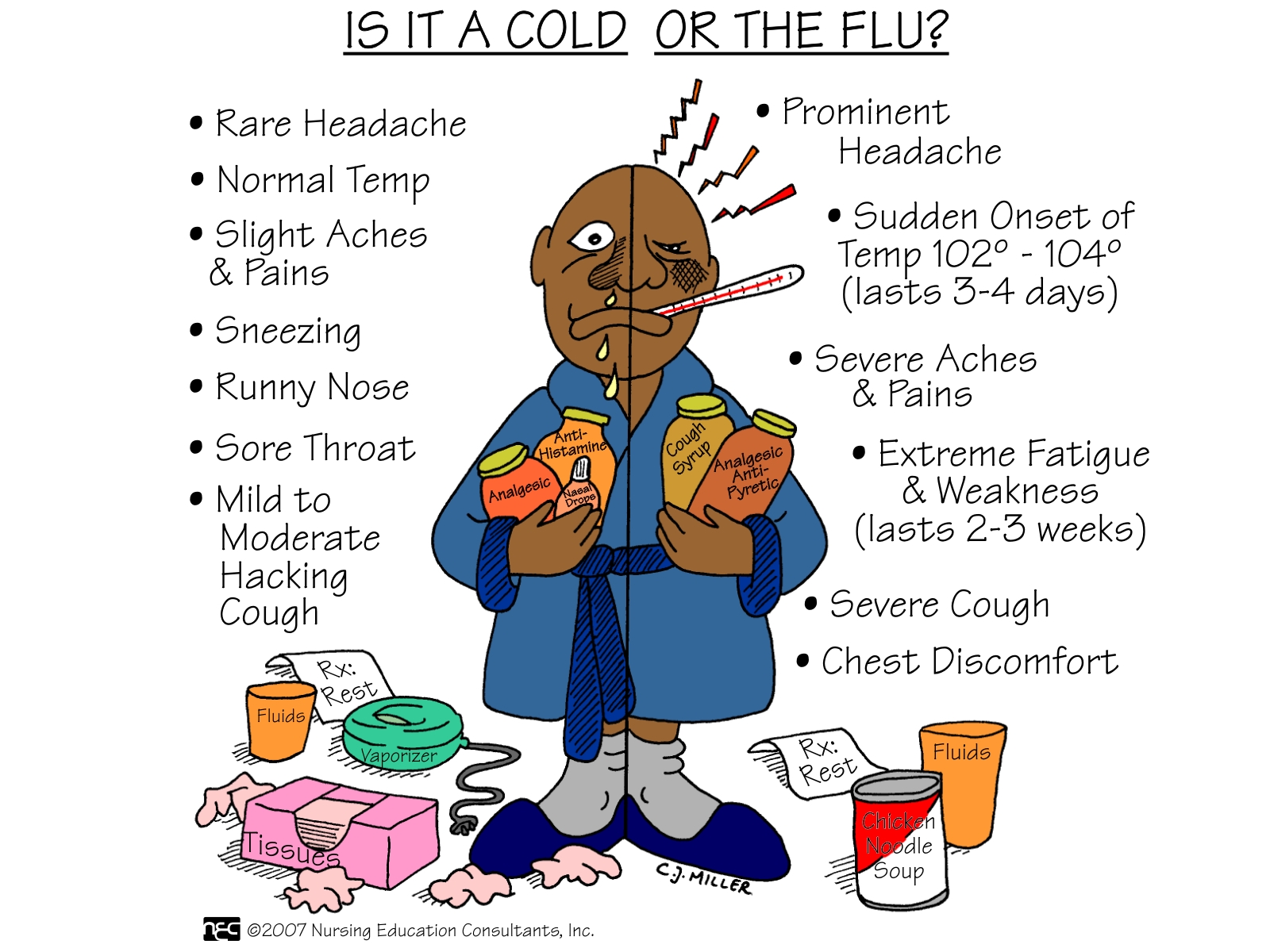
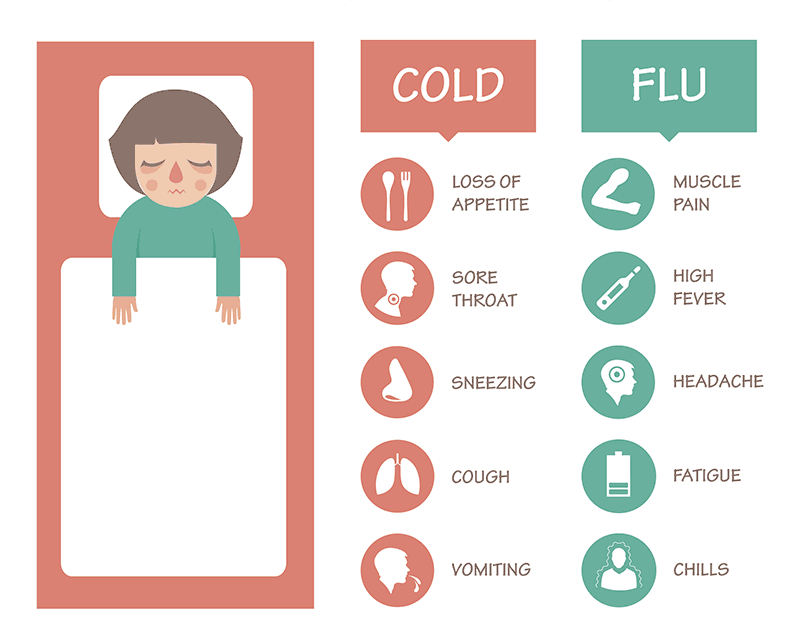
Watch for flu symptoms and in comparison here with the cold symptoms when trying to decipher what you have before going to the doctor. Signs and symptoms (S/S):
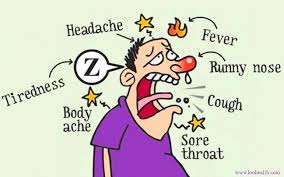
Flu s/s=High Fever lasting 3 to 4 days, prominent headache, general aches and pains which are often and severe, fatigue & weakness that lasts up to 2-3 wks., extreme exhaustion-early & prominent chest discomfort, cough-common & severe at times. *Note weakness and tiredness can last up to a few weeks with the Flu.
Cold S/S-Fever-rare, headache-rare, slight aches, mild fatigue if even present, extreme exhaustion (never occurs), Chest discomfort-mild if present, cough-moderate and hacking cough with sore throat sometimes present.
Common symptom: Stuffy nose is present, a common symptom for children is diarrhea and vomiting.
Regarding cold symptoms also be aware for these specifics, which include:
-Sore throat-usually is going away in about a day or three; nasal symptoms include runny nose and congestion to follow, along with a cough by the fourth or fifth day. Also, fever is uncommon in adults but a slight fever is possible. For children fever they can have with their cold. * -With the symptoms above you can also have the nose that teems with watery nasal secretions for the first few days later these become thicker and darker. Dark mucus is natural and does not mean you have developed a bacterial infection, such as a sinus infection.
**Know several hundred different viruses may cause your cold symptoms. A virus cannot be treated with an antibiotic since antibiotics can only fight off bacterial infections.**
Now let’s review what we know now, which is the common cold and the types of flu (Types A,B, and C), we know their symptoms (the cold versus the flu), we even know The Flu statistics of how many are affected yearly with what complications can arise, based on Part 1 and part of Part 2. The most important part of this article is letting my readers know or be aware of factors in prevention.
Let’s prepare ourselves in knowing factors for prevention of these 2 BUGS THE COLD and THE FLU (particularly) with knowing what to do when you or someone in the home has it.
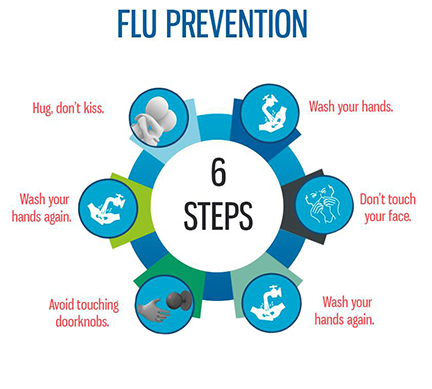
The biggest factor in prevention of the COMMON COLD or THE FLU is living out your life utilizing great healthy habits and that would be washing your hands with soap and water often, especially:
The flu virus enters through the eyes, nose, and mouth, so those with the flu or a simple cold should never touch their faces unless they’ve just washed their hands.
Avoid sharing food, drinks, and utensils. Do not share drinking glasses-and to break off portions of food and to pour off beverages before consuming them.
Keep tissues handy. The flu spreads when infected people cough or sneeze. So adults use them and encourage your kids to cough and sneeze into a tissue or their upper arm if tissues aren’t available. (Coughing into a bare hand can also spread germs if kids touch something before they can wash.)
Ask your doctor about antiviral medications. Although not approved for use in children under 1, these drugs can be used in older children & adults to prevent influenza or even can treat the flu in the first 2 days of onset.
OTHER FACTORS IN PREVENTION:
REFERENCES FOR PART 1,2, AND 3 ON THE COLD AND THE FLU ARE:
1-Wikipedia “the free encyclopedia” 2013 website under the topic Influenza.
2-Kimberly Clark Professional website under the influenza.
3-Web MD under “COLD, FLU, COUGH CENTER” “Flu or cold symptoms?” Reviewed by Laura J. Martin MD November 01, 2011
4-2013 Novartis Consumer Health Inc. Triaminic “Fend off the Flu”
5-Scientific American “Why do we get the flu most often in the winter? Are viruses virulent in cold weather? December 15, 1997
“They can seem similar: both are caused by a virus and can affect the respiratory system, sharing a number of symptoms, including a runny or stuffy nose and sore throat or cough. Both will usually go away on their own. But when you catch one or the other, the distinction can become clear quickly.”
Northernwestern medicine (www.nm.org)
“Anyone can develop epilepsy. Epilepsy affects both males and females of all races, ethnic backgrounds and ages. Seizure symptoms can vary widely. Treatment with medications or sometimes surgery can control seizures for the majority of people with epilepsy.”
MAYO Clinic
Epilepsy Society (www.epilepsysociety.org)
There are 1) – 65 MILLION: Number of people around the world who have epilepsy. 2) – 3.4 MILLION: Number of people in the United States who have epilepsy. 3) – 1 IN 26 people in the United States will develop epilepsy at some point in their lifetime.
The Epilepsy Foundation
“Nothing is impossible the word itself says I’m possible.”
Audrey Hepburn