“Affected Geographic Areas with Widespread or Sustained Community Transmission (Remember Widespread or Sustained and the U.S. is not a widespread yet).
Last updated February 26, 2020
- China
- Iran
- Italy
- Japan
- South Korea”
“Affected Geographic Areas with Widespread or Sustained Community Transmission (Remember Widespread or Sustained and the U.S. is not a widespread yet).
Last updated February 26, 2020
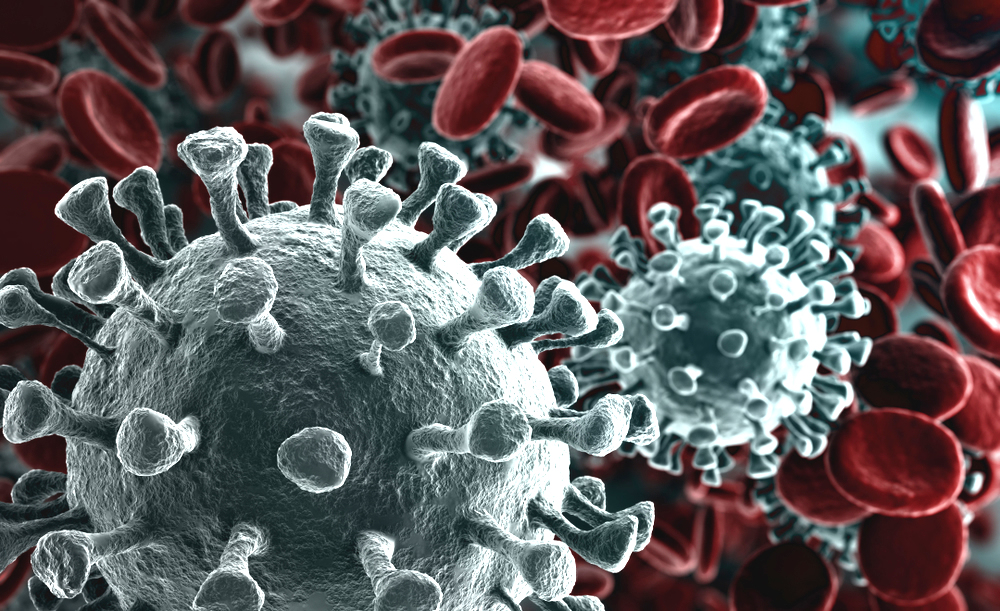

Thanks through CDC (Centers for Disease Control and Prevention) as the reference for the update on 2/27/2020:
Limited information is available to characterize the spectrum of clinical illness associated with coronavirus disease 2019 (COVID-19). No vaccine or specific treatment for COVID-19 is available; care is supportive.
Last updated February 26, 2020
The CDC clinical criteria for a COVID-19 person under investigation (PUI) have been developed based on what is known about MERS-CoV and SARS-CoV and are subject to change as additional information becomes available.
Healthcare providers should obtain a detailed travel history for patients being evaluated with fever and acute respiratory illness. CDC guidance for evaluating and reporting a PUI for MERS-CoV remains unchanged.
Healthcare providers should immediately notify their localexternal icon or stateexternal icon health department in the event of a PUI for COVID-19.
Local health departments, in consultation with clinicians, should determine whether a patient is a PUI for COVID-2019. The CDC clinical criteria for COVID-19 PUIs have been developed based on available information about this novel virus, as well as what is known about Severe Acute Respiratory Syndrome (SARS) and Middle East Respiratory Syndrome (MERS). These criteria are subject to change as additional information becomes available.
| Clinical Features | & | Epidemiologic Risk |
|---|---|---|
| Fever1 or signs/symptoms of lower respiratory illness (e.g. cough or shortness of breath) | AND | Any person, including health care workers2, who has had close contact3 with a laboratory-confirmed4 COVID-19 patient within 14 days of symptom onset |
| Fever1 and signs/symptoms of a lower respiratory illness (e.g., cough or shortness of breath) requiring hospitalization | AND | A history of travel from affected geographic areas5 (see below) within 14 days of symptom onset |
| Fever1 with severe acute lower respiratory illness (e.g., pneumonia, ARDS) requiring hospitalization6 and without alternative explanatory diagnosis (e.g., influenza)7 | AND | No source of exposure has been identified |
The criteria are intended to serve as guidance for evaluation. In consultation with public health departments, patients should be evaluated on a case-by-case basis to determine the need for testing. Testing may be considered for deceased persons who would otherwise meet the PUI criteria.
Updated February 3, 2020
Healthcare providers should immediately notify both infection control personnel at their healthcare facility and their local or state health department in the event of a PUI for COVID-19. State health departments that have identified a PUI should immediately contact CDC’s Emergency Operations Center (EOC) at 770-488-7100 and complete a COVID-19 PUI case investigation form available below.
CDC’s EOC will assist local/state health departments to collect, store, and ship specimens appropriately to CDC, including during afterhours or on weekends/holidays.
Testing for other respiratory pathogens should not delay specimen shipping to CDC. If a PUI tests positive for another respiratory pathogen, after clinical evaluation and consultation with public health authorities, they may no longer be considered a PUI. This may evolve as more information becomes available on possible COVID-19 co-infections.
For biosafety reasons, it is not recommended to perform virus isolation in cell culture or initial characterization of viral agents recovered in cultures of specimens from a PUI for COVID-19.
To increase the likelihood of detecting COVID-19, CDC recommends collecting and testing multiple clinical specimens from different sites, including two specimen types—lower respiratory and upper respiratory. Additional specimen types (e.g., stool, urine) may be collected and stored. Specimens should be collected as soon as possible once a PUI is identified regardless of time of symptom onset.
“Think of your bones as a “bank” where you “deposit” and “withdraw” bone tissue. During your childhood and teenage years, new bone is added (or deposited) to the skeleton faster than old bone is removed (or withdrawn). As a result, your bones become larger, heavier, and denser.
For most people, bone formation continues at a faster pace than removal until sometime after age 20. After age 30, bone withdrawals can begin to go faster than deposits. If your bone deposits don’t keep up with withdrawals, you can get osteoporosis.”
National Institute of Arthritis, Musculoskeletal and Skin Diseases.
“Pneumonia is an infection that inflames the air sacs in one or both lungs. The air sacs may fill with fluid or pus (purulent material), causing cough with phlegm or pus, fever, chills, and difficulty breathing. A variety of organisms, including bacteria, viruses and fungi, can cause pneumonia.”
MAYO CLINIC
“Without HIV medicine, people with AIDS typically survive about 3 years. Once someone has a dangerous opportunistic illness, life expectancy without treatment falls to about 1 year. HIV medicine can still help people at this stage of HIV infection, and it can even be lifesaving. But people who start ART soon after they get HIV experience more benefits—that’s why HIV testing is so important.”
HIV.gov
“In late 2019, a new coronavirus emerged in central China to cause disease in humans. Cases of this disease, known as COVID-19, have since been reported across China and in many other countries around the globe. On January 30, 2020, the World Health Organization (WHO) declared the virus represents a public health emergency of international concern, and on January 31, 2020, the U.S. Department of Health and Human Services declared it to be a health emergency for the United States.”
KFF Global Health Policy
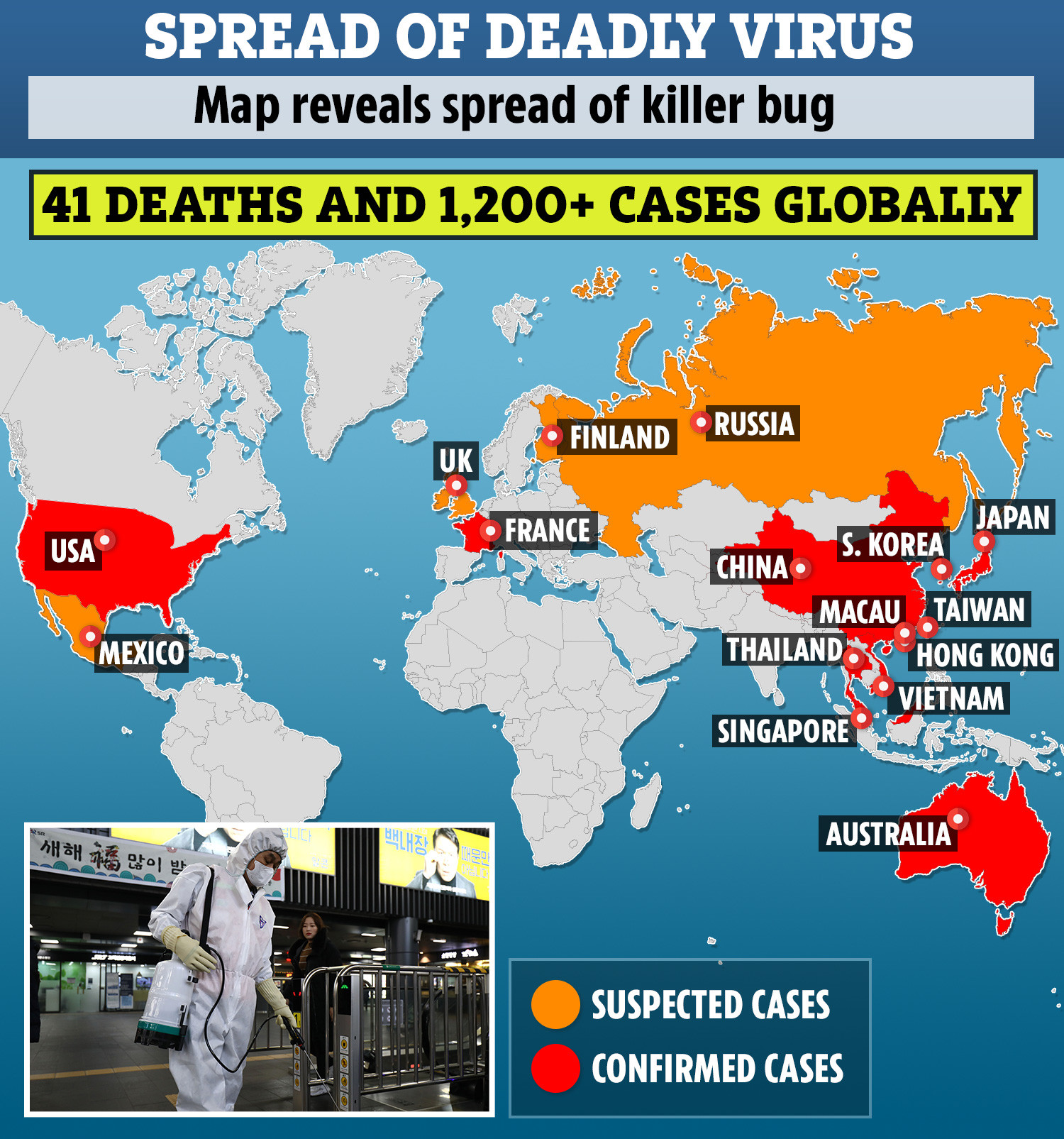
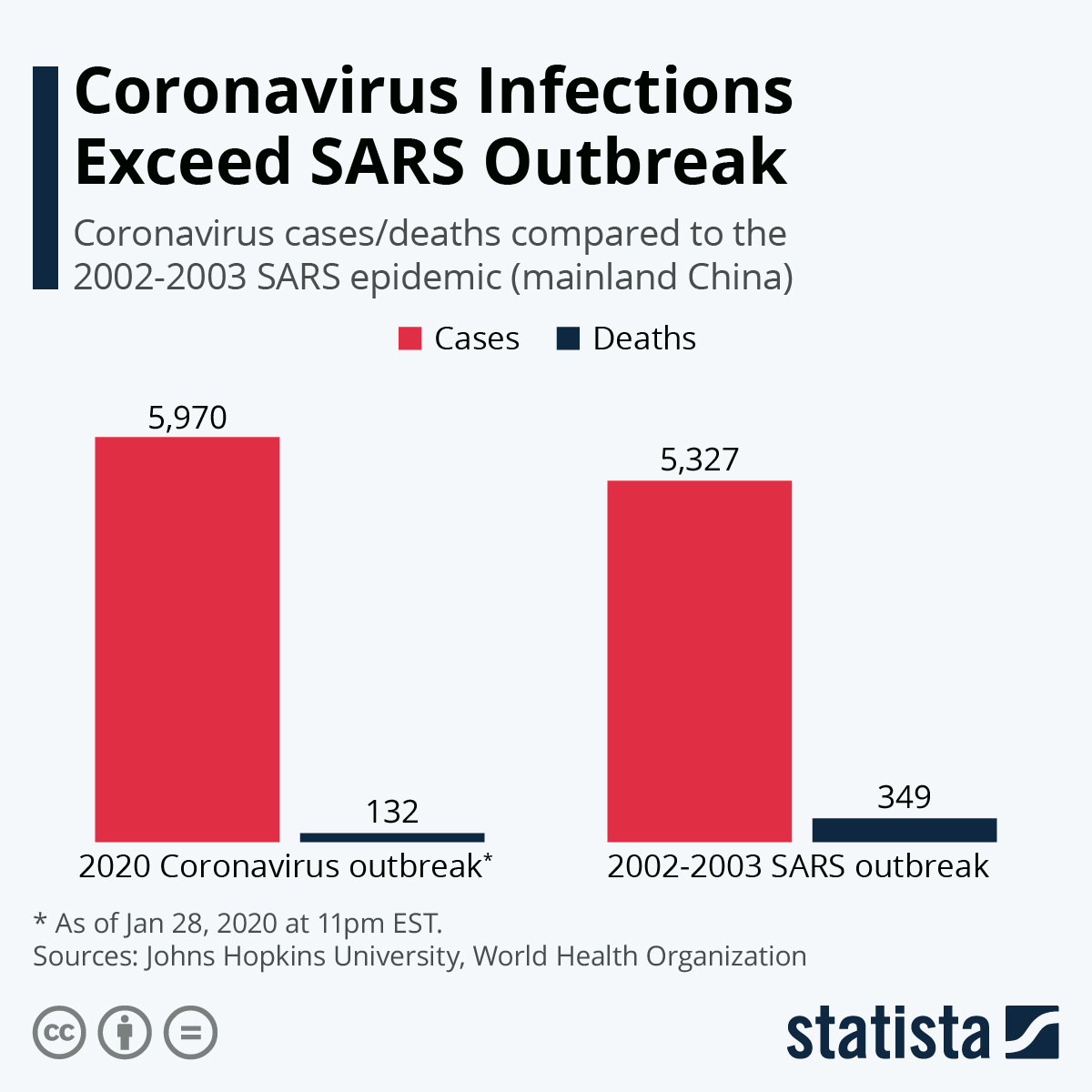
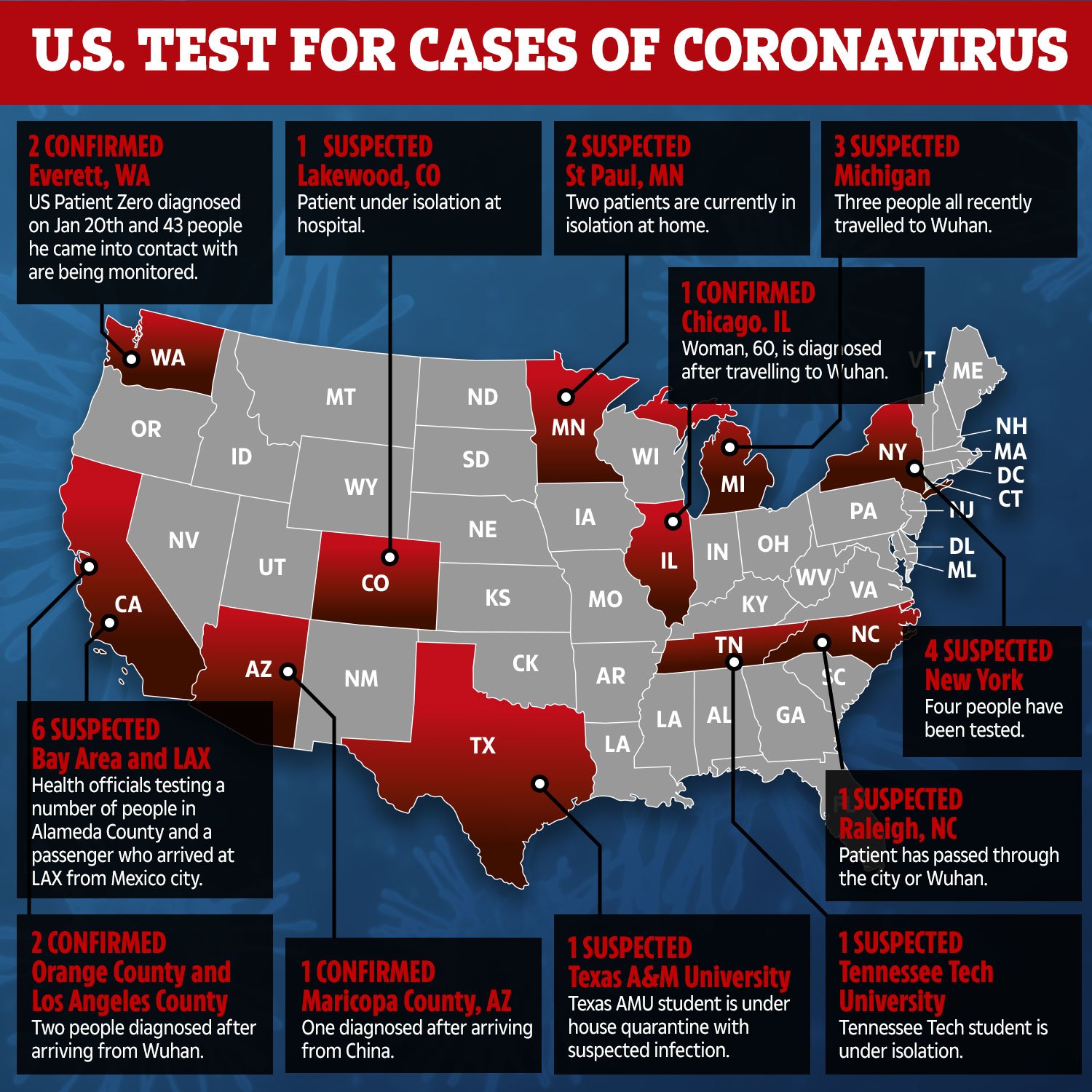
Coronaviruses (CoV) are a large family of viruses that cause illness ranging from the common cold to more severe diseases such as Middle East Respiratory Syndrome (MERS-CoV) and Severe Acute Respiratory Syndrome (SARS-CoV). A novel coronavirus (nCoV) is a new strain that has not been previously identified in humans.
Coronaviruses are zoonotic, meaning they are transmitted between animals and people. Detailed investigations found that SARS-CoV was transmitted from civet cats to humans and MERS-CoV from dromedary camels to humans. Several known coronaviruses are circulating in animals that have not yet infected humans.
Common signs of infection include respiratory symptoms, fever, cough, shortness of breath and breathing difficulties. In more severe cases, infection can cause pneumonia, severe acute respiratory syndrome, kidney failure and even death.
Standard recommendations to prevent infection spread include regular hand washing, covering mouth and nose when coughing and sneezing, thoroughly cooking meat and eggs. Avoid close contact with anyone showing symptoms of respiratory illness such as coughing and sneezing.
The SARS-CoV-2 virus is a betacoronavirus, like MERS-CoV and SARS-CoV. All three of these viruses have their origins in bats; but also SARS-CoV is transmitted from civet cats to humans. Commonly called civet cats, civets are not cats. In fact, they are more closely related to mongooses than they are to cats. The sequences from U.S. patients are similar to the one that China initially posted, suggesting a likely single, recent emergence of this virus from an animal reservoir.
CDC is closely monitoring an outbreak of respiratory illness caused by a novel (new) coronavirus. The outbreak first started in Wuhan, China, but cases have been identified in a growing number of other international locations, including the United States.
Most Important to know is standard recommendations to prevent infection spread include regular hand washing, covering mouth and nose when coughing and sneezing, thoroughly cooking meat and eggs. Avoid close contact with anyone showing symptoms of respiratory illness such as coughing and sneezing.
“Every day, seven out of 10 deaths are caused by chronic diseases. Studies show that preventable chronic conditions cost the U.S. nearly $347 billion in 2010. It is a crisis that consumes 86 percent of our nation’s total health care expenditures. The daily toll is alarming, costly, and most importantly, preventable”
NCBI
“Viruses are tinier than bacteria. … All viruses have is a protein coat and a core of genetic material, either RNA or DNA. Unlike bacteria, viruses can’t survive without a host. They can only reproduce by attaching themselves to cells. Remember antibiotics are only good in treating bacterial infections.”
MAYO CLINIC
“Dogs provide many important psychological and physical benefits for their owners, and are positive sources of social support, as well as motivating people to get out and exercise more. Exercise boosts energy levels, quality of sleep, self-esteem, and general mood, as well as reducing the risk of major illnesses (including depression) and chronic diseases. Dog ownership is also proven to help build immunity to germs and reduce the development of allergies; a recent study showed that the risk of eczema for children at 4 years old is significantly reduced if a dog lives in the house.”
Companions for Heroes