QUOTE FOR FRIDAY:

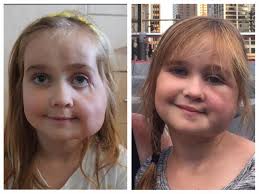
ParryRomberg syndrome (PRS) is a rare disease characterized by progressive shrinkage and degeneration of the tissues beneath the skin, usually on only one side of the face (hemifacial atrophy) but occasionally extending to other parts of the body.

National Organization for Rare Diseases (NORD)

Parry-Romberg Syndrome!

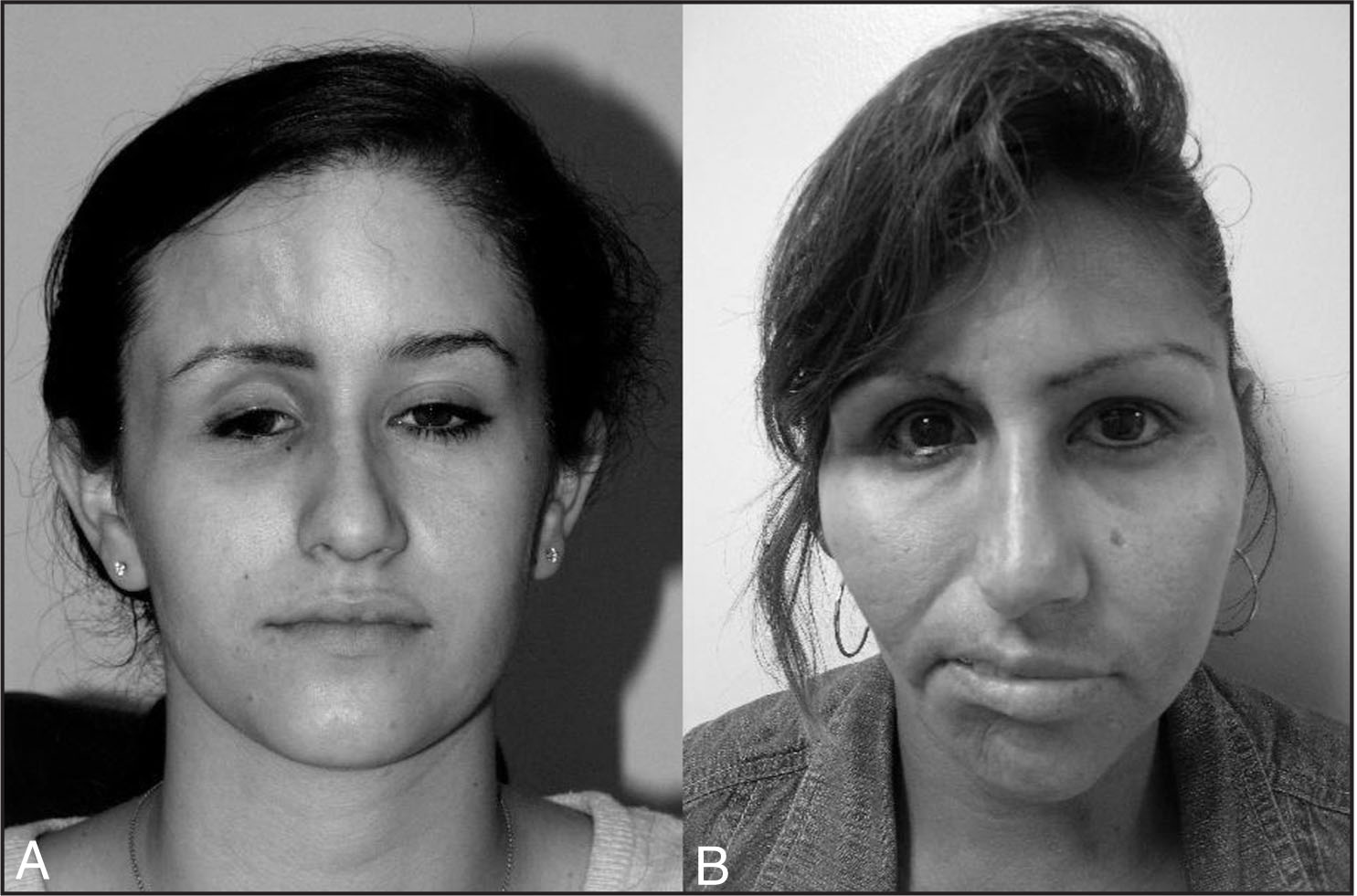
Parry-Romberg syndrome is a rare disorder characterized by slowly progressive deterioration (atrophy) of the skin and soft tissues of half of the face (hemifacial atrophy), usually the left side. It is more common in females than in males. Initial facial changes usually involve the tissues above the upper jaw (maxilla) or between the nose and the upper corner of the lip (nasolabial fold) and subsequently progress to the angle of the mouth, areas around the eye, the brow, the ear, and the neck. The deterioration may also affect the tongue, the soft and fleshy part of the roof of the mouth, and the gums. The eye and cheek of the affected side may become sunken and facial hair may turn white and fall out (alopecia). In addition, the skin overlying affected areas may become darkly pigmented (hyperpigmentation) with, in some cases, areas of hyperpigmentation and patches of unpigmented skin (vitiligo). Parry-Romberg syndrome is also accompanied by neurological abnormalities including seizures and episodes of severe facial pain (trigeminal neuralgia).  Cranial neuropathies involving cranial nerves III, V, VI, and VII, have also been described in patients with PHA. Secondary trigeminal neuralgia has been reported due to impingement of the nerve by destruction of bony structures, as well as vascular inflammation and damage resulting in facial pain that can be chronic and poorly responsive to treatment. Additionally, speech may be affected in PHA patients resulting in dysarthria or aphasia. Cognitive impairment and an increase in behavioral disorders have also been noted. Depending on the degree of atrophy, changes to intracranial tissue and vessels may also result in hemiparesis, dysesthesias, and paresthesias.

The onset of the disease usually begins between the ages of 5 and 15 years. The progression of the atrophy often lasts from 2 to 10 years, and then the process seems to enter a stable phase. Muscles in the face may atrophy and there may be bone loss in the facial bones. Problems with the retina and optic nerve may occur when the disease surrounds the eye.

The prognosis for individuals with Parry-Romberg syndrome varies. In some cases, the atrophy ends before the entire face is affected. In mild cases, the disorder usually causes no disability other than cosmetic effects.

Unfortunately there is no cure and there are no treatments that can stop the progression of Parry-Romberg syndrome. Reconstructive or microvascular surgery may be needed to repair wasted tissue. The timing of surgical intervention is generally agreed to be the best following exhaustion of the disease course and completion of facial growth. Most surgeons will recommend a waiting period of one or two years before proceeding with reconstruction. Muscle or bone grafts may also be helpful. Other treatment is symptomatic and supportive.


QUOTE FOR THURSDAY:

“Many of the body’s nerves are like household wires. There is a central conducting core in the nerves called the axon that carries an electric signal. The axon (an extension of a nerve cell) is surrounded by a covering, like insulation, called myelin. The myelin sheath surrounding the axon speeds up the transmission of nerve signals and allows the transmission of signals over long distances. This is what is effected with GBS.”

NIH – National Institute of Neurological Disorders and Stoke

QUOTE FOR WEDNESDAY:

“Many of the body’s nerves are like household wires. There is a central conducting core in the nerves called the axon that carries an electric signal. The axon (an extension of a nerve cell) is surrounded by a covering, like insulation, called myelin. The myelin sheath surrounding the axon speeds up the transmission of nerve signals and allows the transmission of signals over long distances.This is what is effected with GBS.”

NIH – National Institute of Neurological Disorders and Stoke

QUOTE FOR TUESDAY:

“Acid reflux is common, and not just for older adults, according to Dr. Koufman, who says about 37 percent of the 20 to 30-year-old age group gets it.  “Tight garments on the lower abdominal region and the upper thigh can cause a condition called meralgia paresthetica, irritation of the nerves in the front and outer aspects of the thigh,” says Orly Avitzur, MD, a neurologist and medical adviser to Consumer Reports who practices in Carmel, N.Y.”

everydayhealth.com

QUOTE FOR MONDAY:

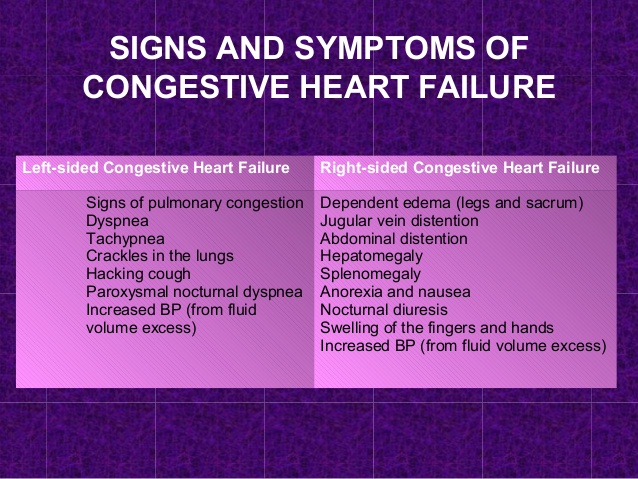
CHF COMPLICATIONS:

  • Kidney damage or failure. Heart failure can reduce the blood flow to your kidneys, which can eventually cause kidney failure if left untreated. …
  • Heart valve problems. …
  • Heart rhythm problems. …
  • Liver damage.

Complications of CHF

Complications of CHF:

Through the Mayo Clinic, as a reference, complications at their website stated,   “If you have heart failure your outlook depends on the cause, the severity, your overall health and other factors such as your age.”  Mayo Clinic states complications could include:

“Kidney damage or failure. Heart failure can reduce the blood flow to your kidneys, which can eventually cause kidney failure if left untreated. Kidney damage from heart failure can require dialysis for treatment.

Heart valve problems. The valves of your heart, which keep blood flowing in the proper direction through your heart, may not function properly if your heart is enlarged, or if the pressure in your heart is very high due to heart failure.

Liver damage. Heart failure can lead to a buildup of fluid that puts too much pressure on the liver. This fluid backup can lead to scarring, which makes it more difficult for your liver to function properly.

Stroke. Because blood flow through the heart is slower in heart failure than in a normal heart, it’s more likely you’ll develop blood clots, which can increase your risk of having a stroke.

Some people’s symptoms and heart function will improve with proper treatment. However, heart failure can be life-threatening. People with heart failure may have severe symptoms, and some may require heart transplantation or support with an artificial heart device.”

Tips on CHF:

See your doctor regularly in evaluating your CHF.

Closely follow your doctor’s instructions, being compliant with the instructions and taking your meds.

Immediately call your doctor of any significant change in your condition, such as an intensified shortness of breath or swollen feet or weight gain of 3lbs or more within one week.

Control your weight in making it easier for your heart, that’s in failure, to function better (less stress).

Watch what you eat and how much. Watch the diet intake of cholesterol and sodium that can cause a negative impact on the heart by causing stress to the organ through either high B/P=high sodium that causes vasoconstriction or high cholesterol frequently=blockage in an artery and both cause diminishing of oxygenated blood getting to the heart. Without oxygen to our tissues or cells this causes tissue & cellular starvation. What is starvation to the heart=chest pain (what we call angina). Take a brittle diabetic, the furthest area from the heart is the feet the first area to experience starvation is the toes, foot or lower extremity which is why this is usually the first to be amputated if necessary (you usually see an upper extremity amputated due to trauma).

Limit or stop alcohol consumption as your doctor informs you.

Of course, stop smoking permanently if actively smoking.

The best defense against heart failure is PREVENTION! Almost all the cardiac risk factors can be controlled of eliminated (smoking, obese, high cholesterol, high B/P, diabetes).

Going to the doctor can be stressful but know he is there for you. It is hard to remember everything you want to ask the doctor with everything you hear at your visit. It helps to prepare a list of questions you may have and bring it with you at your appointment to address to the doctor your concerns. In doing this it helps you with your appointment so you can record the answers by listing them on the paper you have. Before you leave the doctor’s office, be sure you understand your condition and its treatment, including any medications your taking this doctor ordered for you with him or her knowing any other medications you may be on through a different doctor to prevent side effects or adverse reactions but if you forget this about the medications there is always your pharmacist you can ask than your M.D. later. With you knowing this information you will see why it is so vital for you doing all these actions or inter- ventions for your disease that the doctor ordered and you’re more out to follow them as well.

If you are needing any guidance in how to lose weight through using all 4 food groups, with assistance in what to eat now to lose weight till in therapeutic range for your height or needing to understand how the body works with food and metabolism with where activity comes into play just start with going to the internet and see all the diet organizations in helping you loose weight or go to a doctor or go to a work out organization.  Just get your self in a routine of diet, exercise with balance and rest without burning yourself out.  There is a lot of help out there or do your own research in a library or the internet with guidance by your M.D.  in a short time you will figure out what your best routine is with your life’s schedule!  Just take the first few steps with sticking to them and that is just disciplining yourself.


QUOTE FOR THE WEEKEND:

“Thanks to improvements in early detection and treatment, well over a million people in the US count themselves as survivors of colon or rectum cancer (also called colorectal cancer). And, regular screening and healthy lifestyle choices have helped many prevent colorectal cancer from even starting.”.

American Cancer Society

QUOTE FOR FRIDAY:

“Absent a widely available vaccine, the coronavirus is not going to die out. The US — and much of the world — is far from the level of immunity its population would need to stifle the virus’ spread.

That means it will likely circulate for years. According to a recent analysis from infectious-disease researchers at Harvard, “a resurgence in contagion could be possible as late as 2024.”

Harvard

QUOTE FOR THURSDAY:

“Cord blood can help treat nearly 80 different conditions — including certain cancers, blood disorders, and more. Plus cord blood is currently being used in clinical trials like autism and cerbral palsy.”

ViaCord (from PerkinElmer)