Archive | October 2025

QUOTE THURSDAY:

“An estimated 2.5% of adults worldwide have ADHD and 4.4% of adults in the U.S. have ADHD. More than half of those who have ADHD also have other behavioral health and mood disorder diagnoses like depression or anxiety.

“When adult ADHD is not attended to, with either therapy or medicine, it results in the adult leaving a trail of incompletions in their path, and leaving things incomplete can cause some people to get anxious or depressed,“ says Dr. Manos. “Many times, adults with ADHD can be diagnosed with a depressive disorder or anxiety disorder because of that very thing.”

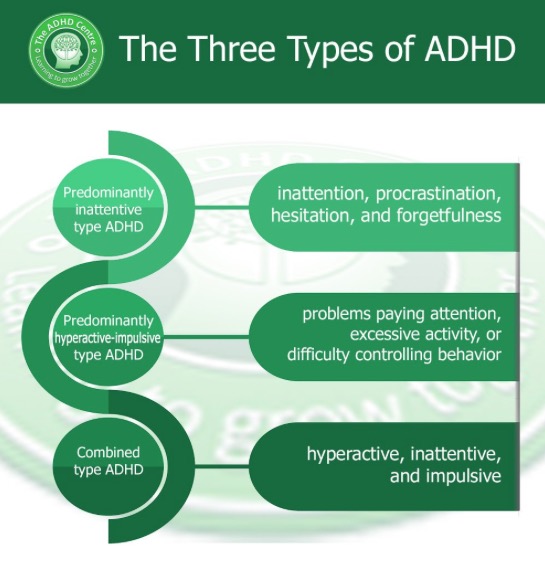
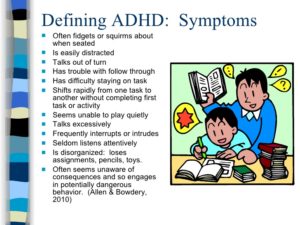
For this reason, it’s important to get the diagnosis for adult ADHD correct and identify any underlying causes to provide the best course of treatment. When diagnosing ADHD, doctors look at 18 different symptoms — nine inattentive symptoms and nine hyperactivity symptoms.

Diagnosing ADHD is a 3-step process. When diagnosing an adult for ADHD, a doctor looks for:

  • Symptoms of ADHD that are problematic to a person’s life.
  • External factors that could be causing the behavior in question.
  • The presence of another mental health disorder.”

Cleveland Clinic (18 Symptoms That Could Indicate Adult ADHD)

Part II National ADHD AWARENESS – Problems Adults have that are diagnosed with ADHD; plus how to improve sexual intimacy with lasting happiness & love! Treatment options for ADHD adults!


What is Attention Deficit Hyperactivity Disorder (ADHD)?

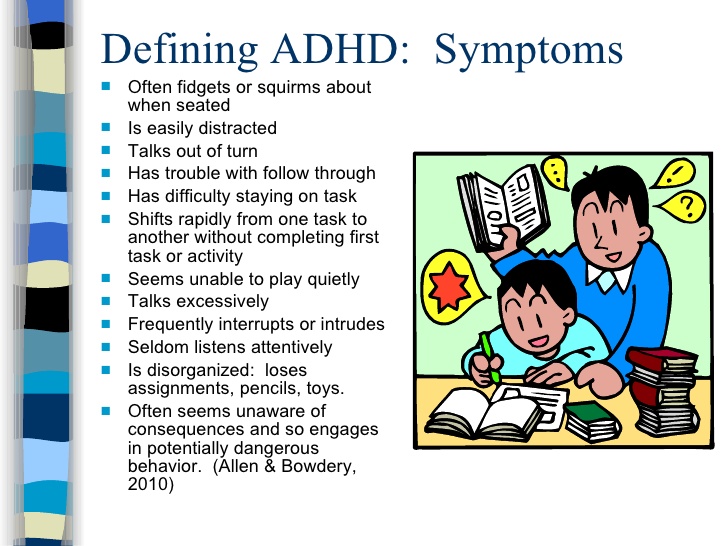
Attention deficit hyperactivity disorder (ADHD) is one of the most well-recognized childhood developmental problems. This condition is characterized by inattention, hyperactivity and impulsiveness. It is now known that these symptoms continue into adulthood for about 60% of children with ADHD. That translates into 4% of the U.S. adult population, or 8 million adults. However, few adults are identified or treated for adult ADHD.

ADHD in Adults

Adults with ADHD may have difficulty following directions, remembering information, concentrating, organizing tasks, or completing work within time limits. If these difficulties are not managed appropriately, they can cause associated behavioral, emotional, social, vocational, and academic problems.

Adult ADHD Statistics

  • ADHD afflicts approximately 3% to 10% of school-aged children and an estimated 60% of those will continue to have symptoms that affect their functioning as adults.
  • Prevalence rates for ADHD in adults are not as well determined as rates for children, but fall in the 4% to 5% range.
  • ADHD affects males at higher rate than females in childhood, but this ratio seems to even out by adulthood.

Common Behaviors and Problems of Adult ADHD

The following behaviors and problems may stem directly from ADHD or may be the result of related adjustment difficulties:

  • Anxiety
  • Chronic boredom
  • Chronic lateness and forgetfulness
  • Depression
  • Difficulty concentrating when reading
  • Difficulty controlling anger
  • Employment problems
  • Impulsiveness
  • Low frustration tolerance
  • Low self-esteem
  • Mood swings
  • Poor organization skills or messy (clutters in the office or in the house)
  • Procrastination
  • Relationship problems
  • Substance abuse or addiction

These behaviors may be mild to severe and can vary with the situation or be present all of the time. Some adults with ADHD may be able to concentrate if they are interested in or excited about what they are doing. Others may have difficulty focusing under any circumstances. Some adults look for stimulation, but others avoid it. In addition, adults with ADHD can be withdrawn and antisocial, or they can be overly social, going from one relationship to the next.

School-Related Impairments Linked to Adult ADHD

Adults with ADHD may have:

  • Had a history of poorer educational performance and been underachievers
  • Had more frequent school disciplinary actions
  • Had to repeat a grade
  • Dropped out of school more often

Work-Related Impairments Linked to Adult ADHD

Adults with ADHD are more likely to:

  • Change employers frequently and perform poorly
  • Have less job satisfaction and fewer occupational achievements, independent of psychiatric status

Social-Related Impairments Linked to Adult ADHD

Adults with ADHD are more likely to:

  • Have a lower socioeconomic status
  • Have driving violations such as being cited for speeding, having their license suspended, and being involved in more crashes
  • Rate themselves and others as using poorer driving habits
  • Use illegal substances more frequently
  • Smoke cigarettes
  • Self-report psychological maladjustment more often

When ADHD enters the bedroom, distraction, wandering thoughts, and a lack of desire usually aren’t far behind. In fact, sexual boredom is one of the biggest complaints among ADHD couples, and a major reason behind their high divorce rate. Unfortunately, even when couples are sexually active, ADHD symptoms can interfere with emotional and sexual intimacy, leaving one or both partners feeling unconnected, alone, and sexually frustrated or unsatisfied.

Looking at ADHD & when intimacy just doesn’t jive.

Hurt feelings, confusion, and resentment can build and fester when one or both partners feel emotionally and/or sexually unsatisfied. If misinformation or misunderstanding is the main culprit, a marriage counselor or sex therapist can help the non-ADHD spouse understand how the disorder affects sexual desire and performance.

For instance, many ADHD partners are too hyperactive to relax and get in the mood. Instead of shutting out the world and focusing on their partner, they’re distracted by their racing thoughts. Others are distracted by loud music, even if it’s romantic. Instead of focusing on their partner, they may start singing along or talking about how much they loved the last concert.

How to Improve Sexual Intimacy

Provided there aren’t emotional distractions or barriers interfering with intimacy, it’s possible to overcome distractions that may prevent an ADHD spouse from being able to focus on, respond to, or enjoy sexual intimacy.

The following are some strategies for turning up the heat in your ADHD marriage or relationship.

  • Talk openly about what turns your ADHD spouse on — and off. If she’s super-sensitive to scented oils or lotions, finds music more distracting than romantic, or can’t stand your scratchy beard, get rid of it.
  • Be open to new experiences. ADHD adults love novelty, so don’t be afraid to introduce something new to ward off ADHD boredom. Make sure you’re both comfortable with it before trying anything. If your ADHD spouse isn’t comfortable with it, it’s likely to become yet another ADHD distraction.
  • Practice being in the moment. To help your hyperactive partner stay in the now, try doing yoga, tai chi, meditation, deep breathing exercises, or massage as a couple. Then move the relaxed togetherness into the bedroom.
  • Let go of libido-killers. When ADHD symptoms make your ADHD spouse unreliable, it may force you into assuming the role of parent. Once the child/parent pattern becomes the norm in a relationship, romance and sexuality between partners usually declines. If you and your partner are trapped in this pattern, work with a therapist to rebalance your relationship so you’re both equal partners.
  • Make a date. If conflicting schedules are preventing you and your partner from having fun together, playing together, or hooking up, make a date and put it on the calendar. Then commit to it.

Lasting Happiness and Love

While ADHD poses disadvantages in a relationship, it also has many advantages. Opposites often attract, so if you’re the steady, reliable, and dependable type who could use a jolt of spontaneity, impulsivity, novelty, and excitement, an ADHD spouse may be just what the doctor ordered. On the other hand, if you’re an ADHD adult who has trouble balancing his checkbook, matching his socks, or remembering to feed the dog, a non-ADHD spouse could be the gift from heaven you’ve been searching for.

While it may take some effort, it’s possible for an ADHD relationship to have a happy and permanent ending. An ADHD spouse needs to take responsibility for his disorder rather than use it as an excuse for his problems.

In addition, the non-ADHD spouse needs to remember that she’s married to someone who’s wired a little differently than most people. While an ADHD marriage may not always run like clockwork, it could be a lot more lively and fun.

Treatment for ADHD or ADD in adults:

  • Individual Therapy
  • ADD Coaching
  • Medication
  • ADHD/ADD centers
  • Neurofeedback Training for ADD/ADHD
QUOTE FOR WEDNESDAY:

“An estimated 7 million (11.4%) U.S. children aged 3–17 years have ever been diagnosed with ADHD, according to a national survey of parents using data from 2022.

Estimated on sex, race and ethnicity the following was stated by CDC:

  • Boys (15%) were more likely to be diagnosed with ADHD than girls (8%).
  • Black children and White children were more often diagnosed with ADHD (both 12%) than Asian children (4%). American Indian/Alaska Native children (10%) were also more often diagnosed with ADHD than Asian children.
  • Approximately 6% of Native Hawaiian/Pacific Islander children were diagnosed with ADHD.
  • Overall, non-Hispanic children (12%) were diagnosed with ADHD more often than Hispanic children (10%).

Estimates nationally of children 3-17 y/o ever diagnosed and those who have receiving ADHD treatment are:

Center for Disease Control and Prevention – CDC (Data and Statistics on ADHD | Attention-Deficit / Hyperactivity Disorder (ADHD) | CDC)


QUOTE FOR TUESDAY:

“Primary liver cancer occurs in adults in two forms—hepatocellular carcinoma and cholangiocarcinoma (bile duct cancer). Hepatocellular carcinoma is the most common type of adult primary liver cancer. It is relatively rare in the United States. However, the incidence of liver cancer is rising, principally in relation to the spread of hepatitis C .

The liver is one of the largest organs in the body. It filters harmful substances from the blood, produces bile that helps in the digestion of fats, and stores sugar that the body uses for energy.

The National Cancer Institute estimated that 42,240 new cases of liver cancer and intrahepatic bile duct cancer are expected to be diagnosed in the United States in 2025. Approximately 30,090 people are estimated to die from these cancers. The five-year relative survival rate is 22%.

Having hepatitis B, hepatitis C, or cirrhosis are significant risk factors for adult primary liver cancer. It is more common in men than women. In the United States, liver cancer is also more common among American Indians/Alaska Natives and Hispanics than among other population groups.”

American Association for Cancer Research – AACR (Liver Cancer Awareness Month | AACR)

QUOTE FOR THE WEEKEND:

“October is Sudden Infant Death Syndrome (SIDS) Awareness Month. A safe sleep environment can help reduce the risk of SIDS and other sleep-related causes of infant death, like suffocation. To help raise awareness about safe infant sleep, the Safe to Sleep® campaign developed the SIDS Awareness Month Toolkit, which offers guidance and resources for organizations to plan their SIDS Awareness Month activities, including:

  • Sample social media posts, emails, and language to handle unsafe sleep images
  • A before-you-post checklist, including guidance to caregivers for taking their #SafeSleepSnap photos
  • Weekly themes
  • Graphics and photos
  • Flyers with and without placeholders for logos

The Safe to Sleep® campaign provides a number of other resources (many of which can be ordered for free) to help with education and outreach efforts, including:

  • An Interactive Safe Sleep Environment Tool caregivers can explore to help them learn how to create a safe sleep environment for baby in the home.
  • Videos, such as Safe Sleep for Your Baby, grandparent videos, and Breastfeed Your Baby to Reduce the Risk of SIDS (with an accompanying handout that helps explain the information in the video).
  • Fact sheets, such as What Does a Safe Sleep Environment Look Like? and other downloadable materials for caregivers, including handouts, brochures, and door hangers.
  • The Healthy Native Babies Project toolkit and guides, which includes videos, handouts, and training for the American Indian/Alaska Native communities.

The American Academy of Pediatrics also provides information on infant sleep and recommendations for caregivers, including How to Keep Your Sleeping Baby Safe, a checklist of items for making a baby’s room safe, why “back is best” for an infant’s sleep position, and more.”

USDA WIC Work Resource System / US department of agriculture (Sudden Infant Death Syndrome (SIDS) Awareness Month | WIC Works Resource System)

QUOTE FOR FRIDAY:

“Healthy people differ significantly in their overall personality, mood, and behavior. Each person also varies from day to day, depending on the circumstances. However, a sudden, major change in personality and/or behavior, particularly one that is not related to an obvious event (such as taking a medication or losing a loved one), raises concern for a mental health issue.

Sudden changes in personality and behavior can be roughly categorized as involving one of the following types of symptoms:

  • Confusion or delirium

  • Delusions

  • Disorganized speech or behavior

  • Hallucinations

  • Mood extremes (such as depression or mania)

These categories are not specific mental illnesses. They are just one way doctors organize different types of abnormal thought, speech, and behavior. These changes in personality and behavior can be caused by general medical conditions or mental health issues.”

MERCK MANUAL (Personality and Behavior Changes – Mental Health Disorders – Merck Manual Consumer Version)

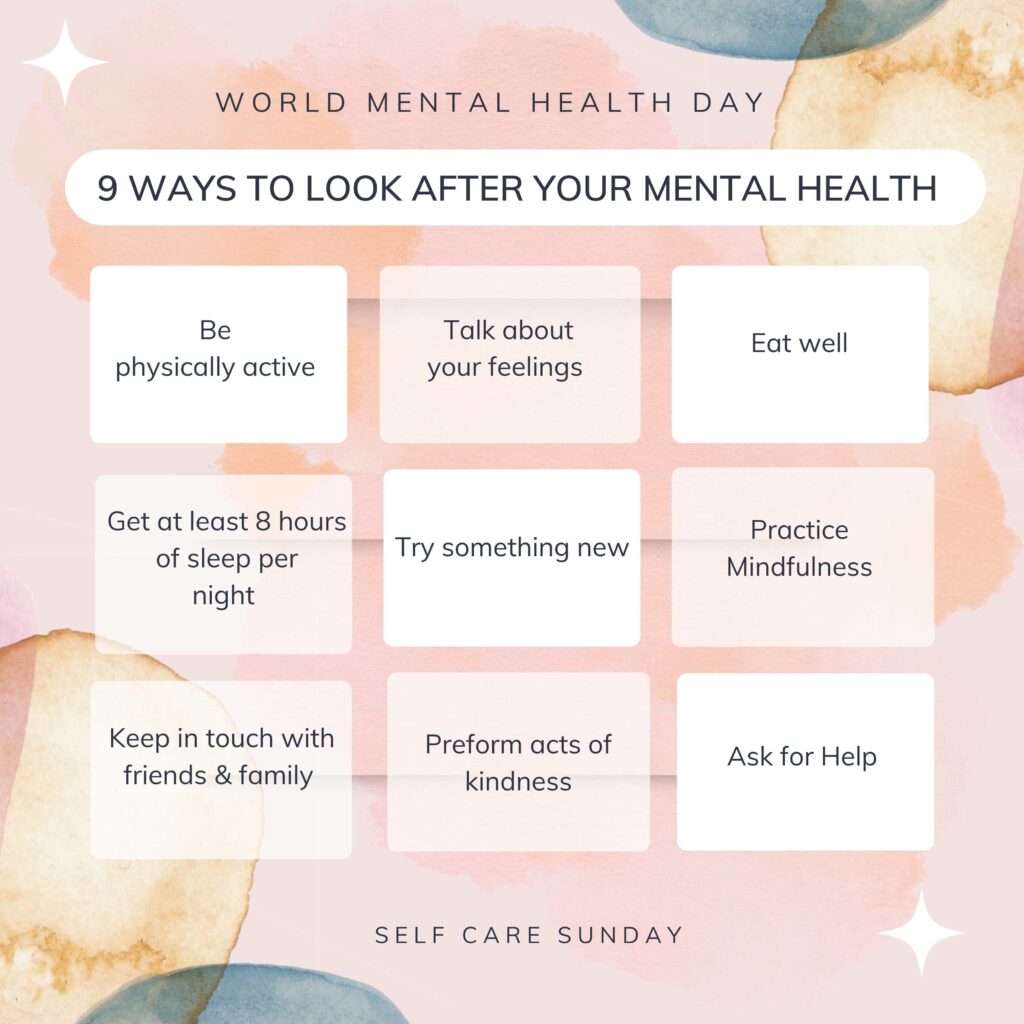
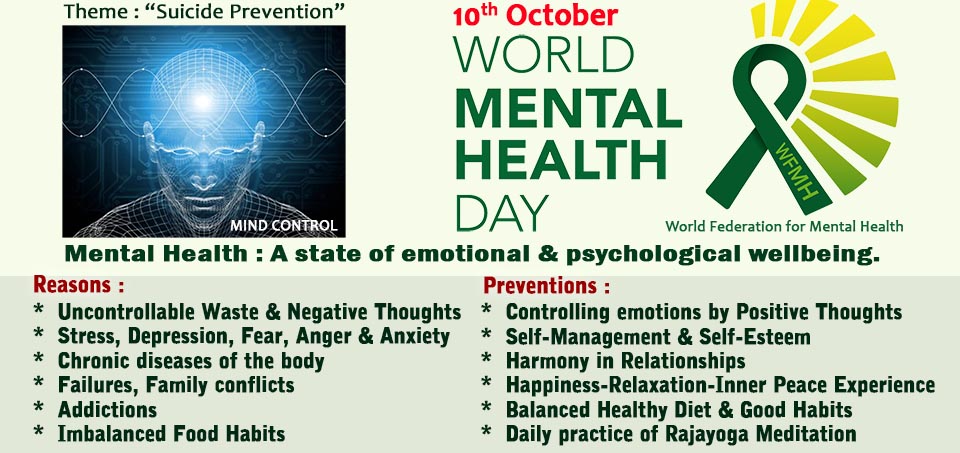
World Mental Health Day! When sudden changes occur in mood &/or personality of a person there might be a health problem!

A sudden, major change in personality and/or behavior can indicate a serious underlying issue, often related to mental health or some medical conditions. 

Healthy people differ significantly in their overall personality, mood, and behavior. Each person also varies from day to day, depending on the circumstances. However, a sudden, major change in personality and/or behavior, particularly one that is not related to an obvious event (such as taking a drug or losing a loved one), often indicates a problem.

If someone changes in mental status from awake, alert, oriented to who they are, where they are and the time of day with overall mood in that person’s behavior it doesn’t always mean it is a mental condition like dementia.  It could be as simple as low blood sugar or hypothyroidism or a more serious condition.

Other things it could be is:

-Confusion and delirium refer to a disturbance of consciousness. That is, people are less aware of their environment and, depending on the cause, may be excessively agitated and belligerent or drowsy and sluggish. Some people alternate between being less alert and being overly alert. Their thinking appears cloudy and slow or inappropriate. They have trouble focusing on simple questions and are slow to respond. Speech may be slurred. Often, people do not know what day it is, and they may not be able to say where they are. Some cannot give their name.

-Delusions are fixed false beliefs that people hold despite evidence to the contrary. Some delusions are based on a misinterpretation of actual perceptions and experiences. For example, people may feel persecuted, thinking that a person behind them on the street is following them or that an ordinary accident is purposeful sabotage. Other people think that song lyrics or newspaper articles contain messages that refer specifically to them.

Some beliefs seem more plausible and can be difficult to identify as delusions because they could occur or have occurred in real life. For example, people occasionally are followed by government investigators or have their work sabotaged by coworkers. In such cases, a belief can be identified as a delusion by how strongly people hold the belief despite evidence to the contrary.

Other delusions are easier to identify. For example, in religious or grandiose delusions, people may believe they are Jesus or the president of the country. Some delusions are quite bizarre. For example, people may think that their organs have all been replaced by machine parts or that their head contains a radio that receives messages from the government.

-Disorganized speech refers to speech that does not contain the expected logical connections between thoughts or between questions and answers. For example, people may jump from one topic to another without ever finishing a thought. The topics may be slightly related or entirely unrelated. In other cases, people respond to simple questions with long, rambling answers, full of irrelevant detail. Answers may be illogical or completely incoherent. This type of speech differs from the difficulty expressing or understanding language (aphasia) or forming words (dysarthria) that is caused by a brain disorder such as stroke.

Occasionally misspeaking or intentionally being evasive, rude, or humorous is not considered disorganized speech.

-Disorganized behavior refers to doing quite unusual things (such as undressing or masturbating in public or shouting and swearing for no apparent reason) or to being unable to behave normally. People with disorganized behavior typically have trouble doing normal daily activities (such as maintaining good personal hygiene or obtaining food).

-Drugs may affect personality or behavior when they cause Intoxication: Particularly alcohol (when consumed in large amounts), amphetamines, cocaine, hallucinogens (such as LSD), phencyclidine (PCP), any narcotic. Side effects: From drugs intended to affect brain function.

These disorders can affect personality, mood, and behavior. They include

1. Alzheimer’s disease, is the most common form of dementia characterized by progressive memory loss, cognitive decline, and behavioral changes that primarily are affecting older adults.

2. Brain infections, such as meningitis, encephalitis, and human immunodeficiency virus (HIV) infection that involves the brain (called HIV-associated encephalopathy)

3.Brain Tumors, they are a growth of cells in the brain or near it. Brain tumors can happen in the brain tissue. Brain tumors also can happen near the brain tissue. Nearby locations include nerves, the pituitary gland, the pineal gland, and the membranes that cover the surface of the brain.

Brain tumors can begin in the brain. These are called primary brain tumors. Sometimes, cancer spreads to the brain from other parts of the body. These tumors are secondary brain tumors, also called metastatic brain tumors.  They can be cancerous or benign.

Many different types of primary brain tumors exist.

4.Head Injuries, such as a concussion and post-concussion syndrome

5-Multiple Sclerosis, which is a disease that causes breakdown of the protective covering of nerves. Multiple sclerosis can cause numbness, weakness, trouble walking, vision changes and other symptoms. It’s also known as MS.

6-Parkinson disease, which is a movement disorder of the nervous system that worsens over time. The nervous system is a network of nerve cells that controls many parts of the body, including movement.

7-Seizure disorders, this disease covers a range of conditions characterized by abnormal electrical activity in the brain causing seizures to occur.

8-Stroke, which is a medical emergency that happens when something prevents your brain from getting enough blood flow. A blocked blood vessel or bleeding in your brain can cause stroke to occur.  Strokes are the second leading cause of death worldwide and the fifth most common in the U.S.

If could be other than these diagnoses but the only way to find out is go to the ER stat with a mental change disorder!

QUOTE FOR THURSDAY:

“Your liver performs more than 500 important functions, from filtering blood and processing nutrients to fighting infections. It creates bile and important proteins your body needs. You can’t live without a liver: If your liver fails, you’ll need an organ transplant to survive.

Your liver is the largest internal organ in your body and one of the only organs that can regenerate itself. The liver plays a crucial role in filtering blood, storing energy and producing bile for digestion.

Unfortunately, hundreds of diseases and conditions can damage your liver so it can’t work. Some of these can be life-threatening. Hepatologists, medical specialists who diagnose and treat liver disease, can treat and sometimes cure these diseases. And there are many things that you can do to keep your liver well and working as it should.

Your liver’s biggest job is filtering harmful substances and waste from your blood. Every day, your liver filters more than 250 gallons of blood. If that wasn’t enough, and among many other duties, your liver also:

  • Makes cholesterol that your body uses in different ways
  • Helps produce certain hormones, protects your cells and is a key ingredient in bile production
  • Makes proteins — like clotting factors that manage bleeding and albumin, which manages fluid pressure in your bloodstream
  • Helps keep your blood glucose levels steady by storing glycogen (glucose) and releasing it into your bloodstream to keep your blood sugar levels on an even keel
  • Breaks down toxins and germs so they safely leave your body in your pee and poop
  • Works by breaking down fats in your blood to produce energy, and if there are too many, they may get stored as extra fat.”

Cleveland Clinic (Liver: Where It’s Located, Function & Anatomy)

QUOTE FOR WEDNESDAY:

“The liver is an organ that sits just under the rib cage on the right side of the abdomen. It can weigh up to 4 pounds (1.8 kilograms). The liver is needed to help digest food, rid the body of waste products and make substances, called clotting factors, that keep the blood flowing well, among other tasks.

Liver disease can be passed through families, called inherited. Anything that damages the liver also can cause liver problems, including viruses, alcohol use and obesity.

Over time, conditions that damage the liver can lead to scarring, called cirrhosis. Cirrhosis can lead to liver failure, a life-threatening condition. But early treatment may give the liver time to heal.”

MAYO CLINIC (Liver problems – Symptoms and causes – Mayo Clinic)

Why the liver is so vital to our human body!

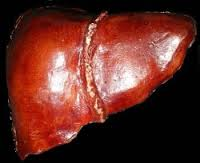
healthy liver

The liver is like our transmission to the human body—it cleans out end products of what enters our body keeping the essentials we need inside. This is what this organ does for us:

Your liver is your very own chemical processing plant. It receives 30% of the blood circulating in your system every minute – performing chemical reactions to remove harmful toxins and distribute and store essential nutrients. This vital process is called ‘metabolism’ and cells in the liver, known as hepatocytes, are put to work to keep your body working at its best. Essentially, your liver loves and cares for you.

Once carbs have been broken down into glucose in your gastrointestinal tract, the glucose enters the blood stream and is taken straight to your liver to regulate and maintain healthy levels. Your liver also stores excess glucose in the form of glycogen (inactive glucose) and the liver will fill up with this glycogenl (like a gas tank). When the tank of the liver gets full the excess of the sugar floating in your bloodstream is used by our tissues that need it right than.  The sugar that couldn’t go in the liver is extra glucose that now needs a place to store (if the liver is full) than it gets dumped in our fat tissue next. This is how we get obese. This is the logic of eating small meals not 3 large meals a day. The small meals are utilized mostly where there is no extra floating glucose that needs to be stored anywhere like in our case the fatty tissue. The average American doesn’t realize this with knowing that glycogen (inactive glucose) when needed by our body is ready for converting back into glucose when levels drop between meals which usually occurs during exercise or when you’re fasting; which most of us in America don’t do by overall population. For our liver to do these processes of breakdown of our foods (including medications), to convert active glucose to inactive glucose (glycogen), store glycogen in the liver and to do much more the liver has to be working meaning healthy.

And here’s the really clever thing. Your liver can also convert non-sugars, such as amino acids, into glucose to keep levels healthy. It does some pretty impressive things with fats too.

Every time you eat either through food or protein fluid drinks in place of your food, your liver feeds you. Once food is digested, nutrients enters the blood from the stomach after digestion in that organ takes place including the small intestines, which are taken straight to your liver for processing. Depending on how low or plentiful these nutrients are in your body, the liver cells will either release the goodness of these processed broken down nutrient end products to where it’s needed (regarding our tissues of the body) or store they will be stored away for when your body tissues needs a boost later.

And here’s the really clever thing. Your liver can also convert non-sugars, such as amino acids, into glucose to keep levels healthy. It does some pretty impressive things with fats too.

Your liver is your fat processing factory – it breaks down fat and compounds such as lipoproteins, cholesterol and phospholipids. If fat is in excess, the liver combines fatty acids and glycerol to form a storage molecule and transports it to your body’s storage depots, such as the subcutaneous tissue (tissue just under the skin). Then, at times when energy levels are low, between meals and during exercise, this stored fat is converted back into glycerol and the liver turns the remaining fatty acids into an alternative energy supply. To aid absorption of fat and fat-soluble vitamins and flush out unwanted substances from your body, your liver produces bile. It stores the bile in your gall bladder, where it can be emptied into your intestines when needed.

Proteins are also vital for a healthy body, and your liver takes charge of these too. Once proteins are broken down into amino acids in your intestines, they enter the blood stream and flow direct to the liver. Here, the liver cells (hepatocytes) go to work on removing nitrogen from the proteins which rapidly changes into ammonia – a highly toxic substance. Your liver then acts fast to convert this into urea to be excreted into the urine and eliminated from your body. With excess amino acids, your liver converts them into fat for storage or, if your body needs an energy boost, it will use them to create glucose.

Ending line the liver breaks down our Calories & CHOs, Fats, and Proteins that enter our body.

Our liver watches out for us. When harmful toxins and substances enter your blood stream, your liver acts fast to detoxify and destroy them. Some may simply be a by-product of a normal metabolism, others may be ingested or inhaled substances such as drugs and alcohol. Filtering the blood, your liver removes dead cells and invading bacteria, processes nitrogen and cholesterol and neutralises harmful hormones.

The problem comes when the body liver can’t do this function anymore, meaning it can’t break down or do the processing of out nutrients we eat causing toxins to build up in our body. Soon this break down of the liver with no reversal or without treatment will go into liver failure. Liver failure can put a big hold up in your life but if you can reverse it your smart since you addressed the problem in getting cared for by a doctor. You can even be better than this in being healthy to your body which is you taking PREVENTION in allowing yourself never to deal with this headache.

Liver failure or hepatic insufficiency is the inability of the liver to perform its normal synthetic and metabolic function as part of normal physiology. Two forms are recognized, acute and chronic.

Acute liver failure defined as “the rapid development of hepatocellular dysfunction, specifically coagulopathy and mental status changes (encephalopathy) in a patient without known prior liver disease.”.

Chronic liver failure usually occurs in the context of cirrhosis, itself potentially the result of many possible causes, such as excessive alcohol intake, hepatitis B or C, autoimmune, hereditary and metabolic causes (such as iron or copper overload, Steatohepatitis or non-alcoholic fatty liver disease).

CHRONIC can be prevented. How important is your health?