Archive | July 2025

QUOTE FOR TUESDAY:

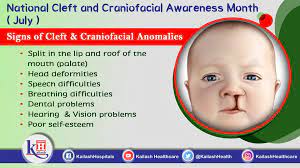
“July is National Cleft and Craniofacial Awareness and Prevention Month, a time to raise awareness and improve understanding of orofacial clefts (clefts of the lip and palate) and other conditions of the head and face (Centers for Disease Control and Prevention, 2015). About 1 in every 1,600 babies is born with cleft lip with cleft palate in the United States (Centers for Disease Control and Prevention, 2023). What are the potential effects of orofacial clefts and other craniofacial conditions on the child? Children with orofacial clefts and other craniofacial conditions often have impaired ability to feed and impaired language development, and might be at increased risk for a greater number of ear infections, hearing issues, and problems with their teeth.

Recently childlife.org found the following information about this diagnosis.  In 2023 important findings from research studies about some factors that increase the chance of having a baby with an orofacial cleft:

  • Smoking―Women who smoke during pregnancy are more likely to have a baby with an orofacial cleft than women who do not smoke.
  • Diabetes―Women with diabetes diagnosed before pregnancy have an increased risk of having a child with a cleft lip with or without cleft palate, compared to women who did not have diabetes.
  • Use of certain medicines―Women who used certain medicines to treat epilepsy, such as topiramate or valproic acid, during the first trimester (the first 3 months) of pregnancy have an increased risk of having a baby with cleft lip with or without cleft palate, compared to women who didn’t take these medicines.”

Association of Child Life Professionals (National Cleft and Craniofacial Awareness and Prevention Month ​)

Part II National Craniofacial and Cleft Palate Awareness and Prevention Month!

birth defect6

Health care providers are encouraged to provide women to plan for pregnancy; avoid harmful substances, like tobacco (2) and alcohol (3); and choose a healthy lifestyle, like eating a healthy diet (4), to increase their chances of a healthy pregnancy. Health care providers also discuss with women any medications they might be taking, both prescription and over-the-counter, to ensure they are taking only what is necessary. If yours is not maybe you need a new one. Prevention is the key to giving highier odds the baby will be healthier when born. Re-enforcement is a great tool and that’s where the medical profession comes into play with pregnant women who is their clientele.

Know that not all birth defects can be prevented. But, we also know that women can increase their chances of having a healthy baby by managing health conditions and adopting healthy behaviors before becoming pregnant. Make a commitment to yourself, to get healthy before and during pregnancy by actively trying to plan ahead, avoid harmful substances, choose a healthy lifestyle, and talk with your healthcare provider.   There are some that can be prevented.

1.Plan ahead.

Get 400 micrograms (mcg) of folic acid every day. Folic acid is a B vitamin. If a woman has enough folic acid in her body at least one month before and during pregnancy, it can help prevent major birth defects of the developing brain and spine defects like anencephaly or spina bifida. Anencephaly is a serious birth defect in which a baby is born without parts of the brain and skull. It is a type of neural tube defect (NTD). As the neural tube forms and closes, it helps form the baby’s brain and skull (upper part of the neural tube), spinal cord, and back bones (lower part of the neural tube). Spina bifida is a condition that affects the spine and is usually apparent at birth. It is a type of neural tube defect (NTD). Spina bifida can happen anywhere along the spine if the neural tube does not close all the way. The backbone that protects the spinal cord does not form and close as it should. This often results in damage to the spinal cord and nerves. Spina bifida might cause physical and intellectual disabilities that range from mild to severe. The severity depends on:

  • The size and location of the opening in the spine.
  • Whether part of the spinal cord and nerves are affected.
  • There are 3 types and they are: 1-Myelomeningocele, 2-Meningocele, and 3-Spina Bifida Occulta.
  • 1-Myelomeningocele is the most serious type of spina bifida. With this condition, a sac of fluid comes through an opening in the baby’s back. Part of the spinal cord and nerves are in this sac and are damaged. This type of spina bifida causes moderate to severe disabilities, such as problems affecting how the person goes to the bathroom, loss of feeling in the person’s legs or feet, and not being able to move the legs.
  • 2-Meninocele is a sac of fluid comes through an opening in the baby’s back. But, the spinal cord is not in this sac. There is usually little or no nerve damage. This type of spina bifida can cause minor disabilities.
  • 3-Spina bifida occulta is the mildest type of spina bifida. It is sometimes called “hidden” spina bifida. With it, there is a small gap in the spine, but no opening or sac on the back. The spinal cord and the nerves usually are normal. Many times, spina bifida occulta is not discovered until late childhood or adulthood. This type of spina bifida usually does not cause any disabilities.
    • Women can get folic acid from fortified foods or supplements, or a combination of the two, in addition to a varied diet rich in folate.
    • See a healthcare professional regularly. A woman should be sure to see her doctor when planning a pregnancy and start prenatal care as soon as she thinks that she is pregnant. It is important to see the doctor regularly throughout pregnancy, so a woman should keep all her prenatal care appointments. If you are trying to have a baby or are just thinking about it, it is not too early to start getting ready for pregnancy. Use these checklists to help you write down your goals and have them in a place that you reinforce yourself to maintain them as best as possible for your child’s sake and your own sake as well.

2.Avoid harmful substances.

    • Avoid alcohol at any time during pregnancy.                                    
    • Alcohol in a woman’s bloodstream passes to the developing baby through the umbilical cord. There is no known safe amount of alcohol use during pregnancy or while trying to get pregnant. There is also no safe time during pregnancy to drink. All types of alcohol are equally harmful, including wine and beer. Drinking alcohol during pregnancy can cause miscarriage, stillbirth, and a range of lifelong physical, behavioral, and These disabilities in the child, which occur because the mother drank alcohol during the pregnancy, are known as fetal alcohol spectrum disorders (FASDs). The best advice for women is to stop drinking alcohol when trying to get pregnant.
    • Avoid smoking cigarettes.
    • The dangers of smoking during pregnancy include preterm birth, certain birth defects from cleft lip or cleft palate to even infant death and more diseases inherited by mom through smoking. Even being around tobacco smoke puts a woman and her pregnancy at risk for problems. Quitting smoking before getting pregnant is best. For a woman who is already pregnant, quitting as early as possible can still help protect against some health problems for the baby, such as low birth weight. It’s never too late to quit smoking.
    • Avoid marijuana and other “street drugs”.
    • A woman who uses marijuana or other “street” drugs during pregnancy can have a baby who is born preterm, of low birth weight, or has other health problems, such as birth defects. Marijuana is the illicit drug most commonly used during pregnancy. Since we know of no safe level of marijuana use during pregnancy, women who are pregnant, or considering becoming pregnant, should not use marijuana, even in states where marijuana is legal. Women using marijuana for medical reasons should speak with their doctor about an alternative therapy with pregnancy-specific safety data.
    • Prevent infections.
    • Some infections that a woman can get during pregnancy can be harmful to the developing baby and can even cause birth defects. Some easy steps to prevent infections include frequent hand-washing, cooking meat until its well done, and staying away from people who have an infection. 

3.Choose a healthy lifestyle.

    • Keep diabetes under control.
    • Poor control of diabetes during pregnancy increases the chances for birth defects and other problems for the pregnancy. It can also cause serious complications for the woman. Proper healthcare before and during pregnancy can help prevent birth defects and other poor outcomes.
    • Strive to reach and maintain a healthy weight.
    • Do you know …Your body mass index (BMI)? Calculate it. Where? Just look it up on the internet anywhere for free.

A woman who is obese (a Body Mass Index of 30 or higher) before pregnancy is at a higher risk for complications during pregnancy. Obesity also increases a pregnant woman’s risk of several serious birth defects. Even if a woman is not actively planning a pregnancy, getting healthy can help boost her health and her mood. If a woman is overweight or obese, she should talk with her doctor about ways to reach a healthy weight before she gets pregnant.

4.Talk with your healthcare provider.

    • Talk to a healthcare provider about taking any medications.
    • We know that certain medications can cause serious birth defects if they are taken during pregnancy. For many medications taken by pregnant women, the safety has been difficult to determine. Despite the limited safety data, some medications are needed to treat serious conditions. If a woman is pregnant or planning a pregnancy, she should not stop taking medications she needs or begin taking new medications without first talking with her healthcare provider. This includes prescription and over-the-counter medications and dietary or herbal products.
    • Talk to a healthcare provider about vaccinations (shots).                                                

Most vaccinations are safe during pregnancy and some vaccinations, such as the flu vaccine and the Tdap vaccine (adult tetanus, diphtheria and acellular pertussis vaccine), are specifically recommended during pregnancy. Some vaccines protect women against infections that can cause birth defects. Having the right vaccinations at the right time can help keep a woman and her baby healthy. She should talk to her doctor about which vaccines are recommended for her during pregnancy.

ACPC-American Cleft Palate – Craniofacial Association addresses July the month of awareness to this condition with stating:

“Here are five key facts about clefts and craniofacial conditions, their impact and treatments:

  1. Clefts are usually repaired surgically in the first year of life, though many children require additional surgeries and treatments through adolescence to correct challenges to breathing, eating or speech development.
  2. Individuals born with cleft lip or palate often need specialized dental or orthodontic care throughout their lives as well.
  3. There is no single factor related to the cause of cleft. Sometimes clefts run in families and in some cases have been linked to environmental factors.
  4. Despite unique health challenges, those born with cleft and craniofacial conditions lead fulfilling, successful and accomplished lives.
  5. Coordinated care is the best approach for successful surgical repair. Multidisciplinary teams approved by the ACPA are located across the nation and are comprised of qualified professionals from medical, surgical, dental, speech and allied health disciplines.”

Part I National Craniofacial and Cleft Palate Awareness and Prevention Month!

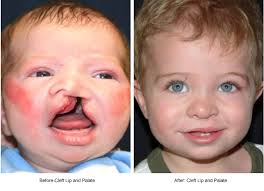
What is cleft lip and palate?

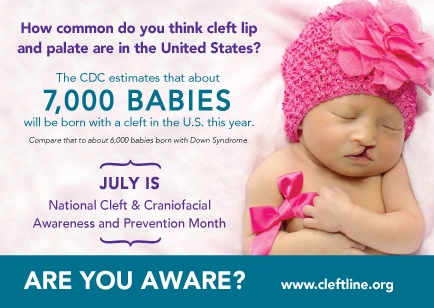
National Cleft and Craniofacial Awareness and Prevention Month is observed in July. This is an opportunity to raise awareness and improve understanding of orofacial clefts, clefts of the lip and palate, and other conditions of the head and face. In the United States, approximately 2,600 babies are born with a cleft palate and 4,400 babies are born with a cleft lip, with or without a cleft palate each year. There are other craniofacial birth defects including craniosynostosis (skull sutures fusing prematurely), anotia/microtia (ear is missing or underdeveloped), and anophthalmia/microphthalmia (missing or abnormally small eye).

There are several forms of cleft lip and palate, and each one requires a slightly different treatment. The three types of cleft lip and palate are

  • Unilateral incomplete
  • Unilateral complete
  • Bilateral complete

What causes cleft lip and cleft palate?

We’re not sure what causes cleft lip and cleft palate. They may be caused by a combination of factors, like genes and things in your everyday life, like certain medicines you take. Risk factors include:

  • Having a family history of cleft lip and cleft palate
  • Smoking or drinking alcohol during pregnancy
  • Having diabetes before pregnancy
  • Taking certain anti-seizure medicines during the first trimester of pregnancy, like topiramate or valproic acid
  • Being obese during pregnancy.
  • Having certain infections during pregnancy, like rubella (also called German measles)

How are Cleft lip and palate treated?

Cleft lip and palate can cause problems with speech, eating, hearing, and social development. Most of the time, cleft lip and palate can be easily treated with corrective surgery, allowing children born with the condition to live normal lives. However, in some cases – particularly in developing countries where access to medical care is not as widely available – children do not receive treatment. This can result in further problems as the child grows.

July is National Cleft and Craniofacial Awareness and Prevention Month.

Cleft lip and cleft palate happen when a baby’s lip or mouth doesn’t form completely during pregnancy. Cleft lip is an opening in a baby’s upper lip. Cleft palate is an opening in the roof of a baby’s mouth. Cleft lip and cleft palate are birth defects. These conditions affect thousands of babies, children, teens and adults in the United States each year.

Cleft lip and palate happen very early in pregnancy. Your baby’s lips form between 4 and 7 weeks of pregnancy, and the palate forms between 6 and 9 weeks of pregnancy. Cleft lip and palate don’t have to happen together — a baby can have one without the other.

Prevention:

To help reduce the chances of having a baby with an orofacial cleft or other craniofacial condition health care providers must encourage patients who are thinking about becoming pregnant to commit to a healthy lifestyle. Among certain healthy habits, we have: control diabetes, quit smoking, exercise regularly, practice yoga, etc. before becoming pregnant. Moreover, health care providers should also work with prospective parents to make informed decisions about medical treatment during pregnancy. This condition can occur in the first three months of pregnancy. Therefore, steps before becoming pregnant are essential for the health of the baby.


QUOTE FOR THE WEEKEND:

“Cord blood is the blood remaining in your baby’s umbilical cord after he or she is born. This blood is rich with nutrients and stem cells, a type of cell that can regenerate and replace damaged cells with newer, healthier ones. Cord blood banking — also known as stem cell banking — refers to how we cryogenically preserve these cells for future medical or therapeutic use.

Storing your child’s stem cells will offer them the most comprehensive, cutting-edge treatment opportunities in the future. Regenerative medicine is a rapidly expanding field that creates extensive opportunities for your child to use their stored stem cells. Having access to stored stem cells can alleviate the trouble of locating a stem cell donor, securing a match, or facing incompatibility risks. Plus, your newborn’s stem cells have the potential to provide life-saving treatment for other matching family members, including siblings, parents, and grandparents.

As a result, storing your child’s stem cells could offer them immediate access to over 80 FDA-approved treatment opportunities and hundreds of clinical trials, including:  malignant diseases, non-malignant conditions including congenital conditions, and metabolic disorders.”

Like all blood it is so precious!

Americord Registry (Best Offer Landing | Americord Registry)


Cord Blood Awareness Month

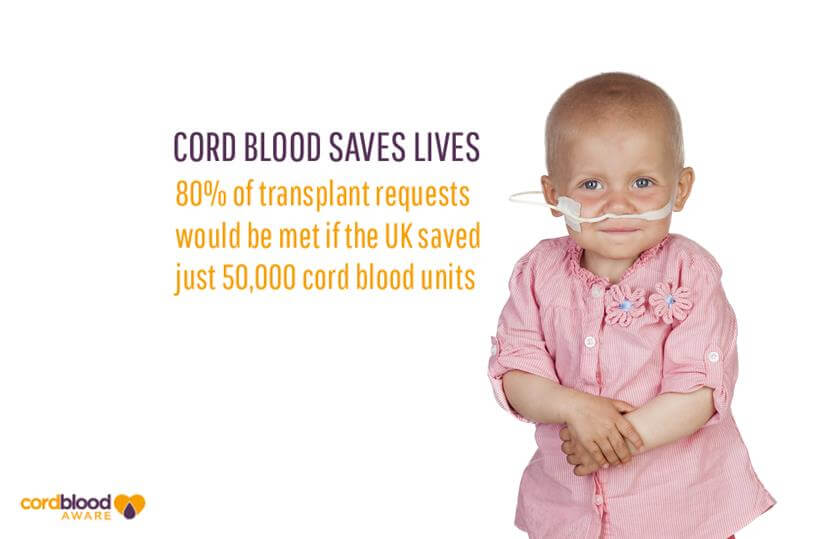
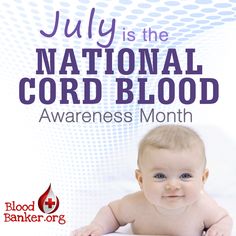
July is National Cord Blood Awareness Month, and it’s the perfect time to learn more about cord blood—a biological product regulated by the Food and Drug Administration. Found in the blood vessels of the placenta and the umbilical cord, cord blood is collected after a baby is born and after the umbilical cord is cut—an important point.

“Because cord blood is typically collected after the baby is delivered and the cord is cut, the procedure is generally safe for the mother and baby,” explains Keith Wonnacott, Ph.D., Chief of the Cellular Therapies Branch in FDA’s Office of Cellular, Tissue, and Gene Therapies.

Approved Uses By the Food and Drug Administration states the following:

Cord blood is approved only for use in “hematopoietic stem cell transplantation” procedures, which are done in patients with disorders affecting the hematopoietic (blood forming) system. Cord blood contains blood-forming stem cells that can be used in the treatment of patients with blood cancers such as leukemias and lymphomas, as well as certain disorders of the blood and immune systems, such as sickle cell disease and Wiskott-Aldrich syndrome.

“Cord blood is useful because it is a source of stem cells that form into blood cells. Cord blood can be used for transplantation in people who need regeneration, that is, ‘regrowth,’ of these blood-forming cells,” Wonnacott says.

For instance, in many cancer patients, the disease is found in the blood cells. Chemotherapy treatment of these patients kills both cancer cells and the healthy blood-forming stem cells. Transplanted stem cells from cord blood can help regrow the healthy blood cells after the chemotherapy.

However, cord blood is not a cure-all.

“Because cord blood contains stem cells, there have been stem cell fraud cases related to cord blood,” says Wonnacott. “Consumers may think that stem cells can cure any disease, but science doesn’t show this to be the case. Patients should be skeptical if cord blood is being promoted for uses other than blood stem cell regeneration.”

About Cord Blood Banking

After cord blood is collected, it is frozen and can be safely stored for many years. “The method of freezing, called ‘cryopreservation,’ is very important to maintain the integrity of the cells,” Wonnacott says. “Cord blood needs to be stored carefully.”

You may choose to store your baby’s cord blood in a private bank so it can be available if needed in the future by your child or first- or second-degree relatives. Private cord banks typically charge fees for blood collection and storage.

Or you may donate the cord blood to a public bank so that doctors can use for a patient who needs a hematopoietic stem cell transplant.

FDA regulates cord blood in different ways, depending on the source, level of processing and intended use.

Cord blood stored for personal use, for use in first- or second-degree relatives, and that also meets other criteria in FDA’s regulations, does not require the agency’s approval before use. Private cord banks must still comply with other FDA requirements, including establishment registration and listing, current good tissue practice regulations, and donor screening and testing for infectious diseases (except when cord blood is used for the original donor). These FDA requirements ensure safety of these products by minimizing the risk of contamination and transmission of infectious diseases.

Cord blood stored for use by a patient unrelated to the donor meets the legal definitions of both a “drug” and a “biological product.” Cord blood in this category must meet additional requirements and be licensed under a biologics license application, or be the subject of an investigational new drug application before use. The FDA requirements help to ensure that these products are safe and effective for their intended use.

Not every cord blood unit will meet requirements for public banking, adds Safa Karandish, M.T., an FDA consumer safety officer. If that happens, some of this donated cord blood may be used for non-clinical research.
QUOTE FOR THURSDAY:

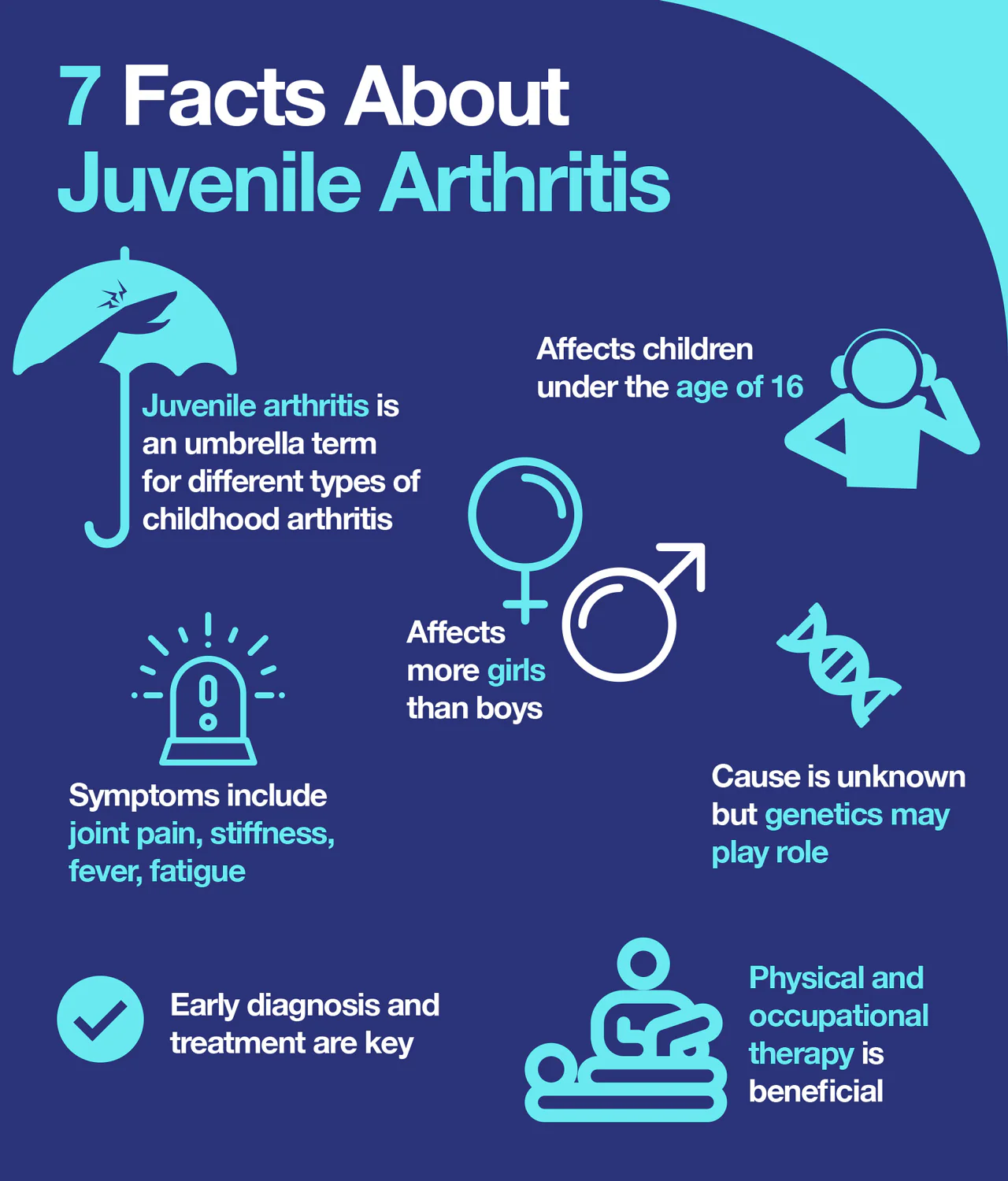
“Juvenile idiopathic arthritis, formerly known as juvenile rheumatoid arthritis, is the most common type of arthritis in children under the age of 16.

Juvenile idiopathic arthritis occurs when the body’s immune system attacks its own cells and tissues. It’s not known why this happens, but both heredity and environment seem to play a role. Some forms of juvenile idiopathic arthritis are more common in girls.”

MAYO CLINIC (https://www.mayoclinic.org/diseases-conditions/juvenile-idiopathic-arthritis/symptoms-causes/syc-20374082)”

Part II Juvenile Arthritis (JIA) – How its diagnosed and treated!

How Juvenile Arthritis (JIA) is Diagnosis:

Diagnosis of juvenile idiopathic arthritis can be difficult because joint pain can be caused by many different types of problems. No single test can confirm a diagnosis, but tests can help rule out some other conditions that produce similar signs and symptoms.

1. Blood tests

Some of the most common blood tests for suspected cases include:

  • Erythrocyte sedimentation rate (ESR). The sedimentation rate is the speed at which your red blood cells settle to the bottom of a tube of blood. An elevated rate can indicate inflammation. Measuring the ESR is primarily used to determine the degree of inflammation.
  • C-reactive protein. This blood test also measures levels of general inflammation in the body but on a different scale than the ESR.
  • Antinuclear antibody. Antinuclear antibodies are proteins commonly produced by the immune systems of people with certain autoimmune diseases, including arthritis. They are a marker for an increased chance of eye inflammation.
  • Rheumatoid factor. This antibody is occasionally found in the blood of children who have juvenile idiopathic arthritis and may mean there’s a higher risk of damage from arthritis.
  • Cyclic citrullinated peptide (CCP). Like the rheumatoid factor, the CCP is another antibody that may be found in the blood of children with juvenile idiopathic arthritis and may indicate a higher risk of damage.

In many children with juvenile idiopathic arthritis, no significant abnormality will be found in these blood tests.

2. Imaging scans

X-rays or magnetic resonance imaging may be taken to exclude other conditions, such as fractures, tumors, infection or congenital defects.

Imaging may also be used from time to time after the diagnosis to monitor bone development and to detect joint damage.

Juvenile Arthritis (JIA) Treatment:

Treatment for juvenile idiopathic arthritis focuses on helping your child maintain a normal level of physical and social activity. To accomplish this, doctors may use a combination of strategies to relieve pain and swelling, maintain full movement and strength, and prevent complications.

1. Medications

The medications used to help children with juvenile idiopathic arthritis are chosen to decrease pain, improve function and minimize potential joint damage.

Typical medications include:

  • Nonsteroidal anti-inflammatory drugs (NSAIDs). These medications, such as ibuprofen (Advil, Motrin, others) and naproxen sodium (Aleve), reduce pain and swelling. Side effects include stomach upset and, much less often, kidney and liver problems.
  • Disease-modifying antirheumatic drugs (DMARDs). Doctors use these medications when NSAIDs alone fail to relieve symptoms of joint pain and swelling or if there is a high risk of damage in the future.DMARDs may be taken in combination with NSAIDs and are used to slow the progress of juvenile idiopathic arthritis. The most commonly used DMARD for children is methotrexate (Trexall, Xatmep, others). Side effects of methotrexate may include nausea, low blood counts, liver problems and a mild increased risk of infection.
  • Biologic agents. Also known as biologic response modifiers, this newer class of drugs includes tumor necrosis factor (TNF) blockers, such as etanercept (Enbrel, Erelzi, Eticovo), adalimumab (Humira), golimumab (Simponi) and infliximab (Remicade, Inflectra, others). These medications can help reduce systemic inflammation and prevent joint damage. They may be used with DMARDs and other medications.Other biologic agents work to suppress the immune system in slightly different ways, including abatacept (Orencia), rituximab (Rituxan, Truxima, Ruxience), anakinra (Kineret) and tocilizumab (Actemra). All biologics can increase the risk of infection.
  • Corticosteroids. Medications such as prednisone may be used to control symptoms until another medication takes effect. They are also used to treat inflammation when it is not in the joints, such as inflammation of the sac around the heart.These drugs can interfere with normal growth and increase susceptibility to infection, so they generally should be used for the shortest possible duration.

2. Therapies

Your doctor may recommend that your child work with a physical therapist to help keep joints flexible and maintain range of motion and muscle tone.

A physical therapist or an occupational therapist may make additional recommendations regarding the best exercise and protective equipment for your child.

A physical or occupational therapist may also recommend that your child make use of joint supports or splints to help protect joints and keep them in a good functional position.

3. Surgery

In very severe cases, surgery may be needed to improve joint function.

***Parents or caregivers help limit the arthritis in your children by doing the following:

  • Getting regular exercise. Exercise is important because it promotes both muscle strength and joint flexibility. Swimming is an excellent choice because it places minimal stress on joints.
  • Applying cold or heat. Stiffness affects many children with juvenile idiopathic arthritis, particularly in the morning. Some children respond well to cold packs, particularly after activity. However, most children prefer warmth, such as a hot pack or a hot bath or shower, especially in the morning
  •  Eating Well. Some children with arthritis have poor appetites. Others may gain excess weight due to medications or physical inactivity. A healthy diet can help maintain an appropriate body weight.Know adequate calcium in the diet is important because children with juvenile idiopathic arthritis are at risk of developing weak bones due to the disease, the use of corticosteroids, and decreased physical activity and weight bearing.


QUOTE FOR WEDNESDAY:

“Arthritis affects persons of all ages; little is known about arthritis prevalence among children and adolescents aged <18 years.

Approximately 220,000 children and adolescents had arthritis during 2017–2021. Prevalence increased with age and was highest among those aged 12–17 years, non-Hispanic Black or African American children and adolescents, children and adolescents with anxiety or depression, those who were physically inactive, had overweight or a heart condition, or lived in a food-insecure or smoking household.

Arthritis affects persons of all ages, including younger adults, adolescents, and children; however, recent arthritis prevalence estimates among children and adolescents aged <18 years are not available. Previous prevalence estimates among U.S. children and adolescents aged <18 years ranged from 21 to 403 per 100,000 population depending upon the case definition used. CDC analyzed aggregated 2017–2021 National Survey of Children’s Health data to estimate the national prevalence of parent-reported arthritis diagnosed among children and adolescents aged <18 years. An estimated 220,000 (95% CI = 187,000–260,000) U.S. children and adolescents aged <18 years (305 per 100,000) had diagnosed arthritis. Arthritis prevalence among non-Hispanic Black or African American children and adolescents was twice that of non-Hispanic White children and adolescents.”

Center for Disease Control and Prevention – CDC (Arthritis Among Children and Adolescents Aged 18 Years — United States, 2017–2021 | MMWR)


Part I Juvenile Arthritis-What is actually is vs Adult Arthritis, the types, and if left untreated what can happen!

What is Juvenile Arthritis (JIA) and how different is it than adults with a type of arthritis?

Like adults, children can develop arthritis. The most common type of chronic, or long-lasting, arthritis that affects children is called juvenile idiopathic arthritis (JIA). JIA broadly refers to several different chronic disorders involving inflammation of joints (arthritis), which can cause joint pain, swelling, warmth, stiffness, and loss of motion. The various forms of JIA have different features, such as the pattern of joints involved and inflammation of other parts of the body besides the joints. JIA may last a limited time, such as a few months or years, but in some cases it is a lifelong disease that requires treatment into adulthood.

JIA is “idiopathic,” meaning that its origins are not understood. While the exact causes of JIA are unknown, it begins when the immune system becomes overactive and creates inflammation.

With treatment, most children achieve periods of wellness (remission), and sometimes the disease goes away permanently with no further need for medications. It is important to see a doctor early if your child has swollen or stiff joints because delaying therapy can lead to joint damage, a lesser response to treatment, and other problems.

Who Gets Juvenile Idiopathic Arthritis (JIA)?

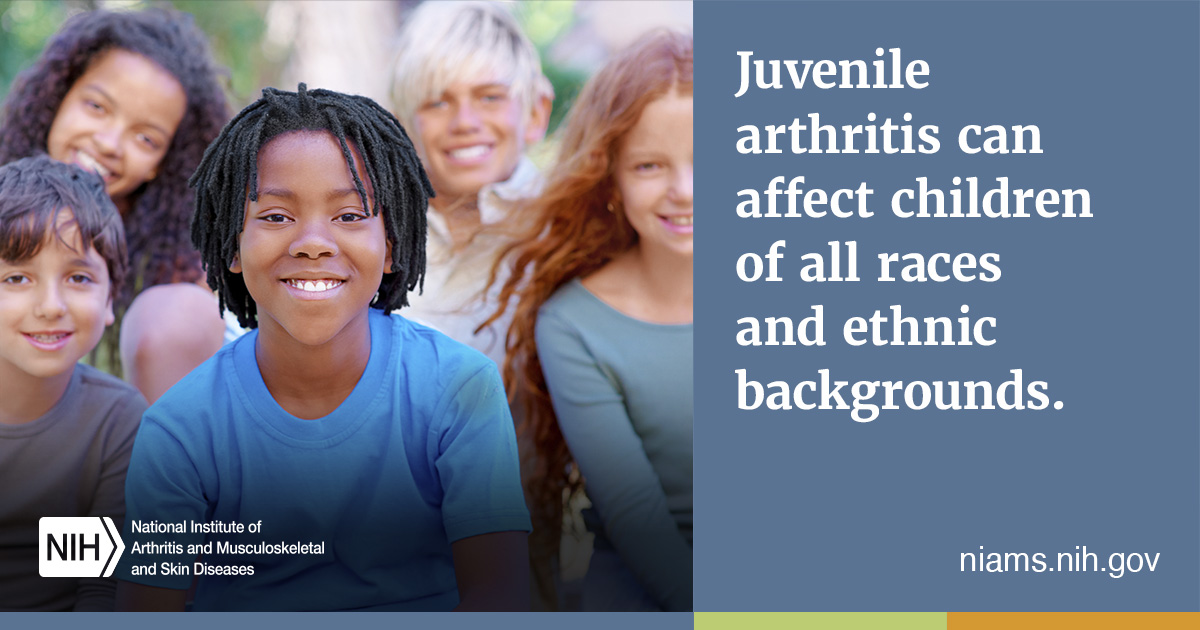
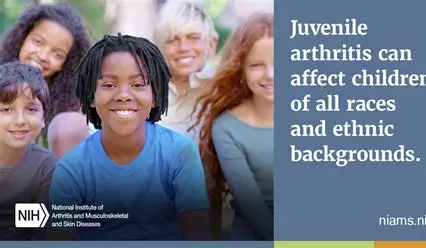
By definition, JIA begins in children and adolescents before the 16th birthday. Most types of the disease are more frequent in girls, but enthesitis-related JIA, a form of the disease that involves inflammation of the places where ligaments and tendons (flexible bands of tissue) attach to bones, is more common in boys. Systemic JIA, a rare type of JIA that features fever and rash, affects boys and girls equally. Children of all races and ethnic backgrounds can get the disease.

It is very rare for more than one member of a family to have JIA, but children with a family member with chronic arthritis, including JIA, are at a slightly increased risk of developing it. Having a family member with psoriasis is a risk factor for a form of JIA called psoriatic JIA.

There are many types of Juvenile Arthritis (JIA)with distinct features:

Generally, they all share arthritic symptoms of joint pain, swelling, warmth, and stiffness that last at least 6 weeks.

The types of JIA:

  • Oligoarticular juvenile idiopathic arthritis. This is the most common and mildest form, affecting four or fewer joints. It is considered persistent if symptoms continue for 6 months or longer, and extended if five or more joints become involved after 6 months of illness. Commonly affected joints are knees or ankles. A form of eye inflammation called chronic (long-lasting) uveitis can develop in children with this form of JIA. About half of children with JIA have this type.
  • Polyarticular juvenile idiopathic arthritis–rheumatoid factor negative. This is the second most common type, affecting five or more joints in the first 6 months. Tests for rheumatoid factor are negative. The rheumatoid factor blood test checks for autoimmune disease, especially rheumatoid arthritis, which is an adult form of arthritis. Some of these children develop chronic uveitis.
  • Polyarticular juvenile idiopathic arthritis–rheumatoid factor positive. A child with this type has arthritis in five or more joints during the first 6 months of the disease. Tests for rheumatoid factor, a marker for autoimmune disease, are positive. It tends to occur in preteen and teenage girls, and it appears to be essentially the same as adult rheumatoid arthritis.
  • Enthesitis-related juvenile idiopathic arthritis. This form of JIA involves both arthritis and enthesitis. Enthesitis happens when inflammation occurs where a ligament or tendon attaches to a bone. The most common locations for enthesitis are the knees, heels, and bottoms of the feet. Arthritis is usually in the hips, knees, ankles, and feet, but the sacroiliac joints (at the base of the back) and spinal joints can also become inflamed. Some children get episodes of acute anterior uveitis, a sudden onset of inflammation of the front of the eye. Unlike most other forms of JIA, enthesitis-related JIA is more common in boys.
  • Psoriatic juvenile idiopathic arthritis. Children with this type have psoriasis, a skin condition, as well as inflammation of the joints. The skin condition usually appears first, but sometimes painful, stiff joints are the first sign, with the skin disease occurring years layer. Pitted fingernails and dactylitis (swollen fingers or toes) are also signs of the disease.
  • Systemic juvenile idiopathic arthritis. Systemic means the disease can affect the whole body, not just a specific organ or joint. Systemic JIA usually starts with fever and rash that come and go over the span of at least 2 weeks. In many cases, the joints become inflamed, but sometimes not until long after the fever goes away, and sometimes not at all if treatment is started quickly. In severe forms, inflammation can develop in and around organs, such as the spleen, lymph nodes, liver, and linings of the heart and lungs. Systemic JIA affects boys and girls with equal frequency.
  • Undifferentiated arthritis. This category includes children who have symptoms that do not fit into any of the other types or that fit into more than one type.

If left untreated, uveitis can lead to eye problems such as cataracts, glaucoma, and vision loss, so it is important for children with JIA to have frequent eye exams.

  • Skin changes. Depending on the type of JIA a child has, he or she may develop skin changes. Children with:
    • Systemic JIA who have fevers can get a light red or pink rash that comes and goes.
    • Psoriatic JIA can develop scaly red patches of skin. Psoriatic JIA can also cause pitted nails and dactylitis (swollen fingers or toes).
    • Polyarticular JIA with rheumatoid factor can get small bumps or nodules on parts of the body that receive pressure, such as from sitting.
  • Fever. Patients with systemic JIA typically have daily fevers when the disease begins or flares. The fever usually appears in the evening, and the rash may move from one part of the body to another, usually happening with the fever. Patients with other types of JIA do not generally develop fevers.
  • Growth problems. Inflammation in children with any type of JIA can lead to growth problems. Depending on the severity of the disease and the joints involved, bones near inflamed  joints may grow too quickly or too slowly. This can cause one leg or arm to be longer than the other, or can result in a small or misshapen chin. Overall growth also may be slowed if the disease is severe. Growth normally improves when inflammation is well-controlled through treatment.

Tune in tomorrow on the causes, how its diagnosed and treated!