
Archive | May 2024

QUOTE FOR TUESDAY:

“Hepatitis means inflammation of the liver. When the liver is inflamed or damaged, its function can be affected. Heavy alcohol use, toxins, some medications, and certain medical conditions can all cause hepatitis. However, hepatitis is often caused by a virus. In the United States, the most common hepatitis viruses are hepatitis A virus, hepatitis B virus, and hepatitis C virus.

Hepatitis C is a liver infection caused by the hepatitis C virus. Hepatitis C can range from a mild illness lasting a few weeks to a serious, long-term illness. Hepatitis C is often described as “acute,” meaning a new infection, or “chronic,” meaning long-term infection.

Hepatitis C can range from a mild illness lasting a few weeks to a serious, long-term illness. Hepatitis C is often described as “acute,” meaning a new infection, or “chronic,” meaning long-term infection.

  • Acute hepatitis C occurs within the first 6 months after someone is exposed to the hepatitis C virus. Hepatitis C can be a short-term illness, but for most people, acute infection leads to chronic infection.
  • Chronic hepatitis C can be a lifelong infection if left untreated. Chronic hepatitis C can cause serious health problems, including liver damage, cirrhosis (scarring of the liver), liver cancer, and even death.

There are vaccines to prevent hepatitis A and hepatitis B; however, there is no vaccine for hepatitis C.  Cirrhosis due to chronic hepatitis C is the leading indication for liver transplantation in Europe, United States and Japan.

Centers for Disease Control and Prevention – CDC (https://www.cdc.gov/hepatitis/hcv/cfaq.htm)

QUOTE FOR MONDAY:

“With five different types of viral hepatitis, it can be difficult to understand the differences between them. Some forms of hepatitis get more attention than others, but it is still important to know how they are transmitted, what they do, and the steps that you can take to protect yourself and your liver!

While hepatitis A and B both impact the liver, the two viruses differ greatly from one another. Hepatitis B is a blood-borne pathogen; its primary mode of transmission is through direct blood-to-blood contact with an infected person. In contrast, hepatitis A can be spread by fecal-oral transmission or by consuming food or water that has been contaminated. It is important to note that a person cannot contract hepatitis B through casual interactions such as holding hands, sharing a meal with, or eating foods prepared by someone who is infected. There is no need to keep plates and utensils separate. However, hepatitis A can be spread through food that is prepared by an infected person. Hepatitis A is primarily caused by poor sanitation and personal hygiene. Poor sanitation and hygiene can be the result of a lack of essential infrastructure like waste management or clean water systems. It can also result from a lack of education.”

Hepatitis B Foundation (https://www.hepb.org/blog/whats-difference-hepatitis-vs-hepatitis-b/)

QUOTE FOR THE WEEKEND:

“Borderline personality disorder (BPD) is a mental health condition marked by extreme mood fluctuations, instability in interpersonal relationships and impulsivity.

People with BPD have an intense fear of abandonment and have trouble regulating their emotions, especially anger. They also tend to show impulsive and dangerous behaviors, such as reckless driving and threatening self-harm. All of these behaviors make it difficult for them to maintain relationships.

Borderline personality disorder is one of a group of conditions called “Cluster B” personality disorders, which involve dramatic and erratic behaviors. Personality disorders are chronic (long-term) dysfunctional behavior patterns that are inflexible, prevalent and lead to social issues and distress.

Many people who live with borderline personality disorder don’t know they have it and may not realize there’s a healthier way to behave and relate to others.”

Cleveland Clinic (https://my.clevelandclinic.org/health/diseases/9762-borderline-personality-disorder-bpd)

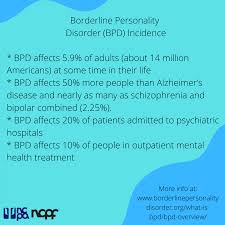
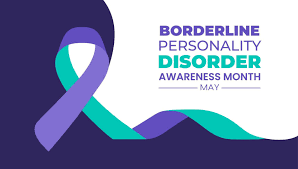
Borderline Personality Disorder Month Awareness-what is actually is, the signs & symptoms of it, how its diagnosed, when to see a doctor and treatments!

What is borderline personality disorder?

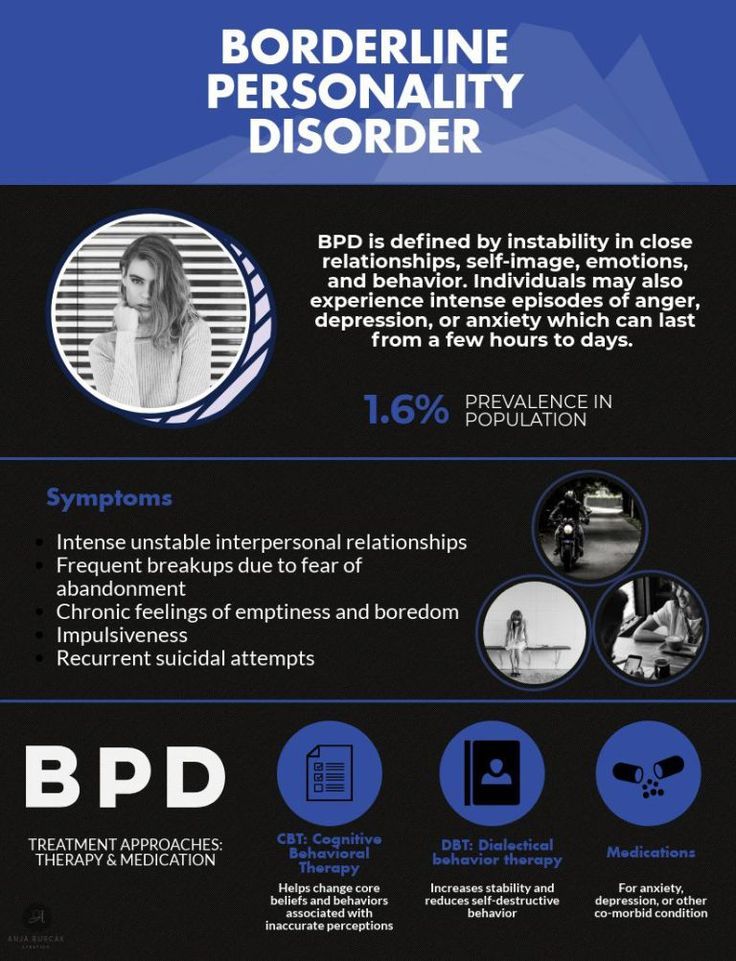
Borderline personality disorder is a mental health condition that affects the way people feel about themselves and others, making it hard to function in everyday life. It includes a pattern of unstable, intense relationships, as well as impulsiveness and an unhealthy way of seeing themselves. Impulsiveness involves having extreme emotions and acting or doing things without thinking about them first.

People with borderline personality disorder have a strong fear of abandonment or being left alone. Even though they want to have loving and lasting relationships, the fear of being abandoned often leads to mood swings and anger. It also leads to impulsiveness and self-injury that may push others away.

Borderline personality disorder usually begins by early adulthood. The condition is most serious in young adulthood. Mood swings, anger and impulsiveness often get better with age. But the main issues of self-image and fear of being abandoned, as well as relationship issues, go on.

If you have borderline personality disorder, know that many people with this condition get better with treatment. They can learn to live stabler, more-fulfilling lives.

The signs and symptoms of the borderline personality disorder:

Borderline personality disorder affects how you feel about yourself, relate to others and behave.

Symptoms may include:

  • A strong fear of abandonment. This includes going to extreme measures so you’re not separated or rejected, even if these fears are made up.
  • A pattern of unstable, intense relationships, such as believing someone is perfect one moment and then suddenly believing the person doesn’t care enough or is cruel.
  • Quick changes in how you see yourself. This includes shifting goals and values, as well as seeing yourself as bad or as if you don’t exist.
  • Periods of stress-related paranoia and loss of contact with reality. These periods can last from a few minutes to a few hours.
  • Impulsive and risky behavior, such as gambling, dangerous driving, unsafe sex, spending sprees, binge eating, drug misuse, or sabotaging success by suddenly quitting a good job or ending a positive relationship.
  • Threats of suicide or self-injury, often in response to fears of separation or rejection.
  • Wide mood swings that last from a few hours to a few days. These mood swings can include periods of being very happy, irritable or anxious, or feeling shame.
  • Ongoing feelings of emptiness.
  • Inappropriate, strong anger, such as losing your temper often, being sarcastic or bitter, or physically fighting.

How borderline personality disorder is diagnosed:

Personality disorders, including borderline personality disorder, are diagnosed based on a:

  • Detailed interview with your doctor or a mental health professional.
  • Mental health evaluation that may include completing a series of questions.
  • Medical history and exam.
  • Discussion of your symptoms.

A diagnosis of borderline personality disorder usually is made in adults — not in children or teenagers. That’s because what may appear to be symptoms of borderline personality disorder in children or teenagers may go away as they get older and mature.

When to see a doctor:

If you’re aware that you have any of the symptoms above, talk to your doctor or other regular healthcare professional or see a mental health professional.

If you have thoughts about suicide

If you have fantasies or mental images about hurting yourself, or you have thoughts about suicide, get help right away by taking one of these actions:

  • Call 911 or your local emergency number right away.
  • Contact a suicide hotline. In the U.S., call or text 988 to reach the 988 Suicide & Crisis Lifeline, available 24 hours a day, seven days a week. Or use the Lifeline Chat. Services are free and confidential.
  • U.S. veterans or service members who are in crisis can call 988 and then press “1” for the Veterans Crisis Line. Or text 838255. Or chat online.
  • The Suicide & Crisis Lifeline in the U.S. has a Spanish language phone line at 1-888-628-9454 (toll-free).
  • Call your mental health professional, doctor or another member of your healthcare team.
  • Reach out to a loved one, close friend, trusted peer or co-worker.
  • Contact someone from your faith community.

If you notice symptoms in a family member or friend, talk to that person about seeing a doctor or mental health professional. But you can’t force someone to change. If the relationship causes you a lot of stress, you may find it helpful to see a therapist.

Treatments for borderline personality disorder patients:

Borderline personality disorder is mainly treated using psychotherapy, which also is known as talk therapy. But medicine may be added. Your doctor also may recommend that you stay in the hospital if your safety is at risk.

Treatment can help you learn skills to manage and cope with your condition. You also should be treated for any other mental health conditions that often occur along with borderline personality disorder, such as depression or substance misuse. With treatment, you can feel better about yourself and have a stabler, more fulfilling life.

Talk therapy

Talk therapy is a basic treatment approach for borderline personality disorder. Your mental health professional may adjust the type of therapy to best meet your needs.

Talk therapy seeks to help you:

  • Focus on your ability to function.
  • Learn to manage emotions that feel uncomfortable.
  • Reduce your impulsiveness by helping you note feelings rather than act on them.
  • Work on making relationships better by being aware of your feelings and those of others.
  • Learn about borderline personality disorder.

Management of borderline personality disorder mainly focuses on making sense of moments that are emotionally hard by thinking about what happened in your relationships that led to those moments. Good mental health management tends to include a combination of individual therapy, group therapy, family education and medicines for related conditions.

Types of talk therapy that have been found to be effective include:

  • Dialectical behavior therapy (DBT). DBT includes group and individual therapy designed to treat borderline personality disorder. DBT uses a skills-based approach to teach you how to manage your emotions, handle distress and understand relationships better.
  • Cognitive behavioral therapy (CBT). CBT helps you change your beliefs that come from distorted ways of seeing things. It also can help with relationship issues. The goal is to learn to pinpoint negative thoughts and cope with those thoughts. This treatment can reduce mood swings and make you less anxious. It also can make it less likely that you’ll harm yourself or attempt suicide.
  • Schema-focused therapy. Schema-focused therapy focuses on changing negative thought patterns.
  • Mentalization-based therapy (MBT). MBT helps you note your thoughts and feelings and see things differently. MBT stresses thinking before reacting.
  • Systems Training for Emotional Predictability and Problem-Solving (STEPPS). STEPPS is a 20-week treatment program where you work in groups that include your family members, caregivers, friends or significant others. STEPPS is used in addition to other types of talk therapy.
  • Transference-focused psychotherapy (TFP). Also called psychodynamic psychotherapy, TFP aims to help you learn about your emotions and issues relating to others by creating a relationship between you and your therapist. You then apply what you learn to other situations.

Medicines

The Food and Drug Administration hasn’t approved any drugs specifically to treat borderline personality disorder. But some medicines may help with symptoms. And some medicines can help with conditions that occur with borderline personality disorder, such as depression, impulsiveness, aggression or anxiety. Medicines used to treat these conditions may include antidepressants, antipsychotics or mood-stabilizing drugs.

Talk to your doctor or mental health professional about the benefits and side effects of medicines.

Hospitalization

At times, you may need to be treated in a psychiatric hospital or clinic. Staying in the hospital also may keep you safe from harming yourself or help you talk about thoughts or behaviors related to suicide.

Recovery takes time

Learning to manage your emotions, thoughts and behaviors takes time. Most people improve greatly, but some people always struggle with some symptoms of borderline personality disorder. You may have times when your symptoms are better or worse. But treatment can make it easier to function and help you feel better about yourself.

You have the best chance for success when you work with a mental health professional who has experience treating borderline personality disorder.

QUOTE FOR FRIDAY:

“Bladder Cancer. These two words deliver a devastating impact. Every year, over 610,000 people are diagnosed with bladder cancer, and 1.9m people find themselves living with the condition. It is the 9th most commonly diagnosed cancer and the 13th cause of death from cancer globally. But, a timely diagnosis significantly increases the chance of long-term survival and quality of life.

Blood in the urine is the most important warning sign of bladder cancer to watch out for.

Yet bladder cancer is the forgotten cancer and what many don’t know is early diagnosis offers people a higher chance of successful treatment and long-term survival. We need to get people talking about this important statistic and we need them to share this fact. World Bladder Cancer Awareness month in May 2024 is a chance for us to do exactly that.”

World Bladder Cancer Patient Coalition (https://worldbladdercancer.org/awareness-month/)


QUOTE FOR THURSDAY:

“Bladder cancer makes up about 4% of cancers in the US. It is the fourth most common cancer in men, but it’s less common in women.

The American Cancer Society’s estimates for bladder cancer in the United States for 2024 are:

  • About 83,190 new cases of bladder cancer (about 63,070 in men and 20,120 in women)
  • About 16,840 deaths from bladder cancer (about 12,290 in men and 4,550 in women)

The rates of both new bladder cancers and deaths from bladder cancer have been dropping in recent years.

Bladder cancer occurs mainly in older people. About 9 out of 10 people with this cancer are over the age of 55. The average age of people when they are diagnosed with bladder cancer is 73.

Overall, the chance men will develop this cancer during their lifetime is about 1 in 28. For women, the chance is about 1 in 89. However, each person’s chances of getting bladder cancer might be higher or lower than this, depending on their risk factors.”

American Cancer Society (https://www.cancer.org/cancer/types/bladder-cancer/about/key-statistics.html)


QUOTE FOR WEDNESDAY:

“Arthritis includes approximately 100 conditions that affect the joints and surrounding tissues. It is a leading cause of activity limitations, disability, and chronic pain, and is associated with dispensed opioid prescriptions, substantially contributing to health care costs.

Combined 2019–2021 National Health Interview Survey data were analyzed to update national prevalence estimates of self-reported diagnosed arthritis. An estimated 21.2% (18.7% age-standardized) of U.S. adults aged ≥18 years (53.2 million) had diagnosed arthritis during this time frame. Age-standardized arthritis prevalences were higher among women (20.9%) than men (16.3%), among veterans (24.2%) than nonveterans (18.5%), and among non-Hispanic White (20.1%) than among Hispanic or Latino (14.7%) or non-Hispanic Asian adults (10.3%). Adults aged ≥45 years represent 88.3% of all U.S. adults with arthritis. Unadjusted arthritis prevalence was high among adults with chronic obstructive pulmonary disease (COPD) (57.6%), dementia (55.9%), a disability (54.8%), stroke (52.6%), heart disease (51.5%), diabetes (43.1%), or cancer (43.1%).

Approximately one half of adults aged ≥65 years with COPD, dementia, stroke, heart disease, diabetes, or cancer also had a diagnosis of arthritis. These prevalence estimates can be used to guide public health policies and activities to increase equitable access to physical activity opportunities within the built environment and other arthritis-appropriate, evidence-based interventions.”

National Library of Medicine (https://www.ncbi.nlm.nih.gov/pmc/articles/PMC10578950/)

Arthritis – what it is, the types of arthritis, signs/symptoms, how its diagnosed and the treatments!


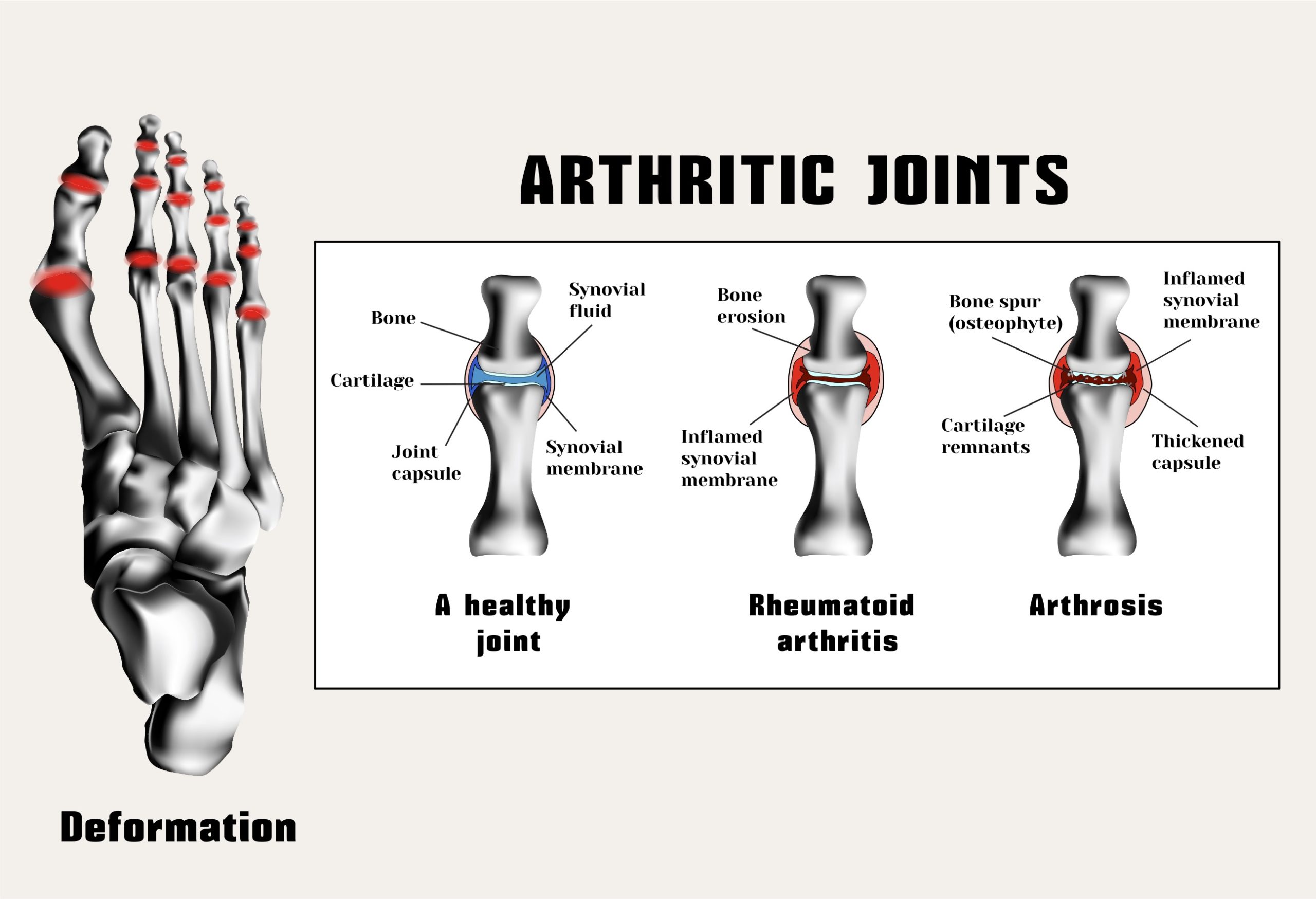
Arthritis is a joint disease ((Medically Arthro means joint / itis means inflammation). The main symptoms of arthritis are joint pain and stiffness, which typically worsen with age. A joint exists where the ends of two or more bones meet. The knee joint, for example, is formed between the bones of the lower leg (tibia and fibula) and the thighbone (femur). The hip joint is located where the top of the thighbone (femoral head) meets the cup portion  of the pelvis (acetabulum).

Cartilage. A smooth layer of cartilage covers the ends of bones in a joint. Cartilage cushions the bone and allows the joint to move easily without the friction that would occur with bone-on-bone contact.

Synovium. A joint is enclosed by a fibrous capsule that is lined with a tissue called the synovium, which produces a fluid that also helps to reduce friction and wear in a joint.

Muscles, tendons, and ligaments. Ligaments connect the bones and keep the joint stable. Muscles and tendons power the joint and enable it to move.

Osteoarthritis causes cartilage — the hard, slippery tissue that covers the ends of bones where they form a joint — to break down. Rheumatoid arthritis is a disease in which the immune system attacks the joints, beginning with the lining of joints.

Uric acid crystals, which form when there’s too much uric acid in your blood, can cause gout. Infections or underlying disease, such as psoriasis or lupus, can cause other types of arthritis.

Treatments vary depending on many factors but first the type of arthritis. The main goals of arthritis treatments are to reduce symptoms and improve quality of life.

Types of Arthritis:

1-Rheumatoid Arthritis (RA) symptoms are joint inflammation that comes from pain, warmth, and swelling. The inflammation is typically symmetrical that is occurring on both sides of the body at the same time (such as hands, wrists, or knees). Other signs of Rheumatoid Arthritis include joint stiffness that is particularly in the AM upon awakening or after periods of inactivity; ongoing fatigue, and low-grade fever. Signs and symptoms come about gradually over years but can come on rapidly for some other people. RA is while is an autoimmune disorder.

2-Osteoarthritis is usually caused by normal wear and tear, while rheumatoid arthritis is an autoimmune disorder. Other types of arthritis can be caused by uric acid crystals, infections or even an underlying disease, such as psoriasis or lupus.

3-Autoimmune Inflammatory Arthritis

A healthy immune system is protective. It generates inflammation to clear infections and heal injuries. But in inflammatory arthritis, the immune system is overactive, attacking healthy tissue, including joints in the spine, hands and feet. In some people, inflammation becomes systemic, damaging the eyes, skin, heart and other organs. Many, but not all types of inflammatory arthritis are considered autoimmune diseases because the immune system loses the ability to distinguish self from not-self and attacks the body it’s supposed to protect.

Rheumatoid arthritis (RA) is the most common form of autoimmune inflammatory arthritis. Psoriatic arthritis (PsA) axial spondyloarthritis (axSpA), gout and juvenile arthritis are less common and can be more challenging to diagnose.

4-Infectious Arthritis

A bacterial, viral or fungal infection triggers infectious arthritis. It usually starts when an infection from another part of the body travels to a joint, usually the knee. Symptoms like swelling, pain and fever can be sudden and intense, but treatment with antibiotics or antifungals usually clears the infection pretty quickly. Most viral infections last a week or two and go away on their own. Some people with infectious arthritis may need to have their joint fluid drained to remove infected synovial fluid, reduce pain and inflammation and prevent joint damage.

5-Gout (Metabolic Arthritis)

Metabolic or gouty arthritis — commonly known as gout — results from a buildup in joints of painful uric acid crystals. These are a byproduct of the breakdown of purines — substances normally found in human cells and many foods, especially red meat, organ meats, some seafoods and alcohol. Normally the body gets rid of excess uric acid, but when it doesn’t, it can accumulate in joints, causing sudden and intense bouts of pain, especially the big toe.

However, most people with high uric acid levels never develop gout and many gout patients have normal uric acid. Some research suggests that certain factors in addition to uric acid might trigger gout. Possible culprits include damage from OA, disruptions in the microbiome and even white blood cells in the fluid inside joints.

Some people experience only one gout attack, or flare, and never have other symptoms. They don’t typically require medication. People who have more than one gout flare or severe symptoms are typically prescribed uric acid-lowering drugs. Those drugs can have serious side effects (and may not address the real problem), so in addition to taking medication, patients are advised to adopt a mostly plant-based, low-purine diet, rich in fruit, vegetables, whole grains, olive oil and low-purine fish.

6-Ankylosing spondylitis is a type of arthritis that causes inflammation in the joints and ligaments of the spine.

Regardless of whether arthritis is caused by injury, normal wear and tear, or systemic disease, the affected joint becomes inflamed, causing swelling, pain, and stiffness. Inflammation is one of the body’s normal reactions to injury or disease. In arthritic joints, however, inflammation may cause long-lasting or permanent disability when it destroys the joint’s cartilge.

The most common types of arthritis are osteoarthritis and rheumatoid arthritis.

The most common signs and symptoms of arthritis involve the joints:

  • Pain
  • Stiffness
  • Swelling
  • Redness
  • Decreased range of motion

How arthritis is diagnosed:

Laboratory tests

The analysis of different types of body fluids can help pinpoint the type of arthritis you may have. Fluids commonly analyzed include blood, urine and joint fluid. To obtain a sample of joint fluid, doctors cleanse and numb the area before inserting a needle in the joint space to withdraw some fluid.

Imaging

These types of tests can detect problems within the joint that may be causing your symptoms. Examples include:

  • X-rays. Using low levels of radiation to visualize bone, X-rays can show cartilage loss, bone damage and bone spurs. X-rays may not reveal early arthritic damage, but they are often used to track progression of the disease.
  • Computerized tomography (CT). CT scanners take X-rays from many different angles and combine the information to create cross-sectional views of internal structures. CTs can visualize both bone and the surrounding soft tissues.
  • Magnetic resonance imaging (MRI). Combining radio waves with a strong magnetic field, MRIs can produce more-detailed cross-sectional images of soft tissues such as cartilage, tendons and ligaments.
  • Ultrasound. This technology uses high-frequency sound waves to image soft tissues, cartilage and fluid-containing structures near the joints (bursae). Ultrasound is also used to guide needle placement for removing joint fluid or injecting medications into the joint.

Treatments for arthritis:

Arthritis treatment focuses on relieving symptoms and improving joint function. You may need to try several different treatments, or combinations of treatments, before you determine what works best for you.

Medications

The medications used to treat arthritis vary depending on the type of arthritis. Commonly used arthritis medications include:

  • NSAIDs. Nonsteroidal anti-inflammatory drugs (NSAIDs) can relieve pain and reduce inflammation. Examples include ibuprofen (Advil, Motrin IB, others) and naproxen sodium (Aleve). Stronger NSAIDs can cause stomach irritation and may increase your risk of heart attack or stroke. NSAIDs are also available as creams or gels, which can be rubbed on joints.
  • Counterirritants. Some varieties of creams and ointments contain menthol or capsaicin, the ingredient that makes hot peppers spicy. Rubbing these preparations on the skin over your aching joint may interfere with the transmission of pain signals from the joint itself.
  • Steroids. Corticosteroid medications, such as prednisone, reduce inflammation and pain and slow joint damage. Corticosteroids may be given as a pill or as an injection into the painful joint. Side effects may include thinning of bones, weight gain and diabetes.
  • Disease-modifying antirheumatic drugs (DMARDs). These drugs can slow the progression of rheumatoid arthritis and save the joints and other tissues from permanent damage. In addition to conventional DMARDs, there are also biologic agents and targeted synthetic DMARDs. Side effects vary but most DMARDs increase your risk of infections.

Therapy

Physical therapy can be helpful for some types of arthritis. Exercises can improve range of motion and strengthen the muscles surrounding joints. In some cases, splints or braces may be warranted.

Surgery

If conservative measures don’t help, doctors may suggest surgery, such as:

  • Joint repair. In some instances, joint surfaces can be smoothed or realigned to reduce pain and improve function. These types of procedures can often be performed arthroscopically — through small incisions over the joint.
  • Joint replacement. This procedure removes the damaged joint and replaces it with an artificial one. Joints most commonly replaced are hips and knees.
  • Joint fusion. This procedure is more often used for smaller joints, such as those in the wrist, ankle and fingers. It removes the ends of the two bones in the joint and then locks those ends together until they heal into one rigid unit.
 

QUOTE FOR TUESDAY

”More than 100 million people in the United States have asthma and/or allergies. Some people may have more than one of these conditions.

  • More than 27 million people in the U.S. have asthma (more than 22 million adults and 4.5 million children).1,2
  • About 20 million people in the U.S. have food allergies (16 million adults and 4 million children).3,4
  • About 81 million people in the U.S. have rhinitis due to nasal allergies, also called “hay fever” (67 million adults and 114 million children).3,4
  • There is no cure for asthma or allergies.”

Asthma and Allergy Foundation of America (https://aafa.org/get-involved/asthma-and-allergy-awareness-month/)

QUOTE FOR MONDAY:

“There is no treatment to reverse damage to motor neurons or cure ALS at this time. However, some treatments may slow progression of the disease, improve quality of life, and extend survival. New treatments have become available in the past several years, and researchers continue to explore diverse avenues to slow or stop progression of ALS.

Supportive health care is best provided by integrated, multi-disciplinary teams of professionals.  Doctors may use the medications approved by the U.S. Food and Drug Administration (FDA) to support a treatment plan for ALS.”

National Institute of Neurological Disorders and Stroke – NIH (https://www.ninds.nih.gov/health-information/disorders/amyotrophic-lateral-sclerosis-als)