Archive | November 2022

QUOTE FOR THURSDAY:

“There’s no cure, so the goal of treatment is to ease your symptoms and slow the disease. Your doctor will also want to prevent or treat any complications and improve your overall quality of life.

One of the best things you can do to stop your COPD from getting worse is to stop smoking. Talk to your doctor about different things you can try.”

WEB MD

QUOTE FOR WEDNESDAY:

“To diagnose chronic obstructive pulmonary disease (COPD), which includes chronic bronchitis and emphysema, your doctor will evaluate your symptoms, ask for your complete health history, conduct a health exam and examine test results.  The pt is tested through spirometry. Spirometry is a simple test of how well your lungs work. For this test, you blow air into a mouthpiece and tubing attached to a small machine. The machine measures the amount of air you blow out and how fast you can blow it.   Also a chest X-ray and/or other tests, such as an arterial blood gas test, which measures the oxygen level in your blood. When you are diagnosed with chronic obstructive pulmonary disease (COPD), which includes chronic bronchitis and emphysema, you likely will have many questions and the answers may not always be clear at first. Not all people with COPD have the same symptoms and treatment may differ from person to person. It is important to talk to your doctor about your treatment options and to get answers to all of your questions.”

American Lung Association (https://www.lung.org/lung-health-diseases/lung-disease-lookup/copd/treating)

QUOTE FOR TUESDAY:

“Chronic obstructive pulmonary disease (COPD) is characterised by poorly reversible airflow obstruction and an abnormal inflammatory response in the lungs.  The latter represents the innate and adaptive immune responses to long term exposure to noxious particles and gases, particularly cigarette smoke. People with COPD are at increased risk of developing heart disease, lung cancer and a variety of other conditions especially if its due to smoking.  Inflammation is present in the lungs, particularly the small airways, of all people who smoke. This normal protective response to the inhaled toxins is amplified in COPD, leading to tissue destruction, impairment of the defence mechanisms that limit such destruction, and disruption of the repair mechanisms. In general, the inflammatory and structural changes in the airways increase with disease severity and persist even after smoking cessation.”

National Library of Medicine NIH

QUOTE FOR MONDAY:

“Chronic obstructive pulmonary disease (COPD) is a chronic inflammatory lung disease that causes obstructed airflow from the lungs. Symptoms include breathing difficulty, cough, mucus (sputum) production and wheezing. It’s typically caused by long-term exposure to irritating gases or particulate matter, most often from cigarette smoke. People with COPD are at increased risk of developing heart disease, lung cancer and a variety of other conditions.

Emphysema and chronic bronchitis are the two most common conditions that contribute to COPD. These two conditions usually occur together and can vary in severity among individuals with COPD.

Chronic bronchitis is inflammation of the lining of the bronchial tubes, which carry air to and from the air sacs (alveoli) of the lungs. It’s characterized by daily cough and mucus (sputum) production.

Emphysema is a condition in which the alveoli at the end of the smallest air passages (bronchioles) of the lungs are destroyed as a result of damaging exposure to cigarette smoke and other irritating gases and particulate matter.

Although COPD is a progressive disease that gets worse over time, COPD is treatable.”

MAYO CLINIC

QUOTE FOR WEEKEND:

“Regarding newly diagnosed diabetics 1.5 million people will be diagnosed with DM this year. $237 billion is spent each year on direct medical costs and another $90 billion on reduced productivity. Some people can manage it with healthy eating and exercise, or with oral medications, while others may also need to use insulin.  Sometimes one medication will be enough, but in other cases, your doctor may prescribe a combination of medications.  It’s common for your medication needs to change over time. And that’s a good thing. The most important thing is to get to feeling your best.”

American Diabetes Association (https://diabetes.org/)


QUOTE FOR FRIDAY:

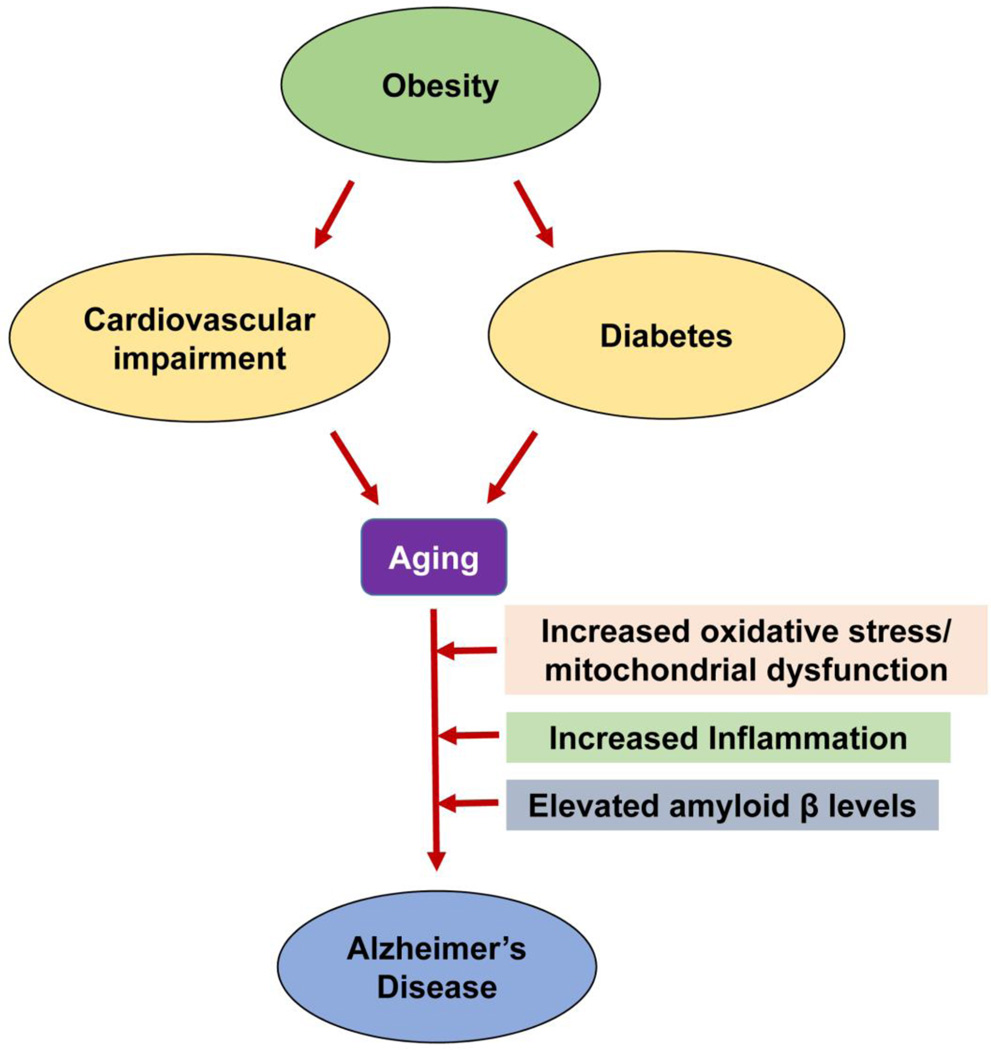
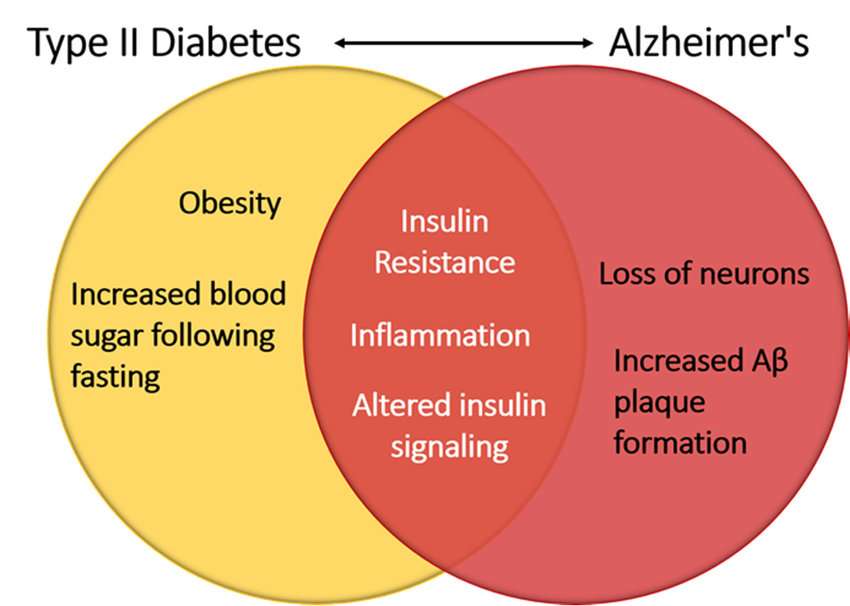
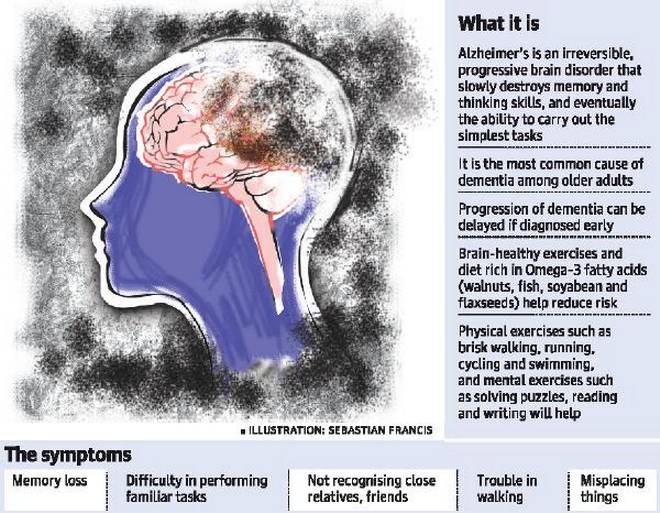
“Research shows that people with prediabetes or type 2 diabetes have a higher risk of getting Alzheimer’s disease and other types of dementia later in life.

Scientists think there are a few ways that problems with blood sugar control can lead to problems with your memory and thinking.

Insulin Resistance-When your cells don’t use insulin the way they should, that affects the mechanics of your brain.

  • 1-Your cells don’t get the fuel they need, so your brain can’t work right.
  • 2-Your blood sugar goes up, and over time, that can cause harmful fatty deposits in your blood vessels.
  • 3-Too much insulin can throw off the balance of chemicals in your brain.

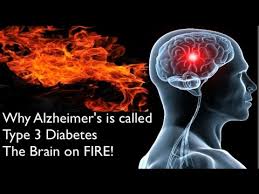
These effects on the brain are so strong that some scientists feel that Alzheimer’s related to insulin resistance should be called “type 3 diabetes.”

WEB MD (https://www.webmd.com/)


Part IV November Diabetes Awareness – Diabetes increases your risk of Alzheimer’s dramatically.

If You Have Diabetes, Your Risk of Alzheimer’s Increases Dramatically

Diabetes is linked to a 65 percent increased risk of developing Alzheimer’s, which may be due, in part, because insulin resistance and/or diabetes appear to accelerate the development of plaque in your brain, which is a hallmark of Alzheimer’s. Separate research has found that impaired insulin response was associated with a 30 percent higher risk of Alzheimer’s disease, and overall dementia and cognitive risks were associated with high fasting serum insulin, insulin resistance, impaired insulin secretion and glucose intolerance.

A drop in insulin production in your brain may contribute to the degeneration of your brain cells, mainly by depriving them of glucose, and studies have found that people with lower levels of insulin and insulin receptors in their brain often have Alzheimer’s disease (people with type 2 diabetes often wind up with low levels of insulin in their brains as well). As explained in New Scientist, which highlighted this latest research:

What’s more, it encourages the process through which neurons change shape, make new connections and strengthen others. And it is important for the function and growth of blood vessels, which supply the brain with oxygen and glucose.

As a result, reducing the level of insulin in the brain can immediately impair cognition. Spatial memory, in particular, seems to suffer when you block insulin uptake in the hippocampus… Conversely, a boost of insulin seems to improve its functioning.

When people frequently gorge on fatty, sugary food, their insulin spikes repeatedly until it sticks at a high level. Muscle, liver and fat cells then stop responding to the hormone, meaning they don’t mop up glucose and fat in the blood. As a result, the pancreas desperately works overtime to make more insulin to control the glucose – and levels of the two molecules skyrocket.

The pancreas can’t keep up with the demand indefinitely, however, and as time passes people with type 2 diabetes often end up with abnormally low levels of insulin.”

Alzheimer’s Might be “Brain Diabetes”

BBA – Molecular Basis of Disease, Accepted manuscript. doi:10.1016/j.bbadis.2016.04.017

It’s becoming increasingly clear that the same pathological process that leads to insulin resistance and type 2 diabetes may also hold true for your brain. As you over-indulge on sugar and grains, your brain becomes overwhelmed by the consistently high levels of insulin and eventually shuts down its insulin signaling, leading to impairments in your thinking and memory abilities, and eventually causing permanent brain damage.

Regularly consuming more than 25 grams of fructose per day will dramatically increase your risk of dementia and Alzheimer’s disease. Consuming too much fructose will inevitably wreak havoc on your body’s ability to regulate proper insulin levels.

Although fructose is relatively “low glycemic” on the front end, it reduces the affinity for insulin for its receptor leading to chronic insulin resistance and elevated blood sugar on the back end. So, while you may not notice a steep increase in blood sugar immediately following fructose consumption, it is likely changing your entire endocrine system’s ability to function properly behind the scenes.

Additionally, fructose has other modes of neurotoxicity, including causing damage to the circulatory system upon which the health of your nervous system depends, as well as profoundly changing your brain’s craving mechanism, often resulting in excessive hunger and subsequent consumption of additional empty carbohydrate-based calories.

In one study from UCLA, researchers found that rats fed a fructose-rich and omega-3 fat deficient diet (similar to what is consumed by many Americans) developed both insulin resistance and impaired brain function in just six weeks.

Plus, when your liver is busy processing fructose (which your liver turns into fat), it severely hampers its ability to make cholesterol , an essential building block of your brain crucial to its health. This is yet another important facet that explains how and why excessive fructose consumption is so detrimental to your health.  Decreasing fructose intake is one of the most important moves you can take in decreasing the risk of Alzheimer’s disease in your lifetime.


QUOTE FOR THURSDAY:

“It’s important to keep your blood sugar levels in your target range as much as possible to help prevent or delay long-term, serious health problems, such as heart disease, vision loss, and kidney disease. Staying in your target range of blood glucose (Before a meal glucose in the blood should range the following: 80 to 130 mg/dL. Two hours after the start of a meal: Less than 180 mg/dL.).  Keeping the glucose in therapeutic range can also help improve your energy and mood.”

Center for Disease Control and Prevention (CDC)

Find answers to common questions about blood sugar for people with diabetes

Part III November Diabetes Awareness. How to take control of your Diabetes and decrease complications!


Here is a fast review of Part I and Part II:

Diabetes occurs when the pancreas, a gland behind the stomach, does not produce enough of the hormone insulin, or the body cannot use insulin properly. Insulin helps carry sugar from the bloodstream into the cells. Once inside the cells, sugar is converted into energy for immediate use or stored for the future. That energy fuels many of our bodily functions.

The body produces glucose from the foods you eat. The liver also releases sugar when you are not eating. The pancreas produces the hormone insulin, which allows glucose from the bloodstream to enter the body’s cells where it is used for energy. In type 2 diabetes, too little insulin is produced, or the body cannot use insulin properly, or both. This results in a build-up of glucose in the blood.

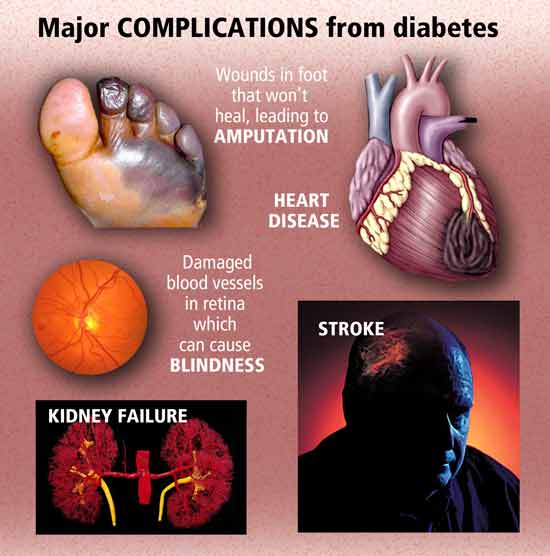
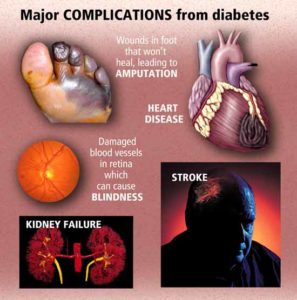
People with diabetes are at risk of developing signs and symptoms of hyperglycemia to serious health problems (complications).

HOW we can decrease the risk of complications and decrease the chance of diabetes worsening = KEEP IT UNDER CONTROL = PRACTICING VERY GOOD MANAGEMENT IN CARING FOR YOUR DIABETES

This is how you can reach this goal:

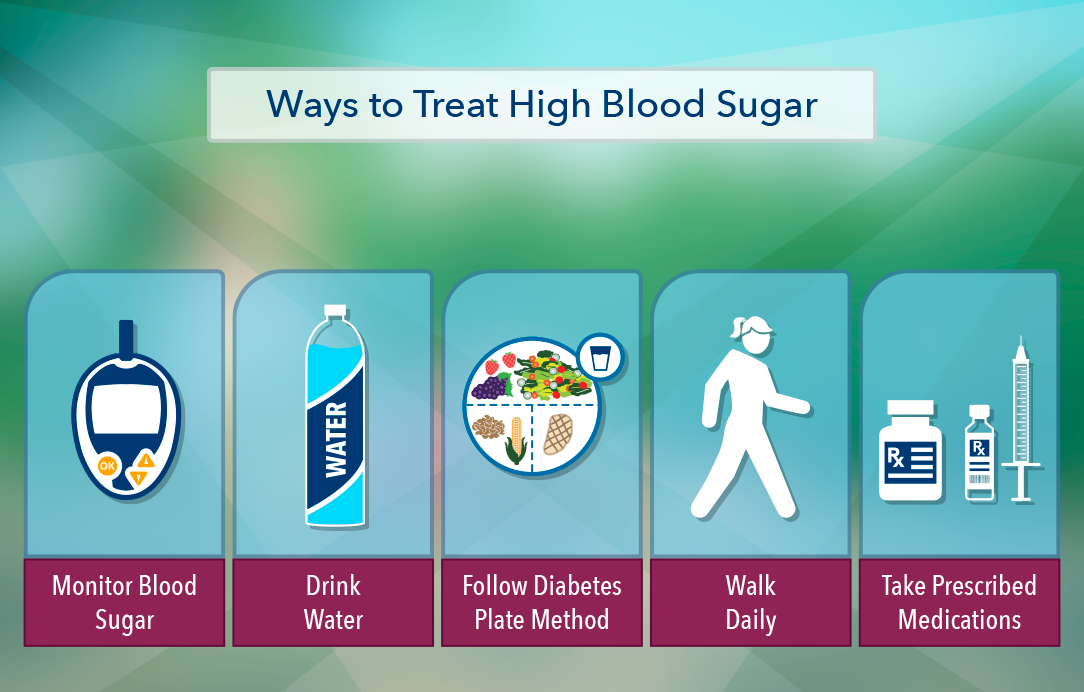
-Controlling your blood glucose, blood pressure, and cholesterol can make a huge difference in staying healthy. Talk with your doctor about what your goals should be and how to reach them but make sure you are given information on paper or write down what it is you have discussed in the doctor’s office based on your care for diabetes and what to do. Usually diabetic information on paper is available and given to you.

To reach controlling your glucose and treatment for Diabetes:

-Your healthy eating plan that you and your doctor with a dietician have discussed.

-Overweight? Than diet down to your therapeutic weight range for your height after discussed with by you with your doctor.

-Be physically active for 30 to 60 minutes most days but if this is new get your doctor to clear this activity for you with what kind of activity you are allowed and not allowed.

-Take your medicines as directed and keep taking them even after you’ve reached your goals; or you will be at high risk of ending up the way you were earlier=Diabetes badly controlled with running into the problems you had earlier.It’s very important to take your diabetes medications as recommended by your doctor. Left untreated, diabetes can lead to serious, even life-threatening complications.

-If you smoke=QUIT.

-Check your skin daily in particular the FEET and LOWER LEGS to check for redness, swelling to blisters, sores and sore toenails

-Ask your doctor if you should be taking aspirin to prevent a heart attack or stroke by making the blood less thick to thinner making it easier for the heart to pump and less stress to the organ.

The key is to controlling your DIABETES is to be living a healthy life! This consists of diet, exercise or activity and healthy habits learned and practiced routinely in your life that will help prevent or assist in treating diabetic disease. The better we treat ourselves regarding health the higher the odds we will live a longer and healthier life. There is not just one food to eat or one type of exercise to do or one healthy habit to practice in order to keep you healthy, there’s choices. To be a part learn what healthier habits or changes you want for a healthier way of living; learn how to eat out of the 4 food groups to prevent Diabetes or eating out of the 4 food groups that are following your diabetic diet as ordered by your MD. It allows you to make all the decisions in what you want to do regarding what to eat (diet). Now with diet you must include exercise/activity, and what healthy habits you want to add in your life that are not so healthy; you know what that is and if not read a book on how to get heathier-including how to prevent diabetes where the library and book stores have many options for you. Provide yourself with the information and healthy foods in your diet, if you decide you want it. You make all the choices.

The ending line of all problems resulting from Diabetes is due to the thick high glucose blood in the blood stream filtering throughout the different organs in our body causing from peripheral neuropathy to necrotic skin to amputations for LE’s usually or same effect elsewhere causing macular degeneration to blindness or increase of cancers, heart disease, Diabetes Alzheimer’s and we could go on about the effects of diabetes.  Get it now its control your blood glucose keeping it in therapeutic range  decreasing the odds of developing these conditions or the severity of these conditions.

If you don’t have diabetes than take the steps to prevent being diagnosed with it later in life.  WHAT are those steps? Eat Right (Healthy), Keep your weight in therapeutic range, Exercise the body balancing it with rest, decrease stress, and take care of yourself.  BUT if there is heredity in the family, especially your nuclear family, when you see your primary care doctor every 6 months or yearly have your glucose checked to see if it is high or not.  Simply get a BMP or CMP blood test that looks at blood electrolyte levels that includes glucose.  If its high the next step is getting the doctor to check your hemoglobin A1C another blood test done with no eating for 12 hrs prior to see what your real glucose level is prior to your first meal in the morning (done on a empty stomach).  For if you eat prior to the test it won’t accurate on your true glucose level.  2 Easy blood tests.

It is all up to you!

Wouldn’t you want less disease/illness for yourself, for your family, others significant to you and even throughout the nation including our future generations. Wouldn’t it be great to see Diabetes decrease in America for future years and giving us an ending result of higher probability that we would overall a healthier country with less diseases. If that included Diabetes decreased significantly what an impact it would play in decreasing other diseases, that occurred due to the diabetes alone  (That would decrease cardiac disease, renal disease, blurred vision, neuropathy, I could go on).  Besides how much it would decrease in this country to take care of patients with diabetes.

I’m not a diabetic but eating overall healthy and in my diet range (barely) but there and trying to increase my activity. Do yourself and maybe others a favor by making yourself and America a healthier country for less Diabetes and the diseases it can cause from cardiac to vision to renal to brain, etc…

Again its all up to you!

REFERENCES for Part I, Part II & III this week on diabetes:

1.)  Center for Disease (CDC) – “National Diabetes Fact Sheet”

2.)  NYS Dept. of Health –Diabetes

3.)  Diabetic Neuropathy.org “All about diabetic neuropathy and nerve damage caused by Diabetes.”

4.)  NIDDK “National Institute of Diabetes and Digestive and Kidney Diseases.

5.)  National Diabetes Information Clearinghouse (NIDC) – U.S. Department of Health and Human Services.       “Preventing Diabetes Problems: What you need to know”
 

QUOTE FOR WEDNESDAY:

” No matter what type of diabetes you have, it can lead to excess sugar in the blood that does not absorb into the cell like normally causing hyperglycemia. Too much sugar in the blood can lead to serious health problems.  Diabetes symptoms depend on how high your blood sugar is. Type I known as juvenile diabetes.  Some people, especially if they have prediabetes or type 2 diabetes, may not have symptoms. In type 1 diabetes, symptoms tend to come on quickly and be more severe .  Type 2 diabetes used to be known as adult-onset diabetes, but both type 1 and type 2 diabetes can begin during childhood and adulthood.  Still Type II DM most of the times you get it 40 yrs old and up; not as soon as Type 1 (usually in childhood or teen years you get it).   Type I exposes the person to high sugar in the intensity &/or length of free sugar in the blood outside the cells due to the age they got the disease, that causes the S/S & complications to arise sooner than Type II patients.”.

MAYO CLINIC