High blood pressure in general can cause problems for you like:
1-Aneurysm. Over time, the constant pressure of blood moving through a weakened artery can cause a section of its wall to enlarge and form a bulge (aneurysm). Aneurysms can occur anywhere but the body most common place is the abdominal aortic aneurysm. The aorta is the largest blood vessel in the body. It begins at the left ventricle of the heart and travels down the abdomen where it splits off into both legs. The abdomen gives the aneurysm plenty of room to grow before it bursts (if not diagnosed yet & treated via surgery), like in actor John Ritter’s case (he died of a ruptured aortic aneurysm). Other areas of aneurysms seen are thoracic aortic aneurysms and cerebral aneurysms (in the brain).
2-Damaged and narrowed arteries. High blood pressure can damage the cells of your arteries’ inner lining. When fats from your diet enter your bloodstream, they can collect in the damaged arteries. Eventually, your artery wall first is with the added force against it over time, this extra pressure can damage the arteries, making them more vulnerable to the narrowing and plaque buildup associated with arthero/arterio sclerosis.
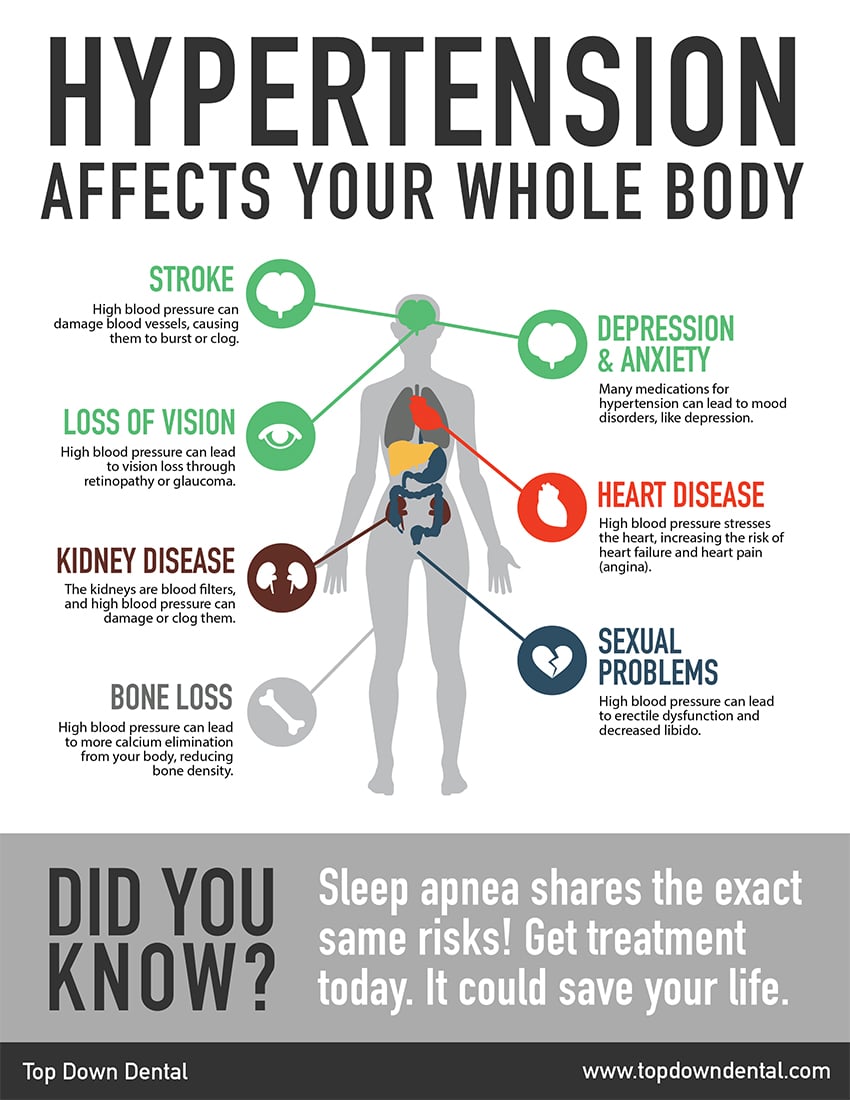
High Blood Pressure most commonly impacts the following organs (remember their problem is lack of 02, nutrients, to the organ):
1-THE BRAIN: Damage directly to the brain can cause many problems for that organ, including
- Transient ischemic attack (TIA). Sometimes called a ministroke, a TIA is a brief, temporary disruption of blood supply to your brain. Hardened arteries or blood clots caused by high blood pressure can cause TIA. TIA is often a warning that you’re at risk of a full-blown stroke. Most cases they are REVERSIBLE!
- Stroke. A stroke occurs when part of your brain is deprived of oxygen and nutrients, causing brain cells to die. Blood vessels damaged by high blood pressure can narrow, rupture or leak. High blood pressure can also cause blood clots to form in the arteries leading to your brain, blocking blood flow and potentially causing a stroke. Cat Scan the first test will show the bleed in the brain and ER will get pt to OR STAT if a candidate.
- Dementia. Narrowed or blocked arteries can limit blood flow to the brain, leading to a certain type of dementia (vascular dementia). A stroke that interrupts blood flow to the brain can also cause vascular dementia.
- Mild cognitive impairment. This condition is a transition stage between the changes in understanding and memory that generally come with aging and the more-serious problems caused by dementia. Studies suggest that high blood pressure can lead to mild cognitive impairment and definitely strokes can also but varied.
Your brain depends on a nourishing blood supply to function properly. High blood pressure can interfere with oxygen supply to brain tissue=LACK OF NUTRIENTS causing problems.
BRAIN DAMAGE not reversible completely or at all includes:
A-Ischemic Strokes
High blood pressure can also cause blood clots to form in the arteries leading to your brain By narrowing of the arteries in the brain causes blockage of nutrients to an area of the brain. The nutrients is oxygen to that area of the brain and without it the tissue dies causing the ischemic (meaning lack of 02) stroke. This is the most common type of stroke. They occur when blood flow to an area of the brain is compromised by a blood clot or blockage. This leads to the death of brain cells and to brain damage. If the brain damage is 100% reversible its cause is a transient ischemic attack (TIA).
B-Causes of Hemorrhagic Strokes
Most strokes occur due to a blockage of blood flow to a part of the brain, but approximately 13% of strokes occur due to bleeding in the brain.
2-THE HEART: Damage directly on your heart can cause many problems for that organ, including:
A-Coronary artery disease. Arteries narrowed and damaged by high blood pressure have trouble supplying blood to your heart. When blood can’t flow freely to your heart, you can have chest pain (angina), irregular heart rhythms (arrhythmias) or a heart attack.
B-Enlarged left heart. High blood pressure forces your heart to work harder to pump blood to the rest of your body. This causes part of your heart (left ventricle) to thicken. A thickened left ventricle increases your risk of heart attack, heart failure and sudden cardiac death.
C-Heart failure. Over time, the strain on your heart caused by high blood pressure can cause the heart muscle to weaken and work less efficiently. Eventually, your overwhelmed heart begins to fail. Damage from heart attacks adds to this problem.
A-Kidney Scarring:
This type of kidney damage occurs when tiny blood vessels within the kidney become scarred and unable to effectively filter fluid and waste from your blood. Glomerulosclerosis can lead to kidney failure.
B-Kidney failure:
High blood pressure is one of the most common causes of kidney failure. Damaged blood vessels prevent kidneys from effectively filtering waste from your blood, allowing dangerous levels of fluid and waste to accumulate. You might ultimately require dialysis or kidney transplantation.
4-EYES: Damage directly on your eyes can cause many problems for that organ, including:
High blood pressure can damage the tiny, delicate blood vessels that supply blood to your eyes, causing:
- Damage to your retina (retinopathy). Damage to the light-sensitive tissue at the back of your eye (retina) can lead to bleeding in the eye, blurred vision and complete loss of vision. You’re at an even greater risk if you have diabetes in addition to high blood pressure.
- Fluid buildup under the retina (choroidopathy). Choroidopathy can result in distorted vision or sometimes scarring that impairs vision.
- Nerve damage (optic neuropathy). Blocked blood flow can damage the optic nerve, leading to bleeding within your eye or vision loss.
5-Sexual dysfunction
The inability to have and maintain an erection (erectile dysfunction) becomes increasingly common in men as they reach age 50. But men with high blood pressure are even more likely to experience erectile dysfunction. That’s because limited blood flow caused by high blood pressure can block blood from flowing to your penis.
Women can also experience sexual dysfunction as a result of high blood pressure. Reduced blood flow to the vagina can lead to a decrease in sexual desire or arousal, vaginal dryness, or difficulty achieving orgasm.
What your heart is doing what we call compensating and saving blood for the main organs including the brain, heart, kidneys, lungs to stay alive. Areas not a priority are usually furthest away from the heart the feet, genitals, hands, etc… So less blood the heart is sending their due to high blood pressure related to hypertension causing vessel narrowing to problems in the body.
High blood pressure emergencies:
High blood pressure is usually a chronic condition that gradually causes damage over the years. But sometimes blood pressure rises so quickly and severely that it becomes a medical emergency requiring immediate treatment, often with hospitalization.
In this situation occurs, know high blood pressure can cause:
- Memory loss, personality changes, trouble concentrating, irritability or progressive loss of consciousness
- Stroke
- Severe damage to your body’s main artery (aortic dissection)
- Chest pain
- Heart attack
- Sudden impaired pumping of the heart, leading to fluid backup in the lungs resulting in shortness of breath (pulmonary edema)
- Sudden loss of kidney function
- Complications in pregnancy (preeclampsia or eclampsia)
- Blindness
THE KEY IS PREVENTION! So stay in your average healthy weight range, eat overall healthy foods, see your MD once or more a year for a physical (if under 50) or go to y0ur primary care doctor when he prescribes especially if you have a disease of some sort (Example Diabetes or HTN, ect..), stay active and don’t be inactive home especially during this COVID situation.
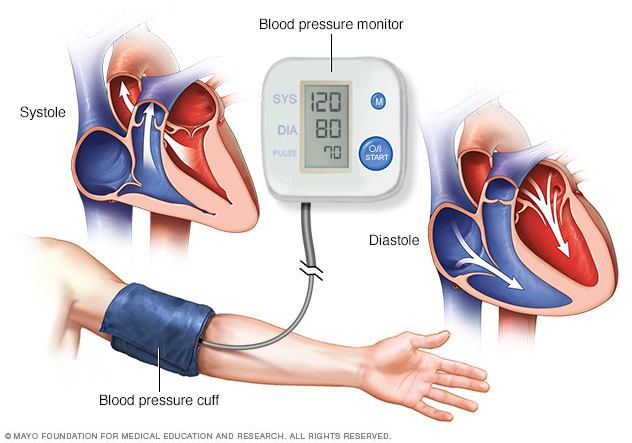
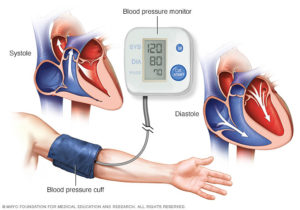
Another thing is simply to have your own BP machine at home so you can take it everyday and keep an eye on changes especially is your diagnosed, age, especially with the diagnosis hypertension and taking meds for it or diagnosed with cardiac disease! You can stay on top of it this way with staying healthy and not unhealthy!
Always check with your doctor when to be seen if not sure, he or she would know best especially if he or she already knows your medical history!