
Archive | July 2021

QUOTE FOR TUESDAY:

“Moebius syndrome is a rare neurological condition that primarily affects the muscles that control facial expression and eye movement. Signs and symptoms of the condition may include weakness or paralysis of the facial muscles; feeding, swallowing, and choking problems; excessive drooling; crossed eyes; lack of facial expression; eye sensitivity; high or cleft palate; hearing problems; dental abnormalities; bone abnormalities in the hands and feet; and/or speech difficulties.”

GERD Genetic and Rare Diseases Information Center  (https://rarediseases.info.nih.gov)

QUOTE FOR THE WEEKEND:

“Yersiniosis is an infection caused most often by eating raw or undercooked pork contaminated with Yersinia enterocolitica bacteria. CDC estimates Y. enterocolitica causes almost 117,000 illnesses, 640 hospitalizations, and 35 deaths in the United States every year. Children are infected more often than adults, and the infection is more common in the winter.”

CDC

QUOTE FOR FRIDAY:

“Hereditary hemochromatosis (he-moe-kroe-muh-TOE-sis) causes your body to absorb too much iron from the food you eat. Excess iron is stored in your organs, especially your liver, heart and pancreas. Too much iron can lead to life-threatening conditions, such as liver disease, heart problems and diabetes.

The genes that cause hemochromatosis are inherited, but only a minority of people who have the genes ever develop serious problems. Signs and symptoms of hereditary hemochromatosis usually appear in midlife.”

MAYO CLINIC

QUOTE FOR THURSDAY:

“Mismanaged iron in the brain has been observed in autopsies of people with neurodegenerative diseases: Alzheimer’s, early onset Parkinson’s, epilepsy, multiple sclerosis, and Huntington’s disease.

Caucasians are the people most at risk for the classic type of hemochromatosis. More than one million Americans have the genes for this type. However, there are other gene combinations that result in hemochromatosis regardless of a person’s ethnicity. It is estimated that as much as or more than 16 million Americans have some degree of elevated iron and are at risk for the same diseases that occur in people with the untreated classic type: bone and joint disease, cirrhosis, liver cancer, diabetes, hypothyroidism, hypogonadism, infertility, impotence, depression, or premature death due to liver or heart failure.”

hemochromatosis.org/

QUOTE FOR WEDNESDAY:

“The arenaviruses are a family of viruses that are usually transmitted from rodents to humans and include viruses such as lymphocytic choriomeningitis (LCM), Lassa virus, Junin virus, and Machupo virus.”

Vaccines for Biodefense and Emerging and Neglected Diseases, 2009 through ScienceDirect (sciencedirect.com)

QUOTE FOR TUESDAY:

“Stroke is the number one cause of serious adult disability in the United States. Stroke disability is devastating to the stroke patient and family, but therapies are available to help rehabilitate patients after stroke.”.

AHA


Stroke Rehabilitation


Stroke is the number one cause of serious adult disability in the United States. Stroke disability is devastating to the stroke patient and family, but therapies are available to help rehabilitate patients after stroke.

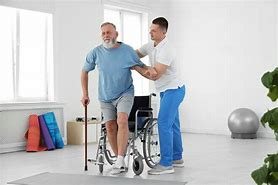
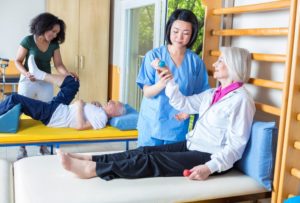
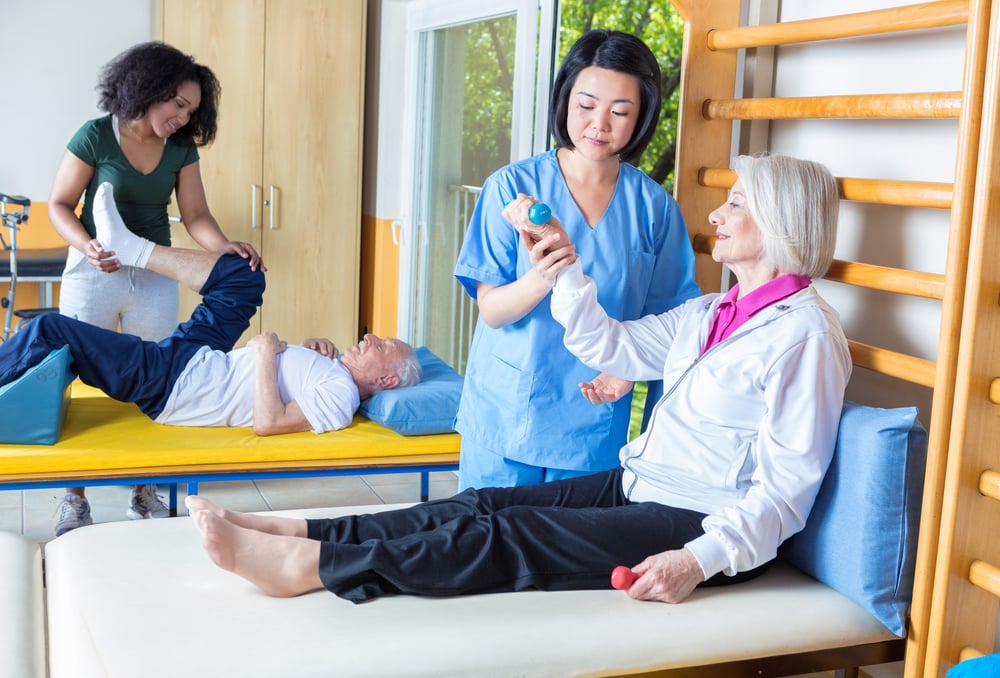
For most stroke patients, rehabilitation mainly involves physical therapy. The aim of physical therapy is to have the stroke patient relearn simple motor activities such as walking, sitting, standing, lying down, and the process of switching from one type of movement to another.

Rehabilitation should begin as soon as the patient stabilizes. Generally, this first stage of rehabilitation occurs in the hospital. In planning for discharge from the hospital, the patient and their family, with the support of the social workers or case manager, must determine the best place for the patient’s care. Many patients return home, but others benefit from time in a rehabilitation program to continue recovery.

Inpatient rehabilitation may be located independently or may be part of a large hospital complex. Patients usually remain in the facility for two or three weeks and participate in an intensive, coordinated rehabilitation program. These programs often include at least three hours per day of active therapy, five or six days a week. Inpatient facilities offer a full suite of medical services, including 24-hour doctor supervision and access to a full range of therapists specializing in rehabilitation after a stroke.

Another type of therapy to help patients relearn daily activities is occupational therapy. This type of therapy also involves exercise and training. Its goal is to help the stroke patient relearn everyday activities such as eating, drinking and swallowing, dressing, bathing, cooking, reading and writing, and using the toilet. Occupational therapists seek to help the patient become independent or semi-independent.

Many patients go to what is called a SNF (meaning skilled nursing facility) from the acute hospital where the pt first when to with the stroke.  The rehabilitation services available in SNFs are for patients no longer needing hospital care but who still require some nursing services and a less intensive rehabilitation program with fewer hours of required therapy participation.

These are long-term care facilities for those patients no longer needing full hospital care but who still require 24-hour access to nursing support. Rehabilitation services may be offered to individuals in these facilities as they qualify.  For some pts they go home but others possibly not depending on how independent this pt is in being safe home alone or even with family to handle assisting the pt in there activities of daily living they may need assistance with. Safety is the big factor with how independent the pt is.

Speech therapy helps stroke patients relearn language and speaking skills, or learn other forms of communication. Speech therapy is appropriate for patients who have no problems with cognition or thinking, but have problems understanding speech or written words, or problems forming speech. With time and patience, a stroke survivor should be able to regain some, and sometimes all, language and speaking abilities.
QUOTE FOR MONDAY:

“Regular physical activity benefits health in many ways, including helping build and maintain healthy bones, muscles, and joints; helping control weight and reduce fat; and preventing or delaying the development of high blood pressure (GAO, 2012). Exercise is one of the least expensive ways to stay healthy, with one study finding that exercise can prevent chronic diseases as effectively as medication (British Journal of Medicine, 2013). A comprehensive study and analysis of existing research found that leisure-time physical activity is associated with reduced risk of 13 different types of cancer, including breast, colon, liver and myeloid leukemia (National Institutes of Health, 2016).”

aspenprojectplay.org/youth-sports-facts/projects/benefits

QUOTE FOR THE WEEKEND:

“Agoraphobia is an anxiety disorder that causes excessive fear of certain situations. Some people may even resist leaving home. With medication, cognitive behavioral therapy and lifestyle changes, patients can overcome the disorder and participate in things they enjoy. The earlier the condition is diagnosed, the better the treatments will work.”

Cleveland Clinic

QUOTE FOR FRIDAY:

The rays that come from the sun radiate heat can damage skin and eyes.  UV-A rays has lower energy, it penetrates deep into the eye and may injure the macula, the part of the retina, responsible for sight in the center field of vision.  UV damage is also cumulative and has been linked to eye problems later in life including tumors, cataracts and macular degeneration, an eye disease which currently has no cure.  UV-B radiation is presumably more dangerous and is mainly absorbed by the cornea and lens of the eye and can damage those tissues. Both ultraviolet-A (UV-A) and UV-B induce cataract formation and are not necessary for sight. Photokeratitis, or corneal sunburn, is a result of intense exposure to UV-B.

Chicago Eye Institute

“Too much ultraviolet (UV) radiation from the sun can damage DNA in your skin cells and cause skin cancer.  In the UK almost 9 in 10 cases of melanoma, the most serious type of skin cancer, could be prevented by staying safe in the sun and avoiding sunbeds.  Getting sunburnt just once every two years can triple your risk of melanoma skin cancer, compared to never being burnt.”

Cancer Research UK