Archive | August 2020

What Causes Diabetic Heart Disease?

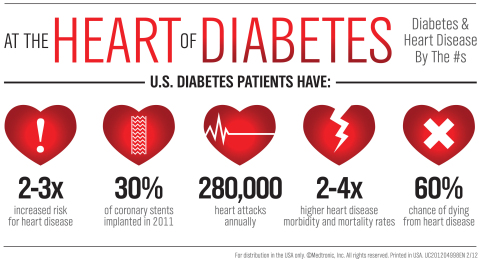
Resolute%20Integrity%20DES_Heart%20Disease%20&%20Diabetes%20Infographic

At least four complex processes, alone or combined, can lead to diabetic heart disease (DHD). They include coronary atherosclerosis; metabolic syndrome; insulin resistance in people who have type 2 diabetes; and the interaction of coronary heart disease (CHD), high blood pressure, and diabetes .

Researchers continue to study these processes because all of the details aren’t yet known.

Coronary Atherosclerosis

Atherosclerosis is a disease in which plaque builds up inside the arteries. The exact cause of atherosclerosis isn’t known. However, studies show that it is a slow, complex disease that may start in childhood. The disease develops faster as you age.

Coronary atherosclerosis may start when certain factors damage the inner layers of the coronary (heart) arteries. These factors include:

  • Smoking
  • High amounts of certain fats and cholesterol in the blood
  • High blood pressure
  • High amounts of sugar in the blood due to insulin resistance or diabetes

Plaque may begin to build up where the arteries are damaged. Over time, plaque hardens and narrows the arteries. This reduces the flow of oxygen-rich blood to your heart muscle.

Eventually, an area of plaque can rupture (break open). When this happens, blood cell fragments called platelets (PLATE-lets) stick to the site of the injury. They may clump together to form blood clots.

Blood clots narrow the coronary arteries even more. This limits the flow of oxygen-rich blood to your heart and may worsen angina (chest pain) or cause a heart attack.

Metabolic Syndrome

Metabolic syndrome is the name for a group of risk factors that raises your risk of both CHD and type 2 diabetes.

If you have three or more of the five metabolic risk factors, you have metabolic syndrome. The risk factors are:

  • A large waistline (a waist measurement of 35 inches or more for women and 40 inches or more for men).
  • A high triglyceride (tri-GLIH-seh-ride) level (or you’re on medicine to treat high triglycerides). Triglycerides are a type of fat found in the blood.
  • A low HDL cholesterol level (or you’re on medicine to treat low HDL cholesterol). HDL sometimes is called “good” cholesterol. This is because it helps remove cholesterol from your arteries.
  • High blood pressure (or you’re on medicine to treat high blood pressure).
  • A high fasting blood sugar level (or you’re on medicine to treat high blood sugar).

It’s unclear whether these risk factors have a common cause or are mainly related by their combined effects on the heart.

Obesity seems to set the stage for metabolic syndrome. Obesity can cause harmful changes in body fats and how the body uses insulin.

Chronic (ongoing) inflammation also may occur in people who have metabolic syndrome. Inflammation is the body’s response to illness or injury. It may raise your risk of CHD and heart attack. Inflammation also may contribute to or worsen metabolic syndrome.

Research is ongoing to learn more about metabolic syndrome and how metabolic risk factors interact.

Insulin Resistance in People Who Have Type 2 Diabetes

Type 2 diabetes usually begins with insulin resistance. Insulin resistance means that the body can’t properly use the insulin it makes.

People who have type 2 diabetes and insulin resistance have higher levels of substances in the blood that cause blood clots. Blood clots can block the coronary arteries and cause a heart attack or even death.

The Interaction of Coronary Heart Disease, High Blood Pressure, and Diabetes

Each of these risk factors alone can damage the heart. CHD reduces the flow of oxygen-rich blood to your heart muscle. High blood pressure and diabetes may cause harmful changes in the structure and function of the heart.

Having CHD, high blood pressure, and diabetes is even more harmful to the heart. Together, these conditions can severely damage the heart muscle. As a result, the heart has to work harder than normal. Over time, the heart weakens and isn’t able to pump enough blood to meet the body’s needs. This condition is called heart failure.

As the heart weakens, the body may release proteins and other substances into the blood. These proteins and substances also can harm the heart and worsen heart failure.

QUOTE FOR THURSDAY:

“For people with advanced chronic kidney failure, the treatment options are dialysis or a transplant. But there are not enough donor organs to meet the need. In the United States, nearly one million people have end-stage kidney disease, and there are roughly 102,000 people on the waiting list for a transplant.”.

National Kidney Foundation.

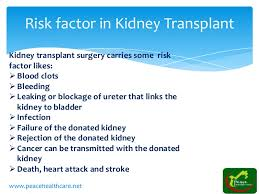
Kidney Transplant Tourism.

 Kidney Tranplant Tourism

 Kidney Transplant Tourism 2

When people languish on a wait-list for a kidney transplant, they may start to consider a desperate measure: Traveling to a country where they can buy a donor kidney on the black market.

But beyond the legal and ethical pitfalls, experts say, the health risks are not worth it.

Most countries ban the practice, sometimes called “transplant tourism,” and it has been widely condemned on ethical grounds. Now a new study highlights another issue: People who buy a donor kidney simply do not fare as well.

Researchers in Bahrain found that people who traveled abroad to buy a kidney — to countries like the Philippines, India, Pakistan, China and Iran — sometimes developed serious infections.

Those infections included the liver diseases hepatitis B and C, as well as cytomegalovirus, which can be life-threatening to transplant recipients, the investigators said.

Also, people who bought donor kidneys also faced higher rates of surgical complications and organ rejection, versus those who received a legal transplant in their home country.

Dr. Amgad El Agroudy, of Arabian Gulf University, was to present the findings Friday at the annual meeting of the American Society of Nephrology (ASN), in San Diego.

It’s not clear how common it is for U.S. patients to take a chance on traveling abroad to buy a black-market kidney, according to Dr. Gabriel Danovitch, director of kidney transplantation at the University of California, Los Angeles.

“We really have no way of knowing what the numbers are,” said Danovitch, who was not involved in the study.

“But,” he added, “my sense is that the numbers are fairly small, as the dangers of transplant tourism are becoming more and more clear.”

Why is it a risky proposition? According to Danovitch, there are a few broad reasons: The paid organ donors may not be properly screened, and the recipients may not be good candidates for a transplant, to name two.

“In a paid system, the prime focus is on making money,” Danovitch said. “Centers that are willing to do these don’t really care what happens to the donors or recipients after the transplant.”

For people with advanced chronic kidney failure, the treatment options are dialysis or a transplant. But there are not enough donor organs to meet the need. In the United States, nearly one million people have end-stage kidney disease, and there are roughly 102,000 people on the waiting list for a transplant, according to the National Kidney Foundation.

Kidney transplants can come from a living or deceased donor, but living-donor transplants are more likely to be successful, according to U.S. health officials.

It doesn’t take long to get tired of spending 12 hours a week on hemodialysis, or even more time on peritoneal dialysis (PD) —not to mention complications like line infections and access problems. But a new, healthy kidney would put an end to all that. A transplant sounds like it would be well worth the risk of surgery and the trouble of taking anti-rejection medicines, and Medicare statistics show that it actually costs less in the long run than continued dialysis. When can you check into the hospital, you ask?

Unfortunately over 80,000 people in the United States are already waiting for a new kidney and in 2008 only 16,517 got one. Maybe you don’t have a compatible donor in your family, or you’ve been told that you are “not a transplant candidate” for one of several reasons. You’re a resourceful person who knows that persistence pays off, and you start looking for ways to shorten the wait or get around the rules that say you don’t qualify for a transplant. Kidneys from living donors are almost always preferable to those from recently deceased donors. If you don’t have a friend or family member willing to donate, what about getting one where the laws against buying an organ are less strictly enforced? Medical tourism is booming these days. Maybe you know somebody who had surgery overseas, either to avoid a waiting list or just because the price is lower there. The same international pharmaceutical countries produce medicines for everybody these days, so how big a difference can there be? Nephrologists in the US say it’s a common story: a dialysis patient misses treatments or appointments for a few days or several weeks, then comes to their office asking for refills on anti-rejection medicines…with pill bottles labeled in Urdu, Chinese or Farsi as well as in English. Did they get a good deal or what?  Unfortunately this may not be the bargain people hoped for.

At UCLA Jagbir Gill, MD, and associates studied 33 patients who had received transplants overseas, and found they had much worse results than patients who received transplants in this country. Screening of paid kidney donors was less thorough, with problems like hepatitis overlooked. Early organ rejection was twice as common and infections frequent; Dr. Gill recalls patients who went “directly from the airport to the emergency room” due to severe infections or transplant failure.

In a similar study in Canada, where waiting periods for transplants are even longer, experiences were similar. Jeffrey Zaltzman, MD, reports infections common in the countries where the transplant was done were a big problem in medical tourists. One 78-year-old gentleman returned from Pakistan with a surgical wound that reopened spontaneously; he died a few weeks later of cardiovascular problems that might have disqualified him for a transplant at home. The cost to paid organ donors can be even greater. Poor people who sell a kidney, sometimes for as little as $800 according to the World Health Organization, face health problems like hypertension and worsening of their own kidney functions—provided, of course, that their surgery goes well. Since most live in countries where even blood pressure checks are rare, complications that develop after they leave the hospital may go undetected until it is too late for the patient. Donors in the United States frequently can have kidneys removed with very small incisions. Third World donors, however, generally end up with wounds up to 14 inches long that may take months to heal, making them unable to do the manual labor most depend on. Chronic pain and disability are common, points out Nancy Scheper-Hughes, who has extensively studied and reported on transplant practices from Brazil to China. And reports of organs coming from executed prisoners in China are even more worrisome. Details of where donors come from and which hospitals and doctors will do the surgery are rarely available to “clients” and their families ahead of time. While paying a donor for an organ is illegal everywhere except Iran, “international transplant coordinators” have no laws banning what they do—bringing clients together with hospitals in other countries. And as the WHO’s Dr. Luc Noel points out, “None of the brokers ever mention the costs—long-term health issues, chronic pain, inability to perform manual labor—that are borne by these poor organ vendors.”

SO THINK TWICE BEFORE FALLING FOR TRANSPLANT TOURISM. HIGH PROBABILITY YOU WON’T LIKE THE RESULTS!


QUOTE FOR MONDAY:

“Some Facts about Psoriasis:

  • 33% of psoriasis patients report social interactions are impacted
  • 59% report the condition is a problem in their everyday lives
  • 52% are dissatisfied with treatment
  • 72% are overweight or obese, increasing the risk of other chronic conditions

National Psoriasis Foundation  (https://www.psoriasis.org/wellness).

QUOTE FOR THE WEEKEND:

Psoriasis is a skin disease that causes red, itchy scaly patches, most commonly on the knees, elbows, trunk and scalp. Psoriasis is a common, long-term (chronic) disease with no cure. It tends to go through cycles, flaring for a few weeks or months, then subsiding for a while or going into remission.

MAYO CLINIC

Autism

autism2


What is autism spectrum disorder?

Autism spectrum disorder (ASD) refers to a group of complex neurodevelopment disorders characterized by repetitive and characteristic patterns of behavior and difficulties with social communication and interaction. The symptoms are present from early childhood and affect daily functioning.

The term “spectrum” refers to the wide range of symptoms, skills, and levels of disability in functioning that can occur in people with ASD. Some children and adults with ASD are fully able to perform all activities of daily living while others require substantial support to perform basic activities. The Diagnostic and Statistical Manual of Mental Disorders (DSM-5, published in 2013) includes Asperger syndrome, childhood disintegrative disorder, and pervasive developmental disorders not otherwise specified (PDD-NOS) as part of ASD rather than as separate disorders. A diagnosis of ASD includes an assessment of intellectual disability and language impairment.

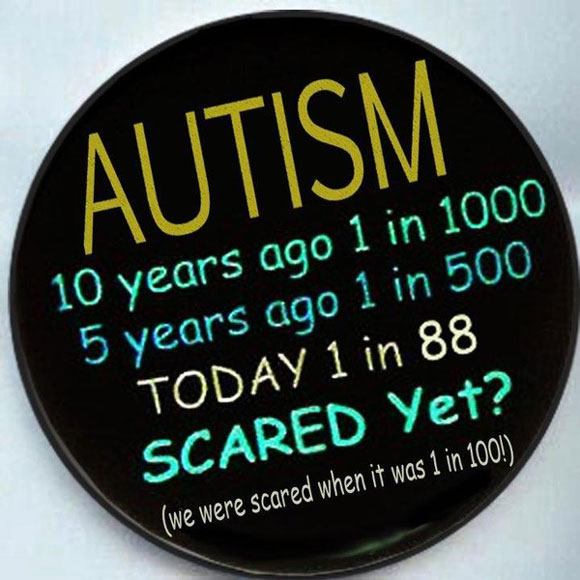
ASD occurs in every racial and ethnic group, and across all socioeconomic levels. However, boys are significantly more likely to develop ASD than girls. The latest analysis from the Centers for Disease Control and Prevention estimates that 1 in 68 children has ASD.

What are some common signs of ASD?

Even as infants, children with ASD may seem different, especially when compared to other children their own age. They may become overly focused on certain objects, rarely make eye contact, and fail to engage in typical babbling with their parents. In other cases, children may develop normally until the second or even third year of life, but then start to withdraw and become indifferent to social engagement.

The severity of ASD can vary greatly and is based on the degree to which social communication, insistence of sameness of activities and surroundings, and repetitive patterns of behavior affect the daily functioning of the individual.

Social impairment and communication difficulties Many people with ASD find social interactions difficult. The mutual give-and-take nature of typical communication and interaction is often particularly challenging. Children with ASD may fail to respond to their names, avoid eye contact with other people, and only interact with others to achieve specific goals. Often children with ASD do not understand how to play or engage with other children and may prefer to be alone. People with ASD may find it difficult to understand other people’s feelings or talk about their own feelings.

People with ASD may have very different verbal abilities ranging from no speech at all to speech that is fluent, but awkward and inappropriate. Some children with ASD may have delayed speech and language skills, may repeat phrases, and give unrelated answers to questions. In addition, people with ASD can have a hard time using and understanding non-verbal cues such as gestures, body language, or tone of voice. For example, young children with ASD might not understand what it means to wave goodbye. People with ASD may also speak in flat, robot-like or a sing-song voice about a narrow range of favorite topics, with little regard for the interests of the person to whom they are speaking.

Repetitive and characteristic behaviors Many children with ASD engage in repetitive movements or unusual behaviors such as flapping their arms, rocking from side to side, or twirling. They may become preoccupied with parts of objects like the wheels on a toy truck. Children may also become obsessively interested in a particular topic such as airplanes or memorizing train schedules. Many people with ASD seem to thrive so much on routine that changes to the daily patterns of life — like an unexpected stop on the way home from school — can be very challenging. Some children may even get angry or have emotional outbursts, especially when placed in a new or overly stimulating environment.

What disorders are related to ASD?

Certain known genetic disorders are associated with an increased risk for autism, including Fragile X syndrome (which causes intellectual disability) and tuberous sclerosis (which causes benign tumors to grow in the brain and other vital organs) — each of which results from a mutation in a single, but different, gene. Recently, researchers have discovered other genetic mutations in children diagnosed with autism, including some that have not yet been designated as named syndromes. While each of these disorders is rare, in aggregate, they may account for 20 percent or more of all autism cases.

People with ASD also have a higher than average risk of having epilepsy. Children whose language skills regress early in life — before age 3 — appear to have a risk of developing epilepsy or seizure-like brain activity. About 20 to 30 percent of children with ASD develop epilepsy by the time they reach adulthood. Additionally, people with both ASD and intellectual disability have the greatest risk of developing seizure disorder.

How is ASD diagnosed?

ASD symptoms can vary greatly from person to person depending on the severity of the disorder. Symptoms may even go unrecognized for young children who have mild ASD or less debilitating handicaps. Very early indicators that require evaluation by an expert include:

  • no babbling or pointing by age 1
  • no single words by age 16 months or two-word phrases by age 2
  • no response to name
  • loss of language or social skills previously acquired
  • poor eye contact
  • excessive lining up of toys or objects
  • no smiling or social responsiveness

Later indicators include:

  • impaired ability to make friends with peers
  • impaired ability to initiate or sustain a conversation with others
  • absence or impairment of imaginative and social play
  • repetitive or unusual use of language
  • abnormally intense or focused interest
  • preoccupation with certain objects or subjects
  • inflexible adherence to specific routines or rituals

Health care providers will often use a questionnaire or other screening instrument to gather information about a child’s development and behavior. Some screening instruments rely solely on parent observations, while others rely on a combination of parent and doctor observations. If screening instruments indicate the possibility of ASD, a more comprehensive evaluation is usually indicated.

A comprehensive evaluation requires a multidisciplinary team, including a psychologist, neurologist, psychiatrist, speech therapist, and other professionals who diagnose and treat children with ASD. The team members will conduct a thorough neurological assessment and in-depth cognitive and language testing. Because hearing problems can cause behaviors that could be mistaken for ASD, children with delayed speech development should also have their hearing tested.

QUOTE FOR THURSDAY:

“August is National and World Breastfeeding Awareness Month, and experts and mothers from more than 170 countries agree: Breast milk is best when it comes to feeding a baby in the first year of life. Like trees, teeth contain growth rings that can be counted to estimate age. Teeth rings also incorporate dietary minerals as they grow. Breast milk contains barium, which accumulates steadily in an infant’s teeth and then drops off after weaning.”

NIH – National Institute of Health


QUOTE FOR WEDNESDAY:

“It it estimated for lung cancer in the United States for 2020 are: About 228,820 new cases of lung cancer (116,300 in men and 112,520 in women) About 135,720 deaths from lung cancer (72,500 in men and 63,220 in women). Jan 8, 2020″

American Cancer Society

Part III Lung Cancer

For many people, the first sign that they may have lung cancer is the appearance of a suspicious spot on a chest x-ray or a CT scan. But an image alone is not enough to tell you whether you have cancer and, if so, what type of cancer it is.

Most people who come to us for a lung cancer diagnosis first meet with a surgeon. He or she will work with pathologists, radiologists, and other lung cancer specialists to determine the specific type of lung cancer you have and how advanced it is. These findings help your disease management team develop the most successful treatment plan for you.

The first step is for your doctor to get a tissue sample using one of several biopsy methods. Then a pathologist — a type of doctor who specializes in diagnosing disease —who focuses on lung cancer studies the tissue under a microscope to determine whether you have lung cancer and, if so, what type. He or she will be able to tell this by looking closely at the cancer cells’ shape and other features.

Knowing which type of lung cancer you have will help your doctors to stage the tumor accurately and to begin identifying the best treatment approach. Understanding what type of cancer you have is also important because each type responds differently to certain chemotherapy drugs.

Testing healthy people for lung cancer

Several organizations recommend people with an increased risk of lung cancer consider annual computerized tomography (CT) scans to look for lung cancer. If you’re 55 or older and smoke or used to smoke, talk with your doctor about the benefits and risks of lung cancer screening.

 Some studies show lung cancer screening saves lives by finding cancer earlier, when it may be treated more successfully. But other studies find that lung cancer screening often reveals more benign conditions that may require invasive testing and expose people to unnecessary risks and worry.

Tests to diagnose lung cancer

If there’s reason to think that you may have lung cancer, your doctor can order a number of tests to look for cancerous cells and to rule out other conditions. In order to diagnose lung cancer, your doctor may recommend:

  • Imaging tests. An X-ray image of your lungs may reveal an abnormal mass or nodule. A CT scan can reveal small lesions in your lungs that might not be detected on an X-ray.
  • Sputum cytology. If you have a cough and are producing sputum, looking at the sputum under the microscope can sometimes reveal the presence of lung cancer cells.
  • Tissue sample (biopsy). A sample of abnormal cells may be removed in a procedure called a biopsy.Your doctor can perform a biopsy in a number of ways, including bronchoscopy, in which your doctor examines abnormal areas of your lungs using a lighted tube that’s passed down your throat and into your lungs; mediastinoscopy, in which an incision is made at the base of your neck and surgical tools are inserted behind your breastbone to take tissue samples from lymph nodes; and needle biopsy, in which your doctor uses X-ray or CT images to guide a needle through your chest wall and into the lung tissue to collect suspicious cells.A biopsy sample may also be taken from lymph nodes or other areas where cancer has spread, such as your liver.