“I would not have traded two minutes of the joy and the grief with that man for two decades of anything with another.”
Lou Gehrig’s wife, Eleanor (wife of baseball player Lou Gehrig who was on the Yankees from 1925 to 1940 fulltime).
“I would not have traded two minutes of the joy and the grief with that man for two decades of anything with another.”
Lou Gehrig’s wife, Eleanor (wife of baseball player Lou Gehrig who was on the Yankees from 1925 to 1940 fulltime).
“Oxygen, although it is essential for aerobic organisms for respiration as well as energy production, has been therapeutically used for a long time. It also can be either toxic or lethal for humans if it is continuously inhaled pure for about 60 hours.”
U.S. National Library of Medicine/National Institute of Health http://www.ncbi.nlm.nih.gov/pmc/articles/PMC3231820/
“Oxygen, although it is essential for aerobic organisms for respiration as well as energy production, has been therapeutically used for a long time. It also can be either toxic or lethal for humans if it is continuously inhaled pure for about 60 hours.”
U.S. National Library of Medicine/National Institute of Health http://www.ncbi.nlm.nih.gov/pmc/articles/PMC3231820/
The general population has about a 1% risk of developing epilepsy. Meanwhile, children of mothers with epilepsy have a 3 to 9% risk of inheriting this disease, while children of fathers have a 1.5 to 3% risk of inheritence.” Based on genes research.
Dr. Robert S. Fischer Ph D. Stanford Epilepsy Center
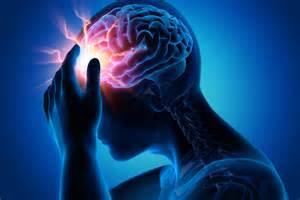
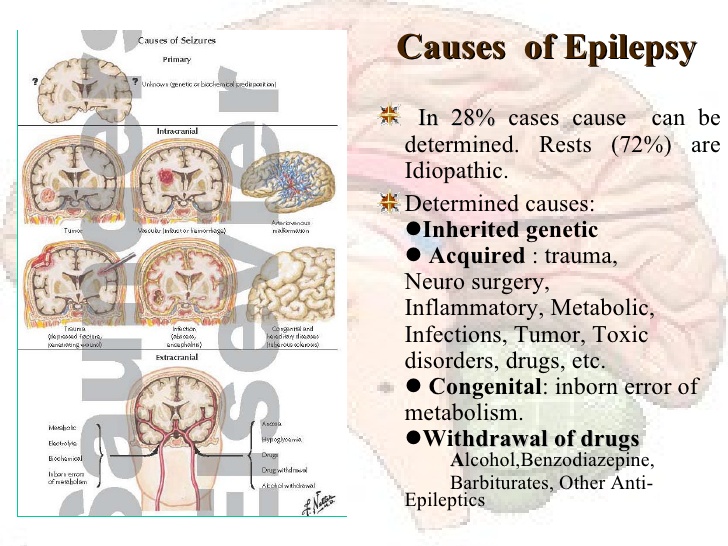
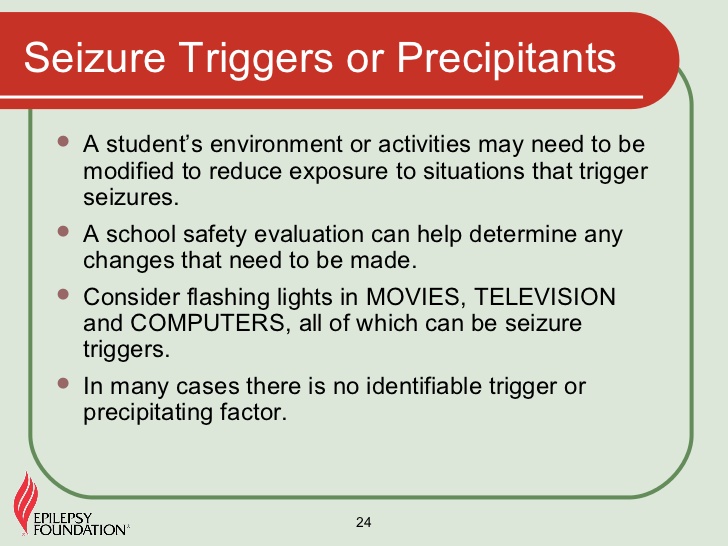
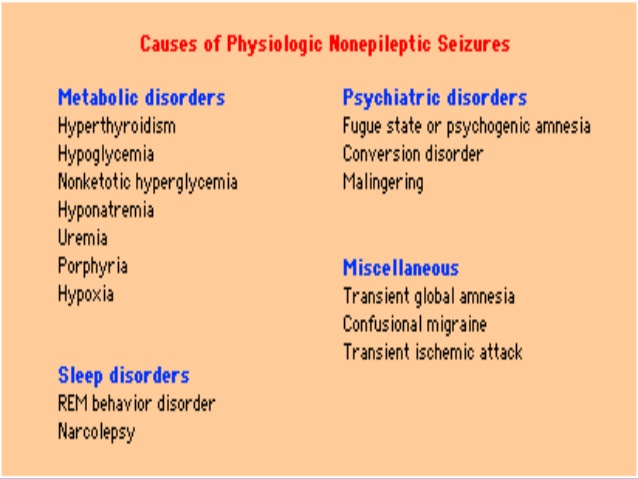
Since so much information we decided to make it Monday and Tuesday!
Than their is the epilepsy that is diagnosed with a IDIOPATHIC cause – meaning unknown cause and the patient could grow out of it in childhood depending on the type of seizure disorder or not–in where the condition becomes chronic (for life).
Although heredity has been known since antiquity to cause epilepsy, the progress to date in identifying the genetic basis of epilepsy has been limited primarily to the discovery of single gene mutations that cause epilepsy in relatively rare families. For the more common types of epilepsy, heredity plays a subtler role, and it is thought that a combination of mutations in multiple genes likely determine an individual’s susceptibility to seizures, as well as the responsiveness to antiepileptic medications.
Epilepsy can be caused by genetic factors (inherited) or acquired (a etiology—cause) , although in most cases it arises in part from both. The neurology and neurological sciences of Stanford Epilepsy Center Dr. Robert S. Fischer Ph D. presents in the article Genetic Causes of Epilepsy.
He also presents in this article our genes are the instruction set for building the human body. Genes reside on chromosomes.
Going to the basics is every person has 46 chromosomes, carrying a total of about 30,000 genes. We get half our chromosomes from our mother and half from our father. While genes determine the structure of our body, they also control the excitability of our brain cells. Defective genes can make hyperexcitable brain cells, which are prone to seizures.
In recent years, several epilepsy conditions have been linked to mutations in genes, but the matter is complicated by the fact that different genes may be involved in different circumstances.
In general, the most common epilepsy conditions, including partial seizures, seem to be more acquired than genetic.
Gene testing will soon be able to identify predispositions to epilepsy, allowing doctors to help a patient get treatment and to assist with family counseling. One day, doctors may simply be able to swap a patient’s cheek, test his or her genes, and predict response to various epilepsy medicines, eliminating much of the trial and error in medication choice that goes on today. Eventually, we may even be able to repair or replace defective genes that predispose a person to epilepsy, a process called gene therapy.
Lastly, Dr. Robert Fischer Ph D presented in his article, that I found very interesting, the general population has about a 1% risk of developing epilepsy. Meanwhile, children of mothers with epilepsy have a 3 to 9% risk of inheriting this disease, while children of fathers have a 1.5 to 3% risk of inheritence. Still, the actual risk is upon the specific type of epilepsy. For example, partial seizures are less likely to run in families than are generalized seizures. In any event, with the usual forms of epilepsy, even if a parent does have the condition, there is more than a 90% chance that their child will not. So most epilepsies are acquired than inherited.
Clearly, genes determine a great deal of who we are, including our possible risk for epilepsy but slim versus a actual cause. But what happens to us in life and what we do is still the larger part of the risk for epilepsy.
A person given this diagnosis in the 1970’s, or before and even up to the early 1990’s was quiet about ever letting people know about this since in the 1970’s and back with lack of knowledge, information to the public and definitely technology than versus now. Epilepsy is much more an accepted disease in the overall community compared to 20-25 years ago and back. Heck in the 1970’s and back these patients when having a seizure episode were characterized as “Freaks”. This was due to ignorance and lack of information but due to the past 20 to 25 years with the computer used more as a must in our lives with media, television and even our government they all have made it possible for society everywhere in the world to learn and understand diseases with acceptance in wanting to help those, particularly the US, but we still need a healthier America. It will take time to get there with the many multicultural lives that all live in the U.S. which practice differently on how important or where a healthy diet with exercise balanced with rest and stress well controlled is on their priority list in living.
For a person diagnosed with or without a cause of epilepsy these steps in learning about the disease with higher technology and continuous research with medications over the years has allowed them to be able to live a completely healthy life doing the same things other people do without the disease but only if the patient is UNDER COMPLETE CONTROL which includes being COMPLIANT; this does exist in America.
Compliant meaning taking their medications everyday as ordered by their neurologist with yearly or sooner follow-up visits with blood levels of the anti-seizure medications there on. This is the only way one with chronic epilepsy is guaranteed that living this way MAY stop the seizures from occurring (inactive epilepsy you can call it — meaning you’ll always have the disease but can put the seizure activity in a remission by medications preventing the seizure.)
The purpose for (follow up) F/U visits is for the neurologist to see how good of a therapeutic drug level your anti-seizure med is in (you get the blood test before the F/U visit). Possible do a EEG (electroencephalogram); the only test to decipher if you have spikes in your brain waves indicating you had a seizure (a 26 lead to wires on the brain, which is painless). Go to the expert for keeping you on the right track. Its just like based on the principle why a person gets a check up on there car by seeing the mechanic (the car’s doctor).
Types of seizures whether with a etiology or unknown:
I-Partial seizures (seizures beginning local)
1-Simple partial seizures-(the person is conscious and not impaired). With motor symptoms, autonomic symptoms and even psychic symptoms.
2.)-Complex partial seizures-(the person is with impairment of consciousness)
II-Generalized seizures-(bilaterally symmetrical and without local onset).
3.) Tonic clonic seizures – Grand Mal
To make your life one without seizures occurring without putting your life on HOLD you need to TAKE CARE OF YOURSELF! Doing this gives you higher odds less chance of seizures occurring in most people having seizures. That is all up to you-the patient diagnosed with it.
“About 1 in 26 people in the United States will develop a seizure disorder. Nearly 10 percent of individuals may have a single unprovoked seizure. However, a single seizure doesn’t mean you have epilepsy. At least two unprovoked seizures are generally required for an epilepsy diagnosis.”
MAYO CLINIC

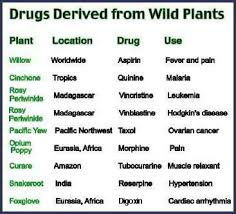
Believe or not, PLANTS do enhance our lives both mentally and physically!
Plants by 20% can improve memory, attention span and concentration outside in wildlife. Studies have even shown that tasks performed while under the calming influence of nature are bettered performed (from sitting with our pets to being outdoors with mother nature in pleasant weather to that individual’s mind—from rain to a pleasant sunny day with birds chirping or even by a rain fall dropping near the person).
Keeping ornamental plants in the home and in the workplace increases memory retention and concentration. The calming influence of natural environments is conducive to positive work environments by increasing a person’s ability to concentrate on the task at hand. Work performed under the natural influence of ornamental plants is normally of higher quality and completed with a much higher accuracy rate than work done in environments devoid of nature. Going outside or being under the influence of plants can increase memory retention up to twenty percent, a recent University of Michigan study showed (Sewach). The effect of nature in the home and in the workplace serves to stimulate both the senses and the mind, improving mental cognition and performance. (Bisco Werner 1996; Brethour 2007; Frank 2003; Pohmer 2008; Serwach 2008; Shibata, 2001, 2004; Yannick 2009).
Even take parks or places like botanical gardens that both often play as a host to educational programs and special events, which do contribute to the awareness of culture and education of the community, especially children. The better the environment the better the effect. Example take a highly criminal area as opposed to a lesser one. Installing a park or botanical garden in a community has many direct benefits to residents, but an auxiliary benefit of having such a naturalized landmark in the community is the special events and cultural opportunities it brings to people who might not otherwise be exposed. Botanical gardens and zoos often create educational programs for children in order to teach them how the value of being environmentally-conscious and conserving the environment. They can also impact adults in the community as well, creating a cultural awareness of the importance of natural environments. Parks and gardens foster an appreciation for nature that often instills in residents a sense of responsibility for the caring of and protection of the environment. (Appleseed, Inc. 2009, Dubey 2007, Nadel 2005, Phipps Botanical Gardens and Conservatory 2010)
Parks and urban green spaces impact people’s health by providing them with an inexpensive (often free) and convenient recreational service. There is a positive correlation between the presence of a park in a neighborhood and the level of physical activity of the residents; people are much more likely to exercise when there is a no-cost, aesthetically pleasing area or facility for them to use. Many are more out to do simple (walking) or more intense (running) outside to even handball or basketball do just mental exercise (reading) all outdoors in nice parks as opposed to a high urban area of just warehouses and buildings with no park or in a work out place with all just nautilus and weights all over the public place that has high probability of picking up cold, flu, infections. Why? In high probability your exposed to much more germs and bacteria as opposed to a park or your own home in or outside. Less host build up of germs and bacteria. Public places are high percentage in where you pick up germs and bacteria.
Believe it or not is helps in the healing process. Shrubs, trees, and flowers have a practical application in hospitals. Whether the the presence of plants are in the patients hospital rooms or viewed outside the room seeing beautiful parks via their window greatly reduces the time necessary to heal. The soothing effects of ornamental flowers and plants are so great that simply having daily views of flowers and other ornamental plants in landscaped areas outside patient recovery room significantly speed up recovery time; now if unfortunately the patient is terminal it’s a much greater atmosphere to be around than just four walls.
Ornamental plants affect the levels of compassion that people feel for others. Studies have shown that people who spend more time around plants are much more likely to try and help others, and often have more advanced social relationships. People who care for nature are more likely to care for others, reaching out to their peers and forming shared bonds resulting from their common interests.
Spending time in nature gives people an increased feeling of vitality, increasing their energy levels and making them feel more animated. Their performance levels are, in turn, increased by this improved state of mind. Natural environments induce a positive outlook on life, making people feel more alive and active. When people experience increased vigor, they put more of themselves and their energy into their work. People who spend more time outside in nature have a significantly more positive outlook on life than people who spend a great deal of time indoors, based on the majority.
One of the more obvious benefits of plants and trees is that many of them have valuable medicinal properties. Cultivating plants helps humanity because it provides opportunities for additional scientific studies of the possible positive medicinal values of plants. Natural herbal remedies are simple and holistic methods for treating common illnesses and maladies.
Simply regarding STRESS, plants help people with dealing with it in a positive way. How you ask; by helping many people transform their stress into a more positive emotion, this can be done commonly done in America in a pent house, back yard to farming, gardening-it gives people an excellent coping mechanism for their daily frustrations. Plants to even nurturing them helps reduce stress levels and gives people a way to cope with their negative feelings, in letting them release rather than build up. Gardening can have therapeutic effects on people who have undergone trauma, either mental or physical. The act of nurturing a plant can provide victims with a way to work through their issues and heal their wounds, whether they are on the surface of the skin or deeper. Cultivating plants also improves their mental states and helps to put them in a better place for recovering. Gardening is a therapeutic tool.
Beautifying traffic medians not only improves the aesthetics of the roadways, it also affects driver attitudes. Studies show that drivers are more at ease on roadways with natural landscaping, and are much more inclined to think positively about the community that they are driving through if the roadways are beautiful. Furthermore, adding trees to roadways creates a sort of natural obstruction which could reduce the likelihood of cars crossing medians into oncoming traffic lanes. This improves driver safety and makes the community a safer place for everyone to live in.
Believe it or not plants enhance our lives!
“High blood pressure is the biggest contributor to the risk of stroke in both men and women. Monitoring blood pressure and, if it is elevated, treating it, is probably the biggest difference women can make to their vascular health.”
Dr. Rost – Harvard Medical School
American Heart Association