Archives

QUOTE FOR WEDNESDAY:

“The Foundation for Women’s Cancer (FWC) understands the importance of bringing awareness to all gynecologic cancers — cervical, ovarian, uterine/ endometrial, vaginal and vulvar cancer. The month of September has been established as Gynecologic Cancer Awareness Month (GCAM), with a goal of reaching more and more people each year.

These resources give you the tools to share knowledge about gynecologic cancer symptoms, risk factors, prevention and early detection — because every five minutes, someone will be diagnosed with one of these cancers.”

Foundation for Women’s Cancer (https://foundationforwomenscancer.org/gcam/)

QUOTE FOR TUESDAY:

“Leukemia is the most common cancer in children and teens, accounting for almost 1 out of 3 cancers. Most childhood leukemias are acute lymphocytic leukemia (ALL). Most of the remaining cases are acute myeloid leukemia (AML). Chronic leukemias are rare in children.”

American Cancer Society (https://www.cancer.org/cancer/types/leukemia-in-children.html)

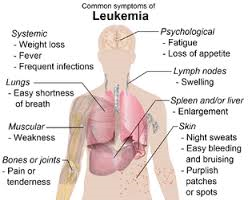
Leukemia

leukemia1leukemia2

Leukemia is the most common cancer in children and teens, accounting for almost 1 out of 3 cancers. Most childhood leukemias are acute lymphocytic leukemia (ALL). Most of the remaining cases are acute myeloid leukemia (AML). Chronic leukemias are rare in children.

A risk factor is anything that affects a person’s chance of getting a disease such as cancer. Different cancers have different risk factors.

Lifestyle-related risk factors such as tobacco use, diet, body weight, and physical activity play a major role in many adult cancers. But these factors usually take many years to influence cancer risk, and they are not thought to play much of a role in childhood cancers, including leukemias.

There are a few known RISK FACTORS for childhood leukemia.

Inherited syndromes

-Some inherited disorders increase a child’s risk of developing leukemia:

  • Down syndrome (trisomy 21): Children with Down syndrome have an extra (third) copy of chromosome 21. They are many times more likely to develop either acute lymphocytic leukemia (ALL) or acute myeloid leukemia (AML) than are other children, with an overall risk of about 2% to 3%. Down syndrome has also been linked with transient leukemia (also known as transient myeloproliferative disorder) – a leukemia-like condition within the first month of life, which often resolves on its own without treatment.
  • Li-Fraumeni syndrome: This is a rare condition caused by a change in the TP53 tumor suppressor gene. People with this change have a higher risk of developing several kinds of cancer, including leukemia, bone or soft tissue sarcomas, breast cancer, adrenal gland cancer, and brain tumors.Other genetic disorders (such as neurofibromatosis and Fanconi anemia) also carry an increased risk of leukemia, as well as some other types of cancers.Having a parent who develops leukemia as an adult does not seem to raise a child’s risk of leukemia.The possible risks from fetal or childhood exposure to lower levels of radiation, such as from x-ray tests or CT scans, are not known for sure. Some studies have found a slight increase in risk, while others have found no increased risk. Any risk increase is likely to be small, but to be safe, most doctors recommend that pregnant women and children not get these tests unless they are absolutely needed.1-Acute lymphocytic leukemia (ALL) is a type of cancer of the blood and bone marrow — the spongy tissue inside bones where blood cells are made.Acute lymphocytic leukemia is the most common type of cancer in children, and treatments result in a good chance for a cure. Acute lymphocytic leukemia can also occur in adults, though the chance of a cure is greatly reduced.
  • The word “acute” in acute lymphocytic leukemia comes from the fact that the disease progresses rapidly and creates immature blood cells, rather than mature ones. The “lymphocytic” in acute lymphocytic leukemia refers to the white blood cells called lymphocytes, which ALL affects. Acute lymphocytic leukemia is also known as acute lymphoblastic leukemia.
  • What is Leukemia?  First their are types of leukemia, which are cancers of the bone marrow and blood and this is the most common childhood cancers unfortunately.  They account for about 30% of all cancers in children.  The most common types that are found in children they are 1.) acute lymphocytic leukemia (ALL) 2.) acute myelogenous leukemia (AML).
  • Exposure to high levels of radiation is a risk factor for childhood leukemia. Japanese atomic bomb survivors had a greatly increased risk of developing AML, usually within 6 to 8 years after exposure. If a fetus is exposed to radiation within the first months of development, there may also be an increased risk of childhood leukemia, but the extent of the risk is not clear.
  • Siblings (brothers or sisters) with leukemia have a slightly increased chance (2 to 4 times normal) of developing leukemia, but the overall risk is still low. The risk is much higher among identical twins. If one twin develops childhood leukemia, the other twin has about a 1 in 5 chance of getting leukemia as well. This risk is much higher if the leukemia develops in the first year of life.

2-Acute myelogenous leukemia (AML) is a cancer of the blood and bone marrow — the spongy tissue inside bones where blood cells are made.

The word “acute” in acute myelogenous leukemia denotes the disease’s rapid progression. It’s called myelogenous (my-uh-LOHJ-uh-nus) leukemia because it affects a group of white blood cells called the myeloid cells, which normally develop into the various types of mature blood cells, such as red blood cells, white blood cells and platelets.

Acute myelogenous leukemia is also known as acute myeloid leukemia, acute myeloblastic leukemia, acute granulocytic leukemia and acute nonlymphocytic leukemia.

QUOTE FOR MONDAY:

“Leukemia is a broad term for cancers of the blood cells. The type of leukemia depends on the type of blood cell that becomes cancer and whether it grows quickly or slowly. Leukemia occurs most often in adults older than 55, but it is also the most common cancer in children younger than 15.  There is Acute Lymphoblastic Leukemia, Acute Myeloid Leukemia, Chronic Lymphocytic Leukemia , Chronic Myelogenous Leukemia, Hairy Cell Leukemia, Childhood Acute Lymphoblastic Leukemia, and Childhood Acute Myeloid Leukemia.”

National Cancer Institute (https://www.cancer.gov/types/leukemia#: ~:text=Leukemia%20is%20a%20broad%20term,in%20children%20younger%20than%2015.)

QUOTE FOR THE WEEKEND:

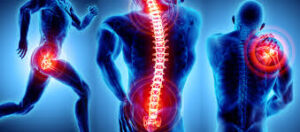
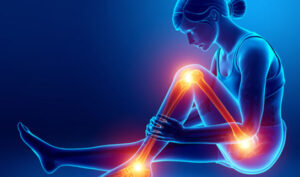
“Chronic pain is pain that lasts for over three months. You may feel the pain all the time or it may come and go. It can happen anywhere in your body and has countless causes.

Chronic pain is a very common condition and one of the most common reasons why people seek medical care. In 2021, about 20.9% of U.S. adults (51.6 million people) experienced chronic pain, according to a study from the U.S. Centers for Disease Control and Prevention (CDC).

Pain is your body’s way of telling you that something’s wrong, like an alarm. But when that alarm continues to go off for months or years, it can drown out many aspects of life that bring you joy. And it can take quite a toll on your physical, mental and emotional health. Because of this, it’s essential to seek help for chronic pain. Together, you and your healthcare provider can develop a plan to help dampen chronic pain.”.

Cleveland Clinic (https://my.clevelandclinic.org/health/diseases/4798-chronic-pain)

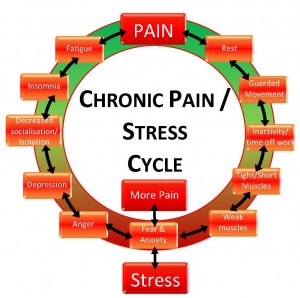
Pain Awareness Month: How to close gates of pain, the role of stress, consequence of chronic stress and the key to prevent it!


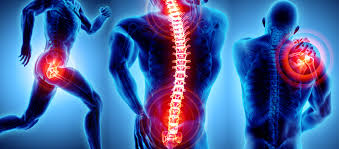
In most instances, painful sensations arise from tissue injury in the body. Sensitive nerve endings pick up pain signals and carry these messages along nerves to the spinal cord and then onto the brain. All along these complex pathways, there are biological “gates” that can be either opened or closed. When these gates are closed, pain is reduced or eliminated. When open, pain messages continue through the circuit. It is when these gates are jammed open that chronic pain cycles begin.

As you recall, acute pain is short lived and serves as a warning signal. When you fix whatever is wrong, the pain usually goes away. In the case of chronic pain, pain does not necessarily signal that the body is undergoing more damage. Most chronic pain is caused by a malfunction of the nervous system, either in nerves or the brain. The malfunction or opening of the pain gates causes and endless barrage of pain signals to cycle. Chronic pain then becomes a disease itself, taking on a life of its own.

How can we close the gates of pain?

The gates are affected by several factors, most importantly by the pattern of nerve impulses which reach the spinal cord from the rest of the body, and nerve impulses coming from the brain. Sometimes the nerve impulses traveling through the spinal gates can be affected by other forms of physical stimulation. Giving your nervous system a competing source of input can fool the nervous system and alter your perception of pain.

There are many ways to accomplish this. You may have noticed that rubbing or massaging a painful area may have relieved your pain in the past. Applying electrical stimulation (e.g. TENS), applying heat or cold, acupuncture, or nerve blocks may also provide a competing source of input. It is also important to realize that certain mental activities or thoughts taking place in the brain can help to close the spinal gates.

Another way we can work to close the gates of pain is to affect the release of several chemicals that help pain signals travel to the brain. Neurotransmitters are biochemical messengers that carry pain signals from one nerve cell to the next. The three main neurotransmitters that send pain signals to the brain are substance P, NMDA (n-methyl-d-aspartate), and glutamate. Excess amounts of these chemicals, especially substance P, make it easier for pain signals to reach the brain.

Therefore, another way of stopping pain involves manipulating pain provoking neurotransmitters. This can be accomplished by prescription or over the counter medications, acupuncture, injections, hypnosis, or biofeedback.:

The role of the Endorphins:

The endorphins are another class of chemicals which are produced in the brain and serve an important role in the pain experience. These chemical are naturally occurring pain relieving substances, similar to morphine or other opiates, produced in the body. Endorphins work on special receptor sites in the brain. They act as keys which unlock receptors thus generating nerve impulses to shut down pain. Morphine and other opiates have similar chemical structures which turn off pain.
Several situations or conditions raise endorphin levels in the brain thus reducing pain. They include thinking with a positive attitude, happiness, and regular exercise.

The Role of Stress:

It is natural to connect a physical stress to the body, such a broken arm, to the perception of pain. The role of psychological stress may not seem as obvious. The brain structures involved in stress can affect the production of key hormones in the body, suppress the body’s immune system, and activate the autonomic nervous. These are the same biological changes that may occur from physical stresses on the body-the body may not differentiate between physical and psychological stress. The net effects of these changes on the body are to lower our internal resistance to pain, thus further encouraging the chronic pain cycle.

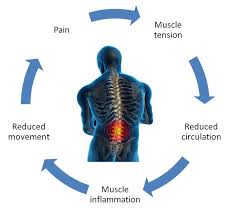
Many sources of stress feed into the chronic pain cycle. First off, as you would expect, pain itself is stressful. Pain sensations are perceived as undesirable and are at very least annoying. Pain creates tension, both physical and emotional. Physical tension may show itself as muscle tension or affect the cardiovascular, gastrointestinal, or immune systems. Emotional tension may reveal itself as anger, frustration, worry, depression, or frustration. Both physical and emotional tension, initially set in motion by pain, worsen pain. Thus the vicious cycle of pain is begins-pain leads to tension and tension leads to more pain.

A second source of stress comes from all the negative consequences that occur as a result of a chronic pain condition. Chronic pain may create difficulties with family relationships, social or recreation activities, self-esteem, and employment.

Yet another source of stress arises from the hardships that can be encountered from the stresses of everyday living. Everything from difficulties putting on your shoes in the morning to difficulties standing long enough to go grocery shopping are added on top of pain-related stressors. In the end, an individual not only suffers from chronic pain, but from chronic stress.

The consequences of chronic stress:

Whatever the type of stress, either physical or psychological, the outcome on pain is to worsen it. Chronic stress also may result in other physical ailments such as tension headaches, muscle spasms, gastrointestinal problems, and elevated blood pressure. It can also lead to fatigue, depression, and a sense of hopelessness.

The key is how to prevent chronic pain:

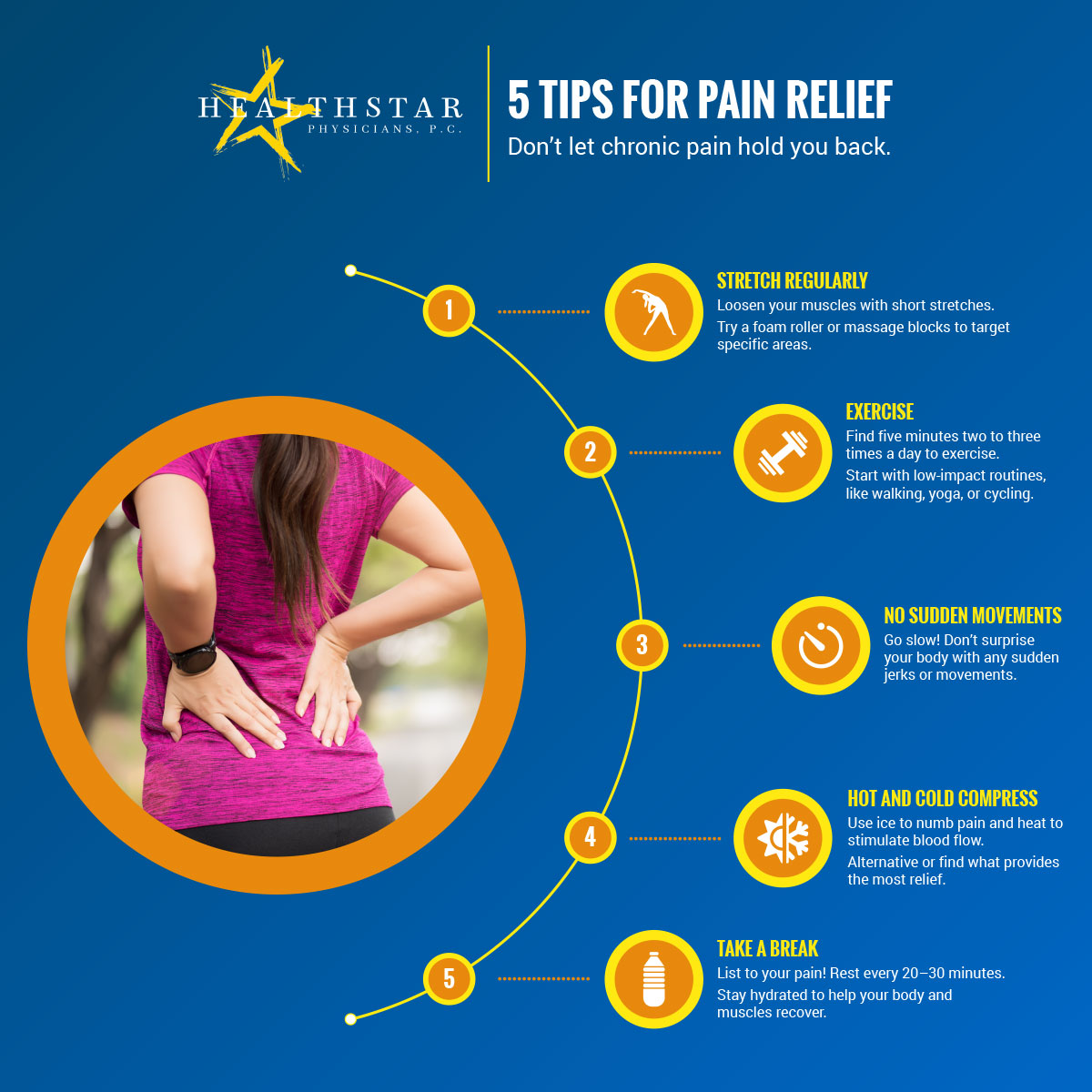
Chronic pain can’t always be prevented But rememeber if you have pain go to a MD to help you get to your optimal level of function and hopes you get to PAIN FREE.

1-  ONE is staying in good physical and mental health may be the best way to prevent it or help you cope with it.
2-  Treat your health problems early.
3- Get enough sleep every night. Learn to alternate activity with rest throughout each day.
4- Exercise.
5- Eat a balanced diet.

Try to reduce stress in your life.
QUOTE FOR FRIDAY:

“Prostate cancer is cancer that occurs in the prostate. The prostate is a small walnut-shaped gland in males that produces the seminal fluid that nourishes and transports sperm.

Prostate cancer is one of the most common types of cancer. Many prostate cancers grow slowly and are confined to the prostate gland, where they may not cause serious harm. However, while some types of prostate cancer grow slowly and may need minimal or even no treatment, other types are aggressive and can spread quickly.

Prostate cancer that’s detected early — when it’s still confined to the prostate gland — has the best chance for successful treatment.”

MAYO CLINIC (https://www.mayoclinic.org/diseases-conditions/prostate-cancer/symptoms-causes/syc-20353087)

QUOTE FOR THURSDAY:

“Treatment for ovarian cancer usually involves a combination of surgery and chemotherapy.

  • Surgery: An operation in which doctors cut out the cancer.
  • Chemotherapy: Use of special medicines to shrink or kill the cancer. The drugs can be pills you take or medicines given in your veins, or sometimes both.
  • Targeted therapy: Use of drugs to block the growth and spread of cancer cells. The drugs can be pills you take or medicines given in your veins. You will get tests to see if targeted therapy is right for your cancer type before this treatment is used.

Visit the National Cancer Institute for more information about ovarian cancer treatment.”

Center for Disease Control and Prevention – CDC (https://www.cdc.gov/ovarian-cancer/treatment/?cid=google:paid_search_co:ik_24:q1_24_rsa_refresh:ovarian&gad_source=1&gclid=EAIaIQobChMIj63WtM3HiAMVAU9HAR3BciZCEAAYASAAEgKu-_D_BwE)

QUOTE FOR WEDNESDAY:

“Ovarian cancer is a type of cancer that begins in the female reproductive organs that produce and store eggs (ovaries). It occurs when abnormal ovarian cells divide and multiply uncontrollably. “Ovarian cancer” is a generic term for any primary malignant ovarian tumor. However, ovarian cancer is not one disease. There are many types of ovarian cancer, including some that are extremely rare and require specialized treatment. Therefore, establishing the correct diagnosis upfront is very important. The main types of ovarian cancer are named for the cells where the disease first forms. There is epithelial ovarian cancer, germ cell ovarian cancer, stromal ovarian cancer, and primary peritoneal ovarian. ”

MD Anderson Cancer Center

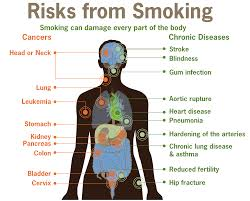
Simple facts with consequences you face if you decide to start or continue smoking.

Through an accurate reference the Centers for Disease Control and Prevention, who wants to save lives and protect people, support the following:

Smoking is estimated to increase the risk—

    • For coronary heart disease by 2 to 4 times1,6
    • For stroke by 2 to 4 times1
    • Of men developing lung cancer by 25 times1
    • Of women developing lung cancer by 25.7 times1

Smoking causes diminished overall heath, such as self-reported poor health, increased absenteeism from work, and increased health care utilization and cost.

Smokers are at greater risk for diseases that affect the engine of the body=The heart and its branches=The circulatory system (putting a smoker at high risk for cardiovascular disease).

  • Smoking causes stroke and coronary heart disease—the leading causes of death in the United States.
  • Even people who smoke fewer than five cigarettes a day can have early signs of cardiovascular disease.
  • Smoking damages blood vessels and can make them thicken and grow narrower. This makes your heart beat faster and your blood pressure go up. Clots can also form.
  • A heart attack occurs when a clot blocks the blood flow to your heart. When this happens, your heart cannot get enough oxygen causing starvation of food, being oxygen to the heart tissue. This damages the heart muscle, and part of the heart muscle can die, which is what exactly happens with a heart attack where angina (lack of 02 is reversible).
  • A stroke occurs when a clot blocks the blood flow to part of your brain or when a blood vessel in or around your brain bursts causing again starvation of food, being 02, just in a different tissue part. Get it oxygen is the food to all our tissues of the body
  • Blockages caused by smoking can also reduce blood flow to your skin and legs (For example Peripheral Vascular Disease= PVD). Ever see the commercial with a person telling you to stop smoking with fingers surgically removed or limbs, PVD is what occurred to that individual and the person didn’t stop smoking. Due to this behavior what happened the vessels of the individual’s limbs became so narrowed that it cut off oxygenated blood supply to those tissue parts causing ischemia-lack of oxygen, which led to necrosis of the tissue (death) and the part had to be surgi-cally removed. Now that individual can’t walk or grasp things with those limbs that were operated on. Is smoking worth this consequence? I don’t think so, what about you? Just think about it if you still smoke.Smoking can cause lung disease by damaging your airways and the small air sacs (alveoli) found in your lungs. What actually happens to the lung tissue is the pin point openings (alveoli) keeps expanding to a wider opening. The alveoli is responsible of oxygen and carbon dioxide exchange when we inhale and exhale but with the alveoli stretched the exchange of the gases gets poor.
  • Smoking effects the transmission of the body=The Lungs
  • Lung diseases caused by smoking include COPD, which includes emphysema (especially) and chronic bronchitis.
  • Cigarette smoking causes most cases of lung cancer.
  • If you have asthma, tobacco smoke can trigger an attack or make an attack worse.1,2
  • Smokers are 12 to 13 times more likely to die from COPD than nonsmokers.

Smoking can cause cancer in almost every area of the body. If nobody smoked, one of every three cancer deaths in the United States would not happen. Smoking increases risk of dying from cancer and other diseases in cancer patients and survivors.

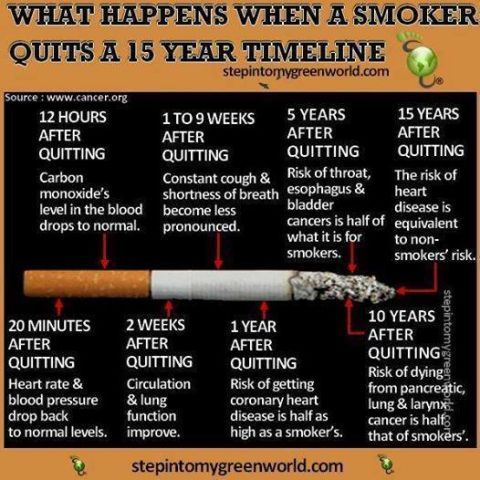
For those who quit smoking what risks you reduce:

  • Quitting smoking cuts cardiovascular risks. Just 1 year after quitting smoking, your risk for a heart attack drops sharply.2
  • Within 2 to 5 years after quitting smoking, your risk for stroke could fall to about the same as a nonsmoker’s.2
  • If you quit smoking, your risks for cancers of the mouth, throat, esophagus, and bladder drop by half within 5 years.2
  • Ten years after you quit smoking, your risk for lung cancer drops by half.

Again, if you smoke you may want to consider stopping; give it a thought.