Archives

QUOTE FOR MONDAY:

“A risk factor is anything that increases your chance of getting a disease such as cancer. Different cancers have different risk factors. For example, exposing skin to strong sunlight is a risk factor for skin cancer. Smoking is a risk factor for many cancers. But having a risk factor, or even several, does not mean that you will get the disease.

Several risk factors can increase your chance of developing cervical cancer. People without any of these risk factors rarely develop cervical cancer. Although these risk factors can increase the odds of developing cervical cancer, many with these risks do not develop this disease.

When you think about risk factors, it helps to focus on those you can change or avoid (like smoking or human papillomavirus infection), rather than those you cannot (such as your age and family history). However, it is still important to know about risk factors that cannot be changed, because it’s even more important for those who have these factors to get regular screening tests to find cervical cancer early.”

American Cancer Society (Cervical Cancer Risk Factors | Risk Factors for Cervical Cancer | American Cancer Society)

Know the risk factors understanding the risk factor and signs of advanced cervical cancer!


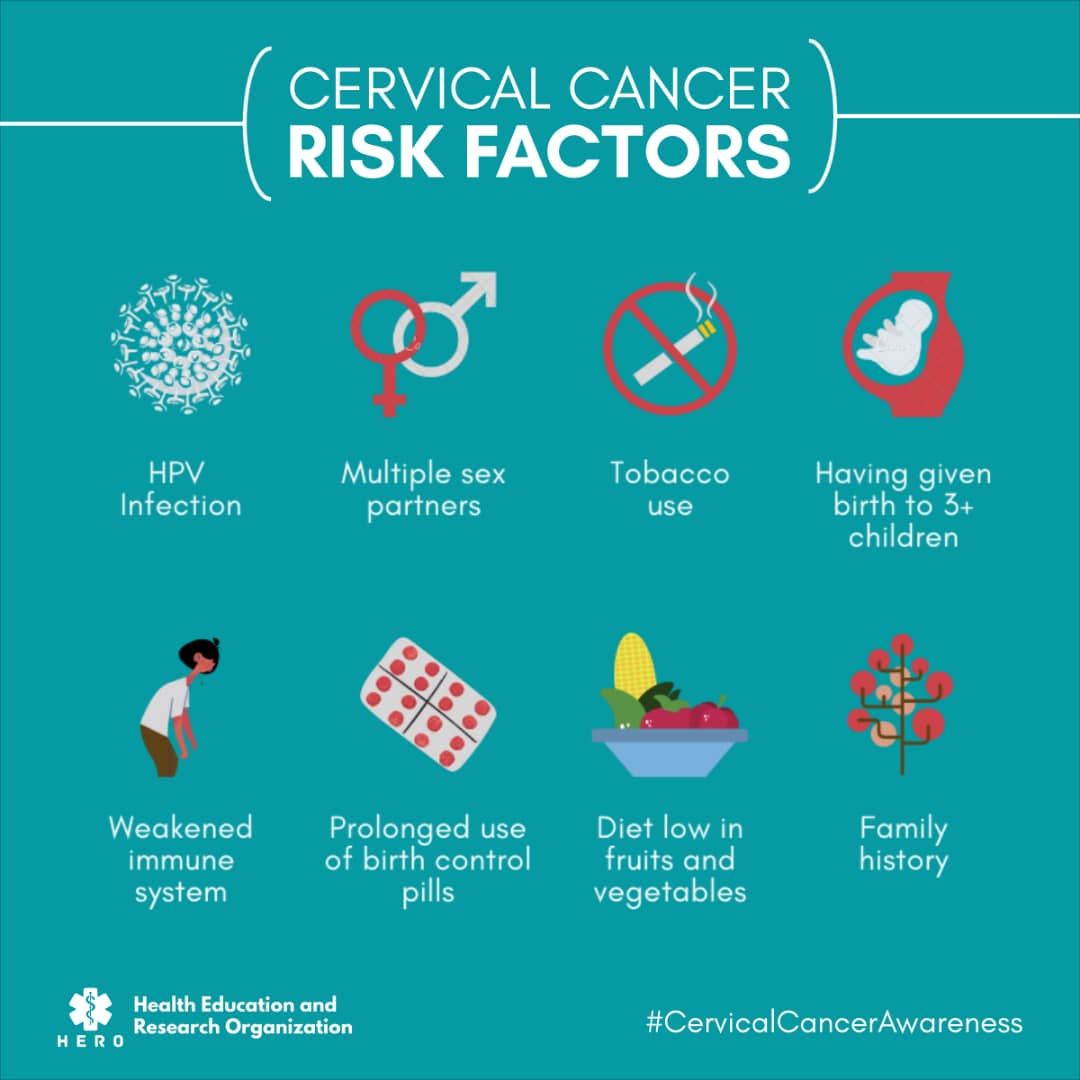
Cervical cancer risk factors

GENERAL

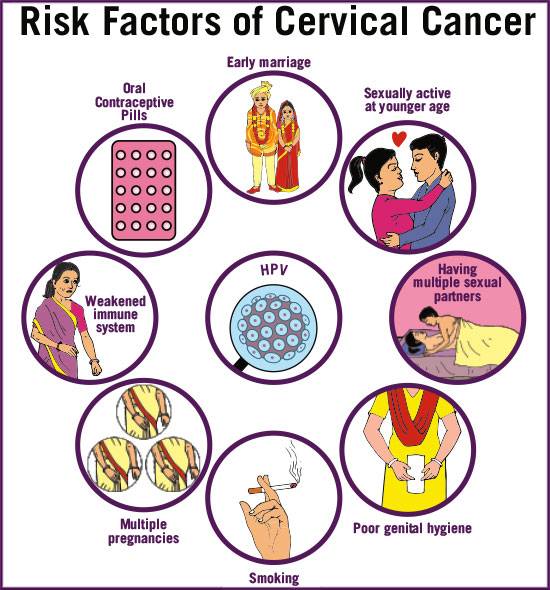
  • Pregnancy: Women who have had three or more full-term pregnancies, or who had their first full-term pregnancy before age 17, are twice as likely to get cervical cancer.

GENETICS

  • Family history: Women with a sister or mother who had cervical cancer are two to three times more likely to develop cervical cancer.

LIFESTYLE

  • Sexual history: Certain types of sexual behavior are considered risk factors for cervical cancer and HPV infection. These include: sex before age 18, sex with multiple partners and sex with someone who has had multiple partners. Studies also show a link between chlamydia infection and cervical cancer.
  • Smoking: A woman who smokes doubles her risk of cervical cancer.
  • Oral contraceptive use: Women who take oral contraceptives for more than five years have an increased risk of cervical cancer, but this risk returns to normal within a few years after the pills are stopped.

OTHER CONDITIONS

  • Weakened immune system: In most people with healthy immune systems, the HPV virus clears itself from the body within 12-18 months. However, people with HIV or other health conditions or who take medications that limit the body’s ability to fight off infection have a higher risk of developing cervical cancer.
  • Diethylstilbestrol (DES): Women whose mothers took DES, a drug given to some women to prevent miscarriage between 1940 and 1971, have a higher risk of developing cervical cancer.
  • HPV: Though HPV causes cancer, having HPV does not mean you will get cancer. The majority of women who contract HPV clear the virus or have treatment so the abnormal cells are removed. HPV is a skin infection, spread through skin-to-skin contact with a person who has the virus.

Additional facts about HPV:

  • There are more than 100 types of HPV, 30-40 of which are sexually transmitted.
  • Of these, at least 15 are high-risk HPV strains that can cause cervical cancer. The others cause no symptoms or genital warts.
  • Up to 80 percent of women will contract HPV in their lifetime. Men get HPV, too, but there is no test for them.
  • A healthy immune system will usually clear the HPV virus before there is a symptom, including the high-risk types of HPV.
  • Only a small percentage of women with high-risk HPV develop cervical cancer.

Understanding risk factors:

Anything that increases your risk of getting a disease is called a risk factor. Having a risk factor does not mean that you will get cancer. Not having risk factors doesn’t mean that you will not get cancer. If you think you may be at risk, you should discuss it with your doctor.

Regarding symptoms of cervical cancer:

In most cases, cervical cancer does not cause noticeable symptoms in the early stages of the disease. Routine Pap screening is important to check for abnormal cells in the cervix, so they can be monitored and treated as early as possible. Most women are advised to get a Pap test starting at age 21.

The Pap test is one of the most reliable and effective cancer screening methods available, and women should have yearly exams by an OB-GYN. However, the Pap test may not detect some cases of abnormal cells in the cervix. The HPV test screens women for the high-risk HPV strains that may lead to cervical cancer. It is approved for women over age 30.

Although screening methods are not 100 percent accurate, these tests are often an effective method for detecting cervical cancer in the early stages when it is still highly treatable. Talk with your doctor about which type of cervical cancer screening is right for you.

When present, common symptoms of cervical cancer may include:

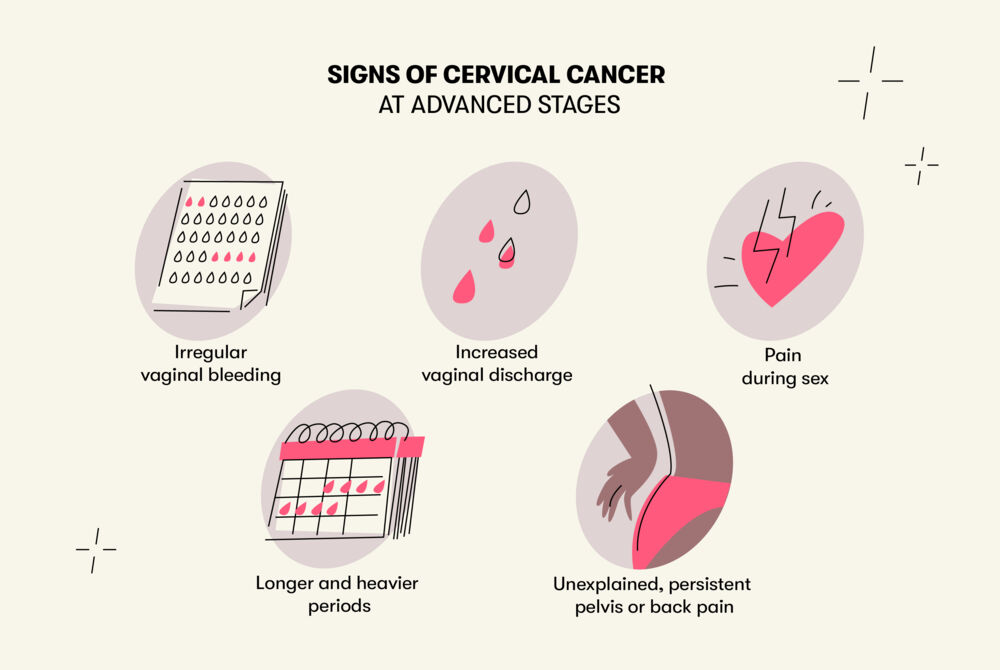
  • Vaginal bleeding: This includes bleeding between periods, after sexual intercourse or post-menopausal bleeding.
  • Unusual vaginal discharge: A watery, pink or foul-smelling discharge is common.
  • Pelvic pain: Pain during intercourse or at other times may be a sign of abnormal changes to the cervix, or less serious conditions.

All of these cervical cancer symptoms should be discussed with your doctor.

Signs of advanced stages of cervical cancer:

Cervical cancer may spread (metastasize) within the pelvis, to the lymph nodes or elsewhere in the body. Signs of advanced cervical cancer include:

  • Weight loss
  • Fatigue
  • Back pain
  • Leg pain or swelling
  • Leakage of urine or feces from the vagina
  • Bone fractures

QUOTE FOR THE WEEKEND:

“Stress makes it hard for us to relax and can come with a range of emotions, including anxiety and irritability. When stressed, we may find it difficult to concentrate. We may experience headaches or other body pains, an upset stomach or trouble sleeping.

Everyone reacts differently to stressful situations. Coping styles and symptoms of stress vary from person to person. ​​Doing what matters in times of stress – aims to equip people with practical skills to cope with stress.”

WHO-World Health Organization (Stress)


Part II Your health in dealing with stress-Tips on dealing with it!


Here are tips to help manage stress:

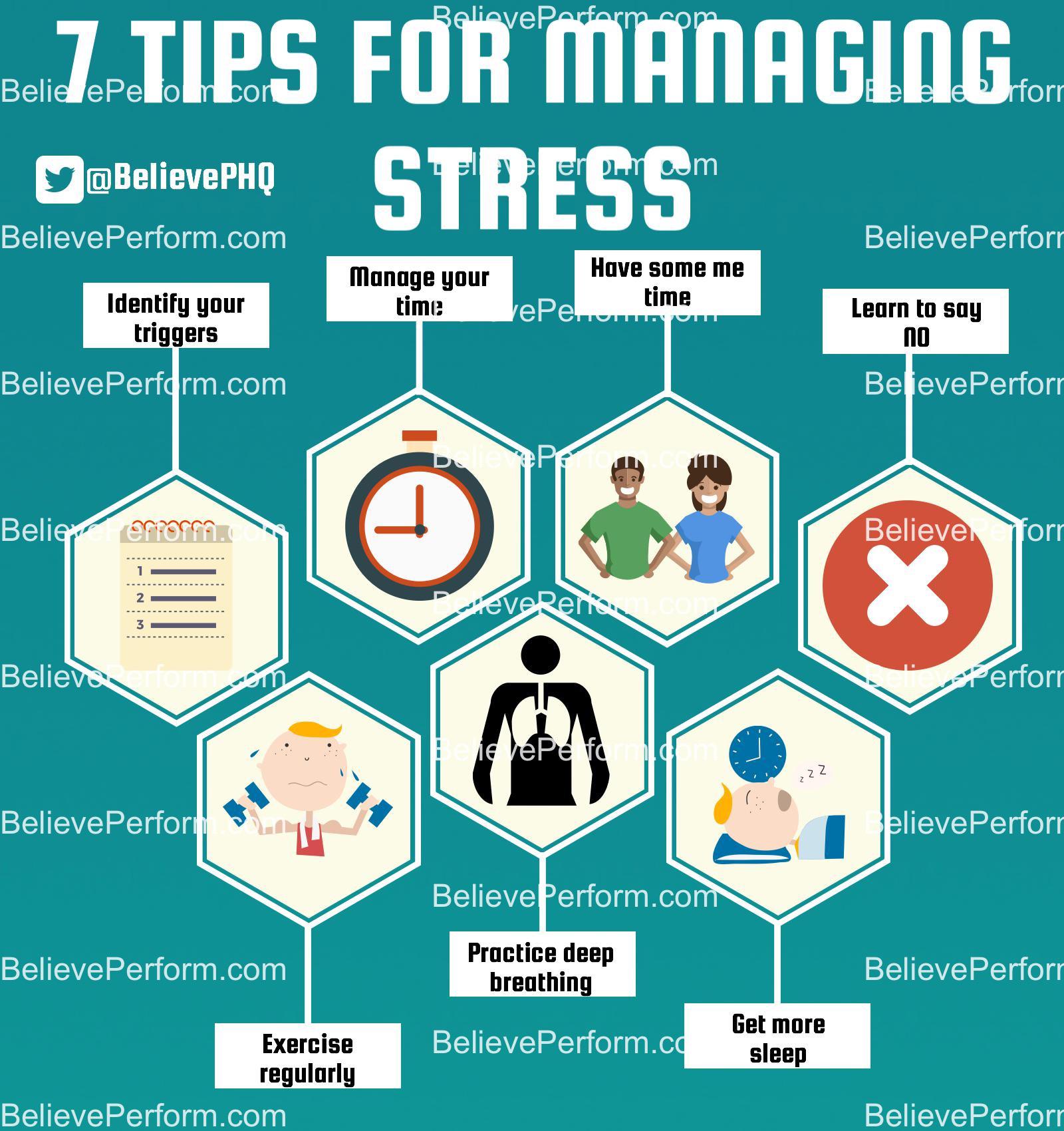
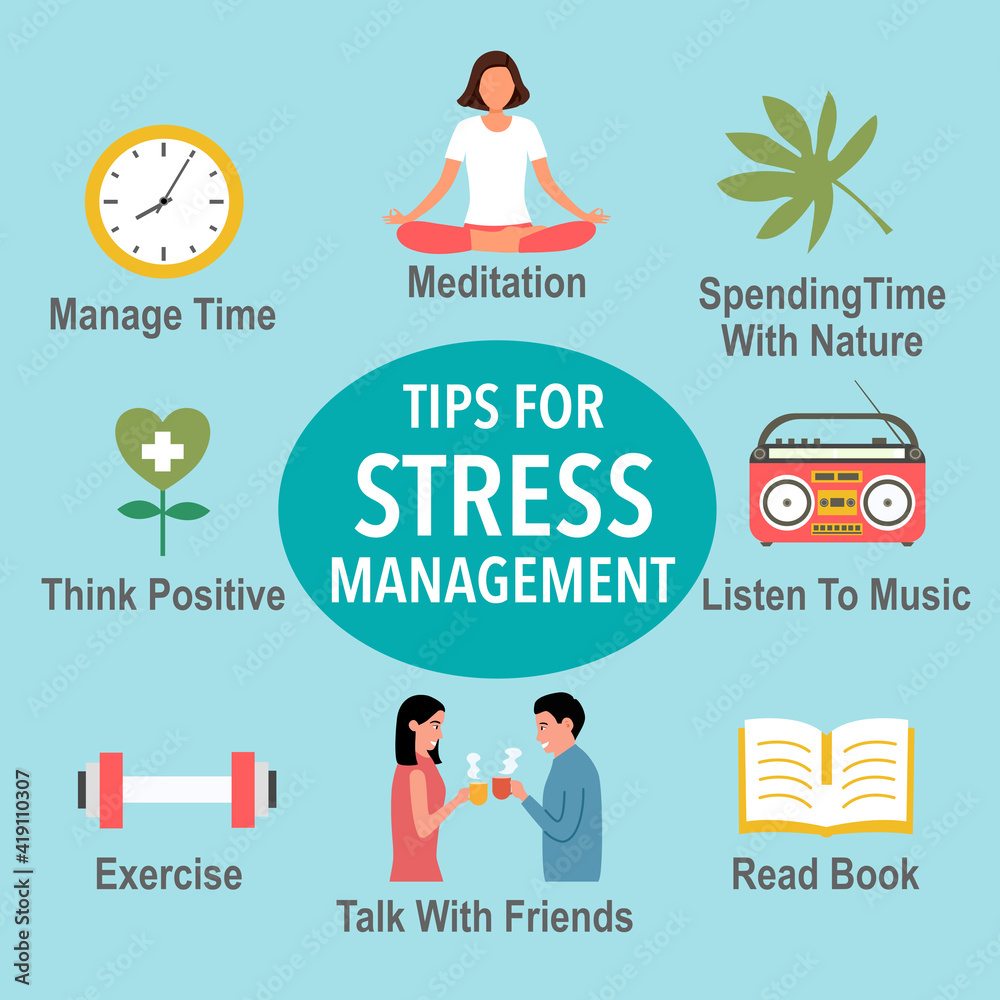
1. Take care of your body and mind. This can include regular exercise, adequate sleep, a healthy diet, and relaxation practices. You may want to combine some of these habits for optimal self-care. For example, after a workout stretch your muscles while practicing deep breathing techniques. Eat a nutritious meal while practicing mindfulness of the moment. Get to bed at a decent hour and practice progressive muscle relaxation to help you wind down and fall asleep relaxed.

2. Identify your priorities and establish boundaries. Consider what is most important and valuable to you during the holidays and keep those as priority. This will require you to set boundaries around your priorities. Say no to “lesser” priorities, and ask for help when needed. For example, if exercising regularly is a priority, set boundaries around your time to ensure you’re able to get to the gym on a consistent basis. Similarly, if you want to spend quality time with loved ones you don’t see often, then you may have to say no to other responsibilities. This will keep you from feeling like you’re being pulled in all directions. It may also help reduce the risk of feeling resentment or disappointment once the holidays are over.

3. Be realistic. Assess your expectations of yourself and others. Try not to expect the holidays to go perfectly, and realize that you do not have to be perfect. You don’t have to prepare an ultra-fancy meal or give the perfect gift to every friend and family member. Practice some relaxation skills (mentioned above) to help clear your mind and determine what’s most realistic and what’s not. If family conflict has popped up in past holidays, don’t expect there to be perfect peace and harmony this year. Instead, plan ahead for your healthy response to conflict that may arise and be prepared to set boundaries if needed.

4. Cultivate gratitude. There is growing research on the benefits of gratitude, particularly on physical, psychological, and relational well-being. An “attitude of gratitude,” as Dr. Robert Emmons (a leading researcher on the science of gratitude) calls it, has been linked to greater stress tolerance, increased positive emotions, better sleep, improved physical health, and healthier relationships. It can be beneficial to create a daily habit of remembering what you are thankful for. Keeping a gratitude list at the beginning or end of each day is a great way to do this. If certain well-meaning friends or family members start stretching your patience, remind yourself of why you are thankful to have them in your life.  Which at times may not be easy so walk away and get a a breath or two by taking a walk.

5.  Maintain the safety interventions needed to prevent

QUOTE FOR FRIDAY:

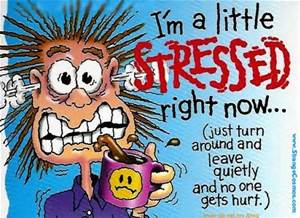
“Stress is the natural reaction your body has when changes or challenges occur. It can result in many different physical, emotional and behavioral responses. Everyone experiences stress from time to time. You can’t avoid it.

Stress is a natural human reaction that happens to everyone. In fact, your body is designed to experience stress and react to it. When you experience changes or challenges (stressors), your body produces physical and mental responses. That’s stress.

Stress responses help your body adjust to new situations. Stress can be positive — keeping you alert, motivated and ready to avoid danger. For example, if you have an important test coming up, a stress response might help your body work harder and stay awake longer. But stress becomes a problem when stressors continue without relief or periods of relaxation.”

Cleveland Clinic (Stress: What It Is, Symptoms, Management & Prevention)


Part I Your health in dealing with stress-what is it, know body trigger reactions, how to pick up on stress, the challenges we all face/what to do, & human responses at Acute vs Chronic Stress!

Life can be stressful—you may feel stressed about performance at school, traumatic events (such as a pandemic, a natural disaster, or an act of violence), or a life change. Everyone feels stress from time to time.

What is stress?

Stress is the physical or mental response to an external cause, such as having a lot of homework or having an illness. A stressor may be a one-time or short-term occurrence, or it can happen repeatedly over a long time.

What is anxiety? Anxiety is your body’s reaction to stress and can occur even if there is no current threat.

Trigger Reactions to Stress by the human body:

Increased heart rate and respirations. Increased blood pressure. Upset stomach, nausea, diarrhea. Increased or decreased appetite which may be accompanied by weight loss or gain.

If that anxiety doesn’t go away and begins to interfere with your life, it could affect your health. You could experience problems with sleeping, or with your immune, digestive, cardiovascular, and reproductive systems. You also may be at higher risk for developing a mental illness such as an anxiety disorder or depression.

Everyone experiences stress, and sometimes that stress can feel overwhelming! You may be at risk for an anxiety disorder if it feels like you can’t manage the stress and if the symptoms of your stress:

  • Interfere with your everyday life.
  • Cause you to avoid doing things.
  • Seem to be always present.

Learning what causes or triggers your stress and what coping techniques work for you can help reduce your anxiety and improve your daily life. It may take trial and error to discover what works best for you. Here are some activities you can try when you start to feel overwhelmed.

What to do if stress triggers and to help yourself ; when picking up on it; some ideas:

  • Keep a journal.
  • Download an app that provides relaxation exercises (such as deep breathing or visualization) or tips for practicing mindfulness, which is a psychological process of actively paying attention to the present moment.
  • Exercise, and make sure you are eating healthy, regular meals.
  • Stick to a sleep routine, and make sure you are getting enough sleep.
  • Avoid drinking excess caffeine such as soft drinks or coffee.
  • Identify and challenge your negative and unhelpful thoughts.
  • Reach out to your friends or family members who help you cope in a positive way.

One way of looking at life is whatever challenges comes your way know you will survive and for any losses you may experience when looking back on them take the positive aspects or memories not the negative that builds a bad effect on you (Ex. Insomnia to depression to high blood pressure to alcoholism to drugs).  

A positive effect can be as simple as a smile when reflecting memories, which FYI allows less frowning that will cause less wrinkles on the forehead, as we get older.  Sometimes it’s not that simply and when it gets harder take up a constructive way of dealing with it (Ex. Work out at your level, walking, singing, go to a comedy movie, get together with friends go out, and do anything that gets your mind off of the stress and even out of your body through work out at the gym to just biking or walking.).

For starters stress is a body reaction to CHANGE.  How to you look at change?  Easy, positive in someway!  It may not appear easy at first but try to look at this change as a sense of difficulty yet a challenge with a victory in the end, if approached right.

Let us take the following challenges we face in life, for example –  Having a child leave home for college or marriage, losing a home with this economy, a loss of a friend in your life:  How do you look at these experiences positive?

1.)  Well for the child I would be so happy for her or him starting college life with my worries but know I raised her or him well and if he makes mistakes on the way he or she will learn to get up off the ground and fix them knowing he or she can come to me or dad whenever he has the need or if we sense a problem we would address it (Its part of life=growing up).

2.)  Another aspect to look at regarding this stress is there is loss in the parent role so fill up that loss with a new hobby, or get active in whatever organization you are in (Ex. Church, Temple, School, to just taking up ceramics or do more traveling with your spouse and friends). Help out the community you live in and assist in organizations that you feel do help the society in your city or town or village you live in.  I had my falls with the stresses that I have come across in my lifetime but you got to get up every time to stand again, some quicker than other times.  Love ones we loose I deal with in a positive way in knowing their in heaven, a lot better than here also looking at the fond memories I have of that person with knowing I will see them again when I pass on but trying to keep active with my life which now is hard but with my significant other helping me to get started.

3.)  How do you deal with losing a home with this economy or a business as  well appreciate the good memories you had when you had the home and pick up starting a new life elsewhere with making it a journey down the yellow brick road leading you to where the rainbow is at the end; don’t look at it as a loss.  It may be miserable at first but being a nurse seasoned I know there is always someone worse than I am and no I am not rich (far from it) that I can pick up and by another home.

4.) If you lost a business in the time of COVID-19 due to this long stretch of lockout particularly in NY (take the city alone) or if you just lost a business in general.  It is a hard challenge to come across but there is a new plan and journey for you to restart.  My family was there in losing business or a job including my husband in this COVID-19 but we resolved all job problems and with saving our money, it took time, but we survived.  We have each other and thank God we never lost our home we can say.  We can make through anything as long as we have each other and this is not a happy episode of “Little house on the Prairie” but knowing how to look at life’s challenges positive with negative feelings at first, which is only expected.

The same as Erickson’s stages of death; first denial to anger to bargaining to depression to acceptance and will relive these steps over again during your challenge but will beat it with having a positive approach and knowing how to use effective methods to let your stress go.  Know you will have those Erickson steps replaying over, not even in those steps directly 1 through 5 but know what to do when you relive them like work out, go to a volunteer organization and help out or whatever makes you feel better that does not hurt your health but help it in a positive approach.

Dealing with losing a friend or terminal friend, again the way I look at it is I appreciate the time I had with her or him and know they haven’t left me in spirit (if deceased).   If the person is still living know there are reasons for everything; whatever the cause was for the reason for the relationship in parting, divorce or death for example.  When out of my control I think of how I had a good friendship as opposed to never having one with that individual or thinking I will never see them again.  I accept that nothing lasts forever or indefinitely, with appreciating the time I had with the person and money is just monetary with hoping it gives me good memories if I loose or choose to ever leave it (like a home, car, etc).  I try to cherish each day for being given that gift by God to have ever have met that person and was able to spend time with that person.

Ending note, I look at life this way, whatever positive entity comes in my life may be taken away from me and I should appreciate every moment I spend with that person or creature or career or job or home in my life that I love so much (including my life span that only upstairs knows how long that time factor will be but I try to live a life at its healthiest optimal level with practicing positive behavior which is knowing whatever stressors come my way there is always someone is worse off and thank God for the life I was given which makes me a strong person in facing everything that has come my way, so far.  What has probably helped me is being a RN for over 35 years and working in so many specialty areas that made me see people worse off than me in health and more.

If I don’t deal with stress like this than I can expect complications that may arise, just like for anyone else who looks at challenges coming their way in a negative sense.  You commonly see stress become a negative experience when a person faces continuous challenges/stressors without relief or relaxation between them.  The ending result is the person becomes overworked and stress-related tension builds.  Stress that continues without positive resolution at some level can cause a condition called distress, which is a negative stress reaction.

The physical reactions that happen to your body due to negative stress can be = negative symptoms there is both acute vs chronic.

Stress is a normal part of life; the ones you build up one over another with no resolving them make the stress worse!

Acute VS Chronic Stress to the human body:

Many events that happen to you and around you — and many things that you do yourself (Ex. Work 40 to 60 hrs a week in a highly stressful job, like a policeman) – will put stress on your body.

You can experience stress from your environment, your body, and your thoughts.  You can also cause the stress to impact your body with first just signs and symptoms (s/s) developing, that are listed above, but without relief of the stress these s/s can lead you into a disease/illness forming or even make the diagnose (s) you already have even worse.

Many signs and symptoms pick up when exposed to continual stress or stresses that just build up on top of each other causing some people in developing unhealthy habits, poor dieting, and the lack of desire to be as active as they were which in turn develops conditions that would not have occurred if this negative behavior didn’t happen over a long period of time which has occurred to me and come back but get on top of it or it gets harder to beat!!

This behavior with the stress or stresses you are experiencing increases the probability of health conditions starting to take place in your body or if you’re with certain diagnoses already the stress can possibly impact your body by worsening the condition.

1.) Acute Stress to the human body ( a stress response over short term, immediately reacting):

-Elevated high blood pressure –Headaches –Chest Pain –Upset Stomach   –Insomnia –Grinding of the teeth –Jaw Tension –Teeth grinded down –Irritability –Anger –Panic episodes –Vasoconstriction to our vessels  causing increases to the heart rate –Decreases sex drive –Depression (Research even suggests that stress also can bring on or worsen certain symptoms or diseases.)

Stress costs American industry more than $300 billion annually.  The lifetime prevalence of an emotional disorder is more than 50%, often due to chronic, untreated stress reactions.

2.) Chronic Stress to the human body (a  stress response over long term stress=medical conditions arrising):

-ADD or ADHD –Panic disorders –High blood pressure –Anti-arrhythmias -Cardiac Disease -Diabetes 1 or Diabetes 2  -Stroke –Irritable Bowel Syndrome –Weight Gain/Obesity –Fibromyalgia –Complex Regional Pain Syndrome –ETOH -Depression and so much more.

Learn how to beat stress and help your health and no one can do it but you!

Today we learned what stress is, trigger reactions by the body in stress, what to do if it triggers, the symptoms immediate vs. long term stress challenges we come across in life.

Check out tomorrow’s topic Part II – tips on dealing with stress!


.
QUOTE FOR WEDNESDAY:

“Obesity is a disease in which a person has an unhealthy amount and/or distribution of body fat (1). Compared with people of healthy weight, those with overweight or obesity are at greater risk for many diseases, including diabeteshigh blood pressurecardiovascular diseasestroke, and at least 13 types of cancer, as well as having an elevated risk of death from all causes (25).”

NIH National Cancer Institute

Obesity and Cancer Fact Sheet – NCI

QUOTE FOR TUESDAY:

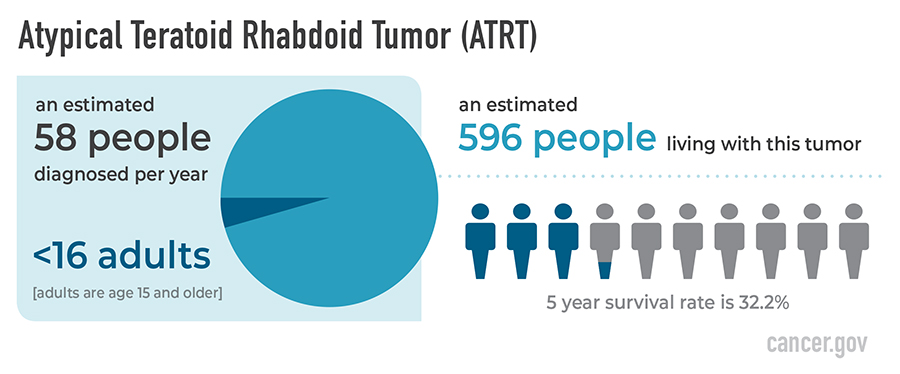
“AT/RTs occur in both children and adults and are very rare in both age groups. Most patients are younger than two years of age at diagnosis. An estimated 470 people are living with this tumor in the United States and only 50 are adults. AT/RTs occur slightly more often in males than females.”

NIH National Cancer Institute (Atypical Teratoid/Rhabdoid Tumors (AT/RT): Diagnosis and Treatment – NCI)

Teratoid/Rhabdoid Tumor (AT/RT)!

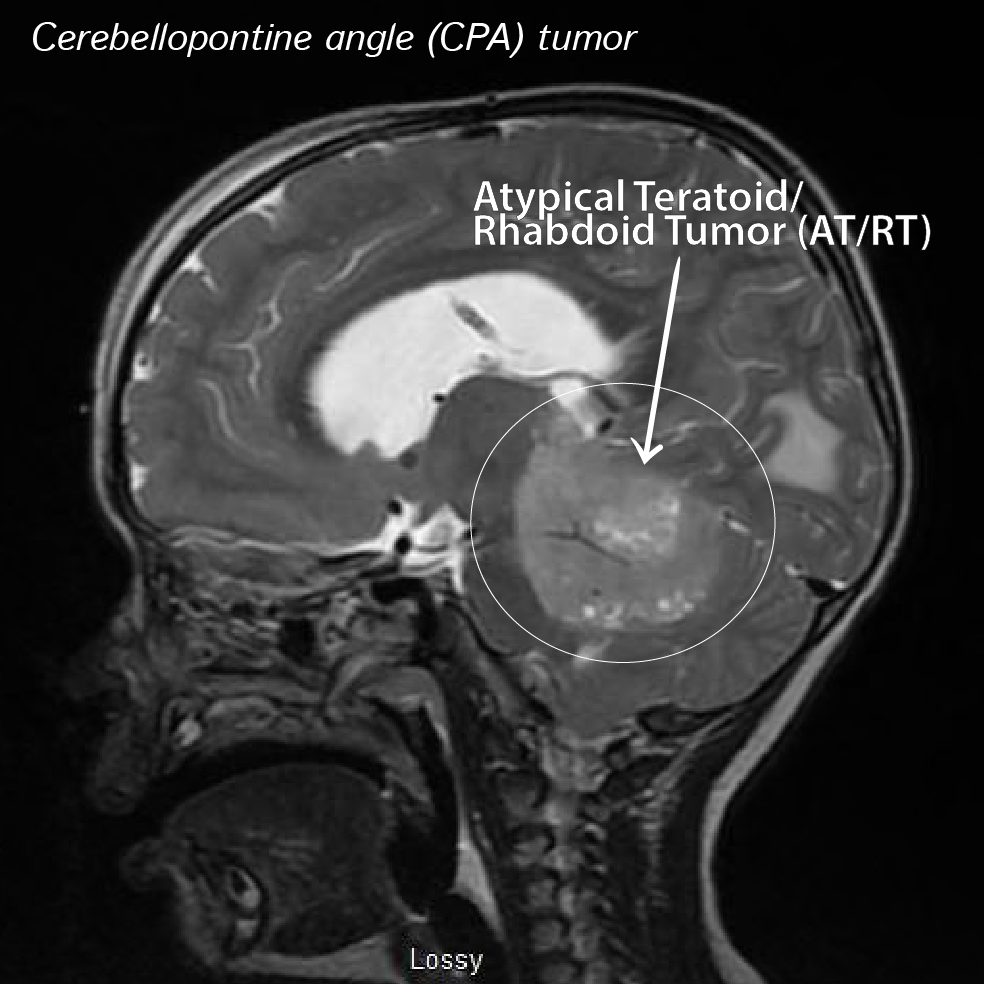
AT/RT is a primary central nervous system (CNS) tumor. This means it begins in the brain or spinal cord.

To get an accurate diagnosis, a piece of tumor tissue will be removed during surgery, if possible. A neuropathologist should then review the tumor tissue.

Central nervous system (CNS) atypical teratoid/rhabdoid tumor (AT/RT) is a very rare, fast-growing cancer that begins in the brain and spinal cord. It usually occurs in children aged 3 years and younger, although it can occur in older children and adults.

About half of these tumors form in the cerebellum or brain stem. The cerebellum is the part of the brain that controls movement, balance, and posture. The brain stem controls numerous functions breathing, heart rate, and the nerves and muscles used in seeing, hearing, walking, talking, and eating. AT/RT can also begin in other parts of the brain and spinal cord.

Certain genetic changes may increase the risk of AT/RT.

A risk factor is anything that increases the chance of getting a disease. Not every child with one or more of these risk factors will develop AT/RT. And it will develop in some children who don’t have a known risk factor.

AT/RT may be linked to changes in the tumor suppressor genes SMARCB1 or SMARCA4. Tumor suppressor genes make a protein that helps control how and when cells grow. Changes in the DNA of tumor suppressor genes like SMARCB1 or SMARCA4 may lead to cancer.

The changes in the SMARCB1 or SMARCA4 genes may be inherited (passed on from parents to offspring). When this gene change is inherited, tumors may form in two parts of the body at the same time (for example, in the brain and the kidney). For children with AT/RT, genetic counseling (a discussion with a trained professional about inherited diseases and a possible need for gene testing) may be recommended.

Most AT/RTs are caused by changes in a gene known as SMARCB1 (also called INI1), and less frequently by mutations in a gene called SMARCA4SMARCB1 normally signals proteins to stop tumor growth. But, in AT/RTs, SMARCB1 doesn’t function properly and tumor growth is uncontrolled. In addition to occurring in the tumor’s DNA, SMARCB1 and SMARCA4 can also be found in a person’s own DNA. There are three groups of AT/RTs based on their genetic alterations: AT/RT-TYR, AT/RT-SHH, and AT/RT-MYC. Each group tends to develop in a different location of the CNS and is more common in different age groups. AT/RT-MYC is the most frequent group in adults.

Talk with your child’s doctor if you think your child may be at risk.

Cancer is a genetic disease—that is, it is caused by certain changes to genes that control the way our cells function. Genes may be mutated (changed) in many types of cancer, which can increase the growth and spread of cancer cells.

The Grades of the tumors:

Primary CNS tumors are graded based on the tumor location, tumor type, extent of tumor spread, genetic findings, the patient’s age, and tumor remaining after surgery, if surgery is possible.

AT/RTs are all classified as grade 4 (also written as grade IV) tumors. This means they are malignant (cancerous) and fast-growing.

The symptoms of AT/RT aren’t the same in each patient.

Symptoms depend on 2 major factors:

  • the child’s age
  • where the tumor has formed

Because AT/RT is fast growing, symptoms may develop quickly and get worse over a period of days or weeks. It’s important to check with your child’s doctor if your child has:

  • a morning headache or headache that goes away after vomiting
  • nausea and vomiting
  • unusual sleepiness or change in activity level
  • loss of balance, lack of coordination, or trouble walking
  • an increase in head size (in infants)
  • pain, tingling, numbness, or paralysis in the face

These symptoms may be caused by problems other than AT/RT. The only way to know is to see your child’s doctor.

The prognosis of this disease:

The likely outcome of the disease or chance of recovery is called prognosis. Prognosis is based on the tumor grade, location, tumor type, extent of tumor spread, genetic findings, patient’s age, and tumor remaining after surgery (if surgery is possible).

Many factors can affect prognosis, including the tumor grade and molecular type, the person’s age and health when diagnosed, and how they respond to treatment. If you want to understand your prognosis, talk to your doctor.

The Treatment of  Teratoid/Rhabdoid Tumors (AT/RT):

The first treatment for an AT/RT is surgery, if possible. The goal of surgery is to obtain tissue to determine the tumor type and remove as much tumor as possible without causing more symptoms.

People with AT/RTs usually receive further treatments after surgery, which may include radiation, chemotherapy, or clinical trials. Clinical trials test new chemotherapy, targeted therapy, or immunotherapy drugs. Treatments are decided by the patient’s health care team based on the patient’s age, tumor remaining after surgery, tumor type, and tumor location.

QUOTE FOR MONDAY:

“Heavy alcohol use causes numerous diseases that affect the brain, nerves, muscle tissue, heart, stomach, liver, pancreas and other organs. Consuming the substance is a risk factor for several cancers, and it’s associated with psychological disorders.

It doesn’t take long to recover from drinking. A person can take a quick nap to relieve the effects of a few beers. The worst hangovers usually subside in a day. But each drink makes a small amount of hidden damage inside the body. Years of heavy drinking can result in a plethora of long-term illnesses.

Nearly every part of the body is affected by alcohol. When a person drinks, alcohol heads to the stomach, where some of it is absorbed. The liver processes the liquid. Alcohol moves through the brain, the heart and the kidneys. Alcohol in the blood passes through the lungs.

Each part of the body experiences short- and long-term effects of alcohol. Your organs recover from the short-term side effects in hours or days, but they don’t recover from the long-term effects. That damage gets worse each time a person drinks. The risks of permanent damage are increased when a person is mixing drugs and alcohol.

In most people, the liver takes the most damage. Alcoholics are known for liver problems, and several liver diseases are caused solely by long-term alcohol abuse.”

DrugRehab.com

Alcohol-Related Diseases (Liver, Heart & Brain Damage)