Archives

QUOTE FOR WEDNESDAY:

“Although most known for its effect on the lungs, cystic fibrosis is a far-reaching condition that affects most of the body’s systems.

Cystic fibrosis is a chronic condition that’s primarily associated with breathing difficulties, lung infections, and persistent wheezing. But people with cystic fibrosis can experience a wide range of complications and symptoms throughout their bodies.

The sticky mucus that causes classic cystic fibrosis systems can also lead to the blockage of important body ducts and tubes. As a result, enzymes, proteins, and other body substances don’t travel correctly. This can lead to complications to organs other than just the lungs!”

Healthline (How Does Cystic Fibrosis (CF) Affect the Body’s Functions)

Part II Cystic Fibrosis – What organs it can effect with the lungs, symptoms of CF, and more!


Short review of what is cystic fibrosis?

Cystic fibrosis (CF) is a genetic disease. This means that CF is inherited.

Mutations in a gene called the CFTR (cystic fibrosis conductance transmembrane regulator) gene cause CF. The CFTR mutations causes changes in the body’s cell’s electrolyte transport system. Electrolytes are substances in blood that are critical to cell function. The main result of these transport system changes are seen in the body secretions, such as mucus and sweat.

The CFTR gene is quite large and complex. There are many different mutations in this gene that have been linked to CF.

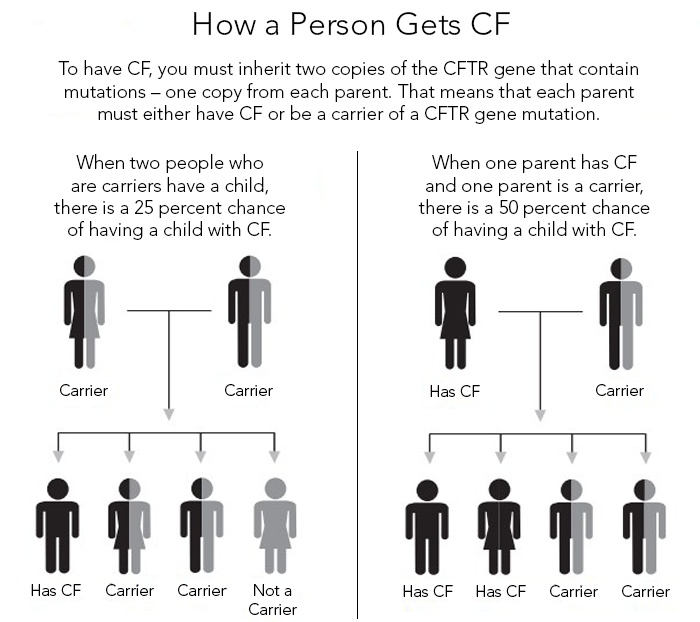
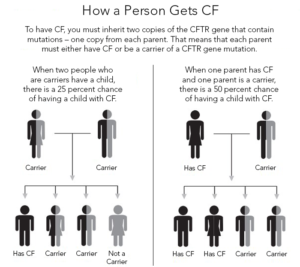
A person will be born with CF only if 2 CF genes are inherited–one from the mother and one from the father.  An individual must inherit two non-functioning CF genes – one from each parent – to have CF. If both parents are carriers there is a 1 in 4 (25 percent) chance that both will pass on the non-functioning gene, which would result in a pregnancy affected with cystic fibrosis.

A person who has only one CF gene is called a CF carrier. They are healthy and don’t have the disease. But they are a carrier of the disease.  See above box in specifics how much a infant is at risk getting the disease.

CF affects various organ systems in children and young adults, including the following:

  • Respiratory system
  • Digestive system
  • Reproductive system

How does CF affect the respiratory system?

The abnormal electrolyte transport system in CF causes the cells in the respiratory system, especially the lungs, to absorb too much sodium and water. This causes the normal thin secretions in the lungs to become very thick and hard to move. These thick secretions increase the risk for frequent respiratory infections.

Recurrent respiratory infections lead to progressive damage in the lungs, and eventually death of the cells in the lungs.

Because of the high rate of infection in the lower respiratory tract, people with CF may develop a chronic cough, blood in the sputum, and often even have a collapsed lung. The cough is usually worse in the morning or after activity.

People with CF also have upper respiratory tract symptoms. Some have nasal polyps that need surgical removal. Nasal polyps are small protrusions of tissue from the lining of the nose that can block and irritate the nasal cavity. People with CF also have higher rates of sinus infections.

How does CF affect the gastrointestinal (GI) system?

CF mainly affects the pancreas. The pancreas secretes substances that aid digestion and help control blood sugar levels.

The secretions from the pancreas also become thick and can clog the ducts of the pancreas. This may cause a decrease in the secretion of enzymes from the pancreas that normally help digest food. A person with CF has trouble absorbing proteins, fats, and vitamins A, D, E, and K.

The problems with the pancreas can become so severe that some of the cells in the pancreas die. Over time, this may lead to glucose intolerance and Cystic Fibrosis-Related Diabetes (CFRD), a unique type of insulin-dependent diabetes.

The symptoms of CF that may be due to involvement with the GI tract include:

  • Bulky, greasy stools
  • Rectal prolapse (a condition in which the lower end of the bowel comes out of the anus)
  • Delayed puberty
  • Fat in the stools
  • Stomach pain
  • Bloody diarrhea

The liver may also be affected. A small number of people may develop liver disease. Symptoms of liver disease include:

  • Enlarged liver
  • Swollen belly
  • Yellow color to the skin (jaundice)
  • Vomiting of blood

How does CF affect the reproductive system?

Most males with CF have blockage of the sperm canal. This is called congenital bilateral absence of the vas deferens (CBAVD). This results from the thick secretions clogging the vas deferens and keeping them from developing properly. It causes infertility because sperm can’t travel out of the body. There are some newer techniques that allow men with cystic fibrosis to have children. These should be discussed with your healthcare provider. Women also have an increase in thick cervical mucus that may lead to a decrease in fertility, although many women with CF are able to have children.

Who is at risk for cystic fibrosis?

Cystic fibrosis (CF) is inherited, and a person with CF had both parents pass the altered gene to them. The birth of a child with CF is often a total surprise to a family, since most of the time there is no family history of CF.

Symptoms can include with above symptoms the following:

All U.S. states require that newborns be tested for cystic fibrosis (CF). This means that parents can know if their baby has the disease and can take precautions and watch for early signs of problems.

The following are the most common symptoms of CF. However, people may experience symptoms differently, and the severity of symptoms can vary, too. Symptoms may include:

  • Thick mucus that clogs certain organs, such as the lungs, pancreas, and intestines. This may cause malnutrition, poor growth, frequent respiratory infections, breathing problems, and chronic lung disease.

Many other medical problems can point to cystic fibrosis, as well. These include:

Sinusitis, Nasal polyps, Clubbing of fingers and toes. This means thickened fingertips and toes because of less oxygen in the blood, Collapse of the lung often due to intense coughing, Coughing up blood, Enlargement of the right side of the heart due to increased pressure in the lungs (Cor pulmonale), Abdominal pain, Excess gas in the intestines, Rectal prolapse. In this condition, the lower end of the bowel comes out of the anus, Liver disease, Diabetes, Pancreatitis, or inflammation of the pancreas that causes severe pain in the belly, Gallstones, Congenital bilateral absence of the vas deferens (CBAVD) in males. This causes blockages of the sperm canal.

The symptoms of CF differ for each person.

Infants born with CF usually show symptoms by age 2. Some children, though, may not show symptoms until later in life. The following signs are suspicious of CF, and infants having these signs may be further tested for CF:

Diarrhea that does not go away, Foul-smelling stools, Greasy stools, Frequent wheezing, Frequent pneumonia or other lung infections, Persistent cough, Skin that tastes like salt, Poor growth despite having a good appetite.

The symptoms of CF may resemble other conditions or medical problems. See a healthcare provider for a diagnosis.

QUOTE FOR TUESDAY:

“The Cystic Fibrosis Foundation is the world’s leader in the search for a cure for CF and supports a broad range of research initiatives to tackle the disease from all angles.

Cystic fibrosis is genetic disease that affects the lungs, pancreas, and other organs. It is progressive, meaning that it gets worse over time.

There are close to 40,000 children and adults living with cystic fibrosis in the United States and an estimated 105,000 people have been diagnosed with CF across 94 countries. CF can affect people of every racial and ethnic group.

There are many things that are misconceptions about CF.

In people with CF, mutations in the cystic fibrosis transmembrane conductance regulator (CFTR) gene cause the CFTR protein to not function properly. When the protein is not working correctly, it’s unable to help move chloride — a part of salt — to the cell surface. Without the chloride to attract water to the cell surface, the mucus in various organs becomes thick and sticky.

CF affects multiple organs in the body.”

The Cystic Fibrosis Foundation (About Cystic Fibrosis | Cystic Fibrosis Foundation)

Part I Cystic Fibrosis – Know what it is, the 2 types, the symptoms, how its diagnosed & statistics according to the Cystic Fibrosis Foundation Patient Registry!

Cystic fibrosis (CF) is a genetic disorder that causes problems with the lungs=breathing and digestion sytem.  It can obstruct the pancreas. CF affects about 35,000 people in the United States. Cystic fibrosis (CF) can be life-threatening, and people with the condition tend to have a shorter-than-normal life span.   This diagnosis can have mucus that is too thick and sticky, which

  • blocks airways and leads to lung damage;
  • traps germs and makes infections more likely; and
  • prevents proteins needed for digestion from reaching the intestines, which decreases the body’s ability to absorb nutrients from food.

Cystic fibrosis is a hereditary disease that affects the lungs and digestive system. The body produces thick and sticky mucus that can clog the lungs and obstruct the pancreas. 

What is this disease?

Cystic fibrosis (CF) is a progressive, genetic disease that causes persistent lung infections and limits the ability to breathe over time.

In people with CF, mutations in the cystic fibrosis transmembrane conductance regulator (CFTR) gene cause the CFTR protein to become dysfunctional. When the protein is not working correctly, it’s unable to help move chloride — a component of salt — to the cell surface. Without the chloride to attract water to the cell surface, the mucus in various organs becomes thick and sticky.

In the lungs, the mucus clogs the airways and traps germs, like bacteria, leading to infections, inflammation, respiratory failure, and other complications. For this reason, minimizing contact with germs is a top concern for people with CF.

In the pancreas, the buildup of mucus prevents the release of digestive enzymes that help the body absorb food and key nutrients, resulting in malnutrition and poor growth. In the liver, the thick mucus can block the bile duct, causing liver disease. In men, CF can affect their ability to have children.

There are two types of cystic fibrosis:

  • Classic cystic fibrosis often affects multiple organs. It’s usually diagnosed in the first few years of your life.
  • Atypical cystic fibrosis is a milder form of the disease. It may only affect one organ or symptoms may come and go. It’s usually diagnosed in older children or adults.

Symptoms of cystic fibrosis:

People with CF can have a variety of symptoms, including:

  • Very salty-tasting skin
  • Persistent coughing, at times with phlegm
  • Frequent lung infections including pneumonia or bronchitis
  • Wheezing or shortness of breath
  • Poor growth or weight gain in spite of a good appetite
  • Frequent greasy, bulky stools or difficulty with bowel movements
  • Male infertility

Cystic fibrosis is a genetic disease. People with CF have inherited two copies of the defective CF gene — one copy from each parent. Both parents must have at least one copy of the defective gene.

People with only one copy of the defective CF gene are called carriers, but they do not have the disease. Each time two CF carriers have a child, the chances are:

  • 25 percent (1 in 4) the child will have CF
  • 50 percent (1 in 2) the child will be a carrier but will not have CF
  • 25 percent (1 in 4) the child will not be a carrier and will not have CF

The defective CF gene contains a slight abnormality called a mutation. There are more than 1,700 known mutations of the disease. Most genetic tests only screen for the most common CF mutations. Therefore, the test results may indicate a person who is a carrier of the CF gene is not a carrier.

How cystic fibrosis is diagnosed:

Diagnosing cystic fibrosis is a multistep process, and should include a newborn screening, a sweat test, a genetic or carrier test, and a clinical evaluation at a CF Foundation-accredited care center. Although most people are diagnosed with CF by the age of 2, some are diagnosed as adults. A CF specialist can order a sweat test and recommend additional testing to confirm a CF diagnosis.

According to the Cystic Fibrosis Foundation Patient Registry, in the United States:

  • More than 30,000 people are living with cystic fibrosis (more than 70,000 worldwide).
  • Approximately 1,000 new cases of CF are diagnosed each year.
  • More than 75 percent of people with CF are diagnosed by age 2.
  • More than half of the CF population is age 18 or older.

 Stay tune for Monday’s topic Part II on CF in How it affects different parts of the system and more!


QUOTE FOR MONDAY:

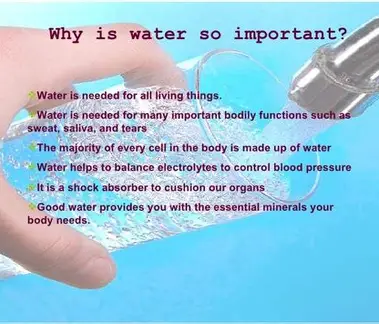
“Drinking water does more than just quench your thirst. It’s essential to keeping your body functioning properly and feeling healthy.

Nearly all of your body’s major systems depend on water to function and survive. With water making up about 60% of your body weight, it’s no surprise what staying hydrated can do for you.

Some ways the water works in our bodies is the following:

  • Regulates body temperature
  • Moistens tissues in the eyes, nose, mouth and other areas
  • Protects body organs and tissues
  • Carries nutrients and oxygen to cells.”

MAYO CLINIC (Water: Essential for your body – Mayo Clinic Health System)


Why water is so vital to humans!

You get most of your water from drinking beverages, but food also contributes a small amount to your daily water intake.

It’s common to hear that water is essential for your health. But why?

Here are the reasons why:

1. It helps create saliva

Water is a main component of saliva. Saliva also includes small amounts of electrolytes, mucus, and enzymes. It’s essential for breaking down solid food and keeping your mouth healthy.

Your body generally produces enough saliva with regular fluid intake. However, your saliva production may decrease as a result of age or certain medications or therapies.

If your mouth is drier than usual and increasing your water intake isn’t helping, see your doctor.

2. It regulates your body temperature

Staying hydrated is crucial to maintaining your body temperature. Your body loses water through sweat during physical activity and in hot environments.

Your sweat keeps your body cool, but your body temperature will rise if you don’t replenish the water you lose. That’s because your body loses electrolytes and plasma when it’s dehydrated.

If you’re sweating more than usual, make sure you drink plenty of water to avoid dehydration.

3. It protects your tissues, spinal cord, and joints

Water consumption helps lubricate and cushion your joints, spinal cord, and tissues. This will help you enjoy physical activity and lessen discomfort caused by conditions like arthritis.

4. It helps excrete waste through perspiration, urination, and defecation

Your body uses water to sweat, urinate, and have bowel movements.

Sweat regulates body temperature when you’re exercising or in warm temperatures. You need water to replenish the lost fluid from sweat.

You also need enough water in your system to have healthy stool and avoid constipation.

Your kidneys are also important for filtering out waste through urination. Adequate water intake helps your kidneys work more efficiently and helps to prevent kidney stones.

QUOTE FOR THE WEEKEND:

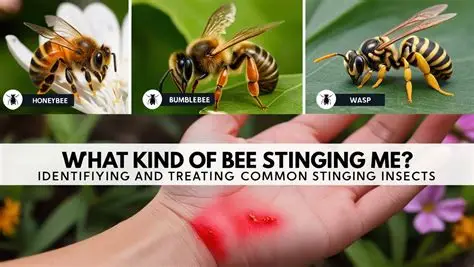
“No matter what stung you, you’re likely to feel some pain, throbbing and stinging, along with redness in the affected area. Unless you have an allergic reaction, these symptoms shouldn’t stick around for too long.

“Redness and swelling at the site of the sting is a normal reaction and will subside over time, usually in one to two days,” says Dr. Fertel. In terms of treatment, bee, wasp and hornet stings can be treated the same — unless the person has a specific allergy.

You may have heard that you should swipe the stinger out with a credit card or your fingernail rather than pinching and pulling it out. But, says Dr. Fertel, there’s no evidence that the technique makes a difference. What does matter is how quickly you remove the stinger. So, don’t stress about how it’s done — just get it over with fast. This is because the quicker you’re able to remove the stinger, the less venom will be pumped into the wound. This will help decrease the side effects of the sting and reduce the risk for anaphylactic shock if you’re allergic.”

Cleveland Clinic (Bee Sting Treatment and Prevention)

What to do if you or the family gets stung by a wasp or a bee.

What you should do if you or your child or family gets stung is:

One get into a safe area and away from a hive or outside where more stinging insects can come and attack you.

Two look at the area and if you see the stinger DO NOT SQUEEZE IT OUT since you will squeeze out more venom from the stinger but what you can do is get a tweezer and pull it our or if not available you can attempt to scratch it out with a nail (like if you are out camping and have no tweezers for example).

Three than wash the area out with soap and apply ice if the area is in pain to give the numbing affect to the area and decrease the pain with decreasing the venom from spreading.

If the area is itching apply oatmeal or a antihistamine cream to the area to decrease the itching or maybe even a cool bath and if you are not allergic (the majority of us are not) but you DO get stung by a bee outside hiking look for some plantain – chew it up a bit at the front of your mouth – and then spit the chewed up leaf and saliva on the sting.

Most stings will cause a small red bump to the area that got stung. For most part they can be treated at home depending on the area that was stung (Foot vs EYE for example). It would also include the reaction the individual has (LOCAL vs SYSTEMIC or even ANAPHYLACTIC=An allergic reaction that needs to be treated immediately or fatal, usually with epinephrine injection.).

Stung in the eye it will get swollen and shut and immediate evaluation from a MD is needed to make sure there is no other injury to the eye or that they didn’t even actually get stung in the eye itself.

If you show hives with DIFFICULTY BREATHING or DIFFICULTY SWALLOWING you NEED TO CALL 911 IMMEDIATELY since this is indicating a ANAPHYLACTIC REACTION most likely that needs treatment ASAP!! Since this can lead to shock or unconsciousness.

If you have reason to think you may be seriously allergic to bee venom, you should carry an Epipen (further discussed below).

How to determine if your even allergic to stings:

The diagnosis is made by a specialist, an allergist, by interviewing the patient and doing special allergy tests. If someone has had what is described as a systemic reaction, they should have venom skin tests done by an allergist to identify which venoms they are allergic to. The allergist can then recommend, based on the kind of reaction that the patient had, what kind of prevention would be the best idea for that person. For some people, it might be enough to be careful and carry an EpiPen, but for most people with insect skin allergy the best recommendation is to be immunized with venom treatment, because the allergy shots are highly effective to prevent dangerous reactions. This would all be done after any serious reactions were first taken care of in the ER if you had to call 911.

If you have reason to think you may be seriously allergic to bee venom, you should carry an Epipen (further discussed below). What it this exactly? An EpiPen is one kind of injector to deliver epinephrine, also known as adrenaline. It is a spring-loaded injector that makes it easy for somebody to give themselves an emergency injection that can be life-saving when there’s a severe allergic reaction. An EpiPen is useful for someone to carry if they have had a severe allergic reaction in the past. This is true for insect sting allergy and for some food allergies or other causes of anaphylaxis.

Let me point outthat there is no other medicine that can counteract a severe allergic reaction, but sometimes even the EpiPen isn’t enough; so when someone needs to use an EpiPen they should call 911, because they may need intravenous fluids or oxygen or other medicines.

BE SAFE RATHER THAN SORRY!

So let us remember it is coming onto summer and their BACK AGAIN!

 References

1-Read more: http://www.ehow.com/how 2-NEWS4JAX.com Published On: May 30 2014 09:38:22 AM EDT

3-http//beestrawbridge.blogspot.com/2013/03/which- bees-sting and which-don’t.html with Phil Chandler of Biobees.

4-Wikipedia-2013 published Bees

5-MedicineNet.com Bee and Wasp Sting 12/11/2013

6-See more at: http://www.about-bees.com/carpenter-bees.html#sthash.NywAhKk2.dpuf


QUOTE FOR FRIDAY:

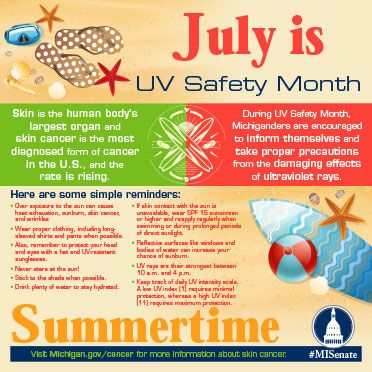
“You can do a few things to minimize your sun exposure and reduce your risk of skin damage.

  • Try to stay in the shade as much as possible. If you are in the sun, wear protective clothing such as a long-sleeved shirt and pants.
  • You should also apply sunscreen with a high SPF rating to exposed skin.
  • Avoid being in the sun during peak hours, typically between 10 am and 4 pm.

By taking these precautions, you can help to protect your skin from the harmful effects of UV radiation.

UV rays are just as harmful on cloudy days as on sunny days.

While it’s true that people with darker skin have a higher natural SPF than those with lighter skin, this does not mean that they are immune to the effects of UV radiation.

While sunscreen is a vital part of any sun safety plan, it’s not the only thing you need to do to protect yourself from UV radiation. You should also take steps to avoid excessive sun exposure and wear protective clothing when you are in the sun.

Skin and Cancer Institute (July is UV Safety Month | Skin And Cancer Institute)

Part II July UV Safety Month – How to prevent sunburn, types of photosensitivity, health issues that are related to UV radiation, and what Vit D can do for you!

The three types of Ultra Violet radiation are classified according to their wavelength.

They differ in their biological activity and the extent to which they can penetrate the skin. The shorter the wavelength, the more harmful the UV radiation. However, shorter wavelength UV radiation is less able to penetrate the skin.

The Ultra Violet region covers the wavelength range 100-400 nm and is divided into three bands:

  • UVA (315-400 nm)
  • UVB (280-315 nm)
  • UVC (100-280 nm).

Short-wavelength UVC is the most damaging type of UV radiation. However, it is completely filtered by the atmosphere and does not reach the earth’s surface.

Medium-wavelength UVB is very biologically active but cannot penetrate beyond the superficial skin layers. It is responsible for delayed tanning and burning; in addition to these short-term effects it enhances skin ageing and significantly promotes the development of skin cancer. Most solar UVB is filtered by the atmosphere.

The relatively long-wavelength UVA accounts for approximately 95 per cent of the UV radiation reaching the Earth’s surface. It can penetrate into the deeper layers of the skin and is responsible for the immediate tanning effect. Furthermore, it also contributes to skin ageing and wrinkling. For a long time it was thought that UVA could not cause any lasting damage. Recent studies strongly suggest that it may also enhance the development of skin cancers.

Treatment: One is prevention and avoid sun light when it is out the strongest in ultra-violet rays 12pm to 3pm and always use sunscreen.

Polymorphic light eruption (PLE) is the most common form of immunologically mediated photosensitivity dermatoses. Exposure to sunlight in spring or summer results in an irritable rash that resolves within a few days, providing further exposure is avoided.

The following treatments may reduce the severity of PLE:

  • Topical corticosteroid creams to relieve symptoms
  • Short course of oral steroids, eg to cover a summer holiday
  • Hydroxychloroquine
  • Phototherapy: UVB narrowband UVB, or PUVA for several weeks in early spring.

Are there any other health issues related to UV radiation?

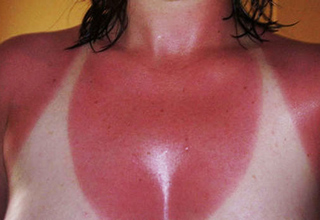
In addition to cancer, exposure to UV rays can cause other health problems. UV rays, either from the sun or from artificial sources like tanning beds, can cause sunburn. In some people, exposure to UV rays can cause a rash or a type of allergic reaction. Exposure to UV rays can also cause premature aging of the skin and signs of sun damage such as liver spots, actinic keratosis=solar elastosis and both are precancerous skin condition.

UV rays can also cause eye problems. They can cause the cornea (on the front of the eye) to become inflamed or burned. They can also lead to the formation of cataracts (clouding of the lens of the eye) and pterygium (tissue growth on the surface of the eye), both of which can impair vision.

Exposure to UV rays can also weaken the immune system, so that the body has a harder time fending off infections. This can lead to problems such as reactivation of herpes triggered by exposure to the sun or other sources of UV rays. It can also cause vaccines to be less effective.

Some medications can make you more sensitive to UV radiation, making you more likely to get sunburned. Certain medical conditions can be made worse by UV radiation.

The benefits of Vit D and how it lowers the risk of some cancers!

Doctors are learning that vitamin D has many health benefits. It might even help lower the risk for some cancers. Your skin makes vitamin D naturally when it is exposed to UV rays from the sun. How much vitamin D you make depends on many things, including how old you are, how dark your skin is, and how strong the sunlight is where you live.

At this time, doctors aren’t sure what the optimal level of vitamin D is. A lot of research is being done in this area. Whenever possible, it’s better to get vitamin D from your diet or vitamin supplements rather than from exposure to UV rays because dietary sources and vitamin supplements do not increase skin cancer risk, and are typically more reliable ways to get the amount you need.

Remember tips about UV rays for men and women:

Men, especially those with lighter skin, are more likely than anybody else to get skin cancer, including melanoma—the deadliest kind of skin cancer.

When you think about sun protection, you might think about a day at the beach. But over your lifetime, you get sun exposure doing everyday things like biking, working, running, or even mowing the lawn. Sun exposure is the main source of ultraviolet (UV) rays, which can cause skin cancer. And UV exposure adds up over time, increasing your risk of developing skin cancer.

Men tend to get more sun exposure than women. Men spend more time outside over their lifetimes than women, and they’re more likely to work outdoors than women. Women’s personal care products, like moisturizer and makeup, often contain sunscreen, while many products for men don’t.

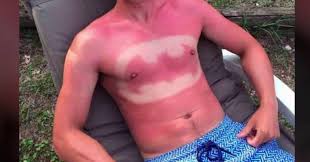
About one-third of U.S. adults get sunburned each year. Sunburn, which can increase your risk of getting skin cancer, is common among white men, young adults, and men who tan indoors. When outside on a sunny day for more than an hour, only about 14% of men use sunscreen on both their face and other exposed skin.

Seek shade, especially during midday hours. This includes 10 am to 4 pm, March through October, and 9 am to 3 pm, November through February. Umbrellas, trees, or other shelters can provide relief from the sun.

Wear a long-sleeved shirt and pants or a long skirt for additional protection when possible. If that’s not practical, try wearing a T-shirt or a beach cover-up.

Apply a thick layer of broad spectrum sunscreen with an SPF of 15 or higher at least 15 minutes before going outside, even on cloudy or overcast days. Reapply sunscreen at least every 2 hours and after swimming, sweating, or toweling off.

Indoor and outdoor tanning often begin in the teen years and continue into adulthood. Don’t wait to teach your children about the dangers of tanning. Children may be more receptive than teens, so start the conversation early, before they start outdoor tanning or indoor tanning. For example, you can Discourage tanning, even if it’s just before one event like prom. UV exposure adds up over time. Every time you tan, you increase your risk of getting skin cancer.  Help preteens and teens understand the dangers of tanning so they can make healthy choices.

There is no such thing as a safety tan!!!!