

Archives
QUOTE FOR WEDNESDAY:
“Deadly heart attacks increase during the winter holiday season. One study even found distinct spikes around Christmas and New Year’s Day.”
WEB M.D.
The holiday season and how it impacts the heart with increasing the risk of heart attacks!

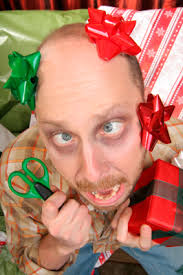

It’s the holiday season—cardiac patients not careful in eating but indulging in junk food may put you at high risk for a bomb to go off in the heart=heart attack.
While colder weather may play a role, studies have shown that the spike in heart events during the holiday season occurs even in It’s no secret that holiday celebrations offer many temptations to overindulge. Many holiday foods are high in saturated fats or sodium. Overindulgence in these foods can increase cholesterol levels or blood pressure, making it more difficult for blood to flow through arteries and upping the chance of a blockage. What you may not know is that eating a heavy holiday meal may affect you even after you’ve pushed away from the table. “Research shows that anyone with coronary-artery disease or high cholesterol has a heightened risk for heart attack for up to one day after eating a heavy meal,” said Mittleman. Mittleman participated in a study, “Heavy Meals May Trigger Heart Attacks,” led by Francisco Lopez-Jimenez, MD, currently the Director of the Cardio-metabolic Program at the Mayo Clinic. This study, which focused on nearly 2,000 former heart attack patients, found that 10 percent of them suffered a coronary within 26 hours of eating a heavy meal.
“People often change their eating habits during the holidays,” said Dr. Anne Riley, a cardiologist at BIDMC. “For those with congestive heart failure [CHF], salty foods can cause fluid retention and high blood pressure, which place added stress on an already weakened heart.”
Your heart may leap with delight at the electronic gizmo or emerald bracelet that you’ve just unwrapped from under the Christmas tree. But you can’t say the same for that nasty holiday surprise known as the “Merry Christmas coronary” or “Happy Hanukkah heart attack.”
For many years, researchers have been intrigued by a disturbing pattern: Deadly heart attacks increase during the winter holiday season. One study even found distinct spikes around Christmas and New Year’s Day.
Amazing Facts About Heart Health and Heart Disease:
You can feel your heart thudding away every time you put your hand to your chest, but do you have any idea what’s really going on in there or what keeps your heart ticking as it should? WebMD the Magazine asked Richard Krasuski, MD, director of Adult Congenital Heart Disease Services and a staff cardiologist at the Cleveland Clinic, to help explain some amazing and little-known facts about the human heart.
Facts About Heart Health and Heart Disease:
“We certainly know that there are certain risk factors for coronary artery disease. There’s obviously smoking, hypertension, dyslipidemia [high cholesterol], diabetes, lack of exercise, and age,” says Robert A. Kloner, MD, PhD, a researcher at Good Samaritan Hospital in Los Angeles and a professor at the Keck School of Medicine at the University of Southern California.
“But we’re also learning that there are certain triggers for cardiovascular events,” he adds, “including time of the year and seasons. If we can get a true handle on the seasonal variation, we could knock down death from coronary disease.”
Coronary artery disease stems from atherosclerosis, a condition in which fatty plaques narrow the arteries to the heart. When a plaque ruptures, it can trigger a blood clot that leads to a heart attack.
In a national 2004 study published in Circulation, researchers at the University of California, San Diego, and Tufts University School of Medicine examined 53 million U.S. death certificates from 1973 to 2001. They discovered an overall increase of 5% more heart-related deaths during the holiday season. When researchers looked at individual years, they found varying increases in cardiac deaths for every holiday period they studied, except two.
Doctors have long known that cold weather is hard on the heart. Blood vessels constrict, which raises blood pressure. Blood also clots more readily. Frigid temperatures increase strain on the heart, and too much physical exertion can worsen the burden and trigger a heart attack. For example, doctors have treated many patients whose heart attacks followed strenuous snow shoveling.
Not to put a damper on holiday frivolity, but heart attacks increase during winter. For one reason, cold weather is tough on the heart. Blood vessels constrict, which causes blood pressure to rise. Additionally, blood clots more easily. (I’m getting this info, by the way, from the boldface link a sentence or two ago).
“People tend to consume much more fat, salt, sugar, and alcohol during the holiday season,” says Roberto Wayhs, MD, chief of cardiology at Methodist Charlton Medical Center. “Also, people tend to be less active due to the cooler weather. Overindulgence of food and alcohol along with inactivity raises the blood pressure and cholesterol levels. These risk factors combined increase your chances of having congestive heart failure, a stroke, or even a heart attack.”
To put a stop to that, or at least decrease your chances, he offers these tips:
Limit foods and beverages that are salty and/or rich. Blood pressure tends to go up the more salt you intake. Rich and sugary foods raise blood sugar levels.
Be consistent in taking your daily medications. You need them at all times of the year to maintain good health.
Get enough sleep. Sleep loss is related to weight gain, which also can affect the heart. Aim for at least seven hours.
Control your stress. “Holiday sadness adds stress,” Wayhs says. “Don’t be afraid to seek professional help if you need it.”
Limit alcohol intake. “High alcohol intake has been linked to irregular and rapid heartbeats (atrial fibrillation) and congestive heart failure,” says Dr. Wayhs.
Maintain your normal exercise routine. “Don’t place your healthy habits on the back burner,” he says.
If you don’t have time for your usual workouts, try a shorter one.
Oh and, of course, stop smoking. But you knew that already.
QUOTE FOR TUESDAY:
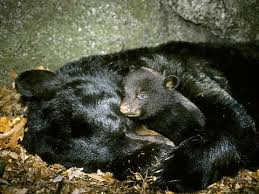
“There’s no scientific evidence to prove that we’re biologically predisposed to weight gain in the colder months. Unless you’re a bear, that is. We do know that in [hibernating] animals there will be seasonal changes in hunger hormones, but there really is nothing to suggest that that’s true in people.”
Dr. Yoni Freedhoff (medical director of the Bariatric Institute in Ottawa and winner of the 2011 Best Health Blog Awards for his blog.)
Ways you can create a winter wellness plan that works for you!
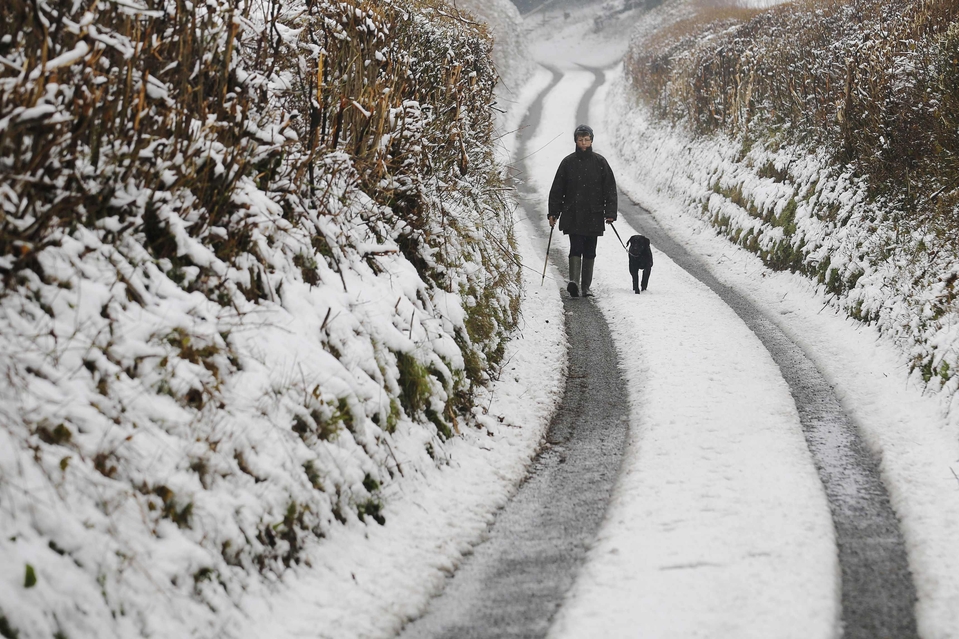
Walking
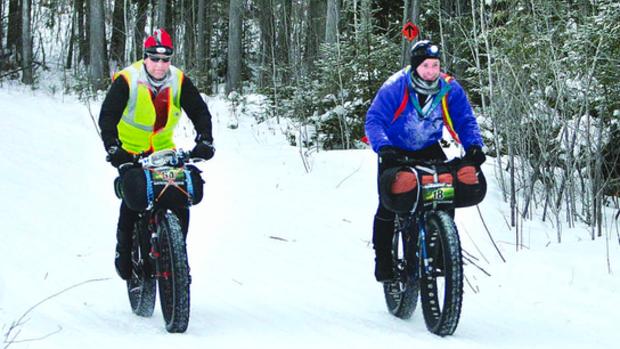 Bike Riding
Although winter comes as no surprise to us; we should look at methods that would create a plan of wellness during the season and here are some suggestions that might work for you.
1. Bring out the crock pot! Emphasis slow cooked, warm, moist meals this season. Soups are a perfect match for the cold, dry days.
2. We gravitate toward richer foods in the winter for good reason — we need to stay warm, lubricated and healthy. Allow yourself to indulge in high quality dairy, nuts and seeds, dried fruits, organic meats, and healthy fats — you can feel satisfied without jumping on the sugar train.
3. With the increase in heavier foods, be sure to increase spices and foods that help keep digestion lively. Many of these foods and spices have the added benefit of boosting your immune system because they are antibacterial. Try adding dark leafy greens, berries, garlic, onions, ginger, cumin, oregano, and cinnamon to your recipes whenever you can.
4. Pay attention if your skin feels tighter these days; you may need to switch to a hardier your days more special and when you need a little extra pampering.
5.) Create work out fun for yourself by doing the work out with your friends, significant other or even just yourself with distractions to avoid thinking about the cold by listening to music or listening to tapes for studying or just for furthering your knowledge. Listen to the internet or tunes while you exercise. As your work out goes on you won’t feel so cold and have distracted yourself from the thought of feeling like you want to stay inside the house and do nothing. Those who say I couldn’t do that than do work out inside your home with just sit ups to even doing exercise programs on the TV that you buy on DVD’s or those TV shows for work out that are even free. For those you can go out but not able to work outside in the cold weather an good exercise in just walking in a mall is better than nothing (good cardiac exercise). Than there is the other option that is more expensive like buying exercise equipment for in the home. Types of examples would be a tread mill where you do walking right in place or riding on a stationary bike or buying a stationary exercise machine that fits you. Some of these machines can run easily under 100 dollars (even 50) but go up to over one thousand dollars it all depends on what you want to loose, how fast you want to lose it and how you want to go about it financially. Another aspect is considering is it to lose your weight or just maintain the weight you are and this you can figure out after a little investigating.
Happy Holidays all my readers but be careful this week with the weather in the 40’s-50’s this past Saturday and Sunday and then winter temps freezing coming back throughout the night and early morning and now 40’s down to 30’s…so don’t get sick; dress appropriately!!
Quote for Thursday
Only as you do know yourself can your brain serve you as a sharp and efficient tool. Know your own failings, passions, and prejudices so you can separate them from what you see.
Bernard Baruch (August 19, 1870 – June 20, 1965 was an American financier , stock investor , philanthropist)
QUOTE FOR THE WEEKEND:
“Although seasonal weight gain varies from person to person, there have been surveys that show an average of a five to seven pound gain in weight in winter.”
Lawrence J. Cheskin, MD, founder and director of the Johns Hopkins Weight Management Center
QUOTE FOR FRIDAY:
“Severe weather includes strong winds, freezing temperatures, icy road conditions, and heavy rain and/or sleet. These conditions can also result in the lost of heat, power, and communications services. These disruptions can last for many days, so it’s important to be prepared for winter storm conditions ahead of time.”
EMERGENCYKITS.COM
Preparing for the winter!
Although winter comes as no surprise, many of us are not ready for its arrival. If you are prepared for the hazards of winter, you will be more likely to stay safe and healthy when temperatures start to fall.
Many people prefer to remain indoors in the winter, but staying inside is no guarantee of safety. Take these steps to keep your home safe and warm during the winter months.
- Winterize your home.
- Install weather stripping, insulation, and storm windows.
- Insulate water lines that run along exterior walls.
- Clean out gutters and repair roof leaks.
- Check your heating systems.
- Have your heating system serviced professionally to make sure that it is clean, working properly and ventilated to the outside.
- Inspect and clean fireplaces and chimneys.
- Install a smoke detector. Test batteries monthly.
- Have a safe alternate heating source and alternate fuels available.
- Prevent carbon monoxide (CO) emergencies.
- Install a CO detector to alert you of the presence of the deadly, odorless, colorless gas. Check batteries regularly.
- Learn symptoms of CO poisoning: headaches, nausea, and disorientation.
Get your car ready for cold weather use before winter arrives.
- Service the radiator and maintain antifreeze level; check tire tread or, if necessary, replace tires with all-weather or snow tires
- Keep gas tank full to avoid ice in the tank and fuel lines.
- Use a wintertime formula in your windshield washer.
- Prepare a winter emergency kit to keep in your car in case you become stranded. Include
- blankets;
- food and water;
- booster cables, flares, tire pump, and a bag of sand or cat litter (for traction);
- compass and maps;
- flashlight, battery-powered radio, and extra batteries;
- first-aid kit; and
- plastic bags (for sanitation).
- Be prepared for weather-related emergencies, including power outages.
- Stock food that needs no cooking or refrigeration and water stored in clean containers.
- Keep an up-to-date emergency kit, including:
- Battery-operated devices, such as a flashlight, a National Oceanic and Atmospheric Administration (NOAA) Weather Radio, and lamps;
- extra batteries;
- first-aid kit and extra medicine;
- baby items; and
- cat litter or sand for icy walkways.
- Many people spend time outdoors in the winter working, traveling, or enjoying winter sports. Outdoor activities can expose you to several safety hazards, but you can take these steps to prepare for them:
- Wear appropriate outdoor clothing: layers of light, warm clothing; mittens; hats; scarves; and waterproof boots.
- Sprinkle cat litter or sand on icy patches.
- Learn safety precautions to follow when outdoors.
- Be aware of the wind chill factor.
- Work slowly when doing outside chores.
- Take a buddy and an emergency kit when you are participating in outdoor recreation.
- Carry a cell phone.
- Protect your family from carbon monoxide.
- Keep grills, camp stoves, and generators out of the house, basement and garage.
- Locate generators at least 20 feet from the house.
- Leave your home immediately if the CO detector sounds, and call 911.
When planning travel, be aware of current and forecast weather conditions.
- Avoid traveling when the weather service has issued advisories.
- If you must travel, inform a friend or relative of your proposed route and expected time of arrival.
- Follow these safety rules if you become stranded in your car.
- Stay with your car unless safety is no more than 100 yards away, but continue to move arms and legs.
- Stay visible by putting bright cloth on the antenna, turning on the inside overhead light (when engine is running), and raising the hood when snow stops falling.
- Run the engine and heater only 10 minutes every hour.
- Keep a downwind window open.
- Make sure the tailpipe is not blocked.
Above all, be prepared to check on family and neighbors who are especially at risk from cold weather hazards: young children, older adults, and the chronically ill. If you have pets, bring them inside. If you cannot bring them inside, provide adequate, warm shelter and unfrozen water to drink.
No one can stop the onset of winter. However, if you follow these suggestions, you will be ready for it when it comes.
Also regarding health lets look at what most people do in the WINTER as opposed to the SUMMER (hot weather):
Winter weight gain isn’t just an urban myth. Research has shown that most of us could gain around a pound (half a kilo) during the winter months. That may not sound like much, but over the course of a decade, it can add up.
“There’s good evidence that people put on weight over the winter,” says dietitian Sian Porter. “The more overweight you are, the more you tend to put on. And the most worrying aspect of this seasonal weight gain is that the pounds tend to stay on. People don’t seem to lose the extra weight.”
The three main reasons that people put on weight in the winter are lack of physical activity, comfort eating and over-indulging at Christmas.
Cold weather and shorter days make it harder to exercise outdoors, so it’s easy not to do any exercise over winter. If you’re not outside as much, there’s more time and temptation to reach into the kitchen cupboard for high-calorie sweet snacks, such as biscuits and cakes.
Then of course there are the festivities that surround Christmas. What used to be a couple of days of parties and over-eating now seems, for some, to be six weeks of over-doing it. .
So what’s the solution? Learn tomorrow four simple ways to avoid winter weight gain.
QUOTE FOR THURSDAY:
“With the close link between hearing health and overall wellness, we must raise awareness about how to effectively prevent, diagnose and treat hearing loss,”says David Smriga, M.A., president of AuDNet, Inc.
David Smriga, M.A., president of AuDNet, Inc.