“Approximately 10% of coronary deaths can be attributed to high levels of homocysteine in the blood.”
heathy-heart-guide.com
“Approximately 10% of coronary deaths can be attributed to high levels of homocysteine in the blood.”
heathy-heart-guide.com
“There’s no reason you need to take a break from physical activity when the temperature drops. In fact, exercising in cooler weather has some distinct advantages over working out in warmer weather.”
American Heart Association (AHA)
Go to striveforgoodhealth.com and learn more about how to stay hydrated, fueled, and knowing to take breaks during your winter sports outdoors while winter still lasts. Check out the tips!
“Risk factors often occur in clusters and may build on one another, such as obesity leading to type 2 diabetes and high blood pressure. When grouped together, certain risk factors put you at an even greater risk of coronary artery disease.”
MAYO CLINIC
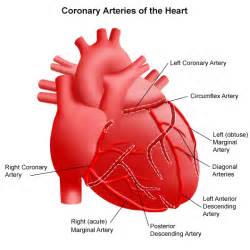

Coronary artery disease develops when the major blood vessels that supply your heart with blood, oxygen and nutrients (coronary arteries) become damaged or diseased. Cholesterol-containing deposits (plaque) in your arteries and inflammation are usually to blame for coronary artery disease.
To better understand how CAD operates here is a metaphor like when we drive our car if our transmission is temporarily blocked the engine struggles to operate ( Just like in this disease CAD you get symptoms or no specific symptoms with resulting to struggle to do your activities of daily living)with a temporary block and definitely a complete block). Ending probem with CAD the you need the blockage resolved so the blood can get 100% oxygen from our lungs (they provide blood oxygen to the red blood cells that provide this nutrient to our tissues to stay alive–without it our body goes through starvation=no oxygen to tissure=pain like angina). So again as a metaphor using the car, the engine of the body is the heart, the transmission of the body is the lungs (one can’t live without the other) and the kidney system ( that filters our blood removing toxins from it to keep our blood stream cells clean) that would be the oil system of the car. All the systems have a function that relate to the body in keeping it alive. If oxygen is deprived long enough or toxins just continue to build up in our body it will die without resolution to getting back to normal or providing some oxygen or removing some toxins of the body like through hemodialysis for exampte.
Because coronary artery disease often develops over decades, you might not notice a problem until you have a significant blockage with or without specific symptoms to even a heart attack. Remember many heart attacks can be silent: that is why at a certain age we should be having a 6mth or yearly check up by a cardiologist (the expert) but if your insurance doesn’t cover a referral than go to your general doctor for a yearly physical or sooner. But there’s plenty you can do to prevent and treat coronary artery disease. A healthy lifestyle can make a big impact on prevention or even help treating CAD.
Women are somewhat more likely than men are to experience less typical signs and symptoms of a heart attack, such as neck or jaw pain. Sometimes a heart attack occurs without any apparent signs or symptoms.
Remember:

“Viruses can get through some of the natural skin condoms, so they don’t protect against all sexually transmitted infections. We recommend the latex or polyurethane, which tend to be more expensive but need to be used by people who have latex allergies.”
Web M.D.



This month February is Heart month and thing cardiac diet this weekend. Most people eat much more sodium (salt) than they need. This can lead to health problems like high blood pressure. To lower the amount of sodium in your diet, follow these tips when you go food shopping:
Take the list below with you the next time you go food shopping.
Get plenty of vegetables and fruits.
Compare labels to find products with less sodium. When you cook rice or pasta, don’t add salt.
Tip: If your food comes with a seasoning packet, use only part of the packet. This will lower the amount of sodium in the food.
Choose fresh meats when possible. Some fresh meat has added sodium, so always check the label.
Choose fat-free or low-fat milk and yogurt. Be sure to check the label on cheese, which can be high in sodium. Milk and yogurt are also good sources of potassium, which can help lower blood pressure.
When you cook, use ingredients that are low in sodium or have no sodium at all.
Try these seasonings instead of salt to flavor your food.
“Comprehensive strategies are required to prevent school shootings. School shootings typically involve a mix of suicidal thoughts, despair and anger– plus access to guns.”
Children’s Hospital of Philadelphia
“More than 11 million Americans have Age-related Macular Degeneration (AMD). Did you know 1 out of every 5 over age 65 y/o will be diagnosed with AMD (Age-related Macular Degeneration).”
whyeyefight.com
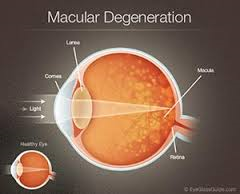

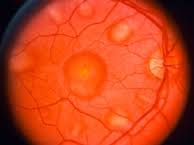
Part III Macular Degenerative Disease:
Age-related macular degeneration (AMD) is a deterioration or breakdown of the eye’s macula. The macula is a small area in the retina — the light-sensitive tissue lining the back of the eye. The macula is the part of the retina that is responsible for your central vision, allowing you to see fine details clearly.
The macula makes up only a small part of the retina, yet it is much more sensitive to detail than the rest of the retina (called the peripheral retina). The macula is what allows you to thread a needle, read small print, and read street signs. The peripheral retina gives you side (or peripheral) vision. If someone is standing off to one side of your vision, your peripheral retina helps you know that person is there by allowing you to see their general shape.
Many older people develop macular degeneration as part of the body’s natural aging process. There are different kinds of macular problems, but the most common is age-related macular degeneration.
Signs and symptoms of Macular Degenerative Disease:
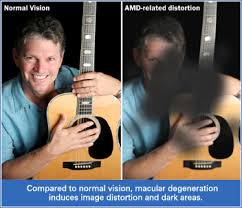
With macular degeneration, you may have symptoms such as blurriness, dark areas or distortion in your central vision, and perhaps permanent loss of your central vision. It usually does not affect your side, or peripheral vision. For example, with advanced macular degeneration, you could see the outline of a clock, yet may not be able to see the hands of the clock to tell what time it is.
The risk factors we can control=Modifiable Rish Factors:
The four risk factors we can’t control=Unmodifiable Risk Factors:
Treatment of Macular Degeneration:
People who develop significant age-related macular degeneration (AMD) typically compensate with large-print publications and magnifying lenses for everyday activities. In addition, evidence suggests that certain vitamins and antioxidants — vitamins C and E, beta-carotene, and zinc — may help reduce or delay the risk of severe vision loss. Ask your eye doctor about using nutritional supplements.
Treatment for Dry Macular Degeneration
Dry macular degeneration, the most common form of AMD, cannot be cured at this time, but patients with the condition should continue to remain under an ophthalmologist’s care to monitor both eyes. If the one eye is healthy, screening should still continue.
Treatment for Wet Macular Degeneration
A variety of treatments are available for wet AMD. Successful treatment may not restore normal vision, but it will improve sight and prevent central vision loss from worsening. While laser procedures can destroy the abnormal blood vessels, they also damage neighboring retinal tissue.
Medications, such as Eylea, Lucentis, and Macugen, have become the preferred treatment for acute wet macular degeneration, helping to prevent the growth of leaky blood vessels in your eye. Lucentis is given once every month, although some patients may need treatment only once every three months. Macugen is given every six weeks. Eylea is given once every two months after three once-monthly injections.
Laser photocoagulation destroys leaking blood vessels that have grown under the macula and halts the leakage. Laser therapy is helpful for about 10%-20% of people with wet macular degeneration. Some vision loss may occur, because this treatment creates scar tissue that is perceived as blind spots; however, even more vision would be lost if nothing is done at all. Up to half of patients who elect laser therapy may need repeat treatments.
Photodynamic therapy (PDT) uses a different, non-heat-generating laser to treat abnormal blood vessels. Visudyne is injected into the patient’s arm and flows through the vessels in the eye. Upon exposure to the laser, a chemical reaction occurs that seals off the leaky vessels. Since the dye is light sensitive, you must stay out of the sun or bright light for several days until the dye has passed from your system. Laser photocoagulation must be done before the abnormal blood vessels cause irreversible damage to the retina. More blood vessels could grow later on, so people who undergo this treatment also need to continue with regular follow-up appointments.
Vitamins. A large study performed by the National Eye Institute of the National Institutes of Health, called AREDS (Age-Related Eye Disease Study), showed that for certain individuals, vitamins C, E, beta-carotene, zinc and copper can decrease the risk of vision loss in patients with intermediate to advanced dry macular degeneration. In addition, there was a correlation between the hormone DHEA and the degree of macular degeneration. DHEA can be purchased over-the-counter.