Archives

HPV – Human Papillo Virus-Take action for yourself and prevent it!


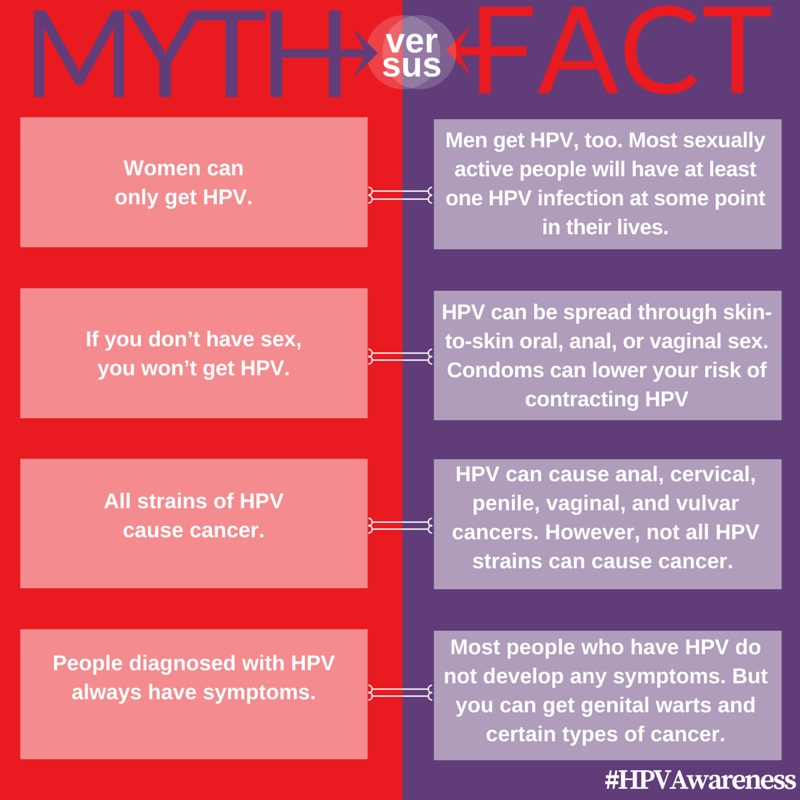
We see many commercials on TV lately that have adolescents or young adults talking about this disease.  What is this abbreviation?  Human Papillomavirus is its full name.  About 79 million Americans are currently infected with HPV. About 14 million people become newly infected each year. HPV is so common that most sexually-active men and women will get at least one type of HPV at some point in their lives.

The CDC (Centers for disease control and prevention) states HPV is the most common sexually transmitted infection (STI), that it is a different virus than HIV and that HPV is so common that nearly all sexually active men and women get it at some point in their lives. CDC all states there are many different types of HPV, some types can cause health problems including genital warts and cancers but there are vaccines that can stop these health problems from happening=PREVENTION.

How is HPV is transmitted from one person to another?

 It is a STD so you can get HPV by having vaginal, anal, or even oral sex with someone who has the virus. It is most commonly spread during vaginal or anal sex. HPV can be passed even when an infected person has no signs or symptoms.

Anyone who is sexually active can get HPV, even if you have had sex with only one person or multiple (obviously the more partners you have the higher the chance of getting it). You also can develop symptoms years after you have sex with someone who is infected unfortunately where this makes it hard to know when you first became infected.

What health risks does HPV put people at if they have this diagnosis?

 In most cases, HPV goes away on its own and does not cause any health problems. But when HPV does not go away, it can cause health problems like genital warts and cancer.

Genital warts usually appear as a small bump or group of bumps in the genital area. They can be small or large, raised or flat, or shaped like a cauliflower. A healthcare provider can usually diagnose warts by looking at the genital area.

Remember it can cause the BIG C!

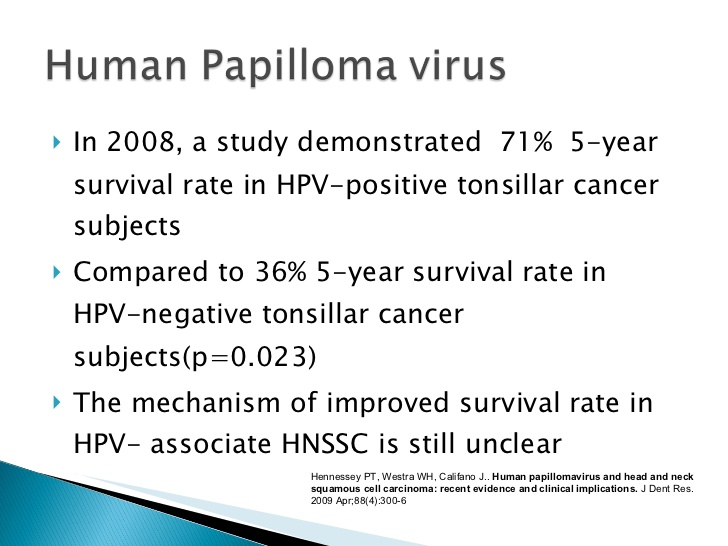
HPV can cause cervical and other cancers cancers including cancer of the vulva, vagina, penis, or anus. It can also cause cancer in the back of the throat, including the base of the tongue and tonsils.

Cancer often takes years, even decades, to develop after a person gets HPV. The types of HPV that can cause genital warts are not the same as the types of HPV that can cause cancers.

There is no way to know which people who have HPV will develop cancer or other health problems. People with weak immune systems (including individuals with HIV/AIDS) may be less able to fight off HPV and more likely to develop health problems from it.

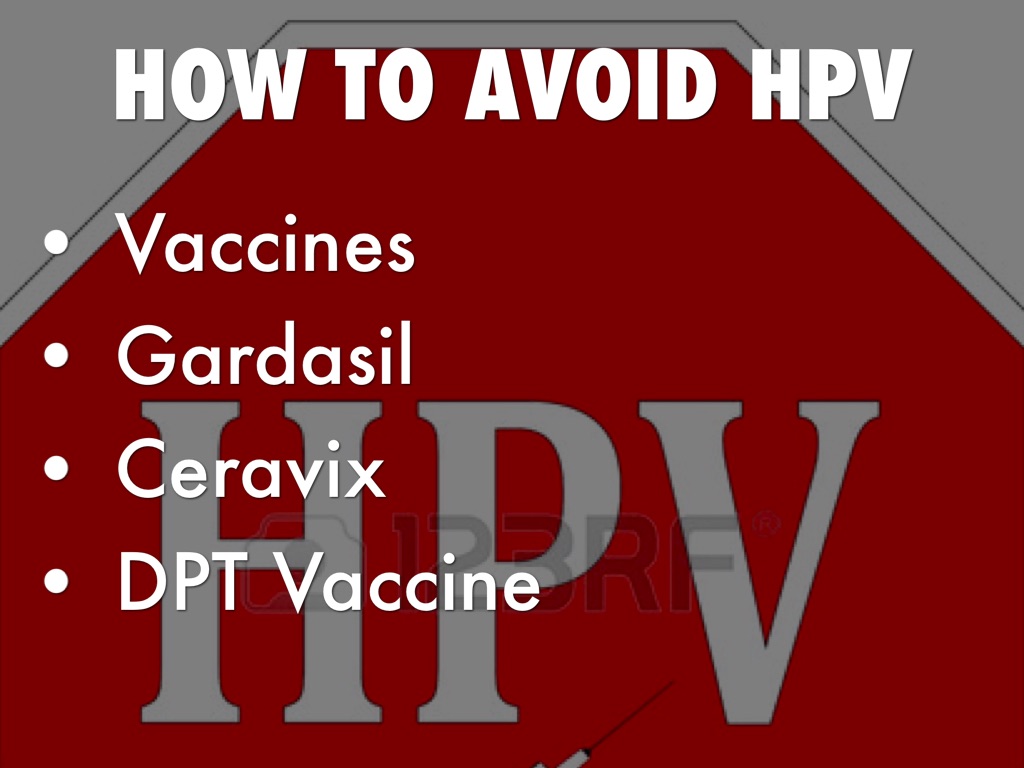
How to avoid HPV and the health problems it can cause=PREVENTION, like almost every other disease.

 You can do several things to lower your chances of getting HPV.

Get vaccinated. HPV vaccines are safe and effective. They can protect males and females against diseases (including cancers) caused by HPV when given in the recommended age groups (see “Who should get vaccinated?” below). HPV vaccines are given in three shots over six months; it is important to get all three doses.

Get screened for cervical cancer. Routine screening for women aged 21 to 65 years old can prevent cervical cancer.

For those sexually active do the following:

The right way to do SAFE SEX is done the safe way everytime. This can lower your chances of getting HPV. But HPV can infect areas that are not covered by a condom – so condoms may not give full protection against getting HPV.

****Be in a mutually monogamous relationship – or have sex only with someone who only has sex with you; including have each sex partner checked for STDs before having sex with you monogamous or only partner.

******PREVENTION IS VACCINATION-The best way to prevent it !

All boys and girls ages 11 or 12 years should get vaccinated.

Catch-up vaccines are recommended for males through age 21 and for females through age 26, if they did not get vaccinated when they were younger.

The vaccine is also recommended for gay and bisexual men (or any man who has sex with a man) through age 26. It is also recommended for men and women with compromised immune systems (including people living with HIV/AIDS) through age 26, if they did not get fully vaccinated when they were younger.

How do I know if I have HPV?

 ONE go to a doctor!  Simply get tested and have the doctor examine your genital area.

Unfortunately there is no test to find out a person’s “HPV status.” Also, there is no approved HPV test to find HPV in the mouth or throat.

There are HPV tests that can be used to screen for cervical cancer. These tests are recommended for screening only in women age of 30 years or older.  They are not recommended to screen men, adolescents, or women under the age of 30 years old.

Most people with HPV do not know they are infected and never develop symptoms or health problems from it. Some people find out they have HPV when they get genital warts. Women may find age 30 years and older when they get an abnormal Pap test result (during cervical cancer screening).  Others may only find out once they’ve developed more serious problems from HPV, such as cancers.

Health problems related to having HPV:

 Health problems related to HPV include genital warts and cervical cancer.

Genital warts: Before HPV vaccines were introduced, roughly 340,000 to 360,000 women and men were affected by genital warts caused by HPV every year.* Also, about one in 100 sexually active adults in the U.S. have genital warts at any given time.

Cervical cancer: More than 11,000 women in the United States get cervical cancer each year.

Every year approximately 17,600 women and 9,300 men are affected by cancers caused by HPV.

What happens if pregnant with HPV?

If you are pregnant and have HPV, you can get genital warts or develop abnormal cell changes on your cervix. Abnormal cell changes can be found with routine cervical cancer screening. You should get routine cervical cancer screening even when you are pregnant.

The Treatment for HPV:

There is no treatment for the virus itself. However, there are treatments for the health problems that HPV can cause:

  1. Genital warts can be treated by you or your physician. If left untreated, genital warts may go away, stay the same, or grow in size or number.
  2. Cervical precancer can be treated. Women who get routine Pap tests and follow up as needed can identify problems before cancer develops. Prevention is always better than treatment.
  3. Other HPV-related cancers are also more treatable when diagnosed and treated early like any other cancer.



QUOTE FOR FRIDAY:

“The 10th leading cause in America is Suicide.  Each year 44,965 Americans die by suicide. Know for every suicide 25 attempts.  Suicide costs the US $ 69  Billion annually.”

American Foundation for Suicide Prevention


QUOTE FOR THURSDAY:

“Sigmund Freud used to refer to depression as anger turned inward. While many people may regard this as an overly simplistic approach to the most common mental health disorder in the world, there is no doubt that anger plays a significant role in depression.”

Lisa Firestone Ph.D. (psychologytoday.com)

QUOTE FOR WEDNESDAY:

“Dog lovers know how much warmth and comfort their canine companions add to their lives. But they might not know that a growing body of evidence suggests that having a dog may help improve heart health.”

Harvard Medical School – Harvard Health Publishing (www.health.harvard.edu)

QUOTE FOR TUESDAY:

“When kidneys fail, your body may have difficulty filtering your blood and keeping your body chemically balanced. Dialysis is a treatment process that cleans the body of unwanted toxins, waste products and excess fluids.”

Fresenius Kidney Care (freseniuskidneycare.com)

QUOTE FOR MONDAY:

” “Transplant tourists” are traveling to established destinations to obtain readily accessible organs for transplantation, available from the poor of that destination country who sell mostly kidneys, but in some instances, a lobe of the liver or a cornea. These practices have been well known for more than a decade.”

Francis L. Delmonico American Society of Nephrology

QUOTE FOR THE WEEKEND:

“Whether you’re ready or not, cold and flu season is right around the corner. But fortunately, you don’t have to settle for the inevitable. With a small amount of preparation and prevention, you can be ready.  There are no guarantees when it comes to colds and the flu.  The vaccine for the flu is great for prevention.”

Inter-mountain Healthcare

Even with this crazy cold weather NE winter and elsewhere, so is the Flu! Know how to stay hydrated, fueled and take breaks during your outdoor winter activities!


Winter is now around, so is the flu!  While many people look forward to the cold weather for skiing and other outdoor activities, others heads have gone indoors until spring, cutting down on their opportunities for the exercise they need.  Staying indoors with someone who has the flu you keep inhaling that air which will prone you in getting the flu as opposed to getting outside.  Remember in a hospital your put on Droplet precaution, in a isolated room and droplet means you can catch the Flu within arm’s length of the pt; so you wear a mask when visiting the patient with the flu in a hospital.

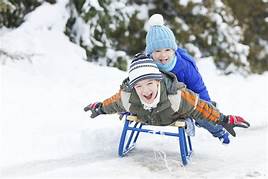
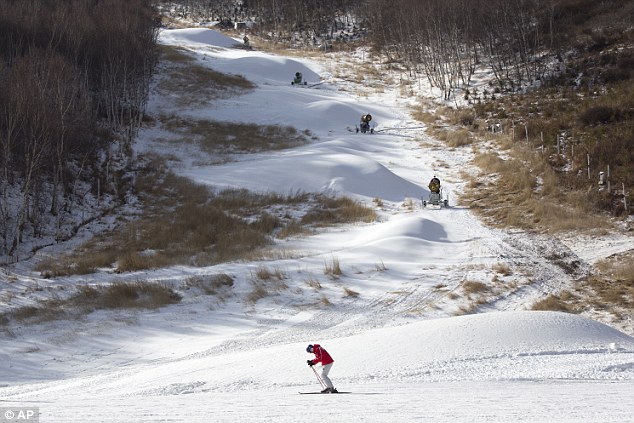
So get outside in warmer or when the temp gets colder.  Whether it’s spending an afternoon at the local sled hill with the kids or skiing down the Alps, you can help your clients and patients – not to mention yourself – maintain an active lifestyle in the wintertime while it still lasts.

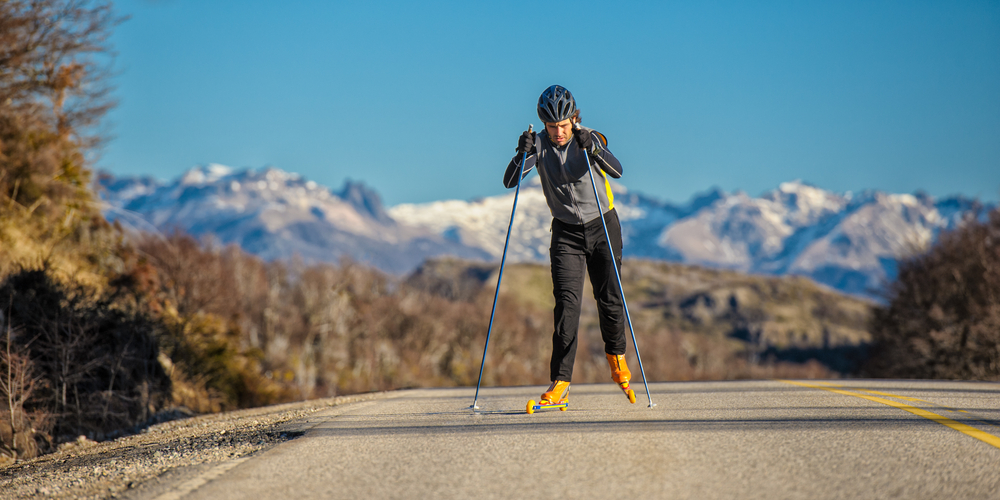
Shoveling snow, building a snowman or going on a deep-snow hike all increase a person’s heart rate, oxygen consumption and energy expenditure. Skiing, snowboarding or ice skating strengthen the musculoskeletal system and improve balance and skill. Cross-country skiing, with its whole-body challenge, improves cardiovascular fitness and muscular endurance. And all winter sports connect us with the elements: wind, snow and, for some, the sublime beauty of the mountains.

Winter Nutrition Needs

Participating in winter activities may increase energy and fluid needs, especially if the person is engaging in vigorous and demanding activities. High altitude and cold temperatures can also increase energy expenditures — as much as two- or three-fold if you’re shivering. With winter activities, it is easy to forget to stay hydrated and fueled all day, so it’s imperative to take breaks to fuel up.

Fluid Balance

Exercising in the cold and at altitude exacerbates fluid loss in the body. A significant amount of fluid is lost through increased respiration and the body’s need to humidify dry, cold mountain air. In addition, cold-induced diuresis will lead to increased urinary volume and fluid loss. And cold reduces the body’s thirst response, making it a challenge to maintain fluid balance in the cold. However, dehydration in the cold has serious consequences; it impairs thermo-regulation and increases the risk of hypothermia.

With this in mind, it is best to begin exercise well-hydrated with water breaks (3 to 8 ounces) every 15 to 20 minutes if going out on the slopes for less than 60 minutes. For any time longer than an hour, consider recommending a sports beverage.

The Air Up There

Altitude may increase the body’s need for vitamins and minerals. Adequate iron stores are necessary to increase red cell mass if exposure to altitude occurs on a regular basis. In other words, iron depletion interferes with the positive adaptation of the blood’s oxygen carrying capacity that typically occurs in response to exercise at altitude. Furthermore, altitude exposure increases the generation of reactive oxygen species. However, it remains debatable whether antioxidants such as vitamin E and C are needed in higher amounts to protect cells from damage when participating in exercise at altitude.

This topic is largely understudied in winter sports, and may be more concerning for elite athletes training at altitude. A balanced diet including a hearty vegetable soup with herbs and spices, a handful of nuts, an orange and a cup of green tea may be plenty to protect the cells from occasional winter outings.

Be Prepared

Engaging in any type of cold-weather sports, especially at higher elevations, requires appropriate preparation in terms of clothing, shelter and the foods and fluids a person consumes before, during and after the activity. Recommend that your clients and patients take breaks throughout the day and listen to their bodies to ensure that they are feeling well and ready for another round of winter activity.  Staying active outside can possibly help with keeping the Flu away especially if your exposed to someone in the house with the flu your not breathing the same air in the house which will prone you to getting the flu as opposed to staying active outdoors.  Best thing in prevention of the flu is the vaccine but always check with your doctor.

QUOTE FOR FRIDAY:

“The number one thing you can do to prevent the flu is get vaccinated,” says Bill Schaffner, M.D., a professor of preventive medicine at Vanderbilt University. Even if another strain infects you, the shot may reduce symptoms.

Today (www.today.com)

PART III LET’S PREPARE FOR THE FALL & WINTER BUGS. WHAT ARE THE FACTS?

FLU FACTS:

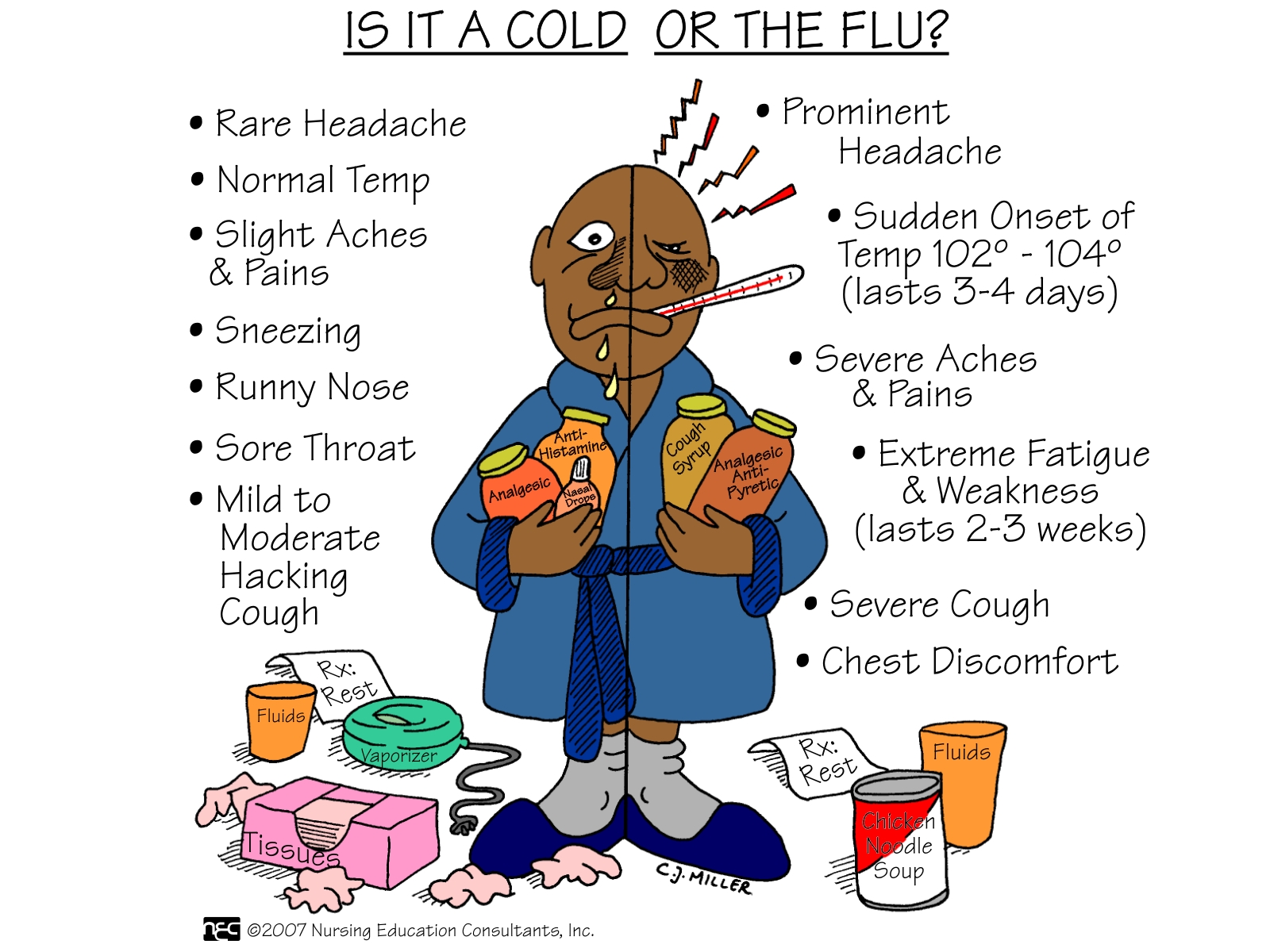
-Both colds and flu usually last the same seven to 10 days, but flu can go three to four weeks; the flu virus may not still be there, but you have symptoms long after it has left. Allergy can last weeks or months.

-The winter flu epidemic will be coming around us again and in a given locality it reaches its peak in 2 to 3 weeks and lasts 5 to 6 weeks.  Then is disappears as quickly as it arrived.  The reason for this is not completely clear.  The usual pattern is for a rise in the incidence of flu in children, which precedes an increase in the adult population.

-The flu virus can lead to serious complications, including bronchitis, viral or bacterial pneumonia and even death in elderly and chronically ill patients.  Twenty thousand or more people die of the flu in the America each year.  Know this that the frequency of human contact across the world and the highly infectious nature of the virus make this explanation difficult to accept.  Moreover there is no evidence of persistent or latent infection with influenza viruses.  In any case, this idea is not really very difficult from the notion that the virus circulates at a low level throughout the year and seizes its opportunity to cause an outbreak when conditions allow.

-Even harder to explain is why the flu disappears from a community when there are still a large number of people susceptible to infection. Than even harder than that is why flu is a winter disease, which is not fully understood or known.  However, flu is spread largely by droplet (aerosol) infection from individuals with high viral level in their nasal and throat secretions, sneezing, and coughing on anyone close at hand.  The aerosol droplets of the right size (thought to be about 1.5 micrometers in diameter) remain airborne and are breathed into the nose or lungs of the next victim.

-Situations in which people are crowded together are more commonly in cold or wet weather and so perhaps this contributes to spreading the flu at these times.  It is interesting that in equatorial countries, flu occurs throughout the year, but is highest in the monsoon or rainy season.  Enough about facts but onto logical thinking for when we or someone we know has it and what questions we might be asking ourselves.