Archives

QUOTE FOR WEDNESDAY:

” There are dozens of STDs. Some STDs, such as syphilis, gonorrhea, and chlamydia, are spread mainly by sexual contact. Other diseases, including Zika and Ebola, can be spread sexually but are more often spread through ways other than sex.”

CDC  Center for Disease Control

QUOTE FOR TUESDAY:

“Amyotrophic lateral sclerosis (a-my-o-TROE-fik LAT-ur-ul skluh-ROE-sis), or ALS, is a progressive nervous system (neurological) disease that destroys nerve cells and causes disability.
ALS is often called Lou Gehrig’s disease, after the famous baseball player who was diagnosed with it. ALS is a type of motor neuron disease in which nerve cells gradually break down and die.”

ALS Association

QUOTE FOR MONDAY:

“Pancreatic cancer is one of the few types of cancer that haven’t improved in terms of survival rates over the years,  In fact, the foundation said the mortality rate is 93-percent within 5-years of diagnosis. And 71-percent will die in first year. ”

Hirshberg Foundation for Pancreatic Cancer Research.

QUOTE FOR THE WEEKEND:

“Since the primary function of the heart is to pump blood through the body so individuals can live a healthy life, this is a significant health problem. It does not mean a person’s life is over, but it does mean they need to seek medical treatment right away. Heart failure only gets worse when it’s left untreated.”

MAYO CLINIC


QUOTE FOR FRIDAY:

“The tissues of the body need a constant supply of nutrition in order to be active; if [the heart] is not able to supply blood to the organs and tissues, they’ll die.”

Dr. Lawrence Phillips, a cardiologist at NYU Langone Medical Center in New York.


QUOTE FOR THURSDAY:

“Given the size and power of the American bison it is little surprise they have proven deadly to humans. Standing nearly 6ft (1.9m) tall and weighing in at up to 1.5 tons these are the biggest land animals in America. They are on slightly smaller than the African water buffalo which are nicknamed the “black death” or “widowmaker” as they kill hundreds of people every year. Fortunately the bison has a much less aggressive temperament and requires at least some provocation. But when it does attack the results can be devastating.”

Planet Deadly

Part III The top deadliest creatures to man in and out of the USA; especially for traveling!

African Killer Bees

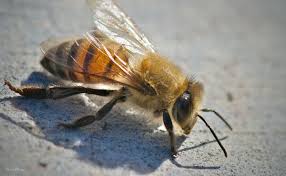
An experiment gone wrong, in 1957 a Brazilian bee keeper who was trying to interbreed European and African honey bees accidently let some of his “pets” get away. Much more aggressive than their European counterparts, these genetically mixed “killer bees” have since then spread through out the Americas. They have come to be feared in some regions because of their tendency to swarm relentlessly and aggressively chase their victims for miles.
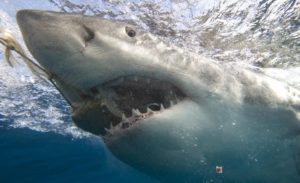
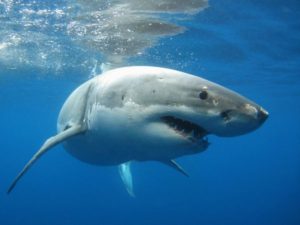
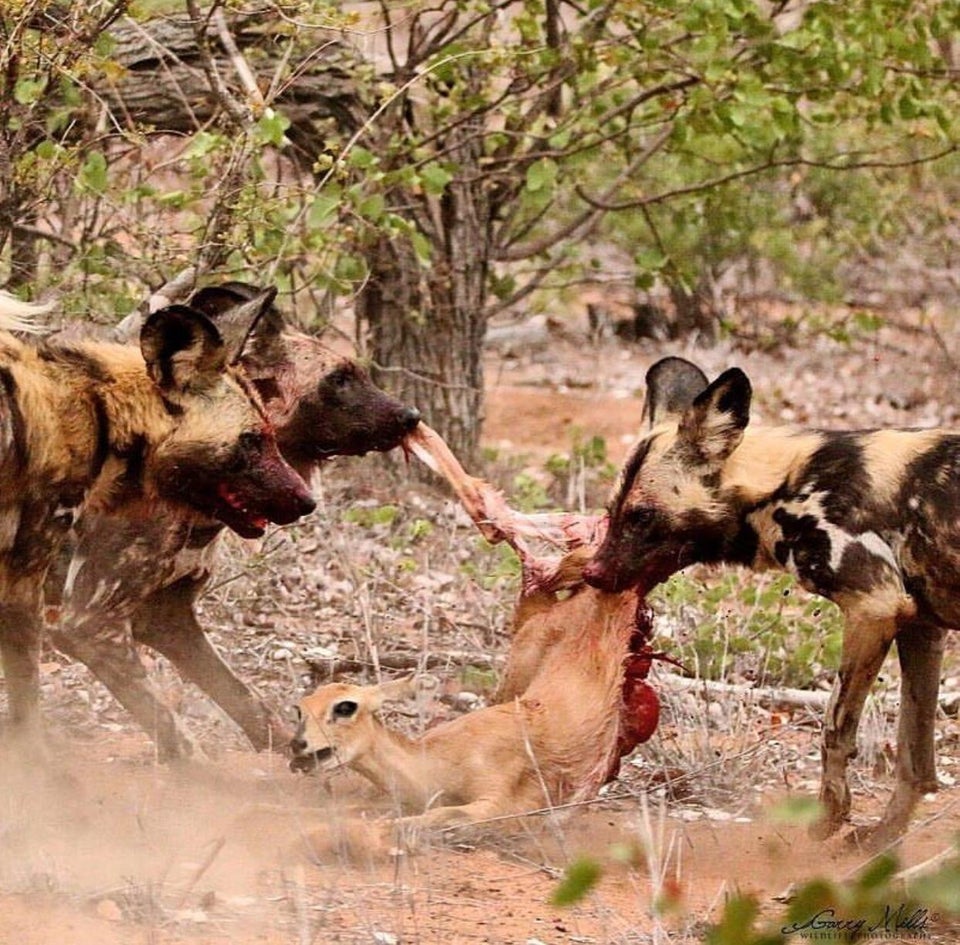
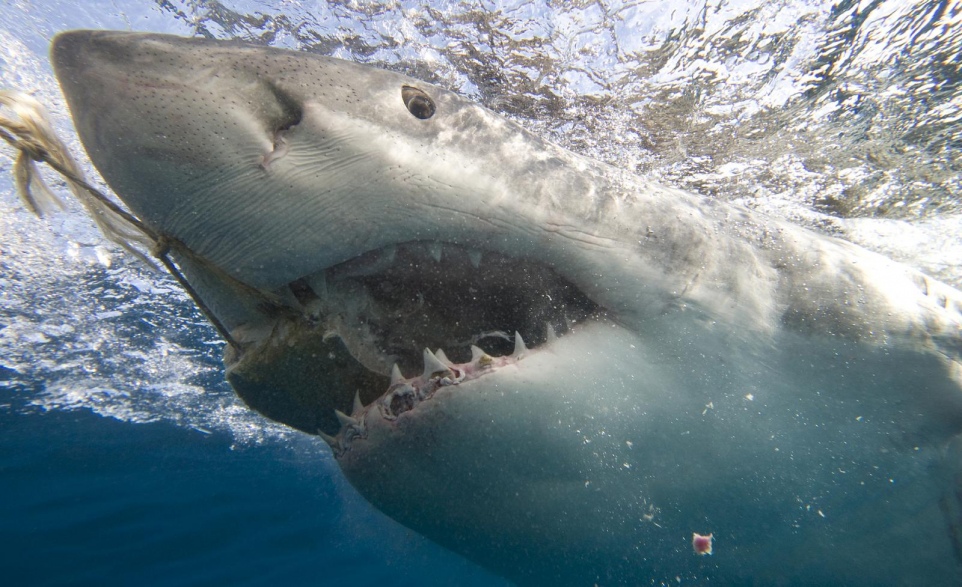
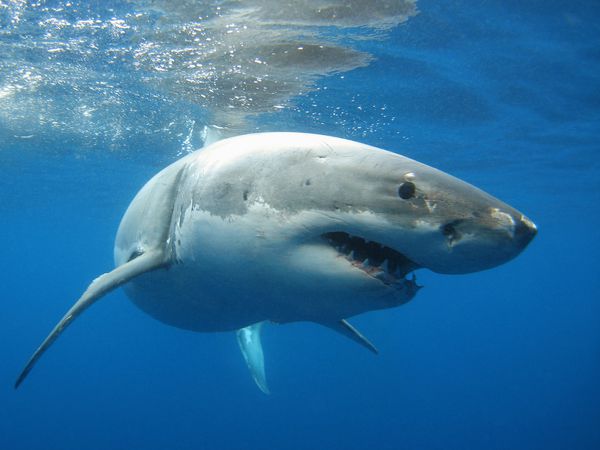
These legendary predators have a terrible time distinguishing between the edible and the non-edible. There chosen method? Sampling. They sample buoys, boats, surfboards, humans, anything that floats. Contrary to popular belief, however, they really aren’t man-eaters. Humans are too bony, and after the initial bite, they usually leave you to bleed out in the water.
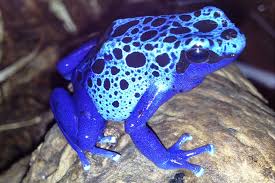
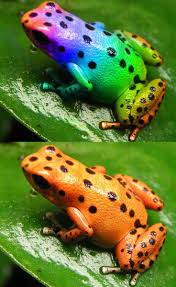
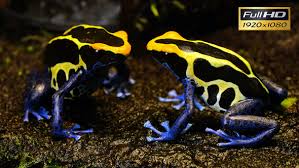
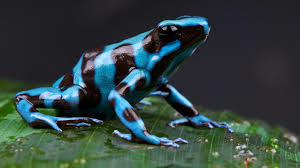
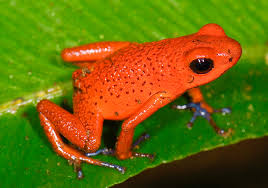
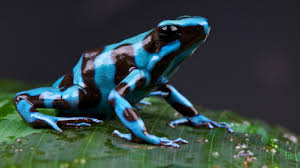
The Poisonous Dart Frogs are packed into 2 inches of a colorful amphibian has enough poison in its body to kill an army of 20,000 mice. This means that with roughly 2 micrograms, or the amount that would fit on a pinhead, you could successfully stop the heart of a large animal. And to make matters worse, the poison is actually located on the surface of the skin. You seriously can’t touch this frog. These frogs are considered one of Earth’s most toxic or poisonous species, commonly found in rain forests of Central and South America.

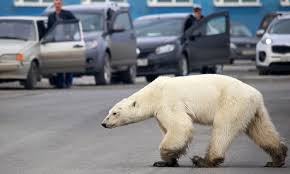
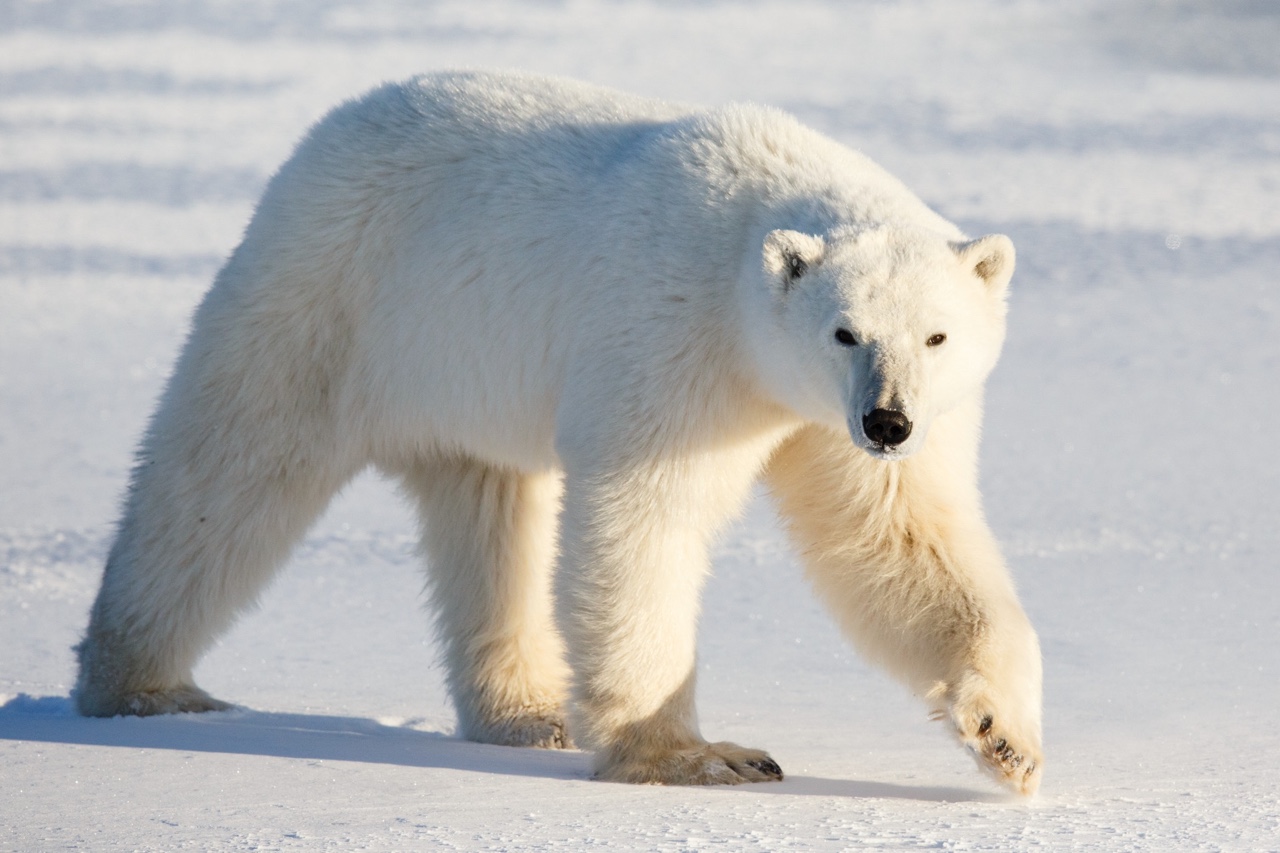
Unlike most other animals on this list, the world’s largest carnivore is not afraid of you. It has no natural predators and will eat anything that is even slightly meaty, including other polar bears. Although they generally don’t kill humans, it’s probably because there aren’t many of them around to kill.
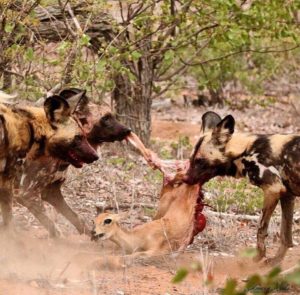
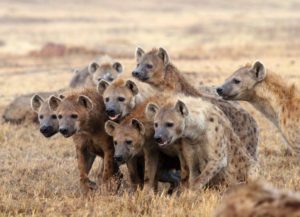
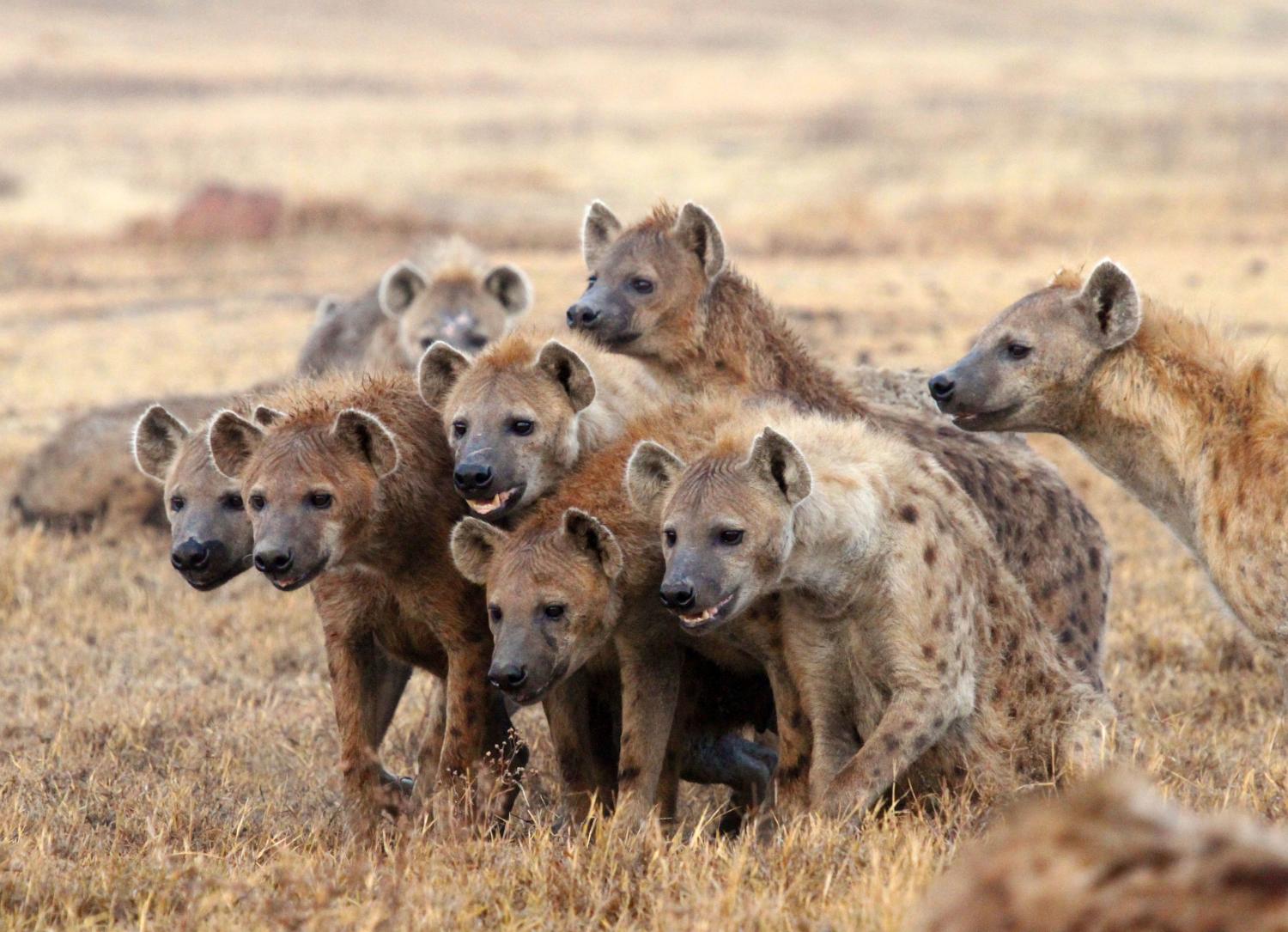
Hyenas, these predators ,may be wary of human interaction during the day, after sunset the paradigm shifts. Although hyenas have been known to hunt humans throughout history, the behavior tends to increase during wartime and disease outbreaks due to their strong affinity for human corpses.
QUOTE FOR WEDNESDAY:

“Very much like Polar Bears, Komodo Dragons are not picky eaters. They will eat anything from birds to water buffalos to humans and they have even been known to dig up bodies from shallow graves. They are prodigious hunters and will wait stealthily until their prey approaches after which they will charge forward, rip out its throat, and retreat while it bleeds out. Once again, like Polar Bears, the only reason their human kill count is so low is probably due to limited interaction as well as the fact that they only really need to eat once a month.”

National Geographic

QUOTE FOR TUESDAY:

“The freshwater snail is responsible for transmitting a deadly parasitic disease called schistosomiasis. The disease is most commonly found in Africa, Asia and South America.”

CBS News (cbsnews.com)

QUOTE FOR MONDAY:

“There are many insects that are the primary or intermediate hosts or carriers of human diseases. Pathogens that are capable of being transmitted by insects include protozoa, bacteria, viruses, and such helminths as tapeworms, flukes, and roundworms. There are two methods of transmission of a pathogen by insects: mechanical and biological.”

Smithsonian