Archives

QUOTE FOR THURSDAY:

“There is no cure for multiple sclerosis. Treatment typically focuses on speeding recovery from attacks, slowing the progression of the disease and managing MS symptoms. Some people have such mild symptoms that no treatment is necessary.”

MAYO CLINIC

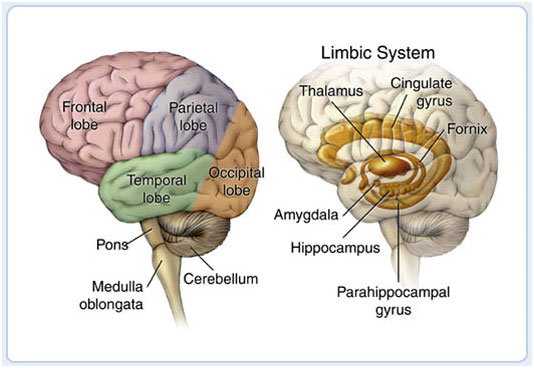
The brain lobes in our Cerebrum & their functions to understand symptoms when a brain injury or a tumor are in those lobes of the brain!

brain Lobe Regions

The brain has three main parts:

1- Cerebrum, 2 – Cerbellum (below the occipal and temporal lobe is the Cerebrum), and 3 – Brain Stem (It’s under 1 & 2.)

THE LOBES THAT MAKE UP THE CEREBRUM:

The cerebrum, the large, outer part of the brain, controls reading, thinking, learning, speech, emotions and planned muscle movements like walking. It also controls vision, hearing and other senses. The cerebrum is divided two cerebral hemispheres (halves): left and right. The right half controls the left side of the body. The left half controls the right side of the body.

Each hemisphere has four sections, called lobes:  1-frontal,

2-parietal, 3-temporal and 4-occipital.

A lobe simply means a part of an organ (earlobe for example).  Each lobe controls specific functions. For example, the frontal lobe controls personality, decision-making and reasoning, while the temporal lobe controls, memory, speech, and sense of smell.

The frontal lobe is the largest lobe of the brain.  The frontal lobe are the last parts of the brain develop as a person ages and the part of the human brain that is most different from other mammals and primates.  The last part to mature is the prefrontal lobe. This happens during adolescence. Many things affect brain development including genetics, individual and environmental factors.  We learn to become adults in our frontal lobes.   You choose between good and bad actions; override and suppress socially unacceptable responses; and determine similarities and differences between objects or situations. The frontal lobe is considered to be the moral center of the brain because it is responsible for advanced decision making processes. It also plays an important role in retaining emotional memories derived from the limbic system, and modifying those emotions to fit socially accepted norms.  The frontal lobes are considered our emotional control center and home to our personality. There is no other part of the brain where lesions can cause such a wide variety of symptoms (Kolb & Wishaw, 1990). The frontal lobes are involved in motor function, problem solving, spontaneity, memory, language, initiation, judgment, impulse control, and social and sexual behavior. Frontal lobe damage effects one or more of these areas depending on the severity of the damage.  The frontal lobes are extremely vulnerable to injury due to their location at the front of the cranium, proximity to the sphenoid wing and their large size. MRI studies have shown that the frontal area is the most common region of injury following mild to moderate traumatic brain injury.

The parietal lobes can be divided into two functional regions. One involves sensation and perception and the other is concerned with integrating sensory input, primarily with the visual system. The first function integrates sensory information to form a single perception (cognition).  The parietal lobes have an important role in integrating our senses. In most people the left side parietal lobe is thought of as dominant because of the way it structures information to allow us to read & write, make calculations, perceive objects normally and produce language. Damage to the dominant parietal lobe can lead to Gerstmann’s syndrome (e.g. can’t tell left from right, can’t point to named fingers), apraxia and sensory impairment (e.g. touch, pain). Damage to the non-dominant lobe, usually the right side of the brain, will result in different problems. This non-dominant lobe receives information from the occipital lobe and helps provide us with a ‘picture’ of the world around us. Damage may result in an inability to recognize faces, surroundings or objects (visual agnosia). So, someone may recognize your voice, but not your appearance (you sound like my daughter, but you’re not her). Damage to the parietal lobe depends on severity and location of the area. Because this lobe also has a role in helping us locate objects in our personal space, any damage can lead to problems in skilled movements (constructional apraxia) leading to difficulties in drawing or picking objects up.

The temporal lobes they are in the section of the brain located on the sides of the head behind the temples and cheekbones.   It’s responsible for processing auditory information from the ears (hearing).   The temporal lobes play an important role in organizing sensory input, auditory perception, language and speech production, as well as short term memory association and formation. The Temporal Lobe mainly revolves around hearing and selective listening. It receives sensory information such as sounds and speech from the ears. It is also the key to being able to comprehend, or understand meaningful speech. In fact, we would not be able to understand someone talking to us, if it wasn’t for the temporal lobe. This lobe is special because it makes sense of the all the different sounds and pitches (different types of sound) being transmitted from the sensory receptors of the ears. Temporal Lobes Kolb & Wishaw (1990) have identified eight principle symptoms of temporal lobe damage: 1) disturbance of auditory sensation and perception, 2) disturbance of selective attention of auditory and visual input, 3) disorders of visual perception, 4) impaired organization and categorization of verbal material, 5) disturbance of language comprehension, 6) impaired long-term memory, 7) altered personality and affective behavior, 8) altered sexual behavior. These can be due to tumors on the right or left side of the temporal lobe, due to seizures in the temporal lobe and if seizures regularly happen to this individual in the temporal region, which causes lack of oxygen to that area of that area of the brain it will effect one or more of the functions of that lobe which we discussed earlier, listed above.

-The last region or lobe that makes up the cerebrum is the occipal lobe. The occipital lobe is important to being able to correctly understand what our eyes are seeing. These lobes have to be very fast to process the rapid information that our eyes are sending. This is similar to how the temporal lobe makes sense of auditory information, the occipital lobe makes sense of visual information so that we are able to understand it. If our occipital lobe was impaired or injured we would not be able to correctly process visual signals, thus visual confusion would result.


 Continuation tomorrow on the Cerebellum and the Brain stem!

QUOTE FOR WEDNESDAY:

“Common early signs of multiple sclerosis (MS) include:vision problems/tingling and numbness/pains and spasms/weakness or fatigue/balance problems or dizziness/bladder issues/sexual dysfunction /cognitive problems.”

Healthline

Part II Multiple Sclerosis-The signs and symptoms that can occur.

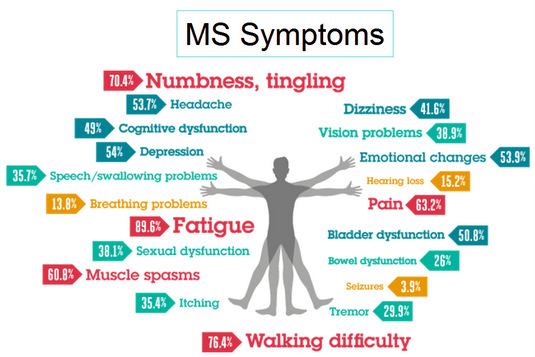
Multiple Sclerosis symptoms vary from person to person but there are common symptoms with MS.  Those could be the following:

*Fatigue-Occurs in about 80% of people, can significantly interfere with ability to function at home and work, and may be the most prominent symptom in a person who otherwise has minimal activity limitations.

*Difficulties with your walking gait-Related to several factors including weakness, spasticity, loss of balance, sensory deficit and fatigue, and can be helped by physical therapy, assistive therapy and medications.

*Numbness or Tingling-Numbness of the face, body, or extremities (arms and legs) is often the first symptom experienced by those eventually diagnosed as having MS.

*Spasticity-Refers to feelings of stiffness and a wide range of involuntary muscle spasms; can occur in any limb, but it is much more common in the legs.

*Weakness-Weakness in MS, which results from deconditioning of unused muscles or damage to nerves that stimulate muscles, can be managed with rehabilitation strategies.

*Visual Problems-The first symptom of MS for many people. Onset of blurred vision, poor contrast or color vision, and pain on eye movement can be frightening — and should be evaluated promptly.

*Dizziness or Vertigo-People with MS may feel off balance or lightheaded,  and for some even much less often have the sensation that they or their surroundings are spinning (vertigo).

*Bladder Problems-Bladder dysfunction, which occurs in at least 80% of people with MS, usually can be managed quite successfully through dietary and fluid management, medications, and catheterization.

*Sexual Problems-Very common in the general population including people with MS. Sexual responses can be affected by damage in the central nervous system, as well by symptoms such as fatigue and spasticity, and by psychological factors.

*Bowel Function-Constipation is a particular concern among people with MS, as is loss of control of the bowels. Bowel issues can typically be managed through diet, adequate fluid intake, physical activity and medication.

*Pain-Pain syndromes are common in MS. In one study, 55% of people with MS had “clinically significant pain” at some time, and almost half had chronic pain.

*Cognitive changes-Refers to a range of high-level brain functions affected in 50% of people with MS, including the ability to learn and remember information, organize and problem-solve, focus attention and accurately perceive the environment.

*Emotional changes-Can be a reaction to the stresses of living with MS as well as the result of neurologic and immune changes. Bouts of depression, mood swings, irritability, and episodes of uncontrollable laughing and crying pose significant challenges for people with MS and their families.

*Depression-Studies have suggested that clinical depression — the severest form of depression — is among the most common symptoms of MS. It is more common among people with MS than it is in the general population or in persons with many other chronic, disabling conditions

Less common symptoms:

*Speech problems-this including slurring (dysarthria) and loss of volume (dysphonia) occur in approximately 25-40% of people with MS, particularly later in the disease course and during periods of extreme fatigue. Stuttering is occasionally reported as well.

*Swallowing problems — referred to as dysphagia — result from damage to the nerves controlling the many small muscles in the mouth and throat.

*Tremor, or uncontrollable shaking, can occur in various parts of the body because of damaged areas along the complex nerve pathways that are responsible for coordination of movements.

*Seizures — which are the result of abnormal electrical discharges in an injured or scarred area of the brain — have been estimated to occur in 2-5% people with MS, compared to the estimated 3% of the general population.

*Breathing Problems-Respiration problems occur in people whose chest muscles have been severely weakened by damage to the nerves that control those muscles.

*Itching-Pruritis (itching) is one of the family of abnormal sensations — such as “pins and needles” and burning, stabbing or tearing pains — which may be experienced by people with MS.

*Headaches-Although headache is not a common symptom of MS, some reports suggest that people with MS have an increased incidence of certain types of headache.

*Hearing Loss-About 6% of people who have MS complain of impaired hearing. In very rare cases, hearing loss has been reported as the first symptom of the disease.

Secondary and tertiary symptoms

While the primary symptoms described on this page (more and less common) are the direct result of damage to the myelin and nerve fibers in the central nervous system (CNS), the secondary symptoms are the complications that can arise as a result of these primary symptoms. For example:

  • Bladder dysfunction can cause repeated urinary tract infections.
  • Inactivity can result in loss of muscle tone and disuse weakness (not related to demyelination), poor postural alignment and trunk control, decreased bone density (and resulting increased risk of fracture), and shallow, inefficient breathing
  • Immobility can lead to pressure sores.

While secondary symptoms can be treated, the optimal goal is to avoid them by treating the primary symptoms.

Tertiary symptoms are the “trickle down” effects of the disease on your life. These symptoms include social, vocational and psychological complications. For example, if you are no longer able to drive or walk, you may not be able to hold down your usual job. The stress and strain of dealing with MS often alters social networks and sometimes fractures relationships. Problems with bladder control, tremor or swallowing may cause people to withdraw from social interactions and become isolated.

Depression is very common in people with MS. Depression may be both a primary and a tertiary symptom as it can be caused by the disease process itself and/or triggered by the challenges discussed above.

Tune in tomorrow for Part III about the treatments of MS!

QUOTE FOR TUESDAY:

“Multiple sclerosis (MS) involves an immune-mediated process in which an abnormal response of the body’s immune system is directed against the central nervous system (CNS).  The CNS is made up of the brain, spinal cord and optic nerves.

Within the CNS, the immune system causes inflammation that damages myelin — the fatty substance that surrounds and insulates the nerve fibers — as well as the nerve fibers themselves, and the specialized cells that make myelin.”

National Multiple Sclerosis Society

QUOTE FOR MONDAY:

Brain Injury Awareness Challenges come across Significant Deficits in Memory provide the most significant barrier to developing Intellectual Awareness/Self-Knowledge.

In Emergency Awareness Episodes these are times of difficulty recognizing a problem while it is actually happening; trouble monitoring the connection between actions and environment and deficits at this level are the MOST FRUSTRATING to caregivers and clinicians.”.

Neuro Institute Continuing Education for Rehabilitation Professionals (https://www.neurorestorative.com)


QUOTE FOR THE WEEKEND:

“Check your health insurance to see if it includes international travel coverage, the CDC recommends. Also, consider travel health insurance and medical evacuation insurance. The CDC estimates that — without insurance, a medical evacuation can $100,000 or more.”

Consider traveling in the U.S.!

CDC Centers of Disease and Control Prevention

68 U.S. Cases now as of Friday now, no cure to Corona Virus but know the preventions!

The corona virus spreads continues to grow around the globe, there are steps you can take to protect yourself and your family.

“I told my children that while I didn’t think that they were at risk right now, we, as a family, need to be preparing for significant disruption of our lives,” says Dr. Nancy Messonnier of the Centers for Disease Control and Prevention.

The CDC plans to expand testing across the U.S. as a preventative measure.

Currently, if you live in the U.S. the risk of getting the virus remains very low, but public health officials say there will likely be outbreaks in the United States. So this is a good time to review your emergency game plan.

Here’s what you need to know to make good decisions to plan, prepare and even prevent the spread of the disease.

1. This virus is contagious, but it’s not as deadly as other outbreaks

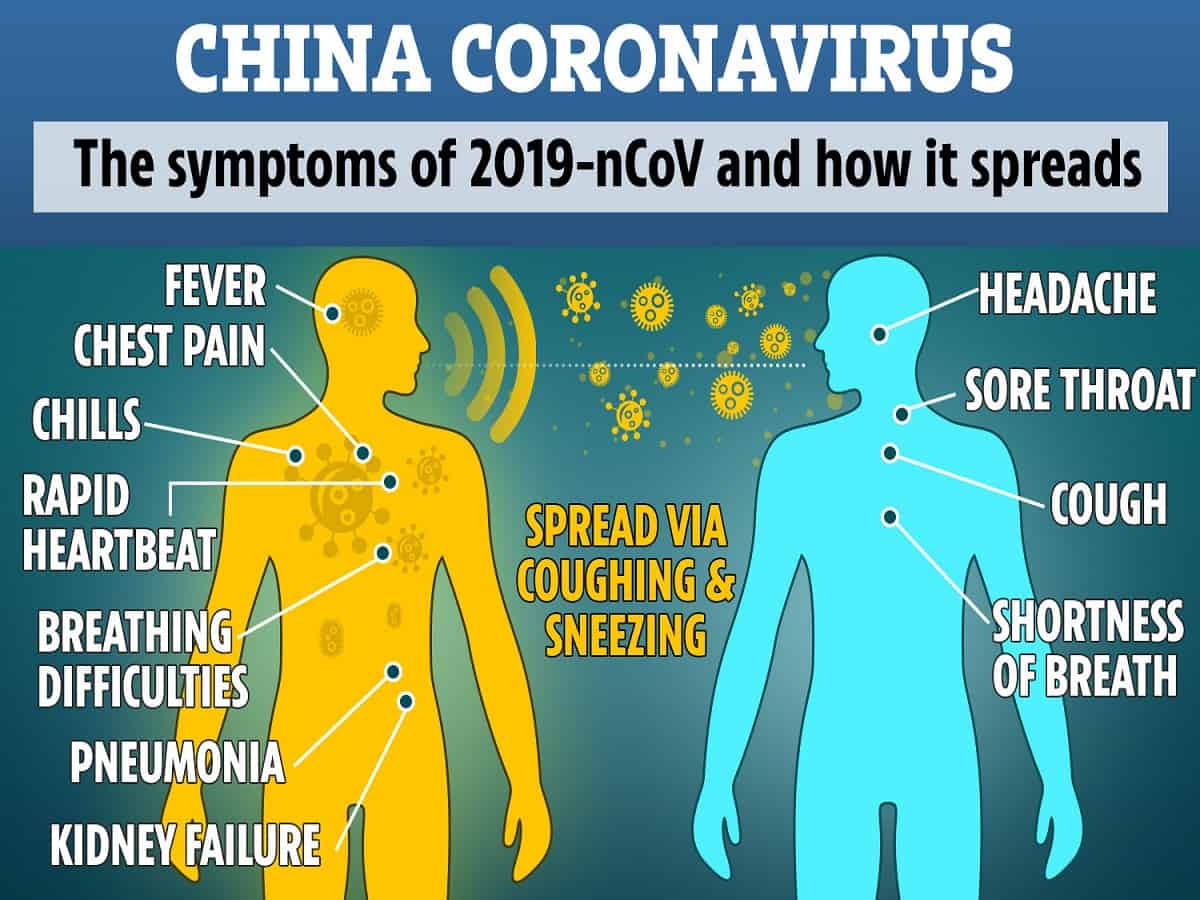
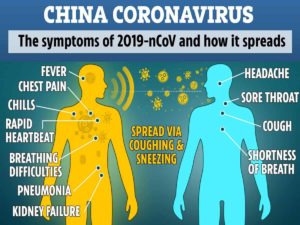
In China, more than three quarters of the cases have been classified as mild. Symptoms include low-grade fever and a cough. Some people also experience fatigue, headaches and, less frequently, diarrhea.

Overall, the death rate in China is estimated at 2 percent, and the average age of death among those with COVID-19 is in the 70’s. People with underlying medical problems, and particularly smokers, seem to be at higher risk.

Compared to prior outbreaks of novel viruses, this coronavirus appears less deadly than other human coronaviruses that have spread in recent years. For instance, the death rate was about 34% for MERS, and about 10% for SARS.

The flu causes more than 12,000 deaths a year in the U.S. An annual vaccine is the most effective way to prevent flu, but there are other strategies to prevent it. So far, there’s no vaccine against the new coronavirus, but some of the same strategies to prevent flu can also protect against coronavirus.

2. To fend off coronavirus, follow flu prevention tips

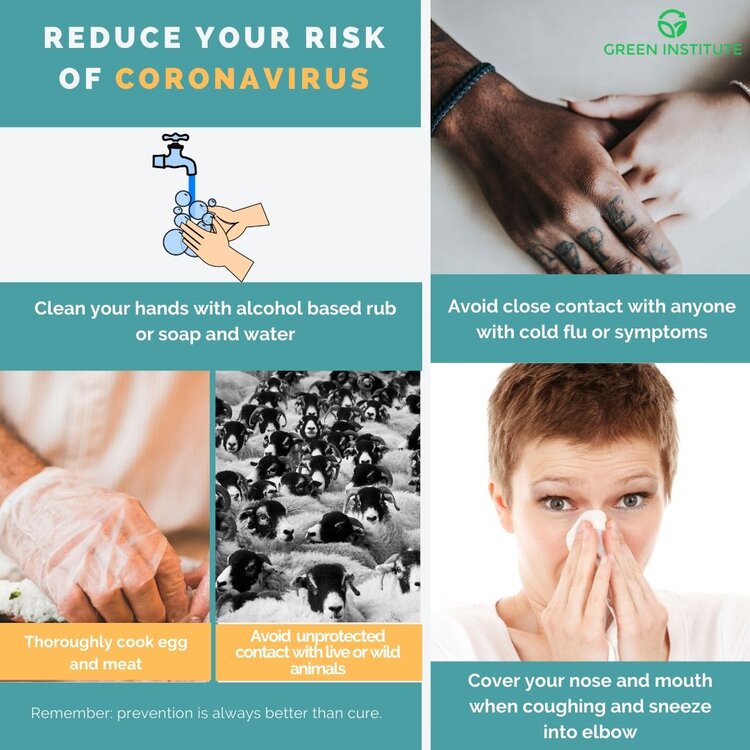
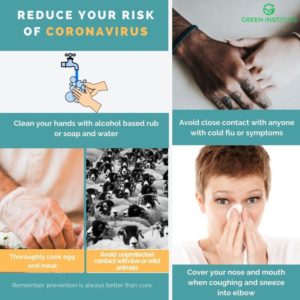
The top tip: Wash your hands. Why? Viruses can spread from person to person via respiratory droplets. When an infected person coughs or sneezes, close contacts can be infected. In addition, the virus can end up on door knobs, elevator buttons and other surfaces. If you touch those surfaces then touch your eyes, nose or mouth, you can become infected.

This is why it’s important to wash rigorously. Here’s the CDC’s guidance.

“Wash your hands often with soap and water for at least 20 seconds, especially after going to the bathroom; before eating; and after blowing your nose, coughing, or sneezing.”

“Americans are friendly. We not only shake hands, we also hug. These are ways we can transmit the virus,” Katz says. She recommends an elbow bump.

Here’s 5 more things to remember, per the CDC:

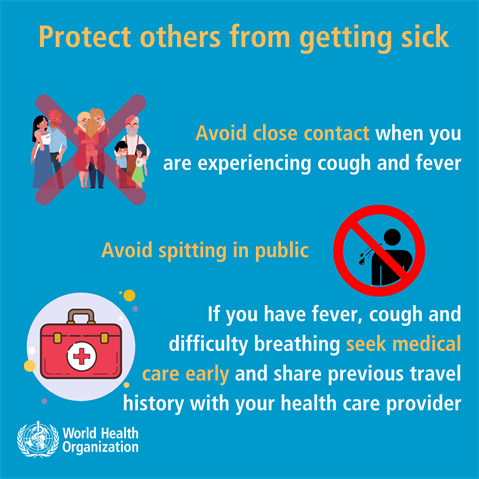
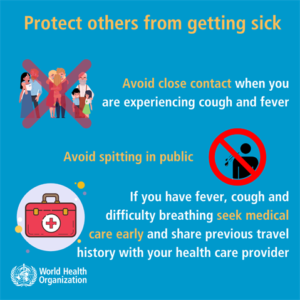
  • Avoid close contact with people who are sick.
  • Avoid touching your eyes, nose, and mouth.
  • Stay home when you are sick.
  • Cover your cough or sneeze with a tissue, then throw the tissue in the trash.
  • Clean and disinfect frequently touched objects and surfaces using a regular household cleaning spray or wipe.

3. Don’t panic — start to prepare

This is not the time to panic, but it is a time to prepare – good old fashioned preparedness planning for your family,” says Rebecca Katz, who directs the Center for Global Health Science and Security.

Think about the threat of a possible outbreak in your community the way you’d think about a big snowstorm or a hurricane. If it never hits, great. But if it does, you’ll be glad you prepared.

Don’t hoard, but do stock your cupboards with some extra food and cleaning supplies. Each time you grocery shop, buy a few extra items. Shelf stable foods such as beans and rice are good options. Also, utilize your freezer to preserve foods, everything from meats and vegetables to cooked grains and bread. Think about having enough on hand to last a few weeks.

  • Check the medicine cabinet to ensure you have basic medications such as aspirin or ibuprofen.
  • Think about a back up plan if schools were to close during an outbreak.
  • If you take a daily prescription medication, have as much of a supply on hand as possible.
  • Ask your employer about a work-from-home option.

“If there’s widespread virus in your community, you may not want to go to the [store]. You may want to distance yourself from others,” Katz says.

4. The uncertainty of masks to prevent illness

Overall, there’s not conclusive evidence that wearing a face mask can help prevent people from being infected by the virus. And public health officials give mixed messages about usefulness for the general public. As we’ve reported, masks may not fit the face tightly, so you’re still able to breath in infected droplets. And, experts worry that masks can give a false sense of security.

Health care providers are trained to use masks properly, and there’s evidence that they’re effective in clinical settings. For people at home, the CDC recommends using masks in certain situations. For instance, if you’re caring for an infected person at home, the proper use of masks can protect the caregiver.

5. Be smart about travel

The CDC updates its travel advisory information frequently. The federal government uses a 4 level scale to rank risk. Level 1 = lowest risk, Level 4, highest.

For Italy, where there’s been sustained spread of the novel coronavirus, there’s now a Level 2 Alert. The CDC advises that older adults and those with chronic medical conditions should consider postponing nonessential travel. “Travelers should avoid contact with sick people and clean their hands often by washing with soap and water for at least 20 seconds or using an alcohol-based hand sanitizer with 60%–95% alcohol.”

Check your health insurance to see if it includes international travel coverage, the CDC recommends. Also, consider travel health insurance and medical evacuation insurance.

The CDC estimates that — without insurance, a medical evacuation can $100,000 or more.

If you’ve planned a cruise or overseas travel consider the possibility of travel disruptions in the event of an outbreak. “Think about the consequences of being caught on ship or over a border when decisions are being made,” that could limit or disrupt your travel without much warning says Christopher Mores of George Washington University. If you were quarantined, what would your back-up plan be for your work and family responsibilities back home? This is definitely something to consider.
QUOTE FOR FRIDAY:

Affected Geographic Areas with Widespread or Sustained Community Transmission (Remember Widespread or Sustained and the U.S. is not a widespread yet).

Last updated February 26, 2020

  • China
  • Iran
  • Italy
  • Japan
  • South Korea”

 World Health Organization

Corona virus is now in California but don’t panic!

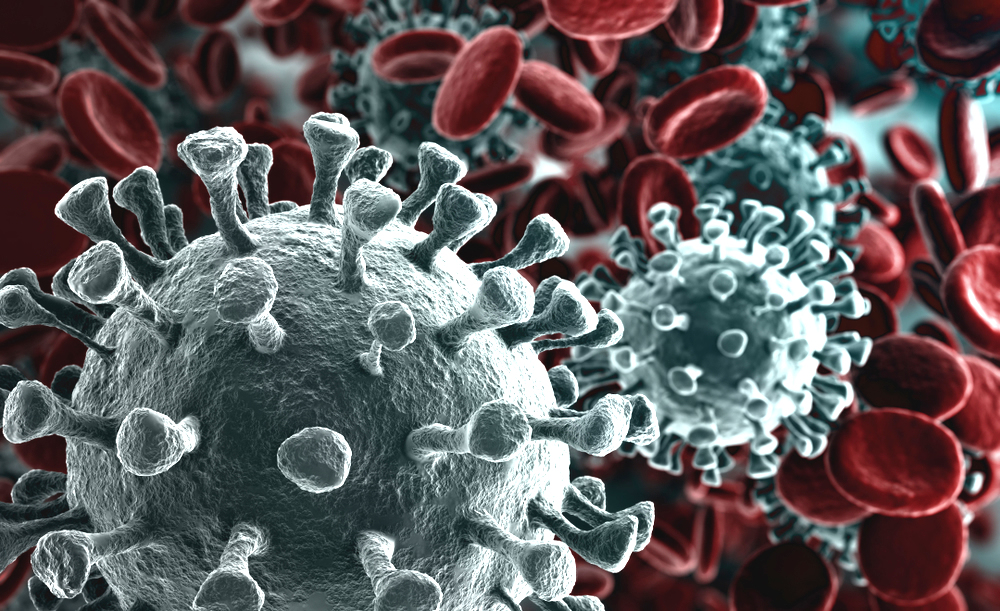
Image result for Coronavirus

Thanks through CDC (Centers for Disease Control and Prevention) as the reference for the update on 2/27/2020:

Limited information is available to characterize the spectrum of clinical illness associated with coronavirus disease 2019 (COVID-19). No vaccine or specific treatment for COVID-19 is available; care is supportive.

Affected Geographic Areas with Widespread or Sustained Community Transmission (Remember Widespread or Sustained and the U.S. is not a widespread yet).

Last updated February 26, 2020

  • China
  • Iran
  • Italy
  • Japan
  • South Korea

The CDC clinical criteria for a COVID-19 person under investigation (PUI) have been developed based on what is known about MERS-CoV and SARS-CoV and are subject to change as additional information becomes available.

Healthcare providers should obtain a detailed travel history for patients being evaluated with fever and acute respiratory illness. CDC guidance for evaluating and reporting a PUI for MERS-CoV remains unchanged.

phone icon
Contact your local or state health department

Healthcare providers should immediately notify their localexternal icon or stateexternal icon health department in the event of a PUI for COVID-19.

Criteria to Guide Evaluation of PUI for COVID-19

Local health departments, in consultation with clinicians, should determine whether a patient is a PUI for COVID-2019. The CDC clinical criteria for COVID-19 PUIs have been developed based on available information about this novel virus, as well as what is known about Severe Acute Respiratory Syndrome (SARS) and Middle East Respiratory Syndrome (MERS). These criteria are subject to change as additional information becomes available.

Clinical features and epidemiologic risk
Clinical Features & Epidemiologic Risk
Fever1 or signs/symptoms of lower respiratory illness (e.g. cough or shortness of breath) AND Any person, including health care workers2, who has had close contact3 with a laboratory-confirmed4 COVID-19 patient within 14 days of symptom onset
Fever1 and signs/symptoms of a lower respiratory illness (e.g., cough or shortness of breath) requiring hospitalization AND A history of travel from affected geographic areas5 (see below) within 14 days of symptom onset
Fever1 with severe acute lower respiratory illness (e.g., pneumonia, ARDS) requiring hospitalization6 and without alternative explanatory diagnosis (e.g., influenza)7 AND No source of exposure has been identified

The criteria are intended to serve as guidance for evaluation. In consultation with public health departments, patients should be evaluated on a case-by-case basis to determine the need for testing. Testing may be considered for deceased persons who would otherwise meet the PUI criteria.

Recommendations for Reporting, Testing, and Specimen Collection

Updated February 3, 2020

Healthcare providers should immediately notify both infection control personnel at their healthcare facility and their local or state health department in the event of a PUI for COVID-19. State health departments that have identified a PUI should immediately contact CDC’s Emergency Operations Center (EOC) at 770-488-7100 and complete a COVID-19 PUI case investigation form available below.

CDC’s EOC will assist local/state health departments to collect, store, and ship specimens appropriately to CDC, including during afterhours or on weekends/holidays.

Testing for other respiratory pathogens should not delay specimen shipping to CDC. If a PUI tests positive for another respiratory pathogen, after clinical evaluation and consultation with public health authorities, they may no longer be considered a PUI. This may evolve as more information becomes available on possible COVID-19 co-infections.

For biosafety reasons, it is not recommended to perform virus isolation in cell culture or initial characterization of viral agents recovered in cultures of specimens from a PUI for COVID-19.

To increase the likelihood of detecting COVID-19, CDC recommends collecting and testing multiple clinical specimens from different sites, including two specimen types—lower respiratory and upper respiratory. Additional specimen types (e.g., stool, urine) may be collected and stored. Specimens should be collected as soon as possible once a PUI is identified regardless of time of symptom onset.