Diabetes is becoming more common in the United States. From 1980 through 2011, the number of Americans with diagnosed diabetes has more than tripled as of 2011 (from 5.6 million to 20.9 million). Do you know how much it is costing in our country? Its a combination of factors that has caused such and increase in the disease of Diabetes in the U.S. Factors:
-Look how much our population has increased with fast food companies pushing the unhealthy foods the sell in restaurants or food stores.
-Also people from other countries who permanently came into America becoming a citizen from 1980 to now and came in to the U.S. already eating poor OR picked up the bad habits of eating poor foods that the U.S. media pushes that is acceptable to enough by U.S. society (that is continues) and is adding to the diabetic population whether they came in the U.S. with it or got it when coming to live in America.
-Than people born in U.S. with family having a history of diabetes or worse parents who did not watch good eating habits when raising their children who got obese putting them at high risk for diabetes.
-Ending line, these factors massively increased making the number of Diabetic Americans 3x higher since 1980.
-Than another factor is the illegals with diabetes also adds to the number of diabetic people in America; for they are not left out and are treated in hospitals with citizens. If the come to an ER in the U.S. we treat them.
These factors all IMPACT an increase in the number of Diabetics in America!
Wake up America! We need to get this disease under better control! See how Diabetes keeps increasing in the U.S.?
That’s right. The metabolic condition is about as American as you can get, according to a national report card on diabetes by the Centers for Disease Control and Prevention 2011.
The report shows that nearly half of Americans have diabetes or prediabetes, which puts them at high risk for the condition. A good number of these folks haven’t been diagnosed and don’t even realize their predicament.
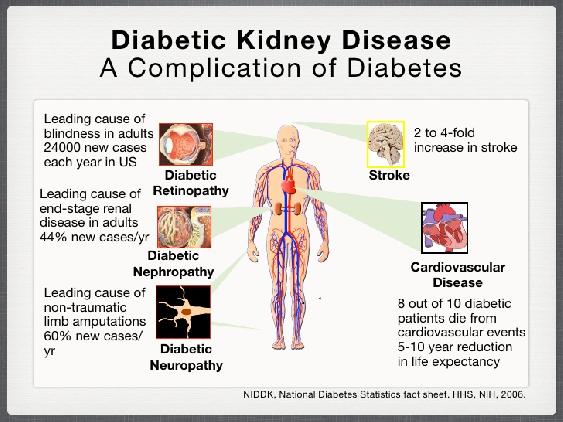
People with diabetes have too much sugar in their blood. If the disease isn’t controlled, they can wind up with heart disease, nerve damage, kidney problems, eye damage and other serious health problems.
The new report combines data from the CDC, the Agency for Healthcare Research and Quality, the Indian Health Service and the Census Bureau. Here’s a numerical look at what they reveal about diabetes in America.
30.3 million – The number of people in the U.S. who had diabetes in 2015.
That’s right. The metabolic condition is about as American as you can get, according to a new national report card on diabetes released Tuesday by the Centers for Disease Control and Prevention.
There are 2 types of Diabetes:
Type 1 diabetes was previously called insulin-dependent mellitus (IDDM) or juvenile-onset diabetes. This type of diabetes happens when the immune system ends up destroying beta cells in the body that come from our pancreas and they are the only cells in the human body that make the hormone INSULIN the regulates your glucose. Insulin allows glucose to transfer into the cells and tissues of our body to give them their energy to do their job in the body and nutrition to work properly=sugar-glucose. To live with this diabetes the person must have their insulin delivered by injection or a pump. This form of diabetes usually occurs in children or young adults but can occur at any age.
Type 2 diabetes was called non-insulin dependent diabetes mellitus (NIDDM) or adult-onset diabetes. In adults, type 2 diabetes accounts for about 90-95% of all diagnosed cases of diabetes. It usually begins as insulin resistance, a disease in which the cells do not use insulin properly due to the pancreas not making enough or the pancreas not secreting the correct form o of insulin to do its function. Ending line the insulin isn’t working properly. As the need for insulin rises, the pancreas gradually loses its ability to produce it.
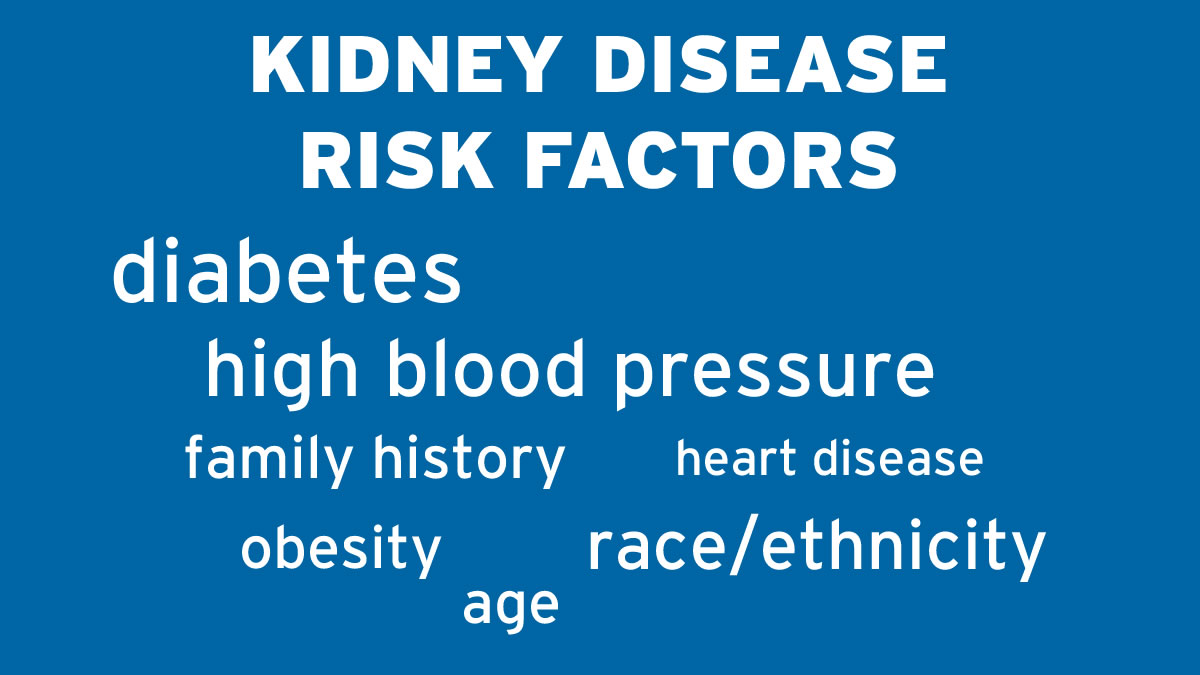
Type 2 diabetes is associated with older age, OBESITY, family history of diabetes, history of gestational diabetes, impaired glucose metabolism, physical inactivity and race/ethnicity.
Gestational diabetes is a form of glucose intolerance diagnosed during pregnancy. Gestational diabetes occurs more frequently among African Americans, Hispanic/Latino Americans, and American Indians. It is also more common among obese women and women with a family history of diabetes. During pregnancy, gestational diabetes requires treatment to optimize maternal blood glucose levels to lessen the risk of complications in the infant.
Diabetes and Kidney Disease:
If you have diabetes, your blood glucose, or blood sugar, levels are too high. Over time, this can damage your kidneys. Your kidneys clean your blood. If they are damaged, waste and fluids build up in your blood instead of leaving your body.
Kidney damage from diabetes is called diabetic nephropathy. It begins long before you have symptoms. People with diabetes should get regular screenings for kidney disease. Tests include a urine test to detect protein in your urine and a blood test to show how well your kidneys are working.
If the damage continues, your kidneys could fail. In fact, diabetes is the most common cause of kidney failure in the United States. People with kidney failure need either dialysis or a kidney transplant.
You can slow down kidney damage or keep it from getting worse. Controlling your blood sugar and blood pressure, taking your medicines and not eating too much protein can help with keeping your weight within normal limits.