Archives

QUOTE FOR THURSDAY:

“Like all mammals, human mothers are blessed with the ability to produce and feed their babies milk. Breast milk has always held great cultural significance; the ancient Greeks believed that the Milky Way galaxy was formed by a swirl of the goddess Hera’s breastmilk (and that the breastmilk of a goddess could make a mortal invincible). We recognize National Breastfeeding Month every August.

Though the debate about whether or not to breastfeed is very old, the health benefits cannot be denied. According to the World Health Organization, universal breastfeeding could save about 820,000 infant lives each year.”

National Today (nationaltoday.com)

QUOTE FOR WEDNESDAY:

“Adults need to keep their vaccinations up to date because immunity from childhood vaccines can wear off over time. You are also at risk for different diseases as an adult. Vaccination is one of the most convenient and safest preventive care measures available.”.

Centers for Disease Control and Prevention CDC

QUOTE FOR THURSDAY:

“GBS is a transient bacteria which means that a woman could test negative, but be colonized later in pregnancy and vice versa.  GBS is a leading cause of sepsis and meningitis in newborns according to the U.S Centers for Disease Control and Prevention (CDC).  About 1 in 4 pregnant women “carry” or are “colonized” with group B strep.”.

Group B Strep International (www.groupbstrepinternational.org)

QUOTE FOR TUESDAY:

“Treatment may include dietary modifications such as adjusting the timing and size of meals, consuming more liquid-based meals, or avoiding foods that are more difficult to digest (such as fatty foods, or foods with too much fiber). ”

GARD Genetic and Rare Diseases Center

QUOTE FOR MONDAY:

“Gastroparesis, which means partial paralysis of the stomach, is a disease in which the stomach cannot empty itself of food in a normal way. If you have this condition, damaged nerves and muscles don’t function with their normal strength and coordination — slowing the movement of contents through your digestive system.

This is a common condition in people who have had diabetes for a long time, but it may also occur in other situations. :”

Cleveland Clinic

QUOTE FOR THE WEEKEND:

“There’s a reason your gallbladder sits so close to your liver, your body’s largest internal organ. Think of your liver as a factory. And your gallbladder as a warehouse next door. Your liver makes a powerful digestive juice called bile.  Bile helps break down the food you eat.  The gallbladder plays a key role in digesting food and getting energy from it.  Bile’s most important role is breaking down fats.  Your bile travels down your cystic duct into your small intestine. Then another branch of ductwork, called the pancreatic duct, joins the channel. The pancreatic duct carries enzymes from your pancreas. Think of this as 2 rivers coming together. The digestive juices from the liver and the pancreas play a clear role in digestion. So do other enzymes in the small intestine. ”

University Hospitals/The Science of Health


QUOTE FOR FRIDAY:

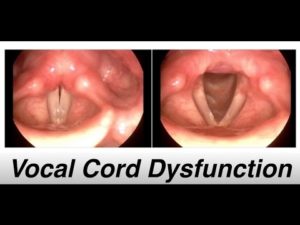
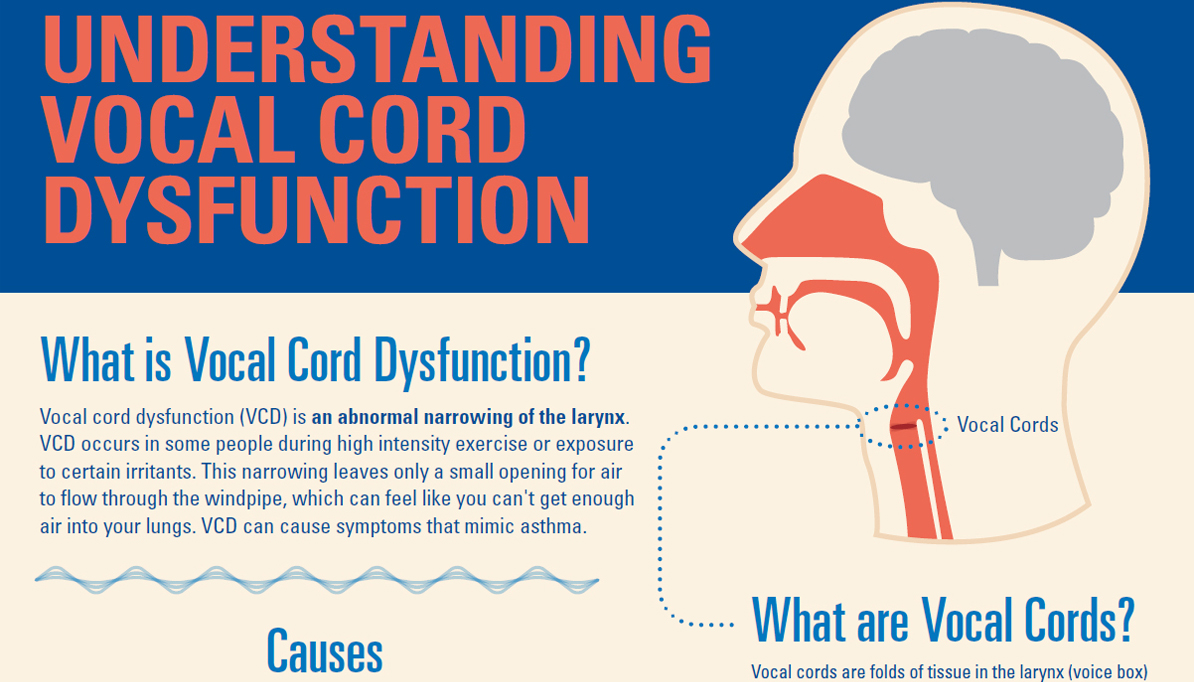
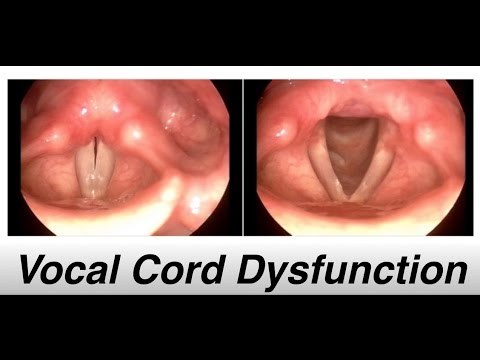
“Vocal cord dysfunction is the abnormal closing of the vocal cords when you breathe in or out. It’s also called laryngeal dysfunction, paradoxical vocal cord movement disorder or paradoxical vocal fold motion. Like asthma, vocal cord dysfunction can be triggered by breathing in lung irritants, having an upper respiratory infection or exercising. However, unlike asthma, vocal cord dysfunction isn’t an immune system reaction and doesn’t involve the lower airways.”

MAYO CLINIC

Vocal Cord Dysfunction or Pardoxical Vocal Fold Motion (PVFM)

Symptoms of vocal damage include. Breathiness, huskiness, hoarseness, loss of vocal power, monotone, sore or tense throat, losing the voice, pitch breaks and easy vocal fatigue.

Vocal cord dysfunction or paradoxical vocal fold motion (PVFM) is an episodic condition that results when vocal cord movement is dysfunctional. We open our vocal cords when we breathe, and we close them when we speak, sing, swallow or lift heavy items. Vocal cord dysfunction describes what is occurring when our vocal cords close when we intended them to open to breathe. This incorrect vocal cord motion causes an abnormal narrowing of the voice box. The voice box narrowing leaves only a small opening for air to flow through the vocal cords, which can result in a sensation of difficulty moving air into or out of the lungs.

People who suffer PVFM episodes often have a very sensitive or reactive airway. Common triggers include:

  • Acid reflux
  • Exercise
  • Postnasal drip or allergy to airborne particles
  • Strong emotion
  • Voice overuse
  • Cough or fumes

Vocal cord dysfunction is sometimes misdiagnosed as asthma because the symptoms and triggers for PVFM and asthma can be similar. The difference between PVFM and asthma is that if you have asthma, medicines that open your breathing tubes (bronchodilators such as albuterol) will improve your breathing. If you have PVFM alone, the bronchodilator will likely not work.

To make it even more confusing, you may have both PVFM and asthma co-occurring.

What are the symptoms of vocal cord dysfunction?

  • Throat or chest tightness
  • Noisy inhalation
  • Difficulty getting air “in”
  • Feeling of throat closing
  • Feeling of being “strangled”
  • Intermittent shortness of breath
  • Chronic cough
  • Voice change/Inability to speak

Vocal Cord Dysfunction Treatment

Treatment for vocal cord dysfunction is often nonmedicinal and involves respiratory retraining therapy with a qualified speech-language pathologist. Therapy generally requires two to six 60-minute sessions. These sessions aim to:

  • Identify and eliminate sources of chronic throat irritation.
  • Identify and control triggers for PVFM episodes.
  • Provide an exercise program to give patients better control over breathing, reduce the discomfort and fear that comes with being short of breath, and lessen PVFM episode frequency and duration.
  • Include feedback to help the individual learn to relax the throat and keep the vocal cords apart when breathing.
QUOTE FOR THURSDAY:

“Functional diseases are those in which the GI tract looks normal when examined, but doesn’t move properly. They are the most common problems affecting the GI tract (including the colon and rectum).”.

Cleveland Clinic

QUOTE FOR WEDNESDAY:

Digestive Diseases. The digestive system made up of the gastrointestinal tract (GI), liver, pancreas, and gallbladder helps the body digest food. Digestion is important for breaking down food into nutrients, which your body uses for energy, growth, and cell repair. Some digestive diseases and conditions are acute, lasting only a short time, while others are chronic, or long-lasting.”

NIH National Institute of Diabetes, Digestive and Kidney Diseases