Acute lower respiratory infections are a leading cause of sickness and mortality both in children and adults worldwide. Unfortunately, acute lower respiratory infections are not uniformly defined and this may hamper a true appreciation of their epidemiological importance. From an epidemiological point of view, the definition of acute lower respiratory infections usually includes acute bronchitis and bronchiolitis, influenza and pneumonia.
Lower respiratory tract infection (LRTI), while often used as a synonym for pneumonia, can also be applied to other types of infection including lung abscess and acute bronchitis. Symptoms include shortness of breath, weakness, fever, coughing and fatigue.
There are a number of symptoms that are characteristic of lower respiratory tract infections. The two most common are bronchitis and edema
Acute bronchitis can be defined as an acute illness that occurs in a patient without chronic lung disease. Symptoms include cough (productive or otherwise) and other symptoms or clinical signs that suggest lower respiratory tract infection with no alternative explanation (e.g. sinusitis or asthma).
Bronchiolitis is the most common lower respiratory tract infection and the most common cause of admission to hospital in the first 12 months of life.
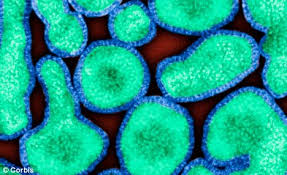
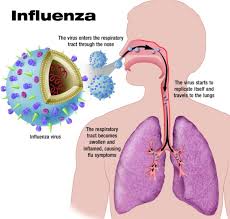
Influenza affects both the upper and lower respiratory tracts.
Antibiotics are the first line treatment for pneumonia; however, they are not effective or indicated for parasitic or viral infections. Acute bronchitis typically resolves on its own with time.
“Stay away from me! I don’t want to get sick, too.” Most of us have had to utter those words to a family member, friend, or colleague who was sneezing or coughing incessantly. But how do we know how great the chances of catching someone’s cold or other illness really are? A medical review published in the New England Journal of Medicine tells us when to exercise concern over eight respiratory tract infections.
Illness
(Infectious agent)
|
How it gets transmitted
|
Places of highest risk
|
Percent risk of infection
|
| Bronchiolitis
(Respiratory Syncytial Virus, RSV) |
Direct contact with ill person, large-droplets from coughs or sneezes, contact with tissues, linens, or other surfaces holding the virus |
Homes, day-care centers |
In day-care centers, 100% of exposed children become ill, previous infection somewhat lowers the risk |
| Flu
(Influenza viruses) |
Direct contact with ill person, large- and tiny-droplets from coughs or sneezes |
Homes, schools, bars, dormitories, areas with poor ventilation or recirculated air |
20%-60% from a family member, only half of those infected will have symptoms of influenza |
| The common cold
(Rhinovirus) |
Direct contact with ill person, large-droplets from coughs or sneezes, contact with tissues, linens, or other surfaces holding the virus |
Homes, dormitories |
66% from a family member |
| Tuberculosis |
Tiny-droplets from coughs or sneezes |
Homes, bars, dormitories, nursing homes, areas with poor ventilation |
25%-50% with close contact with a person with active disease, prolonged exposure is usually required |
| Upper respiratory illness
(Adenoviruses) |
Direct contact with ill person, large- and tiny-droplets from coughs or sneezes |
Camps, schools, military camps |
10% of those exposed may become ill, 40% among children, many infected individuals show no symptoms and infection leads to immunity from future infection |
| Strep throat, scarlet fever
(Group A Strep) |
Direct contact with ill person, large-droplets from coughs or sneezes |
Homes |
10% from a family member |
| Bacterial meningitis
(Neisseria meningitides) |
Direct contact with ill person, large-droplets from coughs or sneezes |
Homes, schools, camps |
2%-3% for a child whose sibling has active illness, 0.2%-0.4% for household contacts of the ill child, more than 95% of the time a second case of the disease does not follow a first. |
| Pneumococcal pneumonia
(Streptococcus pneumoniae) |
Direct contact with ill person, large-droplets from coughs or sneezes |
Day-care centers, homeless shelters, camps, prisons, nursing homes |
Generally not regarded as contagious, risk of infection depends on one’s general health |
You can do a number of things to help prevent infection:
- Avoid close contact with people who are ill with infections spread through large-droplets.
- Unless ventilation is good, avoid shared space with people who are ill with infections spread through tiny-droplets.
- Wash your hands after greeting someone with a viral infection or after handling an object held by someone infected with Bronchiolitis or a cold.
- Encourage children to wash their hands. Kids are more likely than adults to spread infection within a family.