
Archives

QUOTE FOR THE WEEKEND:

“Eating disorders can occur in people of any age, sex, race and of all body weights, shapes and sizes. The physical, mental and emotional symptoms vary from person to person and by type of eating disorders. Treatment may combine cognitive therapy, medication and other therapies.”

Cleveland Clinic

QUOTE FOR FRIDAY:

“Eating is a complicated part of life. It’s affected by all sorts of things like our genes, the way we were raised, our mental health, imagery in the media, biological changes, and injuries even. This is why we see so many different types of eating disorders!”

Breathe life healing centers (https://breathelifehealingcenters.com)

QUOTE FOR THURSDAY:

“Although the term eating is in the name, eating disorders are about more than food. They’re complex mental health conditions that often require the intervention of medical and psychological experts to alter their course.

These disorders are described in the American Psychiatric Association’s Diagnostic and Statistical Manual of Mental Disorders, fifth edition (DSM-5).

In the United States alone, an estimated 20 million women and 10 million men have or have had an eating disorder at some point in their life (1).”.

healthline.com

QUOTE FOR WEDNESDAY:

“Tinnitus is when you experience ringing or other noises in one or both of your ears. The noise you hear when you have tinnitus isn’t caused by an external sound, and other people usually can’t hear it. Tinnitus is a common problem. It affects about 15% to 20% of people, and is especially common in older adults. For many people, tinnitus improves with treatment of the underlying cause or with other treatments that reduce or mask the noise, making tinnitus less noticeable.”

MAYO CLINIC

QUOTE FOR TUESDAY:

“Why do we observe American Heart Month every February? Well, every year more than 600,000 Americans die from heart disease. The number one cause of deaths for most groups, heart disease affects all ages, genders, and ethnicities. Risk factors include high cholesterol, high blood pressure, smoking, diabetes, and excessive alcohol use. Do you know how to keep your heart healthy? You can take an active role in reducing your risk for heart disease.”.

National Today (nationaltoday.com)

QUOTE FOR MONDAY:

“Any heart attack can be fatal. But one particular kind has earned notoriety and a scary-sounding nickname because it is especially dangerous. A widowmaker is an informal term for a heart attack that involves 100 percent blockage in the left anterior descending (LAD) artery”.

Stanley Chetcuti, M.D., an interventional cardiologist at the University of Michigan Frankel Cardiovascular Center.

The month for Heart Month but care for it yearly! What is a “Widow Maker”?

If you have been reading regularly on this blog than you know this past month has been dedicated everywhere for the health topic “HEART MONTH”.

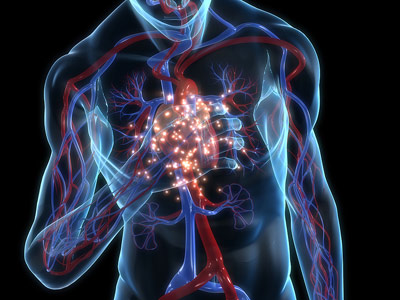
What is a “widow maker”?  Well for starters, this is the deadliest heart attack.  The symptoms you need to know to possibly prevent the results of this widow maker.  It occurs when there is a complete blockage of the left artery feeding the heart with blood.  This causes a cut off of oxygen supply  to one of the large parts of the heart muscle, which can cause it to stop beating, causing you to die.

A heart attack is when one of the coronary arteries becomes blocked.

The heart muscle is then robbed of vital oxygenated blood, which if left untreated, can cause the heart muscle to begin to die.

A heart attack is a life-threatening emergency.

A widow maker heart attack is caused when the LAD artery becomes blocked.

It occurs when there’s a complete blockage of the left anterior descending (LAD) artery, one of two main arteries that brings OXYGENATED blood to the heart=FOOD TO THE HEART MUSCLE (O2).

When it is blocked due to a build up of plaque it is most often deadly, hence the name “widow maker”.  How to we get plaque build up?

Cholesterol plaques can be the cause of heart disease. Plaques begin in artery walls and grow over years. The growth of cholesterol!  The plaques slowly blocks blood flow in the arteries. Worse, a cholesterol plaque can suddenly rupture. The sudden blood clot that forms over the rupture then causes a heart attack or stroke.

Blocked arteries caused by plaque buildup and blood clots are the leading cause of death in the U.S. Reducing cholesterol and other risk factors can help prevent cholesterol plaques from forming. Occasionally, it can even reverse some plaque buildup.

Symptoms:

A widow maker heart attack has the same symptoms as any other heart attack.

They can be difficult to spot for sure, because they can vary from person to person.

The most common signs include:

  • chest pain, tightness, heaviness, pain or a burning feeling in your chest
  • pain in the arms, neck, jaw, back or stomach
  • for some people the pain and tightness will be severe, while for others it will just feel uncomfortable
  • sweating
  • feeling light-headed
  • becoming short of breath
  • feeling nauseous or vomiting

How is a heart attack treated?

The first port of call for treatment, is for doctors to treat the blocked artery.

There are two main procedures used to open up the blocked blood vessel.

The first, a primary percutaneous coronary intervention (PPCI) is an emergency coronary angioplasty.

It opens the blockage and helps restore blood supply to the heart.

The second treatment, is thrombosis, also known as a “clot buster”.

It involves injecting a drug into the vein to dissolve the blood clot and restore blood supply to the heart that way.  In some cases this procedure can be performed in the ambulance.

While these treatments are common, in some cases they will not be right for the patient and so they won’t be performed.  The MD Cardiologist will know the right Rx.
QUOTE FOR THIS WEEKEND:

“Heart disease is the leading cause of death for men and women in the US. Prevention includes quitting smoking, lowering cholesterol, controlling high blood pressure, maintaining a healthy weight, and exercising. About 1 in 5 adults get enough exercise to remain healthy. The simplest way to get moving and improve your heart health is to start walking. It’s free, easy and can be done just about anywhere, even in place.”

Regional Medical Center (https://www.regmedctr.org)

QUOTE FOR FRIDAY:

“It’s February – American Heart Month – a time when the nation spotlights heart disease, the No. 1 killer of Americans. President Lyndon B. Johnson, among the millions of people in the country who’d had heart attacks, issued the first proclamation in 1964. Since then, U.S. presidents have annually declared February American Heart Month. The first Friday of American Heart Month, Feb. 5, is also National Wear Red Day as part of the AHA’s Go Red for Women initiative.

This year, the federally designated event is even more important due to the impact of the coronavirus on the public’s heart health, including potential harmful effects on the heart and vascular system, according to recent research.

Also, during the COVID-19 pandemic, many people have delayed or avoided going to hospitals for heart attacks and strokes – netting poorer outcomes and prompting the AHA to create “Don’t Die of Doubt,” a national awareness campaign that reminds people that hospitals are the safest place to go when you have symptoms.”

QUOTE FOR THURSDAY:

“Surgery is a last-resort treatment for BPPV and is reserved for people with disabling symptoms which do not respond to any other form of treatment. Surgery is rarely performed on patients with BPPV and surgical techniques only exist for the posterior semicircular canal. In the rare cases where surgery is performed, one option involves selectively dividing the nerve to the posterior semi-circular canal, so that the signals from the canal do not travel to the brain to produce symptoms. This procedure is not common as it is a difficult technique.  Another surgical method involves mechanically blocking the posterior semicircular canal and is often very successful if utilized in well-selected patients. It is more commonly performed than the aforementioned operation.”

Ear Nose Throat Specialist Sydney – ENT Clinic