Archives

QUOTE FOR THURSDAY:

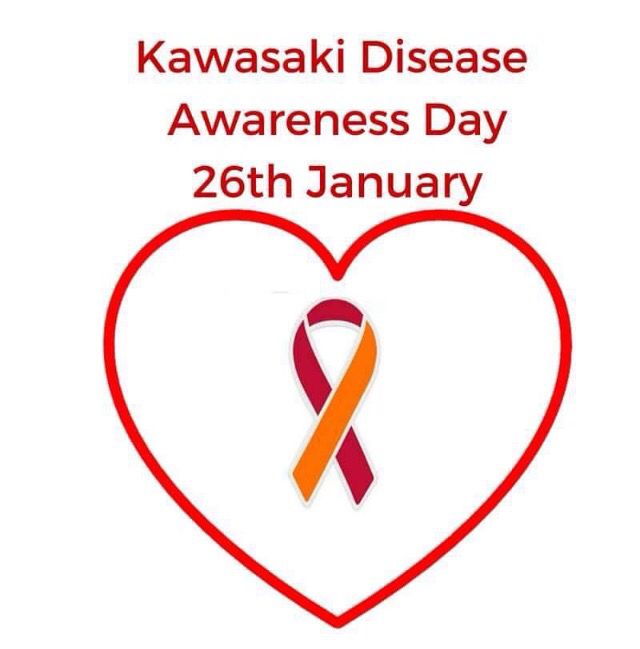
“In 2011, the Kawasaki Disease Foundation declared January 26 the first National Kawasaki Disease Awareness Day in the United States, and they presented the resolution before the 111th Congress, 2nd Session.  The Kawasaki Disease Foundation chose this date because, on January 26, 1961, Dr. Tomisaku Kawasaki of Japan had his “aha” moment when he saw his second patient with the telltale signs of what would later be named Kawasaki disease (KD). KD is the leading cause of acquired heart disease in U.S. children, but with effective treatment, only a small percentage of KD patients have lasting coronary artery damage.”.

Kawasaki Foundation (https://kdfoundation.org/kd101/)


National Kawasaki Disease Day

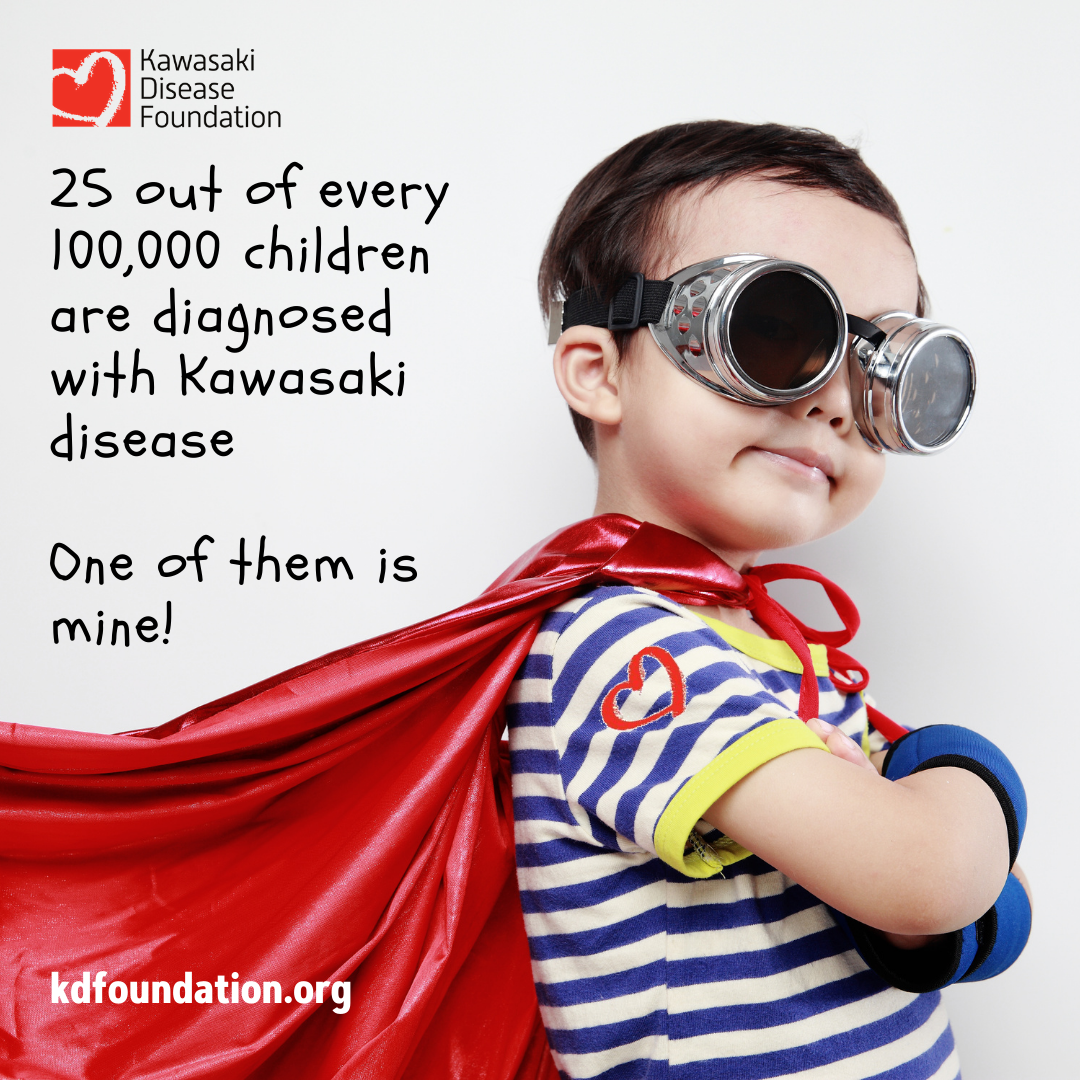
Kawasaki disease (KD), also known as Kawasaki syndrome, is a severe illness characterized by inflammation of blood vessels throughout the body that primarily affects young children and infants. Kawasaki disease is the leading cause of acquired heart disease in children. Although about 80 percent of patients are under five years of age, older children and teenagers can also get KD, but this is uncommon. KD is more common in boys than girls, and the majority of cases are diagnosed in the winter and early spring. KD is not contagious.

The disease is named after Tomisaku Kawasaki, a Japanese pediatrician who first described the illness in the medical literature in 1967. Although it is more prevalent among children of Asian and Pacific Island descent, KD affects people of all racial and ethnic groups.

It is estimated that more than 4,200 children are diagnosed with Kawasaki Disease in the U.S. each year. The cause of KD is unknown, although an agent, like a virus, is suspected. There is no currently accepted scientific evidence that KD is caused by carpet cleaning or chemical exposure.

There is no specific test for KD; doctors make a clinical diagnosis based on a collection of symptoms and physical findings.

Symptoms

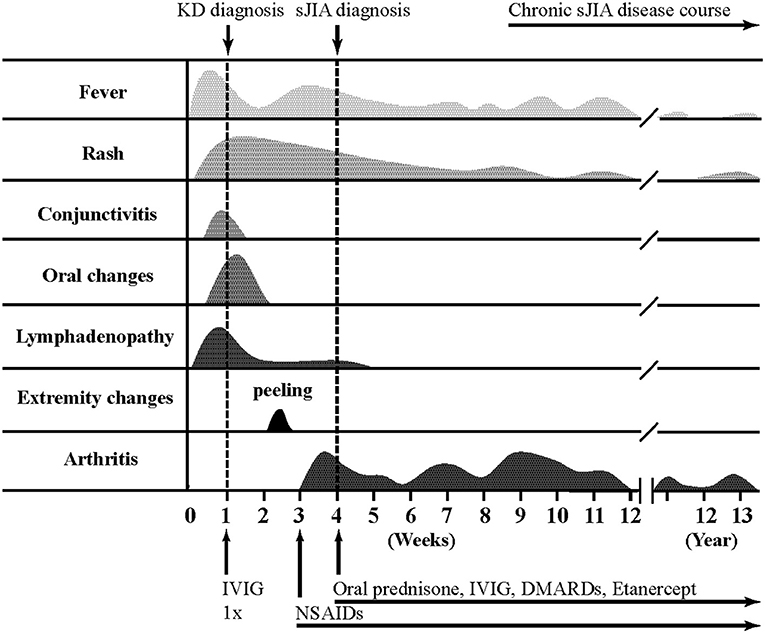
Kawasaki disease symptoms usually appear in three phases. Early symptoms of KD include:

Phase 1

  • A fever that is often higher than 102.2 F (39 C) and lasts at least five days
  • Bloodshot eyes (conjunctivitis) without a thick discharge
  • A rash on the main part of the body (trunk) and/or in the genital area
  • Red, dry, cracked lips and an extremely red, swollen tongue (strawberry tongue)
  • Swollen, red skin on the palms of the hands and the soles of the feet
  • Swollen lymph nodes in the neck

Phase 2

In the second phase of the disease, the symptoms may include:

  • Peeling of the skin on the hands and feet, especially the tips of the fingers and toes
  • Joint pain
  • Diarrhea
  • Vomiting
  • Abdominal pain

Phase 3

In the third phase of the disease, signs and symptoms will slowly fade away unless complications develop. Patients experiencing Kawasaki disease may experience tiredness, irritability and low energy for as long as eight weeks post the initial diagnosis.

Treatment and Complications

To reduce the risk of coronary artery complications, treatment for KD shall be started within ten days of the onset of symptoms. Most KD patients will recover from KD without any lasting heart damage; however, without treatment, about 25% of KD patients will develop abnormalities of the coronary arteries. Treatment for KD may include:

  • Gamma globulin (to lower the risk of coronary artery problems)
  • Aspirin (to treat inflammation, decrease pain and joint inflammation, as well as reduce the fever)

Kawasaki treatment is a rare exception to the rule against aspirin use in children but only when given under the supervision of your child’s doctor. Children who develop coronary artery abnormalities may be required to continue taking aspirin for six weeks or longer to prevent clotting. Taking aspirin has been linked to Reye’s Syndrome, a rare but potentially life-threatening condition that can affect the blood, liver, and brain of children and teenagers after a viral infection. Children who develop chickenpox or the flu during aspirin treatment may be required to stop taking aspirin.

QUOTE FOR WEDNESDAY:

” An estimated 300,000 children in the U.S. — that’s 1 in 250 kids — are affected by some form of JA. This disease takes a unique physical and emotional toll on kids, often resulting in debilitating pain and feelings of loneliness or depression. JA can make it especially challenging for kids to say Yes — Yes to playing, Yes to hanging out with friends, Yes to spending time with family, Yes to being a kid!”

Arthritis Foundation  (http://blog.arthritis.org/juvenile-arthritis/)


Types of Juvenile Arthritis

JIA

JIA

JIA3

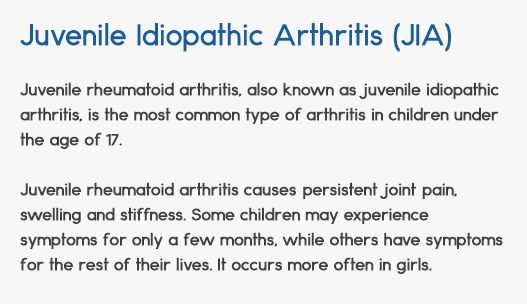
Juvenile arthritis (JA) is not a disease in itself. Also known as pediatric rheumatic disease, JA is an umbrella term used to describe the many autoimmune and inflammatory conditions or pediatric rheumatic diseases that can develop in children under the age of 16. Juvenile arthritis affects nearly 300,000 children in the United States.

Although the various types of juvenile arthritis share many common symptoms, like pain, joint swelling, redness and warmth, each type of JA is distinct and has its own special concerns and symptoms

Types of Juvenile Arthritis

  • Juvenile idiopathic arthritis (JIA). Considered the most common form of arthritis, JIA includes six subtypes: oligoarthritis, polyarthritis, systemic, enthesitis-related, juvenile psoriatic arthritis or undifferentiated.
  • Juvenile dermatomyositis. An inflammatory disease, juvenile dermatomyositis causes muscle weakness and a skin rash on the eyelids and knuckles. 
  • Juvenile lupus. Lupus is an autoimmune disease. The most common form is systemic lupus erythematosus, or SLE. Lupus can affect the joints, skin, kidneys, blood and other areas of the body. 
  • Juvenile scleroderma. Scleroderma, which literally means “hard skin,” describes a group of conditions that causes the skin to tighten and harden.
  • Kawasaki disease. This disease causes blood-vessel inflammation that can lead to heart complications. 
  • Mixed connective tissue disease. This disease may include features of arthritis, lupus dermatomyositis and scleroderma, and is associated with very high levels of a particular antinuclear antibody called anti-RNP. 
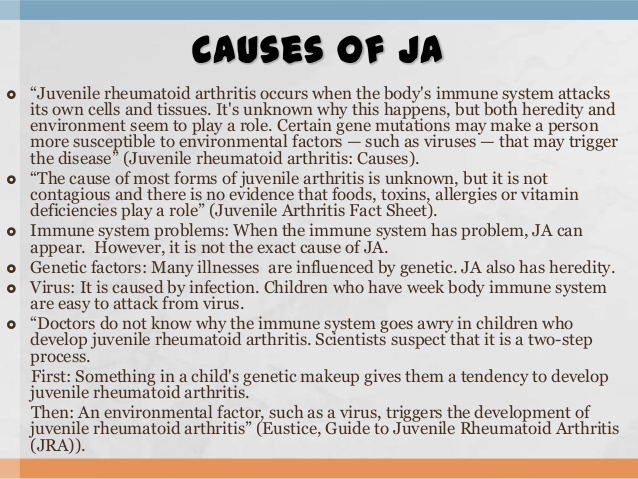
  • Fibromyalgia. This chronic pain syndrome is an arthritis-related condition, which can cause stiffness and aching, along with fatigue, disrupted sleep and other symptoms. More common in girls, fibromyalgia is seldom diagnosed before puberty. No known cause has been pinpointed for most forms of juvenile arthritis, nor is there evidence to suggest that toxins, foods or allergies cause children to develop JA. Some research points toward a genetic predisposition to juvenile arthritis, which means the combination of genes a child receives from his or her parents may cause the onset of JA when triggered by other factors.pain or stiffness when moving joints Swelling in the jointsUnfortunately it is not a simple one or two tests to diagnose. The diagnostic process can be long and detailed. There is no single blood test that confirms any type of JA. In children, the key to diagnosis is a careful physical exam, along with a thorough medical history.

How Juvenile Arthritis is diagnosed:

  • In the morning or after resting Warm or tender joints Limited range of motion (your child’s ability to move his or her joints)
  • Juvenile Arthritis symptoms:
  • Causes of these arthritis illnesses:

What is Juvenile Arthritis Treatment?

Unfortunately, there is no cure for juvenile arthritis, although with early diagnosis and aggressive treatment, remission is possible. The goal of treatment is to relieve inflammation, control pain and improve the child’s quality of life. Most treatment plans involve a combination of medication, physical activity, eye care and healthy eating.

Juvenile Arthritis Self Care

An important part of JA treatment is teaching the child the importance of how to follow the treatment prescribed by the healthcare team. Self care also involves helping the child address the emotional and social effects of the disease. Self management encompasses the choices made each day to live well and stay healthy and happy.

QUOTE FOR TUESDAY:

“1. Don’t Forget to Drink Water – One of the best things you can do for your health is to drink optimal amounts of water every day. Water plays a big part and it can keep you healthy during the winter.
2. Avoid Stress Situations – Studies have linked high stress levels to making a person more susceptible to catching colds and flu. Try to minimize your stress by working reasonable hours at your job and use your free time to rest and relax alone or with friends and family. Develop healthy habits and avoid stress!
3. Eat Healthy – Eat food which is rich with vitamin C. It will help you keep your immune system strong and healthy during the winter. Try to include more fruit and veggies such as lemons, kiwifruit, capsicum and broccoli in your everyday meals.
4. Sleep Well – The average person needs 6-8 hours of sleep per night. If you’re not getting enough sleep, your body is extremely vulnerable to illness. Sleep is very much like fuel that recharges your batteries!”

PREMIER MEDICAL GROUP (https://www.premiermedicalhv.com/news/7-steps-to-a-healthy-winter-season/)

Keeping healthy this winter season in preventing weight gain!

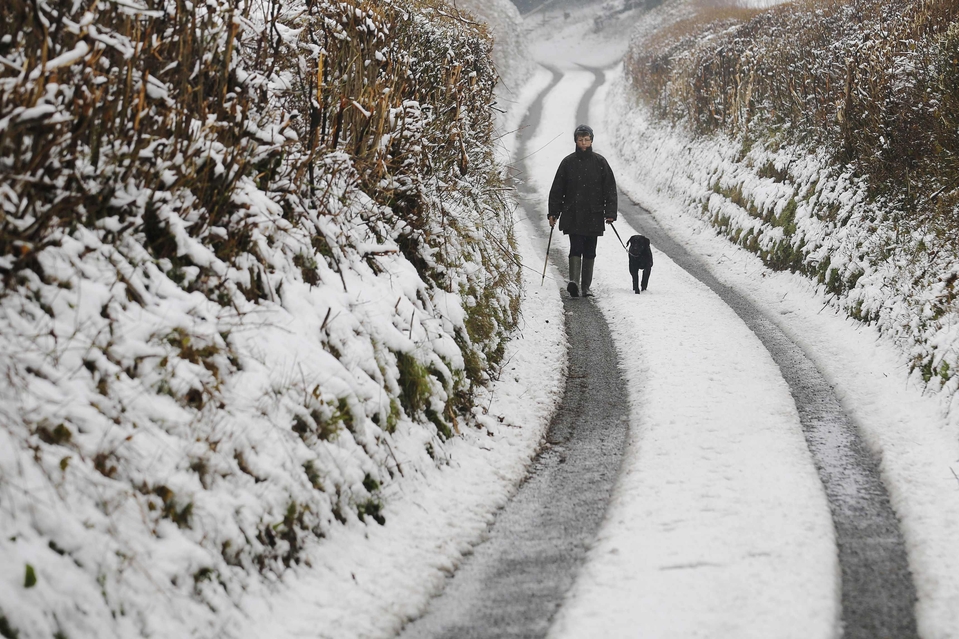
A woman walks her dog along a lane after a snowfall in Elham, south east England February 11, 2013. REUTERS/Luke MacGregor (BRITAIN - Tags: ENVIRONMENT SOCIETY ANIMALS)

A woman walks her dog along a lane after a snowfall in Elham, south east England February 11, 2013. REUTERS/Luke MacGregor (BRITAIN – Tags: ENVIRONMENT SOCIETY ANIMALS)

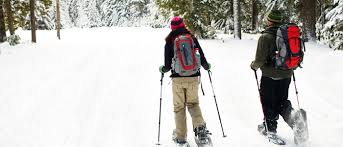
preparingforthewinterpartiic

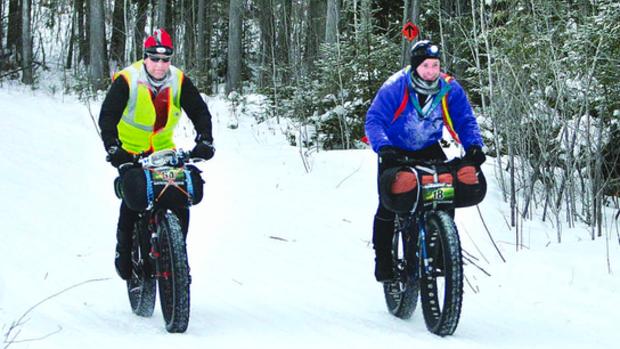
ARROWHEAD0125c2 -- Duluth Todd McFadden (left) and an unidentified competitor ride side by side during the 2012 Arrowhead 135 ultramarathon. Todd McFadden photo

ARROWHEAD0125c2 — Duluth Todd McFadden (left) and an unidentified competitor ride side by side during the 2012 Arrowhead 135 ultramarathon. Todd McFadden photo

So what’s the solution?

For starters here are four simple ways to avoid winter weight gain:

  1. Stock up your kitchen cupboards

Keep your store cupboard stocked with staples such as cans of tomatoes, spices, beans and pulses, dried wholewheat pasta, wholewheat cereals, noodles, couscous and dried fruit. Keep some extra bread in the freezer if there’s space. That way, you’ll be able to create a quick and nutritious evening meal, such as a lentil or vegetable soup or stew, at short notice. You’ll save money and avoid the temptation to order a high-calorie takeaway.

  1. Exercise more

When the outside temperature drops, it’s easy to give up on outdoor exercise. In winter, we stop doing calorie-burning outdoor activities like short walks and gardening. But reducing the amount of physical activity you do is one of the biggest contributors to winter weight gain.

Cold weather and shorter days don’t mean you have to abandon exercise completely. Instead, rearrange your schedule to fit in what you can. You don’t need formal exercise to burn calories.

A brisk walk can be revitalising after being indoors with the central heating on, and it’ll also help boost your circulation. Put on some warm clothes and jog around the neighbourhood or start a snowball fight with the kids. Most leisure centres have heated swimming pools and indoor tennis and badminton courts. If you’d rather stay at home, buy some dance or workout DVDs, and always walk up the stairs at work rather than using the lift. “These little things can make all the difference when it comes to avoiding that pound of weight gain over winter,” says Porter.

  1. Drink smart

It’s important to consume hot drinks throughout winter as it will help you keep warm. However, some hot beverages are high in calories. Milky, syrupy coffee shop drinks and hot chocolate with whipped cream can add a lot of calories to your diet. A Starbucks medium caffe mocha, for instance, contains more than 360 calories. Stick to regular coffee or tea, or ask for your drink to be “skinny” (made with skimmed milk). Also, limit your alcohol intake as much as possible.

  1. Get your winter greens

Eating a wide variety of foods ensures you get a range of nutrients, including vitamins and minerals. Don’t get stuck eating the same food every day.

Look out for root vegetables, such as swedes, parsnips and turnips, and winter veggies such as cauliflower, Brussels sprouts, kale and artichokes. They’re filling as well as nutritious so will help you to resist a second helping of trifle.

Other ways you can create a winter wellness plan that works for you:

  1. Bring out the crock pot! Emphasis slow cooked, warm, moist meals this season.
  2. Soups are a perfect match for the cold, dry days.
  3. We gravitate toward richer foods in the winter for good reason — we need to stay warm, lubricated and healthy.  Allow yourself to indulge in high quality dairy, nuts and seeds, dried fruits, organic meats, and healthy fats — you can feel satisfied without jumping on the sugar train.
  4. With the increase in heavier foods, be sure to increase spices and foods that help keep digestion lively. Many of these foods and spices have the added benefit of boosting your immune system because they are antibacterial. Try adding dark leafy greens, berries, garlic, onions, ginger, cumin, oregano, and cinnamon to your recipes whenever you can.
  5. Pay attention if your skin feels tighter these days; you may need to switch to a hardier natural moisturizer like cocoa butter.
  6. Use humidifiers to keep the air you are breathing moist.
  7. If you use a neti pot to help keep your sinuses clear,  swab your inner noise with a q-tip dabbed in coconut oil or olive oil when you are done to be sure you don’t over dry that area.
  8. Be proactive about preventing ear infections.  Warm up garlic oil (sold in natural health food stores) to body temperature and put a dropper full into each ear canal.
  9. We breathe a lot more indoor air in the winter, so be especially careful to keep it clean and free of toxins. Rotate an air purifier into different rooms.
  10. Let indoor green plants help keep your air clean and fresh.
  11. Diffuse essential oils to increase the negative ion count in your air (shown to help mitigate the effects of seasonal affective disorder).
  12. Prioritize sleep and follow the sun’s lead. As the days get shorter, shift your sleep routine toward going to bed earlier and to allow your body more hours to rest and repair.
  13. Keep physically active during the winter to bolster mental health and physical immunity.
  14. If you are a walker or runner, invest in a set of cold weather workout clothes so your can keep up your routine as the temperature dips.
  15. Shift to indoor activities : yoga, stretching, dance, toning and aerobics can all be done via a DVD in your living room.
  16. Join a gym or group workout class to keep connected and accountable to getting your workout in.
  17. Get social! Stay connected to others, even as your activities shift more and more indoors. Join a moms’ group or book club that meets regularly.
  18. Replace outdoor kid’s outings with indoor ones, like book time at the library or trips to the museum.
  19. Strengthen your body’s defenses by keeping your gut healthy.  Consume foods that have natural probiotics (like yogurt, kefir, miso soup, cultured vegetables, sauerkraut), or take a high quality supplement.
  20. If you take fish oil supplements, shift to cod liver oil supplements for the winter. These have the added benefit of vitamin A and D (great for months when our access to vitamin D producing sunshine is limited).
  21. Finally, make a Feel Good menu specifically for winter. Take a moment to brainstorm all the things you can do in winter that you enjoy, that feel indulgent, and that make you happy. Keep this list posted and draw from it to make your days more special and when you need a little extra pampering

A better diet, a little more exercise – healthy living is easy if you take it one tip at a time.  ALWAYS check with your doctor before making changes in your diet, exercise and any other activities of your daily living to prevent any injuries.  Prevention to accidents or injury are always are part of prevention and going to the doctor always help to make change for any changes we make in our lives especially with diseases we might be dealing with.
QUOTE FOR MONDAY:

“Is your car ready for winter travel? It’s not too late to winterize your car. Check out these car care tips to prepare you for winter driving:

  • Check your tires and replace with all-weather or snow tires, if necessary.
  • Keep your gas tank full to prevent ice from getting in the tank and fuel lines.
  • Use a wintertime fluid in your windshield washer.
  • Make an emergency kit to keep in your car. Include water, snacks, first-aid kit, blankets, flashlight, extra batteries, portable cell phone charger, and emergency flares.

Follow these tips to keep your home safe and warm:

  • Check your heating systems.
  • Clean out chimneys and fireplaces.
  • Closely monitor any burning fires or candles.
  • Check your carbon monoxide and smoke detectors.
  • Remove ice and snow from walkways to prevent slips and falls.
  • Keep an emergency kit in your home that includes flashlights, extra batteries, a first-aid kit, extra medicine, and baby items.
  • If you lose power, your kit should also include food and water for three days for each family member, warm clothing if you have to evacuate, and toys and games for children.”

Community Health of Central Washington (https://www.chcw.org/8-winter-safety-tips/)

QUOTE FOR THE WEEKEND:

“January is National Winter Sports TBI Awareness Month. Harsh winter days offer thrill-seekers a playground of opportunity to participate in extreme sports, such as snowboarding, skiing, heli-skiing, and snowmobiling. The high velocity, living on the edge sense of adventure makes these sports appealing. There are physical risks associated with such activities, injuries, especially concussions and other traumatic brain injuries (TBI). Sports and recreational activities contribute to about 21% of all traumatic brain injuries among American children and adolescents.”

DOC Direct Orthopedic Care (https://www.directorthocare.com/january-national-winter-sports-traumatic-brain-injury-tbi-awareness-month/)

QUOTE FOR FRIDAY:

“You can’t see, smell or taste radon, but it could be present at a dangerous level in your home. Radon is the leading cause of lung cancer deaths among nonsmokers in America and claims the lives of about 21,000 Americans each year. In fact, the EPA and the U.S. Surgeon General urge all Americans to protect their health by testing their homes, schools and other buildings for radon.

Exposure to radon is a preventable health risk and testing radon levels in your home can help prevent unnecessary exposure. If a high radon level is detected in your home, you can take steps to fix the problem to protect yourself and your family.”

EPA United States Environmental Protection Agency

QUOTE FOR THURSDAY:

“About 1 out of 100 Americans ages 12 years and older have hyperthyroidism.  Hyperthyroidism is more common in women and people older than 60.  You are more likely to have hyperthyroidism if you have a family history of thyroid disease, have other health problems like pernicious anemia or Type 1 or 2 diabetes, primary adrenal insufficiency, eating large amounts of food with iodine, uses iodine products and pregnant in the last 6 months.”

National Institute of Diabetes and Digestive and Kidney Disease (https://www.niddk.nih.gov/health-information/endocrine-diseases/hyperthyroidism#common)