Archives

Suicide in America


Suicide is a major public health problem and a leading cause of death in the United States. The effects of suicide go beyond the person who acts to take his or her life: it can have a lasting effect on family, friends, and communities. This fact sheet, developed by the National Institute of Mental Health (NIMH), can help you, a friend, or a family member learn about the signs and symptoms, risk factors and warning signs, and ongoing research about suicide and suicide prevention.

What Is Suicide?

Suicide is when people direct violence at themselves with the intent to end their lives, and they die because of their actions. It’s best to avoid the use of terms like “committing suicide” or a “successful suicide” when referring to a death by suicide as these terms often carry negative connotations.

A suicide attempt is when people harm themselves with the intent to end their lives, but they do not die because of their actions.

Who Is at Risk for Suicide?

Suicide does not discriminate. People of all genders, ages, and ethnicities can be at risk.

The main risk factors for suicide are:

  • A prior suicide attempt
  • Depression and other mental health disorders
  • Substance abuse disorder
  • Family history of a mental health or substance abuse disorder
  • Family history of suicide
  • Family violence, including physical or sexual abuse
  • Having guns or other firearms in the home
  • Being in prison or jail
  • Being exposed to others’ suicidal behavior, such as a family member, peer, or media figure
  • Medical illness
  • Being between the ages of 15 and 24 years or over age 60

Even among people who have risk factors for suicide, most do not attempt suicide. It remains difficult to predict who will act on suicidal thoughts.

Are certain groups of people at higher risk than others?

According to the Centers for Disease Control and Prevention (CDC), men are more likely to die by suicide than women, but women are more likely to attempt suicide. Men are more likely to use more lethal methods, such as firearms or suffocation. Women are more likely than men to attempt suicide by poisoning.

Also per the CDC, certain demographic subgroups are at higher risk. For example, American Indian and Alaska Native youth and middle-aged persons have the highest rate of suicide, followed by non-Hispanic White middle-aged and older adult males. African Americans have the lowest suicide rate, while Hispanics have the second lowest rate. The exception to this is younger children. African American children under the age of 12 have a higher rate of suicide than White children. While younger preteens and teens have a lower rate of suicide than older adolescents, there has been a significant rise in the suicide rate among youth ages 10 to 14. Suicide ranks as the second leading cause of death for this age group, accounting for 425 deaths per year and surpassing the death rate for traffic accidents, which is the most common cause of death for young people.

Why do some people become suicidal while others with similar risk factors do not?

Most people who have the risk factors for suicide will not kill themselves. However, the risk for suicidal behavior is complex. Research suggests that people who attempt suicide may react to events, think, and make decisions differently than those who do not attempt suicide. These differences happen more often if a person also has a disorder such as depression, substance abuse, anxiety, borderline personality disorder, and psychosis. Risk factors are important to keep in mind; however, someone who has warning signs of suicide may be in more danger and require immediate attention.

What Are the Warning Signs of Suicide?

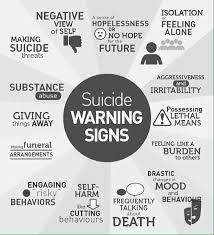
The behaviors listed below may be signs that someone is thinking about suicide.

  • Talking about wanting to die or wanting to kill themselves
  • Talking about feeling empty, hopeless, or having no reason to live
  • Planning or looking for a way to kill themselves, such as searching online, stockpiling pills, or newly acquiring potentially lethal items (e.g., firearms, ropes)
  • Talking about great guilt or shame
  • Talking about feeling trapped or feeling that there are no solutions
  • Feeling unbearable pain, both physical or emotional
  • Talking about being a burden to others
  • Using alcohol or drugs more often
  • Acting anxious or agitated
  • Withdrawing from family and friends
  • Changing eating and/or sleeping habits
  • Showing rage or talking about seeking revenge
  • Taking risks that could lead to death, such as reckless driving
  • Talking or thinking about death often
  • Displaying extreme mood swings, suddenly changing from very sad to very calm or happy
  • Giving away important possessions
  • Saying goodbye to friends and family
  • Putting affairs in order, making a will

Do People Threaten Suicide to Get Attention?

Suicidal thoughts or actions are a sign of extreme distress and an alert that someone needs help. Any warning sign or symptom of suicide should not be ignored. All talk of suicide should be taken seriously and requires attention. Threatening to die by suicide is not a normal response to stress and should not be taken lightly.

If You Ask Someone About Suicide, Does It Put the Idea Into Their Head?

Asking someone about suicide is not harmful. There is a common myth that asking someone about suicide can put the idea into their head. This is not true. Several studies examining this concern have demonstrated that asking people about suicidal thoughts and behavior does not induce or increase such thoughts and experiences. In fact, asking someone directly, “Are you thinking of killing yourself,” can be the best way to identify someone at risk for suicide.

What Should I Do if I Am in Crisis or Someone I Know Is Considering Suicide?

If you or someone you know has warning signs or symptoms of suicide, particularly if there is a change in the behavior or a new behavior, get help as soon as possible.

Often, family and friends are the first to recognize the warning signs of suicide and can take the first step toward helping an at-risk individual find treatment with someone who specializes in diagnosing and treating mental health conditions. If someone is telling you that they are going to kill themselves, do not leave them alone. Do not promise anyone that you will keep their suicidal thoughts a secret. Make sure to tell a trusted friend or family member, or if you are a student, an adult with whom you feel comfortable. You can also contact the resources noted below.

Leading Cause of Death in the United States (2016)
Data Courtesy of CDC
Select Age Groups
Rank 10-14 15-24 25-34 35-44 45-54 55-64 All Ages
1 Unintentional
Injury
847
Unintentional
Injury
13,895
Unintentional
Injury
23,984
Unintentional
Injury
20,975
Malignant
Neoplasms
41,291
Malignant
Neoplasms
116,364
Heart
Disease
635,260
2 Suicide
436
Suicide
5,723
Suicide
7,366
Malignant
Neoplasms
10,903
Heart
Disease
34,027
Heart
Disease
78,610
Malignant
Neoplasms
598,038
3 Malignant
Neoplasms
431
Homicide
5,172
Homicide
5,376
Heart
Disease
10,477
Unintentional
Injury
23,377
Unintentional
Injury
21,860
Unintentional
Injury
161,374
4 Homicide
147
Malignant
Neoplasms
1,431
Malignant
Neoplasms
3,791
Suicide
7,030
Suicide
8,437
      CLRD
17,810

QUOTE FOR TUESDAY:

“A 12 lead EKG is a painless and noninvasive test that measures your heart’s electrical efficiency as it beats. As one of the fastest informational or diagnostic heart tests available, EKG testing can usually be completed in just five minutes.  To conduct an EKG test, our team attaches up to 12 small, flat, sticky patches called electrodes at various points on your chest, arms, and legs. The electrodes are connected to a monitor that registers your heart’s electrical activity over the course of the exam.Their is another device called telemetry monitoring that can be done in the hospital or even at home through what we call a holter monitor.  Both telemetry monitoring or holter monitoring are done with a 5 leads or electrodes on the upper chest (R and L side), mid chest (just under nipple line close to where the heart lies) and 2 more leads or electrodes just below the rib cage (on the R and L side). This holter device can be done for a couple of days and returned to the MD’s office.  An EKG or holter monitor test results that tell us whether electrical waves pass through your heart at a normal rate, faster than normal, slower than normal, or in an irregular pattern. Results that are fast, slow, or irregular, may be a sign that your heart is weak or overworked, or that it has some kind of structural (size or shape) abnormality.”

ECCA (https://eccacardiologists.com/2020/03/03/what-an-ekg-test-can-tell-your-doctor-about-your-heart/)

QUOTE FOR FRIDAY:

“The diagnosis of lymphoplasmacytic lymphoma/Waldenstrom macroglobulinemia is usually challenging due to the lack of specific morphologic, immunophenotypic, or chromosomal changes. This lack makes the differentiation of this disease entity from other small B cell lymphomas based on exclusion. Symptoms can be classified into two categories: neoplasmic organ involvement and IgM paraprotein-related symptoms. Patients may present with B-related symptoms such as fever, night sweats, weight loss. Because of the frequent involvement of bone marrow, most lymphoplasmacytic lymphoma patients present with weakness and/or fatigue related to anemia. Some patients may present with the involvement of spleen, liver, and other extranodal sites, including skin, stomach, and bowel. As a rule, the diagnosis of lymphoplasmacytic lymphoma should be considered in elderly individuals with unexplained weakness, bleeding, neurological deficits, neuropathies, and visual difficulties.”

National Library of Medicine (https://www.ncbi.nlm.nih.gov/books/NBK513356/)

QUOTE FOR THURSDAY:

Waldenstrom macroglobulinemia (WM, Lymphoplasmacytic lymphoma) is a rare slow-growing cancer that affects your blood cells. WM happens when genetic mutations change certain blood cells. Providers can’t cure this condition, but they do have treatments that ease and sometime eliminate its symptoms.

MAYO CLINIC

QUOTE WEDNESDAY:

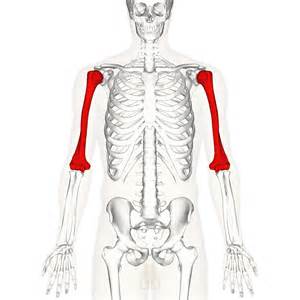
“The funny bone is actually a nerve that runs along the outside of your elbow. It is called the ulnar nerve. When it bangs or rubs up against your humerus, one of the bones in your upper arms, it creates the strange burning or tingling sensation from which it gets its name.
Why does this feel different than other bumps and bruises? Most of the time when you get an injury, the nerves near the damaged area send pain signals to your brain letting you know that something is wrong. Your body tries to get you to stop the painful activity or to remove yourself from a dangerous situation. However, when a nerve is stimulated directly, the actual nerve is irritated, causing a different type of pain.
Nerve pain feels more like electricity, burning, stinging, or tingling.”

Why would anyone call this bone the funny bone; especially if it was fractured?

Updated the article on 4/25/22 by Elizabeth Lynch RN

In human anatomy, the ulnar nerve is a nerve that runs near the ulna bone. The ulnar collateral ligament of elbow joint is in relation with the ulnar nerve. The nerve is the largest unprotected nerve in the human body (meaning unprotected by muscle or bone), so injury is common. This nerve is directly connected to the little finger, and the adjacent half of the ring finger, innervating the palmar side of these fingers, including both front and back of the tips, perhaps as far back as the fingernail beds.

This nerve can cause an electric shock-like sensation by striking the medial epicondyle of the humerus from posteriorly, or inferiorly with the elbow flexed. The ulnar nerve is trapped between the bone and the overlying skin at this point. This is commonly referred to as bumping one’s “funny bone“. This name is thought to be a pun, based on the sound resemblance between the name of the bone of the upper arm, the “humerus” and the word “humorous”.  Alternatively, according to the Oxford English Dictionary it may refer to “the peculiar sensation experienced when it is struck”.

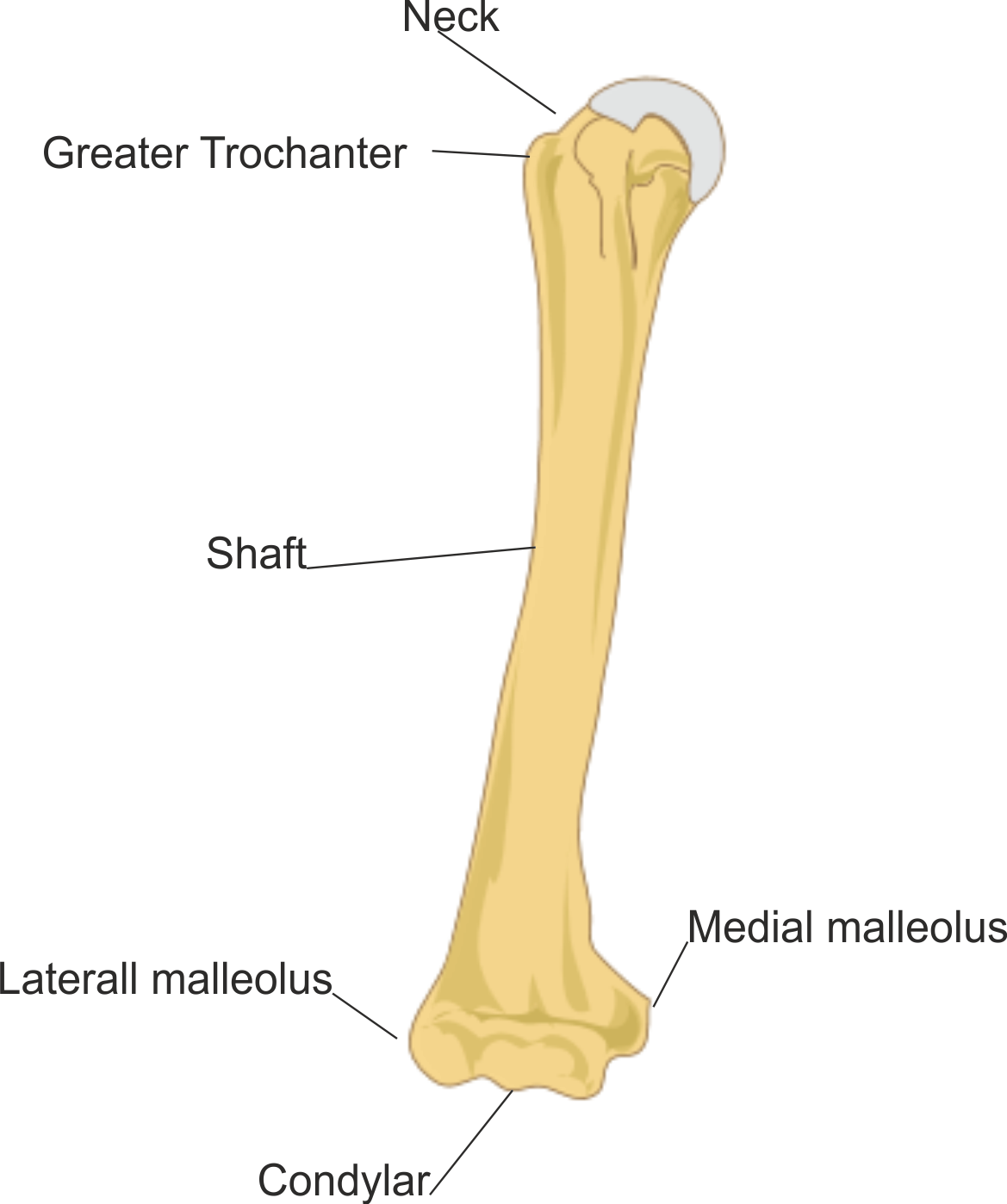
A distal humerus fracture is a break in the lower end of the upper arm bone (humerus), one of the three bones that come together to form the elbow joint. A fracture in this area can be very painful and make elbow motion difficult or impossible.

Most distal humerus fractures are caused by some type of high-energy event—such as receiving a direct blow to the elbow during a car collision. In an older person who has weaker bones, however, even a minor fall may be enough to cause a fracture.

Your elbow is a joint made up of three bones:

  • The humerus (upper arm bone)
  • The radius (forearm bone on the thumb side)
  • The ulna (forearm bone on the pinky side)

The elbow joint bends and straightens like a hinge. It is also important for rotation of the forearm; that is, the ability to turn your hand palm up (like accepting change from a cashier) or palm down (like typing or playing the piano).

A distal humerus fracture occurs when there is a break anywhere within the distal region (lower end) of the humerus. The bone can crack just slightly or break into many pieces (comminuted fracture). The broken pieces of bone may line up straight or may be far out of place (displaced fracture).

In some cases, the bone breaks in such a way that bone fragments stick out through the skin or a wound penetrates down to the bone. This is called an open fracture. Open fractures are particularly serious because, once the skin is broken, infection in both the wound and the bone is more likely to occur. Immediate treatment is required to prevent infection.

Distal humerus fractures are uncommon; they account for just about 2 percent of all adult fractures. They can occur on their own, with no other injuries, but can also be a part of a more complex elbow injury.

Causes:

Obviously falls, but different ways.  Falls can be major or minor falls.

One is a direct fall on the elbow, the arm extended out and hits against something even when falling and trying to break the fall.

Also a direct blow to the area like from a MVA with the elbow hitting the dash board or even hit by a baseball bat or an item like it whether accidentally or done intentionally.

Falling on an outstretched arm with the elbow held tightly to brace against the fall. In this situation, the triceps muscle, which attaches to the olecranon, can pull a piece of the bone off of the ulna. Injuries to the ligaments around the elbow may occur with this type of injury, as well.

Fracture of the elbow is due to:

  • Falling directly on the elbow
  • Receiving a direct blow to the elbow from something hard, like a baseball bat, or a dashboard or car door during a vehicle collision.
  • Falling on an outstretched arm with the elbow held tightly to brace against the fall. In this situation, the triceps muscle, which attaches to the olecranon, can pull a piece of the bone off of the ulna. Injuries to the ligaments around the elbow may occur with this type of injury, as well.

The signs and symptoms of a fracture usually include:

Signs and Symptoms for a any distal humerus fracture or any fracture may be very painful and can prevent you from moving your elbow or area fractured.

  • Swelling due to blood running to the area.  RX:  This is the logic of putting ice to the area for 24-48 hrs intermittently to cause vasoconstriction of blood to the area to decrease the swelling; helping this would be raise the fracture limb above the heart causing blood by gravity back to the heart which furthers decrease the swelling.
  • Intense pain and not able to move the elbow at all.
  • Bruising caused by old blood in the area (think of just twisting your wrist or elbow or ankle and you know you see bruising well expect it with fractures).
  • Tenderness to the touch due to the bone broken.
  • Stiffness due to the swelling and injury being painful.
  • A feeling of instability in the joint, as if your elbow is going to “pop out” due to simply the bone is broken.  Just like a beam broken holding a part of a house up and due to the brake that area of the home starts falling.

Prognosis for most arm fractures is very good if treated early.

Complications may include:

  • Uneven growth. Because a child’s arm bones are still growing, a fracture in a growth plate — the area where growth occurs near each end of a long bone — can interfere with that bone’s normal growth.
  • Osteoarthritis. Fractures that extend into a joint can cause arthritis there years later.
  • Stiffness. The immobilization required to heal a fracture in the upper arm bone can sometimes result in painfully limited range of motion of the elbow or shoulder.
  • Bone infection. If any part of your broken bone protrudes through your skin, it may be exposed to germs that can cause infection. Prompt treatment of this type of fracture is critical.
  • Nerve or blood vessel injury. If the upper arm bone (humerus) fractures into two or more pieces, the jagged ends may injure nearby nerves and blood vessels. Seek immediate medical attention if you notice any numbness or circulation problems.
  • Compartment syndrome. Excessive swelling of the injured arm can cut off the blood supply to part of the arm, causing pain and numbness. Typically occurring 24 to 48 hours after the injury, compartment syndrome is a medical emergency that requires surgery. It can also be caused by a too-tight cast.

Treatment:

Treatment for fractures are simply splints to casts and in complex fractures and penetrating fractures (bone going through the skin) would be surgery.

Treatment for a distal humerus fracture usually involves surgery to restore the normal anatomy and motion of the elbow.


QUOTE FOR TUESDAY:

“”Smoking and use of any tobacco product including e-cigarettes, cigars, smokeless tobacco or other nicotine containing product cause or worsen numerous diseases and conditions. Smoking is the number one cause of preventable disease and death worldwide. Smoking-related illness in the U.S. costs more than $600 billion a year, including over $241 billion in direct medical care for adults and $184 billion in lost productivity.”

American Lung Association (https://www.lung.org/quit-smoking/smoking-facts/health-effects)


Part 2 Smoking? Why don’t you just drink poison. What is does to our body!

Know when the lungs get effected in time the heart gets effected. One Affects the other in time. The heart can’t live without the lungs and viCE versa.

Now knowing just this you’ll understand why smoking alone can cause the following conditions, Through the Centers for Disease Control and Prevention. They state the following:

Smoking and Increased Health Risks

Compared with nonsmokers, smoking is estimated to increase the risk of—

  • Coronary heart disease by 2 to 4 times, (causing atherosclerosis=thickening of the vessels or due to arteriosclerosis=hardening of the arteries and remember smoking causes vasoconstriction of the vessels = increase pressure in the vessels = high B/P.
  • Stroke by 2 to 4 times(Due to causingthe above problems listed under coronary heart disease.)
  • Men developing lung cancer by 23 times,
  • Women developing lung cancer by 13 times(cancers due to constant irritation of the tissues) , and
  • Dying from chronic obstructive lung diseases (such as chronic bronchitis and emphysema) by 12 to 13 times.( Explained at the top)

Smoking and Cardiovascular Disease

  • Smoking causes coronary heart disease, the leading cause of death in the United States.
  • Cigarette smoking causes reduced circulation by narrowing the blood vessels (arteries) and puts smokers at risk of developing peripheral vascular disease (i.e., obstruction of the large arteries in the arms and legs that can cause a range of problems from pain to tissue loss or gangrene) This pain to gangrene to amputation is due to lack of oxygenated blood getting to the tissue caused by the vasoconstriction the cigarette smoking caused.
  • Smoking causes abdominal aortic aneurysm (i.e., a swelling or weakening of the main artery of the body—the aorta—where it runs through the abdomen). An aneurysm with constant vasoconstriction (increases pressure) puts the aneurysm at risk for rupture because the aneurysm area isn’t as strong as the other vessels=Rupture of the aortic aneurysm

Smoking and Respiratory Disease

  • Smoking causes lung cancer.
  • Smoking causes lung diseases (e.g., emphysema, bronchitis, chronic airway obstruction) by damaging the airways and alveoli (i.e., small air sacs) of the lungs.

Smoking and Cancer

Smoking causes the following cancers: (in alphabetical order)

  • Acute myeloid leukemia
  • Bladder cancer
  • Cancer of the cervix
  • Cancer of the esophagus
  • Kidney cancer
  • Cancer of the larynx (voice box)
  • Lung cancer
  • Cancer of the oral cavity (mouth)
  • Pancreatic cancer
  • Cancer of the pharynx (throat)
  • Stomach cancer

Smoking and Other Health Effects:

Smoking has many adverse reproductive and early childhood effects, including increased risk for—

  • Infertility
  • Preterm delivery
  • Stillbirth
  • Low birth weight
  • Sudden infant death syndrome (SIDS).1,2,9Smoking is associated with the following adverse health effects:1
  • Postmenopausal women who smoke have lower bone density than women who never smoked.
  • Women who smoke have an increased risk for hip fracture than women who never smoked.

References

  1. U.S. Department of Health and Human Services. The Health Consequences of Smoking: A Report of the Surgeon General. Atlanta: U.S. Department of Health and Human Services, Centers for Disease Control and Prevention, National Center for Chronic Disease Prevention and Health Promotion, Office on Smoking and Health, 2004 [accessed 2013 June 28].
  2. U.S. Department of Health and Human Services. How Tobacco Smoke Causes Disease: What It Means to You. Atlanta: U.S. Department of Health and Human Services, Centers for Disease Control and Prevention, National Center for Chronic Disease Prevention and Health Promotion, Office on Smoking and Health, 2010 [accessed 2013 June 28].
  3. Centers for Disease Control and Prevention. Annual Smoking-Attributable Mortality, Years of Potential Life Lost, and Productivity Losses—United States, 2000–2004. Morbidity and Mortality Weekly Report 2008;57(45):1226–8 [accessed 2013 June 28].
  4. Centers for Disease Control and Prevention. QuickStats: Number of Deaths from 10 Leading Causes–National Vital Statistics System, United States, 2010. Morbidity and Mortality Weekly Report 2013:62(08);155. [accessed 2013 June 28].
  5. Mokdad AH, Marks JS, Stroup DF, Gerberding JL. Actual Causes of Death in the United States. JAMA: Journal of the American Medical Association 2004;291(10):1238–45 [cited 2013 June 28].
  6. U.S. Department of Health and Human Services. Reducing the Health Consequences of Smoking: 25 Years of Progress. A Report of the Surgeon General. Rockville (MD): U.S. Department of Health and Human Services, Public Health Service, Centers for Disease Control, National Center for Chronic Disease Prevention and Health Promotion, Office on Smoking and Health, 1989 [accessed 2013 June 28].
  7. Ockene IS, Miller NH. Cigarette Smoking, Cardiovascular Disease, and Stroke: A Statement for Healthcare Professionals from the American Heart Association. Circulation 1997;96(9):3243–7 [accessed 2013 June 28].
  8. Institute of Medicine. Secondhand Smoke Exposure and Cardiovascular Effects: Making Sense of the Evidence.   [PDF–707 KB] Washington: National Academy of Sciences, Institute of Medicine, 2009 [accessed 2013 June 28].
  9. U.S. Department of Health and Human Services. Women and Smoking: A Report of the Surgeon General. Rockville (MD): U.S. Department of Health and Human Services, Public Health Service, Office of the Surgeon General, 2001 [accessed 2013 June 28].

GET IT NOw? Please say yes. Smoking rots for your body not just in the lungs but everywhere. How do you make a complete turn-around? Look at your health in regards to what your goal is out of life. Do you want to live longer and most importantly HEALTHIER? When healthier in mind and body you are able to do more with your life in activities of daily living and more than that, so QUIT. If you want to sit most of your life with continuing to smoke but if not you must stop smoking now unless you have a unusual discipline in your way of living that allows you to have a about 6 cigarettes to 1 pack a YEAR, not daily. It is recommended you stop completely but if it actually has to be a part of your life than do it in moderation or less.  If you’re able to do that your definitely not addicted to the bad habit physically, if anything addicted to it mentally. That would still make your life healthier as to smoking frequently every day. Know you take the risk of increasing your quantity in time so I recommend Quit.

Various lifestyle factors have been associated with increasing the risk of stroke. These include lack of exercise, alcohol, diet, obesity, smoking, drug use, and stress. Guidelines endorsed by the Centers for Disease Control and Prevention and the National Institutes of Health recommend that Americans should exercise for at least 30 minutes of moderately intense physical activity on most, and preferably all, days of the week. Recent epidemiologic studies have shown a U-shaped curve for alcohol consumption and coronary heart disease mortality, with low-to-moderate alcohol consumption associated with lower overall mortality. High daily dietary intake of fat is associated with obesity and may act as an independent risk factor or may affect other stroke risk factors such as hypertension, diabetes, hyperlipidemia, and cardiac disease. Homocysteine is another important dietary component associated with stroke risk, while other dietary stroke risk factors are thought to be mediated through the daily intake of several vitamins and antioxidants. Smoking, especially current smoking, is a crucial and extremely modifiable independent determinant of stroke. Despite the obstacles to the modification of lifestyle factors, health professionals should be encouraged to continue to identify such factors and help improve our ability to prevent stroke, decrease cancers caused by smoking, decrease coronary artery disease, and obesity.   Learn healthy habits or healthier habits, broaden your knowledge on the 4 food groups in what is lean or leaner or leanest with each group, increase your activity 30 minutes a day and learn what a healthy diet actually is through Dr. Wayne Scott Anderson’s book “Dr. A’s habits of health” and even if you need to lose weight we can show you the way to do it healthy. It’s not a diet for 3 months or even 6 to a year but it is learning how to get to your body mass index in the ideal weight range for your height and you decide how low you want to go. We can show you through the book and those having more difficulty can buy our foods for 6 months or even a year or in my case I started almost a year ago and I use both their healthy foods as well as healthy foods from the store. You decide the choices, no one else. If you are interested go to my website healthyusa.tsfl.com and peek at what we offer for no prescription, no charge, no donation and no hacking. If you like what you see join me and so many others trying to get America healthier and in time decrease our population in diseases or illnesses primarily impacted by health habits, diet, and weight. Wouldn’t you and the future want to get better in mind and body to impact our health care system that includes our insurance and most importantly lives of citizens in the USA in how they live (which would be more active). It is your choice and I hope you decide to come aboard to my website healthyusa.tsfl.com and I know if I could do it so can too. It just takes discipline and the drive to want to stay healthy or get in a better state of heath. Hope I have helped someone out there in broadening your knowledge regarding how to keep or reach a healthier life.

QUOTE FOR MONDAY:

Smoking causes about 90% (or 9 out of 10) of all lung cancer deaths. More women die from lung cancer each year than from breast cancer. Smoking causes about 80% (or 8 out of 10) of all deaths from chronic obstructive pulmonary disease (COPD). Cigarette smoking increases risk for death from all causes in men and women.”

Center for Disease Control and Prevention CDC

QUOTE FOR THE WEEKEND:

“Bones support your body and allow you to move. They protect your brain, heart, and other organs from injury.

Bone is a living, growing tissue. It is made mostly of two materials: collagen (KOL-uh-juhn), a protein that provides a soft framework, and calcium (KAL-see-uhm), a mineral that adds strength and hardness. This combination makes bone strong and flexible enough to hold up under stress.

Bone releases calcium and other minerals into the body when you need them for other uses.

Think of your bones as a “bank” where you “deposit” and “withdraw” bone tissue. During your childhood and teenage years, new bone is added (or deposited) to the skeleton faster than old bone is removed (or withdrawn). As a result, your bones become larger, heavier, and denser.”

National Institute of Arthritis and Musculosketetal and Skin Disease (https://www.niams.nih.gov/health-topics/kids/healthy-bones)