

Archives

QUOTE FOR FRIDAY:

“Diabetes is a serious, long-term condition with a major impact on the lives and well-being of individuals, families, and societies worldwide. The global diabetes prevalence in 2019 is estimated to be 9.3% (463 million people), rising to 10.2% (578 million) by 2030 and 10.9% (700 million) by 2045 []. Population aging is also increasing dramatically throughout the world, especially in developing countries, creating pressures on the health system as well as social security services and policies. Nowadays, many people are familiar with type 1 or type 2 diabetes mellitus, however, there is another form of diabetes that has just recently been identified, known as type 3 diabetes (T3DM). This lesser-known type manifests as insulin resistance within the brain and has major potential to impact neurocognition and contributes to the etiology of Alzheimer’s disease [AD]. AD has already been identified as the sixth leading cause of death in the United States, and the fifth leading cause of mortality in people 65 and older.”

National Library of Medicine – NIH (https://www.ncbi.nlm.nih.gov/pmc/articles/PMC7246646/)

QUOTE FOR THURSDAY:

“From symptoms and treatment, to management and medication—arm yourself with the knowledge to live well with diabetes.  The A1C test can be used to diagnose diabetes or help you know how your treatment plan is working by giving you a picture of your average blood glucose (blood sugar) over the past two to three months.  It can identify prediabetes, which raises your risk for diabetes. It can be used to diagnose diabetes.”

American Diabetes Association (https://diabetes.org/about-diabetes)

QUOTE FOR WEDNESDAY:

“Diabetes is a chronic (long-lasting) health condition that affects how your body turns food into energy.

Your body breaks down most of the food you eat into sugar (glucose) and releases it into your bloodstream. When your blood sugar goes up, it signals your pancreas to release insulin. Insulin acts like a key to let the blood sugar into your body’s cells for use as energy.

With diabetes, your body doesn’t make enough insulin or can’t use it as well as it should or you have no insulin in the body being made. When there isn’t enough insulin or cells stop responding to insulin, too much blood sugar stays in your bloodstream. Over time, that can cause serious health problems, such as heart disease, vision loss, and kidney disease.”

Centers for Disease Control and Prevention – CDC (https://www.cdc.gov/diabetes/basics/diabetes.html)

QUOTE FOR MONDAY:

“The American Cancer Society’s estimates for pancreatic cancer in the United States for 2023 are:

  • About 64,050 people (33,130 men and 30,920 women) will be diagnosed with pancreatic cancer.
  • About 50,550 people (26,620 men and 23,930 women) will die of pancreatic cancer.

Pancreatic cancer accounts for about 3% of all cancers in the US and about 7% of all cancer deaths.

It is slightly more common in men than in women.”

American Cancer Society

(https://www.cancer.org/cancer/types/pancreatic-cancer/causes-risks-prevention/risk-factors.html)

QUOTE FOR THE WEEKEND:

“-Your left lung is smaller than your right lung, to accommodate for your heart.
-70% of waste is eliminated through your lungs just by breathing2.
-Can you live without one lung? Yes you can, it limits your physical ability but doesn’t stop you from living a relatively normal life. Many people around the world live with just one lung.
-No matter how hard we exhale, our lungs will always retain 1 litre of air in the airways. This makes the lungs only human organs that can float on water.
-Oxygen only plays a small part in our breathing. The air we breathe contains 21% oxygen, but our bodies only use 5%, the rest is exhaled.
-Children and women are faster breathers than men because their breathing rate is higher.
-Humans exhale up to 17.5 millilitres of water per hour.”

Lung Foundation Australia (https://lungfoundation.com.au/lung-health/protecting-your-lungs/how-your-lungs-work/)

QUOTE FOR FRIDAY:

“The predictive powers of a cholesterol test only go so far. If your LDL is low, your C-reactive protein may be a better sign of impending heart trouble.  The gap between knowing what’s good for you and actually doing it can be huge, especially when it comes to something like getting exercise. (Never underestimate the appeal of the sedentary life.) Many of us need a warning-some might say a bit of a kick in the pants-before we’ll change our ways and get with a heart-healthy program.”

Harvard Health Publishing/Harvard Medical School

(https://www.health.harvard.edu/heart-health/c-reactive-protein-test-to-screen-for-heart-disease)

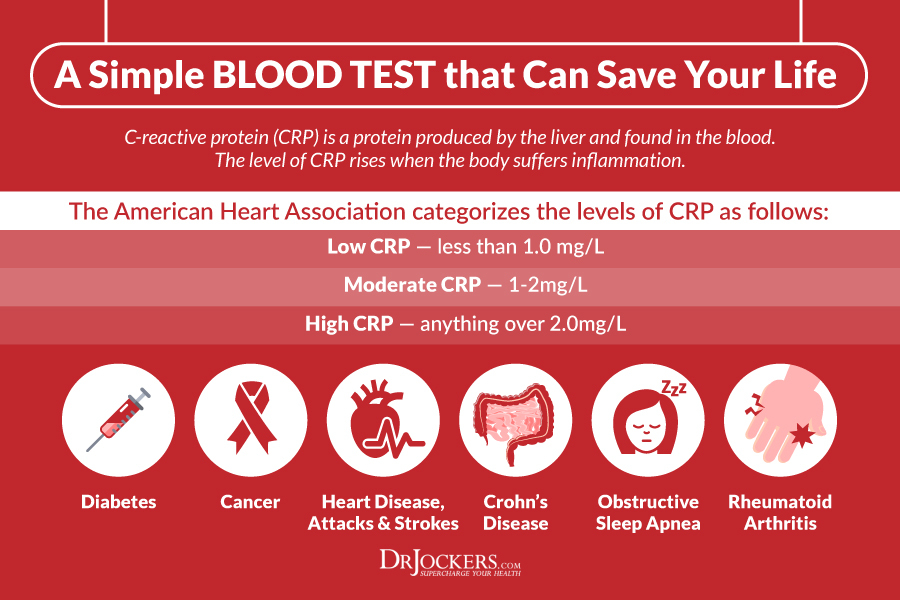
How High C-Reactive protein can risk your chance of Heart Disease!

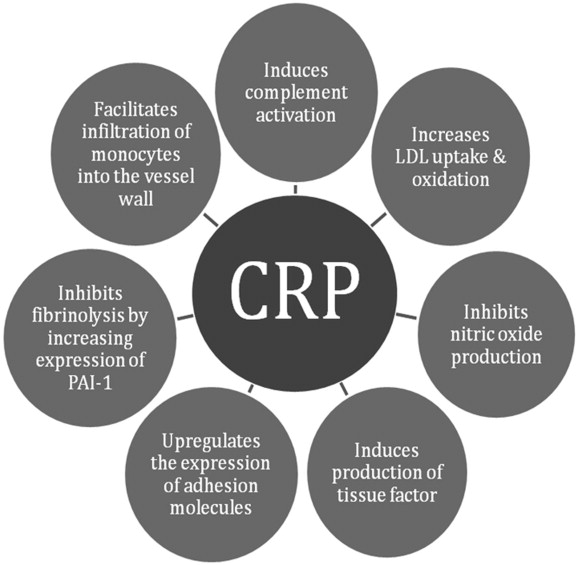
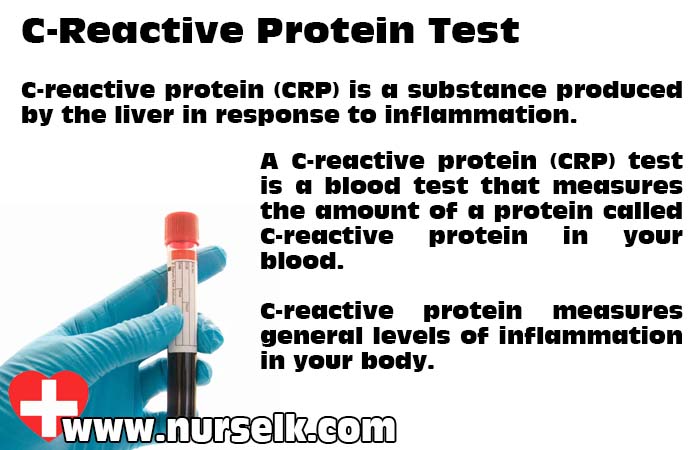
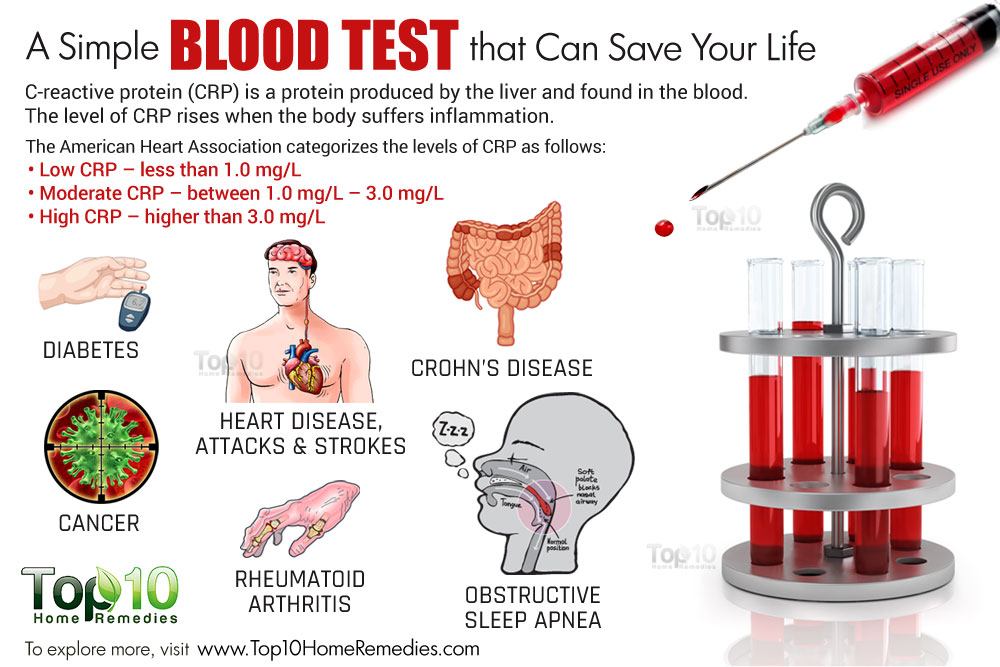
Your body produces C-reactive protein, or CRP, when something is starting to become inflamed. So if a doctor finds CRP in your blood, which he can do through a test, he’ll know there’s inflammation (or swelling) happening somewhere in your body.If your arteries are inflamed, you have a greater risk of:

  • Heart disease
  • Heart attack
  • Stroke
  • Peripheral arterial disease

C-Reactive Protein & Heart Disease Risk

CRP seems to predict the chance of having cardiovascular problems at least as well as cholesterol levels. A recent study found that elevated levels of C-reactive protein led to a three-times-greater risk of a heart attack.

They also were more likely to have a cardiac procedure, like angioplasty (a procedure that opens clogged arteries with the use of a flexible tube) or bypass surgery, than those with the lowest CRP levels.

How Is C-Reactive Protein Measured?

It’s done with a simple blood test. It can be done at the same time your cholesterol is checked.

Your chance of having heart disease is determined based on your test results:

Test Result Risk
Less than 1.0 mg Low
1.0-2.9 mg Intermediate
Greater than 3.0 mg High

It’s important to note that inflammation due to other things, like an infection, illness, or serious flare-up of arthritis, can also raise CRP levels. So before you get the CRP test, make sure to tell your doctor what other medical conditions you have.

When should I be tested for CRP?

If you’re at moderate risk for heart disease, it may help your doctor figure out if you need more intensive treatment.

Those at high risk should be treated aggressively, anyway. So CRP testing isn’t recommended for them.

The more of these risk factors you have, the higher your risk of heart disease:

  • A previous heart attack or stroke
  • A family history of heart disease
  • High total cholesterol
  • Low HDL cholesterol
  • High blood pressure
  • Being male or a post-menopausal woman
  • You smoke cigarettes
  • Uncontrolled diabetes or high blood pressure
  • You don’t exercise
  • You’re obese or overweight

What’s the Treatment for High C-Reactive Protein?

It’s important for everyone to make these lifestyle changes to reduce their chance of having heart disease. It’s especially important if your CRP level is intermediate or high:

  • Eat a heart-healthy diet.
  • Get your high cholesterol down.
  • Keep your weight where it should be.
  • Exercise regularly.
  • If you have diabetes or high blood pressure, manage it.
  • If you smoke or use tobacco in another way, quit.
  • If you drink alcohol, do so responsibly.

Taking aspirin may help protect you from heart disease if your CRP is high. By thinning your blood it makes the heart pump easier in doing its job.  This puts the heart at less risk of stressing out=lack of oxygen if stressing out=angina (chest pain).  Statins, the most commonly prescribed cholesterol-lowering drugs, may reduce your risk of heart disease if your CRP is high. Talk to your doctor about which treatments are best for you.


QUOTE FOR THURSDAY:

“It’s unreasonable to expect you to eat healthy foods 100 percent of the time, but for better health, aim to eat nutritious foods at least 80 percent of the time. That means sweets, snacks and other junk food should only be occasional treats, rather than the bulk of your diet,” says Jason Sayanlar, M.D., FACC, a cardiologist at Hackensack University Medical Center.”

Hackensack Meridian Health

(https://www.hackensackmeridianhealth.org/en/healthu/2021/11/18/worst-foods-to-eat-for-your-health)


Part II Foods bad in our diet and to avoid (on a routine basis).


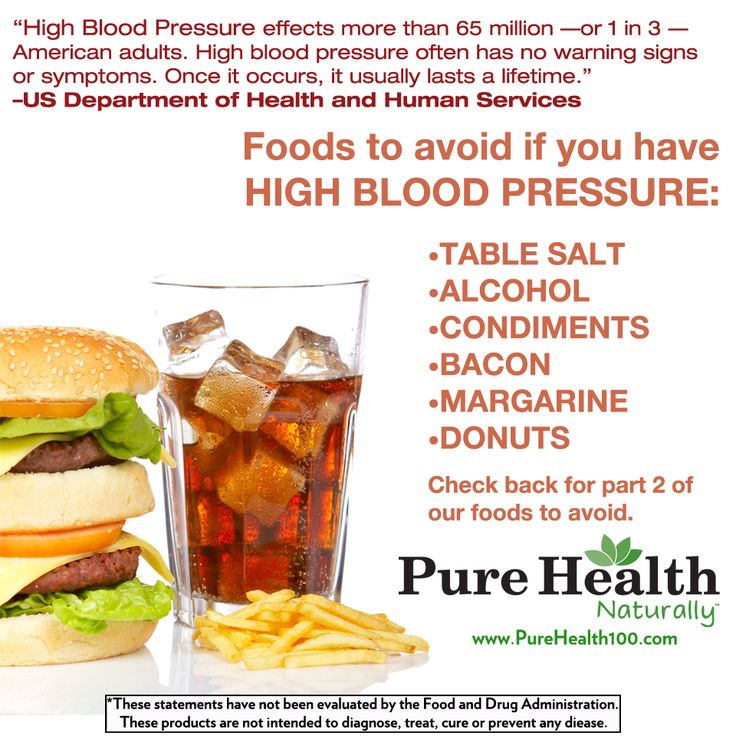
Processed Meat

Even though unprocessed meat can be healthy and nutritious, the same is NOT true for processed meats.

Studies show that people who eat processed meats have a higher risk of many serious diseases, including colon cancer, type 2 diabetes and heart disease.

Most of these studies are observational in nature, so they can not prove that the processed meat caused the diseases.

However, the statistical link is strong and consistent among studies, so I do believe there is something to it.

Alternatives: If you want to eat bacon, sausages, pepperoni and other “processed” meats, then choose wisely and try to buy them locally from sellers who don’t add a lot of unhealthy ingredients. Quality counts.

Processed Cheese

Regular cheese is healthy.

It is loaded with nutrients, and a single slice of cheese contains all the same nutrients as an entire glass of milk.

However, processed cheese products are nothing like regular cheese. They are mostly made with filler ingredients that are combined and engineered to have a similar look and texture as cheese.

Cheese is healthy, but processed cheese is not. Read labels, and make sure that the cheese you’re eating is actually cheese.

Alternatives: Eat real cheese instead.

Most Fast Food Meals

Generally speaking, “fast food” chains serve only junk foods.

The majority of the food they offer is mass-produced, highly engineered junk food with very little nutritional value.

These places are often very cheap, but keep in mind that junk food costs you twice.

For every penny you save there, chances are that it’s going to cost you many times more in the future. Poor health is expensive (obesity, diabetes, hearth disease, hypertension, most I go on).

Alternatives: Fortunately, all sorts of healthy fast food places have started to appear. Chipotle is one great example.

High-Calorie “Coffee” drinks

Coffee has been unfairly demonized.

It is actually very healthy, and loaded with antioxidants.

Studies also show that coffee drinkers have a lower risk of serious diseases, like type 2 diabetes and Parkinson’s.

Unfortunately, stuff is sometimes added to coffee that turns this wonderful beverage into harmful sludge.

If your “coffee” has a ton of artificial creamer and sugar, then it is NOT good for you.

It is loaded with liquid, empty calories, and will be just as unhealthy as any other sugar-sweetened beverage.

Alternatives: Drink plain coffee instead. Black is best, but small amounts of heavy cream or full-fat milk are fine as well.

Anything That is High in Sugar, Refined Grains and Vegetable Oils

One of the most important things you can do to eat healthier, is to read labels.

It is important to avoid (or at least minimize) foods that contain:

  • Added sugar (and high fructose corn syrup).
  • Refined grains like white flour.
  • Industrial vegetable oils.
  • Artificial trans fats.

These are some of the unhealthiest (and most common) ingredients in the modern diet.

The importance of reading labels can not be overstated, and this applies to all foods, even so-called health foods.

  1. Most Highly Processed Foods

By far the simplest way to eat healthy and lose weight, is to avoid processed foods as much as possible.

Put simply, if it looks like it was made in a factory, then it’s probably bad for you.

A good rule to remember, is that real food doesn’t need an ingredients list, because real food IS the ingredient.
QUOTE FOR WEDNESDAY:

“Choose processed foods carefully.

  1. Avoid sodium from the six most common salty foods (bread and rolls; cold cuts and cured meats; pizza; burritos and tacos; soup; sandwiches).
  2. Read food labels and stay away from items that have sugar added, excess sodium and fat.
  3. Plan ahead and prepare healthy snacks and meals at home made from whole, fresh foods.
  4. Choose lean meats with less than 10 percent fat.
  5. Don’t skip meals (this can contribute to snacking on unhealthy foods when hungry).”

American Heart Association (https://www.heart.org/en/healthy-living/go-red-get-fit/unhealthy-foods)