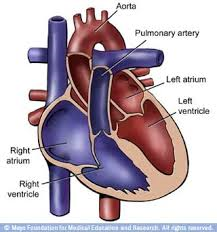
Cardiomyopathy (kahr-dee-o-my-OP-uh-thee) is a disease of the heart muscle that makes it harder for your heart to pump blood to the rest of your body. Cardiomyopathy can lead to heart failure.
Symptoms
There might be no signs or symptoms in the early stages of cardiomyopathy. But as the condition advances, signs and symptoms usually appear, including:
- Breathlessness with exertion or even at rest
- Swelling of the legs, ankles and feet
- Bloating of the abdomen due to fluid buildup
- Cough while lying down
- Fatigue
- Heartbeats that feel rapid, pounding or fluttering
- Chest discomfort or pressure
- Dizziness, lightheadedness and fainting
Signs and symptoms tend to get worse unless treated. In some people, the condition worsens quickly; in others, it might not worsen for a long time.
When to see a doctor
See your doctor if you have one or more signs or symptoms associated with cardiomyopathy. Call 911 or your local emergency number if you have severe difficulty breathing, fainting or chest pain that lasts for more than a few minutes.
Because some types of cardiomyopathy can be hereditary, if you have it your doctor might advise that your family members be checked.
Causes
Often the cause of the cardiomyopathy is unknown. In some people, however, it’s the result of another condition (acquired) or passed on from a parent (inherited).
Contributing factors for acquired cardiomyopathy include:
- Long-term high blood pressure
- Heart tissue damage from a heart attack
- Chronic rapid heart rate
- Heart valve problems
- Metabolic disorders, such as obesity, thyroid disease or diabetes
- Nutritional deficiencies of essential vitamins or minerals, such as thiamin (vitamin B-1)
- Pregnancy complications
- Drinking too much alcohol over many years
- Use of cocaine, amphetamines or anabolic steroids
- Use of some chemotherapy drugs and radiation to treat cancer
- Certain infections, especially those that inflame the heart
- Iron buildup in your heart muscle (hemochromatosis)
- A condition that causes inflammation and can cause lumps of cells to grow in the heart and other organs (sarcoidosis)
- A disorder that causes the buildup of abnormal proteins (amyloidosis)
- Connective tissue disorders