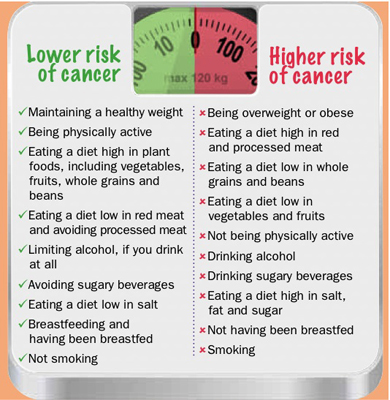
“Some risk factors, like a person’s age or race, can’t be changed. Others are linked to cancer-causing factors in the environment. Still others are related to personal behaviors, such as smoking, drinking, and diet.”
The American Cancer Society
“Some risk factors, like a person’s age or race, can’t be changed. Others are linked to cancer-causing factors in the environment. Still others are related to personal behaviors, such as smoking, drinking, and diet.”
The American Cancer Society
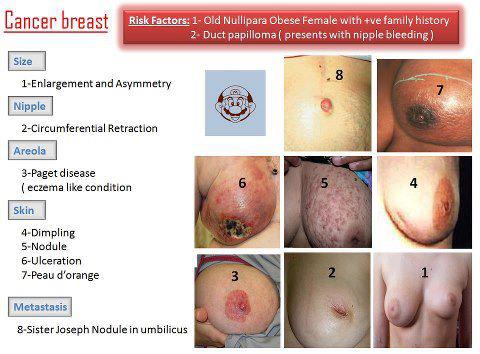
Cancer seems like a thunder bolt that it all of a sudden hits us from nowhere, like what happened to my Dad that was in 1999. Than the hit from nowhere makes the patient and significant others suddenly crippled and not prepared for this diagnosis (facing it with little knowledge). No wonder why cancer fears society. To top that alone it is costly, debilitating, depressing, and even fatal, like in my father’s case.
Early detection can vastly improve survival figures, that is not just pertaining to breast cancers but to most diseases period. Delaying to seek advice when changes are recognized is a big NO NO.
Let’s include in this article the seven warning signs of cancer:
*A sore that does not heal ———————————————————————————————-
*Unusual bleeding or discharge—————————————————————————————
*Obvious change in a wart or mole———————————————————————————–
*Change in bowel or bladder habits———————————————————————————-
*Persistent cough or hoarseness————————————————————————————–
*Thickening or lump in the breast or anywhere else in the body———————————————–
*Persistent indigestion or difficulty swallowing——————————————————————-
Instead of getting it wouldn’t you rather PREVENT it period. Remember our disease killers in the USA. Our #1 killer is cardiovascular our #2 killer is cancer in America!
**Here are some general risk factors for cancer & try to prevent having them in your lives or abusing them (moderation – the key to many things that are not used that way in US). Abuse of anything results in disaster.
1.) Smoking (stop period) including chewing tobacco and dipping snuff.
2.) Diets high in fat or low in fiber. Obesity as well is a risk factor for cancer, odds are high that the diet was high in fat even causing the obesity in the first place.
3.) Age is over 50 or too much unresolved stress in your life.
4.) Abuse of alcoholism or inadequate amount of vitamins or minerals in your diet. Exposure to environmental or occupational cancer causing substances (air, water, radiation, disaster like 9/11, or even food).
5.) Too much radiation from various sources (ex. Sun bathing to close to radiation treatments someone is receiving on a oncology unit, simply Sun overexposure).
6.) Fair complexion (pale) or even family history of cancers in the family (highest risk is within the nuclear family having a mother or father or sibling with cancer).
**Most cancers with heredity in the nuclear family including a bad life style puts that individual at higher probability of inheriting or getting that cancer.**
The American Cancer Society had presented shocking facts that 83% of lung cancer patients in America are caused by smoking (a complete preventable measure). Furthermore they present 30% of cancer deaths in America are due to smoking.
We the people of America can control many factors in our diet and exercise to control diseases period we have want to make the move and if we did disease decrease in time would be outstanding. In the end it would make our economy better with our insurance overall. Ending line. this means less disease, less expense, and meaning better coverage (less out of our pockets financially). For this to even get started we the people in the USA have to be willing to alter diets and exercise to a healthy pattern not a junk food frequently diet or sedentary lifestyle. Help make America a better country for all citizens of all ages. Our government surely hasn’t helped us in prevention tactics to lower statistics in showing less breast cancer significantly.
Looking over the past 35 years data shows very little evidence even with intense efforts and billions of dollars made by our government trying to aim at attempting to improve the treatment of cancer yet has had much overall effect on the most fundamental measure of clinical outcome…death. Cancer as a whole overall has slowly but surely lost ground in the battles and we don’t want to lose the war. This is shown by the rise in age-adjusted mortality rates in the entire population.
We do have many improvements with cancer treatment going from diagnostic tooling advancement with even drugs and drugs combined, a multitude of radiation methods and advanced surgical techniques. However, with all this due to increased cancer research, the government has yet to push the most important ingredient for cancer prevention. For every 3 dollars spent on cancer research, only one dollar goes spent in the area of prevention. When your government representa- tive speaks of further cancer research you may want to find out is it for prevention or treatment. My vote is prevention before getting diagnosed with it. That is like the government waiting for a bomb to land on the USA before taking measures to prevent it. Why wait for the disaster when it can be prevented completely and no mess to deal with. Makes sense? Sure does to me and many.
Take a completely different country in eating alone. Let us look at Japan and their women. They eat a completely different diet than women in the USA. Japanese women have ¼ the amount of breast cancer than American women; is this mainly genetics? When Japanese women move to the great USA they assume our diets and get the same death rates from breast cancer that American women get when diagnosed with it. My eyes see diet in America (fast food=JUNK). Moderation if not completely banded out of your diet = fast food. Americans who eat junk food on a regular basis are looking at abusing fast food as oppose to a treating themselves to junk food now and than (this is what we call moderation).
Moderation with anything legal and not abusive to your body (ex. Alcohol or prescribed drugs) is someone with will power. That is what is takes to prevent breast cancer and many other diseases which includes a healthy diet, some regular exercising, keeping your weight ideal to your body mass index, and having the yearly physicals or addressing new symptoms by going to your doctor to have him or she evaluate what it is with the treatment for it. Obese and can’t lose the weight on your own get a MD consult to see what surgery or other options you have to decrease weight.
FIGHT BREAST CANCER AND EVEN DISEASE OVERALL BY PREVENTION!!!!
“Breast cancer prevention starts with healthy habits — such as limiting alcohol and staying physically active. Understand what you can do to reduce your breast cancer risk.”
MAYO CLINIC
“Staying at a healthy weight, being physically active, and limiting how much alcohol you drink can help reduce your risk of breast cancer.”
American Cancer Society
“Autism spectrum disorders (ASD) are characterized by social-interaction difficulties, communication challenges and a tendency to engage in repetitive behaviors. However, symptoms and their severity vary widely across these three core areas.”
AUTISM SPEAKS
“Anemia is the most common blood condition in the U.S. It affects about 3.5 million Americans.”
WEB M.D.
“Acute Renal Failure occurs when your kidneys suddenly become unable to filter waste products from your blood causing build up of toxins in the blood stream affecting numerous tissues.”
The Mayo Clinic
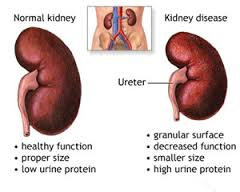

Kidney failure occurs when the kidneys lose their ability to function. To treat kidney failure effectively, it is important to know whether kidney disease has developed suddenly (acute) or over the long term (chronic). Many conditions, diseases, and medicines can create situations that lead to acute and chronic kidney disease. Acute kidney injury, also called acute renal failure, is more commonly reversible than chronic kidney failure since the chronic condition has lasted longer in the body affecting systems for several months to years (some decades). Acute Renal Failure is new to the body as opposed to chronic; making it higher odds this can be treated and cured.
When acute kidney injury (ARF) occurs, the kidneys are unable to remove waste products and excess fluids, which then build up in the body and upset the body’s normal chemical balance.*
-dehydration
-blood loss from major surgery or injury
-medicines such as nonsteroidal anti-inflammatory drugs (NSAIDs), antibiotics, or the dyes (contrast agents) used in X-ray tests.
If your signs and symptoms suggest that you have acute kidney failure, your doctor may recommend certain tests and procedures to verify your diagnosis. These may include:
TREATMENT FOR ARF (reversible in most cases)
Treatment for acute kidney failure typically requires a hospital stay. Most people with acute kidney failure are already hospitalized. How long you’ll stay in the hospital depends on the reason for your acute kidney failure and how quickly your kidneys recover.
In some cases, you may be able to recover at home.
Treatment for acute kidney failure involves identifying the illness or injury that originally damaged your kidneys. Your treatment options depend on what’s causing your kidney failure.
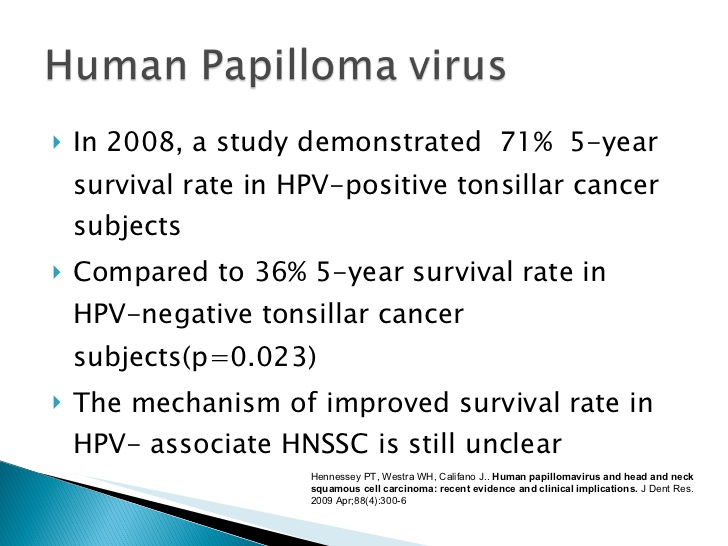
“There is no specific treatment for HPV, but there are treatments for health problems caused by HPV”.
The National Cancer Institute
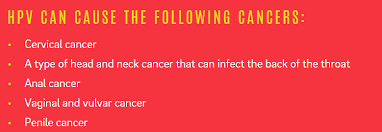
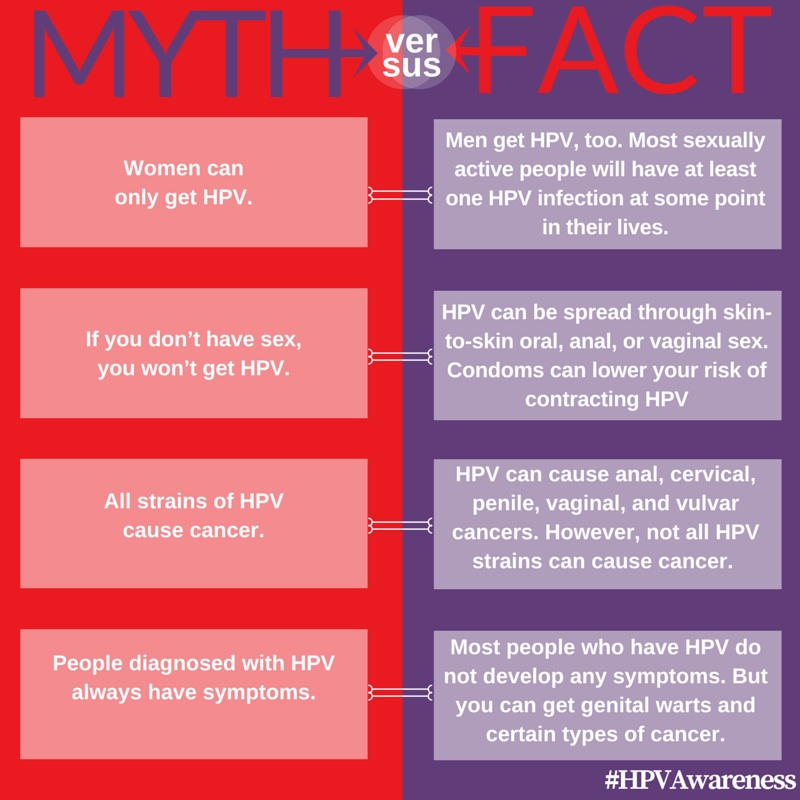
How to avoid HPV and the health problems it can cause=PREVENTION, like almost every other disease.
You can do several things to lower your chances of getting HPV.
Get vaccinated. HPV vaccines are safe and effective. They can protect males and females against diseases (including cancers) caused by HPV when given in the recommended age groups (see “Who should get vaccinated?” below). HPV vaccines are given in three shots over six months; it is important to get all three doses.
Get screened for cervical cancer. Routine screening for women aged 21 to 65 years old can prevent cervical cancer.
For those sexually active do the following:
–The right way to do SAFE SEX is the safe way everytime. This can lower your chances of getting HPV. But HPV can infect areas that are not covered by a condom – so condoms may not give full protection against getting HPV.
Other HPV-related cancers are also more treatable when diagnosed and treated early like any other cancer