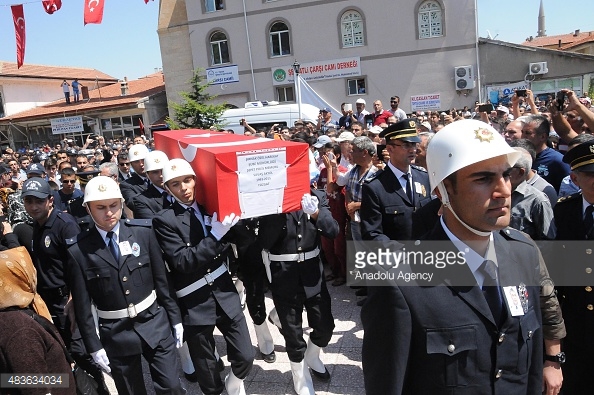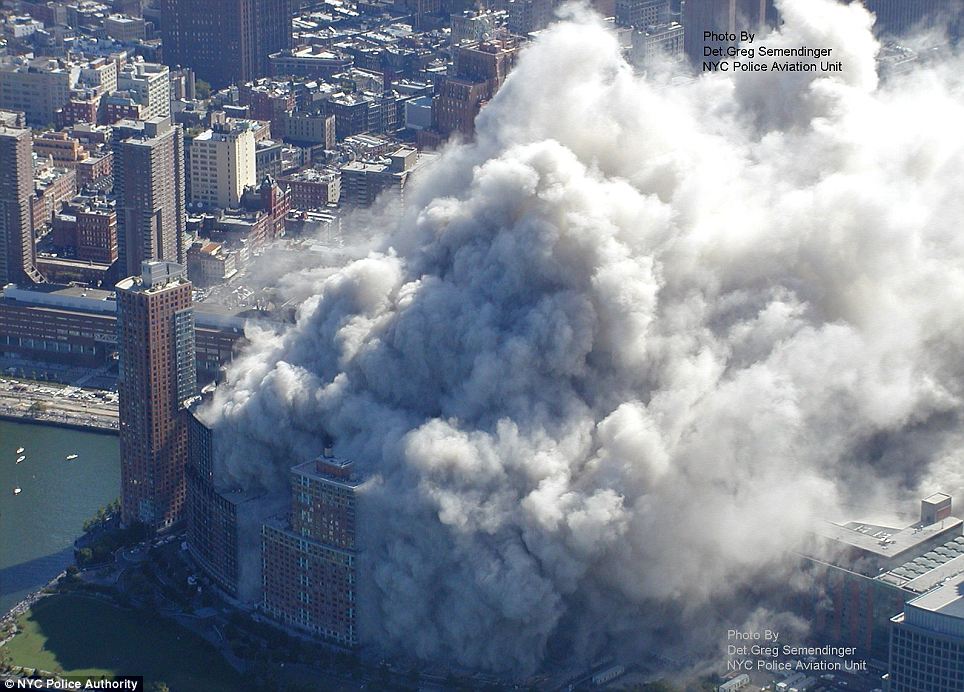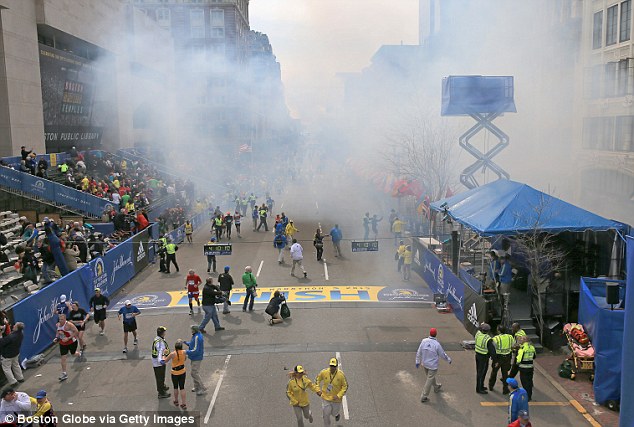
What makes the human mind want to kill?

why-the-human-kills-another-2why-a-human-kill-another3 terrorism sept11b

terrorism2 terrorism4

In today’s quote Hamlet’s point was that humans are a remarkable species — though Hamlet himself has lost all appreciation for mankind. Humans have created phenomenal architectural structures ranging from pyramids to skyscrapers. We’ve explored the depths of the ocean and the surface of the moon. We’ve created works of art that can affect emotions and provoke thoughtful conversations.

Perhaps what makes us even more remarkable is that we have this seemingly infinite capacity to achieve great things, and yet our history is filled with violence toward one another. How can we dedicate countless hours to matters of art, science, and other sophisticated pursuits and still commit acts of murder or wage globe-spanning wars?

We have a tendency to think of ourselves as existing apart from other species. Humans have the ability to reason and pass down knowledge to future generations. This ability makes it seem like we base our actions mainly upon rationality. But how do we reconcile that with the act of eliminating other members of our own species?

It’s a complex problem. Part of the answer may be that we’re not as separate from other animals as we imagine. It’s dangerous to ascribe traits to other species — we run the risk of anthropomorphizing animals and assuming the reasons they behave a certain way are the same as our own. Anthropomorphizing is attribution of human form or other characteristics to anything other than a human being. But in general, it seems that animal behavior is the product of instinct, emotion and reason. Some animals demonstrate a greater aptitude for reasoning than others. Humans are at the top of that list.

But that doesn’t mean all our decisions are based upon cold, calculating rationality. Neuroscientist Antonio Damasio’s research indicates that emotions play an important role in decision making. He conducted experiments with people who had suffered brain damage that affected the part of the brain that allows us to experience emotions. In his studies, Damasio found that the patients had trouble making choices. They could identify solutions to a problem but couldn’t decide upon a specific course of action [source: Wrangham and Peterson]. Why is that important? It indicates that while we’re not slaves to our emotions, they play an important part in how we behave.

One of the reasona we kill is because our ancestors killed. By killing, our ancestors removed rivals and ensured the survival of their offspring. In other words, we’re violent because all the peaceful ancestors to humans were killed off by the violent ones. We’ve inherited our nature from our predecessors. We call this evolutionary biology.

This view is by no means universal. Scientists from different disciplines have criticized evolutionary biology, saying that it oversimplifies human behavior and serves as a genetic excuse for bad behavior. While there is scientific consensus that the human brain is the product of evolution, there’s a gap between those who think our brains are in Stone Age mode and those who say the brain is much more flexible than evolutionary biologists admit. What do you think?

One counterargument to evolutionary biology states that our minds are adaptive and evolve far faster than evolutionary biology. Stating there is no universal human nature — the environment and our adaptation to it means that each culture has its own unique nature [source: Begley]. Though another thing to take into account is history does repeat itself. Could we change it? Yes but the main question is do our people ALL around the world want that, and obviously no.

There is another debate on why we kill and that is on a superficial level we kill because it comes down to nature versus nurture. The nature side suggests that we are inherently a violent species and it should come as no surprise that we sometimes kill one another. The nurture side says that we are an adaptive species and that our environments — including everything from family structure to political influences — shape our behaviors. The truth is probably that we’re a product of both. Ignoring one set of influences while concentrating on the other is missing the story.

If we’re the product of both inherited traits and environmental influences, what would give us the reason to kill? Many answers boil down to survival. In some cases, it’s as simple as access to resources. Whether it’s a conflict between two people or multiple nations, the reason to kill may be linked to the fact that one party wants what the other party possesses. That might motivate people to kill in order to take or protect those resources. The intellectual and emotional need for those resources is often greater than the reluctance to kill.

So why else would a human kill? A person with antisocial personality disorder feels no empathy toward others. Not all violent conflicts are over resources, though. This is where people we call psychopaths and sociopaths come into play. Example criminals like Charles Manson may kill — or inspire others to kill — based on fundamentally flawed reasoning. They feel very little emotion at all and may seek out dangerous or thrilling situations to get an emotional response. They tend to be deceitful and feel no shame or guilt for misleading others. While they may recognize right from wrong, they may not care about the distinction.

According to a hypothesis posed by Ervin Staub, genocide is a result of a combination of environmental hardships and psychological coping. Staub suggests that when times are hard, people look for an excuse or scapegoat. That can include identifying a subsection of the population as being responsible for the hardship the community experiences. Wiping out that population is a way to cope with the hardship. It’s a means to solve a problem, even though the solution and problem aren’t necessarily connected in reality. Is this what is going on now in NY with the people rioting?; not protesting since this is done peacefully. It is not blocking traffic, burning down businesses, hurting people to killing people which all have happen regarding incidents that involved policeman in taking an action to someone who did something illegal by NYS law but the individual retaliating rather than being cooperative and investigations took place but because a certain group didn’t like the results it resorted to violence. The judicial system they did not follow. Have criminals been set free by court and no violence took place? Many times. So you decide is this the reason why we are violent to killing people?

What about the rest of us? What could drive us to kill? Since our decisions are based upon both emotions and reason, we can sometimes favor one over the other. In emotionally charged situations, we may allow ourselves to act impulsively, ignoring rationality. These so-called crimes of passion can happen between people with strong emotional bonds. According to the U.S. Bureau of Justice Statistics, 30 percent of all female murder victims were killed by their spouses. Another 18.3 percent were killed by ex-spouses. Only 8.7 percent of all female victims were killed by a stranger [source: Bureau of Justice Statistics].

This is scary and a very complicated discussion. Humans kill because we’re not dispassionate, robotic beings. We have wants and needs and possess the ability to pursue them. We may never know the full explanation of why we behave the way we do, but as we learn more we may find ways to improve ourselves and make murder a thing of the past. Yet that goal is very, very far away in reach.

Sources

  • “Crime in the United States.” U.S. Department of Justice. Federal Bureau of Investigation. (Sept. 23, 2010) http://www.fbi.gov/ucr/cius2009/data/table_12.html
  • Jonathan Strickland from the blog In How Things Work.
  • “Homicide Trends in the U.S.” Bureau of Justice Statistics. (Sept. 23, 2010) http://bjs.ojp.usdoj.gov/content/homicide/gender.cfm#vorelgender
  • Baumeister, Roy F. “Evil: Inside Human Violence and Cruelty.” Henry Holt and Company. New York. 1997.
  • Begley, Sharon. “Why Do We Rape, Kill and Sleep Around?” Newsweek. June 20, 2009. (Sept. 22, 2010) http://www.newsweek.com/2009/06/19/why-do-we-rape-kill-and-sleep-around.html
  • Hill, Gerald and Hill, Kathleen. “insanity.” The People’s Law Dictionary. Law.com. (Sept. 23, 2010) http://dictionary.law.com/Default.aspx?selected=979
  • Koenigs, Michael, et al. “Damage to the prefrontal cortex increases utilitarian moral judgments.” Nature. April 2007, 446, pp. 908 – 911 Kelly, Dave. “Antisocial Personality Disorder.” PTypes Personality Types. 2010. (Sept. 23, 2010) http://www.ptypes.com/antisocialpd.html
  • Lykken, David T. “The Antisocial Personalities.” Lawrence Erlbaum Associates. Hillsdale, N.J. 1995.
  • Mattiuzzi, Paul G. “Why do people kill?” Everyday Psychology. July 30, 2008. (Sept. 21, 2010) http://everydaypsychology.com/2008/07/why-do-people-kill-typology-of-violent.html
  • Polk, Kenneth “When Men Kill: Scenarios of Masculine Violence.” Cambridge University Press. Cambridge, U.K. 1994.
  • Staub, Ervin. “The Roots of Evil: The Origins of Genocide and Other Group Violence.” Cambridge University Press. Cambridge, U.K. 1989.
  • Wrangham, Richard and Peterson, Dale. “Demonic Males: apes and the origins of human violence.” Mariner Books. 1997.
  • Wrangham, Richard. “Why We Kill.” bigthink.com. April 2, 2010. (Sept. 22, 2010) http://bigthink.com/ideas/19361

QUOTE FOR TUESDAY:

“Self-control is the key to a well-functioning life, because our brain makes us easily [susceptible] to all sorts of influences. Watching a movie showing violent acts predisposes us to act violently. Even just listening to violent rhetoric makes us prone or more inclined to be violent. Ironically, the same mirror neurons that make us empathic make us also very vulnerable to all sorts of influences.”

Richard E. Nisbett Professor in Psychosociology
Ph.D., 1966, Columbia University, Department of Social Psychology


QUOTE FOR MONDAY:

Soups are a perfect match for  winter dry days and when trying to eat healthy during holliday season.”

Chris Cordani  Born 05/05/69 Executive Producer.


Part II Preparing for the Winter (staying healthy during the season)!

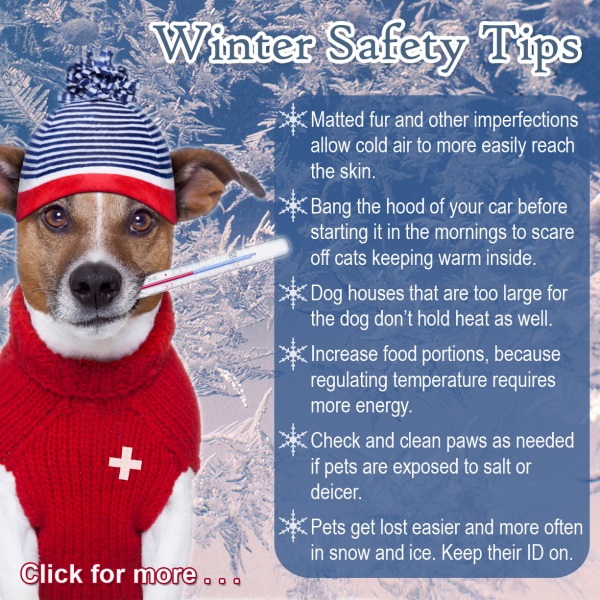
winter8 winter-safety-tips


So what’s the solution? Here are four simple ways to avoid winter weight gain.

  1. Stock up your kitchen cupboards

Keep your store cupboard stocked with staples such as cans of tomatoes, spices, beans and pulses, dried wholewheat pasta, wholewheat cereals, noodles, couscous and dried fruit. Keep some extra bread in the freezer if there’s space. That way, you’ll be able to create a quick and nutritious evening meal, such as a lentil or vegetable soup or stew, at short notice. You’ll save money and avoid the temptation to order a high-calorie takeaway.

  1. Exercise more

When the outside temperature drops, it’s easy to give up on outdoor exercise. In winter, we stop doing calorie-burning outdoor activities like short walks and gardening. But reducing the amount of physical activity you do is one of the biggest contributors to winter weight gain.

Cold weather and shorter days don’t mean you have to abandon exercise completely. Instead, rearrange your schedule to fit in what you can. You don’t need formal exercise to burn calories.

A brisk walk can be revitalizing after being indoors with the central heating on, and it’ll also help boost your circulation. Put on some warm clothes and jog around the neighborhood or start a snowball fight with the kids. Most leisure cents have centers heated swimming pools and indoor tennis and badminton courts (EX.YMCA). If you’d rather stay at home, buy some dance or workout DVDs, and always walk up the stairs at work rather than using the lift. “These little things can make all the difference when it comes to avoiding that pound of weight gain over winter,” says Porter.

  1. Drink smart

It’s important to consume hot drinks throughout winter as it will help you keep warm. However, some hot beverages are high in calories. Milky, syrupy coffee shop drinks and hot chocolate with whipped cream can add a lot of calories to your diet. A Starbucks medium caffe mocha, for instance, contains more than 360 calories. Stick to regular coffee or tea, or ask for your drink to be “skinny” (made with skimmed milk). Also, limit your alcohol intake as much as possible.

  1. Get your winter greens

Eating a wide variety of foods ensures you get a range of nutrients, including vitamins and minerals. Don’t get stuck eating the same food every day.

Look out for root vegetables, such as swedes, parsnips and turnips, and winter veggies such as cauliflower, Brussels sprouts, kale and artichokes. They’re filling as well as nutritious so will help you to resist a second helping of trifle.\

Ways you can create a winter wellness plan that works for you:

Again I reinforce that works for you!:

  1. Bring out the crock pot! Emphasis slow cooked, warm, moist meals this season. Soups are a perfect match for the cold, dry days.
  2. We gravitate toward richer foods in the winter for good reason — we need to stay warm, lubricated and healthy.  Allow yourself to indulge in high quality dairy, nuts and seeds, dried fruits, organic meats, and healthy fats — you can feel satisfied without jumping on the sugar train.
  3. With the increase in heavier foods, be sure to increase spices and foods that help keep digestion lively. Many of these foods and spices have the added benefit of boosting your immune system because they are antibacterial. Try adding dark leafy greens, berries, garlic, onions, ginger, cumin, oregano, and cinnamon to your recipes whenever you can.
  4. Pay attention if your skin feels tighter these days; you may need to switch to a hardier natural moisturizer like cocoa butter.
  5. Use humidifiers to keep the air you are breathing moist.
  6. If you use a neti pot to help keep your sinuses clear,  swab your inner noise with a q-tip dabbed in coconut oil or olive oil when you are done to be sure you don’t over dry that area.
  7. Be proactive about preventing ear infections.  Warm up garlic oil (sold in natural health food stores) to body temperature and put a dropper full into each ear canal.
  8. We breathe a lot more indoor air in the winter, so be especially careful to keep it clean and free of toxins. Rotate an air purifier into different rooms.
  9. Let indoor green plants help keep your air clean and fresh.
  10. Diffuse essential oils to increase the negative ion count in your air (shown to help mitigate the effects of seasonal affective disorder).
  11. Prioritize sleep and follow the sun’s lead. As the days get shorter, shift your sleep routine toward going to bed earlier and to allow your body more hours to rest and repair.
  12. Keep physically active during the winter to bolster mental health and physical immunity.
  13. If you are a walker or runner, invest in a set of cold weather workout clothes so your can keep up your routine as the temperature dips.
  14. Shift to indoor activities : yoga, stretching, dance, toning and aerobics can all be done via a DVD in your living room.
  15. Join a gym or group workout class to keep connected and accountable to getting your workout in.
  16. Get social! Stay connected to others, even as your activities shift more and more indoors. Join a moms’ group or book club that meets regularly.
  17. Replace outdoor kid’s outings with indoor ones, like book time at the library or trips to the museum.
  18. Strengthen your body’s defenses by keeping your gut healthy.  Consume foods that have natural probiotics (like yogurt, kefir, miso soup, cultured vegetables, sauerkraut), or take a high quality supplement.
  19. If you take fish oil supplements, shift to cod liver oil supplements for the winter. These have the added benefit of vitamin A and D (great for months when our access to vitamin D producing sunshine is limited).
  20. Finally, make a Feel Good menu specifically for winter. Take a moment to brainstorm all the things you can do in winter that you enjoy, that feel indulgent, and that make you happy. Keep this list posted and draw from it to make your days more special and when you need a little extra pampering.

QUOTE FOR THE WEEKEND:

“There’s good evidence that people put on weight over the winter”. “The more overweight you are, the more you tend to put on. And the most worrying aspect of this seasonal weight gain is that the pounds tend to stay on. People don’t seem to lose the extra weight.”

Sian Porter – American Football Player on the NFL

Part I Preparing for the Winter!

winter  getting-ready-for-the-winter

Although winter comes as no surprise, many of us are not ready for its arrival. If you are prepared for the hazards of winter, you will be more likely to stay safe and healthy when temperatures start to fall.

Many people prefer to remain indoors in the winter, but staying inside is no guarantee of safety. Take these steps to keep your home safe and warm during the winter months.

  • Winterize your home.
    • Install weather stripping, insulation, and storm windows.
    • Insulate water lines that run along exterior walls.
    • Clean out gutters and repair roof leaks.
  • Check your heating systems.
    • Have your heating system serviced professionally to make sure that it is clean, working properly and ventilated to the outside.
    • Inspect and clean fireplaces and chimneys.
    • Install a smoke detector. Test batteries monthly.
    • Have a safe alternate heating source and alternate fuels available.
    • Prevent carbon monoxide (CO) emergencies.
      • Install a CO detector to alert you of the presence of the deadly, odorless, colorless gas. Check batteries regularly.
      • Learn symptoms of CO poisoning: headaches, nausea, and disorientation.

Get your car ready for cold weather use before winter arrives.

  • Service the radiator and maintain antifreeze level; check tire tread or, if necessary, replace tires with all-weather or snow tires
  • Keep gas tank full to avoid ice in the tank and fuel lines.
  • Use a wintertime formula in your windshield washer.
  • Prepare a winter emergency kit to keep in your car in case you become stranded. Include
    • blankets;
    • food and water;
    • booster cables, flares, tire pump, and a bag of sand or cat litter (for traction);
    • compass and maps;
    • flashlight, battery-powered radio, and extra batteries;
    • first-aid kit; and
    • plastic bags (for sanitation).
    • Be prepared for weather-related emergencies, including power outages.
  • Stock food that needs no cooking or refrigeration and water stored in clean containers.
  • Keep an up-to-date emergency kit, including:
    • Battery-operated devices, such as a flashlight, a National Oceanic and Atmospheric Administration (NOAA) Weather Radio, and lamps;
    • extra batteries;
    • first-aid kit and extra medicine;
    • baby items; and
    • cat litter or sand for icy walkways.
    • Many people spend time outdoors in the winter working, traveling, or enjoying winter sports. Outdoor activities can expose you to several safety hazards, but you can take these steps to prepare for them:
  • Wear appropriate outdoor clothing: layers of light, warm clothing; mittens; hats; scarves; and waterproof boots.
  • Sprinkle cat litter or sand on icy patches.
  • Learn safety precautions to follow when outdoors.
    • Be aware of the wind chill factor.
    • Work slowly when doing outside chores.
    • Take a buddy and an emergency kit when you are participating in outdoor recreation.
    • Carry a cell phone.
  • Protect your family from carbon monoxide.
    • Keep grills, camp stoves, and generators out of the house, basement and garage.
    • Locate generators at least 20 feet from the house.
    • Leave your home immediately if the CO detector sounds, and call 911.

When planning travel, be aware of current and forecast weather conditions.

Avoid traveling when the weather service has issued advisories.

  • If you must travel, inform a friend or relative of your proposed route and expected time of arrival.
  • Follow these safety rules if you become stranded in your car.
    • Stay with your car unless safety is no more than 100 yards away, but continue to move arms and legs.
    • Stay visible by putting bright cloth on the antenna, turning on the inside overhead light (when engine is running), and raising the hood when snow stops falling.
    • Run the engine and heater only 10 minutes every hour.
    • Keep a downwind window open.
    • Make sure the tailpipe is not blocked.

Above all, be prepared to check on family and neighbors who are especially at risk from cold weather hazards: young children, older adults, and the chronically ill. If you have pets, bring them inside. If you cannot bring them inside, provide adequate, warm shelter and unfrozen water to drink.

No one can stop the onset of winter. However, if you follow these suggestions, you will be ready for it when it comes.

Also regarding health lets look at what most people do in the WINTER as opposed to the SUMMER (hot weather):

Winter weight gain isn’t just an urban myth. Research has shown that most of us could gain around a pound (half a kilo) during the winter months. That may not sound like much, but over the course of a decade, it can add up.

“There’s good evidence that people put on weight over the winter,” says dietitian Sian Porter. “The more overweight you are, the more you tend to put on. And the most worrying aspect of this seasonal weight gain is that the pounds tend to stay on. People don’t seem to lose the extra weight.”

The three main reasons that people put on weight in the winter are lack of physical activity, comfort eating and over-indulging at Christmas.

Cold weather and shorter days make it harder to exercise outdoors, so it’s easy not to do any exercise over winter. If you’re not outside as much, there’s more time and temptation to reach into the kitchen cupboard for high-calorie sweet snacks, such as biscuits and cakes.

Then of course there are the festivities that surround Christmas. “What used to be a couple of days of parties and over-eating now seems, for some, to be six weeks of over-doing it,” says Porter.

QUOTE FOR FRIDAY:

“With the absence of a flu vaccination last year, I did not take a flu shot; but there is still some immunity that carries over from year to year; but about every 30 years, there is a major change in the genetics of the flu virus.”
Michael Burgess (born 31 March 1946, is the Coroner of the Queen’s Household – was an officer of the Medical Household of the Royal Household of the Sovereign of the United Kingdom. )
 

QUOTE FOR THURSDAY:

“With 30,000 deaths and 200,000 hospitalizations from the seasonal flu, those numbers are certainly higher than what we’ve seen of the swine flu. Protecting yourself from both viruses is very important.” *                                                                                                                                                                                                             Kristi Yamaguchi (born July 12, 1971) is an American figure skater. She was the 1992 Olympic Champion in ladies’ singles.


PART 2 LET’S PREPARE FOR THE FALL, WINTER BUGS. HOW CONTAGIOUS ARE THESE BUGS & WHAT ARE THEIR SYMPTOMS and HOW TO PREVENT IT.

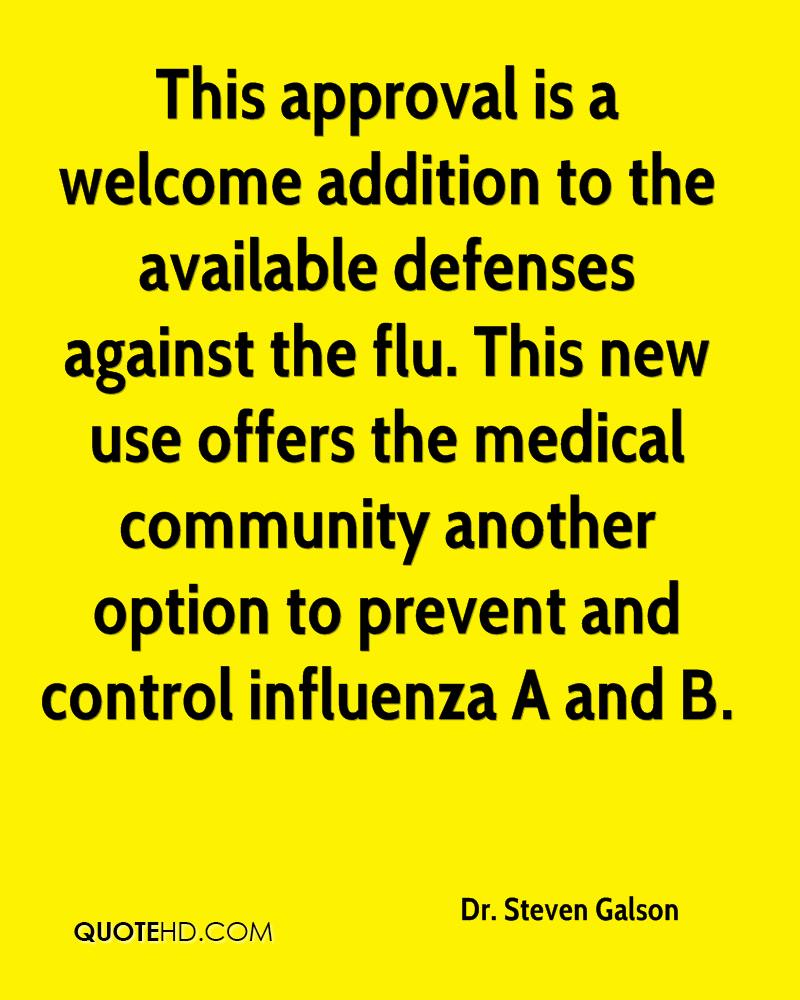
flu-versus-coldquote-on-flu

the-flu-b-part-1flu-washhandspost

“Flu” is an illness caused by a number of different influenza viruses that usually bear the name of the locality where they originated. Most college-age students are susceptible to the virus because of their proximity with others in classrooms, in dormitories, in the dining halls and elsewhere on campus. The influenza virus is very contagious and spreads easily in crowded areas by droplets of respiratory fluid that become airborne or by direct contact with recently contaminated surfaces.

People infected with an influenza or cold virus become contagious 24 hours after the virus enters the body (often before symptoms appear). Adults remain infectious (can spread the virus to others) for about 6 days, and children remain infectious for up to 10 days. Factors that may increase the risk of catching a cold are fatigue, emotional stress, smoking, mid-phase of the menstrual cycle, and nasal allergies. Factors that do not increase the risk of catching a cold include cold body temperature (Example being out in the cold or enlarged tonsils). General health status and eating habits do in that they have impact on your immunity and “fight or flight” in fighting off infection as opposed to getting sick due to a healthy body overall.

Watch for flu symptoms and in comparison here with the cold symptoms when trying to decipher what you have before going to the doctor.  Signs and symptoms (S/S):

Flu s/s=High Fever lasting 3 to 4 days, prominent headache,  general aches and pains which are often and severe, fatigue & weakness that lasts up to 2-3 wks., extreme exhaustion-early & prominent chest discomfort, cough-common & severe at times.  *Note weakness and tiredness can last up to a few weeks with the Flu.

Cold S/S-Fever-rare, headache-rare, slight aches, mild fatigue if even present, extreme exhaustion (never occurs), Chest discomfort-mild if present, cough-moderate and hacking cough with sore throat sometimes present.

Common symptom: Stuffy nose is present, a common symptom for children is diarrhea and vomiting.

Regarding cold symptoms also be aware for these specifics, which include:

-Sore throat-usually is going away in about a day or three; nasal symptoms include runny nose and congestion to follow, along with a cough by the fourth or fifth day.  Also, fever is uncommon in adults but a slight fever is possible.  For children fever they can have with their cold.

-With the symptoms above you can also have the nose that teems with watery nasal secretions for the first few days later these become thicker and darker. Dark mucus is natural and does not mean you have developed a bacterial infection, such as a sinus infection.

**Know several hundred different viruses may cause your cold symptoms. A virus cannot be treated with an antibiotic since antibiotics can only fight off bacterial infections.**

Now let’s review what we know now, which is the common cold and the types of flu (Types A,B, and C), we know their symptoms (the cold versus the flu), we even know  The Flu statistics of how many are affected yearly with what complications can arise, based on Part 1 and part of Part 2.   The most important part of this article is letting my readers know or be aware of factors in prevention.

Let’s prepare ourselves in knowing factors for prevention of these 2 BUGS THE COLD and THE FLU (particularly) with knowing what to do when you or someone in the home has it.

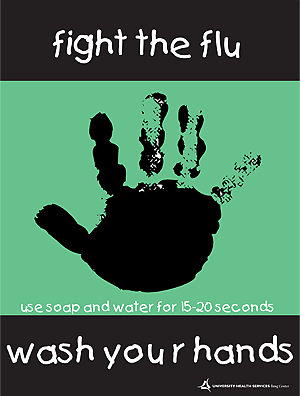
The biggest factor in prevention of the COMMON COLD or THE FLU is living out your life utilizing great healthy habits and that would be washing your hands with soap and water often, especially:

  • Before, during, and after preparing food
  • Before eating
  • After using the bathroom
  • After handling animals or animal waste
  • When their hands are dirty
  • When someone in your home is sick
  • FOR AVOIDANCE IN GETTING THE FLU OBTAIN YOUR VACCINE YEARLY!  The flu virus enters through the eyes, nose, and mouth, so those with the flu or a simple cold should never touch their faces unless they’ve just washed their hands.Avoid sharing food, drinks, and utensils.   Do not share drinking glasses-and to break off portions of food and to pour off beverages before consuming them.  Keep tissues handy. The flu spreads when infected people cough or sneeze. So adults use them and encourage your kids to cough and sneeze into a tissue or their upper arm if tissues aren’t available. (Coughing into a bare hand can also spread germs if kids touch something before they can wash.)Ask your doctor about antiviral medications. Although not approved for use in children under 1, these drugs can be used in older children & adults to prevent influenza or even can treat the flu in the first 2 days of onset.
  • Keep your face off-limits; This means the following:
  •  Live a healthy lifestyle. MOST IMPORTANT!!! A healthy lifestyle may help prevent them from getting sick in the first place.
  • Use those wipes! Flu germs can live for several hours on surfaces such as countertops and doorknobs. Wipe down contaminated objects with soap and water.
  • Let your kids, including adults stay home when they’re sick. They’ll feel better sooner and won’t pass their illness on to their classmates or for an adult passing it on to colleagues at work especially the first few days when contagious so don’t go into work those few days.
  • For a child and an adult keeping the same routine schedule.  For a child – keeping the same schedule for play time, bath, pajamas, bottle, story, then bed. Keeping a routine helps, that is one that is healthy of course.
  • Make sure you or your sick child who is sick gets enough sleep.  Too little sleep can cause the feeling of run-down and lower the immunity. Yet a National Sleep Foundation poll found that most children need 1 to 3 more hours of sleep than they’re getting every night usually. How much should they be getting? Experts recommend 11 to 13 hours a night for preschoolers and kindergartners and 10 to 11 hours for school-aged children. Adults 8 hours of sleep a day if not more when sick with a cold or the flu. How to make sure this can be accomplished: Establish an earlier-bedtime routine, this just takes discipline by the parent or yourself if an adult that is sick.
  • Keep your distance. Stay clear of people who are sick-or feel sick.
  • What to do when you have the cold or, worse, the flu:  Take care of yourself with rest, eating and drinking properly, going to sleep earlier, going to your doctor for treatment and changing your life style to a more healthier one with always practicing good health habits in your daily living=PREVENTION if your not already or just improving on those good habits your doing now.
  • ****Recommended is to check with your MD on any changes with diet or exercise or daily habits especially if diagnosed already with disease or illness for your safety.****
  • REFERENCES FOR PART 1,2, AND 3 ON THE COLD AND THE FLU ARE:
  • 1-Wikipedia “the free encyclopedia” 2013 website under the topic Influenza.
  • 2-Kimberly Clark Professional website under the influenza.
  • 3-Web MD under “COLD, FLU, COUGH CENTER” “Flu or cold symptoms?” Reviewed by Laura J. Martin MD November 01, 20115-Scientific American “Why do we get the flu most often in the winter? Are viruses virulent in cold weather? December 15, 1997
  • 4-2013 Novartis Consumer Health Inc. Triaminic “Fend off the Flu”
  • 5-Scientific American “Why do we get the flu most often in the winter? Are viruses virulent in cold weather? December 15, 1997


Coping With COPD: An Integrative Approach

COPD2 COPD1 COPD3

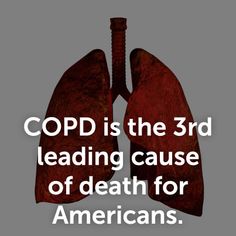
Chronic Obstructive Pulmonary Disease (COPD) is largely preventable. Yet it affects over 15 million Americans and is the fourth leading cause of death in the U.S. Although many diseases have seen a gradual decline in their associated mortality, COPD rates have increased. The term COPD is a broad one used to describe a set of symptoms, referring to persistent, slowly progressive obstruction of airflow and dyspnea, that is predominantly irreversible. It may be caused by chronic bronchitis, emphysema, or bronchiectasis.

People with COPD experience deterioration in functional s­tatus; therefore, improving function is a major goal of treatment. Nurses are often facilitators and coordinators of pulmonary rehabilitation. Evaluation of the effects of treatment is an essential aspect of providing quality care. Although some effects of COPD are permanent, you can do plenty to assist your patient in managing it, by educating him on how to gain back control of his health. This will help to decrease the depression, hopelessness, and pessimism that are commonly seen in patients with COPD.

Chronic obstructive pulmonary disease (COPD) is a term that applies to patients with chronic bronchitis, bronchiectasis, emphysema and, to a certain extent, asthma. A brief review of normal functional anatomy will provide a background for the discussion of pathology.

The airway down to the bronchioles normally is lined with ciliated pseudo-stratified columnar cells and goblet cells. Mucus derives from mucus glands that are freely distributed in the walls of the trachea and bronchi. The cilia sweep mucus and minor debris toward the upper airway. Low humidity, anesthesia gases, cigarette smoking and other chemical irritants paralyze the action of these cilia. The mucociliary action starts again after a matter of time. This is why people awaken to “smokers cough.”


“Chronic obstructive pulmonary disease (COPD) is a term that applies to patients with chronic bronchitis, bronchiectasis, emphysema and, to a certain extent, asthma.”

Bronchi run in septal connective tissue, but bronchioles are suspended in lung parenchyma by alveolar elastic tissue. The elastic tissue extends throughout alveolar walls, air passages, and vessels, connecting them in a delicate web. Bronchiolar epithelium is ciliated, single-layered and columnar or cuboidal. Beyond the bronchioles the epithelium is flat and lined with a film of phospholipid (surfactant), which lowers surface tension and thereby helps to keep these air spaces from collapsing. Remember that the phospholipid develops during later gestation in utero. This is the reason why premature infant’s lungs cannot stay inflated without the addition of surfactant therapy. Macrophages are found in alveolar lining. Smooth muscles surround the walls of all bronchi, bronchioles, and alveolar ducts and when stimulated they shorten and narrow the passages. Cartilage lends rigidity and lies in regular horse-shaped rings in the tracheal wall. Cartilage is absent in bronchi less than 1 mm in diameter.

The terminal bronchiole is lined with columnar epithelium and is the last purely conducting airway. An acinus includes a terminal bronchiole and its distal structures. Five to ten acini together constitute a secondary lobule, which is generally 1 to 2 cm in diameter and is partly surrounded by grossly visible fibrous septa. Passages distal to the terminal bronchiole include an average of three but as many as nine generations of respiratory bronchioles lined with both columnar and alveolar epithelium. Each of the last respiratory bronchioles gives rise to about six alveolar ducts, each of these to one or two alveolar sacs, and finally each of the sacs to perhaps seventy-five alveoli. Alveolar pores (pores of Kohn) may connect alveoli in adjacent lobules.

Two different circulations supply the lungs. The pulmonary arteries and veins are involved in gas exchange. The pulmonary arteries branch with the bronchi, dividing into capillaries at the level of the respiratory bronchiole, and supplying these as well as the alveolar ducts and alveoli. In the periphery of the lung, the pulmonary veins lie in the interlobular septa rather than accompanying the arteries and airways. The bronchial arteries are small and arise mostly from the aorta. They accompany the bronchi to supply their walls. In some cases of COPD, like bronchiectasis, extensive anastomoses develop between the pulmonary and bronchial circulations. This can allow major shunting and recirculation of blood, therefore contributing to cardiac overload and failure. Lymphatics run chiefly in bronchial walls and as a fine network in the pleural membrane. The lumina of the capillaries in the alveolar walls are separated from the alveolar lining surfaces by the alveolar-capillary membrane, consisting of thin endothelial and epithelial cells and a minute but expansile interstitial space. This interface between air and blood, only 2 microns in thickness, is the only place where gases may be exchanged effectively.

Disease Specific Review


Chronic Bronchitis

Chronic bronchitis is a clinical disorder characterized by excessive mucus secretion in the bronchi. It was traditionally defined by chronic or recurrent productive cough lasting for a minimum of three months per year and for at least two consecutive years, in which all other causes for the cough have been eliminated. Today’s definition remains more simplistic to include a productive cough progressing over a period of time and lasting longer and longer. Sometimes, chronic bronchitis is broken down into three types: simple, mucopurulent or obstructive. The pathologic changes consist of inflammation, primarily mononuclear, infiltrate in the bronchial wall, hypertrophy and hyperplasia of the mucus-secreting bronchial glands and mucosal goblet cells, metaplasia of bronchial and bronchiolar epithelium, and loss of cilia. Eventually, there may be distortion and scarring of the bronchial wall.

Asthma

Asthma is a disease characterized by increased responsiveness of the trachea and bronchi to various stimuli (intrinsic or extrinsic), causing difficulty in breathing due to narrowing airways. The narrowing is dynamic and changes in degree. It occurs either spontaneously or because of therapy. The basic defect appears to be an altered state of the host, which periodically produces a hyperirritable contraction of smooth muscle and hypersecretion of bronchial mucus. This mucus is abnormally sticky and therefore obstructive. In some instances, the illness seems related to an altered immunologic state.

Histological changes of asthma include an increase in the size and number of the mucosal goblet cells and submucosal mucus glands. There is marked thickening of the bronchial basement membrane and hypertrophy of bronchial and bronchiolar smooth muscle tissue. A submucosal infiltration of mononuclear inflammatory cells, eosinophils and plugs of mucus blocks small airways. Patients who have had asthma for many years may develop cor pulmonale and emphysema.

Emphysema

Pulmonary emphysema is described in clinical, radiological and physiologic terms, but the condition is best defined morphologically. It is an enlargement of the air spaces distal to the terminal non-respiratory bronchiole, with destruction of alveolar walls.

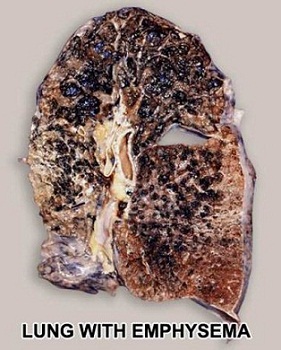
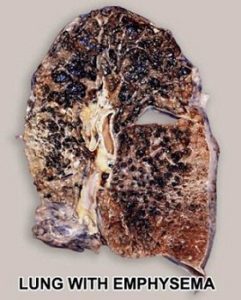
Although the normal lung has about 35,000 terminal bronchioles and their total internal cross-sectional area is at least 40 times as great as that of the lobar bronchi, the bronchioles are more delicate and vulnerable. Bronchioles may be obstructed partially or completely, temporarily or permanently, by thickening of their walls, by collapse due to loss of elasticity of the surrounding parenchyma, or by influx of exudate. In advanced emphysema, the lungs are large, pale, and relatively bloodless. They do not readily collapse. They many contain many superficial blebs or bullae, which occasionally are huge. The right ventricle of the heart is often enlarged (cor pulmonale), reflecting pulmonary arterial hypertension. Right ventricular enlargement is found in about 40% of autopsies of patients with severe emphysema. The distal air spaces are distended and disrupted, thus excessively confluent and reduced in number. There may be marked decrease in the number and size of the smaller vascular channels. The decrease in alveolar-capillary membrane surface area may be critical. Death may result from infection that obliterates the small bronchi and bronchioles. There is often organized pneumonia or scarring of the lung parenchyma due to previous infections.

Classification of emphysema relies on descriptive morphology, requiring the study of inflated lungs. The two principal types are centrilobular and panlobular emphysema. The two types may coexist in the same lung or lobe.

Centrilobular emphysema (CLE) or centriacinar emphysema affects respiratory bronchioles selectively. Fenestrations develop in the walls, enlarge, become confluent, and tend to form a single space as the walls disintegrate. There is often bronchiolitis with narrowing of lumina. The more distal parenchyma (alveolar ducts and sacs and alveoli) is initially preserved, then similarly destroyed as fenestrations develop and progress.

The disease commonly affects the upper portions of the lung more severely, but it tends to be unevenly distributed. The walls of the emphysematous spaces may be deeply pigmented. This discoloration may represent failure of clearance mechanisms to remove dust particles, or perhaps the pigment plays an active role in lung destruction. CLE is much more prevalent in males than in females. It is usually associated with chronic bronchitis and is seldom found in nonsmokers.

Panlobular emphysema (PLE) or panacinar emphysema is a nearly uniform enlargement and destruction of the alveoli in the pulmonary acinus. As the disease progresses, there is gradual loss of all components of the acinus until only a few strands of tissue, which are usually blood vessels, remain. PLE is usually diffuse, but is more severe in the lower lung areas. It is often found to some degree in older people, who do not have chronic bronchitis or clinical impairment of lung function. The term senile emphysema was formerly applied to this condition. PLE occurs as commonly in women and men, but is less frequent than CLE. It is a characteristic finding in those with homozygous deficiency of serum alpha-1 antitrypsin. It has also been found that certain populations of IV Ritalin abusers show PLE.

Bullae are common in both CLE and PLE, but may exist in the absence of either. Air-filled spaces in the visceral pleura are commonly termed blebs, and those in the parenchyma greater than 1 cm in diameter are called bullae. A valve mechanism in the bronchial communication of a bulla permits air trapping and enlargement of the air space. This scenario may compress the surrounding normal lung. Blebs may rupture into the pleural cavity causing a pneumothorax, and through a valve mechanism in the bronchopleural fistula a tension pneumothorax may develop.

Paracicatricial emphysema occurring adjacent to pulmonary scars represents another type of localized emphysema. When the air spaces distal to terminal bronchioles are increased beyond the normal size but do not show destructive changes of the alveolar walls, the condition is called pulmonary overinflation. This condition may be obstructive, because of air trapping beyond an incomplete bronchial obstruction due to a foreign body or a neoplasm. Many lung lobules may be simultaneously affected as a result of many check-valve obstructions, as in bronchial asthma. Pulmonary overinflation may also be nonobstructive, less properly called “compensatory emphysema”, when associated with atelectasis or resection of other areas of the lung.

Bronchiectasis

Bronchiectasis means irreversible dilation and distortion of the bronchi and bronchioles. Saccular bronchiectasis is the classic advanced form characterized by irregular dilatations and narrowing. The term cystic is used when the dilatations are especially large and numerous. Cystic bronchiectasis can be further classified as fusiform or varicose.

Tubular bronchiectasis is simply the absence of normal bronchial tapering and is usually a manifestation of severe chronic bronchitis rather than of true bronchial wall destruction.

Repeated or prolonged episodes of pneumonitis, inhaled foreign objects or neoplasms have been known to cause bronchiectasis. When the bronchiectatic process involves most or all of the bronchial tree, whether in one or both lungs, it is believed to be genetic or developmental in origin.

Mucoviscidosis, Kartagener’s syndrome (bronchiectasis with dextrocardia and paranasal sinusitis), and agammaglobulinemia are all examples of inherited or developmental diseases associated with bronchiectasis. The term pseudobronchiectasis is applied to cylindrical bronchial widening, which may complicate a pneumonitis but which disappears after a few months. Bronchiectasis is true saccular bronchiectasis but without cough or expectoration. It is located especially in the upper lobes where good dependent drainage is available. A proximal form of bronchiectasis (with normal distal airways) complicates aspergillus mucus plugging.

Advanced bronchiectasis is often accompanied by anastomoses between the bronchial and pulmonary vessels. These cause right-to-left shunts, with resulting hypoxemia, pulmonary hypertension and cor pulmonale.

Etiology & Pathogenesis

Etiology

By far the most common etiological cause of COPD remains smoking. Even after the client quits smoking, the disease process continues to worsen. Air pollution and occupation also play an important role in COPD. Smog and second-hand smoke contribute to worsening of the disease.

Occupational exposure to irritating fumes and dusts may aggravate COPD. Silicosis and other pneumonoconioses may bring about lung fibrosis and focal emphysema. Exposure to certain vegetable dusts, such as cotton fiber, molds and fungi in grain dust, may increase airway resistance and sometimes produce permanent respiratory impairment. Exposures to irritating gases, such as chlorine and oxides of nitrogen and sulfur, produce pulmonary edema, bronchiolitis and at times permanent parenchymal damage.

Repeated bronchopulmonary infections can also intensify the existing pathological changes, playing a role in destruction of lung parenchyma and the progression of COPD.

Heredity or biological factors can determine the reactions of pulmonary tissue to noxious agents. For example, a genetic familial form of emphysema involves a deficiency of the major normal serum alpha-1 globulin (alpha-1 antitrypsin). A single autosomal recessive gene transmits this deficiency. The homozygotes may develop severe panlobular emphysema (PLE) early in adult life. The heterozygotes appear to be predisposed to the development of centrilobular emphysema related to cigarette smoking. The other better-known cause of chronic lung disease is mucoviscidosis or cystic fibrosis, which produces thickened secretions via the endocrine system and throughout the body.

Aging by itself is not a primary cause of COPD, but some degree of panlobular emphysema is commonly discovered on histopathologic examination. Age related dorsal kyphosis with the barrel-shaped thorax has often been called senile emphysema, even though there is little destruction of interalveolar septa. The morphologic changes consist of dilated air spaces and pores of Kohn.

Pathogenesis

The pathogenesis of COPD is not fully understood despite attempts to correlate the morphologic appearance of lungs at necropsy to the clinical measurements of functioning during life. Chronic bronchitis and centrilobular emphysema do seem to develop after prolonged exposure to cigarette smoke and/or other air pollutants. Whatever the causes, bronchiolar obstruction by itself does not result in focal atelectasis, provided there is collateral ventilation from adjacent pulmonary parenchyma via the pores of Kohn.

It has been proposed that airway obstruction at times may result in a check-valve mechanism leading to overdistension and rupture of alveolar septa, especially if the latter are inflamed and exposed to high positive pressure (i.e. barotrauma). This concept of pathogenesis of emphysema is entirely speculative. Airflow obstruction alone does not necessarily result in tissue destruction. Moreover, both centrilobular and panlobular emphysema may exist in lungs of asymptomatic individuals. It has been reported that up to 30% of lung tissue can be destroyed by emphysema without resulting in demonstrable airflow obstruction. Normally, radial traction forces of the attached alveolar septa support the bronchiolar walls. With loss of alveolar surface in emphysema, there is a decrease in surface tension, resulting in expiratory airway collapse. Additional investigative work continues in an effort to link disease states to pathogenesis.

Treatment of COPD

By far the best ways to treat COPD are to catch it early and to stop smoking. The physician-client relationship requires realistic expectations to keep the client from becoming too depressed or discouraged. The aim of treatment is to improve or at least to preserve existing lung function and to help the client to adapt to the limitations imposed by his illness. The physician needs to let the client know the signs of acute infection or respiratory distress. Pulse oximetry allows the physician to monitor hypoxia non­invasively.

The nurse-client relationship develops as well, with the nurse often the liaison between the physician and the client. In early stages, cardiopulmonary rehabilitation is of utmost importance to help the client to understand how to pace himself, control his diet/weight, control climate and avoid irritants. It also helps clients learn about medications (including steroid therapy), breathing exercises, and oxygen therapy. The nurse should teach the client to be aware of symptoms of bronchial infections; treatment of cough and sputum retention; how to recognize cor pulmonale and congestive heart failure; and how to recognize a spontaneous pneumothorax, peptic ulcers, arteriosclerotic and hypertensive heart disease, and pulmonary thromboembolic disease. The psychological and economic problems of COPD patients call for sympathy as well as wisdom. Suggestions for retirement or sedentary work often cause resentment. Many times the impairment of mental acuity and judgment force the work issue. The patient needs to learn new habits in walking and pacing his activities. Mild sedation may be needed to keep the dyspneic patient from getting more anxious.

Frequent small meals are recommended. Eating usually results in dyspnea and the resultant air hunger and chewing difficulties can exhaust the COPDer. Mental depression may cause anorexia; sometimes drugs such as theophylline or digitalis may be the offender. The recommended low salt diet to reduce edema can make food less palatable. A 3 to 4 g Na restriction is recommended. Serum zinc tends to run low in many COPDers. Protein is the single, most important nutrient for COPDers on steroids, as they break down more protein than was previously thought.

Healthy individuals consume 36 to 72 calories per day in the energy expenditure of breathing. COPD patients consume an estimated 430 to 720 calories per day, a tenfold increase. They require an average of about 500 calories per day more than people without COPD do. Somewhere between 25 to 65% of COPD patients are plagued with significant weight loss.

It should also be noted that moving to a warm dry climate is usually of no benefit. It is better to live at sea level because at higher elevations there is reduced oxygen tension. Sensitization to allergens seems to work better in younger patients. Of course, inhaled irritants should be avoided; for example, smoking, fumes, extreme cold or hot air, industrial dusts, etc.

Typical drug treatment may Include a variety of medications.

Inhaled corticosteroids may be used to Inflammation In the airways. Examples are beclomethasone (Beclovent, Vanceril), budesonide (Pulmicort), circlesonide (Alvesco), mometesone (Asmanex) and triamcinolone (Azmacort).

In asthma-allergy related bronchospasm, Leukotriene Modifiers may be used. Leukotrienes are natural chemicals that promote bronchoconstriction, mucus production, airway edema and eosinophil Infiltration. There modifiers prevent asthma by blocking these receptors. Examples are Montekukast (Singular), Zafirkulast (Accolate): I.e. use caution when patients also on Theophylline or Warfarin, and Zileuton (Zyflo).

Mast Cell Stabilizers may also be used to decrease the release of histamine. Remember, mast cells release histamine and cause constriction of bronchioles, dilated blood vessels, produces mucus and Increases capillary permeability. Examples are cromolyn (Intal) MDI and nedocromil sodium (Tilade) MDI.

Mucolytics are used to thin mucus. It does so by breaking the disulfide bond In sputum. Example medication Is acetylcysteine (Mucomyst).

Antihistamines may also be needed. They occupy the histamine receptors. There are two types: H1 and H2 receptors.

Commonly used drugs are:

Cetirizine (Zyrtec), Dimenhydrinate (Dramamine), Diphenhydramine hypochloride (Benadryl), Fexofenadine (Allegra), Loratadine (Claritan) and Promethazine (Phenergan).

The most common Intranasal corticosteroids are Beclomethasone (Beconase AQ), Budesonide (Rhinocort), Ciclesonide (Omnaris), flunisolide (Nasalide), fluticasone (Flonase, Veramyst), mometasone (Nasonex) and triamcinolone (Nasocort AQ).

For those suffering from Alpha-1-Antitrypsin deficiency, alpha 1 proteinase Inhibitors may help. Examples are alpha-1-antitrypsin, Aralast, Prolastin and Zemaira.

The most commonly used drugs for COPD are the bronchodilators that relax smooth muscles In the bronchi and bronchioles. There are three major types: adrenergics, xanthines and anticholinergics. Each will be covered.

First, we will discuss the Adrenergics. They act on the beta 2 adrenergic receptors In the smooth muscle of the bronchi and bronchioles. They stimulate Increased production of cyclic adenosine monophosphate (cAMP), which Induces relaxation of the smooth muscle and allows the airways to dilate.

Some adrenergics act on beta 1 adrenergic receptors as well, which results In cardiac stimulation.

Some examples of beta-adrenergics are Albuterol (Proventil, Ventolin, VoSpire), Arformoterol (Brovana), Fomoterol (Foradil, Performist), Levalbuterol (Xopenex), Pirbuterol (Maxair), Salmeterol (Serevent) and Terbutaline (Brethine).

Secondly are the Xanthines. They Increase cAMP, but by a different mechanism. Xanthines Inhibit the enzyme that normally breaks down cAMP. It may cause mild diuresis by Increasing blood flow to the kidneys.

Examples are aminophylline (Truphylline) and theophylline (Theo-dur).

Lastly are the anticholinergics. Given by Inhalation they reduce Intracellular cyclic guanosine (cGMP), a substance that blocks the action of acytlcholine In bronchial smooth muscle.

Examples are Ipratropium (Atrovent, Combivent) and tiotropium (Spiriva). There Is a respiratory mist Inhaler form of Spiriva that has been tested In Europe but Is NOT approved In the U.S. and 55 other countries becausee It has been found to cause one In every 124 patients to die annually compared to the placebo. The handihaler capsules are the safest form of this medication.

Today, between 80-90% of COPD can be blamed on smoking and smoking cessation remains the most effective way to prevent lung damage caused by COPD. Physicians now have more pharmacologic options to treat nicotine addiction, such as Zyban and Wellbutrin. There are contraindications to these drugs so the patient needs to be screened carefully. The latest national guidelines did show improved outcomes.

Up to 70% of terminally ill patients experience dyspnea. Morphine nebulization has proven to be safe in treating dyspnea associated with end-stage COPD, CHF and lung cancer. Its effectiveness is believed to be caused by opioid receptors in the lungs and loosening of secretions. Nebulization is not recommended as a route for analgesia, primarily because current administrative technologies result in very small amounts of analgesic being absorbed. Nebulized morphine has a viable bioavailability of 9-35%.

Other new inhalation medications include Tobramycin [TOBI] an aminoglycoside antibiotic. This aerosolized antibiotic is frequently used in cystic fibrosis patients and requires a specialized nebulizer to insure proper particle size. Side effects are voice alteration and tinnitis. All aminoglycosides have potential to cause tubular necrosis, renal failure, deafness due to cochlear toxicity, vertigo due to damage to vestibular organs and rarely neuromuscular blockade. That is why monitoring peak and trough Tobramycin blood levels are so important.

Many of the newer drugs for asthma are classed as mediators of leukotrienes C4, D4, and E4. They are found to inhibit the process of binding to the specific receptor sites. Zafirlukast [Accolate] uses this mechanism. Other leukotriene modifiers are montelukast [Singular]. Secondly, they found they could use leukotrienes to antagonize the receptor site by interfering with the binding of arachidonic acid to 5-lipoxygenase (5-LO). The drug zileuton [Zyflo] uses this method.

Leukotriene modifiers have received some bad media attention for their association with Churg Strauss Syndrome, a condition presenting flu-like symptoms; fever and muscular aches. Patients develop a vasculitis rash. Progressive pulmonary complications ensue resulting in cardiac failure and labs show increased eosinophils.

Leukotriene modifiers can cause increase in metabolism and excretion of the drug Warfarin, resulting in an increased prothrombin time. Theophylline causes a decrease in the plasma level of Accolate,while aspirin increases the plasma level of this medication.

Zyflo can double the patient’s serum theophylline level but has no reported interaction with aspirin.

By far, in exercised induced asthma sufferer’s, leukotriene modifiers benefits definitely outweigh the risks!


Different types of medications treat different aspects and symptoms of COPD. Your doctor will prescribe medications that will best treat your particular condition.