Archive | December 2025

QUOTE FOR WEDNESDAY:

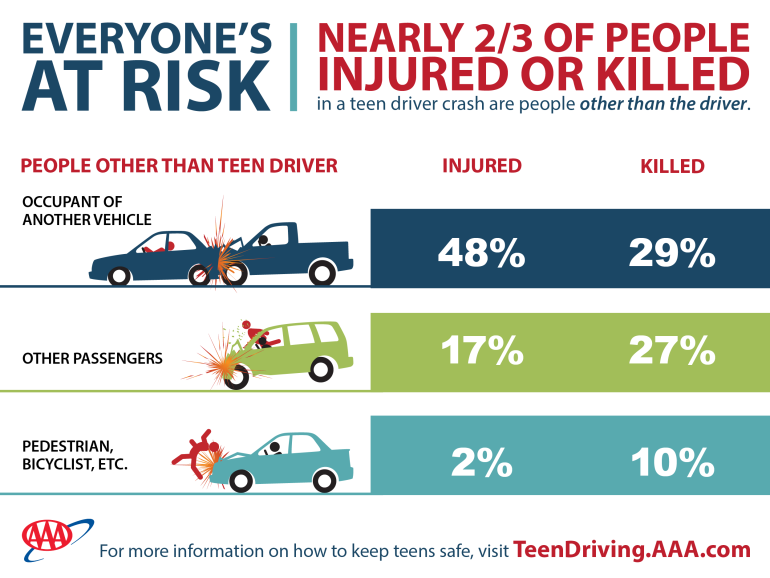
“AAA estimates that during this Christmas and New Year’s season, nearly 95 million Americans will hit the road, traveling long distances to visit friends and family. Unfortunately, during the end-of-year holiday travel period, nearly 27,900 Americans will be seriously injured in auto accidents, and more than 250 will die.

The National Safety Council (NSC) has released reports estimating the number of traffic accidents and fatalities that occur on major holidays, including Christmas, New Year’s, Thanksgiving, Memorial Day, Labor Day, and Independence Day. According to the NSC, the deadliest holiday this year will likely be the Fourth of July, which saw an estimated 540 motorists die during the travel period, which spans roughly four days. 24/7 Wall St. reviewed the NSC’s most recent estimates of motor vehicle accidents and casualties for the six big holidays.”

USA Today (24/7 Wall St.: The most dangerous holidays)

How to prepare safely New Years Eve in regards to drinking!


New Year’s season is one of the most fun and joyous holidays of the year. However, did you know that it is also one of the most dangerous holidays of the year?

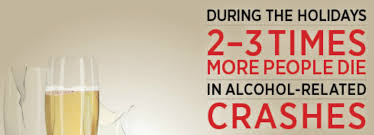
It is estimated that during Christmas and New Year’s season, almost 95 million Americans will be on the road traveling to visit family and friends. People are much more likely to drink and drive around Jan. 1 than during any other major holiday of the year. Almost half of all car accidents on New Year’s Eve and New Year’s Day are due to drinking and driving.

When planning New Year’s Eve, the majority of people aim to celebrate as best they can and create one of the most memorable nights of the year. This often involves lots of alcohol. While it is hoped that most make responsible plans, many often do not. By not ensuring the safety of yourself and others around you during this night, you put yourself at a higher risk of the biggest dangers surrounding this holiday. Make sure you take the proper precautions to ensure your own safety as well as the safety of those around you. Here’s what you should know to avoid some of the biggest dangers and to stay safe and healthy during the New Year’s season:

Don’t drink and drive. Jan. 1 is the No. 1 day of the year with the highest percent of deaths related to alcohol, according to Insurance Institute for Highway Safety data. Between 2007 and 2011, alcohol accounted for 42 percent of all traffic deaths during the holiday. The more alcohol we consume, the slower the activity of the brain, heart and lungs. Before you celebrate, plan ahead. Aim to have a designated driver, or at least to take a cab or an Uber. Beware of other drunk drivers as they are probably more of a worry than yourself. And as always, wear your seatbelt!

If you will be drinking, pace yourself. What many people don’t realize when drinking is that our bodies absorb alcohol faster than we metabolize it. Therefore, the faster we drink, the more time the toxins from the alcohol spend in our bodies. As a result, we have harsher hangovers. Aim to drink no more than one drink per hour. Our livers metabolize about one alcoholic drink per hour. Know the difference in the amounts of the types of alcoholic drinks you are consuming, and that one beer does not equal six shots (12 oz. beer = 4-5 oz. of wine = 1.5 oz. of hard liquor). When drinking, sip slowly. Melted ice will dilute drink, so order drinks on-the-rocks. Add more club soda or tonic water to your drinks than alcohol.

Know what to mix, and what not to mix. Make sure to stick with the same drink all night. While it is a myth that mixing drinks causes greater intoxication, is remains true that it can often makes people sick and experience worse hangovers. To avoid this, choose light liquors such as vodka. Dark liquors have a higher concentration of toxins which make hangovers more severe. Instead of mixing with soda, use non-carbonated fruit juice or water instead. Carbonated mixers speed up the rate of absorption in the blood. Avoid diet mixers such as Diet Coke. With less sugar and calories, the alcohol goes directly into your bloodstream.

Alternate alcoholic drinks with water. Alcohol is a diuretic. This means that the more you drink, the more you have to urinate. More frequent urination leads to dehydration. Dehydration causes hangover symptoms such as headaches and dizziness. Aim to drink at least one large glass of water before and in between drinking alcoholic beverages. You should drink one glass of water for every alcoholic drink you consume. This will also keep you from getting too drunk.

Eat before you drink, and snack while you drink. Never drink on an empty stomach. Make sure to eat a full meal before drinking, and continue snacking while drinking. Eating while drinking will slow down the absorption of alcohol in the digestive track. This gives the alcohol more time to metabolize in the body. Aim to eat foods high in protein such as cheese, meat, and nuts. Fatty carbs work well too, however these are not as healthy.

Myth: Coffee sobers you up. Many people believe that coffee sobers you up in that the caffeine will speed up alcohol’s metabolism. As a result, many think it is helpful to drink a quick cup of coffee before hitting the road. However, this is a MYTH. Coffee may help you wake up a bit, but will not sober you up. The only cure for being drunk is time. If you need to get home and don’t have time to wait, get a ride from a sober driver or call a cab. You don’t want to risk getting into an accident and hurting yourself, or someone else.

QUOTE FOR TUESDAY:

“New Year’s Eve is the perfect time to celebrate, reflect, and have fun!

Whether you’re planning a big bash, a cozy night at home, or something totally unique, there are so many ways to make the night unforgettable.

From thrilling adventures to creative at-home ideas, this list has something for everyone.

Let’s dive into some exciting and unique ways to ring in the New Year and start the next chapter with a bang!”

TheFab20’s (35+ Incredibly Unique Things To Do On New Years Eve – TheFab20s)

What to do on New Years Eve if you need ideas!


Ideas to do on New Years Eve if not going out the safest route to go!

1. Do a 1,000 piece puzzle.

2. Start binging a new TV show.

3. Host or go to a game night with less than 10 or better Zume it.

4. Make and then listen to a playlist of all of your favorite songs.

5. Or just do that thing where you play a song just before midnight, so that the best part plays right at 12 a.m. on Jan. 1.

6. Get Chinese or whatever takeout you want and watch Planet Earth 2 or another documentary or whatever you want to watch.

7. Take a nice, long bath with some salts or bubbles by yourself or with your significant other.

8. Although, if you want to start or read a book, now’s also a good time to do it.  Don’t forget your favorite snack and drink as well.

9. Write letters to your friends and or family.

10. Treat it like you would the the last day of any other month, and do…whatever  but be safe for you and others.

If you choose to take the safest route and celebrate solo or only with your own household, Good Housekeeping has loads of fun alternatives, such as making a New Year’s Brunch, decorating your space, scrapbooking your favorite memories from 2020, or getting dressed up as if you’re going to a party. Oprah Magazine suggests experimenting with fun cocktails, hosting a dinner party via Zoom, making a thoughtful resolutions list, or having a solo photoshoot with a DIY festive backdrop.

If all else fails, pour yourself a glass of champagne and watch a livestream of the ball dropping. We’re starting a brand new year here, and we want to ring it in with pride and positivity — not regrets. 

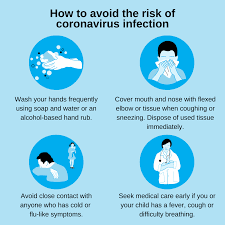
In the end, we’d much rather have you nurse a hangover than a pandemic-level virus restarting (this is the flu and corona virus time again) or simply get sick before going back to work or not with bringing in the new year.


QUOTE FOR MONDAY:

“1-Prevent Falls: Ensure your home is clear of ice and obstacles, and check that furniture is stable to avoid tripping hazards.

2-Fire Safety: Keep fireworks away from your home and ensure they are used in an open area. Have a bucket of water nearby for immediate disposal.

3-Driving Safety: Plan your travel options in advance, consider hiring a driver, or use public transportation to ensure safe travel home.

4-Alcohol Responsibility: Drink responsibly and designate a sober driver if you plan to celebrate outside your home.

5-Pet Safety: If you have pets, ensure they are safe indoors during celebrations to prevent anxiety and accidents.

These tips can help ensure a safe and enjoyable New Year’s Eve celebration!”


Safety tips to consider New Years Eve and New Years day this week!

Preparing For The Holidays During Higher COVID and FLU season

For many people, the holiday season will look different this year. Often, the years before COVID hitting our country USA were busier with parties and visiting family and friends. But due to COVID-19, things like traveling and gathering in large groups it may it not to be possible.  Now be careful with masks not having to be worn anymore pretty much and now COVID with the Flu in season to go up counts.

Many people have lost loved ones and will be missing someone’s presence during the festivities, and even more have lost their jobs and are dealing with financial stress since COVID hit. Others, like healthcare workers, may be working overtime and unable to take as much time off around the holidays as they usually can. It can be hard to cope with these kinds of changes, especially if certain holidays are the only time you see some of your loved ones.

If you live with a mental health condition, you may have an especially difficult time with the uncertainty and the change of plans this year due to the weather or just being COVID & Flu time. Many people with mental health conditions find consistency important in their recovery, especially during times of high stress – like both the pandemic and the holiday season. A sudden shift in tradition may have you feeling an extreme loss of control on top of disappointment.

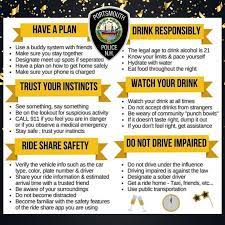
Plan a Sober Ride

Drinking during New Years is not uncommon. But if you do choose to enjoy a cocktail or two, keep yourself and those around you safe by planning for a sober ride. Ask a sober friend or family member to take you home. Take an Uber,  planned ride or even an old fashioned cab if that is your preferred method. You can even take a bus or train depending on where you live and where the party is from. Even in your sober ride, act appropriately so your driver can pay attention to the road. Remember, your driver may be sober, but there’s likely another driver near that is not.

Don’t Drink and Drive:

This first New Year’s safety tip is obvious for a reason. Drinking and driving is not only dangerous to yourself but also everyone else in the vicinity of your vehicle. It should come as no surprise that January 1st has the highest percentage of deaths related to alcohol, according to the Insurance Institute for Highway Safety data. Between 2007 and 2011, 42 percent of all traffic deaths during the holiday were directly caused by alcohol. Keep others from driving while intoxicated by suggesting they use other methods, like an Uber.

Eat Dinner:

This may seem like an odd New Year’s safety tip, but a full stomach is a great way to avoid alcohol poisoning.

Try to consume foods high in protein such as cheese, meat and nuts. These types of food will slow down the absorption of alcohol in the digestive system. This will give the alcohol more time to metabolize in the body resulting in a lower risk of alcohol poisoning. Our liver metabolizes about one alcoholic drink per hour. A good rule of thumb is a 12 oz. beer = 4-5 oz. of wine = 1.5 oz. of hard liquor. By sipping a drink rather than chugging it, your body will have more time to metabolize the alcohol which will result in less of a hangover. Consider ordering an appetizer if you’re out at a restaurant or snack on nuts while drinking at a bar.

Pet Safety:

Nothing frightens pet’s more than sudden loud noises. Extra attention must be given so your pets won’t run away in a panic. Scared, running pets can be hit by cars, cause accidents, and become lost…not to mention, frequently bite people if scarred or threatened.

Wait to Post on Social Media:

Yes, it’s tempting to document your holiday celebrations online with friends and family, but recommended is waiting until you’ve returned home to share. You never know who’s looking at your account and what their intentions may be.

These are five fairly simple New Year’s safety tips that can simply save your life. Don’t let the dangers of New Year’s ruin your celebration. Be prepared, have a good time, and have a happy New Year’s!

Acknowledge What You’ve Lost.

While the holidays are mainly about thankfulness and celebration, this can also be a really hard time of year, even during normal circumstances. If you’re missing a loved one, think of ways to honor them during your festivities. If you’ve lost a job or had to drop out of school, take the time to recognize the challenges that came with that. Even if you haven’t lost anything concrete, we’ve all lost our sense of normalcy this year – it’s okay to grieve that during this time.

Make The Most Of It.

There’s no denying that things will be different this year, but holidays don’t need to be canceled (or even minimized). There will be some things that you can’t do right now, but there are surely some that you can. You can still carve pumpkins, send sweets to your friends and family for Diwali, make your favorite Thanksgiving meal, light the menorah, decorate gingerbread houses, and break out confetti poppers for New Year’s Eve. For the things you can’t do – brainstorm how to adapt them for COVID times. If you’re disappointed about Halloween parties being cancelled, plan a small outdoor gathering, or come up with virtual games to play over Zoom instead. Feeling lonely because you won’t get to see your extended family? Round up your cousins to video chat while preparing Thanksgiving dinner.

Don’t Romanticize Your Typical Holiday Plans.

Remember that while your holiday season may normally be full of excitement and joy, it can also be a time of high stress. Long days of travel, endless to-do lists, and dinners with that one family member you don’t get along with are all part of the holidays too. Even though you may be giving up some of your favorite things about the holidays this year, you’re probably leaving some stressors behind too. You don’t need to be happy about this – sometimes the chaos is part of the fun! – but be careful not to distort the situation and make it seem worse than it really is.

Practice Gratitude.

Gratitude is a major focus this time of year, and while it may seem harder to find things to appreciate, there is still plenty to be thankful for. Make a conscious effort to regularly identify some things that you’re grateful for. It can be something as broad as your health, or something as specific as your favorite song playing on the radio the last time you got in the car. Change is hard, but it isn’t always bad. There are still ways to celebrate the season with your loved ones, even if you must give up some of your favorite traditions. Find creative ways to adapt. Or start new traditions – they may even add more meaning to your holiday season.

If you’re still finding yourself sad, hopeless, or unable to enjoy the holidays this year, you may be struggling with a mental health condition. Look up a online screen to determine what you’re feeling is a sign of something like depression or anxiety rather than holiday stress.

OTHER TIPS IN GENERAL:

  • Don’t drink and drive
  • Monitor your alcohol intake
  • Do not serve minors alcohol
  • Parents should be aware of their children’s whereabouts
  • If possible, avoid driving between 8 p.m. and 2 a.m. on New Year’s Eve
  • When walking, use main roads. New Year’s Eve and day are among the most deadly days for pedestrians.
  • Travel with groups
  • Keep your phone charged so you are prepared in the event of an emergency
  • Be careful what you share on social media on New Year’s Eve
QUOTE FOR THE WEEKEND:

“Stay Active: Incorporate physical activity into your holiday routine. Engage in seasonal activities like ice skating or hiking, or simply take a walk after meals to help with digestion.

Mindful Eating: Pay attention to your hunger and fullness cues. Avoid skipping meals to “save” calories for later; instead, have smaller, nutritious snacks throughout the day to maintain energy levels.

Enjoy Treats in Moderation: Allow yourself to enjoy holiday treats, but do so in moderation. The 80/20 rule can be helpful: aim to eat healthy 80% of the time and indulge 20% of the time.

Volunteer or Engage in Activities: Shift the focus away from food by volunteering or participating in community events. This can help create new traditions that don’t revolve around eating.

Reflect and Adjust: After the holidays, take time to reflect on your eating habits and make adjustments as needed. This can help you stay on track with your health goals throughout the year.

By following these tips, you can enjoy the holiday season while maintaining a healthy diet and lifestyle. Remember, balance is key, and it’s possible to indulge in festive foods without compromising your health.”

Center for Disease Control and Prevention-CDC (https://www.cdc.gov/healthy-weight-growth/about/healthier-holidays-in-1-2-3.html)

What foods are great for your health; especially during this holiday week & after X-mas when getting ready for New Years Eve?


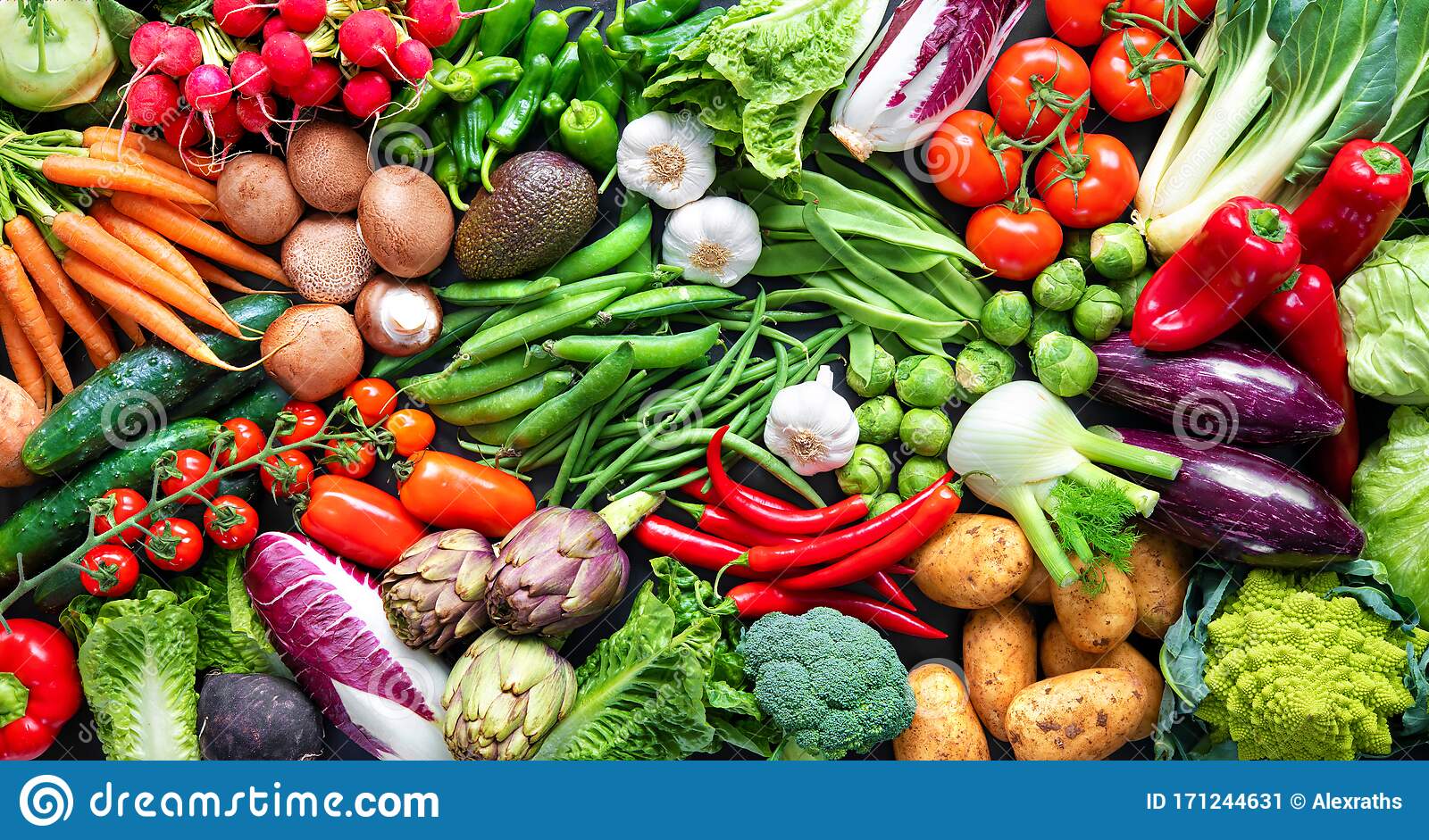
Fruits and vegetables are great for your health—and even better for your waist. Some fresh foods are more powerful than others. Some foods have more than their great taste but also healthy vitamins, minerals, and disease-fighting nutrients. Pack your meals adding this range of wholesome choices to your diet.  These kind of foods are always great with the meats and not all heavy foods!

1.) Alfalfa sprouts – you can add them to your salad, fruits, lean meats, even for you vegetarians to your veggie or bean burger. You be creative and try alfalfa sprouts to many of your lunch and dinner meals.

2.) Apples are the richest fruit source of pectin, a soluble fiber that has been shown to lower blood pressure, reduce cholesterol, decrease the risk of colon and breast cancers, and maybe even lessen the severity of diabetes. Try throwing a few slices on your sandwich or toss with your salads adding toasted pecans/walnuts or whatever nuts you love, and have a light vinaigrette for a delicious salad (one of my favorite is raspberry flavored). With so many varieties available, you’ll never get bored finding new ways to have apples to your daily diet.

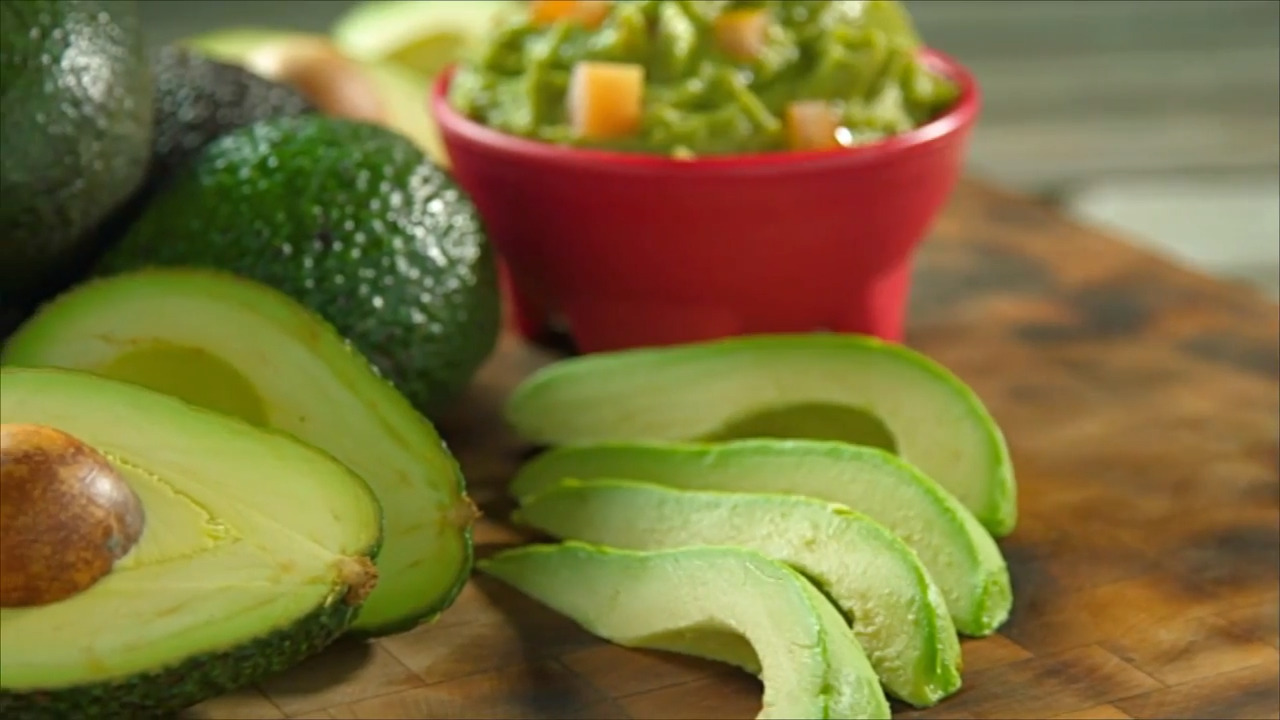
3.) Avocados Just one half of a medium-size avocado contains more than 4 grams of fiber and 15% of your recommended daily folate intake. Cholesterol-free and rich in monounsaturated fats and potassium, avocados are also a powerhouse for heart health. Avocados can be the base for a creamy homemade sandwich spread, or add a few chunks to your favorite salsa for a simple and delicious way to dress up grilled chicken or fish. Beets are loaded with antioxidants and have been found to protect against cancer, heart disease, and inflammation. Naturally sweet and full of fiber and vitamin C, beets make a delicious and nutrient-packed addition to any meal. 4.) Beets give a try as finely grated raw beets in your salads or roast them along with sweet potatoes and parsnips for a colorful and flavorful side-dish—just remember if you boil them it will decrease their nutritional value. And don’t forget about the leafy green tops, which are rich in iron and folate, and can be prepared much like their cousins, Swiss chard and spinach

4.) Cranberries great for protecting against urinary tract infections, but did you also know they may improve blood cholesterol and aid in recovery from strokes? Cranberry juice has also been shown to make cancer drugs more potent. Remember, the available frozen year-round, enjoy these tart and tangy berries fresh during their peak season which is from October through December.

5.) Papayas-Trying to get more vitamin C in your diet? One cup of papaya cubes supplies more than 100% of your daily requirement, as well as a hefty dose of potassium and folate. It is also a good source of vitamins A and E, two powerful antioxidants that protect against heart disease and colon cancer. Savor the rich, and enjoy a buttery flesh of this tropical fruit in smoothies and salads, or simply scoop it out of the shell with a spoon.

6.) Quinoa-Is a packed with a variety of nutrients, including iron and copper, this has been known as the ancient seed “the mother of all grains.” Quinoa contains all the essential amino acids, making it a complete protein (perfect for vegans and vegetarians). It is also a great source of magnesium, which relaxes blood vessels and has been found to reduce the frequency of migraines. Researchers have found that consuming dietary fiber, specifically from whole-grain products such as quinoa, reduces the risk of high blood pressure and heart attack. Keep your engine of the body=THE HEART in top shape by substituting quinoa for rice or pasta in your next meal. It makes a great base for seafood dishes and mixes well with beans.

7.) Raspberries-The tart, sweet, and incredibly juicy fruit. Have one half cup of these berries provides a whopping 4 grams of fiber and more than 25% of the daily recommended intake for both vitamin C and manganese. Raspberries also contain a powerful arsenal of antioxidants, including members of the anthocyanin family, which give raspberries their ruby-red hue and antimicrobial properties. I enjoy them in my salad or raw in my hand, after washing them but try a few berries with your morning cereal if you want.

8.) Spinach-Powerful antioxidants in spinach have been found to combat a variety of cancers, including ovarian, breast, and colon cancers. And it’s good for the noggin: Research indicates that spinach reduces the decline in brain function associated with aging and protects the heart from cardiovascular disease. Although it contains relatively high amounts of iron and calcium, oxalate compounds bind to these minerals and diminish their absorption. This vegetable has a mild flavor, so I spice it up with garlic, or you can try olive oil, and onions.


Rest and relief after Christmas so important for our health!

Many people will find themselves burnt out after the festive season instead of refreshed and ready for another working year. It is very important to use the time you have off work to revitalise yourself, relax and spend quality time with your loved ones. This will have fantastic affects on your mindset going into the New Year. An essential aspect of winding down at this time of the year is through sleep and rest.

Sleep is an essential daily body function. Sleep boosts the immune system, repairs muscle and tissue damage, archives memories and helps sort through all the information processed throughout the day. Without enough sleep, we experience fatigue, attention and memory problems, and stress. It’s easy to skip the required amount of sleep during the festive period due to the stress and anxiety associated preparing food, buying presents and entertaining guests. But without enough sleep, alertness and attentiveness is affected, which will take away from your experience and enjoyment.

That is why it is just as important during the festive season, if not more, to make sure you get the recommended 7–8 hours of sleep per night. While you may not be at work, your body may be more physically exerted than it would be in non-holiday weeks, with the additional impact of alcohol and overeating. During this time you may also be more emotionally stressed, which is only intensified with lack of sleep.

Stress and Fatigue

Physical and mental exhaustion are both components of fatigue. Sustaining concentration, attention and alertness is profoundly affected by lack of sleep, symptoms that are unwanted all the time but especially when you want to enjoy yourself over the festive season. Feeling fatigued causes people to feel stressed; around this time of the year when people are already starting to feel overwhelmed, lack of sleep and fatigue will heighten it further and make for an unpleasant holiday.

Sleep and weight control

Sleep is an integral component of weight control. Studies have confirmed that even with healthy eating and exercise, if people do not achieve enough sleep they will have difficulty losing weight. With all the almost unavoidable overindulgences during the festive period, sleep will be an essential part of keeping the weight off.

The after-Christmas-lunch lullRest over the festive season

It is a natural biological function to feel sleepy at around 2pm every day. This is heightened after a big carbohydrate rich meal – or, in other words, by what you will be eating on Christmas Day! When you feel the post-lunch dip it is perfectly okay to have a 20–30 minute nap. Napping is a good way to improve alertness and performance if kept under an hour. This will give you some energy to get ready for the next celebration at Christmas dinner!