

Archive | December 2025
QUOTE FOR WEDNESDAY:
“The holidays are often referred to as the “most wonderful time” of the year. Some people feel sad during the holidays, though. Others may feel overwhelmed or anxious. It can be an emotionally packed time of the year, especially if you’re alone for the first time on Christmas, when it may seem that everyone is connected with family. Social conditioning and societal expectations may send the message that it’s not normal to spend the holidays alone. However, if you’re alone on Christmas, that’s okay. There are ways to make the most of your holidays and connect with yourself. By addressing mental health challenges, practicing self-care, and starting fun, independent traditions during Christmas time, you can enjoy the holidays entirely by yourself, whether you are alone by choice or not.
As a way of beginning the new year on the right foot, consider spending some time pampering all five of your senses. This could make you feel happy or feel connected to yourself and your inner life. Below are some suggestions on ways you might do so:
- Sight: Wear a beautiful outfit, put on makeup you enjoy, watch a film or TV show, look outside your window, go to a beautiful natural area, or read a book/story.
- Scent: Light a candle or incense, bake pleasant-smelling goods, cook an aromatic dinner with many spices, or wash your clothes and smell them= out of the dryer.
- Sound: Listen to a saved playlist, play white noise, or listen to nature sounds for a moment.
- Touch: Wear comfortable pajamas, change your bedsheets, wear slippers, pet your animals, hug someone you love, put on soothing lotion, partake in a facial routine, or take a bath or shower with soaks.
- Taste: Try a new dessert, order takeout, eat a healthy snack, practice mindfulness with taste, or try a new food to fill your need for variety.”
Better Help (I’m Alone On Christmas: Ways To Celebrate Christmas Day By Yourself | BetterHelp)
Ideas for deciding how to spend your Christmas Eve & Christmas day if staying home this holiday alone!


1 – Let’s start with the obvious. Dive into a book.
Picking up a book (whether it’s a Christmas story, one of the seven reads that help Oprah through tough times, or a gripping thriller), can help you escape into an entirely different reality, and one that you don’t usually have time to explore. Didn’t plan ahead? Download a reading app (psst, Harlequin relaunched a great one for steamy reads) and try out a buzzy best-seller, indulge in a juicy romance novel, or make your way through some of Oprah’s Book Club picks. (We also hear these podcasts have some pretty good suggestions, too.)
2 – Be your own version of jolly old Saint Nicholas.
Spread some cheer this holiday season—with a few small acts of kindness. Whether you have a few bucks or a hundred-dollar bill, consider giving to one these hardworking organizations:
- First Book is a nonprofit that provides new books and learning materials to children in need, while Reach Out and Read works with a network of nurses and doctors to distribute books to children living in low-income homes at their regular checkups.
- Achilles International has paired over 150,000 disabled athletes with able-bodied athletes to help them be more active and participate in mainstream sports.
- Feeding America is the nation’s largest domestic hunger-relief organization, which is comprised of more than 200 food banks around the country and feeds more than 46 million people each year.
- Toys for Tots, a program run by the United States Marine Corps, distributes holiday toys to children whose parents cannot afford to buy them.
- Covenant House is an organization that provides housing and resources to homeless youth in 30 cities across the United States.
- The USPS’s annual Operation Santa program, which is going digital for the first time, allows people to fulfill wish lists from kids in need that are addressed to Santa.
On a tight budget? Try volunteering instead. While many in-person volunteer opportunities are out of the question due to the ongoing coronavirus pandemic, there are plenty of virtual volunteer opportunities: Volunteers for Hire Heroes USA help veterans and military spouses excel in their careers by conducting mock interviews and offering general career advice; Tarjimly is a nonprofit with a free app that connects refugees, immigrants, and asylum seekers with multilingual volunteers via video chat; Be My Eyes is a free app that connects visually impaired people who need assistance with everyday tasks (think: reading an expiration date) with sighted volunteers through live video chat; and StoriiTime is a free service that connects children with seniors for a virtual story hour.
“Sharing stories will help you realize you aren’t alone and there is always someone we can find connection with. It just might be in the least expected ways,” says Eryn Eddy Erickson, a speaker specializing in topics of self-care and creativity. Hey, you never know…the gift of your company may be that person’s Christmas miracle.
3 – Binge all those shows you’ve had no time for.
Haven’t caught up on The Bachelorette? Not enough vacation days to watch Emma Corrin in The Crown or escape to Schitt’s Creek? Surround yourselves with friends, even if they are on your television. There’s a definite comfort in allowing yourself to just put on some fuzzy socks and commit to not changing out of your flannel pajamas all day.
4 – Sweat a little.
While your gym might not be open and it could be too cold for a run, consider starting your morning by streaming a workout video or yoga class. After all, as you’ve heard before, exercise increases endorphins, which will help you start your day with your mood already elevated.
5 – Visit a nearby church, if that’s your thing.
“Instead of being cooped up in your home watching reruns of others enjoying the holiday, why not take a trip to a local church,” suggests Ireland. “Spiritual moments have a way of taking your mind off of your needs and centering you on your many blessings,” he says. (Due to the ongoing coronavirus pandemic, many churches have shifted to virtual services and events, so be sure to check with your local church to see what they’re offering on Christmas Day.)
6 – Reminisce or create new memories.
Enjoying the holidays is partially about reliving memories, even if you can’t be with the people you made them with, explains Dr. Jeremy Nobel, founder and president of the Foundation for Art and Healing, whose signature initiative is the UnLonely Project, which addresses the health challenges of loneliness and social isolation.
Nobel recommends compiling old holiday photos into a collage (you can do so digitally on sites like Shutterfly, or whip out those scissors). Or, try writing in your journal about your memories. Another strategy is going for a walk and taking new pictures that bring back the feelings of those cherished moments, like that of a local park where sledding happened. Sharing those pieces of art with friends and family–even when they are not present physically–can allow you all to feel connected, says Nobel, who is also a professor at Harvard Medical School and Harvard School of Public Health.
“If you’re spending Christmas alone, it can be tempting to pull the covers over your head, isolate, or even go on a bender, but maybe it’s better to consider making a memory that gives you joy in the midst of what may be a painful day,” says Ashley Abercrombie, author of Rise of the Truth Teller.
7 – Soak in some self-care.
According to Pinterest, the platform has recorded a 44% increase in searches for meditation, a 60% increase in searches for gratitude, and a 42% increase in searches for positivity just in 2020–meaning that while you might be physically alone, there are tons of people who also need some self-care this holiday season. To turn your home into a spa, treat yourself to an at-home facial and whip up a bunch of DIY treatments, like a sugar lip scrub, a hydrating face mask, and a repairing hair mask. (More of a DIY disaster than master? Check out our list of the best pampering gifts and the best self-care subscription boxes.)
8 – Listen to a joyful playlist, without the carols.
Have you heard? Music is a scientifically-proven way to boost your mood, thanks to the release of neurotransmitters like dopamine (which regulates pleasure) and serotonins (which contributes to wellbeing and happiness). So, try creating your own soundtrack “for a festive me-day” or rock out to this happy songs playlist. (Pro tip: Try Stack your songs days in advance so when the morning comes all you have to do is press “play.”)
9 – Try a well-being activity
Despite the twinkling lights and endless eggnog, holiday cheer isn’t always guaranteed—which is why you might want to have some mood-boosting activities on hand. Maybe that’s knitting a cozy blanket, working on a challenging jigsaw puzzle, or coloring, which is a known stress buster. (These are some of our favorite coloring books for adults.) You could also look on the Pinterest app, which offers a variety of emotional well-being activities. Simply search for #pinterestwellbeing to jump into exercises for feeling gratitude and self-compassion, along with other interactive practices that could help you lift your spirits.
10 – Change your mental narrative.
“Loneliness is a liar. Acknowledging that you are alone for the holidays in no way indicates that no one cares about you or that you will forever be alone,” says Erickson.“There are people in this world that want your time and attention,” she says. Erickson suggests those alone on Christmas combat negative self-created narratives with truth and opportunity. Here’s the truth: You’re alone on Christmas and that’s okay.
Next, give some thought to the choices or situations which led to spending the holidays alone. “If it’s a decision that you understand or agree with, you can find comfort in the reasoning behind it,” says Nwoke.
“If it’s a situation or decision you’re not happy with, reflect on this and how you’d like to approach it differently. Either way, you have the power to choose how you want things to be moving forward.”
11 – Play an online game.
Using technology to connect with others can give us the illusion we are with someone else psychologically, even if we are physically apart, says Donghee Yvette Wohn, New Jersey Institute of Technology (NJIT) assistant professor of information systems. This feeling can be generated without even looking at the other person, like playing an online game with someone else. Think: Animal Crossing, Mario Kart, or even something simple, like Words with Friends.
12 – Could always help at as a Volunteer to help out organizations in your community. Help feed the homeless on the holiday as a example, get involved and occupy your time. Before you know it you will enjoy what your doing or the time is up to go home and you will feel better inside that you used your time selfishly and wisely. If you decided to stay home and rest the day than there is nothing wrong with that either. Just enjoy your day alone or not; its is based on your preference.
No matter what you do, volunteering is a selfless act that will help transform the lives of many people over the holiday season. If you’re in the US, you can search for volunteering opportunities on the Corporation for National and Community Service’s website, and in the UK you can search on sites like Do-It.org
The holidays can be tough. For every Brady Bunch-type family who began making elaborate plans exactly five months ago as Coronavirus pandemic restrictions eased, there’s many more who find the whole thing extremely overwhelming.
If you’ve just suffered a loss, for example, or if you’re unable to be around family – being alone for Christmas can be a pretty tough time. Others might have work obligations, family disputes or simply a lack of funds to hop on a flight home.
If this sounds like you, the most important thing to remember is that you should be patient and gentle with yourself. If you’re feeling low or not in the mood to celebrate, that’s absolutely fine. Just because it’s Christmas, doesn’t mean everything in your life has to be wrapped up in a tightly knotted bow and sparkling under candlelight.
And most importantly, have a happy, healthy festive holiday!
QUOTE FOR TUESDAY:
“2 ways to be a more relaxed host and actually enjoy your own holiday gathering.
1. Plan ahead.
The earlier you start working on the party, the less you’ll have to rush to get everything ready by the big day. “Make lists, set a schedule, and tackle tasks gradually to avoid last-minute stress,” says Susan Ashley Boykin, owner of North-Carolina-based party-planning company Social Conceptions. “Planning ensures you’re organized and have time for everything.”
2. Don’t be afraid to delegate.
Throwing a party is hard work, but the good news is you probably have at least a few guests who would love to help you — so don’t hesitate to ask. “Enlist friends or family members to assist with decorating, food preparation, and serving,” suggests Boykin. “Sharing responsibilities lightens your load.”
Apartment Therapy (10 Thankfully Simple Ways to Be a More Relaxed Host | Apartment Therapy)
How to still have fun being the hostess & host with the anxiety low this holiday season!
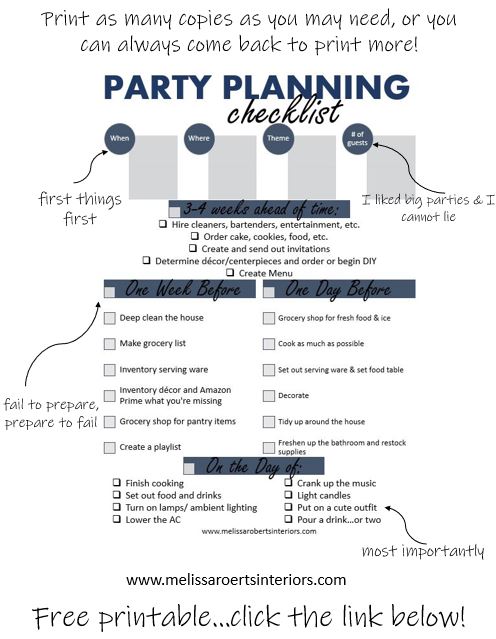

Just because you’re the host/hostess, doesn’t mean you have to shoulder everything yourself. Communicate with your partner and see what they can do to help you out. My husband, for instance, wants to help, but we have different ideas about what goes into hosting a party.
Ways to make your Christmas, Hanukkah, or whichever party as hostess/host and keeping the anxiety low but the fun high!
1. Cook Ahead!
The most important thing anyone can do to make it through the constant coming and going of holiday house guests is to prepare as many foods in advance as possible. Be it freezable soups, ready-to-bake cookies or preparing your main dish for Christmas dinner the night before, you will be very thankful that you did the work during a quieter stretch of days.
2. Keep a Well-Stocked Pantry
Stock up on foods that your house guests can help themselves to, such as dry goods for breakfast or late-night snacks. You don’t have to make everything (or anything) from scratch: Buy some good granola, nut butters, jams, a quality loaf of bread, spiced nuts. If you want to be a little “extra”, then put everything out in a basket with bowls, spoons and napkins so your guests can find everything easily and help themselves. This goes for beverages, too: keep your fridge stocked with bottled water, seltzer or soda, and make a full pot of coffee in the morning so people can pour their own. If you are in the mood to make something, we love these crumbly streusel-topped jam bars because you can make them a few days in advance and they can sit out at room temperature.
3. Leave a Welcome Note
If you’re hosting guests from out of town, in addition to leaving a few essentials in their room like clean towels, an alarm clock, a hairdryer and basic toiletries, write them a note with helpful tips for their stay. Maybe it’s where to find the nearest coffee shop or lunch spot, your wifi password, instructions for the TV, or a few suggested activities – either way it will make your guests feel welcome (and save you from answering these questions later).
4. DIY a Guest Room if You Don’t Have One
If you don’t have the luxury of a designated guest room, try to make your guest’s “room” feel as welcoming as possible. So, whether it’s an air mattress in your office or a sofa in the living room, dress it up like a real bed. Designate a “nightstand” for them (this can be a cleared-off table or book shelf or a stack of books) and set out an eye mask or ear plugs if your guest is sleeping in a common area. Also, investing in an inexpensive folding screen goes a long way for giving your guest a little privacy. It can easily be folded up and stored when you’re not hosting.
5. Free Up Closet Space
If you have guests staying with you, especially if you don’t have a separate guest room (see #4), free up some space in a closet for them to stash their things. Tight on closet space? Then set out a foldable valet stand (we like this sleek, lightweight gold one) and an empty basket for dirty laundry.
6. The Little Things Make a Difference
Be it fresh flowers and a carafe of drinking water on your guest’s nightstand, a scented candle in the entryway or bathroom (caution: don’t over-do it on the scented candles), peaceful music playing in the morning, a spare phone charger on the dresser or a full jar of fresh-baked cookies in the kitchen, these little touches will stand out.
7. Skip the Paper Napkins and Plates
It’s the holidays – this is the time of year for real silverware and linen napkins for a group of 15 or less. If you don’t have enough for the crowd you’re expecting, then rent them from a nearby rental house (it’s cheaper than you think AND they wash them for you) or check out a thrift shop and go for the mismatched look. We love these inexpensive, but chic, dinner plates and flatware from Ikea.
8. Invest in a Coat Rack. It’s Worth It.
If you’re hosting a large crowd for the holidays and you don’t have spare closet space, then consider renting or buying an inexpensive coat rack for guests to hang their coats. Your guests don’t want to rifle through a pile of jackets at the end of the night just as much as you don’t want everyone’s coats on your bed.
9. Stock Each Bathroom with Plenty of Toilet Paper
And avoid someone having to make the awkward ask mid-party. For those with septic tanks inform those with a cute Holiday Season Party sign stating only toilet paper in the toilet to prevent toilet clogs! I know I have one and use only single toilet paper!
10. Create a Timeline for the Big Day
If you’re hosting the whole family for holidays or you are having a cocktail party for 50, plan out your “run of show” a few days in advance. This should include everything from when to pop the roast in the oven to when to light the candles.
11. Don’t Be Afraid to Ask for Help
As much as we’d like to believe that we can do it ALL, everyone needs a little help now and then. Appoint a family member to do the vacuuming or set up the glasses on the bar. If you’re preparing a big feast, ask a friend to help people find a drink when they arrive or hang up their coats so you can attend to the food in the kitchen.
12. Deep Breaths
While this is supposed to be the most “wonderful time of the year”, the holidays are stressful. Take a moment for yourself before and amidst the chaos. Whether it’s a glass of wine on the couch or screaming into a pillow in your bedroom, try to relax! If you skip one of the appetizers or the pie crust gets a little too burnt, no one will remember. If you are relaxed, your guests will be relaxed.
QUOTE FOR MONDAY:
“Holiday heart (holiday heart syndrome) is a condition with a short-term abnormal heart rhythm (arrhythmia). It happens after drinking beverages that have alcohol in them. Alcohol can lead to atrial fibrillation (AFib) for a day or two after you stop drinking. It happens after people have multiple drinks with alcohol in them. Treatments are available. People usually recover in a day, but holiday heart can be dangerous if it causes a stroke or other complications.”
Cleveland Clinic (Holiday Heart Syndrome: Symptoms & Treatment)
Holiday Heart Syndrome-What it is, the S/S, the causes, risk factors and treatment!
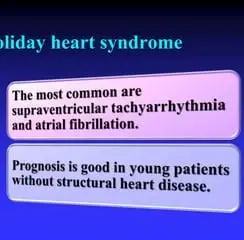

Holiday heart (holiday heart syndrome) is a condition with a short-term abnormal heart rhythm (arrhythmia). It happens after people have multiple drinks or a person drinking beverages that have alcohol in them. Alcohol can lead to atrial fibrillation (AFib) for a day or two after you stop drinking. Treatments are available. People usually recover in a day, but holiday heart can be dangerous if it causes a stroke or other complications.
Researchers gave this syndrome its name when they saw more AFib cases related to alcohol use in December and January.
Alcohol can harm your heart muscle and affect how well it works. Alcohol also makes you pee more, which removes electrolytes from your body. Your heart needs the right amount of electrolytes to work well.
Holiday heart symptoms may include:
- Heart palpitations
- Fatigue
- Shortness of breath
- Weakness
- Chest pain
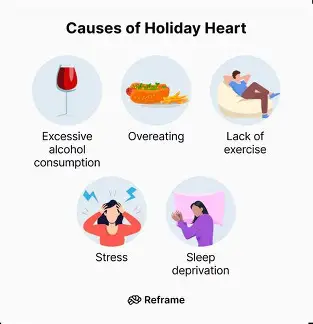
Holiday heart causes:
Several things linked to holidays contribute to developing this condition, like:
- Extra alcohol: Drinking five or more beverages that contain alcohol is the main cause of holiday heart syndrome. But this number of beverages could vary from person to person.
- Extra food: Eating a lot of food, especially salty snacks, makes your heart’s job harder.
- Holiday stress: The stress of trying to do so much during the holidays makes more demands on your heart.
Risk factors:
You can get holiday heart syndrome even if you’re young and don’t have a heart condition. But you’re more likely to get AFib from drinking alcohol if you:
- Have high blood pressure (hypertension)
- Have an issue with your heart’s structure, like your valves
- Have conditions that affect your heart, blood vessels and energy use
- Are older than 65
- Are male
- Are white
- Have sleep apnea
- Have diabetes
- Have obesity
You can decrease your risk of holiday heart syndrome by not drinking beverages with alcohol. Managing the medical conditions you have also helps decrease your risk.
How doctors diagnose holiday heart; the MD may do the following:
- Physical exam
- Medical history
- Blood tests to check electrolyte and oxygen levels
- Electrocardiogram (EKG)
- Chest X-ray
- Echocardiogram
- Holter monitor
- Telemetry
Management and Treatment:
If you have an abnormal heart rhythm, a healthcare provider will observe and monitor you. Holiday heart syndrome treatment may include:
- Hydration through an IV line
- Electrolytes and vitamins
- Anticoagulants to prevent blood clots that could cause a stroke
- Beta-blockers or calcium channel blockers to manage your heart rate
- Other medications called antiarrhythmics to control your heart rhythm
- Procedure to return your heart to a normal rhythm (cardioversion)
Recovery time:
Depending on how your healthcare provider needs to manage your case, you may be able to get back to regular physical activity in a few days. Until then, you can help prevent another AFib episode by not exerting yourself and avoiding alcohol.
When should I see my healthcare provider?
Go to the emergency room if you have heart palpitations, chest pain and shortness of breath. Don’t drive yourself. Call 911 or your local emergency number instead.
BE SAFE THIS HOLIDAY SEASON WITH HAVING A HAPPY ONE!
Concerns with parties for this winter holiday season!

Below are five identified strategies to deal with family conflict throughout Christmas and New Years:
- Communicate in a positive manner. …
- Although easier said than done, try to be objective and void of emotion when negotiating with others. …
- Respect each other’s point of view. …
- Negotiate and compromise.
- Remember there is Covid 19 still going around; so limit the amount from 20 to 30 to about 10 or 15 people.
As the winter holidays approach, employees tend to deal with more distractions than usual. Planning dinners, hosting out-of-town family members, purchasing gifts and figuring out the logistics of other festive activities can easily cause people’s minds to wander when they’re at work. From a health and safety perspective, it’s worth considering how these issues affect workers on the floor, on site, on the road or at home.
Infection Prevention
Wash those hands before and after eating; before touchng food and after laying out the food, host/hostess don’t forget with soap the Purell (hand sanitizer) in the bathroom and at the sink in the kitchen if not already; it can’t hurt to make that a regular habit at home.
Fatigue
People are more likely to be fatigued during the holiday season due to extra tasks and responsibilities—like last-minute shopping before or after their shift, decorating their house, or going to school plays. As a result, fatigue can pose a big problem regardless of whether or not employees are engaging in high-risk work.
Injuries in the workplace occur most often when they’re not expected and are more likely to happen when employees are tired or run down. So, although fatigue is a complex issue that lacks a single easy solution, it might be a good idea to consider longer breaks or alter work schedules to help compensate for seasonal fatigue.
Rushing and frustration
In addition to holiday stress in employees’ personal lives, many industries face their busiest times leading up to the end of the year. The added pressure in the workplace can affect employees’ emotional state, causing them to rush or become frustrated. These states may cause employees to unintentionally create hazards, miss something vital, lack patience with delicate procedures or become short-tempered. When rushing or frustrated, people are more likely to slip, trip or fall, bump into colleagues and machinery, or forget to perform small but vital tasks.
It should also be noted that some companies fail to live up to the “safety first” slogan during the holidays. Orders and production are important, but not at the cost of someone’s health or life. It’s important for management to make it clear to employees—through actions as much as words—that their safety is more important than rushing through a job.
Ladder safety
Taken by the holiday spirit, employees may choose (or be asked) to decorate the workplace. With ladders being used more frequently around the holidays, it’s important to provide a refresher on ladder safety. For example, people should ensure the ladder’s stability before use, keep three points of contact at all times and never place a ladder on a surface other than the ground. It’s also worth mentioning that decorating is much easier and safer to do if the task is not left to one person. That’s because they might be more inclined to rush or ignore the need for three points of contact in order to carry bulky decorations up the ladder.
Electrical safety
Many electrical incidents happen over the holidays. In fact, thousands of people are treated each holiday season after sustaining an electric shock or being injured in an electrical fire. These incidents are often caused by carelessness and misuse of (sometimes old and faulty) decorations. Ensure that any decorative lights have been tested for safety by a recognized testing laboratory, are undamaged and don’t overload the sockets. Employees should also be reminded about the importance of unplugging decorations for the night and never using electric lights on a metallic tree.
Slips, trips and falls
If corridors and rooms are free of decorations and cables throughout the year, people are likely to become complacent and fail to notice when suddenly there is something in their way. Holiday lights and decorations should be clearly visible and kept out of the way to prevent tripping.
But there are many other ways for people to slip and fall during the holidays. Snow, ice and rain are the main culprits, especially because they’re coupled with shorter, darker days that make it easier for people to miss or misjudge a step when walking outdoors. Snow and ice should be removed promptly from areas where people will be walking. Safety managers should also consider providing new or additional mats to stop snow and water from being brought inside working areas.
Food safety
Nobody wants to see employees get sick before the holidays. However, some workplaces don’t take adequate precautions when ordering and storing party platters for their staff holiday gatherings. Food handling guidelines must be followed whenever food is being prepared, stored and distributed.Be extra mindful of food-related allergies and make sure that anything with allergens is labeled appropriately and kept separately from other foods. If employees are contributing to potlucks or baking for their colleagues, remind them of the need to communicate the use of common food allergens.
Drunk and drowsy driving
Work and family gatherings are often an opportunity for people to have a few drinks—but it’s imperative that nobody is allowed to get behind the wheel after consuming alcohol. No employer wants their workers involved in a car crash. When organizing an event where alcohol is served, it’s a good idea (and a gesture of goodwill) to pay for workers’ taxis. There are also various charities and companies that drive people home in their own cars, thus preventing unnecessary worries and logistical problems concerning vehicles being left somewhere overnight.
To reiterate the problems of fatigue above, you should treat drowsy driving with the same level of conviction as drunk driving because it is also risky and most people are so complacent with driving tired that they don’t even give it a second thought. And the combination of a late night and a couple of drinks compounds the risk to disastrous levels. For more on drowsy driving, take a look at this free webinar on how to deal with worker fatigue.
Prepare for the winter hazards
While the holidays are an exciting time, people are more likely to fall ill or be involved in a workplace incident if they don’t keep their minds and eyes on task. Provide longer breaks when possible to combat fatigue, ensure ladder safety is adhered to, discuss relevant holiday safety topics during toolbox talks to fight human error, and be diligent about everyone’s safety when ordering food and consuming alcohol.
If you don’t have enough time to prepare relevant winter safety materials or design presentations for safety meetings, there are free materials available that outline the most common holiday hazards and provide information on how to avoid them. Many people think they’re safe enough already, but they care deeply about the safety of their loved ones, so such ready-made materials can encourage workers to take winter safety more seriously if they’re designed with their families in mind. For example, a holiday safety activity booklet for children or a brochure for them to take home may make them think twice about certain hazards themselves.
It’s important to consider that safety doesn’t only apply to the workplace. If training and culture are strong in an organization, safety becomes a state of mind and not an item on a to-do list. So when the winter holidays get nearer, it’s time to take some additional training out of storage and remind workers that safety doesn’t take a vacation just because they do. After all, holidays are supposed to be a joyous time and everyone wants to make it through the season incident-free.
Remember COVID including the FLU and its bright to keep the amount down to 15 or less with family that have been vaccinated as opposed not vaccinated with all feeling fine or just do home testing for covid and if negative go to the party but if positive stay home. We have the colds and the flu going around especially with cold weather and people staying inside over the past 3 years decreasing their defenses! STILL BE CAREFUL THIS HOLIDAY FOR BOTH YOU & YOUR FAMILY/FRIENDS !!
QUOTE FOR FRIDAY:
“Giving gifts is an art. Some people have the ability to pick out the perfect personal gift. Others don’t (myself included). For those in the latter category, I’ve found the ideal solution that has never received a bad review – gifting houseplants.
Whether it’s a birthday, holiday celebration, or just a little treat, houseplants can brighten someone’s day instantly.
There is risk in gifting something that needs care and attention, but that concern is easy to work around. You can gift low-maintenance, almost impossible-to-kill houseplants to beginners, reserving the more unique species for avid houseplant collectors.
Snake plants can grow in low light to almost full sun, only need watering every couple of weeks (even less in winter), and thrive when given little attention.
There are several cultivars to look out for with different shapes and colors. They can also remain compact or grow quite tall, so tailor your choice to the most suitable variety for the space. Snake plants are great for any plant newbies, excluding perhaps your mother-in-law, thanks to their common name, mother-in-law’s tongue.
Monsteras are suitable for many interiors, with a soft and organic look. But if you want something a little more structural, the jade plant is perfect. This succulent handles indoor conditions incredibly well and develops thick branches that make it look almost like a small tree – bonsai without the technicalities.
As a bonus, jade plants don’t need watering often, holding excess moisture in their leaves and stems for times of drought. They make a wonderfully low-maintenance gift for any forgetful waterer.”
EPIC Gardening (29 Perfect Houseplants To Give As Gifts This Year)
Still thinking of gifts to get this holiday? Well learn types of plants we get benefits from both physically and mentally!

 Dandelion
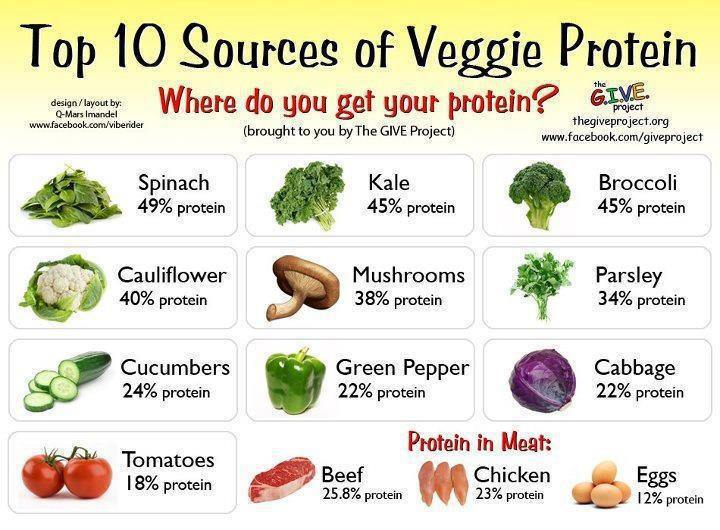
Some people may ask if a vegetable or fruit is it considered a plant. Through a very resourceful site “MAYO Clinic” the state the following:
“According to botanists (those who study plants) a fruit is the part of the plant that develops from a flower. It’s also the section of the plant that contains the seeds. The other parts of plants are considered vegetables. These include the stems, leaves and roots — and even the flower bud.
The following are technically fruits: avocado, beans, peapods, corn kernels, cucumbers, grains, nuts, olives peppers, pumpkin, squash, sunflower seeds and tomatoes. Vegetables include celery (stem), lettuce (leaves), cauliflower and broccoli (buds), and beets, carrots and potatoes (roots).
From a culinary standpoint, vegetables are less sweet — or more savory — and served as part of the main dish. Fruits are more sweet and tart and are most often served as a dessert or snack. Both fruits and vegetables can be made into juice for a refreshing beverage. Some fruits are “grains” or “nuts” or “seeds” — and are served accordingly.
Nutritionally speaking, fruits and vegetables are similar. Compared with animal products, they’re generally lower in calories and fat, but higher in fiber. Fruits and vegetables also contain health-enhancing plant compounds such as antioxidants. And they’re loaded with vitamins and minerals.”
So yes part of a plant can be a fruit or vegetable.
How we get benefits from plants medically:
Ginger:
Ginger is one spice that I recommend keeping on hand in your kitchen at all times. Not only is it a wonderful addition to your cooking (especially paired with garlic) but it also has enough medical properties to fill several books.
Ginger is best known for its anti-nausea effects but also has broad-spectrum antibacterial, antiviral, antioxidant, and anti-parasitic properties, to name just several of its more than 40 scientifically confirmed pharmacological actions. It is anti-inflammatory, making it valuable for pain relief for joint pain, menstrual pain, headaches, and more.
The pain-relieving potential of ginger appears to be far-reaching. Along with help for muscle and joint pain, ginger has been found to reduce the severity of migraine headaches as well as the migraine medication Sumatriptan – with fewer side effects.4
Ginger also shows promise for fighting cancer, diabetes, non-alcoholic fatty liver disease, asthma, bacterial and fungal infections, and it is one of the best natural remedies available for motion sickness or nausea (from pregnancy or chemotherapy, for example).
Taking one gram of ginger daily may help reduce nausea and vomiting in pregnant women, or those with migraines and ginger has been shown to work better than a placebo in relieving morning sickness.5
Ginger is also a must-have if you struggle with indigestion, and it does more than simply relieve pain. Ginger contains powerful protein-digesting enzymes and helps to stimulate the emptying of your stomach without any negative effect, and it’s an antispasmodic agent, which may explain its beneficial effects on your intestinal tract.
Many people enjoy ginger tea on a regular basis, and this is one of the simplest ways to use it. Simply chop off a couple of inches of ginger root and let it steep in hot water for fresh ginger tea. I would advise against using it daily as it can lead to an allergy and is what happened to me about twenty years ago.
You can also peel the root using a paring knife and then slice it thinly (or grate it or mince it) to add to tea or cooked dishes. You can’t go wrong by adding ginger to stir fries or even your favorite homemade chicken soup. For serious issues, a natural health care provider can help you get the maximum therapeutic benefits of ginger.
Garlic:
Eating a clove or two of fresh garlic a day may indeed keep the doctor away, in part because it has immune-boosting, antibacterial, antiviral, and anti-fungal effects. Many of garlic’s therapeutic effects are derived from its sulfur-containing compounds, such as allicin, which are also what give it its characteristic smell. In general, garlic’s benefits fall into four main categories:
-Reducing inflammation (reduces the risk of osteoarthritis and other disease associated with inflammation).
-Boosting immune function (antibacterial, antifungal, antiviral, and antiparasitic properties).
-Improving cardiovascular health and circulation (protects against clotting, retards plaque, improves lipids, and reduces blood pressure).
-Toxic to at least 14 kinds of cancer cells (including brain, lung, breast, gastric, and pancreatic).
In addition, garlic may be effective against drug-resistant bacteria, and research has revealed that as allicin digests in your body, it produces sulfenic acid, a compound that reacts with dangerous free radicals faster than any other known compound. This is one of the reasons in my article garlic what listed as one of the top seven anti-aging foods you can consume.
In order to get the health benefits, the fresh clove must be crushed or chopped in order to stimulate the release of an enzyme called alliinase, which in turn catalyzes the formation of allicin.
Allicin, in turn, rapidly breaks down to form a number of different organosulfur compounds. So to “activate” garlic’s medicinal properties, compress a fresh clove with a spoon prior to swallowing it, or put it through your juicer to add to your vegetable juice.
A single medium-size clove or two is usually sufficient and is well-tolerated by most people. The active ingredient, allicin, is destroyed within one hour of smashing the garlic, so garlic pills are virtually worthless. Black garlic, which is basically fermented garlic, and sprouted garlic may contain even more antioxidants than regular garlic.
Peppermint:
Peppermint offers benefits to the respiratory system, including for coughs, colds, asthma, allergies, and tuberculosis. In terms of digestive health, peppermint oil capsules have been described as “the drug of first choice” in IBS patients,7 and peppermint oil is an effective alternative to drugs like Buscopan for reducing colonic spasms.8
It may also relax the muscles of your intestines, allowing gas to pass and easing abdominal pain. Try peppermint oil or leaves added to tea for gas relief. Inhaling the peppermint aroma may offer memory enhancement and stress relief, and peppermint oil acts as an expectorant and decongestant, and may help clear your respiratory tract.
Use peppermint essential oil as a cold rub on your chest or inhale it through a vaporizer to help clear nasal congestion and relieve cough and cold symptoms. Peppermint oil may also help relieve tension headache pain. For headache pain, try dabbing a few drops on your wrist or sprinkling a few drops on a cloth, then inhaling the aroma. You can also massage the oil directly onto your temples and forehead. Peppermint essential oil is ideal for muscle and chest rubs, headache pain, dental care, and aromatherapy. You can even add it to your homemade cleaning supplies for extra antimicrobial power and natural fragrance.
When selecting peppermint for your own use, the fresh leaves will impart a superior flavor to dried leaves (such as for use in tea). Look for fresh leaves that are green in color without any dark spots or yellowing. In addition to using fresh mint leaves in tea, you can add them to soups, fruit salad, or gazpacho. Additionally, it is really easy to grow peppermint yourself and the plant works as a highly effective deterrent to many insects that might invade your garden or your home.
Lavender:
Lavender oil is known for its calming and relaxing properties, and has been used aromatherapeutically for alleviating insomnia, anxiety, depression, restlessness, dental anxiety, and stress. It has also been proven effective for nearly all kinds of ailments, from pain to infections.
It is particularly fascinated by its oil potential in fighting antifungal-resistant skin and nail infections. Scientists from the University of Coimbra found that lavender oil is lethal to skin-pathogenic strains known as dermatophytes, as well as various Candida species. Lavender oil can also be used to:
Relieve pain. It can ease sore or tense muscles, joint pain and rheumatism, sprains, backache, and lumbago. Simply massage a small amount of lavender oil onto the affected area. Lavender oil may also help lessen pain following needle insertion.
Treat various skin disorders like acne, psoriasis, eczema, and wrinkles. It also helps form scar tissues, which may be essential in healing wounds, cuts, and burns. Lavender can also help soothe insect bites and itchy skin (lavender oil can help ward off mosquitoes and moths. It is actually used as an ingredient in some mosquito repellents).
Keep your hair healthy. It helps kill lice, lice eggs, and nits. The Natural Medicines Comprehensive Database (NMCB) says that lavender is possibly effective for treating alopecia areata (hair loss), boosting hair growth by up to 44 percent after just seven months of treatment.11
Improve your digestion. This oil helps stimulate the mobility of your intestine and stimulates the production of bile and gastric juices, which may help treat stomach pain, indigestion, flatulence, colic, vomiting, and diarrhea.
Relieve respiratory disorders. Lavender oil can help alleviate respiratory problems like colds and flu, throat infections, cough, asthma, whooping cough, sinus congestion, bronchitis, tonsillitis, and laryngitis. It can be applied on your neck, chest, or back, or inhaled via steam inhalation or through a vaporizer.
Stimulate urine production, which helps restore hormonal balance, prevent cystitis (inflammation of the urinary bladder), and relieve cramps and other urinary disorders.
Improve your blood circulation. It helps lower elevated blood pressure levels and can be used for hypertension.
Thyme:
Thyme is a fragrant herb that makes a wonderful addition to your cooking, in part because it is rich in antioxidants. Thyme contains health-boosting flavonoids including apigenin, naringenin, luteolin, and thymonin, and has been shown to protect and increase the percentage of healthy fats found in cell membranes. As reported by the George Mateljan Foundation:12 “In particular, the amount of DHA (docosahexaenoic acid, an omega-3 fatty acid) in brain, kidney, and heart cell membranes was increased after dietary supplementation with thyme.”
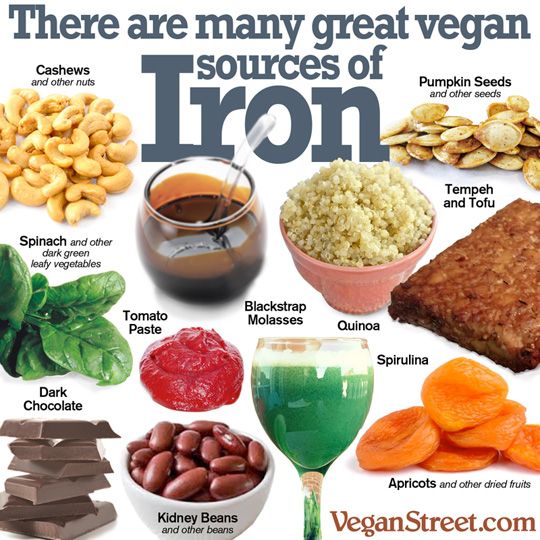
Thyme is also nutrient dense, containing vitamin C, vitamin A, iron, manganese, copper, and dietary fiber. When used in cooked dishes, thyme may also help inhibit glycation and the formation of dangerous advanced glycation (meaning glucose broken down) end products (AGEs) in your food, making thyme a potential preventer of heart disease and premature aging. Due to thyme oil’s antibacterial, antispasmodic, anti-rheumatic, expectorant, hypertensive, and calming properties, it also has a long list of topical uses, including:
Home remedy – Thyme oil is used to relieve and treat problems like gout, arthritis, wounds, bites, and sores, water retention, menstrual and menopausal problems, nausea and fatigue, respiratory problems (like colds), skin conditions (oily skin and scars), athlete’s foot, hangovers, and even depression.
Aromatherapy oil – The oil can be used to stimulate the mind, strengthen memory and concentration, and calm the nerves.
Hair product – It is said that thyme oil can prevent hair loss. It is used as a treatment for the scalp and is added to shampoos and other hair products.
Skin product – Thyme oil can help tone aged skin and prevent acne outbreaks.
Mouthwashes and herbal rinses – Like peppermint, wintergreen, and eucalyptus oils, thyme oil is used to improve oral health.
Insecticide/insect repellent – Thyme oil can keep insects and parasites like mosquitoes, fleas, lice, and moths away.
Chamomile:
Chamomile is most popular in tea form for use to calm upset stomach and help support restful sleep. Germany’s Commission E (a government organization) has even approved the use of chamomile for reducing swelling on your skin and fighting bacteria. Chamomile is a powerful anti-inflammatory that also has antibacterial, anti-spasmodic, anti-allergenic, muscle relaxant, and sedative properties. It is used to treat psoriasis, eczema, chickenpox, diaper rash, slow-healing wounds, abscesses, and gum inflammation, and according to Herb Wisdom may also be useful for the following conditions:
The oil serves many medicinal purposes, but one of the best-documented uses is for relaxation. The oil has a calming effect on people, and can be used to help induce sleep, ease frayed nerves, and promote a general sense of calmness and well being. It is great for those with nervousness or anxiety problems.
Aside from having mental calming properties, chamomile is also good at relaxing sore muscles and tight joints.
It can ease menstrual cramps and back aches, as well as relax the digestive system to ease upset stomach or indigestion issues.
When applied topically to the skin, it soothes redness and irritation. For this reason, it is a common ingredient in skincare. It also eliminates itchiness and is good for those with allergic reactions. Sometimes chamomile is used on rashes. Because of its anti-inflammatory properties, it can work to take down swelling caused by rashes or skin irritants.
Dandelion:
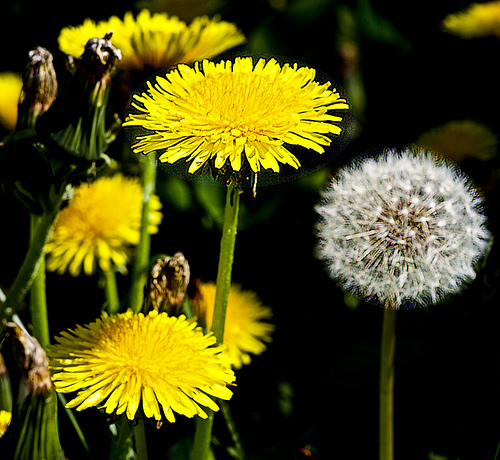
Dandelion, a plant, has traditionally been used as a liver tonic, useful for detoxification and improving liver function. Dandelion is known as a stimulant that is typically used for kidney and liver disorders. It is also traditionally used to reduce the side effects of prescription drugs, as well as to treat infections, gallbladder problems, water retention and swelling.15 Dandelion greens, which you can prepare simply by blanching them in boiling water for 20 seconds to help remove their bitter flavor (they can also be added to vegetable juice), contain many nutrients, including vitamin C, vitamin B6, thiamin, riboflavin, calcium, iron, potassium, and manganese. They are a particularly good source of vitamin A and may also have cancer fighting properties.
So believe it or not plants enhance our lives and with technology it will further expand in helping human lives.