Archive | May 2025

QUOTE FOR THE WEEKEND:

“With over 5 million cases diagnosed in the United States each year, skin cancer is America’s most common cancer. Fortunately, skin cancer is also one of the most preventable cancers. By sharing facts about the dangers of unprotected sun exposure and encouraging people to check their skin for warning signs, we can and will save lives.”

Skin Cancer Foundation (Skin Cancer Awareness Month)

QUOTE FOR FRIDAY:

Statistics on neuropathy in the United States12345:

  • The prevalence of neuropathic pain is 14.6%.
  • Among those with neuropathic pain, 19.7% had diabetic neuropathy, 27.3% had back and neck pain with neuropathic involvement, and 25.1% had hereditary or idiopathic neuropathy.
  • The prevalence of all types of neuropathy among adults in the United States ranges from 3% to 12%.
  • Peripheral neuropathy affects approximately 7% to 10% of adults in the United States.
  • Approximately 20 million Americans may have some form of peripheral neuropathy.”

National Library of Medicine (The prevalence of probable neuropathic pain in the US: results from a multimodal general-population health survey – PMC)

Part II Peripheral Neuropathy Month-diagnosis of it, treatment for it, prevention of it and management of it!


Peripheral Neuropathy Diagnosis:

The symptoms and body parts affected by peripheral neuropathy are so varied that it may be hard to make a diagnosis. If your healthcare provider suspects nerve damage, he or she will take an extensive medical history and do a number of neurological tests to determine the location and extent of your nerve damage. These may include:

  • Blood tests
  • Spinal fluid tests
  • Muscle strength tests
  • Tests of the ability to detect vibrations

Depending on what basic tests reveal, your healthcare provider may want to do more in-depth scanning and other tests to get a better look at your nerve damage. Tests may include:

  • CT scan
  • MRI scan
  • Electromyography (EMG) and nerve conduction studies
  • Nerve and skin biopsy

Peripheral Neuropathy Treatment:

Usually a peripheral neuropathy can’t be cured, but you can do a lot of things to prevent it from getting worse. If an underlying condition like diabetes is at fault, your healthcare provider will treat that first and then treat the pain and other symptoms of neuropathy.

In some cases, over-the-counter pain relievers can help. Other times, prescription medicines are needed. Some of these medicines include mexiletine, a medicine developed to correct irregular heart rhythms; antiseizure drugs, such as gabapentin, phenytoin, and carbamazepine; and some classes of antidepressants, including tricyclics such as amitriptyline.

Lidocaine injections and patches may help with pain in other instances. And in extreme cases, surgery can be used to destroy nerves or repair injuries that are causing neuropathic pain and symptoms.

Peripheral Neuropathy Prevention:

Lifestyle choices can play a role in preventing peripheral neuropathy. You can lessen your risk for many of these conditions by avoiding alcohol, correcting vitamin deficiencies, eating a healthy diet, losing weight, avoiding toxins, and exercising regularly. If you have kidney disease, diabetes, or other chronic health condition, it is important to work with your healthcare provider to control your condition, which may prevent or delay the onset of peripheral neuropathy

Peripheral Neuropathy Management:

Even if you already have some form of peripheral neuropathy, healthy lifestyle steps can help you feel your best and reduce the pain and symptoms related to the disorder. You’ll also want to quit smoking, not let injuries go untreated, and be meticulous about caring for your feet and treating wounds to avoid complications, such as the loss of a limb.

In some cases, non-prescription hand and foot braces can help you make up for muscle weakness. Orthotics can help you walk better. Relaxation techniques, such as yoga, may help ease emotional as well as physical symptoms.

QUOTE FOR THURSDAY:

“Peripheral neuropathy happens when the nerves that are located outside of the brain and spinal cord (peripheral nerves) are damaged. This condition often causes weakness, numbness and pain, usually in the hands and feet. It also can affect other areas and body functions including digestion and urination.

The peripheral nervous system sends information from the brain and spinal cord, also called the central nervous system, to the rest of the body through motor nerves. The peripheral nerves also send sensory information to the central nervous system through sensory nerves.”

MAYO CLINIC (https://www.mayoclinic.org/diseases-conditions/peripheral-neuropathy/symptoms-causes/syc-20352061)

Part I Peripheral Neuropathy Month! Learn what it is, the causes, the type of peripheral neuropathy and the symptoms!

Peripheral neuropathy is a type of damage to the nervous system. Specifically, it is a problem with your peripheral nervous system. This is the network of nerves that sends information from your brain and spinal cord (central nervous system) to the rest of your body.

Peripheral means away from the core (heart meaning from the core or the brain or spinal cord that is from the area that sends messages causing symptoms away from those organs) and the furthest away from the core or the brain or SC is your feet to understand what peripheral neuropathy effects.

There are more than 100 types of peripheral neuropathy, each with its own set of symptoms and prognosis. Peripheral neuropathy has many different causes.

Most common causes of peripheral neuropathy in the U.S. is diabetes.

Symptoms can range from tingling or numbness in a certain body part to more serious effects, such as burning pain or paralysis.

Peripheral neuropathy has many different causes. Some people inherit the disorder from their parents. Others develop it because of an injury or another disorder.

In many cases, a different type of problem, such as a kidney condition or a hormone imbalance, leads to peripheral neuropathy. One of the most common causes of peripheral neuropathy in the U.S. is diabetes.

CAUSES OF PERIPHERAL NEUROPATHY:

#1 DIABETES

Trauma: Injuries from falls, car accidents, fractures or sports activities can result in neuropathy. Compression of the nerves due to repetitive stress or narrowing of the space through which nerves run are other causes.

Autoimmune disorders and infections: Guillain-Barré syndrome, lupus, rheumatoid arthritis, Sjogren’s syndrome and chronic inflammatory demyelinating polyneuropathy are autoimmune disorders that can cause neuropathy. Infections including chickenpox, shingles, human immunodeficiency virus (HIV), herpes, syphilis, Lyme disease, leprosy, West Nile virus, Epstein-Barr virus and hepatitis C can also cause neuropathy.

Other health conditions: Neuropathy can result from kidney disorders, liver disorders, hypothyroidism, tumors (cancer-causing or benign) that press on nerves or invade their space, myeloma, lymphoma and monoclonal gammopathy.

Medications and poisons: Some antibiotics, some anti-seizures medications and some HIV medications among others can cause neuropathy. Some treatments, including cancer chemotherapy and radiation, can damage peripheral nerves. Exposure to toxic substances such as heavy metals (including lead and mercury) and industrial chemicals, especially solvents, can also affect nerve function.

Vascular disorders: Neuropathy can occur when blood flow to the arms and legs is decreased or slowed by inflammation, blood clots, or other blood vessel disorders. Decreased blood flow deprives the nerve cells of oxygen, causing nerve damage or nerve cell death. Vascular problems can be caused by vasculitis, smoking and diabetes.

Abnormal vitamin levels and alcoholism: Proper levels of vitamins E, B1, B6, B12, and niacin are important for healthy nerve function. Chronic alcoholism, which typically results in lack of a well-rounded diet, robs the body of thiamine and other essential nutrients needed for nerve function. Alcohol may also be directly toxic to peripheral nerves.

Inherited disorders: Charcot-Marie-Tooth (CMT) disease is the most common hereditary neuropathy. CMT causes weakness in the foot and lower leg muscles and can also affect the muscles in the hands. Familial amyloidosis, Fabry disease and metachromatic leukodystrophy are other examples of inherited disorders that can cause neuropathy.

No known cause: Some cases of neuropathy have no known cause.

There are types of Peripheral Neuropathy:

There are more than 100 types of peripheral neuropathy, each with its own set of symptoms and prognosis. To help doctors classify them, they are often broken down into the following categories:

  • Motor neuropathy. This is damage to the nerves that control muscles and movement in the body, such as moving your hands and arms or talking.
  • Sensory neuropathy. Sensory nerves control what you feel, such as pain, temperature or a light touch. Sensory neuropathy affects these groups of nerves.
  • Autonomic nerve neuropathy. Autonomic nerves control functions that you are not conscious of, such as breathing and heartbeat. Damage to these nerves can be serious.
  • Combination neuropathies. You may have a mix of 2 or 3 of these other types of neuropathies, such as a sensory-motor neuropathy.

Signs and Symptoms remember vary from patient to patient:

The symptoms of peripheral neuropathy vary based on the type that you have and what part of the body is affected. Symptoms can range from tingling or numbness in a certain body part to more serious effects such as burning pain or paralysis.

  • Muscle weakness, Cramps, Muscle twitching to Loss of muscle and bone
  • Changes in skin, hair, or nails
  • Numbness, Loss of sensation or feeling in body parts
  • Loss of balance or other functions as a side effect of the loss of feeling in the legs, arms, or other body parts
  • Loss of pain or sensation that can put you at risk, such as not feeling an impending heart attack or limb pain
  • Emotional disturbances, Sleep disruptions
  • Inability to sweat properly, leading to heat intolerance
  • Loss of bladder control, leading to infection or incontinence
  • Dizziness, lightheadedness, or fainting because of a loss of control over blood pressure
  • Diarrhea, constipation, or incontinence related to nerve damage in the intestines or digestive tract
  • Trouble eating or swallowing
  • Life-threatening symptoms, such as difficulty breathing or irregular heartbeat

The symptoms of peripheral neuropathy may look like other conditions or medical problems. Always see your healthcare provider for a diagnosis.

The most common type of peripheral neuropathy is diabetic neuropathy, caused by a high sugar level and resulting in nerve fiber damage in your legs and feet.


QUOTE FOR WEDNESDAY:

“For people who work the night shift, getting enough high quality sleep can be a significant challenge.

Night shifts often interfere with a person’s circadian rhythms, the 24-hour cycle that tells the body when it’s time to sleep or to be awake.  Trusted SourceUpToDateMore than 2 million healthcare providers around the world choose UpToDate to help make appropriate care decisions and drive better health outcomes. UpToDate delivers evidence-based clinical decision support that is clear, actionable, and rich with real-world insights.View Source Circadian rhythms synchronize with exposure to light, with darkness serving as a sleep cue and daylight signaling that it’s time to wake up.

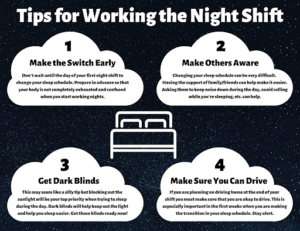
For this reason, people who work night shifts often feel sleepy when they need to work and alert when they want to sleep. These challenges can have serious health and safety consequences, so it’s important for people who work night shifts to carefully plan their sleep schedules and adopt strategies to get the sleep they need.”

Sleep Foundation (The Best Sleep Schedule for Night Shift Workers | Sleep Foundation)

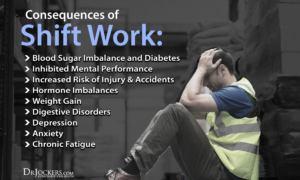
Get better sleep – let’s look at night shift people regarding their work hours, how it effects the body and more!

Sleep isn’t just a time to rest and give your body and brain a break. It’s a critical biological function that restores and replenishes important body systems. Now, yet another study on shift workers shows that their unusual hours may be cutting their lives short—and that’s especially true for those who have rotating night shifts, rather than permanent graveyard duty.

You wake up, feel hungry, and fall asleep each day around repeating 24-hour “circadian” cycles controlled by your body’s internal clocks. These clocks are synchronized by a central pacemaker in the brain. Cycles of light and dark are important for the function of the brain’s master clock. Other cycles, such as the behavioral activities of eating and fasting or sleeping and waking, are important for peripheral clocks in the liver, gut, and other tissues.

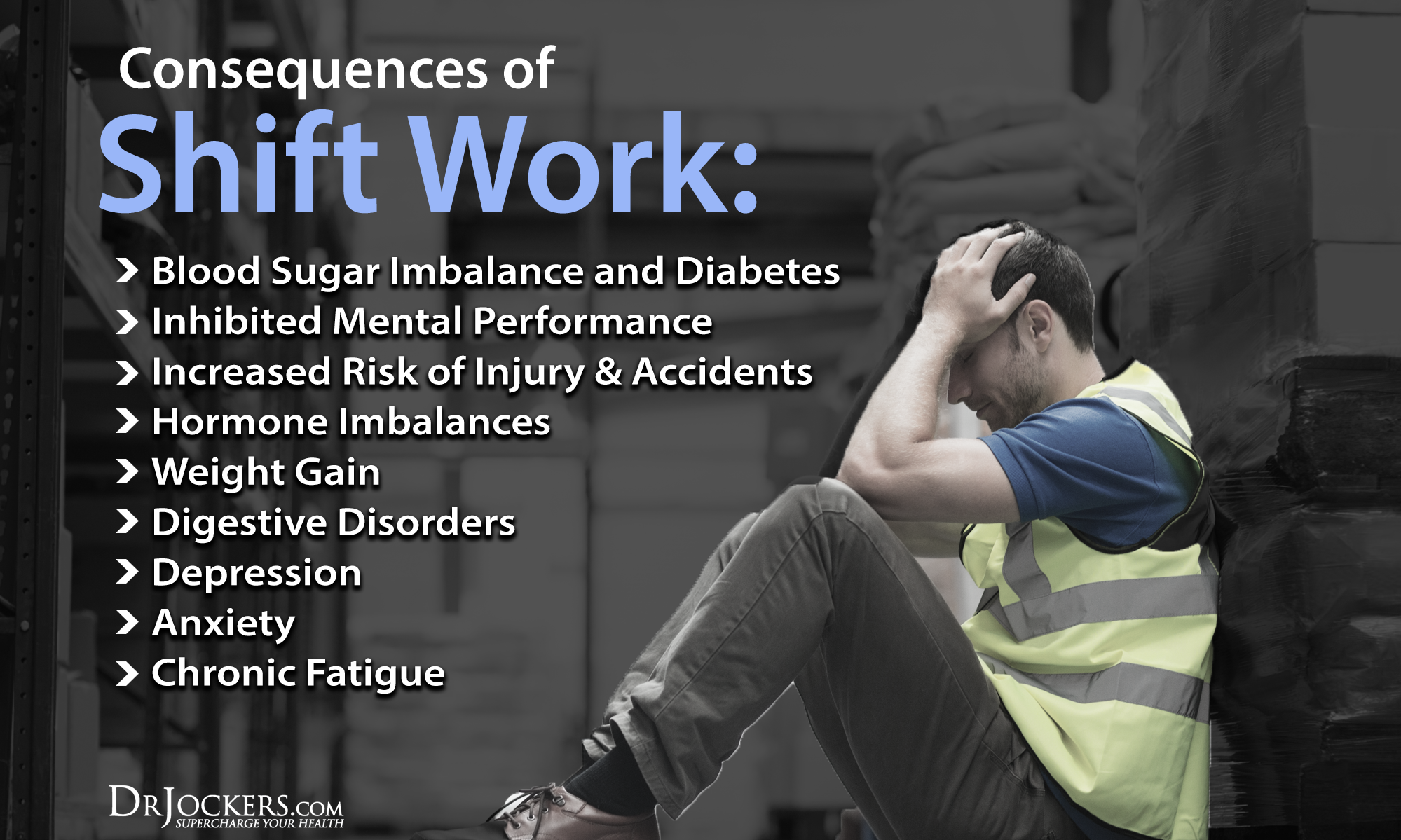
When you stay awake all night or otherwise go against natural light cycles, your health may suffer. Long-term disruption of circadian rhythms has been linked to obesity, diabetes, and other health problems related to the body’s metabolism.

In a study published in the American Journal of Preventive Medicine, scientists led by Dr. Eva Schernhammer, an epidemiologist at Brigham and Women’s Hospital, studied 74,862 nurses enrolled in the Nurses’ Health Study since 1976. The nurses were an ideal group for studying the effects of rotating night shifts on the body, since RNs tend to have changing night shift obligations over an average month rather than set schedules.

After 22 years, researchers found that the women who worked on rotating night shifts for more than five years were up to 11% more likely to have died early compared to those who never worked these shifts. In fact, those working for more than 15 years on rotating night shifts had a 38% higher risk of dying from heart disease than nurses who only worked during the day. Surprisingly, rotating night shifts were also linked to a 25% higher risk of dying from lung cancer and 33% greater risk of colon cancer death. The increased risk of lung cancer could be attributed to a higher rate of smoking among night shift workers, says Schernhammer.

The population of nurses with the longest rotating night shifts also shared risk factors that endangered their health: they were heavier on average than their day-working counterparts, more likely to smoke and have high blood pressure, and more likely to have diabetes and elevated cholesterol. But the connection between more rotating night shift hours and higher death rates remained strong after the scientists adjusted for them.

You wake up, feel hungry, and fall asleep each day around repeating 24-hour “circadian” cycles controlled by your body’s internal clocks. These clocks are synchronized by a central pacemaker in the brain. Cycles of light and dark are important for the function of the brain’s master clock. Other cycles, such as the behavioral activities of eating and fasting or sleeping and waking, are important for peripheral clocks in the liver, gut, and other tissues.

When you stay awake all night or otherwise go against natural light cycles, your health may suffer. Long-term disruption of circadian rhythms has been linked to obesity, diabetes, and other health problems related to the body’s metabolism.

Previous studies have shown that some metabolites—the products of metabolism—in blood can have daily rhythms. An international research team led by Drs. Hans P. A. Van Dongen and Shobhan Gaddameedhi at Washington State University investigated whether disruptions in these rhythms are influenced by the central pacemaker in the brain or reflect behavioral activities, such as working the night shift. The study was funded in part by NIH’s National Institute of Environmental Health Sciences (NIEHS). Results were published online in the Proceedings of the National Academy of Sciences on July 10, 2018.

Ten men and four women, aged 22 to 34 years, stayed at a research lab for one week. Half had a night-shift sleep pattern for three days and half had a day-shift pattern. The night-shift pattern causes the central pacemaker and behavioral rhythms to be at odds. After three days, the volunteers were kept awake for one day in a constant routine with a constant level of temperature and light. They received identical snacks every hour and provided blood samples every three hours.

The research team found only small differences in the day-shift and night-shift patterns for melatonin and cortisol, which mark the activity of the brain’s master clock. This finding suggests that the master clock is resistant to influence from the night-shift pattern.

The team analyzed the levels of 132 metabolites during the 24-hour constant routine. About half (65) of the metabolites had a significant daily rhythm. Of these, 27 had a significant 24-hour rhythm for both sleep patterns. Only three of these metabolites (taurine, serotonin, and sarcosine) kept the same peak time, similar to the master clock markers melatonin and cortisol. The other 24 showed a 12-hour shift in rhythm for the night-shift pattern.

The researchers noted that the particular metabolites and pathways affected by the night-shift sleep pattern relate to the liver, pancreas, and digestive tract. These findings suggest that night-shift sleep patterns can disrupt certain metabolite rhythms and the peripheral clocks of the digestive system without affecting the brain’s master clock.

“No one knew that biological clocks in people’s digestive organs are so profoundly and quickly changed by shift work schedules, even though the brain’s master clock barely adapts to such schedules,” Van Dongen says. “As a result, some biological signals in shift workers’ bodies are saying it’s day while other signals are saying it’s night, which causes disruption of metabolism.”

Further research is needed to better understand the role of these metabolic pathways in obesity, diabetes, and other medical conditions for which shift workers are at increased risk.

Nearly 15 million Americans work a permanent night shift or regularly rotate in and out of night shifts, according to the Bureau of Labor Statistics. That means a significant sector of the nation’s work force is exposed to the hazards of working nights, which include restlessness, sleepiness on the job, fatigue, decreased attention and disruption of the body’s metabolic process.

Those effects extend beyond the workers themselves, as many of us share the road with night-driving truckers, count on the precision of emergency-room workers and rely on the protection of police and national security personnel at all hours.

Now, psychologists are gaining a better understanding of how exactly night and shift work affect cognitive performance and which interventions and policies could keep shift workers and the public safer.

“The basic take-home is that fatigue decreases safety,” says Bryan Vila, PhD, a sleep expert and criminal justice researcher at Washington State University–Spokane. Learning healthy sleeping practices is “just as important as occupational training,” he says.

Poor scheduling, combined with unhealthy attitudes about the need for sleep, can cause major problems for night workers. That’s because working at night runs counter to the body’s natural circadian rhythm, says Charmane Eastman, PhD, a physiological psychologist at Rush University in Chicago. The circadian clock is essentially a timer that lets various glands know when to release hormones and also controls mood, alertness, body temperature and other aspects of the body’s daily cycle.

Possible solutions

Of course, many workers can’t give up the night shift entirely. So the question is, how can night shift workers adapt to their schedules?

Charmane Eastman, PhD. Founding Director, Biological Rhythms Research Lab.  Her education is PhD, University of Chicago / BS, State University of New York at Albany.  Her Research Areas are:  Shift work, jet lag, human circadian rhythms (especially effects of bright light and melatonin), social jet lag, circadian misalignment

There are two ways, says Rush University’s Eastman. One is through symptomatic relief by using such stimulants as coffee and caffeine pills to stay awake during the night, then taking sedatives to sleep in the morning. The other way is to shift the body’s circadian clock so that it better tolerates working at night and sleeping during the day.

Eastman and her team are exploring the latter approach. “The circadian clock is very stubborn and hard to push around,” she says.

Previous research has established that you can delay the circadian clock by about one or two hours per day. To determine that, researchers measure the body’s circadian rhythm by monitoring “dim-light melatonin onset,” or the time at which the pineal gland begins to secrete melatonin, which is triggered by the circadian clock. Normally, it kicks in a couple hours before people are ready to sleep. “It’s an output that’s a way of seeing what the circadian clock is doing,” Eastman says. “It’s a very good marker of the phase of the time of the clock.”

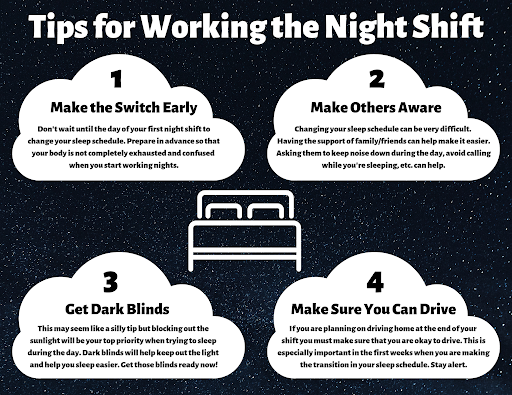
By exposing experimental subjects to intermittent bright light during their night shifts and having them wear sunglasses on their way home and sleeping in very dark bedrooms, Eastman and her team have found that within about a week, they can shift someone’s circadian rhythm to align perfectly with working a night shift and sleeping during the day.

Through WebMD.com it points out March 2010 the following:   In terms of lifestyle, working odd hours leads to some obvious problems. People who do shift work tend to have sleep disturbances and sleep loss. They might feel isolated, since their jobs cut them off from their friends and families. They might find it harder to exercise regularly, and may be prone to eat junk food out of a handy vending machine, says Scheer.

Including in this note, I myself, being a RN 35 years basically, who has worked all shifts (mostly 12 hr shifts than driving home and for the past 4.5 years a 2 hr drive to and back to the hospital) disagree with this statement in that preventing junk food and of course exercise in your week you need discipline in obtaining right foods, exercise and habits.  It is a challenge with no question but can be obtained if the right mind is set to it.

As WebMD points out, “The long-term effects of shift work are harder to measure. But researchers have found compelling connections between shift workers and an increased risk of serious health conditions and diseases.”.  It really depends on what where you prior to going into night shift, is it 12 hr shifts or 8 hr shifts or part time or perdiem.  It messes up the circadium cycle but you can bounce back depending on often you work night shift. ”

Remember, I point out night shift is not 3 to 11 pm but 11pm and on till am in long hours.  Since many don’t fall asleep till after 10pm and on.  Another major ingredient I would like to point out is, what is your medically history? Is this a worker with no medical history/in shape/ and great health habits? What is your age? Is this worker someone who is with diabetes?, cardiac disease?, overweight? etc…  We need to look at the whole picture always!

Scheer backs my statement up with the following: “”There is strong evidence that shift work is related to a number of serious health conditions, like cardiovascular disease, diabetes, and obesity,” says Frank Scheer PhD,. “These differences we’re seeing can’t just be explained by lifestyle or socioeconomic status.”

Scheer in Web MD states “It’s important to keep the risks in perspective. Even if performing shift work is a risk factor for some diseases, it’s only one of many — just like not getting enough sleep or eating too many sweets. If you’re in good health to begin with, the overall risks to any given person performing shift work remain low.  Scheer states he cautions that the implications of the study, which was published in the Proceedings of the National Academy of Sciences in 2009, are limited. A small laboratory experiment can’t fully reflect what’s happening to actual shift workers. It’s also possible that some of these health effects might improve as people get used to shift work. On the other hand, it’s also possible that these effects would just worsen over time. For now, we don’t know.

Keep in mind the things listed in books, internet and etc… are all based on experiments with including theory/principle based on knowing how the anatomy and physiology of the body works under stress or not stressed and how the body is taken care of by that individual is a major role in the turn out of night shift working.

QUOTE FOR TUESDAY:

“Since 1984, the Asthma and Allergy Foundation of America (AAFA) has designated May to be National Asthma and Allergy Awareness Month. It’s a time to focus on respiratory and immune health.

AAFA emphasizes it is critical to ensure people with asthma and allergic conditions can access essential life-saving medicines that (1) treat the underlying disease and (2) stop symptoms.

Asthma, allergies, atopic dermatitis, and other related allergic conditions cause significant distress and emotional, social, and financial burden on the people with these conditions. In the United States, there are about 4,000 deaths per year due to asthma and allergies. Most of these deaths are preventable.”

Asthma and Allergy Foundation of America
(May Is Asthma and Allergy Awareness Month | AAFA)

QUOTE FOR MONDAY:

“The benefits of asparagus:

1-Many nutrients but few calories

2-Good source of antioxidants

Antioxidants are compounds that help protect your cells from the harmful effects of free radicals and oxidative stress.

Oxidative stress contributes to aging, chronic inflammation, and many diseases, including cancer.

3-May improve digestive health

Dietary fiber is essential for good digestive health. Just half a cup of asparagus contains 1.8 g of fiberTrusted Source, which is 7% of your daily needs.

In addition, researchTrusted Source on the different parts of the asparagus plant found that they’re all rich in essential minerals, antioxidants, and natural probiotics like inulin, which may help promote the growth of healthy gut bacteria.

4-May help lower blood sugar

High blood sugar levels, also known as hyperglycemia, can cause serious health problems such as diabetes.

5-May reduce cholesterol and blood pressure

Bile acids are important in cholesterol metabolism and are linked to diseases like heart disease and cancer.

Research has found that asparagus may help reduce cholesterol levels by improving the binding capacity of bile acids during digestion. In fact, asparagus appears to have a significantly higher bile acid-binding capacity than other fresh vegetables like eggplant, mung bean, carrot, and broccoli.

6-May support immunity

The immune system recognizes and fights off harmful substances and cells. Research has shown that asparagus extracts may help boost immunity in various ways, such as improving the activity of red and white blood cells and the production of antibodies.

In addition, studies suggest that asparagus spears have some antimicrobial properties, which may help protect against certain infections. For example, research has found that films created from asparagus residue appeared to have good antimicrobial properties against the bacteria Escherichia coli and Staphylococcus aureus.”

Healthline (Top 7 Health Benefits of Asparagus)

QUOTE FOR WEEKEND:

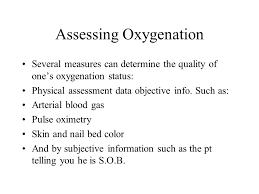
“Sufficient oxygenation is vital to maintain life. When prioritizing nursing interventions, we often refer to using the “ABCs,” an acronym used to signify the importance of maintaining a client’s airway, breathing, and circulation. Several body systems work collaboratively during the oxygenation process to take in oxygen from the air, carry it through the bloodstream, and adequately oxygenate tissues. It is important that all parts of the system work together to ensure that oxygen is delivered appropriately to tissues within each system. Any alteration in these systems can have catastrophic implications on a client’s health.”

National Library of Medicine – NIH (OXYGENATION – Nursing Fundamentals – NCBI Bookshelf)