QUOTE FOR WEDNESDAY:

“Civilization, the orderly world in which we live, is frail. We are skating on thin ice. There is a fear of a collective disaster. Terrorism, genocide, flu, tsunamis.”

 Zygmunt Bauman (87 y/o and born 19 November 1925 who is a Polish sociologist.  Since 1971, he has resided in England after being driven out of Poland by an anti-Semitic campaign.

Part I Prepare for the fall and winter bugs and know who they are and their statistics!

flu-symptoms  the-flu-versus-cold-2


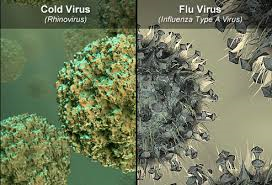
Those bugs that are common in fall, winter and spring are 2 Viruses =The COLD and THE FLU.

HOW THEY ARE DIFFERENT:

Both influenza and the common cold are viral respiratory infections (they affect the nose, throat, and lungs). Viruses are spread from person to person through airborne droplets (aerosols) that are sneezed out or coughed up by an infected person, direct contact is another form of spread with infected nasal secretions, or fomites (contaminated objects). Which of these routes is of primary importance has not been determined, however hand to hand and hand to surface to hand to contact seems of more importance than transmission. The viruses may survive for prolonged periods in the environment (over 18 hours for rhinoviruses in particular=a common virus for colds) and can be picked up by people’s hands and subsequently carried to their eyes or nose where infection occurs. In some cases, the viruses can be spread when a person touches an infected surface (e.g., doorknobs, countertops, telephones) and then touches his or her nose, mouth, or eyes. As such, these illnesses are most easily spread in crowded conditions such as schools.

The traditional folk theory that you can catch a cold in prolonged exposure to cold weather such as rain or winter settings is how the illness got its name. Some of the viruses that cause common colds are seasonal, occurring more frequently during cold or wet weather. The reason for the seasonality has not yet been fully determined. This may occur due to cold induced changes in the respiratory system, decreased immune response, and low humidity increasing viral transmission rates, perhaps due to dry air allowing small viral droplets to disperse farther, and stay in the air longer. It may be due to social factors, such as people spending more time indoors, as opposed to outdoors, exposing him or her “self” to an infected person, and specifically children at school. There is some controversy over the role of body cooling as a risk factor for the common cold; the majority of the evidence does suggest a result in greater susceptibility to infection.            

The SIMPLE COMMON COLD:

The common cold (also known as nasopharyngitis, rhinopharyngitis, acute coryza, head cold) or simply a cold is a viral infection of the upper respiratory tract which primarily effects the nose. There are over 200 different known cold viruses, but most colds (30% up to 80%) are caused by rhinovirusesThis means you can pass the cold to others, so stay home and get some much-needed rest for yourself and not passing it on to others for the contagious period at least.

If cold symptoms do not seem to be improving after a week, you may have a bacterial infection, which means you may need antibiotics, which only kill bacterial infections not viral.

Sometimes you may mistake cold symptoms for allergic rhinitis (hay fever) or a sinus infection (bacterial). If cold symptoms begin quickly and are improving after a week, then it is usually a cold, not allergy. If your cold symptoms do not seem to be getting better after a week, check with your doctor to see if you have developed an allergy or inflammation or the sinuses (sinusitis).

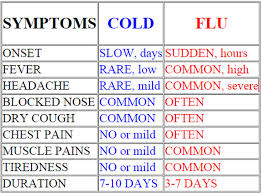
Influenza is commonly referred to as “the flu”, this is an infectious disease of birds and mammals caused by RNA viruses of the family Orthomyxoviridae, the influenza viruses. The most common sign or symptom are chills, fever, runny nose, coughing, aches and weakness to headache and sore throat. Although it is often confused with other influenza-like illnesses, especially the COMMON COLD, influenza is a more severe illness or disease caused by a different virus. Influenza nausea and vomiting, particularly in children but these symptoms are more common in the unrelated gastroenteritis, which is sometimes inaccurately referred to as “stomach flu” or “25 hour flu”. The flu can occasionally lead to pneumonia, either direct viral pneumonia or secondary bacterial pneumonia, even for persons who are usually very healthy. In particular it is a warning sign if a child or presumably an adult seems to be getting better and then relapses with a high fever as this relapse may be bacterial pneumonia. Another warning sign is if the person starts to have trouble breathing.

Each year, 10% to 20% of Canadians are stricken with influenza. Although most people recover fully, depending on the severity of the flu season, it can result in an average of 20,000 hospitalizations and approximately 4000 to 8000 deaths annually in Canada. Deaths due to the flu are found mostly among high-risk populations, such as those with other medical conditions (such as diabetes or cancer) or weakened immune systems, seniors, or very young children. There are 3 types of influenza viruses: A, B, and C. Type A influenza causes the most serious problems in humans and can be carried by humans or animals (wild birds are commonly the host carriers). It is more common for humans seem to carry the most with ailments with type A influenza. Type B Influenza is found in humans also. Type B flu may cause less severe reaction than A type flu virus but for the few for the many can still be at times extremely harmed. Influenza B viruses are not classified by subtype and do not cause pandemics at this time. Influenza type C also found in people but milder than type A or B. People don’t become very ill from this Type C Influenza and do not cause pandemics.

The common cold eventually fizzles, but the flu may be deadly. Some 200,000 people in the U.S. are hospitalized and 36,000 die each year from flu complications — and that pales in comparison to the flu pandemic of 1918 that claimed between 20 and 100 million lives.

The best defense against it:   a vaccine once a year.

References for Part 1 and 2 on the two bugs The FLU and The COLD:

1-Wikipedia “the free encyclopedia” 2013 website under the topic Influenza.

2-Kimberly Clark Professional website under the influenza.

3-Web MD under “COLD, FLU, COUGH CENTER” “Flu or cold symptoms?” Reviewed by Laura J. Martin MD November 01, 2011

4-2013 Novartis Consumer Health Inc. Triaminic “Fend off the Flu”

5-Scientific American “Why do we get the flu most often in the winter? Are viruses virulent in cold weather? December 15, 1997


Hemophilia

hemophilia3 hemophilia1hemophilia2

What is this condition?

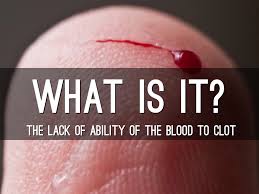
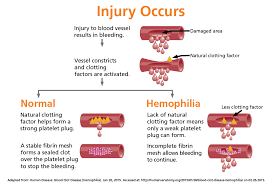
Hemophilia is a bleeding disorder characterized by low levels of clotting factor proteins. Correct diagnosis of Hemophilia is essential to providing effective treatment. Blood Center of Wisconsin offers one of the largest diagnostic menus to accurately and confidently diagnose Hemophilia.

The X and Y chromosomes are called sex chromosomes. The gene for hemophilia is carried on the X chromosome. Hemophilia is inherited in an X-linked recessive manner.  Females inherit two X chromosomes, one from their mother and one from their father (XX). Males inherit an X chromosome from their mother and a Y chromosome from their father (XY). That means if a son inherits an X chromosome carrying hemophilia from his mother, he will have hemophilia. It also means that fathers cannot pass hemophilia on to their sons.

But because daughters have two X chromosomes, even if they inherit the hemophilia gene from their mother, most likely they will inherit a healthy X chromosome from their father and not have hemophilia. A daughter who inherits an X chromosome that contains the gene for hemophilia is called a carrier. She can pass the gene on to her children. Hemophilia can occur in daughters, but is rare.

For a female carrier, there are four possible outcomes for each pregnancy:

  1. A girl who is not a carrier
  2. A girl who is a carrier
  3. A boy without hemophilia
  4. A boy with hemophilia

Hemophilia is an X-linked inherited bleeding disorder caused by mutation of the F8 gene that encodes for coagulation factor VIII or the F9 gene that encodes for coagulation factor IX. The degree of plasma factor deficiency correlates with both the clinical severity of disease and genetic findings. Severe hemophilia is characterized by plasma factor VIII or factor IX levels of under 1 IU/dl. Moderate and mild hemophilia are characterized by factor VIII or factor IX levels of 1-5 IU/dL or 6 – 40 IU/dL, respectively. Genetic analysis is useful for identification of the underlying genetic defect in males with severe, moderate or mild hemophilia and for determination of carrier status in the female individuals within their families. Additionally, data is emerging regarding the correlation between a patients mutation status and the risk of that patient developing an inhibitor.

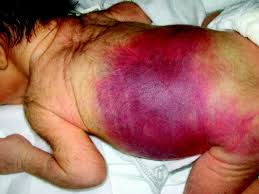
People with hemophilia A often, bleed longer than other people. Bleeds can occur internally, into joints and muscles, or externally, from minor cuts, dental procedures or trauma. How frequently a person bleeds and the severity of those bleeds depends on how much FVIII is in the plasma, the straw-colored fluid portion of blood.

Normal plasma levels of FVIII range from 50% to 150%. Levels below 50%, or half of what is needed to form a clot, determine a person’s symptoms.

  • Mild hemophilia A-  6% up to 49% of FVIII in the blood. People with mild hemophilia Agenerally experience bleeding only after serious injury, trauma or surgery. In many cases, mild hemophilia is not diagnosed until an injury, surgery or tooth extraction results in prolonged bleeding. The first episode may not occur until adulthood. Women with mild hemophilia often experience menorrhagia, heavy menstrual periods, and can hemorrhage after childbirth.
  • Moderate hemophilia A. 1% up to 5% of FVIII in the blood. People with moderate hemophilia A  tend to have bleeding episodes after injuries. Bleeds that occur without obvious cause are called spontaneous bleeding episodes.
  • Severe hemophilia A.  <1% of FVIII in the blood. People with severe hemophilia A experience bleeding following an injury and may have frequent spontaneous bleeding episodes, often into their joints and musclesHemophilia A and B are diagnosed by measuring factor clotting activity. Individuals who have hemophilia A have low factor VIII clotting activity. Individuals who have hemophilia B have low factor IX clotting activity.Genetic testing is usually used to identify women who are carriers of a FVIII or FIX gene mutation, and to diagnose hemophilia in a fetus during a pregnancy (prenatal diagnosis). It is sometimes used to diagnose individuals who have mild symptoms of hemophilia A or B.
  • For Diagnosing the condition:
  • Genetic testing is also available for the factor VIII gene and the factor IX gene. Genetic testing of the FVIII gene finds a disease-causing mutation in up to 98 percent of individuals who have hemophilia A. Genetic testing of the FIX gene finds disease-causing mutations in more than 99 percent of individuals who have hemophilia B.
  • For Treating the condition:
  • There is currently no cure for hemophilia. Treatment depends on the severity of hemophilia.People who have moderate to severe hemophilia A or B may need to have an infusion of clotting factor taken from donated human blood or from genetically engineered products called recombinant clotting factors to stop the bleeding. If the potential for bleeding is serious, a doctor may give infusions of clotting factor to avoid bleeding (preventive infusions) before the bleeding begins. Repeated infusions may be necessary if the internal bleeding is serious. When a person who has hemophilia has a small cut or scrape, using pressure and a bandage will take care of the wound. An ice pack can be used when there are small areas of bleeding under the skin.
  • When bleeding has damaged joints, physical therapy is used to help them function better. Physical therapy helps to keep the joints moving and prevents the joints from becoming frozen or badly deformed. Sometimes the bleeding into joints damages them or destroys them. In this situation, the individual may be given an artificial joint.
  • Treatment may involve slow injection of a medicine called desmopressin (DDAVP) by the doctor into one of the veins. DDAVP helps to release more clotting factor to stop the bleeding. Sometimes, DDAVP is given as a medication that can be breathed in through the nose (nasal spray).
  • Researchers have been working to develop a gene replacement treatment (gene therapy) for Hemophilia A. Research of gene therapy for hemophilia A is now taking place. The results are encouraging. Researchers continue to evaluate the long-term safety of gene therapies. The hope is that there will be a genetic cure for hemophilia in the future.

QUOTE FOR MONDAY:

“It is important to not only care for patients suspected to have the virus, but also to educate families in high-risk communities on how they can stay safe; eliminating mosquito breeding grounds, wearing protective clothing and applying insect repellent all reduce the risk of transmission.”

AmeriCares Medical Officer Dr. Julie Varughese, an expert in infectious diseases.


QUOTE FOR FRIDAY:

“Trying to manage diabetes is hard because if you don’t, there are consequences you’ll have to deal with later in life.”

Bryan Adams (born 5 November 1959) is a Canadian rock singer-songwriter, musician, producer, actor and photographer.


QUOTE FOR THURSDAY:

“Diabetes is becoming more common in the United States. From 1980 through 2011, the number of Americans with diagnosed diabetes has more than tripled (from 5.6 million to 20.9 million).   Do you know how much its costing our country?”  We could decrease it America!

American Diabetes Association

Part 1-Take control of your Diabetes!

diabetes2a diaetes2 diabetes

Diabetes is becoming more common in the United States. From 1980 through 2011, the number of Americans with diagnosed diabetes has more than tripled (from 5.6 million to 20.9 million). Do you know how much it is costing in our country?


What is diabetes?

Diabetes is a group of diseases marked by high levels of blood glucose resulting from defects in insulin production, insulin action, or both. Diabetes can lead to serious complications and premature death, but people with diabetes, working together with their support network and their health care providers, can take steps to control the disease and lower the risk of complications.

There are 2 types:

Type 1 diabetes was previously called insulin-dependent mellitus (IDDM) or juvenile-onset diabetes. This type of diabetes happens when the immune system ends up destroying beta cells in the body that come from our pancreas and they are the only cells in the human body that make the hormone INSULIN the regulates your glucose. Insulin allows glucose to transfer into the cells and tissues of our body to give them their energy to do their job in the body and nutrition to work properly=sugar-glucose. To live with this diabetes the person must have their insulin delivered by injection or a pump. This form of diabetes usually occurs in children or young adults but can occur at any age.

Type 2 diabetes was called non-insulin dependent diabetes mellitus (NIDDM) or adult-onset diabetes. In adults, type 2 diabetes accounts for about 90-95% of all diagnosed cases of diabetes. It usually begins as insulin resistance, a disease in which the cells do not use insulin properly due to the pancreas not making enough or the pancreas not secreting the correct form o of insulin to do its function. Ending line the insulin isn’t working properly. As the need for insulin rises, the pancreas gradually loses its ability to produce it.

Type 2 diabetes is associated with older age, OBESITY, family history of diabetes, history of gestational diabetes, impaired glucose metabolism, physical inactivity and race/ethnicity.

Gestational diabetes is a form of glucose intolerance diagnosed during pregnancy. Gestational diabetes occurs more frequently among African Americans, Hispanic/Latino Americans, and American Indians. It is also more common among obese women and women with a family history of diabetes. During pregnancy, gestational diabetes requires treatment to optimize maternal blood glucose levels to lessen the risk of complications in the infant.

Other types of diabetes result from specific genetic conditions (such as maturity-onset diabetes of youth), surgery, medications, infections, pancreatic disease, and other illnesses. Such types of diabetes account for 1% to 5% of all diagnosed cases.

Treating diabetes

Diet, insulin, and oral medication to lower blood glucose levels are the foundation of diabetes treatment and management. Patient education and self-care practices are also important aspects of disease management that help people with diabetes lead normal lives.

  • To survive, people with type 1 diabetes must have insulin delivered by injection or a pump.
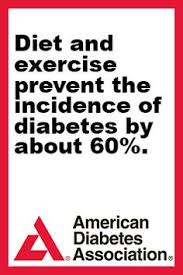
  • Many people with type 2 diabetes can control their blood glucose by following a healthy meal plan and exercise program, losing excess weight, and taking oral medication. Medications for each individual with diabetes will often change during the course of the disease. Some people with type 2 diabetes may also need insulin to control their blood glucose.

Self-management education or training is a key step in improving health outcomes and quality of life. It focuses on self-care behaviors, such as healthy eating, being active, and monitoring blood sugar.

Criteria for the diagnosis of diabetes:

  • A fasting blood sugar level ≥126 milligrams per deciliter (mg/dL) after an overnight fast, which is just taking the finger stick right when you wake up before breakfast OR
  • A 2-hour blood sugar level ≥200 mg/dL after a 2-hour oral glucose tolerance test (OGTT), OR
  • An A1c level ≥6.5%.   (The A1C test is a simple lab test that measures average blood glucose levels over the past 3 months. A small blood sample to check your A1C can be taken at any time of the day=simply a blood test)
  • Pretty simple isn’t it.

Diabetes is not only common and serious; it is also VERY COSTLY! Let us take a look:

The cost of treating diabetes is staggering. According to the American Diabetes Association, the annual cost of diabetes in medical expenses and lost productivity rose for $98 billion in 1997 to $132 billion in $2002 to $174 billion in 2007.

One out of every 5 U.S. federal health care dollars is spent treating people with diabetes. The average yearly health care costs for a person without diabetes is 2,560 dollars; for a person with diabetes that figure soars to $11,744. Much of the human and financial costs can be avoided with proven diabetes prevention and management steps.

Turn into PART 2 tomorrow and learn what the symptoms and complications are of Diabetes with how to decrease your odds of getting Diabetes with knowing what measures to take to better control your Diabetes, with your doctor’s approval.

REFERENCES for Part 1 and Part 2 :

  1. Center for Disease (CDC) – “National Diabetes Fact Sheet”
  2.  NYS Dept. of Health –Diabetes
  3.  Diabetic Neuropathy.org   “All about diabetic neuropathy&nerve damage caused by Diabetes.”Copyright 02–04.
  4. NIDDK “National Institute of Diabetes and Digestive and Kidney Diseases”
  5. National Diabetes Information Clearinghouse (NIDC) – U.S. Department of Health and Human Services. “Preventing Diabetes Problems: What you need to know”

QUOTE FOR WEDNESDAY:

“Alzheimer’s disease, which is currently at epidemic proportions, with 5.4 million Americans – including one in eight people aged 65 and over – living with the disease. By 2050, this is expected to jump to 16 million, and in the next 20 years it is projected that Alzheimer’s will affect one in four Americans. People we need to live healthier if not to help ourselves our future young ones.”

U. S. National Library of Medicine


Part 2 Alzheimer’s Disease considered by some as Diabetes 3=Brain Diabetes.

alzheimer  alzheimers-disease

More Tips for Avoiding Alzheimer’s Disease

The beauty of following a healthy diet is that it helps treat and prevent all chronic degenerative diseases, from the common ones like heart disease, cancer, diabetes, obesity and Alzheimer’s to the ones you have never heard of or can’t even pronounce.

The first step is to eat healthy, maintaining exercise balanced with rest and practice healthy habits in addressing Alzheimer’s disease, which is currently at epidemic proportions, with 5.4 million Americans – including one in eight people aged 65 and over – living with the disease. By 2050, this is expected to jump to 16 million, and in the next 20 years it is projected that Alzheimer’s will affect one in four Americans. People we need to live healthier if not to help ourselves our future young ones.

In spite of how common memory loss is among Westerners, it is NOT a “normal” part of aging. While even mild “senior moments” may be caused by the same brain lesions associated with Alzheimer’s disease and other forms of dementia, these cognitive changes are by no means inevitable! People who experience very little decline in their cognitive function up until their deaths have been found (post-mortem) to be free of brain lesions, showing that it’s entirely possible to prevent the damage from occurring in the first place and one of the best ways to do this is by leading a healthy lifestyle.

  • Fructose.  As mentioned, most everyone will benefit from keeping their total fructose consumed to below 25 grams per day.
  • Improve Magnesium Levels. There is some exciting preliminary research strongly suggesting a decrease in Alzheimer symptoms with increased levels of magnesium in the brain. Unfortunately most magnesium supplements do not pass the blood brain levels, but a new one, magnesium threonate, appears to and holds some promise for the future for treating this condition.
  • Optimize your vitamin D levels with safe sun exposure. Strong links between low levels of vitamin D in Alzheimer’s patients and poor outcomes on cognitive tests have been revealed.  Researchers believe that optimal vitamin D levels may enhance the amount of important chemicals in your brain and protect brain cells by increasing the effectiveness of the glial cells in nursing damaged neurons back to health.
  • Vitamin D may also exert some of its beneficial effects on Alzheimer’s through its anti-inflammatory and immune-boosting properties. Sufficient vitamin D is imperative for proper functioning of your immune system to combat inflammation that is also associated with Alzheimer’s.
  • Vitamin B12: According to a small Finnish study recently published in the journal Neurology, people who consume foods rich in B12 may reduce their risk of Alzheimer’s in their later years. For each unit increase in the marker of vitamin B12 (holotranscobalamin) the risk of developing Alzheimer’s was reduced by 2 percent. Very high doses of B vitamins have also been found to treat Alzheimer’s disease and reduce memory loss.
  • Eat a nutritious diet, rich in folate. Vegetables, without question, are your best form of folate, and we should all eat plenty of fresh raw veggies every day.
  • High-quality animal-based omega-3 fats, such as krill oil. (I recommend avoiding most fish because, although fish is naturally high in omega-3, most fish are now severely contaminated with mercury.) High intake of the omega-3 fats EPA and DHA help by preventing cell damage caused by Alzheimer’s disease, thereby slowing down its progression, and lowering your risk of developing the disorder.
  • Avoid and remove mercury from your body. Dental amalgam fillings, which are 50% mercury by weight, are one of the major sources of heavy metal toxicity, however you should be healthy prior to having them removed.
  • Avoid aluminum, such as antiperspirants, non-stick cookware, vaccine adjuvants, etc.
  • Exercise regularly. It’s been suggested that exercise can trigger a change in the way the amyloid precursor protein is metabolized thus, slowing down the onset and progression of Alzheimer’s. Exercise also increases levels of the protein PGC-1alpha. Research has also shown that people with Alzheimer’s have less PGC-1alpha in their brains and cells that contain more of the protein produce less of the toxic amyloid protein associated with Alzheimer’s. I would strongly recommend reviewing the Peak Fitness Technique for my specific recommendations.
  • Avoid flu vaccinations as most contain both mercury and aluminum, well-known neurotoxic and immunotoxic agents.
  • Eat plenty of blueberries. Wild blueberries, which have high anthocyanin and antioxidant content, are known to guard against Alzheimer’s and other neurological diseases.
  • Challenge your mind daily. Mental stimulation, especially learning something new, such as learning to play an instrument or a new language, is associated with a decreased risk of Alzheimer’s. Researchers suspect that mental challenge helps to build up your brain, making it less susceptible to the lesions associated with Alzheimer’s disease.
  • Avoid anticholinergic and statin drugs.   Drugs that block acetylcholine, a nervous system neurotransmitter, have been shown to increase your risk of dementia. These drugs include certain nighttime pain relievers, antihistamines, sleep aids, certain antidepressants, medications to control incontinence, and certain narcotic pain relievers.
  • Statin drugs are particularly problematic because they suppress the synthesis of cholesterol, deplete your brain of coenzyme Q10 and neurotransmitter precursors, and prevent adequate delivery of essential fatty acids and fat-soluble antioxidants to your brain by inhibiting the production of the indispensable carrier biomolecule known as low-density lipoprotein.