
The holiday season and how it impacts the heart with increasing the risk of heart attacks!

holiday-stress-during-the-holiday-season2 heart-attack-1 deal-with-stress-factors-this-holiday-season1

It’s the holiday season—cardiac patients not careful in eating but indulging in junk food may put you at high risk for a bomb to go off in the heart=heart attack.

While colder weather may play a role, studies have shown that the spike in heart events during the holiday season occurs even in It’s no secret that holiday celebrations offer many temptations to overindulge. Many holiday foods are high in saturated fats or sodium. Overindulgence in these foods can increase cholesterol levels or blood pressure, making it more difficult for blood to flow through arteries and upping the chance of a blockage. What you may not know is that eating a heavy holiday meal may affect you even after you’ve pushed away from the table. “Research shows that anyone with coronary-artery disease or high cholesterol has a heightened risk for heart attack for up to one day after eating a heavy meal,” said Mittleman. Mittleman participated in a study, “Heavy Meals May Trigger Heart Attacks,” led by Francisco Lopez-Jimenez, MD, currently the Director of the Cardio-metabolic Program at the Mayo Clinic. This study, which focused on nearly 2,000 former heart attack patients, found that 10 percent of them suffered a coronary within 26 hours of eating a heavy meal.

“People often change their eating habits during the holidays,” said Dr. Anne Riley, a cardiologist at BIDMC. “For those with congestive heart failure [CHF], salty foods can cause fluid retention and high blood pressure, which place added stress on an already weakened heart.”

Your heart may leap with delight at the electronic gizmo or emerald bracelet that you’ve just unwrapped from under the Christmas tree. But you can’t say the same for that nasty holiday surprise known as the “Merry Christmas coronary” or “Happy Hanukkah heart attack.”

For many years, researchers have been intrigued by a disturbing pattern: Deadly heart attacks increase during the winter holiday season. One study even found distinct spikes around Christmas and New Year’s Day.

Reading Facts About Heart Health and Heart Disease:

“We certainly know that there are certain risk factors for coronary artery disease. There’s obviously smoking, hypertension, dyslipidemia [high cholesterol], diabetes, lack of exercise, and age,” says Robert A. Kloner, MD, PhD, a researcher at Good Samaritan Hospital in Los Angeles and a professor at the Keck School of Medicine at the University of Southern California.

“But we’re also learning that there are certain triggers for cardiovascular events,” he adds, “including time of the year and seasons. If we can get a true handle on the seasonal variation, we could knock down death from coronary disease.”

Coronary artery disease stems from atherosclerosis, a condition in which fatty plaques narrow the arteries to the heart. When a plaque ruptures, it can trigger a blood clot that leads to a heart attack.

In a national 2004 study published in Circulation, researchers at the University of California, San Diego, and Tufts University School of Medicine examined 53 million U.S. death certificates from 1973 to 2001. They discovered an overall increase of 5% more heart-related deaths during the holiday season. When researchers looked at individual years, they found varying increases in cardiac deaths for every holiday period they studied, except two.

Doctors have long known that cold weather is hard on the heart. Blood vessels constrict, which raises blood pressure. Blood also clots more readily. Frigid temperatures increase strain on the heart, and too much physical exertion can worsen the burden and trigger a heart attack. For example, doctors have treated many patients whose heart attacks followed strenuous snow shoveling.

Not to put a damper on holiday frivolity, but heart attacks increase during winter. For one reason, cold weather is tough on the heart. Blood vessels constrict, which causes blood pressure to rise. Additionally, blood clots more easily. (I’m getting this info, by the way, from the boldface link a sentence or two ago).

“People tend to consume much more fat, salt, sugar, and alcohol during the holiday season,” says Roberto Wayhs, MD, chief of cardiology at Methodist Charlton Medical Center. “Also, people tend to be less active due to the cooler weather. Overindulgence of food and alcohol along with inactivity raises the blood pressure and cholesterol levels. These risk factors combined increase your chances of having congestive heart failure, a stroke, or even a heart attack.”

To put a stop to that, or at least decrease your chances, he offers these tips:

Limit foods and beverages that are salty and/or rich. Blood pressure tends to go up the more salt you intake. Rich and sugary foods raise blood sugar levels.

Be consistent in taking your daily medications. You need them at all times of the year to maintain good health.

Get enough sleep. Sleep loss is related to weight gain, which also can affect the heart. Aim for at least seven hours.

Control your stress. “Holiday sadness adds stress,” Wayhs says. “Don’t be afraid to seek professional help if you need it.”

Limit alcohol intake.  “High alcohol intake has been linked to irregular and rapid heartbeats (atrial fibrillation) and congestive heart failure,” says Dr. Wayhs.

Maintain your normal exercise routine. “Don’t place your healthy habits on the back burner,” he says.

If you don’t have time for your usual workouts, try a shorter one.

Oh and, of course, stop smoking. But you knew that already.

QUOTE FOR TUESDAY:

“It is the life of the crystal, the architect of the flake, the fire of the frost, the soul of the sunbeam. This crisp winter air is full of it.”
~John Burroughs, “Winter Sunshine”. (April 1837 – March 29, 1921)

QUOTE FOR MONDAY:

“In a normal working day in modern America, there’s a sense of so much coming at you at once, so much to process that you just can’t deal with it all.”

Michael Taft (Author of The Mindful Geek, mindfulness coach, neuroscience junkie).

How the brain thinks and can even impact you during the holiday season!

how-our-brain-thinks-during-the-holidays  post-thanksgiving-or-xmas-or-ntd-3

For some, the holidays are quite stressful.  Using an important concept that has a dramatic affect on your life particularly during stressful times can be very useful. In fact, this concept can literally make you smarter (or dumber) and even dictate job success.

You’ll learn why this occurs, and what you can do to reduce the problem. Plus, make connections for your kids in school and at home. The concept is grounding scientifically and let us look at tangibility for the evidence. In fact, people joke about this concept all the time. They just don’t know that it’s actually there. The mind-blowing concept that can change your life (and raise student achievement) is the following:

The Research

The key term is called “cognitive load.”

Cognitive load is the amount of stuff you’re “juggling” mentally at any given time. Humans cycle thoughts and feelings through their head all day long. There was a concept that was first proposed by John Sweller 1988, while studying problem-solving. He says that the amount of information, the complexity and the interactions that must be processed simultaneously is our “cognitive load.”

New learning can be processed in real time or overwhelm the brain based on 1) your knowledge of related background information in long-term memory, 2) the emotional context and valence, and 3) the strength of your working memory.

How can this concept make you (or your students) feel stupid, or pretty smart? You guessed it. Unless your students are prepped with strategies, long-term and short-term memory skills, they will go into “cognitive overload” and freeze up …not be able to deal with school overload to college graduates not being able to deal with the new work force to .

Here’s an example of “cognitive load issues” in the classroom. If you work with students from poverty, scarcity of resources in their lives consumes “mental space.” You know what that’s like; if you’re worried about making rent or a house payment, it constantly uses up part of your brain’s functioning power. Cognitive capacity can be stretched thin because of excessive cognitive load issues, said Harvard economist Dr. Mullainathan, part of the research team on a study in the past decade. The non-stop worry that comes with being poor, middle class constant bills with taking care or the kids and surviving in your home than holiday bills, or the rich even where all have demands constant cognitive juggling and mental energy. As a result, the poor have less brainpower to devote to school (unless you, the teacher, know how to change it).

In two countries (U.S. and India), with very different types of poverty, the researchers looked into the daily cognitive load. In both countries, the results were the same. The poor are more likely to make mistakes and make poor decisions that amplified and perpetuated their problems. The mental strain was typically costing poor people as much as 13 IQ points (Shah, Mullainathan & Shafir, 2012).

In short, TOO MUCH on your mind hurts your thinking skills and intelligence.

Here are other examples of loss in brainpower. If you feel very guilty about something you have done, you can subtract 15% of your brainpower. If you’re going to a holiday function and you’re worried about what others will think of you (instead of thinking about how you can be interested in others), you can subtract 20%. If you’re trying to prepare a holiday dinner and at the same time, you’re worried about being caught because you’re having an extramarital affair, you can subtract 50% of your brainpower. If you’re in an abusive relationship at home or being beaten every day, you can subtract 40% of your brainpower. The more things “weigh” on your mind, the less capacity you have for vitality, health and joy.

If you’re thinking of what else you could be doing right now, you just lost another 10% of brainpower. Fail to get a full night’s sleep and you can temporarily lose the amount of brainpower equal to 10 points of IQ (Wolfson & Carskadon, 2005; Killgore, Kahn-Greene, Lipizzi, Newman, Kamimori & Balkin, 2008).

In short, the more you have on your “mental plate”, or the more “plates you’re juggling in the air”, the worse your cognitive skills will be. Worry too much over the holidays (or anytime!) and you lose brainpower.  So try to enjoy the holidays and put less stress on your shoulders. Get a routine exercise, good eating healthy eating, holiday treats in control, and good rest 8 hrs a day!

QUOTE FOR THE WEEKEND:

“The American Social Health Association (ASHA) and the National Cervical Cancer Coalition have named January Cervical Health Awareness Month. “Cervical cancer was once one of the most common causes of cancer death for American women. But over the last 30 years, the cervical cancer death rate has gone down by more than 50%.”

American Cancer Society

Cervical Cancer


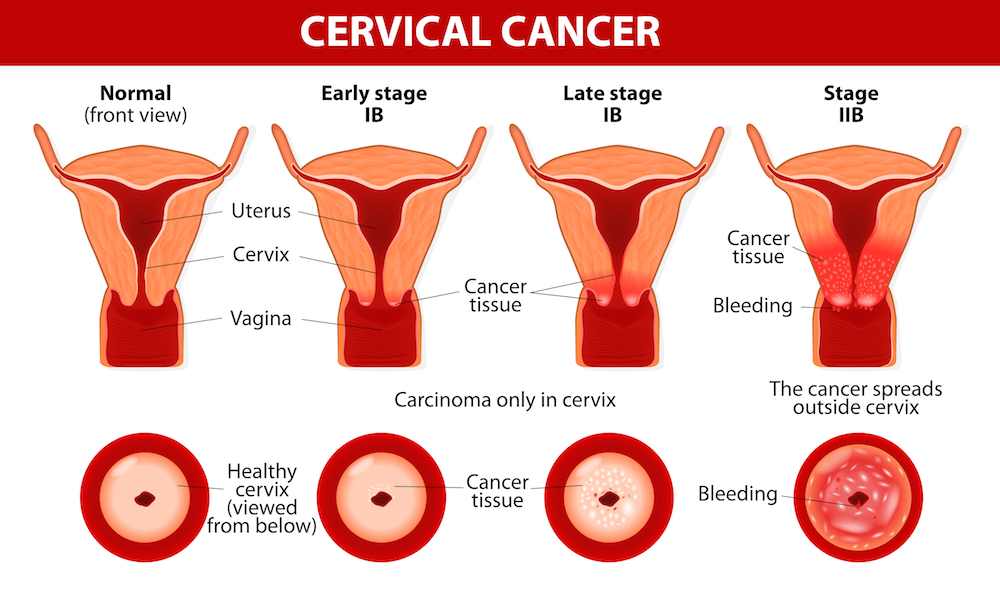
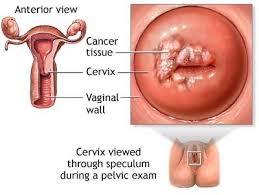
Cervical Cancer. Carcinoma of Cervix. Malignant neoplasm arising from cells in the cervix uteri. Vaginal bleeding. Vector diagram

Cervical Cancer. Carcinoma of Cervix. Malignant neoplasm arising from cells in the cervix uteri.  Vaginal bleeding. Vector diagram

cervical-cancer-month5

The United States Congress designated January as Cervical Health Awareness Month. During January, NCCC and its many local chapters across the country highlight issues related to cervical cancer, HPV disease and the importance of early detection. More than 40 years ago cervical cancer was a major cancer death risk for women. With the development of pap tests and in-depth recognition of warning signs those numbers are dropping significantly. We still aren’t completely safe however, as many thousands of women are still affected by cervical cancer every year.

Cervical Cancer is today’s issue.

Through National Cervical Cancer Coalition with Dr. Warner Huh who stated the following information about today’s topic:

1Cervical cancer screening used to all be so simple—women were told just go for your annual Pap. But now we have new tests to screen for cervical cancer, plus updated guidelines that—for most women—mean routine screening is done every few years rather than annually. Dr. Warner Huh of the University of Alabama, Birmingham sorts out the new landscape of Pap and HPV tests.

2Human papillomavirus, or HPV, is a common sexually transmitted infection. So common that most (~80%) sexually active people will be infected with HPV at some point.

Picking up on risk factors and warning signs that could save an individual from a lifetime of suffering. These include whether or not you’ve contracted HPV, if you eat a whole diet, have used birth control, have HIV, smoke cigarettes, or if it’s just in your genetics.  Here are some things to watch out for, here’s the following:

Leg Pain – Some women exhibiting early stages of cervical cancer experience swelling and pain in the leg. When the cervix swells it can lead to an obstructed blood flow, which eventually causes the leg to swell and gives a sore, painful sensation. This may be a sign of early cervical cancer.

Vaginal discharge colored with blood – It’s normal for a woman to experience small amounts of clear discharge without color or odor. However, bloody, dark, or smelly discharge is usually a sign of infection. But sometimes, it’s a sign of cervical or endometrial cancer.

Abnormal vaginal bleeding – More than 90% of women diagnosed with endometrial cancer experience irregular bleeding. If you have already undergone menopause, any bleeding — spotting included — should be evaluated. Haven’t gone through menopause yet? See your doctor if you experience bleeding between periods, heavy bleeding or bleeding during sex.

Discomforting Urination – Keeping track of urination can help reveal the presence of cervical cancer in several ways. The most immediately obvious and prevalent symptom is discomfort while urinating.  You may experience burning, stinging, or a tight sensation. This is another symptom to see a doctor about either way.

Irregular Urination – The appearance of the urine and urinary habits can also be symptoms of cervical cancer. If you notice strange changes in the frequency of your urine, loss of bladder control (incontinence) or a discoloration – especially with blood – seek the input of a medical professional.

Irregular Menstrual Cycles – There should be some level of consistency when it comes to monthly periods. If time, frequency, or any other changes disrupt the regular routine, it can also be a sign that you’re at a much higher risk for cancer and will require regular screenings.

Uncomfortable Sex – Painful intercourse, otherwise known as dyspareunia, is another discomforting side effect of cervical cancer. There are several possible reasons for this symptom to develop, as is the case with many of the symptoms on this list. This symptom is most commonly linked to conditions that require medical attention, however, so it shouldn’t be ignored.

Pain in the pelvis or abdominal area – Abdominal pain or discomfort — including gas, indigestion, pressure, bloating, and cramps — can signal ovarian cancer. And, constant pelvic pain or pressure can be a sign of endometrial cancer.

Back Pain – Back pain is common, affecting around 80 percent of the population, and it can happen for a wide variety of reasons, but if accompanied with other symptoms from the list, go for a medical check-up.

QUOTE FOR FRIDAY:

“Can you believe approximately 17 percent of American children ages 2 to 19 years are obese? How about this fact: approximately 60 percent of overweight children ages 5 to 10 already have at least one risk factor for heart disease? We are all to blame for this – parents, schools, kids – all of us.”
Alison Sweeney(born 9/19/76) is an American dramatic actress

An eye opener on Heart Disease that should be rare and cured by now but why not?

    an-eye-opener-on-heart-disease3  cholesteroterol-and-heart-disease

 women-and-heart-disease  an-eye-opener-on-heart-disease2

It is still the number one killer even greater than cancer in both men and women today. This disease should be rare do to a lot of cardiac disease is unfortunately inflicted upon humans through being overweight through just bad healthy habits practiced. Obesity can cause diabetes II, heart disease, high blood pressure, and more. High blood pressure is called the “silent killer” because it often has no warning signs or symptoms, and many people don’t realize they have it. That’s why it’s important to get your blood pressure checked regularly. The good news is that you can take steps to prevent high blood pressure, or to treat it if it is already high.

What we can do is make some changes in our living. We westerners create an increase in diabetes, heart disease and some cancers.

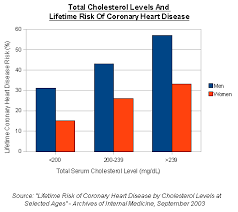
AMERICA WE NEED TO WAKE UP AND MAKE A CHANGE. TO THE MAIN CULPRITES we are talking about sugars and fat (OUR DIET). GLUCOSE and LIPIDS!. The typical American diet is consisted and loaded with sugar and fats. Lack of exercise and stress doesn’t help the situation. Get peace of mind through again making changes in your life if you are striving to become healthier. Let’s look at cholesterol = 2 types HDL and LDL. LDL is the bad cholesterol. Know if your LDL is type A or type B. If you have a high HDL level and a low LDL that is good but ask your doctor to see if you can get a blood test checking both type A and type B of your cholesterol that will give you the knowledge if you need to take an action. Go to CDC.org to see the different number ranges of both men and women on their levels and more. Just knowing your cholesterol level isn’t enough but does give the doctor some direction. Knowing if your type A or type B LDL helps even more with knowing your risk of heart disease.

Cholesterol only becomes a problem if the LDL gets too high with high pattern type B which is worse with stress and smoking and processed foods in high amounts eaten. Particles called lipoproteins carry cholesterol in the blood. There are two kinds of lipoproteins you need to know about: LDL and HDL. The plasma lipoprotein particles classified under high-density (HDL) and low-density (LDL) lipoproteins enable fats to be carried in the blood stream.

-Low-density lipoproteins (LDL) cholesterol make up the majority of the body’s cholesterol. LDL is known as “bad” cholesterol because having high levels can lead to a buildup in the arteries and result in heart disease.

-High-density lipoproteins (HDL) cholesterol absorb cholesterol and carry it back to the liver, which flushes it from the body. High levels of HDL, or “good” cholesterol, reduce the risk of heart disease and stroke.

Apolipoprotein A1 (apoA1) is the major protein of high-density lipoprotein (HDL), and apoB is among the major proteins of very low-, low- (LDL), and intermediate-density lipoproteins. Because of their associations with the respective lipoproteins, apoA1 is inversely and apoB is positively associated with cardiovascular risk (2). In fact, evidence suggests that apoA1 and apoB are better predictors of heart disease risk than are HDL and LDL cholesterol levels (3-5). Apolipoproteins may also offer advantages over lipoprotein cholesterol measurements because they are direct measurements, whereas LDL, for example, is calculated from other lipoproteins from a fasting blood sample.

You can take several steps to maintain a normal cholesterol level.

  • Get a blood test.

  • Eat a healthy diet.

  • Maintain a healthy weight.

  • Exercise regularly.

  • Don’t smoke.

  • Treat high cholesterol.

Heart disease what is it? Your arteries can get stretched in high blood pressure and it puts the arteries at risk for an auto immune response which allows LDL particles to go in these stretched out areas causing build up of bad cholesterol in the arteries and imbeds fat causing the placque build up = narrowing of the arteries.

We need to reduce inflammation in the arteries. To prevent, reduce, and treat heart disease if already diagnosed with. Reduce all sugars, cut back on fatty foods, exercise daily, increase of your whole grains, fresh fruits, and vegetables.   We need to use all 4 food groups but eat the healthy ones in the right portions. Which I can provide to you later how to go about this.

In the United States, the most common type of heart disease is coronary artery disease (CAD), which leads many to heart attacks. You can greatly reduce your risk for CAD through lifestyle changes and, in some cases, medication. CAD consists of cholesterol and placque build up, even tar if a smoker, that can be deadly in time with blocking the arteries called atherosclerosis. This in time left untreated can lead to a heart attack or even silent heart attack. CAD also is the brittling of the arteries causing narrowing of the arteries called arteriosclerosis. Here it is the ending result is the blood supply is affected in not getting enough oxygen throughout our body to our tissues.

Coronary artery disease can cause a heart attack. If you have a heart attack, you are more likely to survive if you know the signs and symptoms, call 9-1-1 immediately, and get to a hospital quickly. People who have had a heart attack can also reduce the risk of future heart attacks or strokes by making lifestyle changes and taking medication.  Don’t put off the chest pain or discomfort in the chest or pain down the L arm for if your right you want to prevent the heart attack before it occurs and if you already had an attack the sooner treated the better. Reperfusion of blood to the heart is the KEY in treatment. Chest pain to the heart is lack of oxygen getting to the heart tissue=ischemia. We alone can’t treat it but we can prevent it before CAD even sets in through good health practices daily, healthy dieting daily and balancing rest with exercise daily.                                              

Look at our diet alone in America: Take the elements that are in our food=Sugars or Carbohydrates or Fats. Simple CHO likes bread, rice, pasta along with fats and complex sugars all convert to simple sugars in the stomach and when it goes through digestion and the simple sugar reaches the blood stream filling it up with sugar which first does get utilized to our tissues and cells but if still extra sugar in the blood stream that sugar has to go somewhere which is by filling up the liver with it. In the liver the glucose gets converted from active sugar=glucose to glycogen=inactive sugar that stores in this organ. This is so if and when the body needs extra sugar for energy in our body and we don’t eat the inactive glucose glycogen will get released back into the blood stream and change to glucose and be used. Since we eat so much in America it usually isn’t the case. Obesity is so large in our country and this is why.   When it reaches full and can’t store anymore still this glucose extra glucose in the blood stream has to go somewhere. So now the glucose gets stored in our fatty tissue=weight gain. This is what you see with eating through on a regular basis day in & day out too much food compared to the activity or exercise you get for the day. If no daily exercise then your fat storage build up is high=weight gain.

 How do we go about preventing CAD and getting healther. Well see if this makes sense to you, it did to me. First, genetic abnormalities contribute to the risk for certain types of heart disease, which in turn may lead to heart failure. However, in most instances, a specific genetic link to heart failure has not been identified. SO THE KEY TO PREVENTION OF CAD IS TO LIVE AS HEALTHY AS POSSIBLE IN YOUR ROUTINE HABITS, YOUR DIETING WITH THE 4 FOOD GROUPS, MAINTAINING YOUR WEIGHT IN A THEREPEUTIC RANGE (look as calculating BMI online for free to find out what your weight range for your height is), and BALANCING REST WITH EXERCISE TO HELP DECREASE THE CHANCE OF GETTING HEART FAILURE.